8618566785362 8618566785362 8618566785362 phoenix08@bbamachine.com
- All
- Product Name
- Product Keyword
- Product Model
- Product Summary
- Product Description
- Multi Field Search

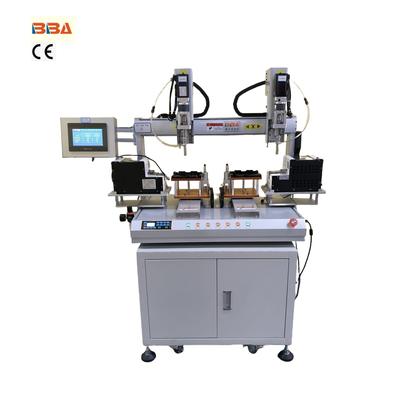
body { font-family: Arial, sans-serif; line-height: 1.6; color: #333; margin: 20px; } h1 { color: #1a5fb4; font-size: 28px; margin-bottom: 15px; } h2 { color: #1c71d8; font-size: 22px; margin-top: 20px; margin-bottom: 10px; } p { margin-bottom: 15px; text-align: justify; } strong { color: #1a5fb4; } Future of Assembly Automation with Multi-Axis Machines The landscape of industrial automation is undergoing a profound transformation, driven by the rapid advancement of multi-axis machines. These sophisticated systems are redefining what is possible in assembly lines, offering unprecedented levels of precision, flexibility, and efficiency. As industries strive for greater productivity and shorter time-to-market, the role of multi-axis automation becomes increasingly critical. Unparalleled Precision and Complexity Traditional assembly systems often face limitations when dealing with complex components or intricate tasks. Multi-axis machines, equipped with five, six, or even more axes of motion, overcome these challenges effortlessly. They can approach a workpiece from virtually any angle, performing highly detailed operations with micron-level accuracy. This capability is indispensable for industries like electronics, aerospace, and medical devices, where the smallest deviation can have significant consequences. The result is a dramatic reduction in errors and a substantial improvement in final product quality. Enhanced Flexibility for Dynamic Production In today's fast-paced market, the ability to quickly adapt to new product designs is a competitive advantage. Multi-axis machines are inherently flexible. Through simple software reprogramming, the same machine can be reconfigured to handle a completely different assembly process. This eliminates the need for costly and time-consuming physical retooling, enabling manufacturers to shift production lines with minimal downtime. This agility supports the growing trend of high-mix, low-volume production, allowing for greater customization without sacrificing efficiency. Boosting Efficiency and Reducing Cycle Times The simultaneous movement across multiple axes allows these machines to perform complex sequences of operations in a single, fluid motion. Unlike traditional systems that might require moving a part between several stations, a multi-axis machine can often complete the entire process in one setup. This consolidation drastically reduces cycle times and minimizes handling, which not only speeds up production but also lowers the risk of damage to sensitive components. The overall equipment effectiveness (OEE) sees a remarkable improvement, leading to a stronger return on investment. The Integration of Smart Technologies The future of multi-axis machines is deeply intertwined with Industry 4.0 principles. Modern systems are increasingly equipped with integrated sensors and vision systems, providing real-time data for process monitoring and quality control. This connectivity enables predictive maintenance, where potential issues are identified and addressed before they cause unplanned downtime. Furthermore, the data collected can be analyzed to continuously optimize assembly processes, creating a feedback loop that drives constant improvement in both quality and throughput. Towards a Smarter Factory Floor As multi-axis technology continues to evolve, we are moving closer to the vision of the fully autonomous "lights-out" factory. These machines are becoming easier to program and more intuitive to operate, often through advanced human-machine interfaces (HMIs) and even augmented reality (AR) for setup and training. The synergy between multi-axis precision, adaptive robotics, and AI-driven data analysis is creating a new generation of assembly automation that is not only powerful but also intelligent and seamlessly integrated into the digital manufacturing ecosystem. The adoption of multi-axis machines is no longer a luxury but a necessity for manufacturers aiming to stay at the forefront of innovation. They represent a fundamental shift towards more agile, precise, and intelligent production, truly shaping the future of assembly automation. Product Name Applicable industries Smart Screw Driving Machine Smart Wearables Production
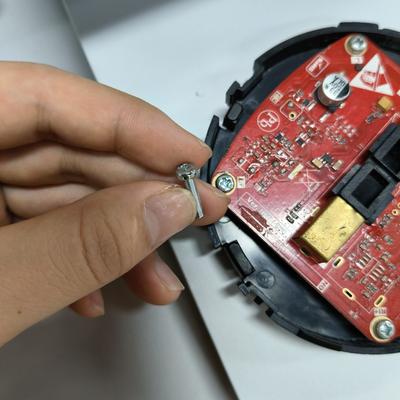
Routine Maintenance for Desktop Screwdriver Robots body { font-family: Arial, sans-serif; line-height: 1.6; margin: 20px; color: #333; } h1 { color: #2c3e50; font-size: 28px; margin-bottom: 20px; } h2 { color: #34495e; font-size: 22px; margin-top: 25px; margin-bottom: 15px; } p { margin-bottom: 15px; text-align: justify; } ul { margin: 15px 0; padding-left: 20px; } li { margin-bottom: 8px; } .highlight { background-color: #f8f9fa; padding: 15px; border-left: 4px solid #3498db; margin: 20px 0; } .tip { font-style: italic; color: #7f8c8d; } Routine Maintenance for Desktop Screwdriver Robots Desktop screwdriver robots are precision instruments designed to enhance efficiency and accuracy in assembly and manufacturing processes. Like any sophisticated machinery, these robots require consistent and thorough maintenance to perform at their best. Neglecting routine care can lead to reduced accuracy, mechanical failures, and ultimately, costly downtime. This article outlines essential maintenance practices to keep your desktop screwdriver robots operating smoothly and extend their service life. Daily Maintenance Checks Start each day with a quick visual inspection of the robot. Check for any obvious signs of wear, loose components, or debris around the machine. Ensure the work area is clean and free from obstructions. Verify that all safety features, such as emergency stop buttons and protective covers, are functioning correctly. A simple power-on test to confirm the robot initializes without errors is also recommended. Weekly Cleaning and Lubrication Dust, dirt, and small particles can accumulate in the robot's moving parts, potentially causing jams or wear. Use a soft, dry cloth or compressed air to clean the exterior and components such as the screw feeder, guide rails, and spindle. Avoid using harsh chemicals that could damage sensitive parts. For robots with mechanical joints or sliding elements, apply a small amount of recommended lubricant according to the manufacturer's guidelines. Over-lubrication can attract dirt, so use sparingly. Monthly Calibration and Inspection Calibration is critical for maintaining precision. Monthly, check the torque accuracy and tightening settings using a calibrated torque tester. If deviations are found, recalibrate the tool according to the user manual. Inspect the screwdriver bit for wear and replace it if necessary to ensure consistent performance. Examine electrical connections, cables, and connectors for signs of damage or looseness. Tighten any loose fasteners on the robot's structure. Long-Term Maintenance and Part Replacement Depending on usage, certain components will require periodic replacement. Common wear parts include the screwdriver bits, feeder mechanisms, belts, and motors. Keep a log of maintenance activities and part replacements to predict future needs. Always use genuine replacement parts to guarantee compatibility and reliability. For advanced diagnostics or software updates, refer to the product documentation or seek support from authorized service providers. Pro Tip: Maintain a detailed maintenance log. Record dates of inspections, cleanings, calibrations, and part replacements. This history helps in identifying recurring issues and planning preventive measures, ultimately reducing unexpected failures. Software and Firmware Updates Modern desktop screwdriver robots often rely on software for operation and programming. Regularly check for available firmware or software updates from the manufacturer. These updates can include performance improvements, bug fixes, and new features that enhance functionality and security. Before updating, ensure all current settings and programs are backed up to avoid data loss. Consistent maintenance is not just a recommendation—it is a necessity for maximizing the return on investment in automation technology. By integrating these routine practices into your operational schedule, you ensure that your desktop screwdriver robots remain reliable, accurate, and productive for years to come. Product Name Applicable industries Desktop Screwdriver Robot Electric Bicycle Assembly
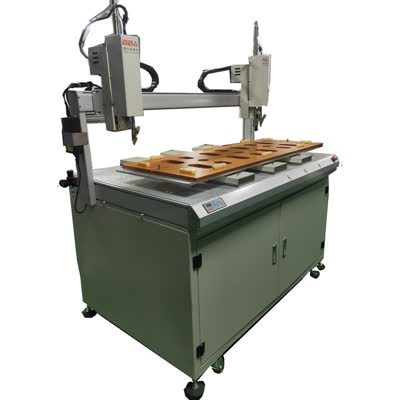
Smart Factory Integration with Multi-Axis Screw Robots The evolution of industrial automation continues to redefine manufacturing efficiency, precision, and scalability. Among the most impactful innovations in this domain is the integration of multi-axis screw robots into smart factory ecosystems. These advanced robotic systems are transforming assembly and fastening processes, enabling unprecedented levels of flexibility, speed, and accuracy in production environments. Multi-axis screw robots are designed to handle complex fastening tasks with minimal human intervention. Equipped with multiple programmable axes of motion, these robots can access tight spaces, adjust to various angles, and perform repetitive screwdriving operations with consistent torque and precision. This capability is particularly valuable in industries such as electronics, automotive, and consumer goods, where screw fastening is a critical step in the assembly process. One of the key advantages of multi-axis screw robots is their seamless integration within smart factory networks. Through IoT-enabled sensors and connectivity features, these robots can communicate with other machinery, centralized control systems, and data analytics platforms. Real-time data on torque, angle, and fastening status can be monitored and analyzed, allowing manufacturers to optimize processes, reduce errors, and prevent defects before they occur. Flexibility is another standout feature. Traditional screwdriving systems often require dedicated setups for specific tasks, limiting their adaptability to changing production needs. In contrast, multi-axis robots can be quickly reprogrammed to handle different products, screw types, and assembly sequences. This makes them ideal for high-mix, low-volume production runs, where rapid changeovers are essential to maintaining efficiency. Moreover, the incorporation of vision systems and artificial intelligence enhances the functionality of these robots. Machine learning algorithms enable them to recognize components, adapt to tolerances, and self-correct during operation. This not only improves accuracy but also reduces the need for manual calibration, saving time and resources. Safety and ergonomics are also significantly improved with the adoption of multi-axis screw robots. By automating repetitive and physically demanding tasks, manufacturers can reduce the risk of workplace injuries and free up human workers to focus on higher-value activities such as quality control, process optimization, and innovation. As smart factories continue to evolve, the role of multi-axis screw robots will only become more prominent. Their ability to deliver precision, efficiency, and adaptability aligns perfectly with the goals of modern manufacturing: greater productivity, improved quality, and reduced operational costs. Investing in such advanced automation solutions is no longer just an option—it is a strategic imperative for companies aiming to stay competitive in a rapidly changing industrial landscape. The future of industrial automation is here, and multi-axis screw robots are at the forefront, driving smarter, more connected, and more efficient manufacturing processes worldwide. Product Name Applicable industries Screw Locking Robot Power Tool Assembly Lines
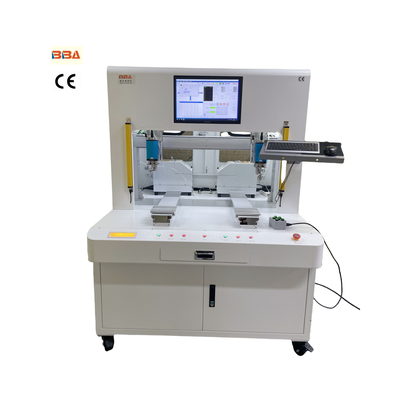
In the world of manufacturing and assembly, tightening machines play a critical role in ensuring product quality, safety, and reliability. As industries worldwide strive to reduce their environmental footprint and operational costs, the energy efficiency of modern tightening machines has become a key focus. These advanced systems are designed not only for precision and speed but also for minimizing energy consumption without compromising performance. One of the primary ways modern tightening machines achieve energy efficiency is through the use of brushless DC motors and servo-driven technology. Unlike traditional pneumatic or hydraulic systems, which often waste energy through heat loss and leakage, electric servo-driven tools provide precise control over torque and angle, significantly reducing energy usage. These systems only consume power when actively tightening, eliminating idle energy loss and contributing to lower electricity bills. Additionally, smart software and adaptive control algorithms optimize the tightening process by adjusting parameters in real-time based on material properties, joint characteristics, and environmental conditions. This ensures that the minimum required energy is used for each operation, avoiding over-tightening and unnecessary power drain. Many modern machines also feature regenerative braking, which captures and reuses energy during deceleration, further enhancing overall efficiency. Another important aspect is the integration of IoT and data analytics capabilities. Energy monitoring functions allow operators to track power consumption patterns, identify inefficiencies, and make data-driven decisions to optimize performance. By analyzing historical data, manufacturers can fine-tune their processes, schedule maintenance proactively, and reduce downtime, all of which contribute to energy savings. The shift towards energy-efficient tightening machines is not just about reducing operational costs—it also supports sustainability goals. Lower energy consumption means reduced greenhouse gas emissions, especially in regions where electricity generation relies on fossil fuels. This aligns with global initiatives for greener manufacturing and helps companies meet regulatory requirements and consumer expectations for environmentally responsible practices. In conclusion, modern tightening machines represent a significant leap forward in energy efficiency, combining advanced motor technology, intelligent software, and data-driven insights to deliver high performance with minimal environmental impact. As industries continue to prioritize sustainability, these innovations will play an increasingly vital role in shaping the future of manufacturing. Product Name Applicable industries Desktop Screwdriver Robot Telecommunication Equipment Assembly
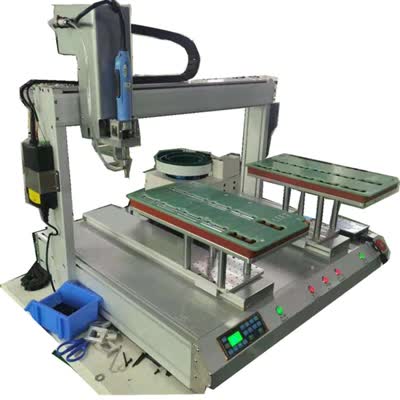
Product Name Applicable industries Dual Head Screwdriver Telecommunication Equipment Assembly body { font-family: Arial, sans-serif; line-height: 1.6; margin: 20px; color: #333; } h1 { color: #2c3e50; font-size: 28px; margin-bottom: 15px; } h2 { color: #34495e; font-size: 22px; margin-top: 20px; margin-bottom: 10px; } p { margin-bottom: 15px; text-align: justify; } ul { margin-bottom: 15px; padding-left: 20px; } li { margin-bottom: 8px; } .highlight { background-color: #f8f9fa; padding: 15px; border-radius: 5px; margin: 15px 0; border-left: 4px solid #3498db; } strong { color: #2c3e50; } Cleaning and Lubrication Guide for Screw Assembly Units In the world of industrial automation, screw assembly units are fundamental components in countless manufacturing processes. These units ensure precise and reliable fastening operations, which are critical for product quality and assembly line efficiency. However, to maintain their performance and extend their operational lifespan, regular cleaning and proper lubrication are essential. Neglecting these maintenance practices can lead to decreased accuracy, increased downtime, and costly repairs. This guide provides essential recommendations for effectively maintaining your screw assembly units. The Importance of Regular Cleaning Industrial environments are often filled with contaminants such as dust, metal shavings, oil residues, and other debris. Over time, these particles can accumulate within the screw assembly unit, particularly around the ball screw and guideways. This buildup increases friction, causes wear on critical components, and can ultimately lead to failure. Regular cleaning removes these contaminants, preventing potential damage and ensuring smooth operation. For optimal cleaning, first, safely disconnect the unit from its power source. Use a soft brush or compressed air to remove loose debris from the exterior and hard-to-reach areas. For more thorough cleaning, apply a specialized industrial solvent or cleaner to a lint-free cloth and gently wipe down the screw and surrounding components. Avoid using excessive moisture or harsh abrasive materials that could damage precision surfaces. Always ensure the unit is completely dry before reapplying lubrication or returning to service. Selecting the Right Lubricant Lubrication reduces friction between moving parts, minimizes wear, dissipates heat, and protects against corrosion. The choice of lubricant is crucial and depends on several factors, including operating speed, load, temperature, and environmental conditions. Generally, screw assembly units benefit from high-quality lithium-based greases or synthetic oils designed for precision mechanical components. It is vital to consult the unit's manufacturer manual for specific lubricant recommendations. Using an incorrect lubricant type or viscosity can be as detrimental as having no lubrication at all. For high-speed applications, a lower viscosity oil might be necessary, whereas high-load scenarios often require a more robust grease. Always ensure the lubricant is free from impurities before application. Step-by-Step Lubrication Procedure A systematic approach to lubrication ensures complete coverage and prevents over-application, which can attract dirt. Clean First: Always clean the screw and nut assembly thoroughly before applying new lubricant. Apply Evenly: For grease, apply a thin, even coat along the length of the screw. For oil, use a drip feed system or manual oiler as recommended. Cycle the Unit: Manually cycle the unit through its entire travel length several times to distribute the lubricant evenly across all working surfaces. Wipe Excess: After cycling, gently wipe away any excess lubricant to prevent accumulation of debris. Establishing a regular maintenance schedule based on the operational hours of the unit is key. Units operating in harsh or demanding environments will require more frequent lubrication intervals than those in clean, light-duty applications. Conclusion: Maximizing Performance and Longevity Implementing a consistent cleaning and lubrication regimen is one of the most effective strategies for protecting your investment in screw assembly technology. This proactive maintenance not only safeguards against unplanned downtime but also ensures consistent precision and reliability in your assembly operations. By dedicating time to these essential practices, you significantly enhance the productivity and service life of your automated equipment, supporting seamless and efficient manufacturing output.
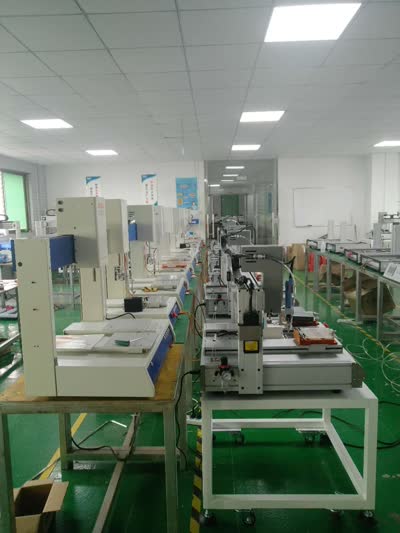
Product Name Applicable industries Dual Head Screwdriver PCB and Circuit Board Assembly body { font-family: Arial, sans-serif; line-height: 1.6; margin: 20px; color: #333; } h1 { color: #0056b3; font-size: 24px; margin-bottom: 20px; } h2 { color: #0073e6; font-size: 20px; margin-top: 25px; margin-bottom: 15px; } p { margin-bottom: 15px; text-align: justify; } ul { margin-bottom: 15px; padding-left: 20px; } li { margin-bottom: 8px; } .highlight { background-color: #f5f5f5; padding: 15px; border-radius: 5px; margin: 15px 0; } Comparing Leading Brands of Desktop Screw Robots The industrial automation landscape has been revolutionized by the introduction of desktop screw robots. These compact, efficient systems are designed to automate screwdriving tasks with precision and reliability, making them indispensable in modern manufacturing environments. As industries strive for higher productivity and reduced operational costs, the demand for these advanced robots continues to grow. This article explores the key features and benefits of top-tier desktop screw robots, providing insights into what makes them essential tools for automation-driven businesses. Key Features to Consider When evaluating desktop screw robots, several critical features stand out. First and foremost is precision. High-quality models offer exceptional accuracy in screw placement and driving, minimizing errors and reducing waste. Speed is another vital factor, as faster cycle times directly translate to increased production output. Additionally, ease of integration into existing production lines is crucial. The best systems are designed with user-friendly interfaces and compatibility with various software platforms, allowing for seamless implementation without significant downtime. Durability and build quality are also paramount. Industrial environments can be harsh, and equipment must withstand continuous operation without compromising performance. Look for robots constructed from robust materials and featuring advanced motor technology that ensures long-term reliability. Furthermore, flexibility in handling different screw types and sizes is essential for adapting to diverse production needs. Leading models offer customizable options, such as adjustable torque settings and interchangeable heads, to accommodate a wide range of applications. Modern desktop screw robots are equipped with smart technology, including vision systems and real-time monitoring, which enhance operational efficiency and provide valuable data for process optimization. Benefits of Automation with Desktop Screw Robots Implementing desktop screw robots brings numerous advantages to manufacturing operations. One of the most significant benefits is the reduction in labor costs. By automating repetitive screwdriving tasks, companies can reassign human workers to more complex and value-added activities, thereby optimizing workforce utilization. This not only cuts expenses but also boosts overall productivity by leveraging human ingenuity where it matters most. Consistency and quality assurance are other critical advantages. Automated systems perform tasks with unwavering accuracy, eliminating variations caused by human fatigue or error. This leads to higher product quality and fewer defects, enhancing customer satisfaction and reducing rework costs. Moreover, these robots contribute to a safer workplace by minimizing the risk of injuries associated with manual screwdriving, such as repetitive strain injuries or accidents involving machinery. Scalability is yet another benefit. As production demands increase, desktop screw robots can be easily scaled or reconfigured to meet new requirements. Their modular design allows for straightforward upgrades or expansions, ensuring that automation investments remain relevant and effective in the long term. This adaptability is particularly valuable in dynamic industries where product designs and volumes frequently change. Future Trends and Innovations The future of desktop screw robots is shaped by ongoing advancements in technology. Artificial intelligence and machine learning are increasingly being integrated into these systems, enabling predictive maintenance and self-optimization. For instance, AI algorithms can analyze operational data to predict potential failures before they occur, reducing unplanned downtime and maintenance costs. Similarly, machine learning allows robots to continuously improve their performance based on historical data, achieving higher efficiency over time. Another emerging trend is the emphasis on connectivity and Industry 4.0 compatibility. Modern desktop screw robots are designed to communicate with other smart devices and central management systems, facilitating real-time data exchange and remote monitoring. This interconnectedness supports the creation of fully automated, intelligent production lines where every component works in harmony to maximize output and minimize waste. In conclusion, desktop screw robots represent a significant leap forward in industrial automation. Their ability to enhance precision, efficiency, and flexibility makes them valuable assets for any manufacturing operation. By carefully considering key features and staying abreast of technological trends, businesses can select the ideal system to meet their specific needs and drive future growth.
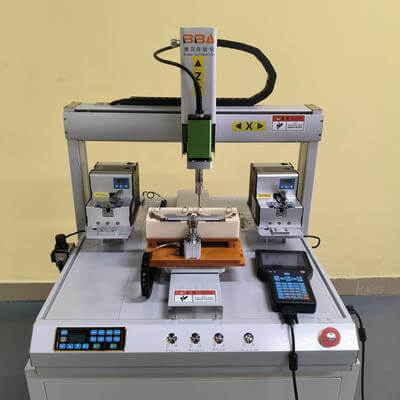
In today's competitive manufacturing landscape, efficiency, precision, and reliability are paramount. For businesses looking to optimize their assembly processes, investing in advanced screw fastening machines is a crucial step. These machines not only enhance productivity but also ensure consistent quality, reduce operational costs, and minimize human error. If you're searching for the best solutions in screw fastening technology, understanding the key ranking keywords can help you find the right equipment for your needs. Here’s a comprehensive guide to the essential keywords and factors to consider when exploring screw fastening machines. One of the most searched terms is "automated screw fastening machines." These systems are designed to handle high-volume production with minimal manual intervention. They are ideal for industries such as automotive, electronics, and consumer goods, where speed and accuracy are critical. Automated screw fastening machines can be integrated into existing production lines, offering seamless operation and improved throughput. Features like programmable torque settings, error-proofing mechanisms, and real-time monitoring make them a valuable asset for any manufacturing facility. Another popular keyword is "robotic screw fastening systems." These solutions combine robotics with precision fastening technology to perform complex tasks with exceptional repeatability. Robotic systems are highly flexible and can be adapted to various applications, from delicate electronic assemblies to heavy-duty industrial projects. With advancements in artificial intelligence and machine learning, these systems can learn and optimize fastening patterns, further enhancing efficiency and reducing cycle times. "Torque control screwdrivers" are also frequently searched, as torque accuracy is vital for ensuring product integrity. Over-tightening or under-tightening screws can lead to product failures, recalls, or safety hazards. Modern torque control screwdrivers come with digital displays, data logging capabilities, and adjustable settings to meet stringent quality standards. They are commonly used in industries where precision is non-negotiable, such as aerospace, medical devices, and telecommunications. For businesses seeking portability and versatility, "handheld screw fastening machines" are a top choice. These devices are ergonomically designed to reduce operator fatigue and improve productivity. They are suitable for low to medium-volume production, maintenance tasks, and assembly lines where space is limited. Many handheld models now feature wireless connectivity, allowing operators to monitor performance and update settings remotely. "Multi-spindle screw fastening systems" are another key area of interest. These machines can drive multiple screws simultaneously, significantly reducing assembly time for products with numerous fastening points. They are particularly useful in industries like automotive manufacturing, where speed and consistency are essential. Multi-spindle systems can be customized to accommodate specific product designs, making them a versatile solution for diverse applications. Finally, "smart screw fastening machines" are gaining traction due to their ability to integrate with Industry 4.0 initiatives. These machines are equipped with IoT sensors, cloud connectivity, and advanced software for predictive maintenance, data analytics, and process optimization. By leveraging real-time insights, manufacturers can proactively address issues, reduce downtime, and improve overall equipment effectiveness (OEE). In conclusion, screw fastening machines are indispensable tools for modern manufacturing. Whether you're interested in automated, robotic, handheld, or smart systems, understanding these keywords will guide you toward the right investment. By prioritizing features like torque control, flexibility, and connectivity, you can elevate your assembly processes and stay ahead in a competitive market. Product Name Applicable industries Smart Screw Driving Machine LED Lighting Industry
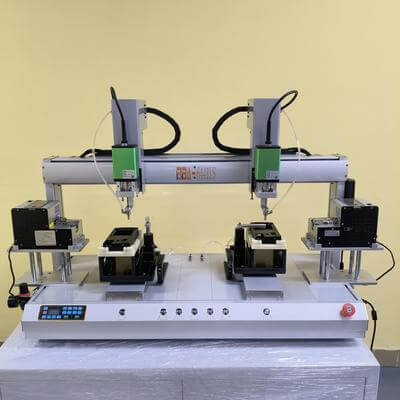
Robotic Screw Assembly for Industry 4.0 The advent of Industry 4.0 has revolutionized manufacturing, introducing unprecedented levels of automation, data exchange, and smart technology. At the heart of this transformation lies robotic screw assembly, a critical process that has evolved from a manual, error-prone task to a highly precise, efficient, and intelligent operation. This technology is pivotal in enhancing productivity, ensuring consistent quality, and enabling flexible manufacturing systems. Modern robotic screw assembly systems integrate advanced robotics, sophisticated vision systems, and real-time data analytics. These systems are designed to handle a wide variety of screw types, sizes, and materials with exceptional accuracy. Equipped with high-resolution cameras and sensors, the robots can identify exact fastener positions, compensate for any misalignment, and verify each screw’s correct insertion torque and depth. This eliminates human error, reduces the risk of product damage, and significantly lowers the rate of defects. Connectivity is a cornerstone of Industry 4.0, and these assembly solutions are no exception. They are seamlessly integrated into the broader Internet of Things (IoT) ecosystem of the smart factory. Data from each assembly step is collected and transmitted to a central monitoring system. This allows for continuous performance tracking, predictive maintenance, and immediate detection of any anomalies. For instance, if a tool begins to deviate from its specified torque parameters, the system can alert operators or even automatically schedule maintenance, preventing costly downtime and ensuring uninterrupted production. Flexibility is another key benefit. Traditional automated screw-driving machines were often dedicated to a single product line. Today's robotic assemblers are programmable and can be quickly reconfigured to adapt to new products or design changes. This is essential for meeting the demands of mass customization and shorter product life cycles. With simple software updates, the same robotic cell can switch from assembling a small consumer electronic device to a larger automotive component, maximizing return on investment and future-proofing production lines. Furthermore, these systems contribute to a safer working environment. By taking over repetitive and potentially strenuous tasks, they reduce the physical strain on human workers and minimize the risk of injuries associated with manual screw driving, such as repetitive strain injuries. This allows the human workforce to focus on more complex, value-added activities like supervision, process optimization, and quality control. In conclusion, robotic screw assembly is not merely an incremental improvement but a fundamental enabler of the Industry 4.0 paradigm. It embodies the principles of precision, connectivity, intelligence, and flexibility that define modern manufacturing. As technology continues to advance, we can expect these systems to become even more autonomous, collaborative, and integral to building the factories of the future. For any organization striving to remain competitive in this new industrial era, investing in such advanced automation is no longer an option but a necessity. Product Name Applicable industries Desktop Screwdriver Robot Electric Bicycle Assembly