8618566785362 8618566785362 8618566785362 phoenix08@bbamachine.com
- All
- Product Name
- Product Keyword
- Product Model
- Product Summary
- Product Description
- Multi Field Search
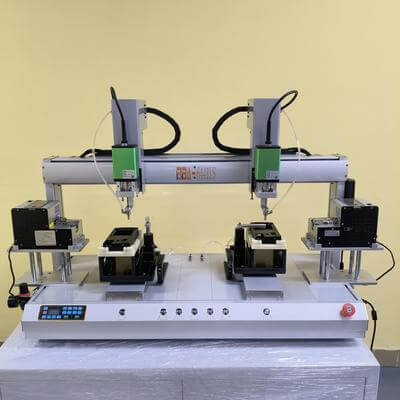
body { font-family: Arial, sans-serif; line-height: 1.6; margin: 20px; } h1 { color: #2c3e50; font-size: 28px; margin-bottom: 20px; } h2 { color: #34495e; font-size: 24px; margin-top: 30px; margin-bottom: 15px; } p { margin-bottom: 15px; color: #333; } ul, ol { margin-bottom: 15px; padding-left: 20px; } li { margin-bottom: 8px; } strong { color: #16a085; } Best SEO Titles for Screw Fastening Machines In the competitive landscape of industrial automation, having a strong online presence is crucial for reaching potential customers and driving business growth. For companies specializing in screw fastening machines, optimizing content with effective SEO titles can significantly improve search engine visibility and attract the right audience. A well-crafted title not only captures attention but also aligns with search intent, making it easier for prospects to find your products. This article explores some of the best SEO title strategies tailored for screw fastening machine providers, helping you enhance your content marketing efforts and generate more qualified leads. Why SEO Titles Matter for Industrial Automation Products Search Engine Optimization (SEO) titles play a pivotal role in determining click-through rates (CTR) and overall search rankings. For industrial automation products like screw fastening machines, where the target audience includes engineers, procurement managers, and manufacturing professionals, precise and keyword-rich titles are essential. These titles should reflect the technical specifications, applications, and benefits of the machines while incorporating high-volume search terms. By optimizing titles, you can position your content ahead of competitors and connect with users actively seeking automation solutions. Key Elements of an Effective SEO Title An ideal SEO title for screw fastening machines should be concise, descriptive, and engaging. It must include primary keywords such as "screw fastening machine," "automated screwdriving," or "industrial fastening systems," along with modifiers that highlight unique selling points like "high-speed," "precision," or "robotic." Including numbers (e.g., "Top 5 Benefits") or power words (e.g., "Ultimate Guide") can further enhance appeal. Additionally, titles should be tailored to match specific user intents, whether informational, commercial, or transactional, to maximize relevance and performance. Top SEO Title Examples for Screw Fastening Machines Here are some proven SEO title templates that can drive traffic and engagement for your screw fastening machine content: High-Speed Automated Screw Fastening Machines for Efficient Production Lines – This title targets users looking for speed and efficiency in manufacturing. Precision Screwdriving Solutions: Enhancing Quality in Assembly Processes – Focuses on accuracy and quality, appealing to quality-conscious buyers. Robotic Screw Fastening Systems: Boosting Productivity and Reducing Costs – Emphasizes cost savings and automation benefits. How to Choose the Right Screw Fastening Machine for Your Application – A guide-style title that attracts users in the research phase. Top 10 Features to Look for in an Industrial Screw Fastening Machine – Incorporates numbers to list key features, encouraging clicks. Automated Fastening Technology: Trends and Innovations in 2024 – Leverages current year and trends for relevance. Optimizing Titles for Different Content Types Depending on the content format—blog posts, product pages, case studies, or whitepapers—your SEO titles should vary to suit the context. For product pages, include model numbers or specific technical terms (e.g., "XYZ Model Automatic Screw Feeder"). For informational content, use question-based titles like "What is a Screw Fastening Machine and How Does It Work?" Case studies can highlight results with titles such as "How Company X Increased Output by 30% with Automated Fastening." Always ensure titles are unique and accurately represent the content to avoid high bounce rates. Common Mistakes to Avoid While crafting SEO titles, avoid keyword stuffing, which can make titles seem spammy and hurt readability. Steer clear of vague phrases like "Best Machines" without context, as they may not align with user intent. Also, ensure titles are mobile-friendly and within the recommended character limit (typically 50-60 characters) to prevent truncation in search results. Finally, regularly analyze performance using tools like Google Search Console to refine your strategy based on actual data. Conclusion Effective SEO titles are a cornerstone of successful digital marketing for screw fastening machines. By integrating relevant keywords, addressing user needs, and highlighting key benefits, you can improve search rankings and attract more targeted traffic. Continuously test and update your titles based on performance metrics to stay ahead in the dynamic industrial automation market. With these strategies, your content will not only rank higher but also resonate with professionals seeking reliable fastening solutions. Product Name Applicable industries Screw Fastening Unit LED Lighting Industry
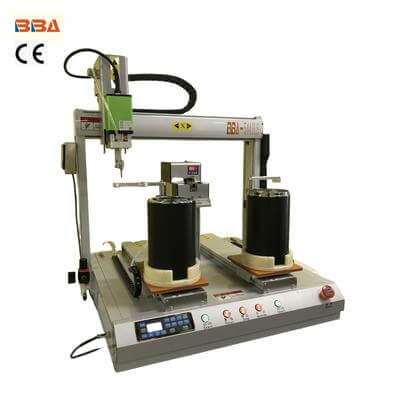
Product Name Applicable industries Desktop Screwdriver Robot Telecommunication Equipment Assembly p { margin-bottom: 16px; line-height: 1.6; } strong { font-weight: 600; color: #2c3e50; } In the competitive landscape of modern manufacturing, the pursuit of efficiency and precision is relentless. For many companies, the decision to upgrade production lines with advanced servo assembly machines is a significant capital investment. Therefore, understanding and calculating the Return on Investment (ROI) is a critical step in the justification process. This investment transcends mere equipment acquisition; it is a strategic move towards building a more agile, reliable, and cost-effective operation. The calculation of ROI for servo assembly machines extends far beyond a simple comparison of purchase price versus output. A comprehensive analysis must consider both tangible, quantifiable benefits and significant intangible advantages that contribute to long-term value. Quantifiable Gains: The Core of ROI Calculation The most immediate and measurable returns come from dramatic increases in operational efficiency. Servo-driven systems offer unparalleled speed and precision, significantly reducing cycle times compared to traditional pneumatic or mechanical systems. This directly translates to a higher output of assembled units per hour, maximizing the utilization of existing floor space and labor. Furthermore, the exceptional accuracy of servo robots drastically reduces errors and product defects. This leads to substantial savings by minimizing material waste, costly rework, and potential scrap. The consistency of quality also enhances customer satisfaction and reduces the risk of returns. Operational cost reduction is another major contributor to ROI. Servo systems are inherently more energy-efficient. Unlike pneumatic systems that constantly compress air, servo motors consume power primarily during movement and hold positions with minimal energy, leading to a marked decrease in electricity costs. Additionally, these machines require less maintenance. With fewer mechanical components subject to wear and tear and no need for compressed air filters and lubricators, maintenance downtime and associated labor and parts expenses are significantly lowered. Intangible Benefits: Strengthening Long-Term Competitiveness While harder to quantify on a balance sheet, the strategic advantages of servo automation are undeniable. The flexibility and programmability of servo machines are paramount. The same machine can be quickly reconfigured to handle multiple product variants or entirely new products through software changes, drastically reducing changeover times and protecting your investment against future market shifts. This agility is invaluable. Moreover, integrating advanced servo assembly systems elevates overall production quality and consistency to a level unattainable through manual labor. This enhances brand reputation and allows a company to compete in higher-value market segments. From a human resources perspective, automating repetitive and ergonomically challenging tasks with servo robots improves workplace safety and allows skilled workers to be redeployed to more value-added roles, such as machine supervision, quality control, and process improvement. Building a Convincing Business Case To accurately calculate ROI, companies must gather specific data: current production rates, defect rates, labor costs per shift, energy consumption, and maintenance expenses. Comparing these baseline figures against the projected performance metrics of the new servo assembly machine will reveal the annual savings. The ROI percentage is then calculated as (Annual Savings – Annual Operating Cost) / Total Investment Cost * 100. A positive ROI, typically achieved within a surprisingly short payback period of one to three years, clearly demonstrates the financial viability of the project. In conclusion, investing in servo assembly machines is an investment in the future resilience and profitability of a manufacturing operation. The ROI is compelling, driven by powerful combinations of increased throughput, reduced waste, lower operational costs, and enhanced flexibility. By taking a holistic view of both tangible and intangible benefits, manufacturers can make a data-driven decision that secures a significant competitive advantage for years to come.
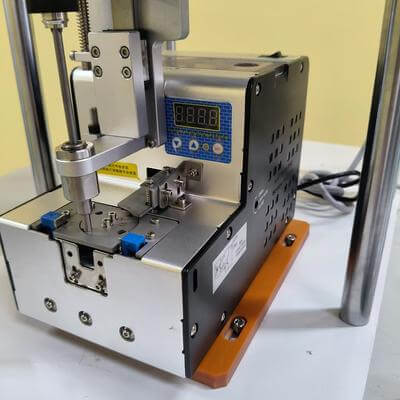
body { font-family: Arial, sans-serif; line-height: 1.6; margin: 20px; } h1 { color: #2c3e50; font-size: 28px; margin-bottom: 20px; } p { margin-bottom: 16px; color: #333; } strong { color: #16a085; } How Contract Manufacturers Use Screw Assembly Robots In today’s competitive manufacturing landscape, contract manufacturers are increasingly turning to automation to enhance precision, efficiency, and scalability. Among the most impactful technologies adopted in this shift are screw assembly robots. These automated systems are revolutionizing how assembly tasks are performed, offering significant advantages in speed, accuracy, and consistency. Screw assembly robots are designed to handle the repetitive task of driving screws with unparalleled reliability. Unlike manual assembly, which is prone to errors such as cross-threading, over-torquing, or missing screws, robots perform this operation with exacting precision every time. This is particularly critical in industries like electronics, automotive, and medical devices, where product quality and safety are non-negotiable. One of the primary benefits these robots provide is increased throughput. Automated screwdriving systems can operate continuously without fatigue, dramatically reducing cycle times and enabling production lines to achieve higher output levels. This allows contract manufacturers to meet tight deadlines and manage large order volumes without compromising on quality. Moreover, screw assembly robots contribute to cost reduction over time. While the initial investment may be significant, the long-term savings in labor costs, reduced rework, and minimized material waste offer a strong return on investment. These systems also free up human workers to focus on more complex, value-added tasks, thereby optimizing overall productivity. Flexibility is another key advantage. Modern screw assembly robots can be programmed to handle multiple product variants quickly, making them ideal for high-mix production environments. With easy-to-change software settings and adaptable end-of-arm tooling, manufacturers can switch between different screw types, sizes, and torque requirements with minimal downtime. Integration with existing production systems is seamless. Advanced vision systems and sensors ensure that robots can identify and align screws accurately, even in challenging orientations. Many systems also feature real-time monitoring and data collection, enabling manufacturers to track performance, identify bottlenecks, and maintain comprehensive quality records for compliance purposes. As the demand for smarter manufacturing grows, screw assembly robots are becoming an essential tool for contract manufacturers aiming to stay ahead. They not only improve operational efficiency but also enhance product reliability and customer satisfaction. By adopting this technology, manufacturers can build a reputation for excellence and secure a stronger position in a rapidly evolving market. In conclusion, the use of screw assembly robots is no longer a luxury but a necessity for contract manufacturers seeking to improve quality, increase output, and reduce costs. This technology represents a fundamental step toward the future of industrial automation, where precision and efficiency drive success. Product Name Applicable industries CNC Screw Fastener Automotive Electronics Assembly
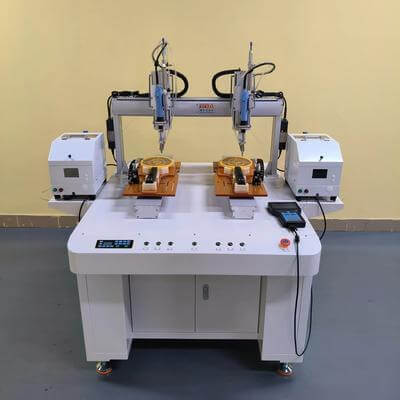
body { font-family: Arial, sans-serif; line-height: 1.6; margin: 20px; color: #333; } h1 { color: #2c3e50; font-size: 28px; margin-bottom: 20px; } h2 { color: #34495e; font-size: 22px; margin-top: 25px; margin-bottom: 15px; } p { margin-bottom: 15px; text-align: justify; } ul { margin-bottom: 15px; padding-left: 20px; } li { margin-bottom: 8px; } .highlight { background-color: #f8f9fa; padding: 15px; border-left: 4px solid #3498db; margin: 20px 0; } Servo Motor Control in Collaborative Robots The rise of collaborative robots, or cobots, represents a significant shift in industrial automation. Unlike their traditional counterparts, which operate in isolated cages, cobots are designed to work alongside human operators, enhancing productivity and flexibility. At the very core of this seamless human-robot interaction lies a critical technological component: the servo motor. The precise control of these motors is what enables cobots to perform delicate tasks with accuracy and, most importantly, safety. The Critical Role of Precision and Torque Control Servo motors in collaborative robots are tasked with a unique challenge. They must provide enough power to perform industrial tasks like lifting, assembling, or welding, yet they must also be capable of extremely delicate and nuanced movements. This is achieved through advanced torque control algorithms. These algorithms allow the motor to continuously adjust its output torque in real-time based on sensory feedback. For instance, if a cobot's arm encounters an unexpected resistance—like a human hand—the servo control system can instantly detect this and either stop or reduce force to prevent injury. This high-fidelity torque control is non-negotiable for safe collaboration and is a defining feature of modern cobot design. Enhancing Safety Through Responsive Motion Safety is the paramount concern in any shared workspace. The servo control systems in cobots are integral to built-in safety functions such as power and force limiting. By utilizing high-resolution encoders, the system maintains a constant and precise awareness of the robot's position, speed, and torque. This data is processed at incredibly high speeds, allowing the motor to react within milliseconds to any programmed safety threshold being breached. This responsive motion control ensures that cobots can operate safely without the need for extensive physical safeguarding, reducing cell size and cost while promoting a more integrated workflow. Improving Efficiency and Reducing Cycle Times Beyond safety, sophisticated servo control directly impacts operational efficiency. Smooth and precise motion profiles minimize vibration and jerk, which leads to less wear on mechanical components and higher quality output, especially in tasks like precision dispensing or intricate part placement. Furthermore, optimized control algorithms ensure movements are not only safe but also executed in the most time-effective manner. By calculating the most efficient path and dynamically adjusting acceleration and deceleration rates, cobots can achieve faster cycle times without compromising on safety or accuracy, ultimately boosting overall equipment effectiveness (OEE). The evolution of servo motor control technology is the key enabler of the cobot revolution. It is the sophisticated interplay between high-performance motors, advanced algorithms, and real-time feedback that transforms a powerful industrial robot into a sensitive, aware, and collaborative partner. As this technology continues to advance, we can expect cobots to take on even more complex and sensitive tasks, further blurring the lines between human and machine capabilities on the factory floor. Product Name Applicable industries Auto Screwdriver Machine PCB and Circuit Board Assembly

Product Name Applicable industries Dual Head Screwdriver Security Equipment Manufacturing .body-content { font-family: Arial, sans-serif; line-height: 1.6; color: #333; margin: 20px; } .body-content h1 { color: #0056b3; font-size: 28px; margin-bottom: 20px; } .body-content h2 { color: #004494; font-size: 22px; margin-top: 25px; margin-bottom: 15px; } .body-content p { margin-bottom: 15px; text-align: justify; } .body-content ul { margin-bottom: 15px; padding-left: 20px; } .body-content li { margin-bottom: 8px; } .body-content .highlight { background-color: #f0f8ff; padding: 15px; border-left: 4px solid #0056b3; margin: 20px 0; font-style: italic; } Setting Bit Paths and Screw Points on Desktop Robots The evolution of manufacturing and small-scale assembly has been profoundly impacted by the adoption of desktop robots. These compact, yet powerful, systems bring industrial-grade precision and automation to benchtop applications. A critical aspect of harnessing their full potential lies in the precise configuration of their motion paths, specifically for tasks like dispensing adhesives, soldering, or, most commonly, screw driving. This process of defining bit paths and screw points is fundamental to achieving high-quality, consistent, and reliable automated operations. The Critical Role of Precise Programming At the heart of any successful desktop robot operation is meticulous programming. Unlike manual processes, an automated robot relies entirely on the digital instructions it receives. For screwdriving applications, this involves teaching the robot two key elements: the precise XYZ coordinates of each screw point and the optimal path the driving bit should follow to reach them. Inaccuracy in either element can lead to a cascade of issues, including damaged screws, stripped threads, misaligned components, or even collision between the robot tool and the fixture or product itself. Such errors result in downtime, wasted materials, and compromised product integrity. Modern desktop robotic systems are typically equipped with intuitive software interfaces that empower engineers and technicians to program these points and paths with high accuracy. The process often involves using a teach pendant or direct software control to manually guide the robot's end-effector to each desired screw location. Once positioned, the point is saved within the robot's controller, creating a digital map of the assembly task. The order of operations and the path traveled between these points are equally important for efficiency and safety. Best Practices for Path and Point Configuration Adhering to established best practices can significantly enhance the performance and lifespan of your desktop robotic cell. Utilize Waypoints: Avoid programming a direct, linear path between screw points, especially when obstructions are present. Instead, program safe, elevated waypoints that the bit can move through above the workpiece. This creates a efficient and collision-free motion path. Implement Consistent Approach and Retract Vectors: For each screw point, define a straight and consistent approach vector. The robot should drive the screw perpendicular to the workpiece surface. Similarly, program a clean retract vector to pull the bit directly away from the point after the screw is seated, preventing lateral movement that could damage the driven screw or the surrounding material. Leverage Force-Sensing Capabilities: Many advanced desktop robots feature built-in force sensing. This technology allows the robot to detect when a screw has been fully seated based on torque feedback, triggering it to stop driving and retract. Configuring these force thresholds correctly is vital for preventing over-torquing and ensuring every screw is driven to the same precise specification. Validate and Simulate: Before running a full production cycle, always use the software's simulation feature to visually verify the programmed paths and points. This virtual dry-run helps identify any potential collisions or illogical movements without risking physical hardware. A well-defined bit path is more than just a route; it is a carefully choreographed sequence that ensures precision, protects your capital equipment, and guarantees the repeatability that is the hallmark of automation. Driving Efficiency in Modern Manufacturing The correct setting of bit paths and screw points transcends mere programming—it is a fundamental engineering practice that directly impacts productivity. A perfectly programmed desktop robot can work tirelessly with unwavering consistency, significantly increasing throughput and freeing skilled technicians to focus on more complex value-added tasks. It eliminates the variability inherent in manual assembly, ensuring every product is built to the same exacting standards. Furthermore, the digital nature of these programs allows for quick changeover between different products, making small-batch, high-mix manufacturing not only feasible but highly efficient. As desktop robots become increasingly sophisticated, the tools for programming them continue to become more powerful and user-friendly. By mastering the principles of path and point setting, manufacturers can unlock the full potential of their automation investments, achieving new levels of quality, efficiency, and reliability in their production processes.
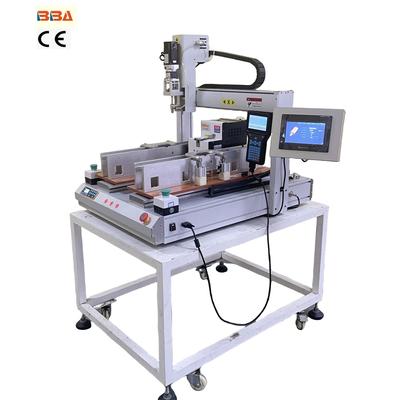
body { font-family: Arial, sans-serif; line-height: 1.6; margin: 20px; color: #333; } h1 { color: #0056b3; font-size: 28px; margin-bottom: 15px; } h2 { color: #004085; font-size: 22px; margin-top: 25px; margin-bottom: 10px; } p { margin-bottom: 15px; text-align: justify; } ul { margin: 15px 0; padding-left: 20px; } li { margin-bottom: 8px; } .highlight { background-color: #f8f9fa; padding: 15px; border-left: 4px solid #0056b3; margin: 20px 0; } .keyword { font-weight: bold; color: #0056b3; } Calibration Guide for Multi-Axis Screw Robots Multi-axis screw robots are integral to modern industrial automation, offering unparalleled precision and efficiency in tasks such as assembly, material handling, and precision machining. However, their performance is heavily dependent on one critical process: calibration. Proper calibration ensures that these sophisticated machines operate within specified tolerances, maintaining accuracy, repeatability, and overall system reliability. This guide provides essential insights into the calibration process for multi-axis screw robots, highlighting key steps and best practices. Understanding the Importance of Calibration Calibration is the process of configuring a robot's internal parameters to align its actual movement with its theoretical model. Over time, factors like mechanical wear, thermal expansion, or even minor impacts can cause deviations in a robot’s positioning. For multi-axis systems, where even a tiny error in one joint can be magnified at the end-effector, regular calibration is non-negotiable. It directly impacts product quality, reduces scrap rates, and minimizes unplanned downtime. Without it, the advantages of high-speed automation are quickly lost. Key Takeaway: Regular calibration is not an option but a necessity for maintaining the precision and longevity of your multi-axis screw robot system. It safeguards your investment and ensures consistent output quality. Key Steps in the Calibration Process The calibration process for a multi-axis screw robot typically involves several methodical steps. While specific procedures can vary based on the robot's design and manufacturer, the following framework is universally applicable. Preparation and Safety Check: Before beginning, ensure the robot is in a safe state—powered down and isolated from any energy sources. Inspect the robot for visible damage or wear, particularly on screws, guides, and joints. Backlash and Mechanical Play Inspection: Check all mechanical components for unwanted movement or backlash. This is crucial for screw-driven systems, as backlash can introduce significant positional errors. Reference Position Homing: Command the robot to move to its known reference or "home" position. This establishes a baseline for all subsequent measurements and adjustments. Geometric Error Measurement: Using precision measurement tools like laser trackers or coordinate measuring machines (CMMs), measure the robot’s actual position against its commanded position at various points in its work envelope. This helps identify deviations in its kinematic model. Parameter Compensation: Input the measured error data into the robot’s controller. Advanced controllers use this data to update their kinematic models, effectively compensating for discovered inaccuracies. Validation and Repeatability Test: After compensation, run a series of tests to validate accuracy. Command the robot to move to multiple target points and measure the achieved position repeatedly to confirm repeatability. Best Practices for Maintaining Calibration Calibration is not a one-time event. To ensure ongoing precision, adopt a proactive maintenance schedule. First, establish a regular calibration interval based on the robot's usage intensity and the criticality of its application. High-speed, high-precision tasks may require quarterly calibration, while less critical roles might be serviced annually. Second, environmental control is vital. Temperature and humidity fluctuations can affect mechanical components. Operating and calibrating the robot in a controlled environment minimizes these external influences. Finally, comprehensive documentation is essential. Keep a detailed log of every calibration procedure, including dates, measured errors, compensation values, and post-calibration test results. This history is invaluable for troubleshooting and tracking the system's performance over time. Conclusion Mastering the calibration of multi-axis screw robots is fundamental to unlocking their full potential in industrial automation. A meticulous and regular calibration routine enhances accuracy, ensures repeatability, and extends the operational life of the equipment. By following a structured process and adhering to best practices, operators can maintain peak performance, maximize productivity, and achieve a swift return on investment. Embrace calibration not as a technical chore, but as a core strategy for excellence in automation. Product Name Applicable industries Auto Screwdriver Machine PCB and Circuit Board Assembly
Product Name Applicable industries Automatic Screw Feeder LED Lighting Industry body { font-family: Arial, sans-serif; line-height: 1.6; color: #333; margin: 20px; } h1 { color: #2C5E9E; font-size: 28px; margin-bottom: 20px; } h2 { color: #2C5E9E; font-size: 22px; margin-top: 25px; margin-bottom: 15px; } p { margin-bottom: 15px; text-align: justify; } ul { margin-bottom: 15px; padding-left: 20px; } li { margin-bottom: 8px; } .highlight { background-color: #f5f5f5; padding: 15px; border-left: 4px solid #2C5E9E; margin: 20px 0; font-style: italic; } Sustainability Benefits of Screw Feeding Automation In today's competitive industrial landscape, achieving operational excellence is intrinsically linked to embracing sustainable practices. Manufacturers are increasingly seeking solutions that not only boost productivity but also minimize their environmental footprint. One such transformative technology is automated screw feeding systems. While their precision and speed are well-known, their profound contribution to sustainability is a powerful, yet often overlooked, advantage. Implementing automated screw feeding is a strategic move towards building a greener, more responsible manufacturing operation. Reducing Material Waste and Optimizing Consumption A primary environmental benefit of automation lies in its unparalleled accuracy. Manual screw driving is prone to errors such as cross-threading, dropped screws, and incorrect torque application. These mistakes often lead to damaged components, product rejects, and rework. Each rejected part represents wasted raw materials and energy consumed in its production. Automated screw feeders eliminate this variability by delivering the right screw, to the right place, with perfect torque, every single time. This drastic reduction in errors directly translates into a significant decrease in material waste, conserving valuable resources and reducing the volume of waste sent to landfills. Driving Energy Efficiency and Lowering Carbon Emissions Sustainability is also about energy conservation. Modern automated screw feeding systems are designed for efficiency. They are often integrated within a streamlined assembly cell, reducing the need for large, energy-intensive conveyors or manual workstations. Furthermore, the consistency of automated systems leads to shorter cycle times and higher throughput. This allows for the same output to be achieved in less time, potentially reducing the operational hours of entire production lines and resulting in lower overall energy consumption. This energy savings directly correlates to a reduction in greenhouse gas emissions, especially in regions where electricity generation is carbon-intensive. Enhancing Workplace Safety and Ergonomics Sustainability encompasses social responsibility, including employee wellbeing. Repetitive manual screw driving is a known cause of musculoskeletal disorders (MSDs), such as carpal tunnel syndrome and tendonitis. These injuries not cause human suffering but also lead to absenteeism, medical costs, and reduced productivity. Automating this tedious and physically taxing task removes workers from potential harm, creating a safer and more ergonomic work environment. This investment in employee health fosters a more sustainable and resilient workforce, which is a core tenet of a holistic sustainability strategy. Promoting Long-Term Resource Management The durability and reliability of automated screw feeding systems contribute to a culture of long-term resource management. Built from robust materials and designed for continuous operation, these systems have a long service life, reducing the frequency of replacement and the associated environmental impact of manufacturing new equipment. Their precision also ensures that products are assembled correctly the first time, enhancing the quality and longevity of the final goods. This means end-users enjoy products that last longer, delaying their entry into the waste stream and promoting a more circular economy. The integration of automated screw feeding is more than an upgrade in assembly technology; it is a clear commitment to sustainable manufacturing. By significantly reducing waste, conserving energy, protecting workers, and promoting product durability, these systems provide a solid foundation for companies to meet their environmental goals while simultaneously improving their bottom line. In conclusion, the journey towards greener manufacturing is built on a series of smart, strategic decisions. Choosing to automate fundamental processes like screw feeding delivers immediate and measurable sustainability benefits. It represents a powerful convergence of economic performance and environmental stewardship, proving that the most efficient path forward is also the most sustainable one.
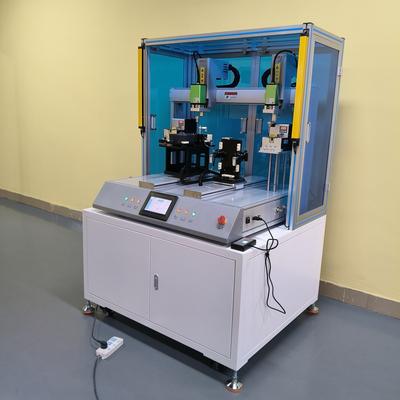
Product Name Applicable industries Auto Screwdriver Machine Automotive Electronics Assembly body { font-family: Arial, sans-serif; line-height: 1.6; color: #333; margin: 20px; } h1 { color: #0056b3; font-size: 28px; margin-bottom: 15px; } p { margin-bottom: 15px; text-align: justify; } strong { color: #0056b3; } Why More Factories Are Switching to Automatic Screw Locking Machines In today's competitive manufacturing landscape, efficiency, precision, and consistency are not just goals—they are necessities for survival and growth. This is why a significant and growing number of factories across various industries are making the strategic shift from manual screw fastening processes to fully automatic screw locking machines. This transition is fundamentally reshaping production floors, leading to remarkable gains in productivity and product quality. The primary driver behind this shift is the relentless pursuit of enhanced operational efficiency. Manual screw driving is inherently time-consuming and labor-intensive. It is prone to human fatigue, leading to bottlenecks on the assembly line. Automatic screw locking machines, however, operate with relentless speed and accuracy. They can deliver thousands of perfectly driven screws per hour without breaks, dramatically increasing throughput and reducing cycle times. This allows factories to meet higher production demands and shorter time-to-market windows with ease. Beyond speed, the issue of uncompromising quality control is paramount. Human operators, despite their best efforts, can make mistakes. These can include cross-threading, stripping screws, applying incorrect torque, or even missing screws entirely. Such errors lead to product defects, costly rework, and potential field failures that damage brand reputation. Automatic machines eliminate this variability. Each screw is driven with programmed, precise torque and depth, ensuring perfect consistency every single time. This drastically reduces the defect rate and enhances the overall reliability of the final product. Another critical factor fueling adoption is the significant reduction in operational costs. While the initial investment in automation equipment is substantial, the long-term return on investment is compelling. Factories can achieve substantial savings by reducing their reliance on manual labor for repetitive tasks, thereby lowering long-term labor costs and reallocating human workers to more value-added roles such as machine supervision, quality inspection, and process improvement. Furthermore, the reduction in errors and material waste directly translates to lower costs per unit produced. Addressing the challenge of labor shortages and workforce management is also a key consideration. In many regions, finding and retaining skilled labor for monotonous assembly tasks is becoming increasingly difficult. Automatic screw feeders provide a dependable solution, ensuring production continues uninterrupted regardless of workforce availability. They also improve ergonomics and worker safety by removing employees from repetitive strain injuries associated with manual screwdriving. The versatility of modern automatic screw locking machines makes them suitable for a wide array of applications, from delicate electronics and consumer appliances to heavy-duty automotive assemblies. Advanced models can be integrated into existing production lines and programmed for multiple product types, offering the flexibility needed for high-mix manufacturing environments. This adaptability ensures that manufacturers can future-proof their operations. In conclusion, the move towards automatic screw locking machines is a strategic decision driven by the tangible benefits of increased productivity, superior quality, reduced costs, and improved operational resilience. As technology continues to advance, these systems are becoming more intelligent, connected, and accessible. For forward-thinking factories aiming to stay ahead of the curve, automating the screw fastening process is no longer an option but an essential step towards building a smarter, more efficient, and competitive manufacturing operation.