8618566785362 8618566785362 8618566785362 phoenix08@bbamachine.com
- All
- Product Name
- Product Keyword
- Product Model
- Product Summary
- Product Description
- Multi Field Search

Views: 0 Author: BBA AUTOMATION Publish Time: 2025-10-04 Origin: BBA AUTOMATION


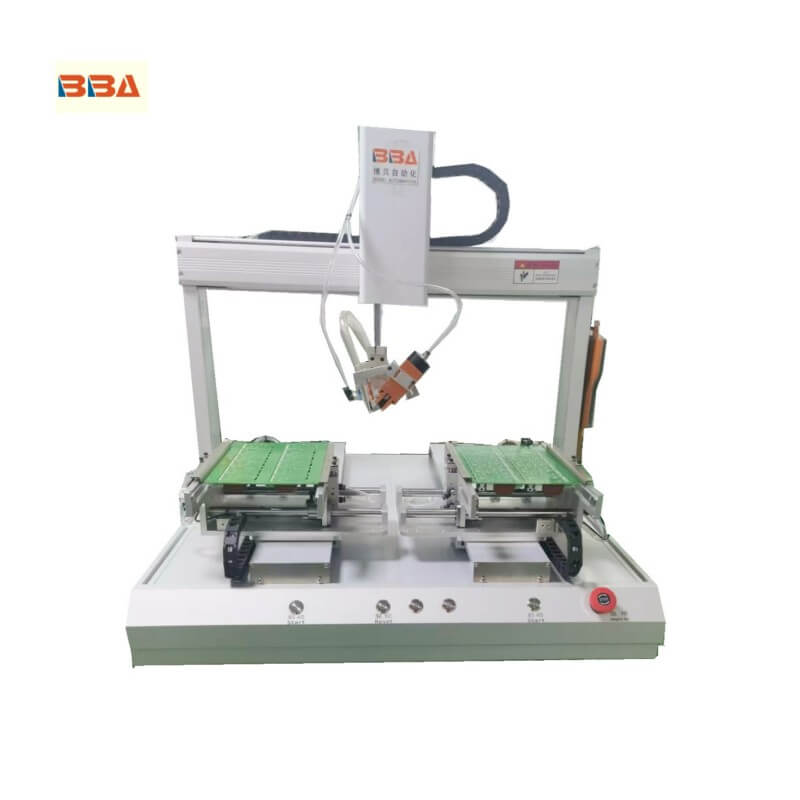
The evolution of industrial automation continues to redefine manufacturing efficiency, precision, and scalability. Among the most impactful innovations in this domain is the integration of multi-axis screw robots into smart factory ecosystems. These advanced robotic systems are transforming assembly and fastening processes, enabling unprecedented levels of flexibility, speed, and accuracy in production environments.
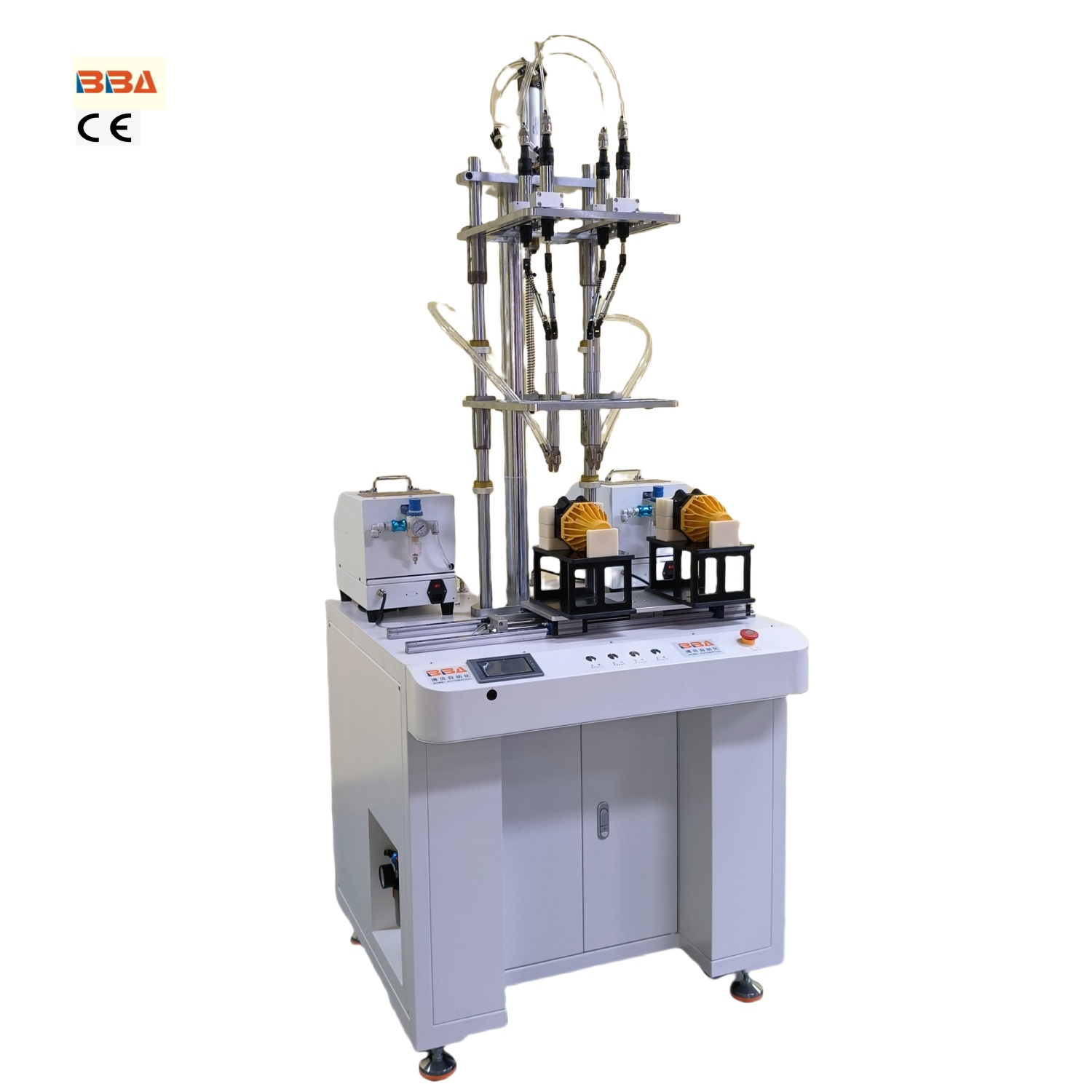
Multi-axis screw robots are designed to handle complex fastening tasks with minimal human intervention. Equipped with multiple programmable axes of motion, these robots can access tight spaces, adjust to various angles, and perform repetitive screwdriving operations with consistent torque and precision. This capability is particularly valuable in industries such as electronics, automotive, and consumer goods, where screw fastening is a critical step in the assembly process.
One of the key advantages of multi-axis screw robots is their seamless integration within smart factory networks. Through IoT-enabled sensors and connectivity features, these robots can communicate with other machinery, centralized control systems, and data analytics platforms. Real-time data on torque, angle, and fastening status can be monitored and analyzed, allowing manufacturers to optimize processes, reduce errors, and prevent defects before they occur.
Flexibility is another standout feature. Traditional screwdriving systems often require dedicated setups for specific tasks, limiting their adaptability to changing production needs. In contrast, multi-axis robots can be quickly reprogrammed to handle different products, screw types, and assembly sequences. This makes them ideal for high-mix, low-volume production runs, where rapid changeovers are essential to maintaining efficiency.
Moreover, the incorporation of vision systems and artificial intelligence enhances the functionality of these robots. Machine learning algorithms enable them to recognize components, adapt to tolerances, and self-correct during operation. This not only improves accuracy but also reduces the need for manual calibration, saving time and resources.
Safety and ergonomics are also significantly improved with the adoption of multi-axis screw robots. By automating repetitive and physically demanding tasks, manufacturers can reduce the risk of workplace injuries and free up human workers to focus on higher-value activities such as quality control, process optimization, and innovation.
As smart factories continue to evolve, the role of multi-axis screw robots will only become more prominent. Their ability to deliver precision, efficiency, and adaptability aligns perfectly with the goals of modern manufacturing: greater productivity, improved quality, and reduced operational costs. Investing in such advanced automation solutions is no longer just an option—it is a strategic imperative for companies aiming to stay competitive in a rapidly changing industrial landscape.
The future of industrial automation is here, and multi-axis screw robots are at the forefront, driving smarter, more connected, and more efficient manufacturing processes worldwide.
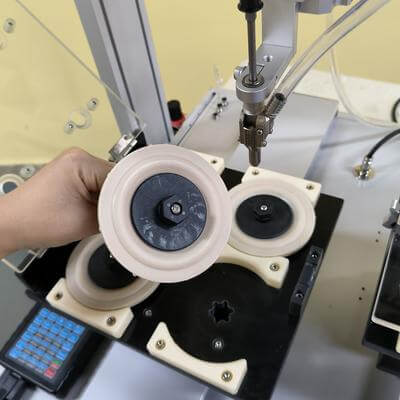
| Product Name | Applicable industries |
| Screw Locking Robot | Power Tool Assembly Lines |