8618566785362 8618566785362 8618566785362 phoenix08@bbamachine.com
- All
- Product Name
- Product Keyword
- Product Model
- Product Summary
- Product Description
- Multi Field Search

Views: 0 Author: BBA AUTOMATION Publish Time: 2025-10-04 Origin: BBA AUTOMATION


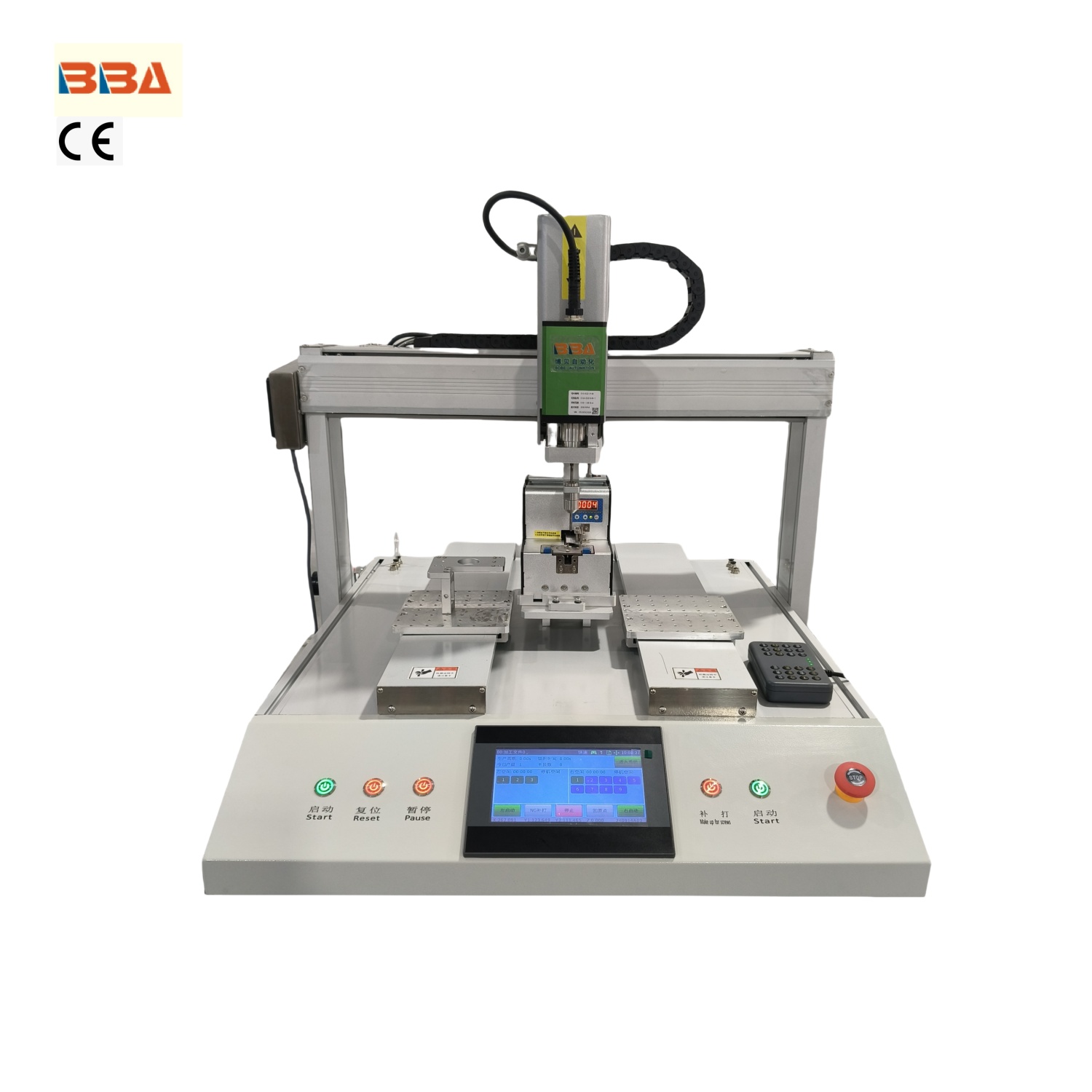
In the world of manufacturing and assembly, tightening machines play a critical role in ensuring product quality, safety, and reliability. As industries worldwide strive to reduce their environmental footprint and operational costs, the energy efficiency of modern tightening machines has become a key focus. These advanced systems are designed not only for precision and speed but also for minimizing energy consumption without compromising performance.
One of the primary ways modern tightening machines achieve energy efficiency is through the use of brushless DC motors and servo-driven technology. Unlike traditional pneumatic or hydraulic systems, which often waste energy through heat loss and leakage, electric servo-driven tools provide precise control over torque and angle, significantly reducing energy usage. These systems only consume power when actively tightening, eliminating idle energy loss and contributing to lower electricity bills.
Additionally, smart software and adaptive control algorithms optimize the tightening process by adjusting parameters in real-time based on material properties, joint characteristics, and environmental conditions. This ensures that the minimum required energy is used for each operation, avoiding over-tightening and unnecessary power drain. Many modern machines also feature regenerative braking, which captures and reuses energy during deceleration, further enhancing overall efficiency.
Another important aspect is the integration of IoT and data analytics capabilities. Energy monitoring functions allow operators to track power consumption patterns, identify inefficiencies, and make data-driven decisions to optimize performance. By analyzing historical data, manufacturers can fine-tune their processes, schedule maintenance proactively, and reduce downtime, all of which contribute to energy savings.
The shift towards energy-efficient tightening machines is not just about reducing operational costs—it also supports sustainability goals. Lower energy consumption means reduced greenhouse gas emissions, especially in regions where electricity generation relies on fossil fuels. This aligns with global initiatives for greener manufacturing and helps companies meet regulatory requirements and consumer expectations for environmentally responsible practices.
In conclusion, modern tightening machines represent a significant leap forward in energy efficiency, combining advanced motor technology, intelligent software, and data-driven insights to deliver high performance with minimal environmental impact. As industries continue to prioritize sustainability, these innovations will play an increasingly vital role in shaping the future of manufacturing.
| Product Name | Applicable industries |
| Desktop Screwdriver Robot | Telecommunication Equipment Assembly |