8618566785362 8618566785362 8618566785362 phoenix08@bbamachine.com
- All
- Product Name
- Product Keyword
- Product Model
- Product Summary
- Product Description
- Multi Field Search

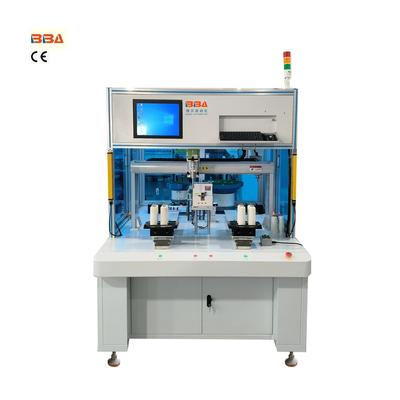
Product NameApplicable industriesServo Screwdriver RobotLaptop and Tablet AssemblyThe aerospace industry demands unparalleled precision, reliability, and consistency in the manufacturing process. As components become increasingly complex and safety standards more stringent, traditional tightening methods often fall short. Multi-axis tightening systems have emerged as a transformative solution, enabling manufacturers to achieve new levels of accuracy and efficiency in the assembly of critical aerospace parts.Multi-axis tightening refers to the simultaneous or sequential tightening of multiple fasteners using a coordinated system of tools, often driven by advanced software and robotics. This approach is particularly valuable in aerospace applications where components—such as engine mounts, wing assemblies, or landing gear—require uniform clamping force across multiple joints to ensure structural integrity and performance. Unlike single-point tools, which can introduce variability and require manual repositioning, multi-axis systems deliver consistent results while significantly reducing cycle times.One of the key advantages of multi-axis tightening is its ability to maintain precise torque and angle control across all fasteners simultaneously. This eliminates the risk of uneven stress distribution, which can lead to component distortion, fatigue, or failure. In aerospace, where every part must withstand extreme operational conditions, such precision is non-negotiable. Additionally, these systems are typically integrated with data logging capabilities, providing real-time monitoring and documentation of each tightening operation. This ensures full traceability and compliance with rigorous industry standards.Another significant benefit is the reduction in human error. Manual tightening processes are inherently prone to inconsistencies, especially in complex assemblies with numerous fasteners. Multi-axis automation not only improves repeatability but also enhances worker safety by reducing physical strain and exposure to hazardous environments. Operators can oversee the process from a control station, while the system executes the tightening sequence with flawless accuracy.Modern multi-axis tightening systems are also designed with flexibility in mind. They can be adapted to various assembly layouts and scaled to accommodate different production volumes. Whether for large-scale aircraft manufacturing or specialized component production, these systems offer a future-proof investment that can evolve with changing technological demands.In conclusion, multi-axis tightening represents a leap forward in aerospace manufacturing technology. By combining precision, efficiency, and data-driven oversight, it addresses the critical needs of the industry while paving the way for smarter, more reliable assembly processes. As aerospace components continue to advance, embracing innovative tightening solutions will be essential to maintaining competitiveness and ensuring the highest standards of quality and safety.

Product Name Applicable industries Auto Screwdriver Machine Toy and Game Console Production The global manufacturing landscape is undergoing a profound transformation, driven by the increasing demand for efficiency, precision, and cost-effectiveness. In this context, robotic screw driving machines have emerged as a critical technology, offering significant advantages over traditional manual assembly processes. As industries worldwide strive to optimize production lines and reduce operational costs, the export opportunities for these advanced automation solutions are expanding rapidly. One of the primary factors fueling the demand for robotic screw driving machines is the widespread adoption of automation across various sectors. Industries such as automotive, electronics, aerospace, and consumer goods are increasingly integrating robotic systems into their assembly lines to enhance productivity and ensure consistent quality. These machines are designed to handle a wide range of screw driving tasks with high accuracy, reducing the risk of human error and minimizing production delays. The ability to operate continuously without fatigue makes them particularly valuable for high-volume manufacturing environments. Moreover, the ongoing advancements in robotics and artificial intelligence have significantly improved the capabilities of screw driving machines. Modern systems are equipped with sophisticated vision systems, sensors, and adaptive control algorithms that allow them to handle complex tasks with minimal human intervention. These features not only enhance operational efficiency but also provide greater flexibility, enabling manufacturers to quickly adapt to changing production requirements. As a result, businesses are increasingly looking to invest in these technologies to maintain a competitive edge in the global market. The export potential for robotic screw driving machines is particularly strong in emerging economies where industrialization is accelerating. Countries in Asia, Latin America, and Eastern Europe are investing heavily in manufacturing infrastructure, creating new opportunities for automation suppliers. These regions are seeking to modernize their production facilities to meet both domestic and international demand, driving the need for reliable and efficient assembly solutions. By offering advanced robotic screw driving machines, exporters can tap into these growing markets and establish long-term partnerships with local manufacturers. In addition to emerging markets, developed economies continue to present substantial export opportunities. As manufacturers in North America, Western Europe, and Japan focus on reshoring production and enhancing supply chain resilience, there is a renewed emphasis on automation. Robotic screw driving machines play a vital role in these strategies by enabling higher output rates and reducing dependence on manual labor. Furthermore, the increasing emphasis on sustainability and energy efficiency aligns with the benefits offered by these machines, such as reduced waste and lower energy consumption compared to traditional methods. To capitalize on these opportunities, it is essential for exporters to understand the specific needs and preferences of different regions. Customization and localization of products can significantly enhance market penetration. For instance, providing machines that comply with local safety standards and offering technical support in the local language can build trust and facilitate smoother adoption. Additionally, participating in international trade shows and forming strategic alliances with local distributors can help raise awareness and expand reach. In conclusion, the export prospects for robotic screw driving machines are exceptionally promising. The global shift towards automation, coupled with the need for improved manufacturing efficiency, creates a robust demand for these technologies. By leveraging technological innovations and adapting to regional market dynamics, exporters can successfully navigate the international landscape and achieve sustained growth. As industries continue to evolve, robotic screw driving machines will remain a key enabler of progress, offering valuable solutions for the factories of the future.
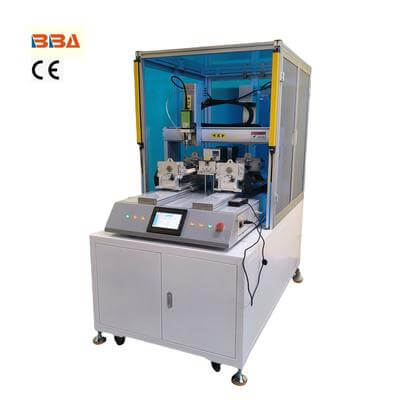
Loose screws are a common yet critical issue in industrial machinery and automated systems. They can lead to equipment failure, reduced performance, and even safety hazards. Traditional methods of addressing this problem, such as manual tightening or using chemical adhesives, are often time-consuming, inconsistent, and impractical for large-scale operations. Fortunately, screw locking automation offers a reliable and efficient solution. This technology ensures that screws remain securely fastened, even in high-vibration environments, enhancing the durability and reliability of industrial equipment. Screw locking automation involves the use of advanced robotic systems and automated tools designed to apply precise torque and locking mechanisms to fasteners. These systems are integrated into production lines or maintenance processes, where they can consistently and accurately secure screws according to predefined specifications. The automation process typically includes stages such as screw identification, torque application, and verification, ensuring that each fastener meets the required standards without human error. One of the key advantages of screw locking automation is its ability to handle high-volume tasks with unmatched precision. Automated systems can process thousands of screws per hour, applying the exact amount of torque needed to prevent loosening. This is particularly important in industries where vibration or dynamic loads are common, such as automotive manufacturing, aerospace, and heavy machinery. By eliminating the variability associated with manual labor, these systems reduce the risk of under-tightening or over-tightening, both of which can compromise the integrity of the assembly. Another significant benefit is the integration of smart technologies. Modern screw locking automation systems are equipped with sensors and software that monitor each step of the process. For example, torque sensors detect resistance and adjust the applied force in real-time, while vision systems ensure that screws are correctly positioned and seated. Data collected during the process can be used for quality control and predictive maintenance, allowing operators to identify potential issues before they escalate. This level of intelligence not only improves reliability but also contributes to longer equipment lifecycles and reduced downtime. Implementing screw locking automation also brings economic advantages. While the initial investment may be higher compared to manual methods, the long-term savings are substantial. Reduced labor costs, fewer assembly errors, and lower maintenance expenses contribute to a rapid return on investment. Additionally, the consistency provided by automation enhances product quality, which can strengthen customer trust and brand reputation. In conclusion, screw locking automation is a transformative solution for preventing loose screws in industrial applications. Its precision, efficiency, and intelligence make it an indispensable tool for modern manufacturing and maintenance operations. By adopting this technology, companies can improve the reliability of their products, reduce operational costs, and maintain a competitive edge in the market. Product Name Applicable industries Desktop Screwdriver Robot Smartphone Manufacturing
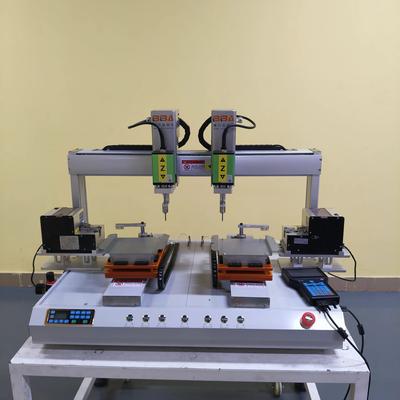
How to Replace Bits and Feeder Tubes on Robotic Screw Machines body { font-family: Arial, sans-serif; line-height: 1.6; margin: 20px; } h1 { color: #2c3e50; font-size: 28px; margin-bottom: 20px; } h2 { color: #34495e; font-size: 22px; margin-top: 25px; margin-bottom: 15px; } p { margin-bottom: 15px; color: #333; } ul, ol { margin-bottom: 15px; margin-left: 20px; } li { margin-bottom: 8px; } strong { color: #16a085; } .note { background-color: #f9f9f9; padding: 12px; border-left: 4px solid #16a085; margin: 20px 0; } How to Replace Bits and Feeder Tubes on Robotic Screw Machines Robotic screw machines are essential for automating assembly processes, enhancing precision, and increasing production throughput. To maintain optimal performance, regular maintenance of key components such as driver bits and feeder tubes is critical. Worn or damaged bits and tubes can lead to misdriven screws, jams, and downtime. This guide provides step-by-step instructions for safely and efficiently replacing these parts. Understanding the Components The driver bit is the tool that engages with the screw head and is responsible for applying torque. Bits wear down over time due to friction and must be replaced to maintain grip and avoid damaging screw heads or compromising torque accuracy. The feeder tube is the pathway that guides screws from the feeder bowl to the screwdriver head. Tubes can become worn or clogged, leading to misfeeds or jams. Regular inspection and replacement are necessary for consistent operation. Tools and Safety Precautions Before starting, ensure you have the correct replacement parts compatible with your machine model. Commonly needed tools include hex keys, screwdrivers, and sometimes a tube cutter. Always follow these safety steps: Power off and lock out the robotic screw machine to prevent accidental activation. Allow the system to depressurize if it uses pneumatic components. Wear appropriate personal protective equipment (PPE), such as safety glasses and gloves. Step-by-Step: Replacing the Driver Bit Access the Screwdriver Head: Open the machine's housing or cover to access the screwdriver assembly. Refer to your machine manual for specific access points. Remove the Old Bit: Depending on the design, the bit may be held in place by a set screw, a quick-release mechanism, or a magnetic holder. Use the appropriate tool (e.g., a hex key) to loosen the set screw or release the mechanism. Carefully extract the worn bit. Install the New Bit: Insert the new, correct-sized bit into the holder. Ensure it is fully seated and secure. If a set screw is used, tighten it to the manufacturer's specified torque to prevent slipping or loosening during operation. Test the Installation: Before fully reassembling, perform a manual test to ensure the bit is aligned correctly and spins freely without wobble. Step-by-Step: Replacing the Feeder Tube Disconnect the Tube: Trace the feeder tube from the screwdriver head back to the feeder bowl. Loosen any clamps or connectors holding the tube in place. Gently disconnect the tube from both ends. Remove the Old Tube: Carefully pull the entire length of the old tube out of any guides or mounting points. Inspect it for internal wear, cracks, or kinks. Prepare the New Tube: If the new tube is not pre-cut to length, measure and cut it to match the old tube using a proper tube cutter. Ensure the cut is clean and straight to prevent feed issues. Deburr the ends if necessary. Install the New Tube: Route the new tube through the same path as the old one, ensuring there are no sharp bends or kinks. Connect it securely to the feeder bowl outlet and the screwdriver head inlet. Tighten all clamps and connectors. Test the Feed System: Power on the machine and run a test cycle without screws to ensure the tube is correctly routed. Then, load screws and monitor the feeding process for smooth, consistent operation without jams. Pro Tip: Keep a log of maintenance activities, including the date of bit and tube replacements. This helps predict future wear patterns and plan maintenance schedules, reducing unexpected downtime. Conclusion Regularly replacing bits and feeder tubes is a straightforward yet vital task for ensuring the reliability and efficiency of your robotic screw machines. By following these procedures and adhering to safety protocols, you can maintain high-quality assembly output and extend the lifespan of your automation equipment. Always consult your specific machine's manual for model-related details and recommended replacement intervals. Product Name Applicable industries CNC Screw Fastener Medical Device Manufacturing
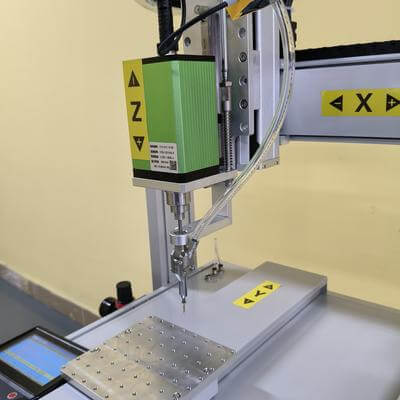
body { font-family: Arial, sans-serif; line-height: 1.6; margin: 20px; } h1 { color: #2c3e50; font-size: 28px; margin-bottom: 20px; } h2 { color: #34495e; font-size: 22px; margin-top: 25px; margin-bottom: 15px; } p { margin-bottom: 15px; color: #333; } ul { margin-bottom: 15px; padding-left: 20px; } li { margin-bottom: 8px; } strong { color: #2c3e50; } Reducing Downtime with Multi-Axis Automation In today's competitive manufacturing landscape, unplanned downtime is one of the most significant barriers to productivity and profitability. Even brief interruptions can cascade into costly delays, missed deadlines, and compromised product quality. While traditional automation has provided substantial improvements, a new generation of multi-axis automation systems is now setting a higher standard for operational reliability and efficiency. The High Cost of Unplanned Downtime Before delving into the solution, it's crucial to understand the problem's scope. Downtime in an industrial setting is rarely just a paused machine. It represents a complete halt in value creation. Costs accumulate from several areas simultaneously: lost production capacity, wasted raw materials, idle labor, and the potential for rushed, lower-quality work once operations resume. Furthermore, unexpected stoppages often necessitate emergency maintenance, which is more expensive and disruptive than scheduled, predictive upkeep. What is Multi-Axis Automation? Multi-axis automation refers to advanced motion control systems that coordinate multiple movements—or axes—simultaneously with a high degree of precision. Unlike simpler systems that might move a tool along a single path (like a conveyor belt), multi-axis systems can control complex, synchronized motions across several planes. This is achieved through sophisticated controllers and software that harmonize the movement of robotic arms, gantries, and other actuators to perform intricate tasks with incredible speed and accuracy. How Multi-Axis Automation Minimizes Downtime The architecture of multi-axis systems is inherently designed to promote continuous operation and rapid recovery. Here’s how it directly tackles downtime: Enhanced Precision and Fewer Errors: By performing complex tasks with superhuman accuracy, these systems drastically reduce errors that lead to jams, misfires, and defective products. This means less frequent stoppages to clear malfunctions or rework batches. Integrated Condition Monitoring: Modern multi-axis systems are equipped with sophisticated sensors that continuously monitor the health of components like motors, drives, and bearings. They can detect subtle changes in vibration, temperature, or performance, signaling the need for maintenance before a catastrophic failure occurs. Predictive Maintenance Capabilities: Moving beyond simple alerts, the data collected by the system can be analyzed to predict wear-and-tear trends. This allows plants to schedule maintenance during natural breaks in production, transforming unplanned downtime into planned, efficient service windows. Simpler and Faster Changeovers: Many multi-axis systems feature programmable settings that allow for rapid reconfiguration between production runs. With a few commands, the same equipment can switch from manufacturing one product variant to another, slashing the changeover time that traditionally contributed to significant operational downtime. Robustness and Reliability: Designed for high-cycle industrial duty, these systems are built to operate continuously in demanding environments. Their inherent reliability means they simply break down less often, ensuring consistent uptime. Beyond Downtime Reduction: Additional Benefits While the focus is on reducing downtime, the advantages of integrating multi-axis automation extend much further. Manufacturers often experience a substantial increase in overall production speed and throughput. The unparalleled precision also leads to higher and more consistent product quality. Furthermore, these systems can optimize material usage and reduce energy consumption per unit produced, contributing to lower operational costs and a smaller environmental footprint. Perhaps most importantly, they free human workers from repetitive, hazardous tasks, allowing them to be redeployed to higher-value roles that require problem-solving and oversight. Implementing for Success Adopting multi-axis automation is a strategic investment. Success hinges on a clear understanding of your specific production bottlenecks and goals. Partnering with a provider that offers robust technical support, comprehensive training, and reliable service is critical. A well-planned implementation, starting with a pilot project or a high-impact area, can demonstrate a rapid return on investment and pave the way for broader rollout. In conclusion, as manufacturing pressures intensify, the ability to maintain continuous, efficient operation becomes a critical competitive advantage. Multi-axis automation is no longer a futuristic concept but a practical, accessible technology that provides a powerful solution to the perennial challenge of unplanned downtime. By enabling smarter, more precise, and more predictable operations, it lays the foundation for a more resilient and productive manufacturing future. Product Name Applicable industries Auto Screwdriver Machine Medical Device Manufacturing
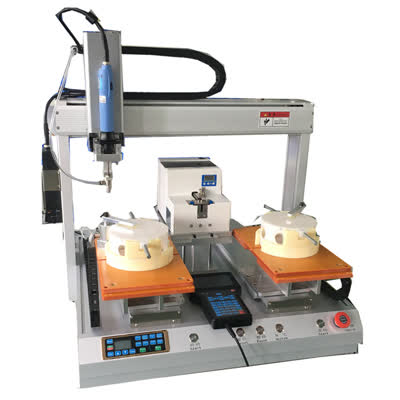
Product Name Applicable industries Screw Locking Robot Laptop and Tablet Assembly Trends in Software for Screw Automation The evolution of screw automation has been significantly driven by advancements in software technology. As industries strive for higher efficiency, precision, and flexibility, the role of software in screw automation systems has become increasingly critical. Modern software solutions are transforming how automated screwdriving processes are programmed, monitored, and optimized, leading to substantial improvements in production quality and operational throughput. One of the most prominent trends is the integration of intuitive graphical user interfaces (GUIs). These interfaces allow operators to set up and manage screwdriving tasks with minimal training. Through drag-and-drop functionality and visual programming, users can define screw patterns, specify torque settings, and create complex assembly sequences effortlessly. This reduces setup time and minimizes human error, ensuring consistent and reliable operations. Another key development is the adoption of data analytics and real-time monitoring capabilities. Advanced software systems now collect and analyze data from each screwdriving operation, tracking parameters such as torque, angle, and time. This data is used to detect anomalies, predict maintenance needs, and ensure every screw meets quality standards. By providing detailed insights into the assembly process, manufacturers can achieve higher traceability and reduce the risk of defects. The rise of connectivity and Industry 4.0 principles is also shaping software trends. Screw automation systems are increasingly designed to seamlessly integrate with broader manufacturing execution systems (MES) and enterprise resource planning (ERP) platforms. This enables centralized control, remote diagnostics, and adaptive production scheduling. Such connectivity supports smart factory initiatives, where automated screwdriving cells can communicate with other machinery to optimize workflow and respond dynamically to changing production demands. Furthermore, software enhancements are focusing on adaptability and flexibility. With the growing need for high-mix, low-volume production, screw automation software must accommodate rapid changeovers and diverse product designs. Features like recipe management, vision system integration, and error recovery algorithms allow systems to handle varied screw types, sizes, and orientations without extensive reconfiguration. This flexibility is essential for manufacturers aiming to stay competitive in fast-evolving markets. Looking ahead, artificial intelligence (AI) and machine learning are set to play a larger role in screw automation software. These technologies can enable predictive quality control, self-optimizing processes, and autonomous decision-making. For instance, AI algorithms can learn from historical data to fine-tune torque strategies or identify potential failure modes before they occur. As software continues to evolve, it will further enhance the intelligence, efficiency, and reliability of screw automation systems, paving the way for fully autonomous assembly environments. In conclusion, software is at the heart of the next generation of screw automation. By embracing trends such as user-friendly interfaces, data analytics, connectivity, flexibility, and AI, manufacturers can unlock new levels of performance and innovation. These advancements not only improve operational efficiency but also empower businesses to meet the challenges of modern industrial demands with greater agility and confidence.
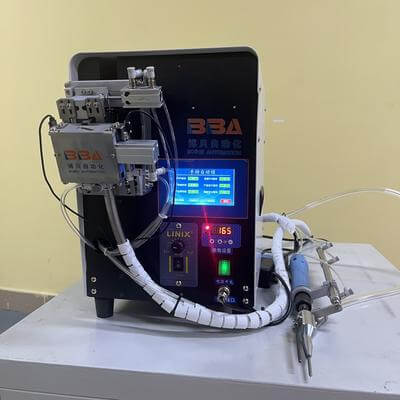
Product Name Applicable industries Inline Screw Locking System Home Appliance Production body {font-family: Arial, sans-serif; line-height: 1.6; color: #333;} h1 {color: #2c5aa0; font-size: 28px;} h2 {color: #3a6bb7; font-size: 22px;} p {margin-bottom: 16px;} strong {color: #3a6bb7;} Energy Efficiency in Servo-Based Fastening In today's competitive industrial landscape, optimizing energy consumption is not just an environmental responsibility but a critical economic imperative. Servo-based fastening systems have emerged as a powerful solution for manufacturers seeking to enhance precision, reliability, and sustainability in their assembly processes. Unlike traditional pneumatic or hydraulic tools, these advanced systems utilize electric servo motors to deliver exceptional control over torque and angle, significantly reducing energy waste and operational costs. The Power of Precision: How Servo Technology Minimizes Waste At the core of energy efficiency in servo-based fastening lies its precise and on-demand power delivery. Traditional pneumatic tools require a constant supply of compressed air, a process that is inherently energy-intensive due to compressor inefficiencies and potential air leaks. In contrast, a servo-driven system consumes electricity only during the actual fastening cycle. The motor activates precisely when needed, applies the exact amount of torque required, and then stops, eliminating idle energy drain. This targeted approach can lead to dramatic reductions in energy consumption, often cutting power usage by 50% or more compared to conventional methods. Beyond Energy Savings: The Holistic Benefits The advantages of implementing servo-based fastening extend far beyond direct energy savings. The superior control and repeatability of these systems drastically reduce the incidence of defective fastenings, such as cross-threading or under/over-torquing. This leads to fewer rejected products, less material waste, and a lower need for rework—all of which contribute to a more sustainable and cost-effective operation. Furthermore, the elimination of compressed air systems reduces overhead costs associated with air compressor maintenance, filter changes, and lubrication, adding another layer of operational efficiency. Smart Data for Smarter Energy Management Modern servo-fastening tools are integral components of the Industry 4.0 ecosystem. They are equipped with sophisticated controllers that collect and analyze real-time data for every fastening operation. This data provides invaluable insights into energy usage patterns, allowing production managers to identify inefficiencies, optimize cycle times, and schedule preventive maintenance to avoid energy-intensive emergency repairs. By leveraging this data, manufacturers can make informed decisions that further streamline their energy consumption and enhance their overall green manufacturing initiatives. Investing in a Sustainable Future Transitioning to servo-based fastening technology represents a forward-thinking investment. While the initial investment may be higher than that for traditional tools, the return on investment is quickly realized through substantial energy savings, reduced scrap rates, lower maintenance costs, and improved product quality. As global regulations on energy efficiency tighten and consumer demand for sustainably manufactured products grows, adopting such technologies becomes a strategic necessity. Servo-based fastening is a clear win-win, offering a path to both economic gain and a reduced environmental footprint for forward-looking industrial automation companies.

Servo motor screw driving technology has become a cornerstone of modern automated assembly systems, offering unmatched precision, flexibility, and efficiency. As industries worldwide strive for higher productivity and superior product quality, understanding the advantages of servo-driven screwdriving solutions is essential for staying competitive. One of the primary benefits of using servo motors in screw driving applications is their exceptional accuracy. Unlike traditional pneumatic or DC motor systems, servo motors provide precise control over torque, angle, and speed. This ensures consistent tightening results, reduces the risk of human error, and minimizes product defects. Each screw is driven to exact specifications, enhancing the overall reliability and durability of assembled products. Another significant advantage is the flexibility servo motors offer. They can be easily programmed and integrated into various assembly environments, accommodating different screw sizes, materials, and tightening patterns. This adaptability is particularly valuable in high-mix production lines where rapid changeovers are required. With programmable settings, manufacturers can quickly switch between tasks without mechanical adjustments, saving time and reducing downtime. Energy efficiency is also a key consideration. Servo motors consume power only when performing tasks, unlike pneumatic systems that continuously use energy to maintain air pressure. This not only lowers operational costs but also supports sustainability initiatives by reducing overall energy consumption. Moreover, servo motor screw driving systems enhance data collection and traceability. Advanced models come equipped with sensors and software that monitor and record tightening parameters in real-time. This data can be used for quality control, process optimization, and compliance reporting, providing valuable insights into production performance. In summary, servo motor screw driving technology offers precision, flexibility, energy savings, and data-driven capabilities that are critical for modern automated assembly. By adopting these systems, manufacturers can improve product quality, increase efficiency, and maintain a competitive edge in today’s fast-paced industrial landscape. Product Name Applicable industries Screw Locking Robot Home Appliance Production