8618566785362 8618566785362 8618566785362 phoenix08@bbamachine.com
- All
- Product Name
- Product Keyword
- Product Model
- Product Summary
- Product Description
- Multi Field Search

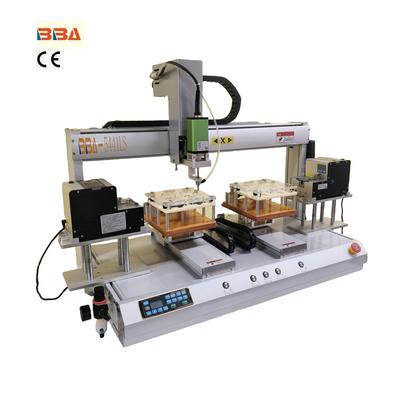
body {font-family: Arial, sans-serif; line-height: 1.6; color: #333; margin: 20px;} h1 {color: #0056b3; font-size: 28px; border-bottom: 2px solid #eee; padding-bottom: 10px;} h2 {color: #0077cc; font-size: 22px; margin-top: 25px;} p {margin-bottom: 15px;} strong {color: #0056b3;} ul {margin-bottom: 15px; padding-left: 20px;} li {margin-bottom: 8px;} Energy Efficiency in Servo-Based Fastening In today's competitive manufacturing landscape, achieving peak operational efficiency is no longer just about speed and precision. A critical and often overlooked aspect is energy consumption. Traditional pneumatic and hydraulic fastening systems have long been the industry standard, but they are notoriously energy-inefficient. The advent of advanced servo-based fastening technology represents a paradigm shift, offering manufacturers a powerful tool to significantly reduce their energy footprint while enhancing process control and productivity. The Hidden Cost of Inefficiency: Pneumatic and Hydraulic Systems Conventional pneumatic tools require a constant supply of compressed air to operate. Generating this compressed air is an extraordinarily energy-intensive process. Studies indicate that compressed air systems can consume up to 30% of a plant's total electricity. A significant portion of this energy is wasted as heat through leaks in the distribution network, pressure drops, and the inherent inefficiency of continuously running compressors to maintain system pressure, even when tools are idle. Similarly, hydraulic systems suffer from energy losses due to heat generation, fluid leaks, and the constant operation of pumps. How Servo Technology Drives Substantial Energy Savings Servo-based fastening systems operate on a fundamentally different principle. They utilize high-precision electric servomotors to deliver torque, completely eliminating the need for compressed air or hydraulic fluid. This core difference translates into direct and substantial energy savings: On-Demand Power Consumption: Servo tools only consume energy during the actual fastening cycle. The motor draws power to tighten the fastener and then stops, consuming virtually zero energy at idle. This contrasts sharply with pneumatic systems that require a continuous energy input to sustain air pressure. Regenerative Braking: Many advanced servo controllers are equipped with regenerative drive technology. When the motor decelerates, it acts as a generator, converting the kinetic energy back into electrical energy and feeding it back into the power supply. This further reduces net energy consumption. Elimination of Compressed Air Losses: By removing the compressed air requirement, servo technology entirely avoids the massive energy losses associated with air compression, distribution, and leaks. This is often where the greatest savings are realized. Precise Control and Reduced Waste: The exceptional accuracy of servo systems minimizes the risk of rejected parts and rework due to under or over-torquing. This reduces the energy wasted in producing and handling defective components, contributing to overall plant efficiency. Beyond Energy Savings: The Holistic Advantages The benefits of transitioning to a servo-based fastening solution extend far beyond a reduced electricity bill. This technology offers a comprehensive upgrade to manufacturing processes: Superior Data and Traceability: Every fastening operation is monitored and recorded, providing complete traceability for quality assurance and process optimization. Enhanced Flexibility: Programs can be changed instantly for different products, enabling high-mix production without mechanical adjustments. Quieter and Cleaner Operation: Removing pneumatic systems eliminates the noise from exhaust air and the risk of oil mist contamination, creating a better and safer workplace. Reduced Maintenance: With no compressors, pipes, filters, or lubricators to maintain, operational costs and downtime are significantly lowered. Conclusion: A Smart Investment for a Sustainable Future Investing in energy-efficient servo-based fastening is not merely an operational upgrade; it is a strategic decision with a clear return on investment. The reduction in energy costs, combined with lower maintenance needs, higher quality output, and improved productivity, ensures a rapid payback period. As industries worldwide face increasing pressure to improve sustainability and reduce operating expenses, adopting servo technology is a definitive step toward building a more efficient, profitable, and environmentally responsible manufacturing operation. The future of industrial fastening is electric, precise, and efficient. Product Name Applicable industries Dual Head Screwdriver Industrial Control Panel Assembly
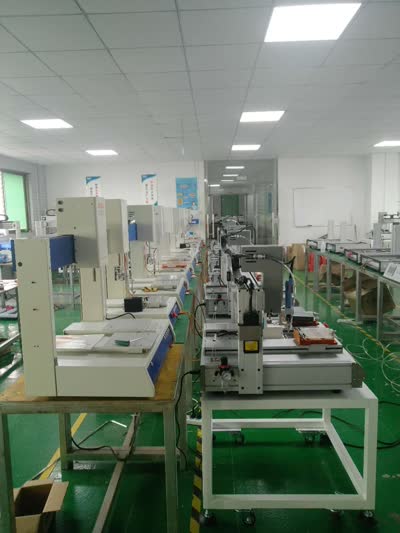
Product Name Applicable industries CNC Screw Fastener Telecommunication Equipment Assembly body { font-family: Arial, sans-serif; line-height: 1.6; margin: 20px; color: #333; } h1 { color: #0056b3; font-size: 28px; margin-bottom: 15px; } h2 { color: #004085; font-size: 22px; margin-top: 20px; margin-bottom: 10px; } p { margin-bottom: 15px; text-align: justify; } ul { margin-bottom: 15px; padding-left: 20px; } li { margin-bottom: 8px; } .highlight { background-color: #f8f9fa; padding: 15px; border-left: 4px solid #0056b3; margin: 15px 0; } Optimizing Screw Locking Robots for Various Production Needs In modern manufacturing, efficiency and precision are paramount. Screw locking robots have emerged as critical tools in assembly lines, offering unparalleled consistency and speed. However, not all production environments are the same. Different industries and applications require tailored approaches to automation. Optimizing these robots for specific needs ensures maximum productivity, reduces errors, and enhances overall operational flexibility. Understanding Production Requirements Before deployment, it is essential to analyze production requirements thoroughly. Factors such as screw size, torque specifications, material compatibility, and cycle times must be considered. For instance, electronics manufacturing may involve small, delicate screws requiring minimal torque, while automotive assembly might demand higher torque for larger fasteners. Environmental conditions, such as temperature and humidity, can also impact performance. By understanding these variables, engineers can configure robots to meet exact specifications, ensuring reliable and efficient operation. Adapting to Diverse Applications Screw locking robots are versatile and can be adapted for various applications. In high-volume production, speed is crucial. Robots can be optimized with multi-spindle heads or parallel processing capabilities to handle multiple screws simultaneously. For low-volume, high-mix production, flexibility is key. Quick-change tooling and programmable settings allow robots to switch between different screw types and tasks with minimal downtime. Additionally, integration with vision systems and sensors enables real-time adjustments, ensuring accuracy even with complex or irregular components. Advanced software plays a vital role in optimization. Modern control systems allow for precise torque and angle monitoring, data logging, and error detection. This not only improves quality control but also facilitates predictive maintenance, reducing unexpected downtime. Enhancing Flexibility and Scalability As production needs evolve, scalability becomes important. Modular robot designs enable easy upgrades or reconfiguration for new tasks. For example, adding end-of-arm tooling or updating software can expand functionality without replacing entire systems. This adaptability is particularly valuable in industries with rapidly changing product designs, such as consumer electronics or medical devices. By investing in scalable solutions, manufacturers can future-proof their operations and respond quickly to market demands. Improving Integration and Connectivity Seamless integration with existing production systems is another critical aspect. Screw locking robots must communicate with other machinery, such as conveyors, feeders, and inspection systems. Using standardized communication protocols like IO-Link or Ethernet/IP ensures compatibility and simplifies setup. Moreover, Industry 4.0 technologies enable data exchange for centralized monitoring and analysis. This connectivity supports optimized workflow management, providing insights into performance metrics and identifying areas for improvement. Conclusion Optimizing screw locking robots for various production needs is not a one-size-fits-all process. It requires careful planning, customization, and continuous improvement. By focusing on specific requirements, adapting to diverse applications, enhancing flexibility, and improving integration, manufacturers can unlock the full potential of automation. These efforts lead to higher quality products, reduced costs, and increased competitiveness in the global market. As technology advances, the capabilities of screw locking robots will continue to expand, offering even greater opportunities for innovation and efficiency.
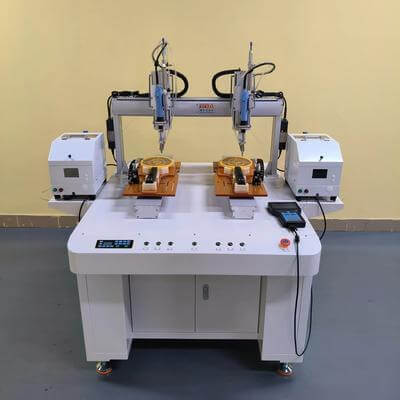
Product Name Applicable industries Servo Screwdriver Robot Consumer Electronics Assembly In the rapidly evolving world of industrial automation, flexibility and adaptability are key to maintaining a competitive edge. One of the most critical components enabling this versatility is the design of flexible arms used in robotic systems and automation machinery. These arms are engineered to perform a wide range of tasks across various industries, from assembly lines to complex material handling processes. The importance of flexible arm designs cannot be overstated, as they directly impact efficiency, precision, and the ability to customize automation solutions for diverse applications. Flexible arms are designed with a focus on modularity and scalability. This means they can be easily adjusted or reconfigured to meet changing production demands without requiring complete system overhauls. For instance, in manufacturing environments where product lines frequently change, flexible arms allow for quick reprogramming and tooling adjustments. This reduces downtime and increases overall productivity. The use of advanced materials, such as lightweight composites and high-strength alloys, ensures that these arms are both durable and capable of high-speed operations with minimal wear and tear. Another significant advantage of modern flexible arm designs is their integration with smart technologies. Many of these systems now feature embedded sensors and IoT connectivity, enabling real-time monitoring and data analytics. This allows operators to track performance metrics, predict maintenance needs, and optimize workflows dynamically. For example, in logistics and warehousing, flexible arms equipped with vision systems can identify, sort, and handle items of varying shapes and sizes with remarkable accuracy. This level of adaptability is essential in e-commerce and distribution centers, where order volumes and product types fluctuate rapidly. The application spectrum for flexible arms is vast and continues to expand. In the automotive industry, they are used for tasks such as welding, painting, and assembly, where precision and repeatability are paramount. In pharmaceuticals, flexible arms assist in packaging, labeling, and even laboratory automation, ensuring compliance with strict hygiene and accuracy standards. The food and beverage sector also benefits from these designs, particularly in processes that require gentle handling or sanitary conditions. The ability to customize the range of motion, payload capacity, and end-effector attachments makes flexible arms indispensable across these diverse fields. Looking ahead, the future of flexible arm designs is poised to embrace even greater levels of innovation. Advances in artificial intelligence and machine learning are expected to enhance the autonomy of these systems, enabling them to learn from their environments and make real-time adjustments. Collaborative robots, or cobots, which work alongside human operators, will further leverage flexible arm technology to create safer and more efficient workplaces. As industries continue to seek automation solutions that are both powerful and adaptable, the development of sophisticated flexible arms will remain at the forefront of industrial innovation. In conclusion, flexible arm designs are a cornerstone of modern industrial automation, providing the versatility needed to meet the demands of diverse applications. By combining robust engineering with smart technology, these systems empower businesses to achieve higher levels of efficiency, customization, and scalability. As technology continues to evolve, flexible arms will undoubtedly play an increasingly vital role in shaping the future of automated industrial processes.

body { font-family: Arial, sans-serif; line-height: 1.6; color: #333; margin: 20px; } h1 { color: #2c3e50; font-size: 28px; margin-bottom: 20px; } h2 { color: #3498db; font-size: 22px; margin-top: 25px; margin-bottom: 15px; } p { margin-bottom: 15px; text-align: justify; } ul { margin-bottom: 15px; padding-left: 20px; } li { margin-bottom: 8px; } .highlight { background-color: #f9f9f9; padding: 15px; border-left: 4px solid #3498db; margin: 20px 0; } Top Benefits of Using an Automatic Screw Locking Machine in Manufacturing In the fast-paced world of industrial manufacturing, efficiency, precision, and reliability are paramount. The adoption of advanced automation technology has become a cornerstone for companies striving to maintain a competitive edge. Among these technologies, the automatic screw locking machine stands out as a pivotal tool that revolutionizes the assembly process. This powerful equipment streamlines the fastening of screws with remarkable accuracy and speed, transforming production lines and delivering substantial advantages. Here are the top benefits of integrating an automatic screw locking machine into your manufacturing operations. 1. Unmatched Precision and Consistency Manual screw driving is inherently prone to human error. Variations in torque, angle, and even the occasional missed screw can lead to product defects, malfunctions, and inconsistent quality. Automatic screw locking machines eliminate this variability entirely. Programmed with exact torque and depth specifications, these machines ensure every single screw is fastened with identical precision. This unwavering consistency is critical for producing high-quality, reliable products, especially in industries like electronics, automotive, and aerospace where a single loose screw can have catastrophic consequences. 2. Dramatic Increase in Production Speed Time is a valuable resource in manufacturing. Automating the screw-fastening process significantly accelerates production cycles. These machines can operate at incredibly high speeds, far surpassing what is humanly possible. They can place and drive multiple screws in the time it takes a worker to handle just one. This boost in throughput allows manufacturers to meet demanding production schedules, fulfill larger orders, and respond more agilely to market fluctuations, all without compromising on quality. 3. Significant Reduction in Labor Costs By automating a repetitive and physically demanding task, companies can achieve considerable savings on labor expenses. Automatic screw locking machines can operate continuously with minimal supervision, freeing highly skilled employees to focus on more complex, value-added tasks such as quality control, machine maintenance, and process optimization. This not only reduces the number of operators required on the assembly line but also helps mitigate the challenges associated with workforce shortages and high employee turnover in manual roles. 4. Enhanced Worker Safety and Ergonomics Repetitive strain injuries (RSIs) are a common concern in manual assembly work. The constant motion of screwing can lead to musculoskeletal disorders in the hands, wrists, and arms of operators. By deploying automatic machines, manufacturers can create a safer work environment. These systems handle the physical labor, thereby reducing the risk of RSIs and related worker compensation claims. This investment in employee well-being also boosts morale and contributes to a more positive and productive workplace culture. 5. Comprehensive Data Tracking and Traceability Modern automatic screw locking machines are often equipped with sophisticated software and sensors. This technology provides valuable data for Industry 4.0 initiatives. Manufacturers can monitor and record torque values for every screw in real-time. This data creates a complete history for each assembled product, enabling full traceability. If a quality issue arises, it is possible to pinpoint exactly which screw and which unit might be affected, facilitating targeted recalls and precise root cause analysis. This level of data intelligence is indispensable for continuous improvement and upholding stringent quality standards. In conclusion, the automatic screw locking machine is far more than a simple convenience; it is a strategic asset for any modern manufacturing facility. Its ability to deliver superior precision, accelerate production, lower operational costs, improve workplace safety, and provide actionable data makes it an indispensable component of an efficient and future-proof production line. Investing in this technology is a definitive step toward achieving manufacturing excellence. Product Name Applicable industries Auto Screwdriver Machine Toy and Game Console Production
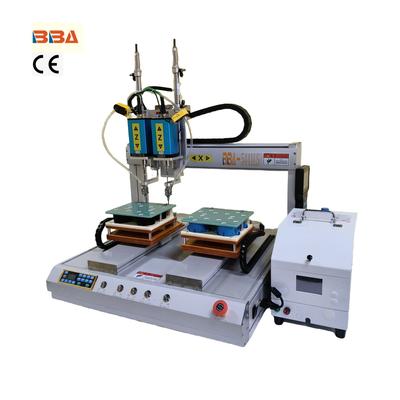
Product Name Applicable industries Automatic Screw Feeder Home Appliance Production body {font-family: Arial, sans-serif; line-height: 1.6; margin: 20px; color: #333;} h1 {color: #2c3e50; font-size: 28px; border-bottom: 2px solid #3498db; padding-bottom: 10px;} h2 {color: #2980b9; font-size: 22px; margin-top: 25px;} p {margin-bottom: 15px; text-align: justify;} ul {margin-bottom: 15px; padding-left: 20px;} li {margin-bottom: 8px;} strong {color: #16a085;} .conclusion {background-color: #f9f9f9; padding: 15px; border-left: 4px solid #3498db; margin-top: 20px;} Spare Parts Management for Servo Screw Systems In the high-stakes world of industrial automation, maintaining peak operational efficiency is not just a goal—it's a necessity. At the heart of many precision assembly and manufacturing processes lies the servo screw system, a sophisticated piece of technology that demands meticulous care. One of the most critical, yet often underestimated, aspects of this care is a robust and proactive spare parts management strategy. Effective management goes far beyond simply having a box of spare parts in a closet; it is a comprehensive approach that ensures minimal downtime, maximizes return on investment, and guarantees long-term system reliability. The Critical Role of Genuine and Compatible Spare Parts The performance integrity of a servo screw system is profoundly dependent on the quality and compatibility of its components. Utilizing genuine spare parts is non-negotiable. These parts are engineered to exacting specifications, ensuring perfect fit, optimal performance, and seamless integration with your existing system. Non-genuine or counterfeit parts may seem like a cost-effective shortcut, but they pose a significant risk. They can lead to premature wear, catastrophic failures, inaccurate torque control, and even void your system's warranty. A strong management plan prioritizes sourcing authentic parts from reliable channels to safeguard your operation. Key Components for a Proactive Spare Parts Kit Building a strategic inventory of critical spare parts is the first line of defense against unplanned downtime. While every system is unique, several components are universally essential for servo screw systems: Servo Motors and Drives: The core of the system. Having a backup motor or drive module can drastically reduce recovery time from a major failure. Screwdriver Bits and Sockets: These wear out regularly due to constant friction and stress. Keeping a stocked inventory prevents production halts. Couplings and Belts: Critical for transmitting motion and power. Their failure can bring the entire process to an immediate stop. Controllers and Sensors: Electronic components like encoders and torque sensors are vital for precision. Spares ensure continuous data feedback and control. Mechanical Wear Parts: This includes ball screws, guides, and bearings, which degrade over time and should be replaced during planned maintenance. Strategies for Effective Spare Parts Management Managing these parts efficiently requires a structured strategy: Demand Forecasting: Analyze historical maintenance data and equipment usage to predict which parts will be needed and when. This prevents both overstocking and understocking. Organized Storage and Labeling: Implement a clean, organized storage system with clear labeling. This saves precious time during emergency repairs and prevents parts from being lost or damaged. Condition Monitoring: Integrate IoT sensors and data analytics to monitor the health of components in real-time. This allows for predictive maintenance, where parts are replaced just before they are likely to fail, rather than on a fixed schedule or after a breakdown. Documentation and Tracking: Maintain a digital log of all spare parts, including their purchase date, installation date, and lifespan. This creates a valuable knowledge base for future planning. The Financial and Operational Impact A well-executed spare parts management plan directly impacts the bottom line. The cost of holding a strategic inventory is negligible compared to the staggering cost of production downtime. In automated lines, every minute of stoppage can result in substantial lost revenue. Furthermore, planned maintenance using ready-to-install parts is far more efficient than emergency repairs, which often involve expedited shipping fees and overtime labor costs. It also extends the lifespan of your entire servo screw system by ensuring it always operates with components that meet original performance standards. In conclusion, viewing spare parts management as a strategic investment rather than an operational expense is a hallmark of a world-class manufacturing operation. For servo screw systems, which are pivotal to precision and productivity, a proactive and organized approach to spare parts is indispensable. By prioritizing genuine components, maintaining a strategic inventory of critical items, and employing modern management strategies, companies can achieve unparalleled levels of uptime, efficiency, and operational resilience. Protect your investment and secure your production line by making spare parts management a cornerstone of your maintenance philosophy.
body { font-family: Arial, sans-serif; line-height: 1.6; color: #333; margin: 20px; } h1 { color: #2E7D32; font-size: 28px; margin-bottom: 20px; } p { margin-bottom: 16px; text-align: justify; } strong { color: #2E7D32; } The Green Benefits of Using Automatic Screw Locking Technology In today’s rapidly evolving industrial landscape, sustainability is no longer an optional consideration—it’s a necessity. Companies across the globe are actively seeking ways to reduce their environmental footprint while maintaining high levels of productivity and efficiency. One significant innovation driving this green transformation is automatic screw locking technology. This advanced automation solution not only enhances manufacturing precision and speed but also delivers substantial environmental benefits that contribute to a more sustainable future. One of the most immediate green advantages of automatic screw locking systems is the reduction in material waste. Traditional manual screw fastening processes are prone to human error, often resulting in over-tightening, under-tightening, or cross-threading. These mistakes can lead to damaged components, rejected products, and increased scrap material. In contrast, automated systems apply precise torque consistently every time, drastically minimizing errors and material waste. This precision ensures that every product is assembled correctly the first time, reducing the need for rework and the associated waste of raw materials. Furthermore, these automated systems contribute significantly to energy efficiency. Modern automatic screw locking machines are designed with optimized energy consumption in mind. They operate at high speeds with minimal idle time, completing tasks in a fraction of the time required by manual labor. This efficiency translates to lower energy usage per unit produced. Additionally, many advanced models are equipped with energy-saving features such as sleep modes and efficient electric drivers, which further reduce their overall power consumption compared to older, less efficient machinery or prolonged manual operation requiring more extensive factory lighting and climate control. Another critical environmental benefit is the reduction in the carbon footprint of manufacturing operations. By streamlining the assembly process and minimizing errors, automatic screw locking technology enhances overall production efficiency. This means fewer machines may be required to achieve the same output, and factories can operate more compactly. The decrease in rejected products also means less energy is wasted on manufacturing defective items that would ultimately be discarded. Over time, this cumulative efficiency reduces the greenhouse gas emissions associated with production, transportation of waste, and the manufacturing of replacement parts. Beyond direct operational benefits, the adoption of automation technology supports longer product lifecycles. Products assembled with consistent and reliable screw fastening are generally of higher quality and durability. They are less likely to fail prematurely due to assembly defects, which means consumers will replace them less frequently. This reduction in product turnover leads to less resource consumption and waste generation over the long term, supporting a circular economy model where products are designed to last. Moreover, automatic screw locking systems often contribute to a safer working environment. While safety is a human benefit, it indirectly supports sustainability goals. Reduced accident rates mean fewer disruptions and a more stable, efficient production process. This stability avoids the resource waste associated with production halts, retraining, and potential remediation activities. In conclusion, the integration of automatic screw locking technology is a powerful step toward greener manufacturing. Its ability to enhance precision, reduce waste, lower energy consumption, and decrease carbon emissions makes it an invaluable tool for companies committed to sustainability. As industries continue to prioritize environmental responsibility, embracing such innovative automation solutions will be crucial for building a more efficient, sustainable, and profitable future. Investing in this technology is not just an investment in operational excellence—it’s an investment in the planet. Product Name Applicable industries Screw Locking Robot Toy and Game Console Production
In the fast-evolving world of industrial automation, selecting the right tools for assembly and production processes is crucial. Two common solutions for screw driving applications are robotic screwdrivers and semi-automatic screwdrivers. Each offers distinct advantages and limitations, making them suitable for different operational environments and requirements. Robotic screwdrivers represent the pinnacle of automation technology. These systems are fully integrated, programmable, and capable of operating with minimal human intervention. Equipped with advanced vision systems, precision sensors, and adaptive control algorithms, robotic screwdrivers can handle complex tasks with high speed and repeatability. They are ideal for high-volume production lines where consistency, throughput, and accuracy are paramount. By reducing human involvement, these systems also minimize the risk of errors and workplace injuries. However, the initial investment is significant, and they require specialized expertise for setup, programming, and maintenance. On the other hand, semi-automatic screwdrivers offer a more flexible and cost-effective solution. These tools are designed to augment human operators rather than replace them entirely. Typically, a semi-automatic screwdriver is pneumatically or electrically driven and includes features such as automatic feed systems and torque control. The operator positions the tool and triggers the driving process, ensuring alignment and oversight while benefiting from reduced physical strain and improved efficiency. Semi-automatic models are well-suited for medium-volume production, prototyping, or applications requiring frequent changeovers. They involve lower upfront costs and are easier to implement without extensive training or infrastructure changes. When deciding between robotic and semi-automatic screwdrivers, manufacturers must consider factors such as production volume, complexity, budget, and long-term operational goals. Robotic systems excel in structured, high-speed environments, while semi-automatic tools provide versatility and ease of use in more dynamic settings. Both technologies play vital roles in modern industrial automation, helping companies enhance productivity, improve quality, and maintain competitive advantage. Understanding the specific needs of your assembly process is key to making an informed choice. By evaluating technical requirements and economic factors, businesses can select the screw driving solution that best aligns with their operational strategy and drives sustainable growth. Product Name Applicable industries Screw Locking Robot Power Tool Assembly Lines
Product Name Applicable industries Dual Head Screwdriver LED Lighting Industry body { font-family: Arial, sans-serif; line-height: 1.6; margin: 20px; } h2 { color: #2c3e50; } p { margin-bottom: 16px; } strong { color: #e67e22; } Home Appliance Assembly Using Automated Screw Systems In the rapidly evolving landscape of industrial manufacturing, the assembly of home appliances demands precision, speed, and unwavering consistency. One of the most critical processes in this assembly is screw fastening—a task that, when performed manually, can be prone to errors, inconsistencies, and inefficiencies. Enter automated screw systems: advanced technological solutions that are revolutionizing how home appliances are built. These systems not only enhance production quality but also significantly boost operational efficiency, making them indispensable in modern manufacturing facilities. Automated screw systems are designed to handle the intricate fastening requirements of various home appliances, from refrigerators and washing machines to microwaves and air conditioners. These systems utilize sophisticated robotic mechanisms equipped with precision drivers, feeders, and controllers to place and tighten screws with exact torque and depth. This eliminates common issues such as cross-threading, stripping, or under-tightening, which can compromise product integrity and lead to costly recalls or repairs. The integration of these systems into assembly lines brings numerous advantages. Firstly, they dramatically increase production speed. Unlike human workers, automated systems can operate continuously without fatigue, maintaining a consistent cycle time and throughput. This is particularly beneficial for high-volume production environments where meeting demand is paramount. Secondly, they enhance quality control. Each screw fastening is logged and monitored, ensuring every product meets stringent quality standards. If a screw is missed or improperly fastened, the system can immediately detect and rectify the issue, reducing defect rates to near zero. Another significant benefit is the reduction in operational costs. While the initial investment in automation technology may be substantial, the long-term savings are considerable. Automated screw systems minimize material waste by ensuring each screw is used correctly, and they lower labor costs by reducing the need for manual oversight. Additionally, these systems improve workplace safety by taking over repetitive tasks that could lead to musculoskeletal injuries for human workers, fostering a safer and more ergonomic work environment. Flexibility is also a key feature of modern automated screw systems. They can be programmed to handle multiple screw types and sizes, making them adaptable to various product lines without requiring extensive retooling. This is especially valuable in the home appliance industry, where product designs frequently change to incorporate new features and technologies. With quick changeover capabilities, manufacturers can swiftly transition between different appliances, maintaining agility in a competitive market. Looking ahead, the role of automation in home appliance assembly will only expand. As technologies like the Internet of Things (IoT) and artificial intelligence (AI) continue to advance, automated screw systems will become even smarter and more connected. They will be able to predict maintenance needs, optimize their own performance in real-time, and seamlessly integrate with other automated processes for end-to-end manufacturing solutions. In conclusion, automated screw systems represent a pivotal innovation in the industrial automation sector, particularly for home appliance assembly. By delivering unmatched precision, efficiency, and reliability, they empower manufacturers to produce higher-quality products faster and more cost-effectively. As the industry moves towards increasingly intelligent manufacturing, embracing these advanced systems will be essential for any company aiming to lead in the global market.