8618566785362 8618566785362 8618566785362 phoenix08@bbamachine.com
- All
- Product Name
- Product Keyword
- Product Model
- Product Summary
- Product Description
- Multi Field Search

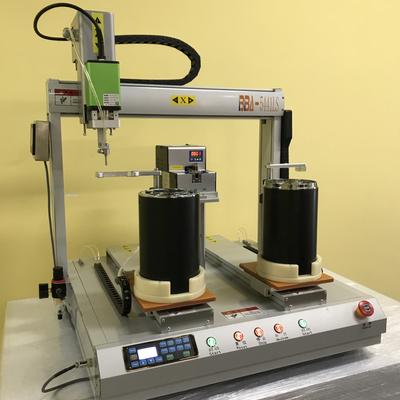
Product Name Applicable industries Dual Head Screwdriver Home Appliance Production Why Manufacturers Are Adopting Screw Tightening Equipment In today’s competitive manufacturing landscape, companies are constantly seeking ways to enhance efficiency, improve product quality, and reduce operational costs. One of the key technologies driving this transformation is automated screw tightening equipment. This innovative solution is rapidly becoming a standard on assembly lines across various industries, from automotive and electronics to aerospace and medical devices. The primary reason for this shift is the relentless pursuit of precision and consistency. Manual screw fastening is prone to human error—variations in torque, cross-threading, or missed screws can lead to product failures, recalls, and safety issues. Automated screwdrivers ensure every fastener is applied with exact, predefined torque and angle, significantly reducing the risk of defects and enhancing the reliability of the final product. Another major factor is increased productivity. Automated systems can operate continuously without fatigue, at speeds far exceeding human capabilities. This not only accelerates the assembly process but also allows skilled workers to focus on more complex and value-added tasks. Furthermore, these systems often include real-time monitoring and data logging, providing manufacturers with valuable insights into production metrics and process control. Worker safety and ergonomics also play a significant role in the adoption of this technology. Repetitive manual screw tightening can lead to musculoskeletal disorders and fatigue-related injuries. By automating this task, companies can create a safer working environment, reduce absenteeism, and lower healthcare costs. Additionally, the flexibility of modern screw tightening systems allows for easy integration into existing production lines, supporting high-mix low-volume manufacturing. With quick changeover capabilities and programmable settings, manufacturers can adapt to different products and specifications without significant downtime. In conclusion, the move toward automated screw tightening equipment is a strategic decision driven by the need for higher quality, greater efficiency, improved worker safety, and better data-driven management. As technology continues to advance, these systems will become even more intelligent and integral to the smart factories of the future.
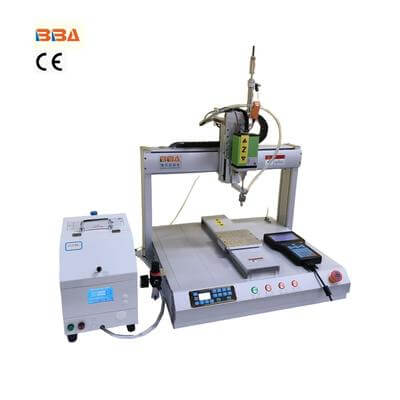
Product Name Applicable industries CNC Screw Fastener Automotive Electronics Assembly Maintaining the longevity of your screw assembly machine is essential for maximizing productivity and minimizing downtime in industrial operations. These machines are critical to assembly lines, and their performance directly impacts overall efficiency. By implementing proactive maintenance strategies and adopting best practices, you can significantly extend the lifespan of your equipment, ensuring reliable operation for years to come. One of the most effective ways to prolong the life of your screw assembly machine is through regular and thorough maintenance. This includes daily inspections to check for signs of wear, such as loose components or unusual noises. Lubrication of moving parts is also vital to reduce friction and prevent premature deterioration. Using high-quality lubricants recommended by the manufacturer can make a notable difference in performance and durability. Additionally, keeping the machine clean from dust, debris, and other contaminants helps avoid malfunctions and preserves its precision. Another key aspect is operator training. Ensuring that personnel are well-trained in operating the screw assembly machine correctly reduces the risk of misuse or accidental damage. Operators should be familiar with the machine’s settings, capabilities, and limitations. Regular training updates can help reinforce good practices and introduce new techniques for optimizing machine use. When operators understand the importance of gentle handling and proper setup, the machine is less likely to experience stress or wear. Monitoring the machine’s performance over time is equally important. Implementing a system for tracking usage patterns, error rates, and maintenance history allows you to identify potential issues before they escalate. Advanced sensors and IoT-enabled devices can provide real-time data on machine health, enabling predictive maintenance. This approach helps address problems early, reducing the likelihood of unexpected breakdowns and extending the machine’s operational life. Environmental factors also play a role in the longevity of your screw assembly machine. Installing the equipment in a controlled environment—with stable temperature, humidity, and minimal vibration—can prevent external stressors from affecting its performance. Proper calibration and alignment are crucial as well, ensuring that the machine operates smoothly and accurately without undue strain on its components. Finally, investing in genuine replacement parts and timely upgrades can make a significant difference. Using counterfeit or substandard parts may save costs initially but often leads to more frequent failures and shorter machine life. Regularly updating software and hardware in accordance with the manufacturer’s recommendations ensures that your machine remains compatible with evolving production demands and technological advancements. By focusing on these strategies, you can enhance the durability and efficiency of your screw assembly machine, ultimately supporting a more productive and cost-effective operation. Consistent care and attention to detail will help you get the most out of your investment while maintaining high standards of quality and reliability.
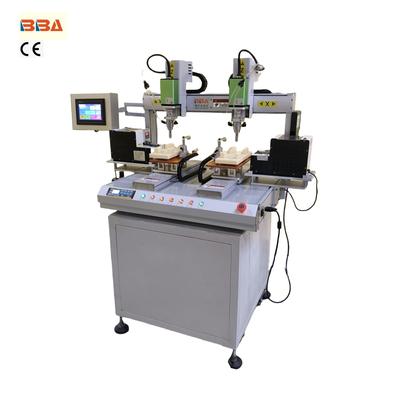
Product Name Applicable industries Screw Fastening Unit Smart Wearables Production body { font-family: Arial, sans-serif; line-height: 1.6; color: #333; margin: 20px; } h1 { color: #0056b3; font-size: 28px; margin-bottom: 20px; } h2 { color: #003366; font-size: 22px; margin-top: 25px; margin-bottom: 15px; } p { margin-bottom: 15px; text-align: justify; } ul { margin-bottom: 15px; padding-left: 20px; } li { margin-bottom: 8px; } .highlight { background-color: #f5f5f5; padding: 15px; border-left: 4px solid #0056b3; margin: 20px 0; } Enhancing Product Quality with Multi-Axis Control In today's competitive industrial landscape, achieving superior product quality is not just a goal—it's a necessity. Manufacturers across sectors are constantly seeking innovative technologies to improve precision, consistency, and efficiency in their production processes. One of the most impactful advancements in this pursuit is the adoption of multi-axis control systems. This technology has revolutionized automation by enabling unprecedented levels of coordination and accuracy in complex machining and manufacturing operations. Understanding Multi-Axis Control Multi-axis control refers to the ability of a automation system to simultaneously coordinate movement along multiple axes of motion. While traditional systems might manage two or three axes, modern multi-axis solutions can control four, five, or even more axes at the same time. This simultaneous movement allows industrial machinery to perform highly complex tasks with a level of precision that was previously unattainable. The core of this technology lies in sophisticated software algorithms and powerful processors that calculate and synchronize every movement in real-time, ensuring perfect harmony between all components of the system. Direct Impact on Product Quality The implementation of multi-axis control systems directly enhances product quality through several mechanisms. First, it eliminates the need for multiple setups and repositioning of workpieces. Each time a part is moved or repositioned, there is potential for error introduction and dimensional inaccuracies. By completing complex operations in a single setup, multi-axis control maintains consistent reference points throughout the manufacturing process, significantly reducing cumulative errors. Second, the technology enables the production of more complex geometries with superior surface finishes. The continuous and fluid movement possible with multi-axis control allows tools to maintain optimal orientation to the workpiece surface, resulting in smoother finishes and more precise contours. This capability is particularly valuable in industries such as aerospace, medical device manufacturing, and automotive, where complex curved surfaces and tight tolerances are common requirements. The precision offered by multi-axis control systems translates directly to higher quality end products with improved performance characteristics, longer lifespan, and greater reliability in their intended applications. Applications Across Industries The benefits of multi-axis control extend across numerous industrial applications. In machining operations, five-axis simultaneous control allows for the creation of intricate parts with complex features that would be impossible to produce with conventional methods. In robotics, multi-axis coordination enables articulated arms to perform delicate assembly tasks with human-like dexterity but far greater consistency. Additive manufacturing has also embraced multi-axis control, with systems now capable of depositing material along curved paths rather than just layer-by-layer in straight lines. This advancement significantly improves the structural integrity and surface quality of printed components. Similarly, in inspection and measurement systems, multi-axis control allows for comprehensive scanning of complex parts, ensuring thorough quality verification without repositioning artifacts. Implementation Considerations Successfully implementing multi-axis control technology requires careful planning and expertise. The initial investment goes beyond hardware to include specialized programming tools and operator training. However, the long-term returns in terms of quality improvement, reduced scrap rates, and decreased rework typically justify the investment many times over. Modern multi-axis systems are increasingly user-friendly, with intuitive programming interfaces that simplify the creation of complex motion paths. Simulation capabilities allow operators to visualize and verify processes before execution, minimizing the risk of errors and collisions. These advancements have made the technology accessible to a wider range of manufacturers, not just large corporations with extensive engineering resources. The Future of Quality Manufacturing As industrial demands for higher precision and more complex products continue to grow, multi-axis control technology will play an increasingly central role in manufacturing quality enhancement. The integration of these systems with emerging technologies like artificial intelligence and IoT connectivity will further amplify their capabilities, enabling predictive adjustments and self-optimizing processes that maintain perfect quality even as conditions change. Manufacturers who embrace multi-axis control today are positioning themselves at the forefront of quality manufacturing, ready to meet the increasingly stringent demands of global markets. The technology represents not just an improvement in automation capabilities, but a fundamental shift in how we approach precision manufacturing—where quality is engineered into every movement of the process.
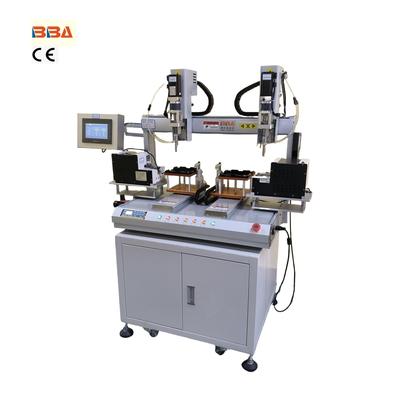
Product Name Applicable industries Servo Screwdriver Robot Home Appliance Production Automatic screw assembly machines have become indispensable in modern manufacturing, offering precision, speed, and reliability. These machines are designed to handle a variety of screwdriving tasks, reducing human error and increasing production efficiency. In this article, we will explore the different types of automatic screw assembly machines available in the market today. One common type is the bench-top automatic screw feeder. These compact machines are ideal for small to medium-sized production lines. They are easy to set up and operate, making them a popular choice for businesses looking to automate their screwdriving processes without significant investment. Bench-top models often come with adjustable torque settings and can handle a range of screw sizes, providing flexibility for various applications. Another type is the multi-spindle automatic screw assembly machine. Designed for high-volume production, these machines feature multiple spindles that can drive several screws simultaneously. This significantly reduces cycle times and boosts productivity. Multi-spindle machines are commonly used in industries such as automotive, electronics, and appliance manufacturing, where large quantities of products need to be assembled quickly and accurately. For applications requiring mobility and flexibility, portable automatic screwdrivers are an excellent option. These handheld devices are equipped with automatic feed systems that supply screws continuously, allowing operators to work efficiently without manual handling. Portable models are often used in assembly lines where the workpiece is too large or cumbersome to move, or for on-site maintenance and repair tasks. Additionally, there are fully integrated robotic screw assembly systems. These advanced machines combine robotic arms with automatic screw feeding and driving mechanisms. They are capable of performing complex assembly tasks with high precision and are often integrated into fully automated production lines. Robotic systems are ideal for industries that require consistent quality and minimal human intervention, such as aerospace and medical device manufacturing. Lastly, customizable automatic screw assembly machines are available to meet specific production needs. These systems can be tailored to handle unique screw types, unusual workpiece geometries, or specialized assembly processes. Customizable machines offer the advantage of adaptability, ensuring that manufacturers can optimize their automation solutions for maximum efficiency and output. In conclusion, the market offers a diverse range of automatic screw assembly machines, each suited to different production requirements. From bench-top feeders to robotic systems, these machines enhance manufacturing efficiency, improve product quality, and reduce labor costs. By understanding the various types available, businesses can select the right solution to meet their automation goals and stay competitive in the industry.
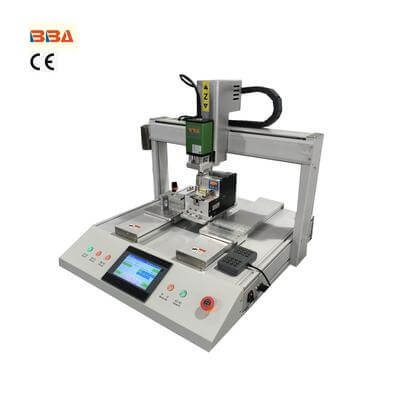
Product Name Applicable industries Automatic Screw Feeder Power Tool Assembly Lines Global Buyers’ Guide to Screw Locking Machines Screw locking machines are essential in modern manufacturing and assembly processes, providing precision, reliability, and efficiency in securing threaded fasteners. For global buyers looking to invest in these systems, understanding key features, applications, and selection criteria is crucial. This guide offers insights into the world of screw locking technology, helping you make an informed decision tailored to your industrial needs. Understanding Screw Locking Technology Screw locking machines are designed to apply a consistent and accurate locking mechanism to threaded fasteners, preventing loosening due to vibration, thermal expansion, or other external factors. These systems utilize various methods, including adhesive application, mechanical deformation, or ultrasonic techniques, to ensure fasteners remain securely in place. Industries such as automotive, aerospace, electronics, and heavy machinery rely heavily on these machines to maintain product integrity and safety. Key Features to Consider When evaluating screw locking machines, buyers should prioritize: Precision and Accuracy: Look for systems with high torque control and real-time monitoring to ensure consistent locking force. Flexibility: Machines should accommodate a range of fastener sizes and types, with easy adjustability for different production lines. Integration Capabilities: Compatibility with existing automation systems, such as robotics or conveyor belts, is essential for seamless operation. Durability and Maintenance: Opt for robust designs with low maintenance requirements to minimize downtime and operational costs. Safety Features: Ensure the machine includes safeguards like emergency stops and error detection to protect operators and equipment. Applications Across Industries Screw locking machines are versatile and used in diverse sectors. In automotive manufacturing, they secure critical components like engine parts and braking systems. Aerospace applications demand extreme reliability for fasteners in aircraft structures and engines. Electronics assembly requires precision for small screws in devices, while heavy machinery depends on these systems for large-scale equipment stability. Understanding your specific application helps narrow down the ideal machine type. Selecting the Right Machine Choosing the appropriate screw locking machine involves assessing production volume, fastener specifications, and environmental conditions. For high-volume operations, automated systems with multi-spindle capabilities offer superior efficiency. Low-volume or custom applications might benefit from semi-automatic or manual machines. Additionally, consider factors like energy consumption, footprint, and supplier support, including training and after-sales service. Requesting demonstrations or case studies can provide valuable insights into performance and suitability. Future Trends and Innovations The screw locking machine industry is evolving with advancements in IoT and smart manufacturing. Modern systems often feature data logging, predictive maintenance alerts, and connectivity for Industry 4.0 integration. These innovations enhance productivity by reducing errors and enabling proactive adjustments. As sustainability gains importance, energy-efficient models and eco-friendly locking methods, such as water-based adhesives, are becoming more prevalent. Staying updated on these trends ensures long-term competitiveness and operational excellence. Investing in the right screw locking machine is a strategic decision that impacts product quality, safety, and overall efficiency. By considering technical requirements, industry applications, and emerging technologies, global buyers can identify solutions that drive success in their automation processes. Always partner with reputable providers who offer comprehensive support and customization to meet unique challenges.
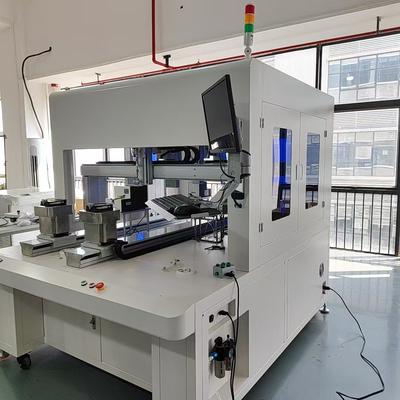
Product Name Applicable industries CNC Screw Fastener Automotive Electronics Assembly Integration of Fastening Machines in Smart Factories body { font-family: Arial, sans-serif; line-height: 1.6; margin: 20px; } h1 { color: #2c3e50; font-size: 28px; margin-bottom: 20px; } h2 { color: #34495e; font-size: 22px; margin-top: 25px; margin-bottom: 15px; } p { margin-bottom: 15px; color: #333; } ul { margin-bottom: 15px; padding-left: 20px; } li { margin-bottom: 8px; } strong { color: #16a085; } Integration of Fastening Machines in Smart Factories The evolution of smart factories is reshaping the industrial landscape, bringing unprecedented levels of efficiency, precision, and connectivity to manufacturing processes. At the heart of this transformation lies the integration of specialized equipment, such as fastening machines, into interconnected cyber-physical systems. These machines, once standalone tools, are now critical components in the automated assembly lines of Industry 4.0. The Role of Fastening Machines in Modern Manufacturing Fastening machines, including automated screwdrivers, nut runners, and robotic bolting systems, are essential for assembling products with high reliability and repeatability. In traditional settings, these machines operated in isolation, often requiring manual intervention for setup, monitoring, and quality checks. However, in a smart factory environment, they are seamlessly integrated into a networked ecosystem where they communicate with other machines, centralized control systems, and enterprise software. This integration enables real-time data exchange, allowing manufacturers to monitor torque accuracy, fastener sequencing, and operational status remotely. By leveraging sensors and IoT-enabled devices, fastening machines can detect anomalies—such as cross-threading or under-torquing—and immediately alert operators or trigger corrective actions autonomously. This not only reduces defects but also minimizes downtime and maintenance costs. Key Benefits of Integrated Fastening Systems The incorporation of fastening machines into smart factories offers several compelling advantages: Enhanced Data Analytics: Integrated machines generate vast amounts of data on performance metrics, which can be analyzed to optimize processes, predict maintenance needs, and improve product quality. Greater Flexibility: Smart fastening systems can be quickly reprogrammed to accommodate different product variants, supporting mass customization and reducing changeover times. Improved Traceability: Each fastening operation is recorded and linked to specific product units, enabling full traceability for compliance and quality assurance purposes. Energy Efficiency: Advanced control algorithms ensure that fastening machines operate at optimal energy levels, contributing to sustainability goals. Technical Considerations for Integration Successfully integrating fastening machines into a smart factory requires careful planning and execution. Key technical aspects include: Compatibility with industrial communication protocols such as OPC UA, MQTT, or EtherCAT to ensure seamless data flow. Implementation of robust cybersecurity measures to protect sensitive operational data from threats. Use of adaptive control systems that can respond dynamically to variations in material properties or environmental conditions. Integration with Manufacturing Execution Systems (MES) and Enterprise Resource Planning (ERP) software for end-to-end process management. Moreover, the adoption of modular designs allows for easier upgrades and scalability, ensuring that fastening systems can evolve alongside other smart factory components. Future Trends and Outlook The future of fastening machines in smart factories is poised to be even more innovative. With advancements in artificial intelligence and machine learning, these systems will become increasingly autonomous, capable of self-optimization and predictive maintenance. Collaborative robots (cobots) working alongside human operators will further enhance flexibility and productivity on the assembly floor. Additionally, the rise of digital twins—virtual replicas of physical systems—will enable manufacturers to simulate and optimize fastening processes before implementation, reducing risks and accelerating time-to-market. As 5G technology becomes more prevalent, the low-latency, high-bandwidth connectivity will support even faster and more reliable machine-to-machine communication. In conclusion, the integration of fastening machines into smart factories represents a significant leap forward in industrial automation. By embracing connectivity, data-driven insights, and adaptive technologies, manufacturers can achieve new levels of efficiency, quality, and agility in their operations.
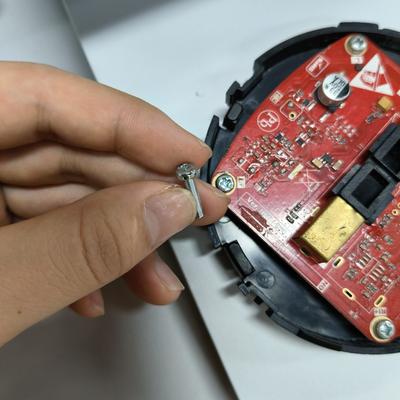
Product Name Applicable industries Smart Screw Driving Machine Power Tool Assembly Lines body { font-family: Arial, sans-serif; line-height: 1.6; color: #333; } h2 { color: #2c3e50; } h3 { color: #3498db; } .code { background: #f4f4f4; padding: 10px; border-left: 3px solid #3498db; } .tip { background: #e7f3fe; padding: 15px; border-radius: 5px; } Diagnosing Servo Errors in Multi-Axis Arms Multi-axis robotic arms are the backbone of modern industrial automation, performing tasks with precision and repeatability. However, like any complex system, they are susceptible to servo errors that can disrupt operations. Understanding how to diagnose these issues is crucial for minimizing downtime and maintaining productivity. Common Types of Servo Errors Servo errors in multi-axis arms typically manifest in several ways. Overload errors occur when the motor is subjected to excessive torque, often due to mechanical obstructions or incorrect parameters. Position errors arise when the actual position deviates from the commanded position, potentially caused by encoder issues or mechanical backlash. Communication errors can result from faulty cabling or electromagnetic interference, disrupting data between the controller and drives. Pro Tip: Regular preventive maintenance, including checking cable integrity and verifying parameter settings, can reduce the occurrence of these errors. Step-by-Step Diagnostic Approach Begin by reviewing the error code displayed on the controller. Each code provides a specific clue about the nature of the problem. For instance, an overload error might indicate mechanical binding, while a position error could point to encoder malfunction. Next, inspect the mechanical components. Check for any signs of wear, misalignment, or obstruction in the joints and transmission elements. Ensure that the load conditions are within the specified limits and that there are no external forces causing unexpected resistance. Electrical inspection is equally important. Verify the integrity of all cables and connections, looking for signs of damage or loose terminals. Use a multimeter to check voltage levels and continuity. For encoder-related issues, oscilloscopes can help analyze signal quality and identify noise or dropouts. // Example: Monitoring servo performance parameters // Check real-time current and position feedback // Compare commanded vs. actual values Advanced Diagnostic Techniques For persistent or intermittent issues, leveraging built-in diagnostic tools in the servo drives is essential. Many modern drives offer software that logs operational data, such as torque profiles, error histories, and temperature trends. Analyzing this data can reveal patterns that are not apparent during real-time observation. Vibration analysis can also be employed to detect abnormalities in the motor or mechanical components. Abnormal vibrations often precede outright failures, providing an early warning sign. Thermal imaging is another valuable tool. Overheating components, such as motors or drives, can indicate overloading or insufficient cooling. Identifying hot spots early can prevent catastrophic failures. Best Practices for Error Prevention Prevention is always better than cure. Implement a rigorous maintenance schedule that includes regular calibration of encoders, tightening of mechanical fasteners, and verification of software parameters. Ensure that operators are trained to recognize early signs of potential issues, such as unusual noises or slight deviations in performance. Environmental factors should not be overlooked. Ensure that the system operates within specified temperature and humidity ranges, and protect it from excessive dust or contaminants that could affect electrical connections or moving parts. Finally, keep firmware and software up to date. Manufacturers often release updates that address known issues and improve system stability. By adopting a systematic approach to diagnosing and preventing servo errors, you can enhance the reliability and longevity of your multi-axis automation systems, ensuring they continue to operate at peak performance.
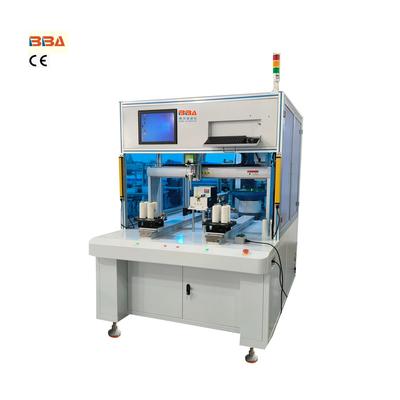
body {font-family: Arial, sans-serif; line-height: 1.6; margin: 20px; color: #333;} h1 {color: #2c3e50; font-size: 28px; margin-bottom: 15px;} h2 {color: #34495e; font-size: 22px; margin-top: 25px; margin-bottom: 10px;} p {margin-bottom: 15px; text-align: justify;} strong {color: #16a085;} ul {margin-bottom: 15px; margin-left: 20px;} li {margin-bottom: 8px;} Customizing Torque Settings for Different Applications In the world of industrial automation, precision is paramount. One of the most critical factors in achieving this precision is the accurate application of torque. Whether it's assembling delicate electronics or securing heavy-duty machinery, the correct torque setting is not just a number—it's the key to product integrity, safety, and operational efficiency. However, there is no universal torque setting that fits all applications. Customizing torque for specific tasks is an essential process that requires a deep understanding of multiple variables. Why Torque Customization is Essential Applying the correct amount of rotational force ensures that fasteners are secured properly. Under-torquing can lead to loose connections, causing vibrations, wear, and eventual failure. Over-torquing can be equally damaging, resulting in stripped threads, broken fasteners, or damaged components. Both scenarios lead to downtime, costly repairs, and potential safety hazards. By tailoring torque settings to each unique application, manufacturers can guarantee consistent quality, enhance the lifespan of their products, and maintain a safe working environment. Key Factors Influencing Torque Settings Several critical elements must be considered when determining the optimal torque for an application: Material Properties: The composition of the fastener and the materials being joined is fundamental. Softer materials like aluminum or plastic require significantly lower torque settings compared to hardened steel to prevent deformation. Fastener Specifications: The size, thread pitch, grade, and coating of a bolt or screw directly influence the required torque. Manufacturers' specifications provide a vital starting point for calculations. Lubrication: The presence of lubricants or anti-seize compounds drastically reduces friction, meaning a lower torque value is needed to achieve the same clamping force as a dry connection. Ignoring lubrication factors is a common cause of over-torquing. Application Environment: Factors such as temperature extremes, exposure to vibrations, and potential corrosive elements can affect the long-term stability of a joint. Applications in high-vibration environments often require thread-locking solutions and specific torque strategies to prevent loosening. The Process of Customization Customizing torque settings is a methodical process. It begins with a thorough analysis of the application requirements and the components involved. Engineering data and torque formulas, which consider the factors mentioned above, are used to calculate a target value. This theoretical value is then tested and validated in a controlled environment. Using calibrated tools, technicians perform sample assemblies and measure the results, often using torque audit systems to verify the achieved clamp load. This iterative process of calculation, testing, and refinement ensures the derived torque setting is both precise and reliable for production use. Leveraging Advanced Control Systems Modern industrial automation systems offer sophisticated solutions for torque management. Programmable logic controllers (PLCs) and smart servo drivers can be integrated with assembly tools to provide unparalleled control. These systems allow for the storage of numerous torque recipes for different product lines, which can be called up instantly on the production floor. Real-time monitoring and data logging capabilities provide a digital record of every tightening operation, enabling full traceability and immediate feedback for quality control purposes. This level of automation not only ensures consistency but also provides valuable data for continuous process improvement. In conclusion, customizing torque settings is a critical engineering practice that moves beyond simple tool configuration. It is a comprehensive approach that blends mechanical knowledge with advanced technology to solve application-specific challenges. Investing the time and resources to perfect torque settings for each unique task is an investment in quality, safety, and the overall excellence of the manufacturing process. Product Name Applicable industries Inline Screw Locking System Electric Bicycle Assembly