8618566785362 8618566785362 8618566785362 phoenix08@bbamachine.com
- All
- Product Name
- Product Keyword
- Product Model
- Product Summary
- Product Description
- Multi Field Search

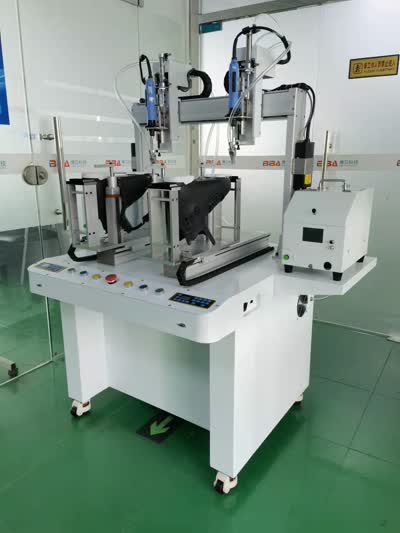
.body-style { font-family: Arial, sans-serif; line-height: 1.6; color: #333; margin: 20px; } .h2-style { color: #0056b3; font-size: 24px; margin-top: 20px; margin-bottom: 10px; } .p-style { margin-bottom: 15px; } .strong-style { color: #0056b3; font-weight: bold; } Key Phrases to Target for Screw Assembly Marketing In the competitive landscape of industrial automation, effectively communicating the value of your screw assembly solutions is paramount. The right marketing language not only captures attention but also resonates deeply with the specific needs and pain points of your target audience. To craft compelling messages that drive engagement and conversion, it is essential to focus on key phrases that highlight efficiency, precision, reliability, and innovation. Enhancing Production Efficiency and Throughput One of the primary concerns for manufacturing professionals is maximizing output without compromising quality. Phrases such as "high-speed automated screw driving" and "maximize production line throughput" directly address this need. These terms emphasize the ability of your systems to accelerate assembly processes, reduce cycle times, and handle high-volume demands seamlessly. By highlighting these capabilities, you appeal to operations managers seeking to optimize their manufacturing floors and achieve significant productivity gains. Ensuring Uncompromising Quality and Reliability Quality control is a non-negotiable aspect of screw assembly. Marketing messages should incorporate phrases like "error-proof fastening solutions" and "zero-defect assembly processes". These phrases assure potential clients of the precision and consistency of your equipment. They speak to engineers and quality assurance managers who prioritize reducing rework, minimizing product failures, and maintaining stringent quality standards. Emphasizing reliability builds trust and positions your products as critical components for mission-critical applications. Adapting to Flexible Manufacturing Needs Modern manufacturing requires agility. Terms such as "quick-changeover capabilities" and "flexible automation for mixed production" are highly effective. They demonstrate that your screw assembly systems can adapt rapidly to different product designs, batch sizes, and assembly requirements. This flexibility is crucial for industries like automotive and electronics, where production lines must frequently switch between variants. Targeting this phrase appeals to planners and engineers looking for scalable and versatile automation solutions. Integration and Ease of Use The ease of integrating new equipment into existing lines is a major purchasing factor. Highlighting "seamless integration with existing machinery" and "user-friendly programming interface" addresses common concerns about implementation complexity and training time. These phrases are particularly attractive to plant managers and maintenance teams who seek to minimize downtime and ensure a smooth transition to automated processes. Stressing intuitive operation reduces perceived barriers to adoption. Driving Cost Reduction and ROI Ultimately, investment in automation is driven by financial return. Powerful marketing phrases include "significant reduction in direct labor costs" and "rapid return on investment (ROI)". These speak directly to the bottom-line concerns of financial decision-makers and executives. By quantifying the potential savings and outlining the clear economic benefits, your marketing materials can effectively justify the investment and demonstrate the long-term value of your screw assembly systems. By strategically incorporating these targeted key phrases into your website content, brochures, and sales presentations, you can more effectively connect with your audience's core objectives. This focused approach ensures your marketing message is both seen and understood, driving growth and establishing your brand as a leader in industrial automation solutions. Product Name Applicable industries Desktop Screwdriver Robot Industrial Control Panel Assembly

Product Name Applicable industries Auto Screwdriver Machine Electric Bicycle Assembly body { font-family: Arial, sans-serif; line-height: 1.6; margin: 20px; } h1 { color: #2c3e50; font-size: 28px; margin-bottom: 10px; } p { margin-bottom: 15px; color: #333; } strong { color: #16a085; } Achieving Consistent Torque with Automation In the world of industrial manufacturing, precision is not just a goal—it is a necessity. Among the many parameters that define quality and reliability, torque consistency stands out as a critical factor. Whether assembling delicate electronics or heavy machinery, the application of accurate and repeatable torque ensures product integrity, safety, and performance. Manual torque application, however, is prone to human error, fatigue, and variability. This is where automation steps in, transforming torque control into a seamless, precise, and highly efficient process. Automated torque systems leverage advanced technologies to deliver unmatched consistency. These systems integrate sensors, controllers, and actuators to monitor and adjust torque in real-time, ensuring every fastener meets exact specifications. The benefits are multifaceted: reduced defect rates, enhanced worker safety, and improved production throughput. For industries such as automotive, aerospace, and consumer electronics, where torque tolerances are exceptionally tight, automation is no longer a luxury but a fundamental requirement. One of the key components in achieving consistent torque is the use of servo-driven tools. These tools provide closed-loop feedback, continuously measuring the applied torque and making instantaneous corrections. This level of control eliminates under-torquing, which can lead to loose connections and potential failures, and over-torquing, which may cause damage to components or threads. The data collected during the process can also be logged for quality assurance and traceability, supporting compliance with industry standards and regulations. Moreover, automated torque systems are designed to integrate seamlessly into existing production lines. They can be programmed for multiple tasks, adapting to different products and torque requirements without manual reconfiguration. This flexibility allows manufacturers to respond quickly to changing demands while maintaining high levels of accuracy. Robotics play a significant role here, with automated arms equipped with torque sensors capable of performing complex assemblies with precision that far exceeds human capability. Another advantage is the reduction in physical strain on workers. Repetitive manual torque application can lead to musculoskeletal disorders and fatigue, increasing the risk of errors and injuries. By automating these tasks, companies not only improve product quality but also promote a safer and more ergonomic work environment. Employees can be upskilled to oversee and manage automated systems, focusing on more value-added activities rather than repetitive manual labor. Looking ahead, the future of torque automation is set to become even more intelligent. With the integration of Internet of Things (IoT) technologies, torque systems can be connected to centralized monitoring platforms. This enables predictive maintenance, where data analytics identify potential issues before they cause downtime, and continuous optimization of torque processes based on real-time performance metrics. The result is a smarter, more responsive manufacturing ecosystem. In conclusion, achieving consistent torque with automation is a transformative approach that elevates manufacturing standards. It ensures that every product is built with precision, reliability, and efficiency. As industries continue to evolve towards greater automation, embracing advanced torque control solutions will be key to maintaining competitiveness and meeting the ever-increasing demands for quality and safety.
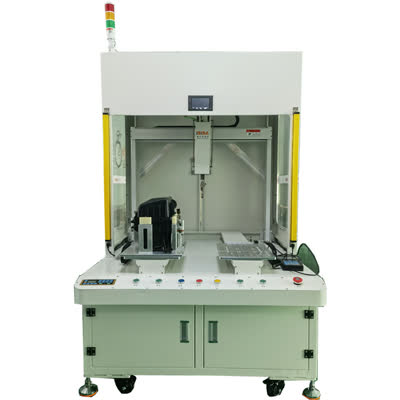
Product Name Applicable industries Automatic Screw Feeder Smart Wearables Production body { font-family: Arial, sans-serif; line-height: 1.6; color: #333; } h1 { color: #0056b3; font-size: 28px; margin-bottom: 20px; } h2 { color: #004a99; font-size: 22px; margin-top: 25px; margin-bottom: 15px; } p { margin-bottom: 15px; } ul { margin-bottom: 15px; padding-left: 20px; } li { margin-bottom: 8px; } strong { color: #004a99; } Questions to Ask Before Buying a Screw Locking Machine Investing in industrial automation equipment is a significant decision that can greatly impact your production efficiency, product quality, and bottom line. A screw locking machine, also known as a screwdriving system, is a crucial piece of equipment for countless assembly lines. Choosing the right one requires careful consideration. To ensure you make a well-informed purchase that aligns with your specific needs, here are the essential questions you should ask. What Are My Application Requirements? Before you even look at different models, you must have a deep understanding of your own application. Start by asking: Screw Specifications: What is the size, type, pitch, and material of the screws you will be using? The machine must be compatible with your fasteners. Torque and Angle Requirements: What are the precise torque and angle specifications for a perfect lock? This is critical for product quality and consistency. Part Design: What is the geometry of the part being assembled? Are there accessibility issues or unique angles the machine must accommodate? Production Volume and Speed: What is your required output in units per hour or per shift? This will determine whether you need a simple benchtop unit or a high-speed automated system. What Level of Automation Do I Need? Screw locking machines range from semi-automatic to fully automated cells. You need to decide the right level for your process. Manual Presentation: Will an operator present the part and trigger the machine? Automatic Feeding: Do you need an integrated system that automatically feeds screws to the driver, significantly increasing speed and reducing operator fatigue? Robotic Integration: Should the screwdriver be mounted on a robot for complex, multi-point assembly tasks? Matching the automation level to your volume and labor availability is key to maximizing your return on investment. How Will the Machine Integrate Into My Existing Line? The new equipment must work seamlessly with your current setup. Important integration questions include: Physical Footprint: How much floor or bench space is available for the machine? Connectivity and Data: Does the machine offer PLC connectivity (e.g., via Ethernet/IP, Profinet, Modbus) for seamless integration into your factory's control system? Can it provide data output for traceability and process monitoring? Power Requirements: What are the electrical and air pressure requirements? Ensure your facility can meet them. What About Ease of Use and Changeover? In modern manufacturing, flexibility is vital. If you produce multiple products, you must ask: How quickly can the machine be reprogrammed for a different screw or torque setting? Look for intuitive user interfaces with recipe storage. How difficult is it to change the feeder bowl or driver bit? Quick-change features can drastically reduce downtime during product changeovers. What Kind of Support and Service Can I Expect? The relationship with your supplier doesn't end at the sale. Probe into their after-sales support: Installation and Training: Do they offer on-site installation and comprehensive training for your operators and maintenance staff? Technical Support: What is the availability of their technical support team? Is there local expertise? Spare Parts and Warranty: What is the lead time for critical spare parts? What does the warranty cover and for how long? Asking these detailed questions will provide clarity and guide you toward the ideal screw locking solution. A thorough evaluation process ensures the machine you select not only performs the task but also enhances your overall manufacturing strategy, providing reliability, quality, and efficiency for years to come.
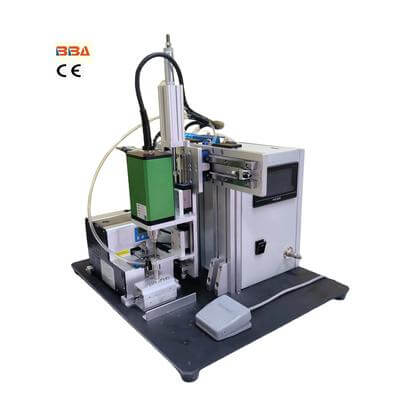
Product Name Applicable industries Inline Screw Locking System Automotive Electronics Assembly body { font-family: Arial, sans-serif; line-height: 1.6; margin: 20px; } h1 { color: #2c3e50; font-size: 28px; margin-bottom: 20px; } h2 { color: #34495e; font-size: 22px; margin-top: 25px; margin-bottom: 15px; } p { margin-bottom: 15px; color: #333; } ul { margin-bottom: 15px; padding-left: 20px; } li { margin-bottom: 8px; } strong { color: #16a085; } Desktop Robots for Precision Screw Tightening In the realm of industrial automation, precision and reliability are paramount. One of the critical processes in manufacturing and assembly is screw tightening, a task that, while seemingly simple, requires consistent accuracy to ensure product quality and safety. Manual screw tightening is prone to human error, leading to inconsistencies, stripped threads, and potential product failures. This is where desktop robots designed for precision screw tightening come into play, revolutionizing assembly lines with their unmatched accuracy and efficiency. The Need for Automation in Screw Tightening Traditional manual screw tightening processes often face challenges such as operator fatigue, variability in torque application, and difficulty in maintaining high throughput over extended periods. These issues can result in compromised product integrity and increased rework rates. Automated screw tightening solutions address these pain points by delivering consistent, high-quality results every time, reducing the risk of errors and enhancing overall production efficiency. Key Features of Desktop Screw Tightening Robots Modern desktop robots for screw tightening are equipped with advanced features that make them indispensable in precision-driven industries. These compact yet powerful systems are designed to integrate seamlessly into existing production setups, offering flexibility and scalability. High Precision Torque Control: These robots utilize sophisticated torque sensors and control algorithms to apply exact torque levels, ensuring each screw is tightened to specification without over-tightening or under-tightening. Adaptive Flexibility: With programmable settings and easy-to-configure software, these robots can handle a variety of screw sizes, types, and materials, making them suitable for diverse applications from electronics to automotive components. User-Friendly Interface: Intuitive software allows operators to set parameters, monitor performance, and troubleshoot issues with minimal training, reducing downtime and enhancing productivity. Compact Design: Their small footprint makes them ideal for benchtop applications where space is limited, without compromising on power or capability. Data Logging and Traceability: Integrated sensors record torque and angle data for each tightening operation, providing valuable insights for quality control and process optimization. Benefits of Implementing Desktop Robots Integrating desktop robots for screw tightening into manufacturing processes offers numerous advantages. Firstly, they significantly improve product consistency by eliminating human error, leading to higher quality outputs and reduced defect rates. Secondly, these robots enhance operational efficiency by working at high speeds without fatigue, increasing throughput and reducing cycle times. Additionally, they contribute to a safer work environment by minimizing repetitive strain injuries associated with manual tightening tasks. Lastly, the data collected by these systems enables continuous process improvement, helping manufacturers meet stringent quality standards and comply with industry regulations. Applications Across Industries Desktop screw tightening robots are versatile tools used in various sectors. In electronics manufacturing, they ensure delicate components are assembled with precise torque to prevent damage. In the automotive industry, they are employed for critical assemblies where reliability is non-negotiable. Medical device manufacturers rely on them to meet strict hygiene and precision requirements. Their adaptability makes them valuable in any setting where accuracy and repeatability are essential. Future Trends and Innovations The future of desktop robots for screw tightening looks promising, with ongoing advancements in artificial intelligence and machine learning. These technologies will enable even smarter systems capable of self-calibration, predictive maintenance, and adaptive learning to optimize performance over time. As industries continue to embrace Industry 4.0, these robots will play a crucial role in creating interconnected, intelligent factories that prioritize efficiency, quality, and sustainability. In conclusion, desktop robots for precision screw tightening represent a significant leap forward in industrial automation. By combining accuracy, flexibility, and ease of use, they empower manufacturers to achieve new levels of productivity and quality. As technology evolves, these systems will continue to set the standard for excellence in assembly processes worldwide.
Product Name Applicable industries Desktop Screwdriver Robot Drone and UAV Manufacturing body {font-family: Arial, sans-serif; line-height: 1.6; margin: 20px; color: #333;} h2 {color: #1a5c9e; font-size: 22px; margin-bottom: 15px;} h3 {color: #2c6bae; font-size: 18px; margin-top: 20px; margin-bottom: 10px;} p {margin-bottom: 15px; text-align: justify;} ul {margin-bottom: 15px; margin-left: 20px;} li {margin-bottom: 8px;} strong {color: #555;} Troubleshooting Common Technical Issues in Screw Locking Machines Screw locking machines are fundamental to assembly lines across numerous industries, ensuring product integrity and reliability through precise and consistent fastening. However, like any sophisticated piece of industrial automation equipment, they can occasionally encounter operational issues that disrupt production flow. Understanding how to diagnose and resolve these common problems is key to minimizing downtime and maintaining high efficiency. This article outlines several typical technical challenges and provides practical troubleshooting steps. 1. Inconsistent Torque Output One of the most frequent issues operators face is inconsistent or inaccurate torque delivery. This can result in under-tightened screws, which compromise product safety, or over-tightened screws, which can damage threads or the fastener itself. Potential Causes and Solutions: Tool Calibration: The most common cause is a tool that has fallen out of calibration due to regular wear and tear. Regularly scheduled calibration according to the manufacturer's guidelines is essential to maintain accuracy. Air Supply (for pneumatic models): Fluctuations in air pressure can lead to inconsistent torque. Ensure the air compressor is providing a stable, clean, and dry supply of air at the recommended pressure level. Check for leaks in the airline. Mechanical Wear: Worn-out components like clutches in pulse tools or DC motors in electric screwdrivers can cause performance drift. A preventative maintenance schedule should include inspection and replacement of these wear-prone parts. 2. Screw Slippage or Cross-Threading This occurs when the driver bit fails to engage the screw head properly, causing damage to the screw head (cam-out) or misalignment that leads to cross-threading. Potential Causes and Solutions: Worn or Incorrect Driver Bit: Bits wear down over time and lose their grip. Inspect bits regularly and replace them at the first sign of wear. Always use bits that match the screw type and size perfectly. Feed System Misalignment: If the screw presenting system (e.g., hopper, bowl feeder, nose piece) is not perfectly aligned with the driver, the screw will not be presented straight. Verify and adjust the alignment of the feeding mechanism to ensure the screw is vertical and centered. Operator or Robot Path Error: For handheld or robotic applications, the approach angle is critical. The tool must approach the workpiece perpendicularly to avoid cross-threading. Re-programming the robot path or retraining operators on the correct approach can resolve this. 3. Machine Stoppages or Jamming Unexpected stoppages halt production and are often caused by issues in the screw feeding system. Potential Causes and Solutions: Screw Contamination: Dirty, rusty, or non-standard screws can jam the feeder bowl or the nose piece. Always use clean, high-quality fasteners that meet specification. Implement a cleaning schedule for the hopper and bowl feeder. Feed System Blockage: Debris or a damaged screw can obstruct the feed track or hose. Regularly clear the feed path and inspect for any obstructions or wear. Sensor Fault: Faulty photoelectric or proximity sensors may fail to detect the presence of a screw, causing the machine to stop unnecessarily. Check sensor alignment, cleanliness, and functionality. 4. Error Codes and Electronic Faults Modern electric screwdrivers often display error codes on their controllers or HMIs, which can point to specific internal problems. Potential Causes and Solutions: Overload or Overheating: Continuous operation at high torque can cause the motor to overheat and trigger a fault. Allow the tool to cool down and ensure it is used within its rated duty cycle. Check for mechanical binding that might be causing excessive load. Controller Communication Loss: Loose wiring or connector issues can cause communication errors between the tool, controller, and PLC. Power down the system and check all electrical connections for security. Software Glitch: Occasionally, a power surge or bug can cause the controller software to lock up. A simple power cycle (turning the machine off and on again) often clears temporary glitches. Implementing a robust preventative maintenance program is the most effective strategy to prevent these issues from occurring in the first place. Regular inspection, cleaning, calibration, and replacement of consumable parts like driver bits will significantly enhance the reliability and lifespan of your screw locking equipment, ensuring smooth and uninterrupted production.
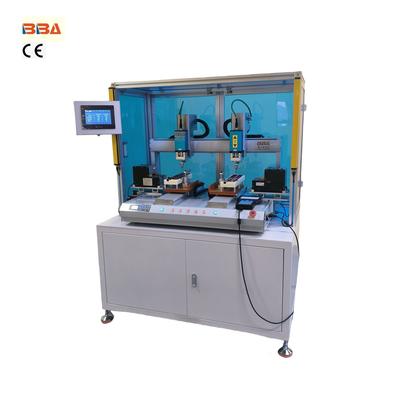
Product Name Applicable industries Smart Screw Driving Machine Automotive Electronics Assembly Best Practices for Setting Up an Auto Screw Line body { font-family: Arial, sans-serif; line-height: 1.6; margin: 20px; } h1 { color: #2c3e50; font-size: 28px; margin-bottom: 20px; } h2 { color: #34495e; font-size: 22px; margin-top: 25px; margin-bottom: 15px; } p { margin-bottom: 15px; text-align: justify; } ul { margin-bottom: 15px; padding-left: 20px; } li { margin-bottom: 8px; } strong { color: #16a085; } Best Practices for Setting Up an Auto Screw Line In the realm of industrial automation, the implementation of an automated screw fastening line represents a significant step toward enhancing production efficiency, ensuring consistent product quality, and reducing operational costs. A properly configured auto screw line minimizes human error, alleviates ergonomic strain on workers, and accelerates assembly cycles. However, achieving these benefits requires meticulous planning and execution. This article outlines the fundamental best practices for setting up a robust and reliable automated screwdriving system. 1. Comprehensive Process Analysis and Planning Before selecting any equipment, a thorough analysis of the existing assembly process is paramount. Identify the specific fastening tasks, including the types of screws used (length, diameter, head style), required torque values, and accessibility of the fastening points. Consider the production volume and cycle time targets. Mapping out the entire process helps in determining the optimal level of automation—whether a single-station cell, a multi-spindle system, or a fully integrated robotic line is most suitable. This foundational step prevents costly oversights and ensures the automation solution aligns perfectly with production goals. 2. Selecting the Right Equipment Choosing appropriate hardware is critical. The core components typically include automatic screw feeders, electric or pneumatic screwdrivers, and often, a robotic arm or a Cartesian system for positioning. Key selection criteria are: Screw Feeder: Opt for a feeder model that reliably handles your specific screw type without jamming. Bowl feeders are common, but newer flexible tape-fed systems can be excellent for delicate or small screws. Screwdriver: Select a driver capable of delivering precise, repeatable torque control. Electric screwdrivers are preferred for their accuracy and data logging capabilities, which are essential for traceability in quality-critical applications. Positioning System: The choice between dedicated fixed automation and a programmable robot depends on part variety. For high-mix production, a 6-axis robot offers unparalleled flexibility to access multiple points. 3. Ensuring Part Presentation and Fixturing Stability The automation system is only as good as the part it works on. The workpiece must be presented to the screwdriving unit in a highly repeatable and stable position. Invest in precision fixtures and jigs that securely hold the component, preventing any movement during the fastening process. For conveyor-based lines, ensure precise positioning via mechanical stops or vision-guided systems. Unstable parts can lead to misdriven screws, cross-threading, or damage to the product and equipment. 4. Meticulous System Integration and Calibration Integration involves synchronizing the screw feeder, driver, and positioning system into a cohesive unit. Pay close attention to the alignment between the driver bit and the screw presented by the feeder. Even a slight misalignment can cause pickup failures. Calibrate the torque settings for each screw type according to engineering specifications and perform extensive testing to establish optimal driver speed and depth. Implementing sensors for verification—such as presence sensors to confirm screw pickup and torque monitors to validate tightness—is a non-negotiable practice for achieving zero-defect production. 5. Robust Maintenance and Operator Training An automated screw line is a long-term investment that requires proactive care to maintain peak performance. Establish a regular maintenance schedule that includes cleaning the feeder bowl and tracks, inspecting driver bits for wear, and checking torque calibration. Furthermore, comprehensively train maintenance technicians and line operators on how to operate the system, perform basic troubleshooting, and identify early signs of potential issues like feeder jams or declining torque accuracy. Empowered personnel are crucial for minimizing downtime and ensuring continuous operation. Conclusion Implementing an automated screw fastening line is a powerful strategy for modern manufacturing. By adhering to these best practices—from rigorous initial planning and equipment selection to stable fixturing, precise calibration, and diligent maintenance—companies can build a system that delivers unparalleled reliability, quality, and productivity. A well-designed auto screw line not only streamlines assembly but also becomes a cornerstone of a more efficient and competitive manufacturing operation.
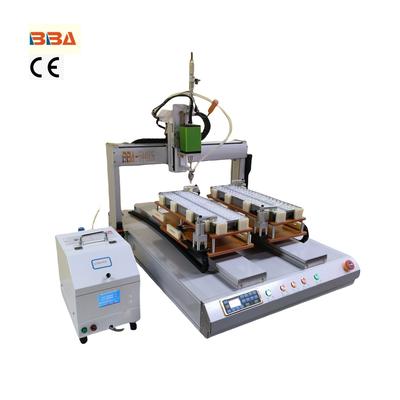
In the world of industrial automation, screw feeding mechanisms represent a critical yet often overlooked component of assembly systems. These mechanisms are responsible for the precise and efficient delivery of fasteners, ensuring that production lines operate smoothly and with minimal downtime. Recent innovations in this field have significantly enhanced the reliability, speed, and flexibility of screw feeding systems, making them more adaptable to the evolving demands of modern manufacturing. One of the most notable advancements is the development of intelligent vision-guided screw feeding systems. Traditional systems often rely on mechanical or pneumatic methods to orient and feed screws, which can be prone to jams or misfeeds, especially with smaller or non-standard fasteners. Modern systems incorporate high-resolution cameras and machine learning algorithms to visually identify and verify the orientation of each screw before it is presented to the robot or assembly tool. This visual inspection drastically reduces error rates and allows for the handling of a wider variety of screw types and sizes without the need for costly mechanical changeovers. The system can instantly adapt to new fasteners simply by updating its software parameters, providing unparalleled flexibility for high-mix production environments. Furthermore, advancements in drive and vibration technology have led to more efficient and gentle feeding processes. Newer bowl feeders utilize optimized vibration patterns and surface materials that minimize part-on-part contact and reduce the risk of damage to delicate screw finishes or threads. This is particularly crucial in industries like electronics or medical device manufacturing, where even a minor scratch can lead to product failure. Additionally, the integration of direct-drive servomotors in place of traditional electromagnetic drives allows for finer control over the feeding motion. This results in a quieter operation, reduced energy consumption, and the ability to precisely meter screws at very high speeds, matching the pace of today's rapid assembly lines. Connectivity and data analytics represent another frontier of innovation. State-of-the-art screw feeding mechanisms are now equipped with IoT sensors that monitor key performance metrics such as feed rate, jam frequency, and motor torque in real-time. This data is streamed to a central monitoring system where it can be analyzed to predict maintenance needs before a failure occurs. For instance, a gradual increase in motor resistance can signal the need for bowl cleaning or component wear, allowing for proactive intervention during scheduled downtime. This shift from reactive to predictive maintenance not only prevents costly line stoppages but also extends the operational lifespan of the equipment, providing a significant return on investment. Finally, the push for greater flexibility has given rise to modular and lean screw feeding designs. Instead of large, centralized feeding systems, manufacturers are adopting compact, decentralized units that can be placed directly at the point of use on the assembly line. These modules are easier to integrate and can be quickly swapped or reconfigured for different products. This modular approach supports the trend towards lean manufacturing and mass customization, allowing factories to quickly pivot between different products without halting production for extensive retooling. In conclusion, innovations in screw feeding mechanisms are fundamentally transforming assembly automation. Through the integration of machine vision, advanced drive systems, IoT connectivity, and modular design, these systems are becoming smarter, more efficient, and more adaptable. These improvements are essential for manufacturers seeking to boost productivity, enhance product quality, and maintain a competitive edge in a dynamic industrial landscape. Product Name Applicable industries CNC Screw Fastener Power Tool Assembly Lines
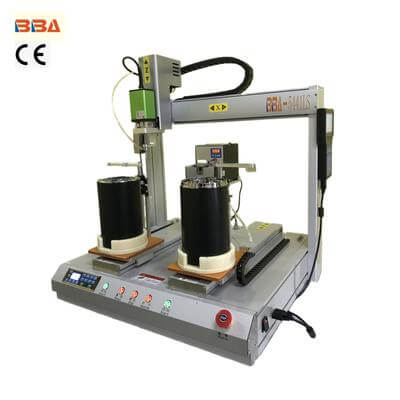
Product Name Applicable industries Servo Screwdriver Robot Automotive Electronics Assembly Components of a Fully Automatic Screw Assembly Machine Fully automatic screw assembly machines are essential in modern manufacturing, offering precision, speed, and reliability. These machines streamline the assembly process by automatically driving screws into products without human intervention. Understanding the key components of these systems can help businesses optimize their production lines and improve efficiency. 1. Screw Feeder: The screw feeder is responsible for supplying screws to the driving tool. It uses vibrations or rotational motion to orient and transport screws from a bulk supply to the driving mechanism. This ensures a continuous and consistent flow of screws, minimizing downtime. 2. Screw Driving Tool: This component is the heart of the machine. It consists of a motorized driver that picks up screws from the feeder and fastens them into the product. The tool is adjustable for torque and depth, ensuring each screw is driven with precision. 3. Controller Unit: The controller acts as the brain of the system. It manages the operation of the feeder and driving tool, monitors performance, and allows users to set parameters such as screw count, torque, and speed. Advanced controllers may include touchscreen interfaces for easy operation. 4. Vision System: Many modern machines incorporate vision systems to verify screw placement. Cameras and sensors detect misaligned or missing screws, ensuring quality control and reducing errors in the assembly process. 5. Conveyor System: For inline production, a conveyor system transports products through the assembly station. It synchronizes with the screw driving tool to ensure accurate positioning and efficient handling. 6. Safety Features: Fully automatic machines include safety mechanisms such as emergency stop buttons, protective guards, and sensors to prevent accidents and protect operators. By integrating these components, fully automatic screw assembly machines enhance productivity, reduce labor costs, and ensure consistent quality. They are widely used in industries such as electronics, automotive, and consumer goods manufacturing. Investing in a well-designed automatic screw assembly system can significantly boost your production capabilities and help you stay competitive in the fast-paced industrial landscape.