8618566785362 8618566785362 8618566785362 phoenix08@bbamachine.com
- All
- Product Name
- Product Keyword
- Product Model
- Product Summary
- Product Description
- Multi Field Search

Views: 0 Author: BBA AUTOMATION Publish Time: 2025-10-03 Origin: BBA AUTOMATION


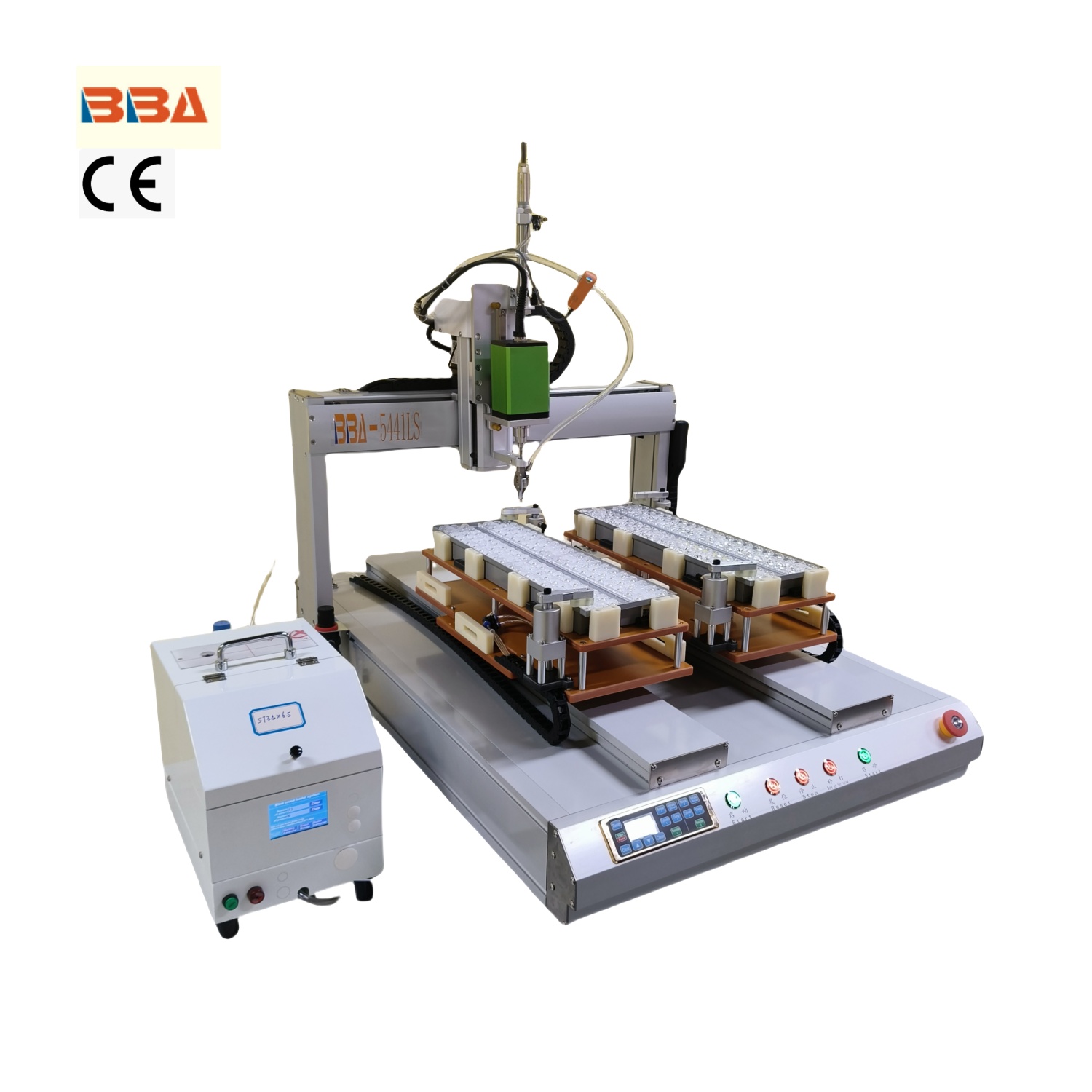
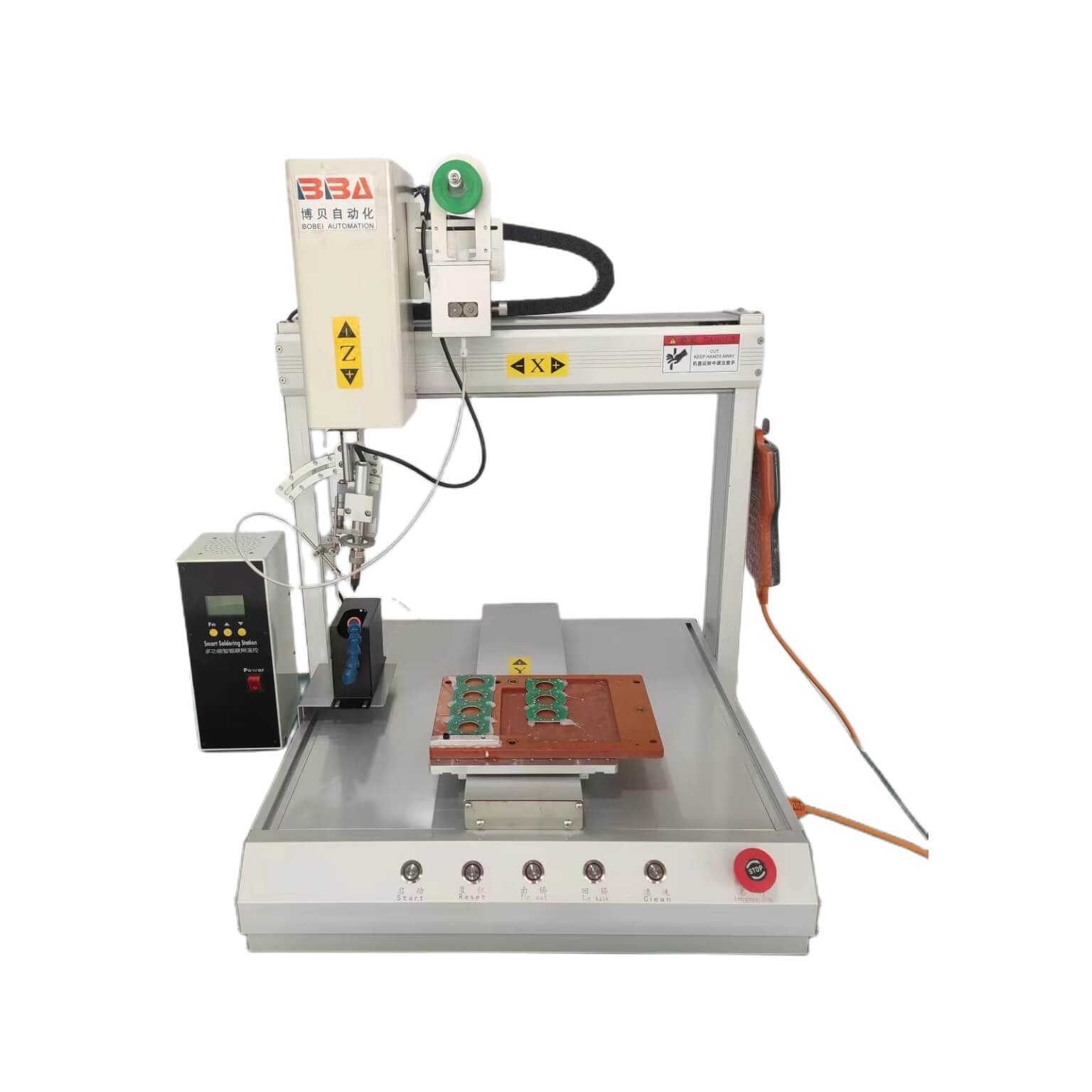
The advent of Industry 4.0 has revolutionized manufacturing, introducing unprecedented levels of automation, data exchange, and smart technology. At the heart of this transformation lies robotic screw assembly, a critical process that has evolved from a manual, error-prone task to a highly precise, efficient, and intelligent operation. This technology is pivotal in enhancing productivity, ensuring consistent quality, and enabling flexible manufacturing systems.
Modern robotic screw assembly systems integrate advanced robotics, sophisticated vision systems, and real-time data analytics. These systems are designed to handle a wide variety of screw types, sizes, and materials with exceptional accuracy. Equipped with high-resolution cameras and sensors, the robots can identify exact fastener positions, compensate for any misalignment, and verify each screw’s correct insertion torque and depth. This eliminates human error, reduces the risk of product damage, and significantly lowers the rate of defects.
Connectivity is a cornerstone of Industry 4.0, and these assembly solutions are no exception. They are seamlessly integrated into the broader Internet of Things (IoT) ecosystem of the smart factory. Data from each assembly step is collected and transmitted to a central monitoring system. This allows for continuous performance tracking, predictive maintenance, and immediate detection of any anomalies. For instance, if a tool begins to deviate from its specified torque parameters, the system can alert operators or even automatically schedule maintenance, preventing costly downtime and ensuring uninterrupted production.
Flexibility is another key benefit. Traditional automated screw-driving machines were often dedicated to a single product line. Today's robotic assemblers are programmable and can be quickly reconfigured to adapt to new products or design changes. This is essential for meeting the demands of mass customization and shorter product life cycles. With simple software updates, the same robotic cell can switch from assembling a small consumer electronic device to a larger automotive component, maximizing return on investment and future-proofing production lines.
Furthermore, these systems contribute to a safer working environment. By taking over repetitive and potentially strenuous tasks, they reduce the physical strain on human workers and minimize the risk of injuries associated with manual screw driving, such as repetitive strain injuries. This allows the human workforce to focus on more complex, value-added activities like supervision, process optimization, and quality control.
In conclusion, robotic screw assembly is not merely an incremental improvement but a fundamental enabler of the Industry 4.0 paradigm. It embodies the principles of precision, connectivity, intelligence, and flexibility that define modern manufacturing. As technology continues to advance, we can expect these systems to become even more autonomous, collaborative, and integral to building the factories of the future. For any organization striving to remain competitive in this new industrial era, investing in such advanced automation is no longer an option but a necessity.
| Product Name | Applicable industries |
| Desktop Screwdriver Robot | Electric Bicycle Assembly |