8618566785362 8618566785362 8618566785362 phoenix08@bbamachine.com
- All
- Product Name
- Product Keyword
- Product Model
- Product Summary
- Product Description
- Multi Field Search

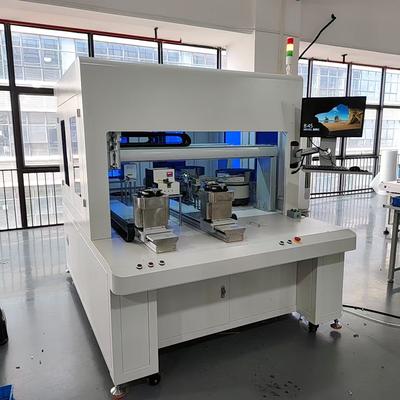
Product Name Applicable industries Automatic Screw Feeder Automotive Electronics Assembly Customizing Feeder Bowls for Unique Screw Types body { font-family: Arial, sans-serif; line-height: 1.6; margin: 20px; } h1 { color: #2c3e50; font-size: 28px; margin-bottom: 20px; } p { margin-bottom: 15px; color: #34495e; } strong { color: #16a085; } .highlight { background-color: #f9f9f9; padding: 15px; border-left: 4px solid #16a085; margin: 20px 0; } Customizing Feeder Bowls for Unique Screw Types In the world of industrial automation, efficiency and precision are paramount. One critical component that often goes overlooked is the feeder bowl—a workhorse responsible for orienting and delivering screws and small parts accurately to assembly lines. While standard feeder bowls work well for common fasteners, unique screw types present a significant challenge. Customizing feeder bowls for these specialized fasteners is not just an option; it is a necessity for maintaining productivity and minimizing downtime. Unique screw types can vary dramatically in design. From tamper-resistant heads and multi-threaded bodies to non-standard lengths and unconventional drive types, each variation demands a tailored approach. Off-the-shelf feeder bowls are designed for uniformity and may fail to handle screws with unusual geometries or delicate features. This is where customization becomes essential. By engineering feeder bowls specifically for these unique fasteners, manufacturers can ensure smooth, reliable operation and avoid common issues like jamming, misorientation, or part damage. The process of customizing a feeder bowl begins with a thorough analysis of the screw’s physical characteristics. Factors such as head shape, thread pitch, length-to-diameter ratio, and overall weight must be carefully evaluated. Using advanced CAD software and simulation tools, engineers design bowl tracks with precise geometries that guide each screw into the correct orientation. The bowl’s interior surface may be polished, coated, or textured to reduce friction and prevent parts from sticking. In some cases, custom tooling such as orienting blades, grooves, or traps are integrated to handle particularly complex designs. Material selection is another crucial aspect of customization. Depending on the application, bowls may be constructed from stainless steel for durability, aluminum for lightweight properties, or polycarbonate for visual inspection needs. The choice of material impacts not only the lifespan of the bowl but also its performance with specific screw types. For instance, stainless steel is ideal for heavy-use environments, while polycarbonate allows operators to monitor the feeding process in real time. Beyond the bowl itself, complementary components like linear tracks, escapements, and sensors play a vital role in the system’s overall effectiveness. Customized systems often include intelligent sensors to detect and reject incorrectly oriented screws, ensuring only properly aligned fasteners proceed down the line. This level of precision reduces waste and enhances the quality of the final assembled product. Investing in customized feeder bowls offers long-term benefits that far outweigh the initial development cost. It leads to higher throughput, reduced maintenance, and greater flexibility in production. Moreover, it future-proofs operations by accommodating new or evolving screw designs without requiring complete system overhauls. As industrial automation continues to advance, the ability to adapt to unique components will remain a key differentiator for manufacturers. Customized feeder bowls are a perfect example of how targeted engineering solutions can solve specific challenges, driving efficiency and innovation on the factory floor.
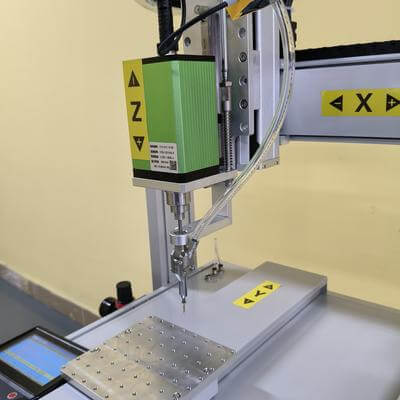
body { font-family: Arial, sans-serif; line-height: 1.6; margin: 20px; color: #333; } h1 { color: #0056b3; font-size: 28px; margin-bottom: 15px; } h2 { color: #004a93; font-size: 22px; margin-top: 25px; margin-bottom: 10px; } p { margin-bottom: 15px; text-align: justify; } ul { margin-top: 5px; margin-bottom: 15px; padding-left: 20px; } li { margin-bottom: 8px; } strong { color: #004a93; } Introduction to Servo-Based Screw Tightening Solutions In the rapidly evolving landscape of industrial manufacturing, precision, consistency, and efficiency are paramount. One critical process that embodies these requirements is screw fastening. Traditional methods often fall short, leading to product defects, assembly line downtime, and increased costs. This is where advanced servo-based screw tightening solutions come into play, representing a significant leap forward in assembly technology. Servo-based screw tightening systems utilize sophisticated electric servo motors to control every aspect of the fastening process with unparalleled accuracy. Unlike older pneumatic or DC tooling, these intelligent systems provide complete control over torque, angle, and speed. This enables a data-driven approach to assembly, ensuring every screw is fastened to exact specifications, every single time. Unmatched Precision and Repeatability The core advantage of a servo-driven system lies in its exceptional precision. The integrated servo motor allows for programmable control of the tightening parameters. Operators can define exact torque values with minimal deviation and specify precise angles of rotation. This eliminates the common issues of over-tightening, which can strip threads or damage components, and under-tightening, which can lead to loose connections and product failure. The result is a drastic reduction in assembly errors and a substantial improvement in final product quality and reliability. Enhanced Process Control and Traceability Modern manufacturing demands not only quality but also verifiable data. Servo-based tightening solutions are inherently intelligent. They collect and log data for every fastening operation in real-time. This creates a complete digital record, including the achieved torque, rotation angle, and time stamp for each screw. This data is crucial for traceability, allowing manufacturers to prove compliance with industry standards and quickly trace the root cause of any assembly-related issues. Furthermore, these systems can be seamlessly integrated into factory networks for centralized monitoring and process optimization. Increased Operational Efficiency Beyond quality, these systems drive significant gains in productivity. Their high-speed capabilities allow for faster cycle times compared to traditional tools. The consistency of the automated process reduces the need for manual rework or quality checks, freeing up valuable operator time. Additionally, servo motors are highly energy-efficient, consuming power only during the actual tightening cycle, unlike pneumatic systems that constantly leak compressed air. This leads to lower operational costs and a reduced environmental footprint. Key Applications and Benefits These advanced solutions are transforming assembly lines across various demanding industries. Electronics and Consumer Goods: Perfect for delicate components where precise torque is critical to prevent damage. Automotive: Essential for safety-critical applications like brake systems and engine assemblies, where traceability is mandatory. Aerospace: Ideal for high-value components that require stringent adherence to exact torque and angle specifications. Medical Device Manufacturing: Provides the sterile traceability and absolute precision required for life-saving equipment. The benefits are clear: higher quality products, reduced scrap and rework, full process traceability, and lower total cost of ownership. The Future of Assembly is Connected and Data-Driven Servo-based screw tightening is more than just an improvement on old tools; it is a fundamental shift towards Industry 4.0. As smart factories become the norm, these systems serve as vital data points on the production floor. The future will see even tighter integration with manufacturing execution systems (MES) and the industrial internet of things (IIoT), enabling predictive maintenance and fully adaptive, self-optimizing assembly cells. For any manufacturer looking to improve their assembly process, investing in servo-based technology is a strategic move towards greater precision, efficiency, and intelligence. It is an essential step in building the reliable, high-quality products of tomorrow. Product Name Applicable industries Auto Screwdriver Machine Smartphone Manufacturing
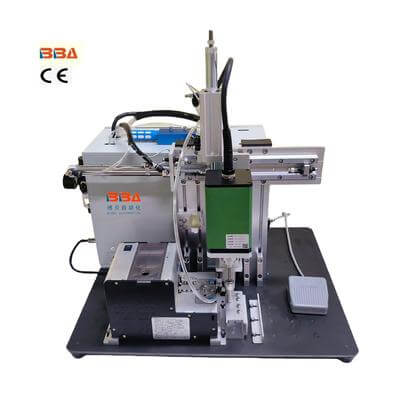
Product Name Applicable industries Screw Locking Robot Medical Device Manufacturing What Makes a Robotic Screw Driving System “Smart”? body { font-family: Arial, sans-serif; line-height: 1.6; margin: 20px; } h1 { color: #2c3e50; } h2 { color: #34495e; margin-top: 20px; } p { margin-bottom: 16px; } strong { color: #16a085; } What Makes a Robotic Screw Driving System “Smart”? In modern manufacturing, efficiency, precision, and reliability are non-negotiable. Robotic screw driving systems have become essential in assembly lines across industries—from electronics and automotive to consumer goods and medical devices. But what separates a basic automated screwdriver from a truly smart robotic screw driving system? It’s not just about mechanization; it’s about intelligence, adaptability, and seamless integration. Precision with Sensory Feedback Traditional automated screwdrivers follow pre-programmed paths and torque settings. While functional, they lack the ability to respond to real-time variables. A smart system, however, incorporates advanced sensors and vision systems. These components detect subtle changes in the work environment—such as misaligned parts, surface variations, or even screw defects. By adjusting torque, angle, and depth in real time, the system ensures consistent quality and reduces errors, preventing costly rework or product damage. Adaptive Learning and AI Integration Intelligence is rooted in learning. Smart robotic screw driving systems often leverage machine learning algorithms to improve performance over time. They analyze data from each driving cycle—recording success rates, torque patterns, and common issues. This data helps the system predict potential failures, optimize parameters for different materials, and even suggest maintenance schedules. The result is a self-improving tool that boosts productivity and minimizes downtime. Seamless Connectivity and Data Reporting Another key feature of a smart system is connectivity. Integrated with IoT (Internet of Things) capabilities, these systems communicate with central manufacturing execution systems (MES) or enterprise resource planning (ERP) software. Operators receive real-time updates on production metrics, such as units assembled, torque accuracy, and error rates. This data-driven approach enables proactive decision-making, traceability, and comprehensive quality assurance. User-Friendly Programming and Flexibility Ease of use is critical. Smart systems offer intuitive interfaces, often with graphical programming options or teach-and-repeat functionality. Operators can quickly set up new tasks or modify existing ones without extensive coding knowledge. Moreover, these systems are designed for flexibility—accommodating various screw types, sizes, and applications with minimal retooling. This adaptability is vital for high-mix, low-volume production environments. Enhanced Safety and Collaboration Safety is paramount in shared workspaces. Modern smart screw driving robots are equipped with force-limiting mechanisms, collision detection, and safety-rated sensors. Some models are designed for collaborative operation (cobots), working alongside human operators without the need for bulky safety cages. This not only saves floor space but also promotes efficient human-robot teamwork. Conclusion: Intelligence Drives Value A robotic screw driving system becomes “smart” when it transcends simple automation. By combining sensory feedback, adaptive intelligence, connectivity, and user-centric design, it delivers unparalleled accuracy, efficiency, and versatility. In an era where manufacturing demands are constantly evolving, investing in a smart system isn’t just an upgrade—it’s a strategic advantage.
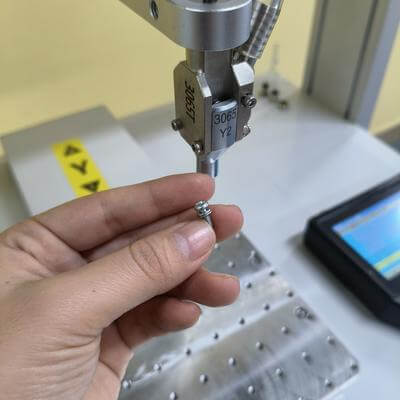
In the fast-evolving landscape of industrial automation, precision and efficiency are paramount. One critical aspect that often determines the success of manufacturing processes is screw pattern programming. Traditional methods of manually programming screw patterns are not only time-consuming but also prone to errors, leading to production delays and increased costs. To address these challenges, our company has developed advanced software specifically designed for screw pattern programming, revolutionizing how industries approach assembly and fastening tasks. Our advanced software leverages cutting-edge algorithms and intuitive user interfaces to simplify the creation and execution of complex screw patterns. With features such as drag-and-drop pattern design, real-time simulation, and seamless integration with robotic systems, the software ensures that every screw is placed with utmost accuracy. This eliminates the need for tedious manual adjustments and reduces the risk of misalignments, which can compromise product quality and safety. The software is built to handle a wide range of applications, from electronics manufacturing to automotive assembly. Users can easily define custom patterns based on product specifications, adjust parameters such as torque and depth, and visualize the entire process before deployment. This not only saves valuable time but also enhances flexibility, allowing manufacturers to quickly adapt to changing production demands. Additionally, the software includes robust error-detection mechanisms, providing instant feedback and suggestions for optimization, further streamlining operations. Another significant advantage of our solution is its scalability. Whether you are managing a small-scale production line or a large industrial facility, the software can be tailored to meet your specific needs. It supports multi-axis coordination, enabling synchronized operations across multiple robots or machinery, and offers cloud-based capabilities for remote monitoring and updates. This ensures that your systems remain up-to-date with the latest features and improvements, future-proofing your investment. We understand that training and usability are crucial for adoption. That’s why our software includes comprehensive training modules and responsive customer support to help your team get up to speed quickly. The interface is designed with user experience in mind, minimizing the learning curve while maximizing productivity. By empowering operators with powerful yet accessible tools, we enable them to focus on innovation rather than routine adjustments. In conclusion, advanced software for screw pattern programming is no longer a luxury but a necessity in modern industrial automation. It drives precision, efficiency, and adaptability, directly impacting bottom-line results. As technology continues to advance, we remain committed to enhancing our solutions, ensuring that our clients stay ahead of the curve. Embrace the future of manufacturing with our innovative software and experience a new level of operational excellence. Product Name Applicable industries Screw Fastening Unit Drone and UAV Manufacturing
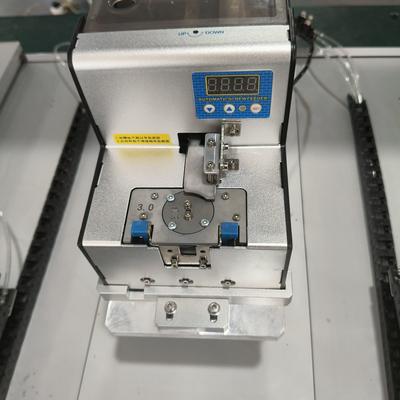
In the world of industrial automation, precision and reliability are paramount. One of the critical components in assembly automation is the screw locking machine, which ensures that screws are tightened to exact specifications consistently. However, a frequently overlooked aspect that significantly impacts the performance and efficiency of these machines is screw size compatibility. Understanding and ensuring compatibility is essential for optimizing operations, reducing downtime, and maintaining product quality. Screw locking machines are designed to handle a variety of screw sizes, but not all machines are universally compatible with every screw type or dimension. The compatibility depends on several factors, including the screw’s diameter, length, head type, and thread pitch. Using screws that are outside the machine’s specified range can lead to numerous issues, such as jamming, misdriving, cross-threading, or even damage to the machine itself. This not only halts production but also increases maintenance costs and compromises the integrity of the assembly. To avoid these problems, it is crucial to select a screw locking machine that matches the specific requirements of your application. Modern screw locking machines often come with adjustable settings to accommodate a range of screw sizes. For instance, the feeding system, driver head, and torque settings can typically be calibrated to suit different screws. However, there are limits to this adaptability. Manufacturers provide compatibility charts that outline the minimum and maximum screw dimensions their machines can handle. Consulting these charts before purchasing or operating the machine is a vital step in ensuring seamless integration into your production line. Another important consideration is the material and design of the screws. Screws made from softer materials may require different handling than those made from harder metals. Similarly, screws with unique head designs (such as Phillips, Torx, or hex) need compatible driver bits. Using an incorrect bit can strip the screw head, leading to defects and machine stoppages. Therefore, it is advisable to use high-quality screws that meet industry standards and are within the machine’s compatible range. Regular maintenance and calibration of screw locking machines also play a significant role in maintaining compatibility. Over time, wear and tear can affect the machine’s components, such as feeders and drivers, reducing their ability to handle screws accurately. Scheduled inspections and adjustments ensure that the machine continues to operate within its specified parameters. Additionally, training operators to recognize compatibility issues and perform basic troubleshooting can prevent minor problems from escalating into major disruptions. In summary, screw size compatibility is a fundamental factor in the effective operation of screw locking machines. By carefully selecting compatible screws, adhering to manufacturer guidelines, and maintaining equipment properly, companies can enhance productivity, reduce waste, and achieve higher quality outcomes. Investing time and resources in understanding compatibility not only protects your machinery but also strengthens your overall automation strategy, ensuring long-term success in industrial operations. Product Name Applicable industries Inline Screw Locking System Telecommunication Equipment Assembly
Product Name Applicable industries Auto Screwdriver Machine PCB and Circuit Board Assembly .body-text {font-family: Arial, sans-serif; line-height: 1.6; color: #333; margin: 15px 0;} .title {font-size: 26px; font-weight: bold; color: #1a5276; margin-bottom: 20px;} .subtitle {font-size: 18px; font-weight: bold; color: #2c3e50; margin: 20px 0 10px 0;} Ensuring Screw Depth Consistency in Feeding In the intricate world of industrial assembly, the consistency of screw fastening is a critical factor that directly impacts product quality, structural integrity, and overall manufacturing efficiency. One of the most persistent challenges faced on the production line is ensuring every screw is driven to an exact, predetermined depth. Inconsistent screw depth can lead to a host of problems, from loose components and product failure to cosmetic defects and even potential safety hazards. The Critical Impact of Depth Inconsistency Why is this single parameter so vital? A screw driven too shallow, or under-torqued, fails to create the necessary clamping force. This can result in components that rattle loose over time, leading to premature wear, electrical connection failures, and a decline in product reliability. Conversely, a screw driven too deep, or over-torqued, can cause severe damage. This includes stripping the threaded hole, cracking surrounding materials, or deforming the product housing. In plastic components, this is a particularly common and costly issue. Such errors often necessitate costly rework, scrap materials, and can become a significant bottleneck in high-volume production environments. Advanced Techniques for Unwavering Precision Modern industrial automation has moved far beyond relying solely on basic torque control to determine depth. While torque is a related factor, it is an indirect and often unreliable method for measuring actual screw position. Leading automated feeding and driving systems now employ a multi-faceted approach to guarantee depth consistency. Sophisticated electric or servo-driven screwdrivers are at the heart of this process. These systems provide precise control over rotational speed and torque, allowing for a highly repeatable driving cycle. Furthermore, many advanced systems integrate real-time monitoring and feedback mechanisms. Encoders track the rotation of the screwdriver bit, counting the exact number of turns after the screw has seated. This direct measurement of travel provides a much more accurate gauge of depth than torque alone. This data is continuously compared against pre-set ideal parameters. If the counted turns fall outside the acceptable window, the system can immediately flag the part for inspection or reject it automatically, preventing defective products from moving down the line. Integrating a Holistic Feeding Solution Achieving true consistency requires more than just a precise driver; it demands a perfectly synchronized feeding system. Inconsistent screw presentation—where screws are tilted, missing, or incorrectly oriented—forces the driver to engage at an angle, inevitably leading to a flawed drive. High-performance automatic screw feeders eliminate this variable. They utilize innovative bowl design, track sorting, and escapement mechanisms to present every single screw in an identical, upright, and ready-to-drive position. This ensures the driver bit engages the screw head correctly every time, creating the ideal conditions for a straight, consistent drive into the workpiece. The Result: Enhanced Quality and Productivity By implementing a system designed for depth consistency, manufacturers unlock substantial benefits. The most immediate impact is a dramatic reduction in assembly errors and product defects, leading to higher overall quality and lower warranty costs. Production lines experience fewer stoppages for rework or machine adjustments, which increases throughput and overall equipment effectiveness (OEE). This level of reliability and data-driven process control is fundamental for manufacturers aiming to build robust, high-quality products in a competitive and demanding market.
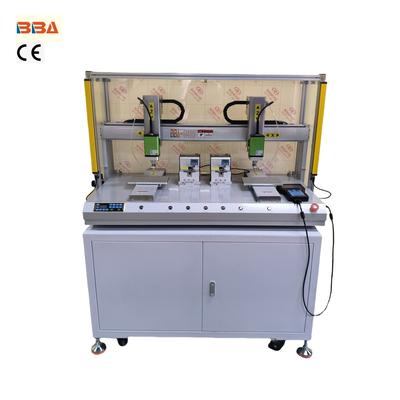
Product Name Applicable industries Inline Screw Locking System Smartphone Manufacturing body { font-family: Arial, sans-serif; line-height: 1.6; margin: 20px; } h1 { color: #2c3e50; font-size: 26px; margin-bottom: 15px; } h2 { color: #34495e; font-size: 20px; margin-top: 20px; margin-bottom: 10px; } p { margin-bottom: 15px; color: #333; } ul { margin-bottom: 15px; padding-left: 20px; } li { margin-bottom: 8px; } .highlight { background-color: #f8f9fa; padding: 15px; border-left: 4px solid #3498db; margin: 15px 0; } .highlight strong { color: #3498db; } Replacing Worn Bits in Auto Screw Drivers In the fast-paced world of industrial automation, maintaining peak performance of equipment is not just a goal—it's a necessity. Among the most critical yet often overlooked components are the bits in automatic screwdriving systems. These small tools bear the brunt of continuous operation, and their condition directly impacts productivity, quality, and overall equipment longevity. Understanding when and how to replace worn bits is essential for minimizing downtime and ensuring consistent output. The Impact of Worn Bits on Production Worn or damaged bits in auto screw drivers can lead to a cascade of operational issues. The most immediate effect is a decline in fastening quality. Bits that have lost their sharpness or geometry may cam out, strip screw heads, or apply inconsistent torque. This results in defective products, rework, and potential line stoppages. Furthermore, compromised bits increase the stress on the screwdriver itself, accelerating wear on its internal mechanisms such as clutches and motors. This not only raises maintenance costs but also poses a risk of unplanned failures. Regularly inspecting and replacing bits is a simple, cost-effective strategy to avoid these expensive problems. Identifying a Bit That Needs Replacement Proactive maintenance starts with recognizing the signs of wear. Operators and maintenance teams should be trained to look for visual cues such as rounded edges, chipping, or a polished appearance on the tip. Beyond visual inspection, performance indicators are often the most telling. An increase in error rates from the screwdriver's control system—such as torque outliers or missed fasteners—is a strong signal. Similarly, if operators notice more manual interventions are required to correct stripped screws, the bits are likely past their service life. Implementing a scheduled replacement program based on cycle count is a highly reliable method to preempt these issues. Best Practices for Replacement and Maintenance Establishing a robust process for bit replacement is key to operational efficiency. Use High-Quality Bits: Invest in bits manufactured from durable, hardened materials designed for high-volume automation. They last longer and provide more consistent performance. Follow a Scheduled Maintenance Plan: Don't wait for bits to fail. Replace them after a predetermined number of fastening cycles, as recommended by the bit manufacturer. Keeping a usage log for each tool station is invaluable. Ensure Proper Tool Alignment: Misalignment is a major contributor to premature bit wear. Regularly check that the screwdriver is perfectly perpendicular to the workpiece to avoid side-loading the bit. Train Personnel: Ensure that staff responsible for changeovers are properly trained on how to correctly install and secure bits to the correct torque specifications, avoiding over-tightening which can damage the collet. Pro Tip: Always calibrate your automatic screwdriver's torque settings after replacing a bit. Even a new bit can introduce slight variations that affect the final clamping force. In conclusion, the humble driving bit is a fundamental component in automated assembly. Treating its maintenance with the importance it deserves directly translates to smoother operations, higher quality products, and reduced total cost of ownership. By adopting a proactive and disciplined approach to inspection and replacement, manufacturers can ensure their automated screwdriving systems remain a model of reliability and precision.
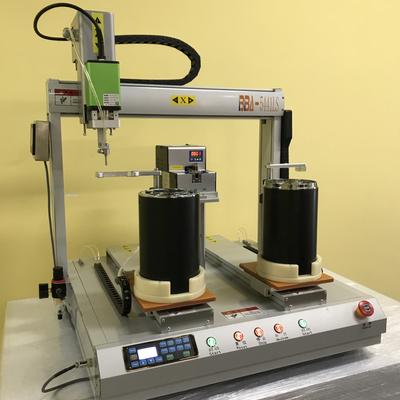
Product Name Applicable industries Smart Screw Driving Machine Smart Wearables Production body { font-family: Arial, sans-serif; line-height: 1.6; margin: 20px; } h1 { color: #2c3e50; font-size: 28px; } h2 { color: #34495e; font-size: 22px; margin-top: 20px; } p { margin-bottom: 15px; color: #333; } strong { color: #16a085; } ul { margin-left: 20px; } li { margin-bottom: 8px; } AI-Driven Screw Locking: What's Next in Automation The industrial automation landscape is undergoing a profound transformation, driven by the relentless integration of artificial intelligence. One of the most critical and traditionally manual processes—screw locking and fastening—is now at the forefront of this revolution. AI-driven screw locking systems are moving beyond simple mechanization to become intelligent, adaptive, and predictive solutions that redefine precision, efficiency, and reliability on the production line. Beyond Basic Automation: The Intelligence Infusion Traditional automated screwdriving systems excel at repetitive tasks but often lack the nuance to handle variability. A slightly warped component, a worn screw, or a subtle misalignment can lead to a defective product or costly line stoppages. This is where AI makes its decisive impact. By leveraging advanced machine learning algorithms and real-time data processing, modern systems can perceive, decide, and adapt on the fly. These intelligent systems utilize high-resolution vision sensors and force-feedback mechanisms to analyze each fastening point. The AI doesn't just turn a screw; it understands the context. It calculates the exact torque required, detects cross-threading the moment it begins, and compensates for material flex or subtle positional shifts. This results in a unprecedented level of first-pass yield and eliminates the need for costly rework. Predictive Quality and Zero-Defect Manufacturing The next leap forward is the shift from reactive to predictive quality control. AI-driven screw locking systems are not just executing commands; they are continuously learning from every single operation. They collect vast amounts of process data—torque-angle curves, motor current, vibration signatures, and visual data—to build a sophisticated digital model of the ideal fastening process. Over time, the system can predict potential failures before they occur. For instance, it can identify a batch of screws with minor manufacturing defects that might lead to head stripping or indicate when a tool tip is beginning to wear out and needs replacement. This predictive capability is a cornerstone of zero-defect manufacturing strategies, drastically reducing downtime and waste while ensuring consistent product quality. Seamless Integration and Adaptive Manufacturing The future of AI-driven automation lies in seamless flexibility. Next-generation screw locking solutions are designed for agile production environments where product lines change frequently. Through AI, a single system can be quickly reprogrammed to handle multiple product variants without lengthy mechanical adjustments or manual recalibration. Simply show the system a new product via a digital blueprint or a sample unit, and the AI algorithms configure the optimal fastening strategy autonomously. This adaptability is crucial for high-mix, low-volume production, enabling manufacturers to respond swiftly to market demands without sacrificing speed or quality. The production line becomes a dynamic, responsive system rather than a static sequence of machines. The Road Ahead: Autonomous Optimization and Connected Systems Looking forward, we can anticipate even greater autonomy. AI systems will evolve to fully self-optimize their performance parameters in real-time, seeking the perfect balance between cycle time, energy consumption, and tool wear. Furthermore, these systems will not operate in isolation. They will be integral components of a connected smart factory, sharing data with other machines and central production control systems. This creates a holistic feedback loop where insights from the fastening process inform broader production decisions, from supply chain management (e.g., flagging consistent issues with a specific component supplier) to predictive maintenance schedules for entire assembly cells. The integration of AI into screw locking is more than an incremental upgrade; it is a fundamental reimagining of the process. It brings us closer to the vision of fully autonomous, lights-out manufacturing facilities where quality is inherent, efficiency is maximized, and human operators are empowered to focus on higher-level innovation and oversight. The next chapter in automation is intelligent, and it is being written one perfectly fastened screw at a time.