8618566785362 8618566785362 8618566785362 phoenix08@bbamachine.com
- All
- Product Name
- Product Keyword
- Product Model
- Product Summary
- Product Description
- Multi Field Search
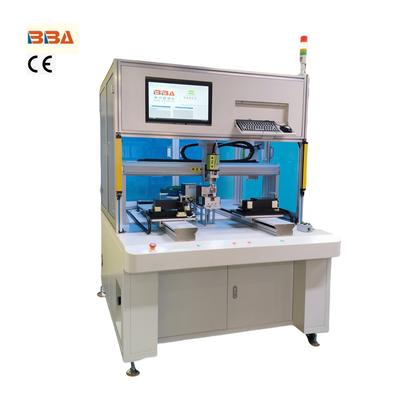
Key Components of a Robotic Screw Driving System Robotic screw driving systems are integral to modern manufacturing and assembly processes, offering precision, repeatability, and efficiency. Understanding the key components of these systems helps in appreciating their functionality and the technological advancements that make them indispensable in industrial automation. 1. Robotic Arm The robotic arm is the primary manipulator in the system, providing the range of motion required to position the screwdriver tool accurately. Typically equipped with multiple axes, the arm allows for flexible movement in three-dimensional space, enabling access to various angles and tight spaces. The arm’s construction ensures rigidity and minimal vibration during operation, which is critical for maintaining precision. 2. Screwdriver Tool The screwdriver tool, often an electric or pneumatic driver, is attached to the end of the robotic arm. This tool is designed to handle specific screw types and sizes, and it can be equipped with sensors to monitor torque and rotation speed. This ensures that each screw is driven to the correct tightness without damaging the material or the screw itself. 3. Screw Feeder The screw feeder is a vital component that supplies screws to the driver tool automatically. It consists of a vibratory bowl or a tape-based system that orients and delivers screws one at a time. This automation eliminates the need for manual handling, significantly increasing the speed and consistency of the assembly process. 4. Vision System Many advanced robotic screw driving systems incorporate a vision system to enhance accuracy. Cameras and image processing software help the robot identify the exact location of screw holes, even if the workpiece is slightly mispositioned. This allows for real-time adjustments and ensures that the screw is driven correctly every time. 5. Control System The control system is the brain of the operation, coordinating the movements of the robotic arm, the screw feeder, and the driver tool. It processes inputs from sensors and the vision system to execute tasks with high precision. Modern control systems are often programmable, allowing for easy adaptation to different products and assembly requirements. 6. Torque Sensor Torque sensors are critical for quality control. They measure the torque applied during the screw driving process, ensuring that each screw meets specified tightness standards. If a screw is over-torqued or under-torqued, the sensor can trigger an alert or halt the process, preventing defects and maintaining product quality. 7. End Effector The end effector is the part of the robot that interacts directly with the screw and the workpiece. It includes the driver bit and may feature mechanisms for picking screws from the feeder and placing them accurately. The design of the end effector is crucial for minimizing errors and maximizing efficiency. In summary, a robotic screw driving system is a sophisticated assembly of components working in harmony to achieve high-speed, precise screw fastening. From the robotic arm and screw feeder to the vision and control systems, each element plays a vital role in ensuring reliability and efficiency. These systems are increasingly becoming a standard in industries where precision and productivity are paramount. Product Name Applicable industries Automatic Screw Feeder Power Tool Assembly Lines
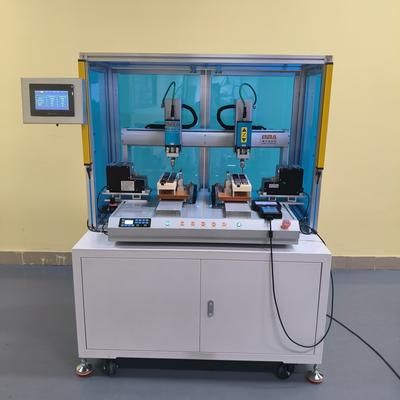
Industrial automation systems have become the backbone of modern manufacturing and production environments. These systems integrate hardware and software technologies to control machinery and processes, replacing manual intervention and enhancing operational efficiency. The applications of industrial automation span across various sectors, including automotive, food and beverage, pharmaceuticals, and logistics, driving significant improvements in productivity, quality, and safety. One of the primary applications of industrial automation is in manufacturing processes. Automated systems, such as robotic arms and computer numerical control (CNC) machines, are widely used for tasks like assembly, welding, painting, and machining. These systems operate with high precision and consistency, reducing errors and waste while increasing output. For example, in the automotive industry, automated production lines can assemble vehicles with minimal human intervention, ensuring each component is placed accurately and efficiently. Another critical area is process control, which involves managing continuous operations such as chemical processing, oil refining, and water treatment. Automation systems monitor variables like temperature, pressure, and flow rates, adjusting parameters in real-time to maintain optimal conditions. This not only improves product quality but also enhances safety by preventing accidents and equipment failures. Advanced process control algorithms can predict potential issues and initiate corrective actions, minimizing downtime and maximizing efficiency. Material handling and logistics have also been transformed by automation. Automated guided vehicles (AGVs) and autonomous mobile robots (AMRs) are used to transport materials within warehouses and production facilities. These systems can navigate complex environments, avoiding obstacles and optimizing routes to reduce transportation time. In distribution centers, automated sorting and packaging systems accelerate order fulfillment, enabling businesses to meet growing consumer demands quickly and accurately. Quality assurance is another domain where automation plays a vital role. Vision systems and sensors inspect products for defects, ensuring that only items meeting strict quality standards reach the market. These systems can detect imperfections that are invisible to the human eye, such as micro-cracks or color inconsistencies, thereby maintaining brand reputation and reducing returns. In the pharmaceutical industry, automated inspection systems verify the integrity of tablets and capsules, ensuring patient safety. Energy management is an emerging application of industrial automation. Smart systems monitor energy consumption across facilities, identifying areas where efficiency can be improved. By automating lighting, heating, and cooling systems based on occupancy and usage patterns, businesses can significantly reduce their carbon footprint and operational costs. Additionally, integration with renewable energy sources, such as solar panels and wind turbines, allows for sustainable and cost-effective power management. The adoption of industrial automation systems also contributes to workforce development. While automation handles repetitive and hazardous tasks, employees can focus on higher-value activities such as system design, maintenance, and optimization. This shift requires upskilling, leading to more knowledgeable and engaged workers. Moreover, automation creates new job opportunities in fields like robotics programming, data analysis, and system integration. In conclusion, industrial automation systems are revolutionizing how industries operate. From manufacturing and process control to logistics and quality assurance, these applications enhance efficiency, safety, and sustainability. As technology continues to advance, the scope of automation will expand, offering even greater benefits to businesses and society. Embracing these innovations is essential for staying competitive in the rapidly evolving industrial landscape. Product Name Applicable industries Screw Fastening Unit Automotive Electronics Assembly

body { font-family: Arial, sans-serif; line-height: 1.6; color: #333; } h2 { color: #2c3e50; font-size: 28px; margin-bottom: 20px; } h3 { color: #3498db; font-size: 22px; margin-bottom: 15px; } p { margin-bottom: 15px; } ul { margin-bottom: 15px; padding-left: 20px; } li { margin-bottom: 8px; } strong { color: #e74c3c; } Remote Control and Diagnosis of Servo Screw Robots The industrial automation landscape is undergoing a profound transformation, driven by the relentless pursuit of efficiency, precision, and operational intelligence. At the forefront of this evolution are advanced servo screw robots, sophisticated systems designed for high-speed, high-accuracy assembly, dispensing, and fastening tasks. The true power of these modern workhorses, however, is unlocked through their advanced capabilities for remote control and diagnosis, a technological leap that is redefining manufacturing floor management. Unleashing Operational Flexibility Remote control functionality liberates operators and production managers from the traditional constraints of the physical control panel. Through secure network connections, these industrial robots can be monitored, adjusted, and commanded from virtually anywhere. This allows for centralized management of multiple machines across different factory floors or even global facilities from a single location. An engineer can fine-tune tightening parameters for a production line in another country or initiate a new batch dispensing program without ever setting foot on-site. This unparalleled flexibility significantly reduces response times to production demands, enables quick changeovers, and empowers a more agile manufacturing environment. Proactive Health Monitoring and Predictive Diagnostics Beyond simple control, modern servo screwdrivers are equipped with a suite of sophisticated sensors that continuously collect vast amounts of operational data. Remote diagnosis systems leverage this data to provide deep insights into the health and performance of each unit. Key parameters such as motor torque, speed, temperature, and vibration are tracked in real-time. Advanced algorithms analyze this information to establish performance baselines and identify subtle anomalies that may indicate a developing issue, such as bearing wear, belt loosening, or calibration drift. This shift from reactive to predictive maintenance is perhaps the most significant benefit. Instead of waiting for a machine to fail and cause costly unplanned downtime, the system can alert maintenance teams to potential problems weeks before they become critical. A notification might indicate that a specific axis motor is showing early signs of wear, allowing a technician to schedule a replacement during a planned maintenance window, thereby avoiding a catastrophic line stoppage. Enhanced Troubleshooting and Data-Driven Decisions When an issue does occur, remote diagnosis tools drastically simplify the troubleshooting process. Specialists can securely access the robot's controller from a remote technical center, reviewing error logs, historical performance data, and real-time sensor readings. This virtual presence often makes it possible to diagnose and even resolve problems without dispatching a technician, slashing mean time to repair (MTTR) and associated service costs. Furthermore, the extensive data collected over time provides invaluable insights for optimizing processes, improving product quality, and making informed decisions about future upgrades and capacity planning. The Foundation of Secure Connectivity Implementing such powerful remote capabilities necessitates an unwavering commitment to security and reliability. Robust encryption protocols, secure user authentication, and segmented network architectures are fundamental to protecting these industrial assets from cyber threats. The connection must also be highly reliable to ensure continuous operation and data integrity, often utilizing industrial-grade communication protocols. The integration of remote control and diagnosis is no longer a luxury but a critical component of a modern, intelligent manufacturing operation. It represents a strategic investment that pays dividends through maximized uptime, reduced operational costs, improved product quality, and a more resilient and adaptable production infrastructure. As Industry 4.0 continues to mature, these capabilities will become the standard, seamlessly connecting physical automation assets to the digital threads of the smart factory. Product Name Applicable industries Smart Screw Driving Machine LED Lighting Industry
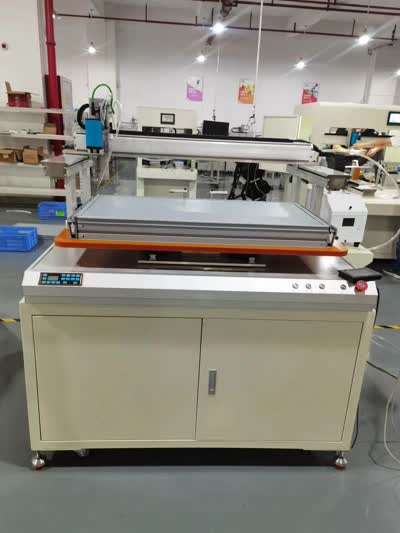
body { font-family: Arial, sans-serif; line-height: 1.6; color: #333; margin: 20px; } h1 { color: #0056b3; font-size: 28px; margin-bottom: 20px; } h2 { color: #003366; font-size: 22px; margin-top: 25px; margin-bottom: 15px; } p { margin-bottom: 15px; text-align: justify; } strong { color: #0056b3; } ul { margin-bottom: 15px; padding-left: 20px; } li { margin-bottom: 8px; } Growth of Servo-Based Assembly in Smart Manufacturing The landscape of industrial production is undergoing a profound transformation, driven by the relentless pursuit of greater efficiency, flexibility, and precision. At the heart of this evolution lies the rapid growth of servo-based assembly systems, a cornerstone technology enabling the vision of smart manufacturing. These sophisticated motion control solutions are replacing traditional mechanical and pneumatic setups, offering unprecedented levels of control and intelligence on the factory floor. The Engine of Intelligent Automation Servo technology provides the fundamental building blocks for intelligent assembly cells. Unlike fixed-stroke mechanisms, servo-driven actuators and motors operate with a high degree of programmable freedom. This allows for precise control over position, velocity, and torque throughout every movement. In a smart manufacturing context, this programmability translates directly into agility. Production lines can swiftly switch between different product variants or entirely new products with minimal physical changeover, simply by uploading a new motion profile. This flexibility is critical for meeting the demands of mass customization and shorter product life cycles. Key Drivers for Adoption Several compelling factors are accelerating the adoption of servo-based assembly systems across diverse industries. Unmatched Precision and Quality: The ability to execute complex, multi-axis movements with micron-level accuracy ensures consistently higher product quality. This is paramount in industries like electronics, medical devices, and aerospace, where minute errors can lead to significant failures. Enhanced Data and Connectivity: Modern servo systems are rich sources of data. They continuously generate information on performance, energy consumption, and maintenance needs. Integrated into a broader Industrial Internet of Things (IIoT) framework, this data enables predictive maintenance, real-time process optimization, and traceability for every assembled unit. Energy Efficiency and Sustainability: Servo motors consume power primarily when performing work, unlike pneumatic systems that often leak compressed air continuously. This on-demand power usage significantly reduces energy costs and supports corporate sustainability goals. Reduced Complexity and Downtime: By eliminating complex mechanical linkages, cams, and pneumatics, servo-based systems simplify machine design. This simplification leads to more reliable operation and drastically reduces downtime associated with mechanical adjustments and maintenance. Integration with the Smart Factory Ecosystem The true power of servo-based assembly is realized through its seamless integration into a connected smart factory. These systems communicate directly with higher-level Manufacturing Execution Systems (MES) and plant-wide control networks. This connectivity allows for: Remote monitoring and diagnostics of assembly stations from anywhere on the network. Adaptive control, where processes can be automatically adjusted based on feedback from vision systems or other inspection sensors. Digital twin synchronization, where the virtual model of the assembly process is continuously updated with real-world performance data for simulation and optimization. This creates a closed-loop, responsive production environment where assembly processes are not just automated, but are truly intelligent and self-optimizing. The Future is Servo-Driven The trajectory for servo-based assembly is one of continued expansion and innovation. As technology advances, we can expect the adoption of more integrated mechatronic systems, where the motor, drive, and controller are combined into a single, compact unit, further simplifying installation and wiring. Furthermore, advancements in artificial intelligence and machine learning will leverage the vast datasets generated by servos to autonomously improve process parameters, predict failures before they occur, and unlock new levels of productivity. In conclusion, the growth of servo-based assembly is inextricably linked to the advancement of smart manufacturing. It provides the precise, flexible, and data-rich motion control necessary to build the agile, efficient, and intelligent factories of the future. For companies looking to modernize their production capabilities, investing in servo technology is not merely an upgrade—it is a strategic imperative to remain competitive in an increasingly dynamic global market. Product Name Applicable industries Desktop Screwdriver Robot Smartphone Manufacturing
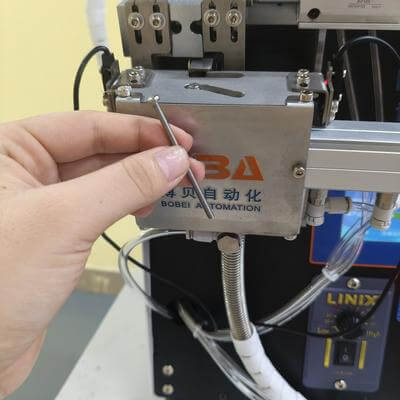
Product Name Applicable industries Automatic Screw Feeder Automotive Electronics Assembly body { font-family: Arial, sans-serif; line-height: 1.6; color: #333; margin: 20px; } h1 { color: #0056b3; font-size: 28px; margin-bottom: 20px; } h2 { color: #003366; font-size: 22px; margin-top: 25px; margin-bottom: 15px; } p { margin-bottom: 15px; text-align: justify; } ul { margin-bottom: 15px; padding-left: 20px; } li { margin-bottom: 8px; } .highlight { background-color: #f5f5f5; padding: 15px; border-radius: 5px; margin: 20px 0; } Flexible Fastening for Multi-Model Production Lines In today’s competitive manufacturing landscape, the ability to adapt quickly to changing product demands is no longer a luxury—it’s a necessity. Multi-model production lines, which build different product variants on the same assembly system, are becoming the standard across industries such as automotive, electronics, and consumer goods. However, this flexibility introduces significant challenges, particularly in the fastening stage. Traditional fixed automated screwdriving or nutrunning stations often struggle with rapid changeovers, leading to downtime, errors, and reduced overall equipment effectiveness (OEE). The Challenge of Rigid Fastening Systems Conventional automation solutions for fastening are typically designed for high-volume, low-mix production. They excel at repetitive tasks but lack the agility required for modern manufacturing. When a production line needs to switch between different models—each with unique fastening points, torque requirements, or screw types—operators often face manual adjustments, tool changes, or even complete station reconfiguration. This process is time-consuming, prone to human error, and directly impacts productivity. In a multi-model environment, these inefficiencies multiply, creating bottlenecks that hinder throughput and increase operational costs. Embracing Adaptive Fastening Technology To overcome these hurdles, forward-thinking manufacturers are turning to flexible fastening systems. These advanced solutions are engineered to handle variety without compromising on speed, accuracy, or reliability. A truly flexible fastening system incorporates several key technologies: Robotic Integration: Utilizing collaborative robots (cobots) or industrial robots equipped with smart screwdriving tools, these systems can be quickly reprogrammed to access different fastening locations across multiple product models. Vision systems and force-sensing capabilities ensure precise screw placement and correct torque application. Programmable Tooling: Advanced automatic screwdrivers and nutrunners feature programmable torque and angle settings. With recipe management software, operators can select a product model, and the system automatically adjusts all fastening parameters for that specific variant, eliminating manual tool changes and reducing the risk of errors. Modular and Mobile Design: Some systems are designed as modular cells that can be easily repositioned or expanded. Autonomous mobile robots (AMRs) equipped with fastening tools are also emerging, offering unparalleled flexibility to move between assembly stations as needed. The Core Benefit: Uninterrupted Production Flow The primary advantage of implementing a flexible fastening solution is the seamless transition between product models. Changeover times can be reduced from minutes to seconds. This agility allows manufacturers to respond swiftly to custom orders, seasonal demand fluctuations, and even unexpected design changes. Furthermore, these systems often include comprehensive data tracking, recording each fastening operation for full traceability and quality assurance—a critical requirement in regulated industries. Building the Smarter Factory Integrating flexible fastening is a fundamental step toward building a smarter, more responsive factory. It aligns perfectly with the principles of Industry 4.0, where interconnected systems communicate and adapt in real-time. By eliminating a major source of rigidity in the assembly process, companies can achieve a higher level of automation that supports mass customization. The result is a significant boost in OEE, reduced labor costs, and a stronger competitive position in the market. As product lifecycles shorten and consumer preferences diversify, the demand for multi-model production will only intensify. Investing in flexible fastening technology is not merely an upgrade; it is a strategic move to future-proof manufacturing operations. By empowering production lines with the agility to handle anything thrown their way, businesses can ensure efficiency, quality, and growth for years to come.
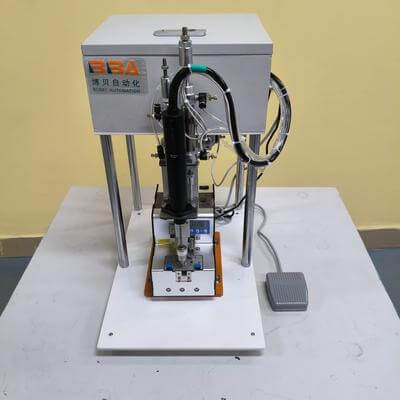
body { font-family: Arial, sans-serif; line-height: 1.6; margin: 20px; } h1 { color: #2c3e50; font-size: 28px; margin-bottom: 20px; } h2 { color: #34495e; font-size: 22px; margin-top: 25px; margin-bottom: 15px; } p { margin-bottom: 15px; text-align: justify; } ul { margin-bottom: 15px; margin-left: 20px; } li { margin-bottom: 8px; } strong { color: #16a085; } Benefits of Integrating Screw Locking Robots into Production Lines The manufacturing landscape is continuously evolving, driven by the relentless pursuit of greater efficiency, precision, and reliability. In this environment, the automation of repetitive yet critical tasks becomes paramount. One such task, screw fastening, has seen a revolutionary upgrade with the introduction of dedicated screw locking robots. Integrating these automated systems into production lines offers a multitude of advantages that directly impact the bottom line and product quality. Unmatched Consistency and Superior Quality Assurance Manual screw driving is inherently susceptible to human error. Variations in torque, angle, and sequence can lead to a host of problems, including loose connections, cross-threading, and damaged components. These inconsistencies compromise product integrity and lead to costly field failures and returns. Screw locking robots eliminate this variability. Programmed to execute each fastening operation with exacting precision, they apply the correct torque every single time. This ensures that every product leaving the line is assembled to the same high standard, drastically reducing the defect rate and enhancing overall product quality and reliability. Significant Boost in Production Efficiency and Output Automation is synonymous with speed and endurance. A screw locking robot operates at a constant, high pace without requiring breaks, shift changes, or vacations. It can work tirelessly 24/7, dramatically increasing the throughput of the assembly line. Furthermore, these robots can often complete the fastening process much faster than a human operator, especially for products requiring multiple screws. This reduction in cycle time directly translates to higher production volumes and the ability to meet demanding deadlines with ease. Reduction in Operational Costs and Labor Reallocation While the initial investment is a consideration, the long-term return on investment for screw locking robots is compelling. They reduce direct labor costs associated with manual fastening and minimize expenses related to human error, such as rework, scrap, and warranty claims. Perhaps more importantly, they free up valuable human resources from monotonous and physically taxing tasks. This allows companies to reallocate their skilled workforce to more value-added positions, such as quality control, machine oversight, and process improvement, fostering a more engaged and productive work environment. Enhanced Workplace Safety and Ergonomics Repetitive strain injuries (RSIs) are a common concern in manual assembly lines. The constant repetition of twisting and driving motions can lead to musculoskeletal disorders in workers, resulting in pain, absenteeism, and increased insurance costs. By delegating the screw driving task to a robot, manufacturers effectively remove their employees from this repetitive injury risk. This not only creates a safer workplace but also demonstrates a commitment to employee well-being. Additionally, it reduces the company's exposure to potential workers' compensation claims. Comprehensive Data Tracking for Process Optimization Modern screw locking robots are equipped with sophisticated sensors and software that provide a wealth of data. Every tightening operation can be monitored and recorded, creating a complete digital history for each product. Managers can access real-time data on torque values, cycle times, and error rates. This data is invaluable for process optimization and traceability. It allows for proactive maintenance scheduling, helps identify potential bottlenecks, and provides undeniable proof of quality compliance for auditors and customers. This level of traceability is becoming increasingly important in industries with strict regulatory requirements. In conclusion, the integration of screw locking robots is a strategic move for any manufacturer looking to gain a competitive edge. The benefits are clear: flawless product quality, heightened efficiency, lowered operational costs, a safer workplace, and data-driven process control. As technology continues to advance, these automated solutions will undoubtedly become an indispensable component of the smart factories of the future. Product Name Applicable industries CNC Screw Fastener Toy and Game Console Production
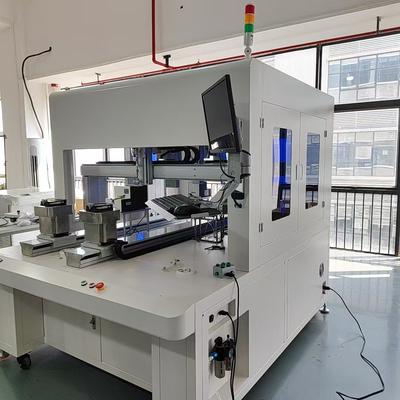
body { font-family: Arial, sans-serif; line-height: 1.6; color: #333; margin: 20px; } h1 { color: #0056b3; font-size: 28px; margin-bottom: 15px; } h2 { color: #004494; font-size: 22px; margin-top: 25px; margin-bottom: 10px; } p { margin-bottom: 15px; text-align: justify; } strong { color: #0056b3; } ul { margin-bottom: 15px; } li { margin-bottom: 8px; } Understanding the Mechanics of Screw Locking Automation In the intricate world of modern manufacturing, the integrity of every threaded joint is paramount. A single loose screw can lead to product failure, safety hazards, and significant financial loss. This is where screw locking automation emerges as a critical technological solution, moving beyond simple fastening to ensure absolute reliability and consistency in assembly processes. This technology represents a sophisticated fusion of precision mechanics, advanced control systems, and intelligent feedback, designed to deliver perfect results every time. The Core Principle: Beyond Torque Traditional automated screwdriving focuses primarily on achieving a specific torque value. However, for applications requiring secured, vibration-resistant joints, torque alone is an insufficient metric. Screw locking automation introduces a secondary, crucial function: the application of a locking element. This process involves a precise sequence where the fastener is first driven to its specified torque and then, in a controlled manner, the locking mechanism is activated. This mechanism is often a patch of adhesive (e.g., nylon or chemical), a deformed thread, or a mechanical component like a washer. The automation system must manage both the driving and locking phases with exceptional accuracy to avoid damaging the fastener or the workpiece while ensuring the lock is fully and correctly engaged. Key Components of an Automated System An automated screw locking system is an engineering marvel composed of several integrated components: High-Precision Drive Unit: This is the core of the system, typically a servo-electric driver. It provides unparalleled control over rotational speed, torque, and angle, allowing for a smooth and accurate driving process followed by the precise application needed for the locking action. Sophisticated Controller: The brain of the operation. It is programmed with the exact parameters for each screw type and joint. It monitors the process in real-time, analyzing data such as torque-to-angle correlation to detect any anomalies like cross-threading or missing locks. Specialized Feeding and Presentation System: This system must gently and reliably handle screws that may have pre-applied locking patches. Vibratory bowls, centrifugal feeders, and step feeders are designed to orient and present these sensitive fasteners without compromising the integrity of the locking element. Application-Specific Tooling: The bit or nozzle that interfaces with the screw is engineered to prevent smearing pre-applied adhesive and to provide a positive grip, crucial for managing the higher reverse torque often required to break the seal of a locking thread during the driving process. The Critical Role of Process Monitoring and Data Traceability What truly separates modern screw locking automation from basic automation is its capability for in-process verification and data logging. The system doesn't just execute a task; it confirms its success. By monitoring the torque/angle curve throughout the entire cycle, the controller can detect the distinct signature of the locking feature engaging. Any deviation from the pre-set acceptable curve—indicating a potential issue like a missing lock, damaged thread, or incorrect seating—results in an immediate rejection flag. This real-time quality control prevents defective products from moving down the line. Furthermore, every fastened joint's data (final torque, angle, time, and result) can be logged and traced to a specific product serial number, providing invaluable data for quality assurance and continuous improvement initiatives. Benefits for Advanced Manufacturing The adoption of automated screw locking technology delivers profound benefits across production lines. It eliminates the variability inherent in manual application, guaranteeing that every single joint is secured to the exact same standard. This drastically improves product quality and reliability while reducing warranty claims. Furthermore, it significantly boosts production speed and efficiency compared to manual methods, all while providing a digital paper trail for full compliance and traceability. Perhaps most importantly, it enhances worker safety by removing personnel from repetitive tasks that could lead to musculoskeletal injuries and from potential exposure to chemical locking agents. As products become more complex and reliability standards continue to rise, the demand for intelligent assembly solutions like screw locking automation will only grow. It is no longer just about fastening; it is about ensuring permanent security, building trust into every product, and driving manufacturing excellence into the future. Product Name Applicable industries Servo Screwdriver Robot Electric Bicycle Assembly
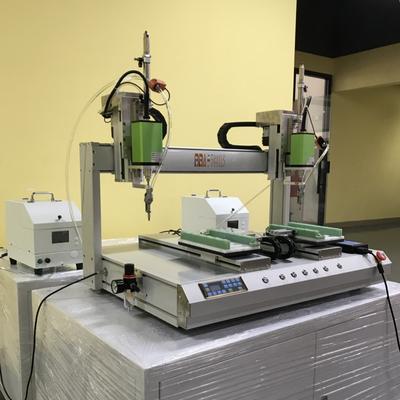
Product Name Applicable industries Screw Fastening Unit Toy and Game Console Production In modern manufacturing, efficiency and precision are more critical than ever. As industries strive to optimize production lines and reduce human error, the integration of robotic screw machines with pick-and-place robots has emerged as a powerful solution. This synergy not only enhances productivity but also improves consistency and flexibility in assembly processes. Robotic screw machines are designed to automate the fastening process, ensuring that screws are driven with exact torque and depth repeatedly. These systems eliminate variability and reduce the risk of product damage or failure due to improper screw placement. When combined with pick-and-place robots, which handle the precise positioning and movement of components, the entire assembly workflow becomes seamless and highly efficient. One of the key benefits of this integration is the reduction in cycle times. Pick-and-place robots can swiftly transport parts to the screw machine, which then performs the fastening operation without delay. This continuous flow minimizes idle time and maximizes throughput, making it ideal for high-volume production environments. Additionally, the collaboration between these robotic systems allows for greater adaptability. Manufacturers can easily reprogram the robots to accommodate different product designs or assembly requirements, providing the flexibility needed in today’s dynamic market. Another significant advantage is the improvement in quality control. Robotic screw machines often include sensors and vision systems to verify each screw’s placement and tightness, ensuring that every product meets strict quality standards. Pick-and-place robots contribute by accurately aligning components, reducing the chance of misalignment or defects. Together, they create a robust quality assurance process that minimizes errors and enhances product reliability. Furthermore, this integration supports a safer working environment. By automating repetitive and potentially hazardous tasks, such as manual screw driving or heavy lifting, companies can reduce workplace injuries and create more ergonomic operations. Employees can then focus on more value-added activities, such as monitoring the production process and performing quality checks. Implementing such a system does require careful planning and synchronization. The robotic screw machine and pick-and-place robot must communicate effectively to coordinate their actions. This often involves using advanced software and control systems to manage timing, positioning, and data exchange. However, with the right integration strategy, manufacturers can achieve a highly cohesive and efficient assembly line. In conclusion, the integration of robotic screw machines with pick-and-place robots represents a significant advancement in industrial automation. It offers numerous benefits, including increased productivity, improved quality, greater flexibility, and enhanced safety. As technology continues to evolve, this combination will likely become even more sophisticated, driving further innovations in manufacturing processes. Companies that adopt these integrated solutions today will be well-positioned to compete in the future landscape of industrial production.