8618566785362 8618566785362 8618566785362 phoenix08@bbamachine.com
- All
- Product Name
- Product Keyword
- Product Model
- Product Summary
- Product Description
- Multi Field Search

Views: 0 Author: BBA AUTOMATION Publish Time: 2025-10-04 Origin: BBA AUTOMATION


| Product Name | Applicable industries |
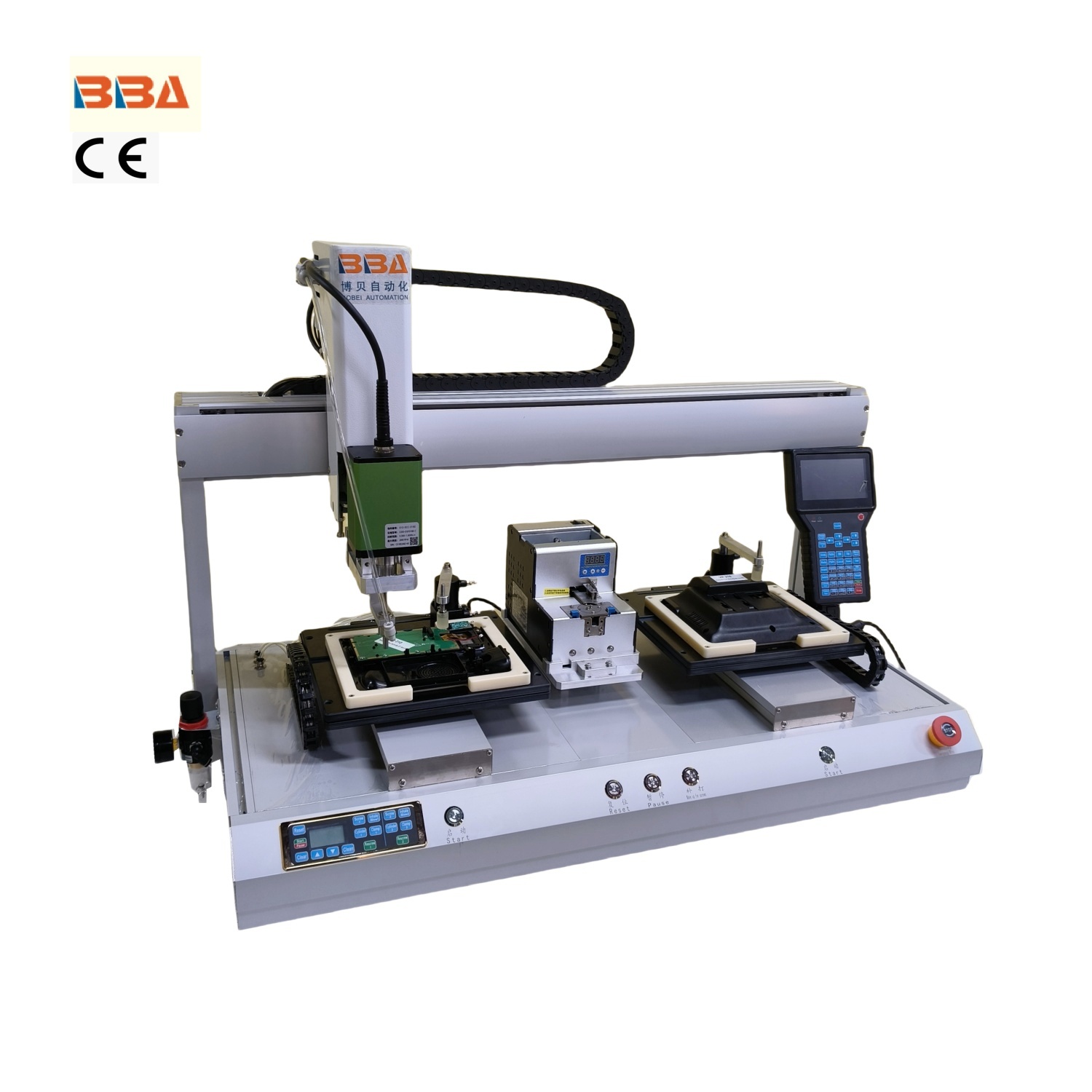
| Dual Head Screwdriver | Telecommunication Equipment Assembly |
In the world of industrial automation, screw assembly units are fundamental components in countless manufacturing processes. These units ensure precise and reliable fastening operations, which are critical for product quality and assembly line efficiency. However, to maintain their performance and extend their operational lifespan, regular cleaning and proper lubrication are essential. Neglecting these maintenance practices can lead to decreased accuracy, increased downtime, and costly repairs. This guide provides essential recommendations for effectively maintaining your screw assembly units.
Industrial environments are often filled with contaminants such as dust, metal shavings, oil residues, and other debris. Over time, these particles can accumulate within the screw assembly unit, particularly around the ball screw and guideways. This buildup increases friction, causes wear on critical components, and can ultimately lead to failure. Regular cleaning removes these contaminants, preventing potential damage and ensuring smooth operation.
For optimal cleaning, first, safely disconnect the unit from its power source. Use a soft brush or compressed air to remove loose debris from the exterior and hard-to-reach areas. For more thorough cleaning, apply a specialized industrial solvent or cleaner to a lint-free cloth and gently wipe down the screw and surrounding components. Avoid using excessive moisture or harsh abrasive materials that could damage precision surfaces. Always ensure the unit is completely dry before reapplying lubrication or returning to service.
Lubrication reduces friction between moving parts, minimizes wear, dissipates heat, and protects against corrosion. The choice of lubricant is crucial and depends on several factors, including operating speed, load, temperature, and environmental conditions. Generally, screw assembly units benefit from high-quality lithium-based greases or synthetic oils designed for precision mechanical components.
It is vital to consult the unit's manufacturer manual for specific lubricant recommendations. Using an incorrect lubricant type or viscosity can be as detrimental as having no lubrication at all. For high-speed applications, a lower viscosity oil might be necessary, whereas high-load scenarios often require a more robust grease. Always ensure the lubricant is free from impurities before application.
A systematic approach to lubrication ensures complete coverage and prevents over-application, which can attract dirt.
Establishing a regular maintenance schedule based on the operational hours of the unit is key. Units operating in harsh or demanding environments will require more frequent lubrication intervals than those in clean, light-duty applications.
Implementing a consistent cleaning and lubrication regimen is one of the most effective strategies for protecting your investment in screw assembly technology. This proactive maintenance not only safeguards against unplanned downtime but also ensures consistent precision and reliability in your assembly operations. By dedicating time to these essential practices, you significantly enhance the productivity and service life of your automated equipment, supporting seamless and efficient manufacturing output.