8618566785362 8618566785362 8618566785362 phoenix08@bbamachine.com
- All
- Product Name
- Product Keyword
- Product Model
- Product Summary
- Product Description
- Multi Field Search

body { font-family: Arial, sans-serif; line-height: 1.6; color: #333; margin: 20px; } h1 { color: #2c3e50; font-size: 28px; margin-bottom: 20px; } h2 { color: #34495e; font-size: 22px; margin-top: 25px; margin-bottom: 15px; } p { margin-bottom: 15px; text-align: justify; } ul { margin-bottom: 15px; padding-left: 20px; } li { margin-bottom: 8px; } strong { color: #16a085; } Maintenance Schedule for Maximum Uptime In the world of industrial automation, unplanned downtime is one of the most significant threats to productivity and profitability. A single hour of halted production can result in substantial financial losses and disrupt entire supply chains. The key to mitigating this risk lies not in reactive fixes but in a proactive, strategic approach: a meticulously planned maintenance schedule designed for maximum uptime. The Critical Role of Proactive Maintenance Reactive maintenance, or fixing equipment only after it fails, is a costly and inefficient strategy. It leads to unpredictable breakdowns, emergency repairs, and prolonged periods of inactivity. In contrast, a proactive maintenance schedule shifts the paradigm from failure response to failure prevention. This strategy involves regularly scheduled inspections, servicing, and parts replacement based on either time intervals or actual equipment usage data. The primary goal is to identify and address potential issues before they escalate into major failures, thereby ensuring continuous operation and protecting your valuable assets. Key Elements of an Effective Maintenance Schedule Creating a maintenance schedule that genuinely maximizes uptime requires more than just random checks. It should be a comprehensive, living document tailored to your specific operation. Asset Criticality Analysis: Not all equipment is created equal. Begin by categorizing your machinery based on its impact on production. Critical assets whose failure would stop entire lines should be prioritized with the most rigorous maintenance routines. Leverage Predictive Technologies: Move beyond traditional time-based schedules by integrating condition-monitoring tools. Vibration analysis, thermal imaging, and ultrasonic testing can provide real-time data on equipment health, allowing you to perform maintenance precisely when it is needed—not too early, and never too late. Detailed Task Lists and Procedures: Each scheduled maintenance event should have a clear checklist of tasks, from visual inspections and lubrication to calibration and component replacement. Standardizing these procedures ensures consistency and completeness, leaving no room for error. Parts and Inventory Management: A schedule is useless if the required parts are not available. Plan maintenance around a well-managed inventory of critical spares to avoid waiting periods that extend downtime. Documentation and Continuous Improvement: Every maintenance action should be recorded. This historical data is invaluable for tracking asset performance, identifying recurring problems, and refining future schedules to be even more effective. Implementation and Best Practices Implementing a new maintenance strategy is a cultural shift that requires buy-in from all levels of the organization. Start by piloting the schedule on a few critical production lines to demonstrate its value. Utilize modern Computerized Maintenance Management Systems (CMMS) to automate work orders, track history, and manage resources efficiently. Most importantly, train your technicians thoroughly. They must understand the 'why' behind the schedule and be equipped with the skills to perform advanced diagnostics and procedures. Finally, review and adjust the schedule regularly. Production demands change, technology evolves, and your maintenance plan must be dynamic enough to adapt. The Result: Sustained Productivity and Long-Term Value Investing the time and resources into developing a disciplined maintenance schedule pays immense dividends. The most immediate benefit is a dramatic reduction in unplanned downtime, leading to higher overall equipment effectiveness (OEE), increased output, and more reliable delivery times. Furthermore, well-maintained equipment operates more efficiently, consuming less energy and reducing operational costs. It also extends the useful lifespan of your capital investments, delaying costly replacements. Ultimately, a robust maintenance schedule is not an expense; it is a strategic cornerstone for building a resilient, competitive, and profitable manufacturing operation. Product Name Applicable industries Automatic Screw Feeder LED Lighting Industry
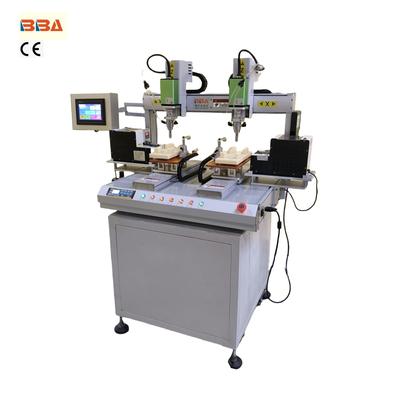
body { font-family: Arial, sans-serif; line-height: 1.6; margin: 20px; color: #333; } h1 { color: #0056b3; font-size: 28px; margin-bottom: 20px; } h2 { color: #003366; font-size: 22px; margin-top: 25px; margin-bottom: 15px; } p { margin-bottom: 15px; text-align: justify; } ul { margin-top: 10px; margin-bottom: 15px; padding-left: 20px; } li { margin-bottom: 8px; } .highlight { background-color: #f0f8ff; padding: 15px; border-radius: 5px; margin: 20px 0; } .keyword { font-weight: bold; color: #0056b3; } Value-Added Services with Multi-Axis Systems In the rapidly evolving landscape of industrial automation, multi-axis motion control systems stand as a cornerstone of modern manufacturing. These sophisticated systems, which coordinate movement across several axes simultaneously, are revolutionizing how complex tasks are performed with unparalleled precision and efficiency. However, the true power of these systems is unlocked not just by the hardware itself, but through a comprehensive suite of value-added services that ensure optimal performance, longevity, and a rapid return on investment. Beyond the Hardware: The Critical Role of Integration Deploying a multi-axis system is far more than a simple plug-and-play operation. The complexity involved in synchronizing motors, drives, and controllers demands expert system integration. Professional integration services ensure that all components work in perfect harmony, tailored specifically to your unique application—whether it's intricate robotic assembly, high-speed packaging, or precision machining. This foundational service mitigates risk, reduces startup time, and guarantees that the system performs to its specified capabilities from day one. Customized Programming and Application Engineering Every manufacturing process has its own distinct requirements. Off-the-shelf software solutions often fall short of addressing specific challenges. This is where custom programming and application engineering become invaluable. Specialists can develop tailored software routines that optimize path planning, minimize cycle times, and implement complex motion profiles. This deep level of customization enhances flexibility, allowing for the execution of highly specialized tasks that provide a significant competitive edge. Key Value-Added Services Include: Comprehensive System Design & Simulation: Virtual modeling of the entire system to predict performance, identify potential issues, and validate concepts before physical implementation. Advanced Training & Knowledge Transfer: Empowering your workforce with the skills needed to operate, maintain, and troubleshoot the system effectively, maximizing uptime and productivity. Proactive Maintenance & Remote Diagnostics: Utilizing connected technology to monitor system health, predict maintenance needs, and often resolve issues remotely, preventing costly unplanned downtime. Technical Support & Lifecycle Management: Providing ongoing assistance, from troubleshooting to upgrades, ensuring your system evolves alongside your production needs and technological advancements. Driving Operational Excellence and Future-Proofing The investment in a multi-axis system is significant, and protecting that investment is paramount. Value-added services are the key to future-proofing your automation assets. Through continuous support and updates, your system can adapt to new products, processes, and technologies. This approach transforms a capital expense into a long-term strategic partnership focused on driving continuous operational excellence, enhancing overall equipment effectiveness (OEE), and sustaining a robust bottom line. In conclusion, while multi-axis systems provide the mechanical means to achieve advanced automation, it is the layer of value-added services that truly delivers their promised potential. These services ensure seamless integration, customized operation, and sustained performance, turning sophisticated technology into a reliable and powerful driver of your manufacturing success. Product Name Applicable industries Screw Locking Robot Telecommunication Equipment Assembly
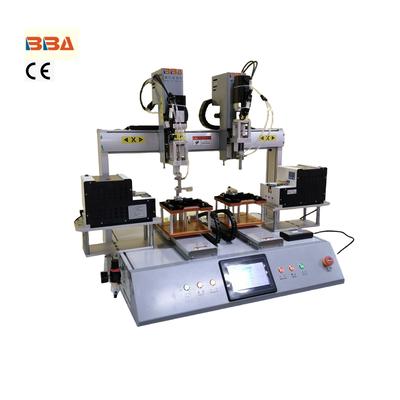
Product NameApplicable industriesSmart Screw Driving MachineToy and Game Console ProductionCombining Dispensing and Robotic Screw DrivingIn the rapidly evolving landscape of industrial automation, integrating multiple processes into a single, streamlined operation has become a key strategy for enhancing efficiency, precision, and productivity. One of the most impactful integrations is the combination of dispensing and robotic screw driving technologies. This synergy not only optimizes manufacturing workflows but also opens new possibilities for innovation and quality assurance.Dispensing systems are widely used in industries such as electronics, automotive, and consumer goods for applying adhesives, sealants, lubricants, and other materials with high accuracy. Meanwhile, robotic screw driving automates the fastening process, ensuring consistent torque and reducing the risk of human error. By merging these two functions into a cohesive unit, manufacturers can achieve a seamless assembly process that minimizes handling, reduces cycle times, and improves overall product reliability.Benefits of IntegrationThe integration of dispensing and robotic screw driving offers several compelling advantages. First, it eliminates the need for separate workstations, saving valuable floor space and reducing material transfer between stages. This consolidation leads to a more compact production line and lower operational costs.Second, combining these processes enhances precision and repeatability. For instance, in applications where adhesives are used alongside mechanical fasteners, the robotic system can first dispense the exact amount of adhesive required and then immediately drive the screw into place. This ensures optimal bonding and fastening without delays or misalignments that might occur if the processes were separated.Third, this integration supports better quality control. With sensors and vision systems often embedded in modern automation equipment, the combined system can verify the presence and correct application of adhesives, as well as monitor screw driving parameters such as torque and depth. Any deviations can be detected in real-time, allowing for immediate corrections and reducing the likelihood of defects.Applications Across IndustriesThe versatility of combined dispensing and screw driving makes it suitable for a wide range of applications. In the electronics industry, for example, it is used to assemble devices where components must be both glued and screwed for added security and vibration resistance. Automotive manufacturers employ this technology for installing interior panels, sensors, and electrical modules that require sealing and fastening. Similarly, in aerospace and medical device production, where precision and reliability are critical, integrated systems ensure compliance with stringent standards.Moreover, the flexibility of robotic automation allows for easy adaptation to different product designs and volumes. Whether for high-volume mass production or customized, low-volume batches, the system can be programmed to handle varying dispensing patterns and screw types with minimal changeover time.Future OutlookAs industries continue to embrace smart manufacturing and Industry 4.0 principles, the integration of dispensing and robotic screw driving is expected to become even more sophisticated. Advances in artificial intelligence and machine learning will enable predictive maintenance, self-optimization, and greater autonomy. Additionally, the rise of collaborative robots (cobots) will make these integrated systems more accessible to small and medium-sized enterprises, further democratizing advanced automation.In conclusion, the combination of dispensing and robotic screw driving represents a significant step forward in industrial automation. By unifying these processes, manufacturers can achieve higher efficiency, improved product quality, and greater flexibility. As technology continues to evolve, this integration will undoubtedly play a pivotal role in shaping the future of manufacturing.
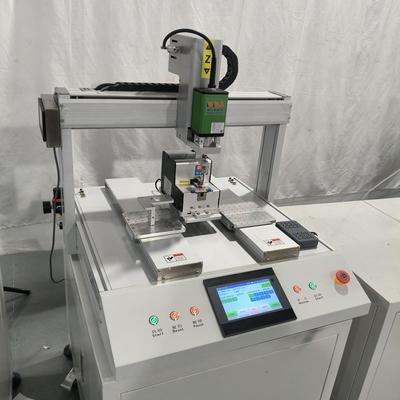
Product Name Applicable industries Desktop Screwdriver Robot LED Lighting Industry The global industrial landscape is undergoing a profound transformation, driven by the increasing adoption of automation technologies. Among these, automated fastening systems have emerged as a critical component, revolutionizing assembly processes across various sectors. The demand for these systems is experiencing significant growth, fueled by the need for higher efficiency, improved quality, and reduced operational costs. Automated fastening systems encompass a wide range of solutions, including robotic screwdriving, nut running, and precision tightening applications. These systems are designed to handle repetitive tasks with unparalleled accuracy and consistency, eliminating human error and enhancing overall productivity. In industries such as automotive, electronics, aerospace, and consumer goods, the integration of automated fastening technology has become essential for maintaining competitive advantage. One of the primary drivers behind the growing demand is the relentless pursuit of precision. Manual fastening processes are inherently variable, often leading to inconsistencies in torque application, which can compromise product quality and safety. Automated systems, however, ensure that every fastener is applied with exact specifications, reducing the risk of defects and recalls. This level of reliability is particularly crucial in sectors where safety and performance are paramount. Another key factor contributing to the rise in demand is the need for scalability. As markets evolve and production volumes fluctuate, manufacturers require flexible solutions that can adapt to changing requirements. Automated fastening systems offer the versatility to handle diverse product designs and production rates without significant reconfiguration. This adaptability allows companies to respond swiftly to market demands while optimizing resource utilization. Labor shortages and rising labor costs are also prompting industries to invest in automation. By deploying automated fastening systems, manufacturers can reduce their reliance on manual labor, mitigate the impact of workforce challenges, and reallocate human resources to more value-added tasks. This shift not only improves operational efficiency but also enhances employee satisfaction by reducing repetitive and physically demanding work. Technological advancements are further accelerating the adoption of automated fastening systems. Innovations such as vision-guided robotics, intelligent torque control, and IoT-enabled monitoring have elevated the capabilities of these systems. Real-time data collection and analysis enable predictive maintenance, minimize downtime, and provide valuable insights for process optimization. These smart features are transforming fastening from a mundane task into a strategic function within the manufacturing ecosystem. The global push for sustainability is also influencing the demand for automated fastening solutions. By optimizing material usage and reducing waste through precise application, these systems contribute to more environmentally friendly manufacturing practices. Additionally, the energy efficiency of modern automated equipment aligns with corporate sustainability goals, making them an attractive investment for forward-thinking organizations. In conclusion, the global demand for automated fastening systems is poised for continued growth as industries recognize their multifaceted benefits. From enhancing precision and scalability to addressing labor challenges and supporting sustainability initiatives, these systems are integral to the future of manufacturing. As technology continues to evolve, automated fastening will undoubtedly play an even more pivotal role in shaping efficient, reliable, and innovative industrial processes worldwide.
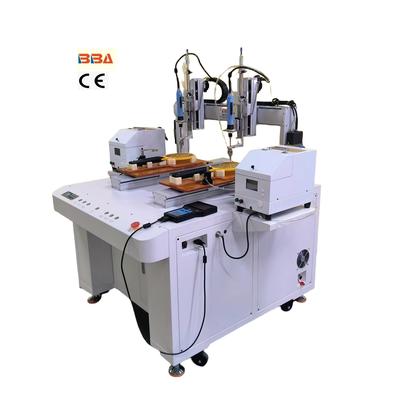
body { font-family: Arial, sans-serif; line-height: 1.6; color: #333; margin: 20px; } h1 { color: #0056b3; font-size: 28px; margin-bottom: 15px; } h2 { color: #004a93; font-size: 22px; margin-top: 25px; margin-bottom: 10px; } p { margin-bottom: 15px; } ul, ol { margin-bottom: 15px; margin-left: 20px; } li { margin-bottom: 5px; } strong { color: #0056b3; } Cost-Benefit Analysis of Screw Locking Automation In the competitive landscape of modern manufacturing, efficiency, reliability, and cost control are paramount. One critical yet often overlooked process is screw locking—the application of thread-locking adhesives to fasteners to prevent loosening under vibration and stress. While traditionally a manual operation, automating this process presents a significant opportunity for operational improvement. This article provides a comprehensive cost-benefit analysis of implementing screw locking automation, highlighting the tangible and intangible advantages for manufacturing operations. Understanding the Initial Investment The decision to automate any process begins with a clear understanding of the initial capital expenditure. For screw locking automation, this includes the cost of the automated dispensing systems, which may range from benchtop units for lower-volume applications to fully integrated robotic cells for high-speed production lines. Additional costs often involve system integration into existing assembly workflows, potential facility modifications, and operator training programs. While this upfront investment can be substantial, it is crucial to view it through the lens of long-term return and total cost of ownership. Quantifying the Tangible Benefits and Cost Savings The financial advantages of automation are typically realized through direct cost savings and increased productivity. Key areas of impact include: Labor Cost Reduction: Manual screw locking is repetitive, time-consuming, and requires consistent operator attention. Automation significantly reduces the labor hours dedicated to this task, allowing personnel to be redeployed to higher-value, more complex operations, thereby optimizing labor costs. Enhanced Throughput and Yield: Automated systems operate at consistently high speeds without fatigue, directly increasing the throughput of your assembly line. Furthermore, they drastically reduce human error, such as missed fasteners or incorrect adhesive application. This improvement in first-pass yield minimizes costly rework, scrap, and potential field failures. Material Savings: Precision automated dispensers apply a consistent, measured amount of thread-locker every time. This eliminates the waste and variability associated with manual application, leading to direct savings on consumable material costs over time. Improved Quality and Reliability: The consistent application ensures every fastener is secured to the exact same specification, enhancing the overall quality and long-term reliability of the final product. This reduces warranty claims and protects brand reputation. Evaluating the Intangible Strategic Advantages Beyond the easily quantifiable savings, automation offers strategic benefits that strengthen a company's market position: Workplace Safety and Ergonomics: Automating a repetitive manual task reduces the risk of repetitive strain injuries among operators, creating a safer work environment and potentially lowering associated insurance costs. Production Scalability and Flexibility: Automated systems can be programmed for different products and batch sizes, providing the flexibility to adapt quickly to changing market demands and production schedules without significant retooling or retraining delays. Data and Traceability: Modern automation systems provide valuable data on the production process, including output counts, error rates, and material usage. This data is essential for process optimization, traceability, and continuous improvement initiatives. Conducting Your Own Analysis A thorough cost-benefit analysis for your specific operation should involve calculating the Total Cost of Ownership (TCO) of the automation system against the projected savings. Factor in the initial investment, ongoing maintenance costs, and the projected savings from labor, material, quality improvements, and reduced downtime. The payback period—the time it takes for the savings to equal the initial investment—is a key metric. For many companies, automation projects for processes like screw locking demonstrate a compelling ROI, with payback periods often achievable within a few years, followed by ongoing annual savings. In conclusion, while the path to automation requires careful planning and investment, the financial and operational benefits of automating the screw locking process are clear. From direct cost savings and quality enhancements to improved safety and scalability, the advantages contribute significantly to building a more efficient, reliable, and competitive manufacturing operation. A detailed, company-specific analysis is the most effective way to validate these benefits and build a strong business case for automation. Product Name Applicable industries Screw Locking Robot Electric Bicycle Assembly
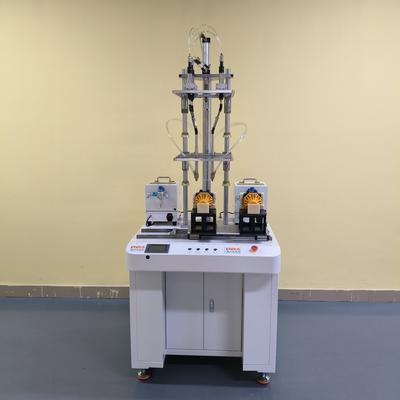
In the fast-paced world of manufacturing, efficiency and precision are paramount. One tool that has revolutionized assembly lines across industries is the automatic screw feeder. These systems are designed to streamline the screwdriving process, offering a multitude of benefits that directly impact productivity, quality, and operational costs. For any company involved in assembly or production, integrating automatic screw feeders is a significant step toward modernizing and optimizing their workflow. First and foremost, automatic screw feeders dramatically increase production speed. Manual screwdriving is a time-consuming and repetitive task prone to human fatigue. Operators must pick up each screw, position it, and drive it in—a process that slows down the entire line. Automatic feeders eliminate these steps by presenting screws correctly oriented and ready to be driven at the push of a button or trigger. This continuous feeding allows operators to focus on placement and activation, cutting cycle times and enabling a much higher output. In high-volume manufacturing environments, this boost in speed is a game-changer, allowing businesses to meet demanding deadlines and scale production effortlessly. Beyond speed, these systems greatly enhance consistency and product quality. Human operators can make mistakes—cross-threading, over-torquing, or under-torquing screws are common issues that lead to product defects, rework, and potential failures. Automatic screw feeders are often integrated with precision electric or pneumatic screwdrivers that apply a pre-set torque consistently for every single screw. This ensures every joint is perfectly fastened according to specifications, drastically reducing the defect rate. The result is a more reliable final product, improved customer satisfaction, and a stronger brand reputation for quality. Another critical advantage is the notable improvement in worker safety and ergonomics. Repetitive strain injuries (RSIs) in the wrists, hands, and shoulders are a significant concern for workers performing manual screwdriving tasks thousands of times a day. Automatic feeders reduce the repetitive motions of picking and positioning screws, minimizing physical strain and the risk of RSIs. This leads to a healthier, more comfortable workforce, lower absenteeism, and reduced costs associated with workplace injuries. Furthermore, it boosts operator morale, as employees can engage in more value-added and less monotonous work. From a cost perspective, the investment in automatic screw feeding technology quickly pays for itself. While there is an initial capital outlay, the returns are substantial. The combination of higher throughput, reduced labor costs per unit, fewer defects requiring rework or scrap, and lower costs from injury-related downtime contributes to a very attractive return on investment (ROI). Additionally, these systems help reduce material waste by ensuring screws are not dropped or lost during handling, contributing to a leaner and more cost-effective operation. Finally, automatic screw feeders offer remarkable flexibility. Modern systems can be configured to handle a wide variety of screw sizes and types, from tiny M1 screws to larger fasteners. They can be mounted on benches, integrated into automated assembly robots, or even used in portable units for larger products. This adaptability makes them suitable for a diverse range of applications, from electronics and automotive assembly to consumer appliances and medical device manufacturing. In conclusion, the benefits of using automatic screw feeders in manufacturing are clear and compelling. They are not merely a convenience but a strategic tool for any business seeking a competitive edge. By delivering unmatched speed, unwavering consistency, enhanced workplace safety, and a strong financial return, automatic screw feeders have become an indispensable component of the modern, efficient, and high-quality manufacturing floor. Product Name Applicable industries Auto Screwdriver Machine Smart Wearables Production
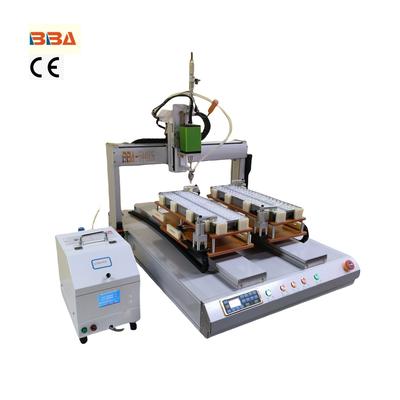
Product Name Applicable industries Servo Screwdriver Robot Electric Bicycle Assembly body { font-family: Arial, sans-serif; line-height: 1.6; margin: 20px; } h2 { color: #2c3e50; } h3 { color: #3498db; margin-top: 20px; } p { margin-bottom: 15px; } ul { margin-bottom: 15px; padding-left: 20px; } li { margin-bottom: 8px; } strong { color: #e74c3c; } How to Train Staff on Screw Tightening Machines Effective training is crucial for maximizing productivity, ensuring product quality, and maintaining a safe working environment when using industrial screw tightening machines. A well-trained operator can significantly reduce error rates, minimize machine downtime, and prevent costly rework. This guide outlines a comprehensive approach to training your staff on these essential pieces of equipment. 1. Foundational Knowledge: The Theory Behind the Tool Before an operator ever touches a machine, they must understand the fundamental principles. Begin with classroom-style sessions covering: The Importance of Precision: Explain how correct torque and angle directly impact product integrity, safety, and performance. Machine Components: Break down the key parts of the screw tightening machine, including the controller, motor, spindle, and tooling. Key Terminology: Ensure everyone is fluent in terms like torque (Nm, lbf-in), angle, yield, and rundown. Clarify the difference between hard joints and soft joints. Error Codes & Diagnostics: Introduce common error messages and their meanings. This empowers operators to understand what the machine is communicating. 2. Hands-On Practical Training Theoretical knowledge must be cemented with practical, supervised experience. This phase should be conducted in a controlled training environment. Machine Setup & Changeover: Train staff on how to safely install and change bits, adjust fixtures, and select the correct program for a specific task. Running a Cycle: Demonstrate the entire process, from placing the component and positioning the tool to initiating the tightening cycle. Emphasize ergonomic handling to prevent strain. Verification and Quality Control: Show operators how to verify a successful tightening cycle using the machine's data output. Introduce them to using manual torque testers for periodic audits. Basic Troubleshooting: Guide them through resolving common issues like cross-threading, missed screws, or error alarms. Teach them the "stop, assess, report" procedure for more complex faults. 3. Emphasizing Safety Above All Else Safety training is non-negotiable. Every operator must be aware of the potential hazards. Personal Protective Equipment (PPE): Mandate and provide safety glasses, hearing protection, and gloves where appropriate. Pinch Points and Ergonomics: Clearly identify all machine pinch points. Train on proper posture and handling techniques to avoid repetitive strain injuries. Emergency Procedures: Ensure everyone knows the location and operation of emergency stop buttons and understands lockout/tagout (LOTO) procedures for maintenance. 4. Leveraging Technology for Enhanced Learning Modern screw tightening machines are data-rich. Use this to your advantage. Data Monitoring: Train supervisors and operators on how to interpret process data and histograms. This turns abstract concepts into visible results, showing the spread of torque values and identifying out-of-spec results. Simulation Mode: Utilize the machine’s simulation or training mode to allow practice without consuming actual components or affecting production statistics. 5. Documentation and Continuous Improvement Training should not be a one-time event. Create a culture of continuous learning. Create Accessible SOPs: Develop clear, visual Standard Operating Procedures (SOPs) that are readily available at the workstation. Certification Program: Implement a formal certification process where operators must demonstrate competency in both theory and practice to be qualified to use the machine independently. Refresher Courses: Schedule periodic refresher training to address bad habits, introduce new features, and reinforce safety protocols. Investing in a structured, multi-stage training program for screw tightening machines is an investment in your company's efficiency, quality, and most importantly, the safety of your workforce. By building a foundation of knowledge, providing ample hands-on practice, and fostering a culture of continuous improvement, you will empower your operators to become proficient and valuable contributors to your production process.
Product Name Applicable industries CNC Screw Fastener PCB and Circuit Board Assembly body { font-family: Arial, sans-serif; line-height: 1.6; color: #333; margin: 20px; } h1 { color: #0056b3; font-size: 28px; margin-bottom: 20px; } h2 { color: #003366; font-size: 22px; margin-top: 25px; margin-bottom: 15px; } p { margin-bottom: 15px; text-align: justify; } ul { margin-bottom: 15px; padding-left: 20px; } li { margin-bottom: 8px; } .highlight { background-color: #f5f5f5; padding: 15px; border-radius: 5px; margin: 20px 0; } Intelligent Feeding Systems for Continuous Fastening In the realm of industrial automation, efficiency and precision are paramount. The advent of Intelligent Feeding Systems has revolutionized the way manufacturing and assembly lines handle continuous fastening processes. These advanced systems are designed to streamline operations, reduce downtime, and enhance overall productivity by ensuring a seamless and reliable supply of fasteners such as screws, bolts, and rivets to automated tools. The Core Technology Behind Intelligent Feeding Intelligent Feeding Systems integrate sophisticated technologies to deliver fasteners with unparalleled accuracy and speed. At the heart of these systems are high-precision vibratory bowls or centrifugal feeders that orient and feed components correctly. Coupled with advanced sensors and vision systems, they can detect and reject defective or misoriented parts in real-time, preventing jams and ensuring only perfect fasteners reach the point of use. Modern systems are equipped with IoT connectivity and data analytics capabilities. This allows for continuous monitoring of feeding performance, predictive maintenance alerts, and remote troubleshooting. By analyzing data on feed rates, jam occurrences, and component quality, these systems can self-optimize, reducing unplanned stoppages and maintenance costs significantly. Key benefits of implementing an Intelligent Feeding System include a dramatic reduction in manual intervention, a decrease in fastener waste, and a substantial improvement in the overall equipment effectiveness (OEE) of the production line. Enhancing Flexibility and Scalability Today's manufacturing demands require systems that are not only efficient but also highly adaptable. Intelligent Feeding Systems are designed with modularity in mind, allowing for quick changeovers between different fastener types and sizes. This flexibility is crucial for production lines that handle high-mix, low-volume batches, enabling manufacturers to respond swiftly to changing market demands without costly retooling or extended downtime. Scalability is another critical advantage. Whether integrated into a single workstation or a complex multi-station assembly cell, these systems can be easily expanded or reconfigured. This ensures that as production volumes grow or new product lines are introduced, the feeding technology can grow accordingly, protecting the initial investment and future-proofing the operation. Driving Quality and Consistency Consistent quality in fastening is non-negotiable for product integrity and safety. Intelligent Feeding Systems play a pivotal role in achieving this by guaranteeing that the right fastener is delivered at the right time and in the correct orientation. This eliminates human error and variability, leading to a dramatic reduction in defects related to missed, cross-threaded, or improperly torqued fasteners. The integration of these systems with smart electric torque tools further enhances quality control. The feeding system can communicate directly with the tool, providing data on the fastener being delivered and confirming its specifications. This closed-loop process ensures every joint is completed to exact engineering specifications, with all data recorded for full traceability and compliance. In conclusion, Intelligent Feeding Systems for continuous fastening are no longer a luxury but a necessity for modern industrial automation. They represent a significant leap forward in creating smarter, more connected, and more efficient manufacturing environments. By investing in this intelligent technology, companies can secure a formidable competitive advantage through superior productivity, unmatched quality, and remarkable operational agility.