8618566785362 8618566785362 8618566785362 phoenix08@bbamachine.com
- All
- Product Name
- Product Keyword
- Product Model
- Product Summary
- Product Description
- Multi Field Search
Views: 0 Author: BBA AUTOMATION Publish Time: 2025-10-04 Origin: BBA AUTOMATION


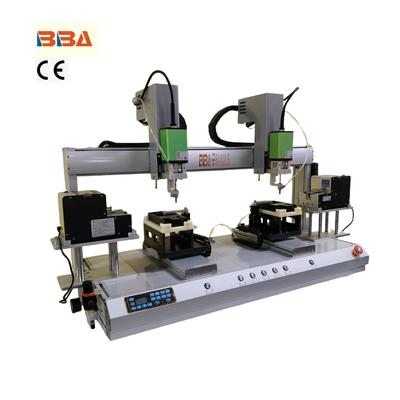
| Product Name | Applicable industries |
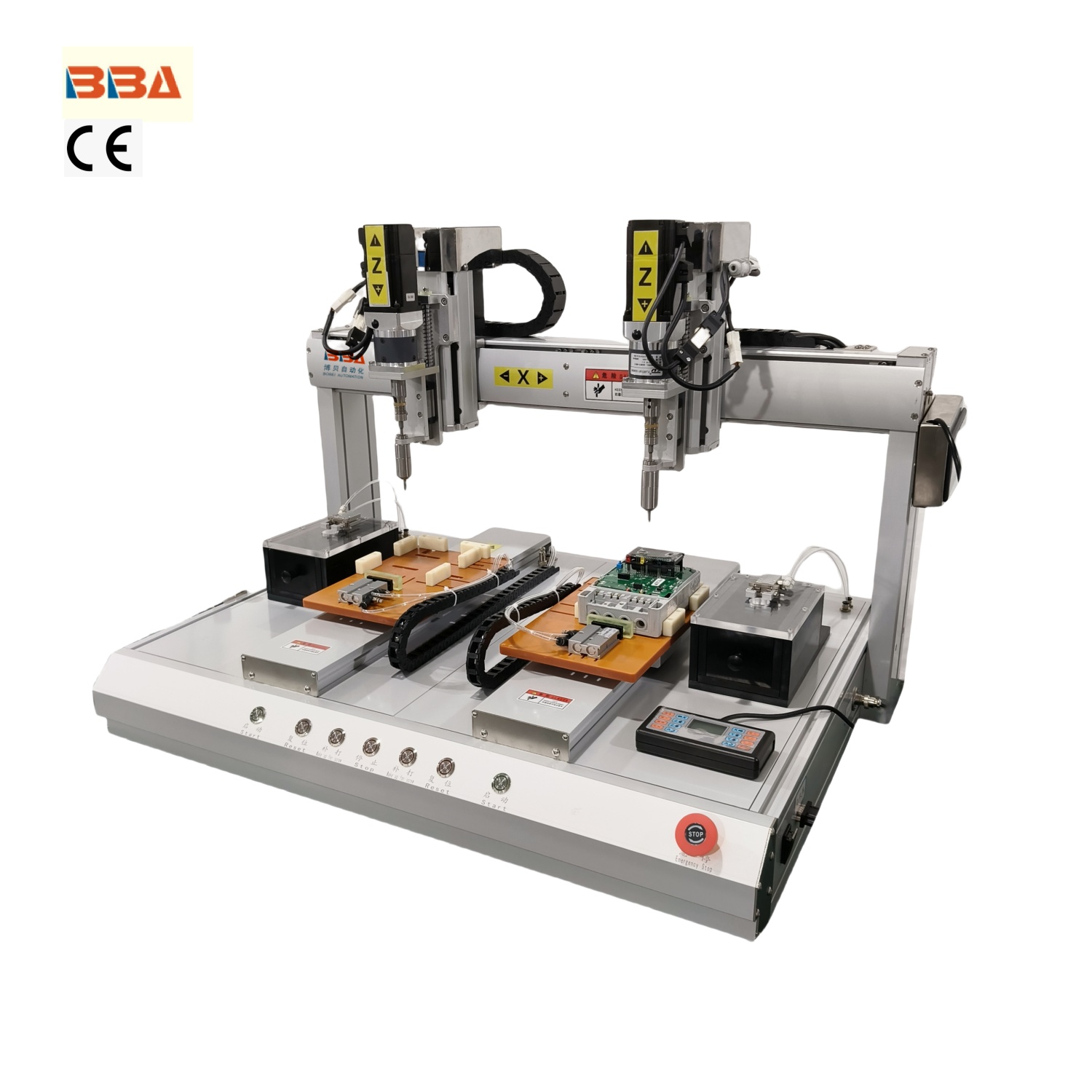
| Dual Head Screwdriver | PCB and Circuit Board Assembly |
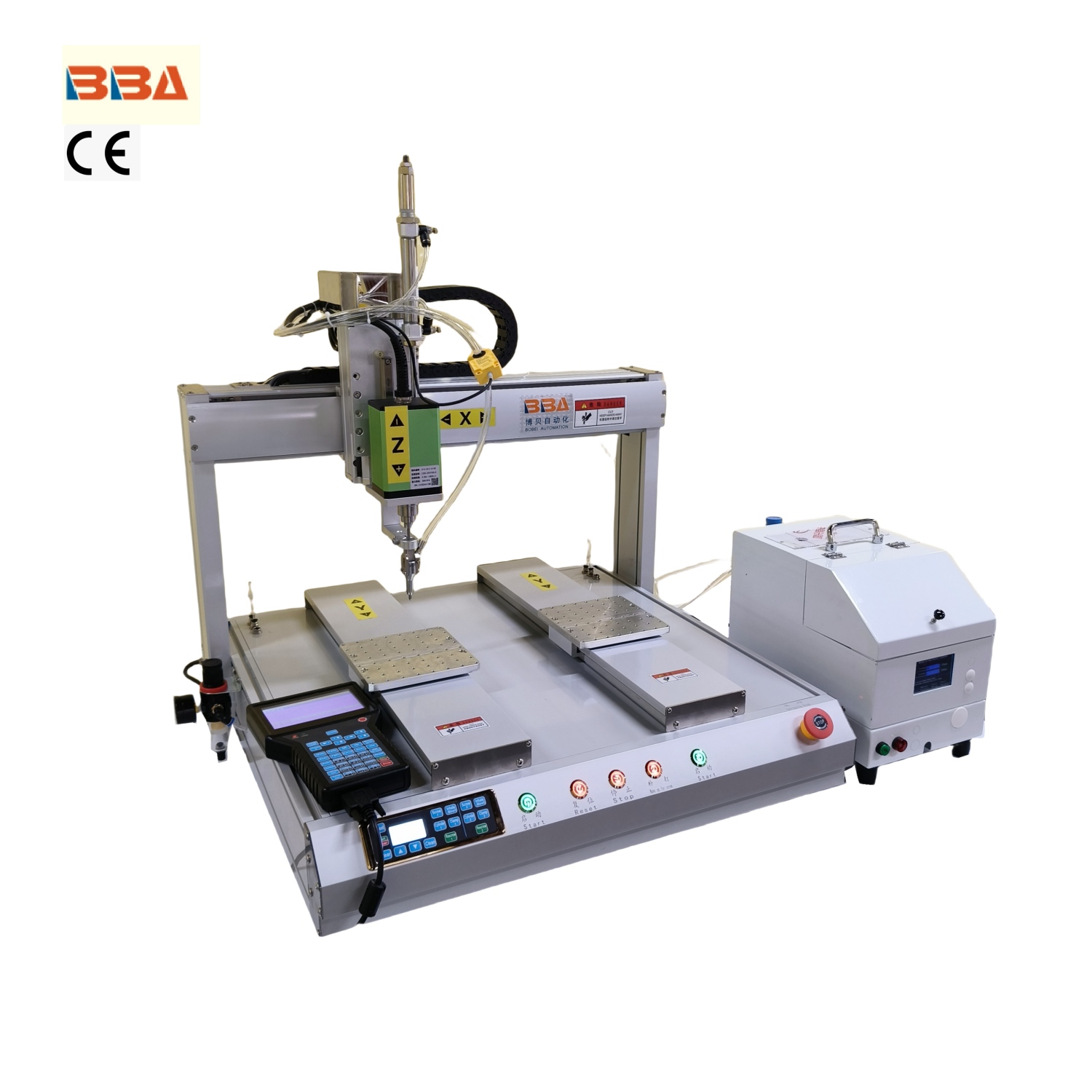
The industrial automation landscape has been revolutionized by the introduction of desktop screw robots. These compact, efficient systems are designed to automate screwdriving tasks with precision and reliability, making them indispensable in modern manufacturing environments. As industries strive for higher productivity and reduced operational costs, the demand for these advanced robots continues to grow. This article explores the key features and benefits of top-tier desktop screw robots, providing insights into what makes them essential tools for automation-driven businesses.
When evaluating desktop screw robots, several critical features stand out. First and foremost is precision. High-quality models offer exceptional accuracy in screw placement and driving, minimizing errors and reducing waste. Speed is another vital factor, as faster cycle times directly translate to increased production output. Additionally, ease of integration into existing production lines is crucial. The best systems are designed with user-friendly interfaces and compatibility with various software platforms, allowing for seamless implementation without significant downtime.
Durability and build quality are also paramount. Industrial environments can be harsh, and equipment must withstand continuous operation without compromising performance. Look for robots constructed from robust materials and featuring advanced motor technology that ensures long-term reliability. Furthermore, flexibility in handling different screw types and sizes is essential for adapting to diverse production needs. Leading models offer customizable options, such as adjustable torque settings and interchangeable heads, to accommodate a wide range of applications.
Modern desktop screw robots are equipped with smart technology, including vision systems and real-time monitoring, which enhance operational efficiency and provide valuable data for process optimization.
Implementing desktop screw robots brings numerous advantages to manufacturing operations. One of the most significant benefits is the reduction in labor costs. By automating repetitive screwdriving tasks, companies can reassign human workers to more complex and value-added activities, thereby optimizing workforce utilization. This not only cuts expenses but also boosts overall productivity by leveraging human ingenuity where it matters most.
Consistency and quality assurance are other critical advantages. Automated systems perform tasks with unwavering accuracy, eliminating variations caused by human fatigue or error. This leads to higher product quality and fewer defects, enhancing customer satisfaction and reducing rework costs. Moreover, these robots contribute to a safer workplace by minimizing the risk of injuries associated with manual screwdriving, such as repetitive strain injuries or accidents involving machinery.
Scalability is yet another benefit. As production demands increase, desktop screw robots can be easily scaled or reconfigured to meet new requirements. Their modular design allows for straightforward upgrades or expansions, ensuring that automation investments remain relevant and effective in the long term. This adaptability is particularly valuable in dynamic industries where product designs and volumes frequently change.
The future of desktop screw robots is shaped by ongoing advancements in technology. Artificial intelligence and machine learning are increasingly being integrated into these systems, enabling predictive maintenance and self-optimization. For instance, AI algorithms can analyze operational data to predict potential failures before they occur, reducing unplanned downtime and maintenance costs. Similarly, machine learning allows robots to continuously improve their performance based on historical data, achieving higher efficiency over time.
Another emerging trend is the emphasis on connectivity and Industry 4.0 compatibility. Modern desktop screw robots are designed to communicate with other smart devices and central management systems, facilitating real-time data exchange and remote monitoring. This interconnectedness supports the creation of fully automated, intelligent production lines where every component works in harmony to maximize output and minimize waste.
In conclusion, desktop screw robots represent a significant leap forward in industrial automation. Their ability to enhance precision, efficiency, and flexibility makes them valuable assets for any manufacturing operation. By carefully considering key features and staying abreast of technological trends, businesses can select the ideal system to meet their specific needs and drive future growth.