8618566785362 8618566785362 8618566785362 phoenix08@bbamachine.com
- All
- Product Name
- Product Keyword
- Product Model
- Product Summary
- Product Description
- Multi Field Search

Views: 0 Author: BBA AUTOMATION Publish Time: 2025-09-29 Origin: BBA AUTOMATION


| Product Name | Applicable industries |
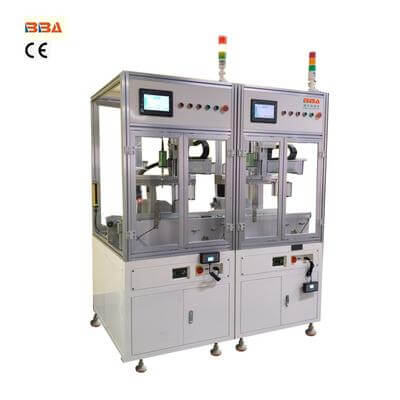
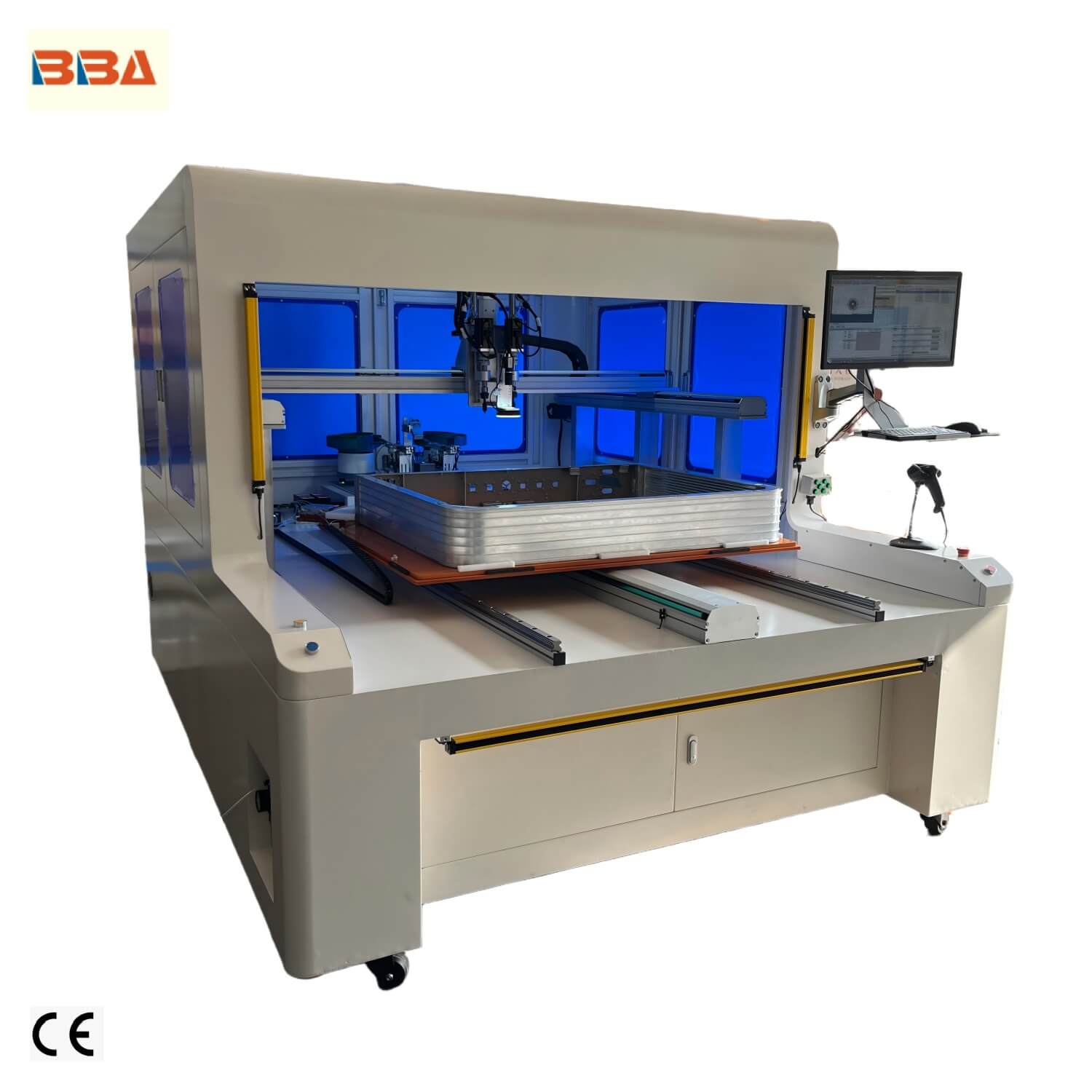
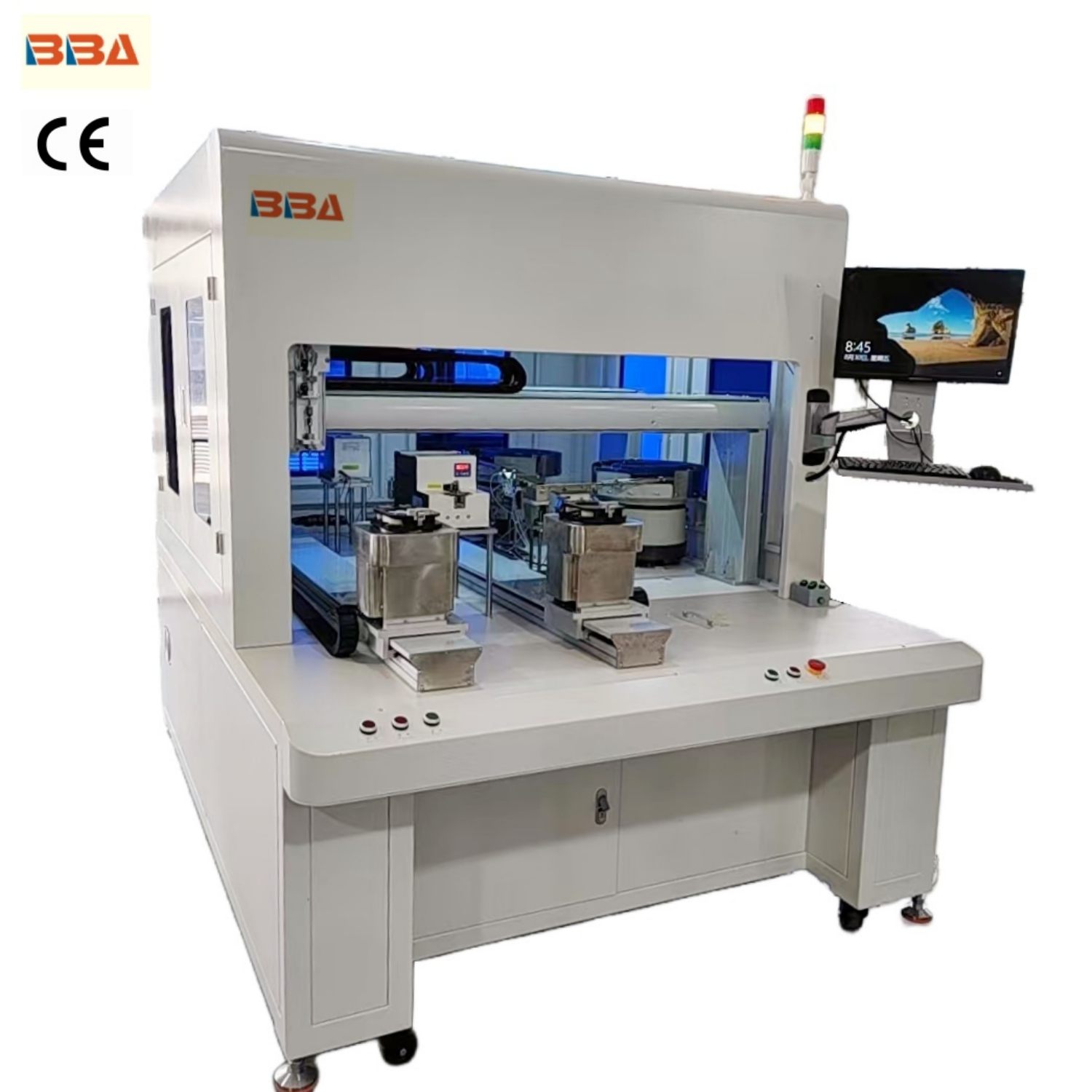
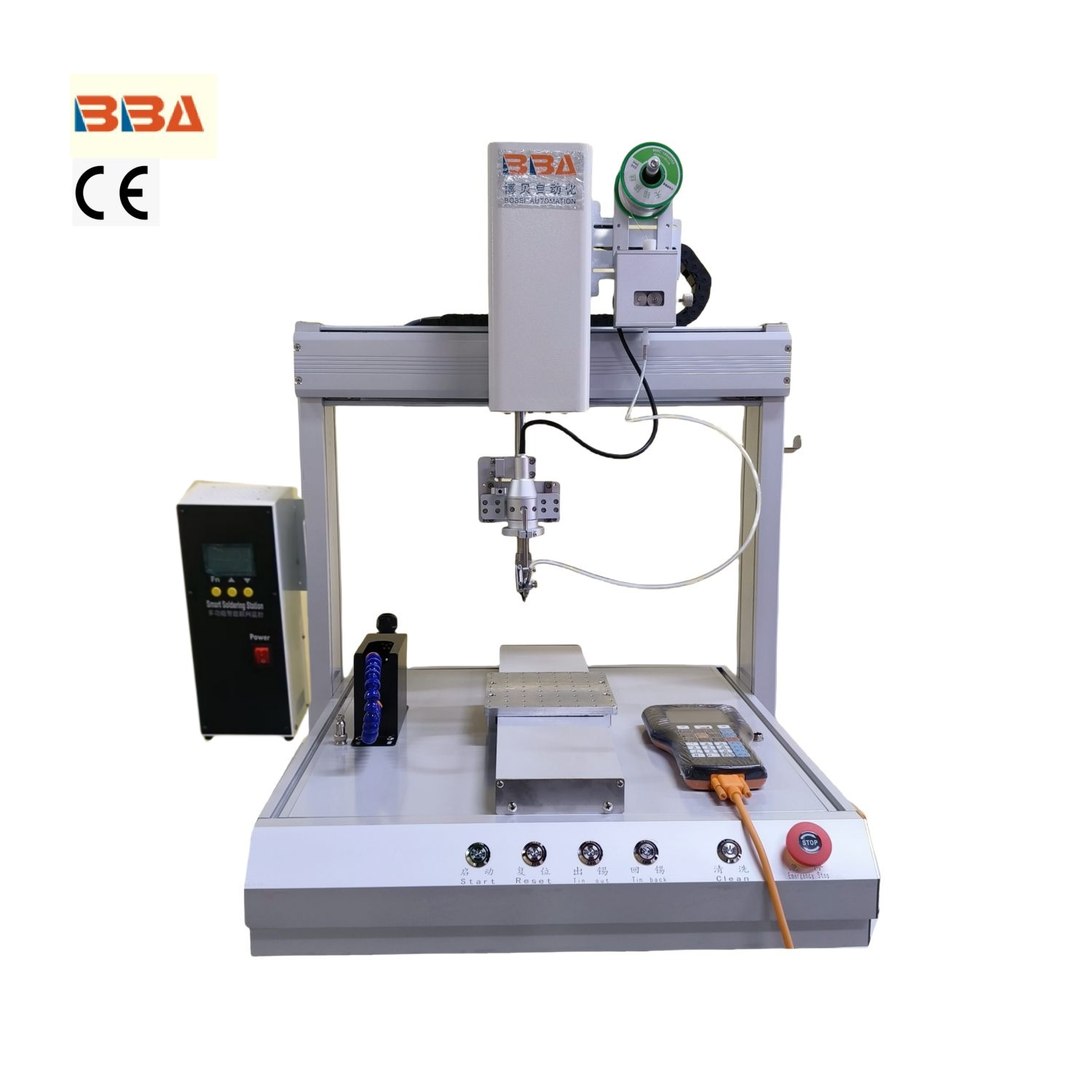
| Screw Locking Robot | Laptop and Tablet Assembly |
The evolution of screw automation has been significantly driven by advancements in software technology. As industries strive for higher efficiency, precision, and flexibility, the role of software in screw automation systems has become increasingly critical. Modern software solutions are transforming how automated screwdriving processes are programmed, monitored, and optimized, leading to substantial improvements in production quality and operational throughput.
One of the most prominent trends is the integration of intuitive graphical user interfaces (GUIs). These interfaces allow operators to set up and manage screwdriving tasks with minimal training. Through drag-and-drop functionality and visual programming, users can define screw patterns, specify torque settings, and create complex assembly sequences effortlessly. This reduces setup time and minimizes human error, ensuring consistent and reliable operations.
Another key development is the adoption of data analytics and real-time monitoring capabilities. Advanced software systems now collect and analyze data from each screwdriving operation, tracking parameters such as torque, angle, and time. This data is used to detect anomalies, predict maintenance needs, and ensure every screw meets quality standards. By providing detailed insights into the assembly process, manufacturers can achieve higher traceability and reduce the risk of defects.
The rise of connectivity and Industry 4.0 principles is also shaping software trends. Screw automation systems are increasingly designed to seamlessly integrate with broader manufacturing execution systems (MES) and enterprise resource planning (ERP) platforms. This enables centralized control, remote diagnostics, and adaptive production scheduling. Such connectivity supports smart factory initiatives, where automated screwdriving cells can communicate with other machinery to optimize workflow and respond dynamically to changing production demands.
Furthermore, software enhancements are focusing on adaptability and flexibility. With the growing need for high-mix, low-volume production, screw automation software must accommodate rapid changeovers and diverse product designs. Features like recipe management, vision system integration, and error recovery algorithms allow systems to handle varied screw types, sizes, and orientations without extensive reconfiguration. This flexibility is essential for manufacturers aiming to stay competitive in fast-evolving markets.
Looking ahead, artificial intelligence (AI) and machine learning are set to play a larger role in screw automation software. These technologies can enable predictive quality control, self-optimizing processes, and autonomous decision-making. For instance, AI algorithms can learn from historical data to fine-tune torque strategies or identify potential failure modes before they occur. As software continues to evolve, it will further enhance the intelligence, efficiency, and reliability of screw automation systems, paving the way for fully autonomous assembly environments.
In conclusion, software is at the heart of the next generation of screw automation. By embracing trends such as user-friendly interfaces, data analytics, connectivity, flexibility, and AI, manufacturers can unlock new levels of performance and innovation. These advancements not only improve operational efficiency but also empower businesses to meet the challenges of modern industrial demands with greater agility and confidence.