8618566785362 8618566785362 8618566785362 phoenix08@bbamachine.com
- All
- Product Name
- Product Keyword
- Product Model
- Product Summary
- Product Description
- Multi Field Search

Views: 0 Author: BBA AUTOMATION Publish Time: 2025-09-29 Origin: BBA AUTOMATION


| Product Name | Applicable industries |
| Inline Screw Locking System | Home Appliance Production |
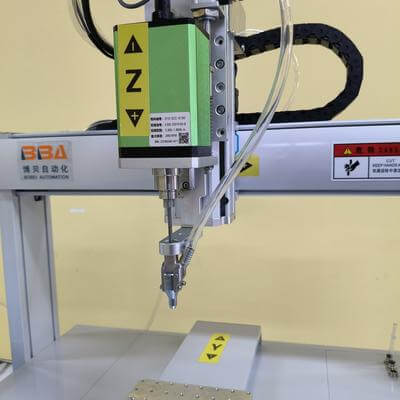
In today's competitive industrial landscape, optimizing energy consumption is not just an environmental responsibility but a critical economic imperative. Servo-based fastening systems have emerged as a powerful solution for manufacturers seeking to enhance precision, reliability, and sustainability in their assembly processes. Unlike traditional pneumatic or hydraulic tools, these advanced systems utilize electric servo motors to deliver exceptional control over torque and angle, significantly reducing energy waste and operational costs.
At the core of energy efficiency in servo-based fastening lies its precise and on-demand power delivery. Traditional pneumatic tools require a constant supply of compressed air, a process that is inherently energy-intensive due to compressor inefficiencies and potential air leaks. In contrast, a servo-driven system consumes electricity only during the actual fastening cycle. The motor activates precisely when needed, applies the exact amount of torque required, and then stops, eliminating idle energy drain. This targeted approach can lead to dramatic reductions in energy consumption, often cutting power usage by 50% or more compared to conventional methods.
The advantages of implementing servo-based fastening extend far beyond direct energy savings. The superior control and repeatability of these systems drastically reduce the incidence of defective fastenings, such as cross-threading or under/over-torquing. This leads to fewer rejected products, less material waste, and a lower need for rework—all of which contribute to a more sustainable and cost-effective operation. Furthermore, the elimination of compressed air systems reduces overhead costs associated with air compressor maintenance, filter changes, and lubrication, adding another layer of operational efficiency.
Modern servo-fastening tools are integral components of the Industry 4.0 ecosystem. They are equipped with sophisticated controllers that collect and analyze real-time data for every fastening operation. This data provides invaluable insights into energy usage patterns, allowing production managers to identify inefficiencies, optimize cycle times, and schedule preventive maintenance to avoid energy-intensive emergency repairs. By leveraging this data, manufacturers can make informed decisions that further streamline their energy consumption and enhance their overall green manufacturing initiatives.
Transitioning to servo-based fastening technology represents a forward-thinking investment. While the initial investment may be higher than that for traditional tools, the return on investment is quickly realized through substantial energy savings, reduced scrap rates, lower maintenance costs, and improved product quality. As global regulations on energy efficiency tighten and consumer demand for sustainably manufactured products grows, adopting such technologies becomes a strategic necessity. Servo-based fastening is a clear win-win, offering a path to both economic gain and a reduced environmental footprint for forward-looking industrial automation companies.