8618566785362 8618566785362 8618566785362 phoenix08@bbamachine.com
- All
- Product Name
- Product Keyword
- Product Model
- Product Summary
- Product Description
- Multi Field Search

Views: 0 Author: BBA AUTOMATION Publish Time: 2025-09-27 Origin: BBA AUTOMATION


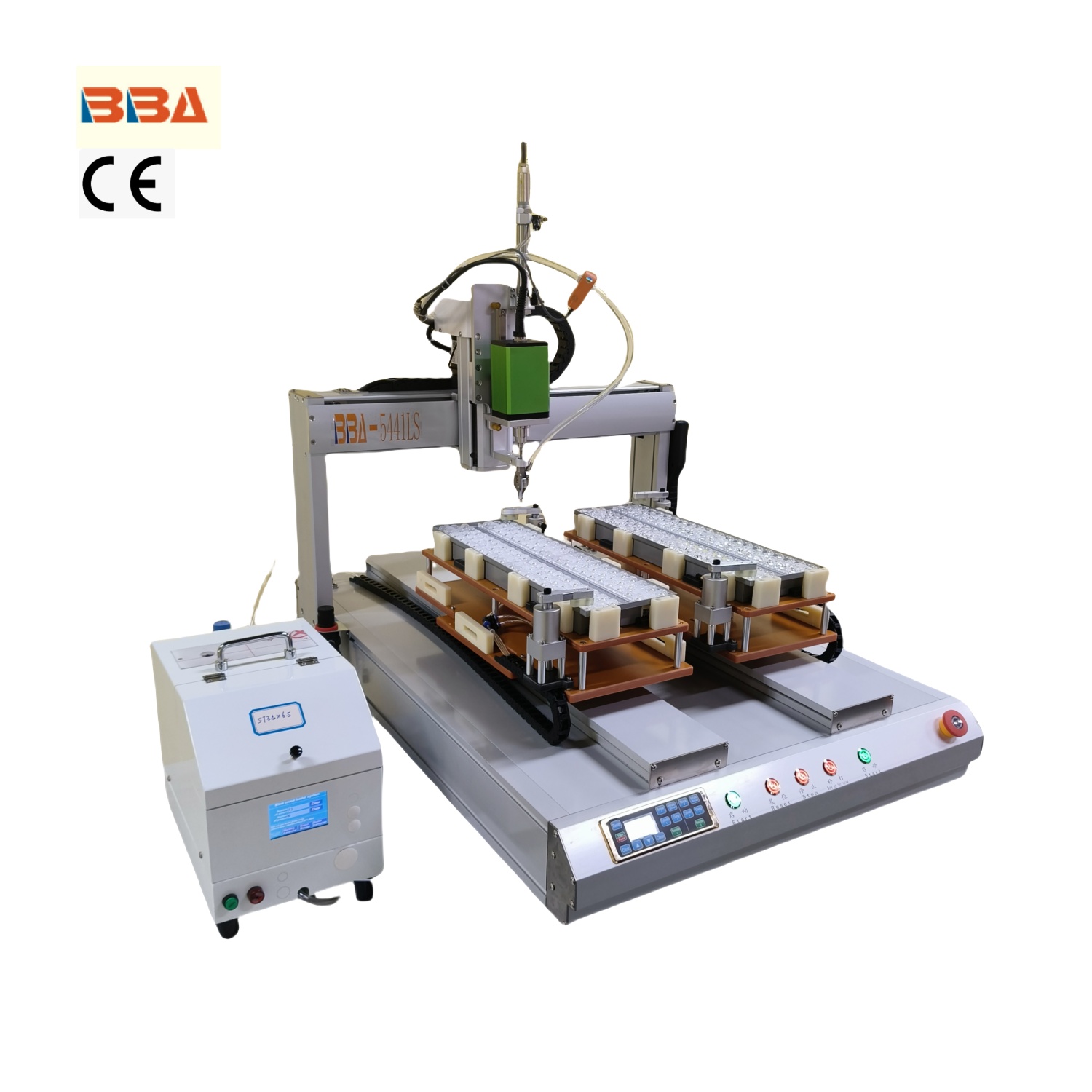
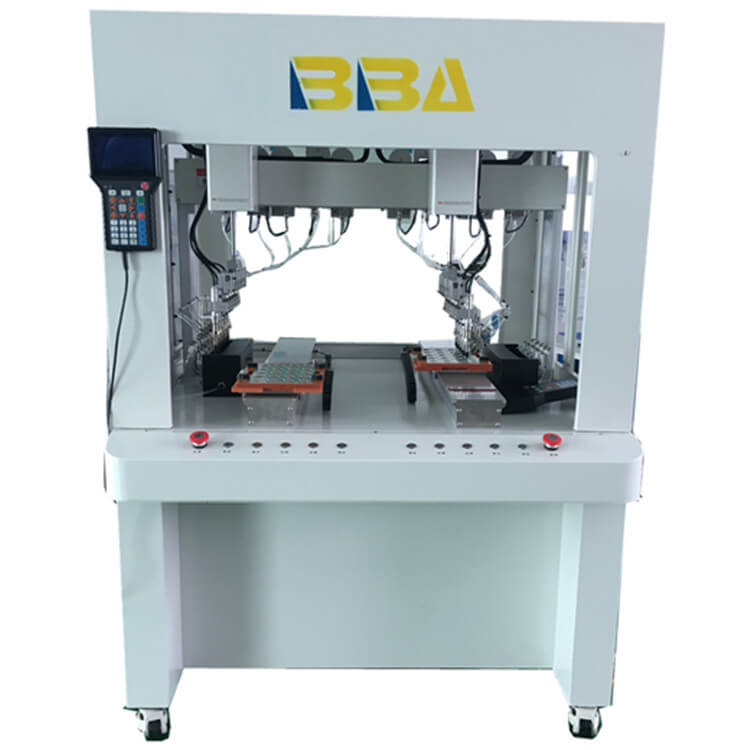
| Product Name | Applicable industries |
| Dual Head Screwdriver | LED Lighting Industry |
In the rapidly evolving landscape of industrial manufacturing, the assembly of home appliances demands precision, speed, and unwavering consistency. One of the most critical processes in this assembly is screw fastening—a task that, when performed manually, can be prone to errors, inconsistencies, and inefficiencies. Enter automated screw systems: advanced technological solutions that are revolutionizing how home appliances are built. These systems not only enhance production quality but also significantly boost operational efficiency, making them indispensable in modern manufacturing facilities.
Automated screw systems are designed to handle the intricate fastening requirements of various home appliances, from refrigerators and washing machines to microwaves and air conditioners. These systems utilize sophisticated robotic mechanisms equipped with precision drivers, feeders, and controllers to place and tighten screws with exact torque and depth. This eliminates common issues such as cross-threading, stripping, or under-tightening, which can compromise product integrity and lead to costly recalls or repairs.
The integration of these systems into assembly lines brings numerous advantages. Firstly, they dramatically increase production speed. Unlike human workers, automated systems can operate continuously without fatigue, maintaining a consistent cycle time and throughput. This is particularly beneficial for high-volume production environments where meeting demand is paramount. Secondly, they enhance quality control. Each screw fastening is logged and monitored, ensuring every product meets stringent quality standards. If a screw is missed or improperly fastened, the system can immediately detect and rectify the issue, reducing defect rates to near zero.
Another significant benefit is the reduction in operational costs. While the initial investment in automation technology may be substantial, the long-term savings are considerable. Automated screw systems minimize material waste by ensuring each screw is used correctly, and they lower labor costs by reducing the need for manual oversight. Additionally, these systems improve workplace safety by taking over repetitive tasks that could lead to musculoskeletal injuries for human workers, fostering a safer and more ergonomic work environment.
Flexibility is also a key feature of modern automated screw systems. They can be programmed to handle multiple screw types and sizes, making them adaptable to various product lines without requiring extensive retooling. This is especially valuable in the home appliance industry, where product designs frequently change to incorporate new features and technologies. With quick changeover capabilities, manufacturers can swiftly transition between different appliances, maintaining agility in a competitive market.
Looking ahead, the role of automation in home appliance assembly will only expand. As technologies like the Internet of Things (IoT) and artificial intelligence (AI) continue to advance, automated screw systems will become even smarter and more connected. They will be able to predict maintenance needs, optimize their own performance in real-time, and seamlessly integrate with other automated processes for end-to-end manufacturing solutions.
In conclusion, automated screw systems represent a pivotal innovation in the industrial automation sector, particularly for home appliance assembly. By delivering unmatched precision, efficiency, and reliability, they empower manufacturers to produce higher-quality products faster and more cost-effectively. As the industry moves towards increasingly intelligent manufacturing, embracing these advanced systems will be essential for any company aiming to lead in the global market.