8618566785362 8618566785362 8618566785362 phoenix08@bbamachine.com
- All
- Product Name
- Product Keyword
- Product Model
- Product Summary
- Product Description
- Multi Field Search

Views: 0 Author: BBA AUTOMATION Publish Time: 2025-10-01 Origin: BBA AUTOMATION


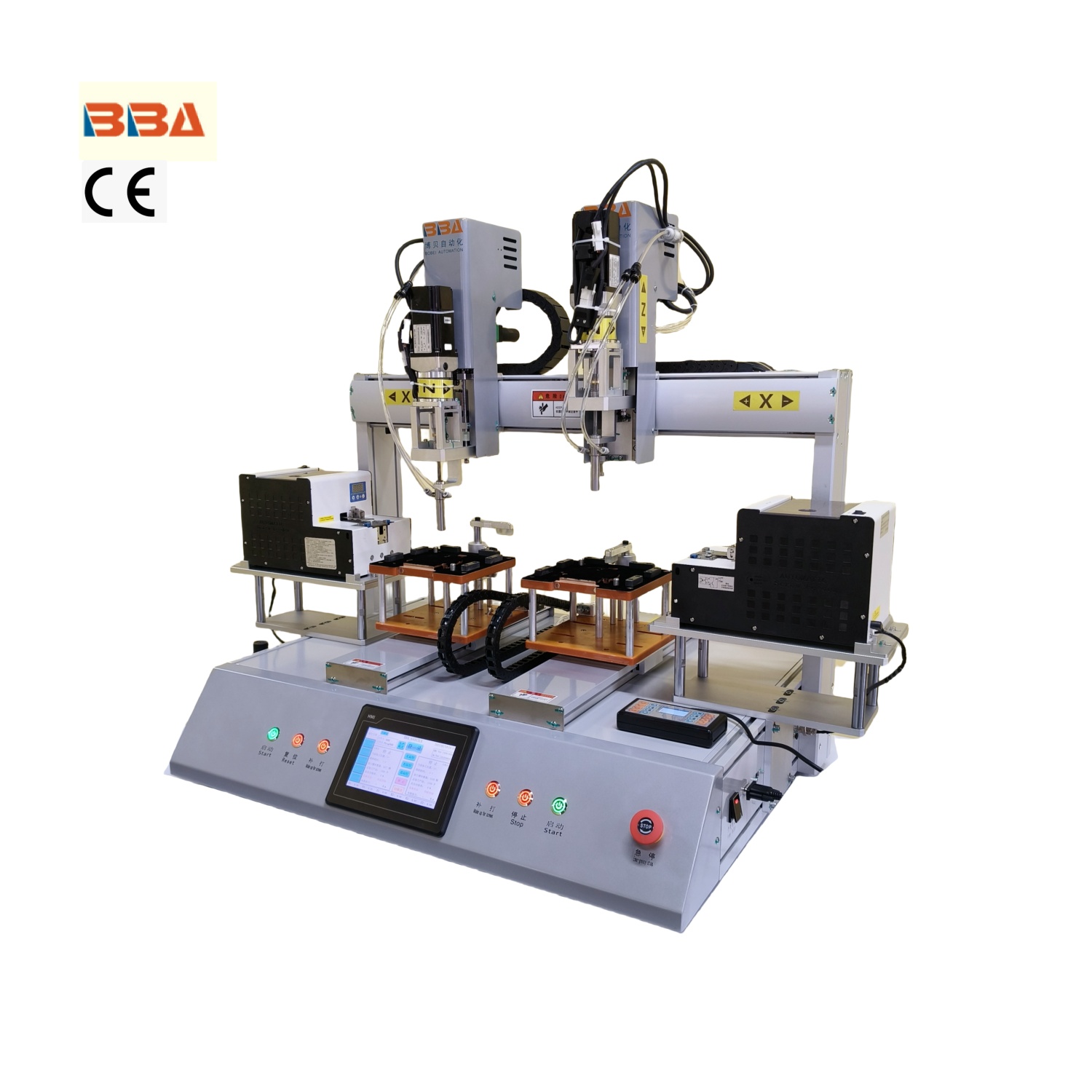
Robotic screw driving systems are integral to modern manufacturing and assembly processes, offering precision, repeatability, and efficiency. Understanding the key components of these systems helps in appreciating their functionality and the technological advancements that make them indispensable in industrial automation.
The robotic arm is the primary manipulator in the system, providing the range of motion required to position the screwdriver tool accurately. Typically equipped with multiple axes, the arm allows for flexible movement in three-dimensional space, enabling access to various angles and tight spaces. The arm’s construction ensures rigidity and minimal vibration during operation, which is critical for maintaining precision.
The screwdriver tool, often an electric or pneumatic driver, is attached to the end of the robotic arm. This tool is designed to handle specific screw types and sizes, and it can be equipped with sensors to monitor torque and rotation speed. This ensures that each screw is driven to the correct tightness without damaging the material or the screw itself.
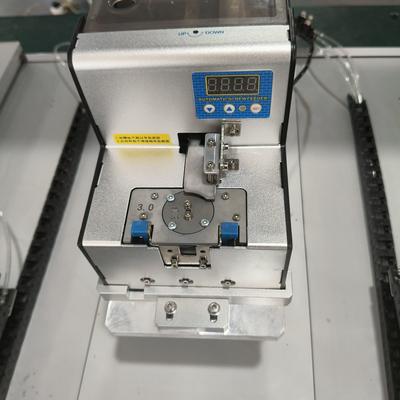
The screw feeder is a vital component that supplies screws to the driver tool automatically. It consists of a vibratory bowl or a tape-based system that orients and delivers screws one at a time. This automation eliminates the need for manual handling, significantly increasing the speed and consistency of the assembly process.
Many advanced robotic screw driving systems incorporate a vision system to enhance accuracy. Cameras and image processing software help the robot identify the exact location of screw holes, even if the workpiece is slightly mispositioned. This allows for real-time adjustments and ensures that the screw is driven correctly every time.
The control system is the brain of the operation, coordinating the movements of the robotic arm, the screw feeder, and the driver tool. It processes inputs from sensors and the vision system to execute tasks with high precision. Modern control systems are often programmable, allowing for easy adaptation to different products and assembly requirements.
Torque sensors are critical for quality control. They measure the torque applied during the screw driving process, ensuring that each screw meets specified tightness standards. If a screw is over-torqued or under-torqued, the sensor can trigger an alert or halt the process, preventing defects and maintaining product quality.
The end effector is the part of the robot that interacts directly with the screw and the workpiece. It includes the driver bit and may feature mechanisms for picking screws from the feeder and placing them accurately. The design of the end effector is crucial for minimizing errors and maximizing efficiency.
In summary, a robotic screw driving system is a sophisticated assembly of components working in harmony to achieve high-speed, precise screw fastening. From the robotic arm and screw feeder to the vision and control systems, each element plays a vital role in ensuring reliability and efficiency. These systems are increasingly becoming a standard in industries where precision and productivity are paramount.
| Product Name | Applicable industries |
| Automatic Screw Feeder | Power Tool Assembly Lines |