8618566785362 8618566785362 8618566785362 phoenix08@bbamachine.com
- All
- Product Name
- Product Keyword
- Product Model
- Product Summary
- Product Description
- Multi Field Search
Views: 0 Author: BBA AUTOMATION Publish Time: 2025-09-30 Origin: BBA AUTOMATION


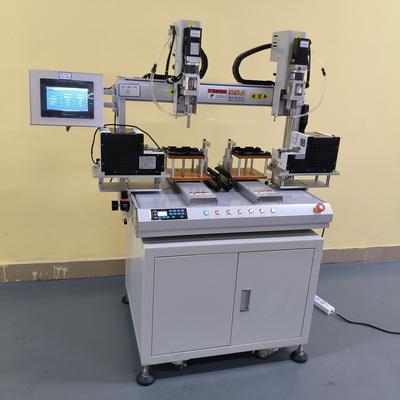
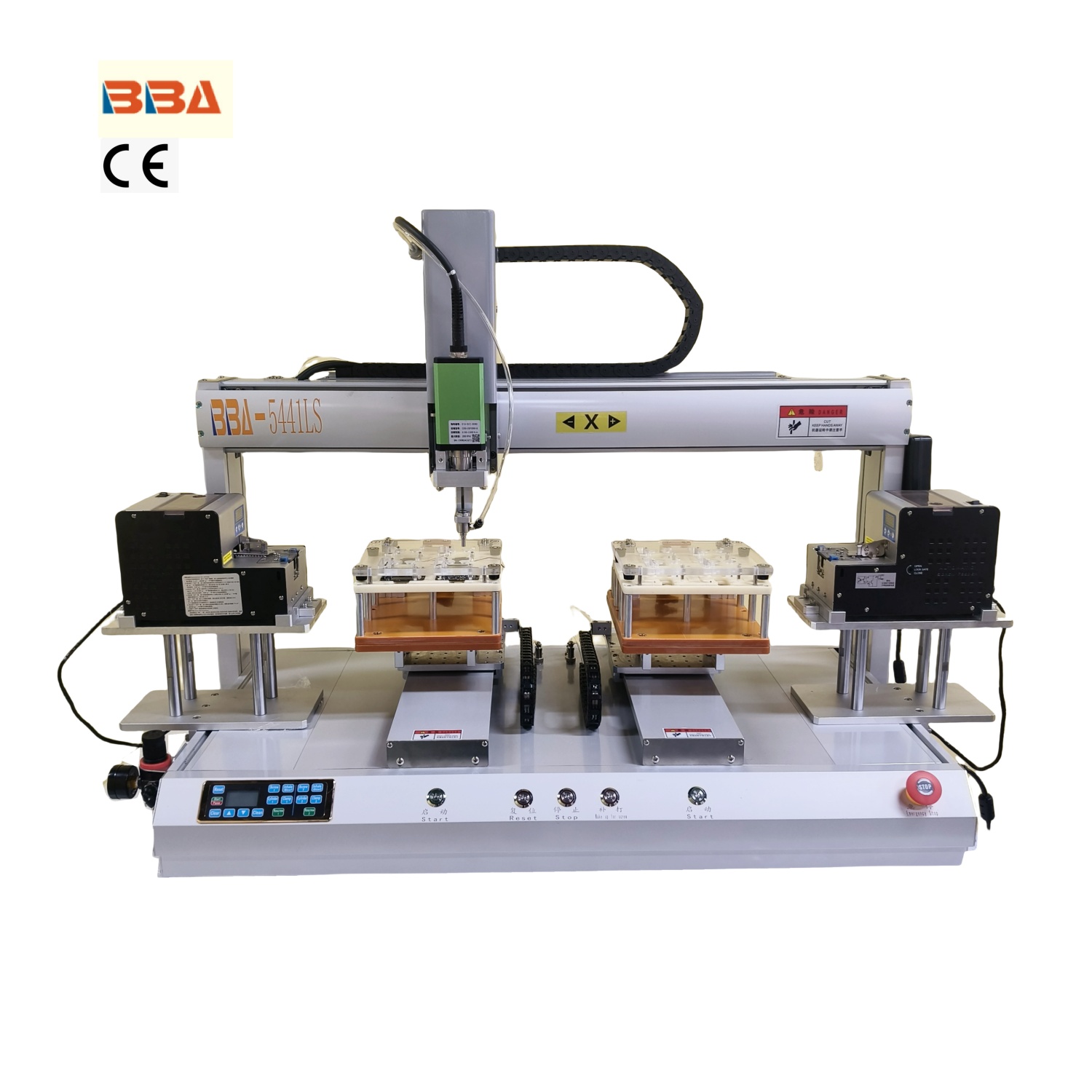
The manufacturing landscape is continuously evolving, driven by the relentless pursuit of greater efficiency, precision, and reliability. In this environment, the automation of repetitive yet critical tasks becomes paramount. One such task, screw fastening, has seen a revolutionary upgrade with the introduction of dedicated screw locking robots. Integrating these automated systems into production lines offers a multitude of advantages that directly impact the bottom line and product quality.
Manual screw driving is inherently susceptible to human error. Variations in torque, angle, and sequence can lead to a host of problems, including loose connections, cross-threading, and damaged components. These inconsistencies compromise product integrity and lead to costly field failures and returns.
Screw locking robots eliminate this variability. Programmed to execute each fastening operation with exacting precision, they apply the correct torque every single time. This ensures that every product leaving the line is assembled to the same high standard, drastically reducing the defect rate and enhancing overall product quality and reliability.
Automation is synonymous with speed and endurance. A screw locking robot operates at a constant, high pace without requiring breaks, shift changes, or vacations. It can work tirelessly 24/7, dramatically increasing the throughput of the assembly line. Furthermore, these robots can often complete the fastening process much faster than a human operator, especially for products requiring multiple screws. This reduction in cycle time directly translates to higher production volumes and the ability to meet demanding deadlines with ease.
While the initial investment is a consideration, the long-term return on investment for screw locking robots is compelling. They reduce direct labor costs associated with manual fastening and minimize expenses related to human error, such as rework, scrap, and warranty claims. Perhaps more importantly, they free up valuable human resources from monotonous and physically taxing tasks. This allows companies to reallocate their skilled workforce to more value-added positions, such as quality control, machine oversight, and process improvement, fostering a more engaged and productive work environment.
Repetitive strain injuries (RSIs) are a common concern in manual assembly lines. The constant repetition of twisting and driving motions can lead to musculoskeletal disorders in workers, resulting in pain, absenteeism, and increased insurance costs.
By delegating the screw driving task to a robot, manufacturers effectively remove their employees from this repetitive injury risk. This not only creates a safer workplace but also demonstrates a commitment to employee well-being. Additionally, it reduces the company's exposure to potential workers' compensation claims.
Modern screw locking robots are equipped with sophisticated sensors and software that provide a wealth of data. Every tightening operation can be monitored and recorded, creating a complete digital history for each product. Managers can access real-time data on torque values, cycle times, and error rates.
This data is invaluable for process optimization and traceability. It allows for proactive maintenance scheduling, helps identify potential bottlenecks, and provides undeniable proof of quality compliance for auditors and customers. This level of traceability is becoming increasingly important in industries with strict regulatory requirements.
In conclusion, the integration of screw locking robots is a strategic move for any manufacturer looking to gain a competitive edge. The benefits are clear: flawless product quality, heightened efficiency, lowered operational costs, a safer workplace, and data-driven process control. As technology continues to advance, these automated solutions will undoubtedly become an indispensable component of the smart factories of the future.
| Product Name | Applicable industries |
| CNC Screw Fastener | Toy and Game Console Production |