8618566785362 8618566785362 8618566785362 phoenix08@bbamachine.com
- All
- Product Name
- Product Keyword
- Product Model
- Product Summary
- Product Description
- Multi Field Search

Views: 0 Author: BBA AUTOMATION Publish Time: 2025-10-01 Origin: BBA AUTOMATION


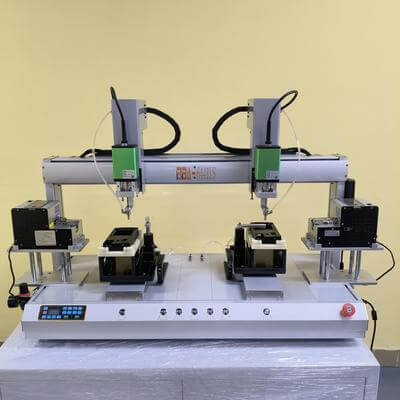
Industrial automation systems have become the backbone of modern manufacturing and production environments. These systems integrate hardware and software technologies to control machinery and processes, replacing manual intervention and enhancing operational efficiency. The applications of industrial automation span across various sectors, including automotive, food and beverage, pharmaceuticals, and logistics, driving significant improvements in productivity, quality, and safety.
One of the primary applications of industrial automation is in manufacturing processes. Automated systems, such as robotic arms and computer numerical control (CNC) machines, are widely used for tasks like assembly, welding, painting, and machining. These systems operate with high precision and consistency, reducing errors and waste while increasing output. For example, in the automotive industry, automated production lines can assemble vehicles with minimal human intervention, ensuring each component is placed accurately and efficiently.
Another critical area is process control, which involves managing continuous operations such as chemical processing, oil refining, and water treatment. Automation systems monitor variables like temperature, pressure, and flow rates, adjusting parameters in real-time to maintain optimal conditions. This not only improves product quality but also enhances safety by preventing accidents and equipment failures. Advanced process control algorithms can predict potential issues and initiate corrective actions, minimizing downtime and maximizing efficiency.
Material handling and logistics have also been transformed by automation. Automated guided vehicles (AGVs) and autonomous mobile robots (AMRs) are used to transport materials within warehouses and production facilities. These systems can navigate complex environments, avoiding obstacles and optimizing routes to reduce transportation time. In distribution centers, automated sorting and packaging systems accelerate order fulfillment, enabling businesses to meet growing consumer demands quickly and accurately.
Quality assurance is another domain where automation plays a vital role. Vision systems and sensors inspect products for defects, ensuring that only items meeting strict quality standards reach the market. These systems can detect imperfections that are invisible to the human eye, such as micro-cracks or color inconsistencies, thereby maintaining brand reputation and reducing returns. In the pharmaceutical industry, automated inspection systems verify the integrity of tablets and capsules, ensuring patient safety.
Energy management is an emerging application of industrial automation. Smart systems monitor energy consumption across facilities, identifying areas where efficiency can be improved. By automating lighting, heating, and cooling systems based on occupancy and usage patterns, businesses can significantly reduce their carbon footprint and operational costs. Additionally, integration with renewable energy sources, such as solar panels and wind turbines, allows for sustainable and cost-effective power management.
The adoption of industrial automation systems also contributes to workforce development. While automation handles repetitive and hazardous tasks, employees can focus on higher-value activities such as system design, maintenance, and optimization. This shift requires upskilling, leading to more knowledgeable and engaged workers. Moreover, automation creates new job opportunities in fields like robotics programming, data analysis, and system integration.
In conclusion, industrial automation systems are revolutionizing how industries operate. From manufacturing and process control to logistics and quality assurance, these applications enhance efficiency, safety, and sustainability. As technology continues to advance, the scope of automation will expand, offering even greater benefits to businesses and society. Embracing these innovations is essential for staying competitive in the rapidly evolving industrial landscape.
| Product Name | Applicable industries |
| Screw Fastening Unit | Automotive Electronics Assembly |