8618566785362 8618566785362 8618566785362 phoenix08@bbamachine.com
- All
- Product Name
- Product Keyword
- Product Model
- Product Summary
- Product Description
- Multi Field Search

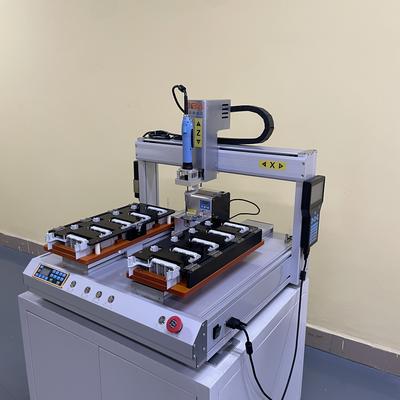
Product Name Applicable industries Screw Fastening Unit Telecommunication Equipment Assembly Automating Multiple Screw Positions on One PCB Modern electronics manufacturing faces the challenge of securing increasingly complex PCB assemblies efficiently and reliably. Traditional manual screw driving struggles with dense layouts featuring multiple screw positions, where even minor inconsistencies can compromise structural integrity and electrical connectivity. By automating this critical process, manufacturers achieve precision and repeatability impossible through human operators alone. Advanced Machine Vision as the Core Solution Modern robotic systems integrate high-resolution cameras and adaptable algorithms to overcome positioning challenges. Before screw driving initiates, these vision systems automatically scan the PCB surface, recognizing board fiducials within ±0.025mm accuracy. Sophisticated software dynamically maps all screw positions, compensating for board warping or rotational misalignments. This capability is vital for flex circuits or angled fixation points where traditional jigs fail. Precision Mechatronics For Varied Requirements Modular servo-electric drivers mounted on multi-axis robots handle diverse screw specifications within a single workstation. Key components include: Smart fastener feeding: Vibratory bowls and escapements continuously supply different screw types while embedded sensors prevent jams Self-adjusting torque control: Downward force automatically modulates between delicate components and reinforced anchor points, preventing damage and verifying proper thread engagement No-compromise calibration: Auto-tensioning chucks eliminate spindle wobble critical for micro-screws below M1.6 Solving Complex Assembly Obstacles Factories overcoming automation hesitations discover how adaptable systems manage intricate scenarios. Tilting drive heads reach screws near tall heat sinks or connectors. Collision-avoidance algorithms recalculate paths when unexpected obstruction is detected during operation. Meanwhile, pressure-sensitive retraction prevents damage to delicate circuits if abnormal resistance occurs – a critical safeguard for expensive assemblies. Transforming Production Economics Moving from manual stations brings transformative efficiency gains. Automated solutions consistently achieve: 98%+ first-pass yield rates by eliminating cross-threading and under-torque errors Cycle time reductions of 70% on boards with 50+ screw points through simultaneous multi-spindle operation Complete traceability with torque-angle graphs stored for every screw position electronically for compliance These capabilities fully justify ROI within 48 weeks in mid-volume SMT environments. Production managers particularly value the rapid changeovers between product variants – programmable presets recall exact screw coordinates and torque profiles in seconds. Future-Proofed Quality Across Industries As PCBs grow denser across sectors like automotive ADAS modules and medical implant controllers, automated screw driving becomes non-negotiable. Manufacturers implementing this technology today establish critical infrastructure for microscopic fasteners below 0.1 grams and exotic materials requiring specialized drive parameters. What appears as mere process automation actually builds the foundation for next-generation electronics where manual intervention ceases to be physically possible. Automated multi-position screw driving represents the evolution from brute-force automation to intelligent micro-assembly. By mastering positional complexity with adaptable robotics and machine vision, manufacturers transform a traditionally inconsistent process into their structural quality cornerstone. The technology no longer merely installs screws – it engineers reliable electromechanical bonds essential for tomorrow's mission-critical devices.
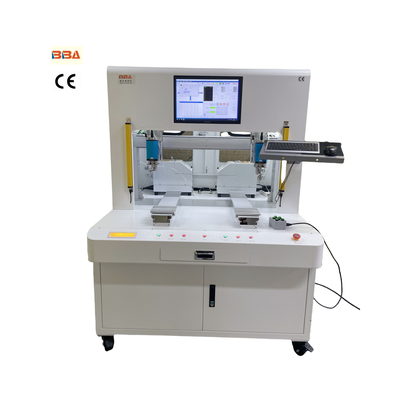
Product Name Applicable industries Inline Screw Locking System Medical Device Manufacturing The evolution of automated fastening systems has revolutionized modern manufacturing, and at the heart of this transformation lies the multi-axis screw driver. These robotic systems are pivotal for assembling complex products with precision and speed across electronics, automotive, and consumer goods industries. What makes them truly revolutionary isn’t just their programmed efficiency, but their underlying modular architecture. Modularity fundamentally transforms how multi-axis screw drivers are designed, deployed, and maintained. By breaking down the system into standardized, interchangeable components—such as torque units, bit changers, axis modules, and feed systems—engineers can customize solutions with surgical precision. Need to shift from M1.6 screws to M5, integrate a vision camera, or add vertical reach? Modular swap reduces complex mechanical redesigns to quick component exchanges, cutting engineering lead times by over 60%. It’s scalability without reinvention: a single chassis can expand from a 3-axis desktop unit for electronics boards to a 7-axis ceiling-mounted giant for automotive dashboards. Downtime becomes marginal in modular systems. If a servo motor in a Z-axis unit malfunctions, operators extract it via tool-free latches—much like changing a PCB—and replace it within minutes rather than disassembling the entire machine. Front-loading access points prevent production-area bottlenecks. This component-level reparability slashes maintenance costs, extending operational lifecycles by allowing phased upgrades. Outdated control modules? Swap them without replacing torque arms or feeding tubes, preserving capital investments. Beyond hardware flexibility, modularity streamlines IoT integration. Each standardized block houses its own diagnostics sensors and data ports—think 9-pin M12 connectors—enabling plug-and-play monitoring. Operators identify torque fluctuations from Axis Module C or bit wear errors via dashboards, transforming predictive maintenance. This granular insight helps optimize tightening sequences in real-time: for example, adjusting depth sensitivity when switching between aluminum alloys and carbon composites in aerospace assembly. Cost efficiency is equally transformative. Manufacturers avoid "overbuying" capability; they deploy minimal configurations and scale modules as demand surges. A medical device line assembling pacemakers might start with four compact axes and later add anti-vibration stabilizers for heavier battery housings—no full-system overhaul required. Ultimately, modular components are redefining flexibility in industrial automation. They offer adaptable, resilient architecture that anticipates tomorrow’s unknown production variables—material innovations, regulatory shifts, or unplanned order spikes. As factories accelerate toward smart manufacturing, multi-axis screw drivers built on modular principles become less like static machinery and more like dynamic productivity engines—precisely tuned, infinitely rebuildable, and ready for change.
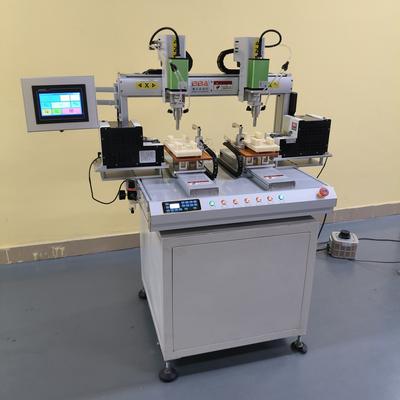
Product Name Applicable industries Smart Screw Driving Machine Medical Device Manufacturing Manual vs. Automatic Screw Locking Systems for Modern Assembly Lines In manufacturing, screw fastening is a fundamental process impacting product quality, safety, and production efficiency. While manual methods have been standard for decades, automatic screw locking systems are transforming assembly lines. This comparison explores both approaches to help you optimize your operations. Manual Screw Locking: Hands-On Precision and Flexibility Manual screw locking relies on human operators using handheld tools like electric screwdrivers or pneumatic wrenches. Workers visually align screws and tighten them based on tactile feedback, gauging torque by feel or using basic clutch mechanisms. This method is simple to deploy: operators can adapt to different screw sizes or angles with minimal retraining, making it suitable for low-volume prototypes, customized products, or repair stations. Maintenance is straightforward, requiring only basic tool calibration. However, manual systems face inherent limitations. Fatigue gradually compromises precision, leading to undertightened joints that loosen prematurely or overtightened ones that damage materials. Consistency suffers across shifts, increasing defect rates. Production speed remains constrained by human limitations, scaling poorly for high-volume demands. Critical quality data, such as exact torque applied per screw, is rarely captured for traceability. Automatic Screw Locking: Speed, Accuracy, and Data Intelligence Automatic screw locking systems integrate robotics, precision feeders, and advanced controllers. Robots equipped with servo-driven screwdrivers precisely position and fasten screws using programmed torque and angle parameters. Screw feeders—vibratory bowls or tape reels—supply components directly to the tool, eliminating manual handling. The system validates every step: sensors confirm screw presence, alignment, seating depth, and achieved torque, logging results digitally. This automation delivers exceptional consistency, eliminating human error for near-zero defect rates. Line speeds surge, with some systems installing screws in under 1.5 seconds per unit. Real-time data collection enables full traceability—essential for industries like aerospace or medical device manufacturing needing auditable quality records. While the initial investment is higher than manual tooling, long-term operational costs decrease through reduced errors, downtime, and quality-related recalls. Key Considerations for Implementation Choosing between manual and automated systems depends on specific priorities: Volume & Complexity: Manual suits small batches or varied assemblies. Automation excels in high-volume/repetitive tasks. Quality Assurance: Automated systems guarantee precision and data integrity critical for regulated industries. Space & Integration: Robots require space planning but integrate with conveyors or PLCs. Manual stations are compact and mobile. ROI Timeline: Automation offers higher throughput and lower per-unit costs quickly offsetting capital investment. The Future of Fastening Technology While manual systems remain viable for niche applications, Industry 4.0 demands increasingly favor automation. Modern automatic screw lockers now include AI-driven adaptive torque control, predictive maintenance alerts, and IoT connectivity for real-time optimization. These innovations transform screw locking from a routine task into a data-rich strategic asset. Both manual and automatic screw locking have distinct roles, but the trajectory toward intelligent automation is undeniable. For businesses targeting peak efficiency, reduced waste, and uncompromised quality, automatic systems represent the next evolution in assembly line excellence—turning a simple fastening process into a competitive advantage.
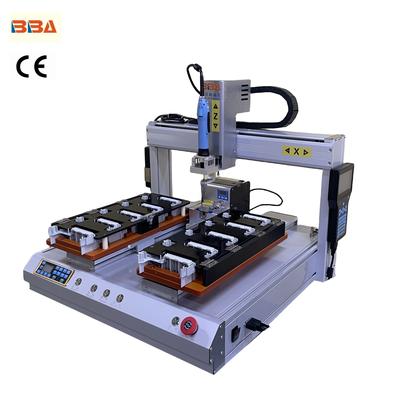
The precision of torque adjustment lies at the heart of modern industrial automation, driving everything from robotic assembly lines to high-speed packaging systems. Imperfect torque control can compromise product integrity, trigger costly recalls, or cripple production throughput. Traditional methods like manual calibration or fixed-parameter controllers struggle to adapt to dynamic variables – fluctuating material densities, tool wear, or environmental shifts. This is where Machine Learning (ML) emerges as a transformative force, injecting intelligence and adaptability into torque management. Conventional approaches often face significant hurdles. Human-dependent adjustments are labor-intensive and prone to operator-dependent inconsistencies. Programmed rules in PLCs lack the dynamic responsiveness to handle unforeseen variations. Unexpected tool degradation, material inconsistencies, or subtle vibration patterns can silently sabotage precision, leading to under-tightened joints causing failures or over-tightening resulting in material damage and scrap. The need for real-time, predictive adaptation is critical for zero-defect manufacturing and maximized asset utilization. Machine Learning transforms torque control into a continuously self-optimizing system. Intelligent systems ingest multi-sensor data streams – immediate torque feedback, angular displacement, vibrational spectra, motor current signatures, and even temperature readings – training algorithms to understand complex interdependencies. Deep learning models process this sensory input to generate ultra-precise torque commands sent back to servo controllers several times per second, adjusting instantly to material inconsistencies. Predictive models preemptively detect subtle anomalies signaling tool wear or component drift using advanced signal analysis like Fast Fourier Transform (FFT), initiating maintenance actions before defects occur. Reinforcement learning agents, operating in digital twin environments, systematically refine tuning strategies to maximize precision and tool lifespan. The tangible benefits of ML integration are compelling. Factories experience dramatic reductions in scrap and rework through near-perfect torque optimization, moving closer to zero-defect targets. Energy consumption drops significantly via minimized mechanical stress and optimal motor operations, aligning with sustainable production goals. Predictive capabilities shift maintenance strategies from scheduled downtime to condition-based interventions, drastically lowering unplanned stoppages and extending critical hardware lifecycles. Furthermore, ML systems autonomously recalibrate processes as production needs or raw materials shift, ensuring resilience and flexibility in volatile markets. Consider a high-volume electronic motor assembly scenario. Each unit requires precise fastening for component integrity and vibration dampening. An ML-powered system, fed with data from embedded torque/angle sensors and vibration monitors, continuously refines the tightening profile. It learns to compensate for minute variations in housing material density or bearing tolerances, optimizing screw depth and rotational force per unit. When vibration patterns subtly degrade – signaling early bearing wear or fixture misalignment – the system triggers alerts for immediate corrective actions. This prevents defective units from progressing while maintaining throughput and eliminating costly post-assembly quality escapes. Looking ahead, ML's role in torque adjustment grows increasingly sophisticated. Edge AI deployments will enable real-time inference directly on controllers within milliseconds, supported by secure 5G data streams. Generative AI will accelerate the discovery of optimized torque profiles for novel materials or geometries, compressing R&D cycles. Hybrid modeling approaches will merge physics-based rules with deep neural networks creating explainable Digital Twins. As factories embrace autonomous cyber-physical systems, intelligent torque control will become the foundational layer ensuring precision, adaptability, and unwavering reliability across the modern industrial landscape. Product Name Applicable industries Servo Screwdriver Robot PCB and Circuit Board Assembly
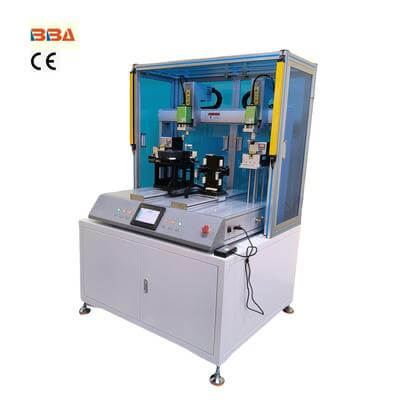
Medical Equipment Assembly and Screw Automation: Precision Engineering Saves Lives The medical device industry operates under zero-tolerance standards where millimeter-precision and absolute reliability are not preferences—they are necessities. From surgical robots to pacemakers and MRI machines, the integrity of each component directly impacts patient safety. In this critical landscape, automated screw fastening technologies have emerged as transformative solutions, delivering unprecedented accuracy and traceability throughout the assembly process. Unique Challenges in Medical Device Manufacturing Medical equipment assembly faces distinct hurdles rarely encountered in other industries. Miniaturized components—some barely visible to the naked eye—demand torque precision within ±2% tolerance. Contamination control requires ISO Class cleanroom compatibility and particulate-free operations. Regulatory traceability mandates immutable data recording for every fastener, from implantable screws to complex diagnostic equipment housings. Traditional manual methods struggle to consistently meet these stringent requirements across thousands of repetitive operations. How Automation Transforms Screw Fastening Modern screw automation systems achieve microscopic precision through integrated technologies: • Torque-Controlled Robotics: Servo-driven spindles apply exact rotational force down to 0.01 Newton meters • Vision Guidance Systems: High-resolution cameras verify screw placement within 5-micron tolerance • Cleanroom-Optimized Designs: HEPA-compliant enclosures prevent biocontamination • Material Integrity Protection: Sensitive polymers and biocompatible alloys avoid surface damage • Closed-Loop Real-time Monitoring: Rejects assemblies outside torque-angle parameters in real-time These systems significantly outperform manual operations, achieving first-pass yield rates exceeding 99.98% while generating compliant audit trails automatically. For delicate components like neurostimulator housings or endoscopic tool assemblies, subtle variations in screw tension can alter electrical conductivity or mechanical performance—errors automation eliminates. Quantifiable Benefits Across the Production Cycle Adopting automated screw fastening yields measurable operational improvements: - 83% Reduction in threaded component failures during sterilization validation - 45% Acceleration of validation documentation for FDA/ISO audits - 5σ Process Capability for micron-level assemblies previously unattainable manually - Near-Zero Particulate Generation critical for Class 7/8 cleanrooms Future Evolution: Industry 4.0 Integration Next-generation systems are evolving toward cognitive manufacturing environments. Machine learning algorithms analyze torque signatures to predict maintenance needs before drift occurs. Digital twins simulate assembly processes for virtual validation. Blockchain-enabled traceability creates indelible quality records from screw insertion through the device lifecycle. Particularly in robotic surgery platforms and implantables, these capabilities ensure every fastener meets its exact design specification—always. Conclusion In medical device manufacturing, ordinary fastening processes carry extraordinary consequences. Automated screw technologies provide the rigorous control needed for life-critical assemblies through unparalleled accuracy, absolute documentation integrity, and contamination-free operation. As medical devices grow increasingly sophisticated and miniaturized, these systems represent not merely efficiency upgrades, but essential tools for ensuring device reliability and patient safety in the modern healthcare landscape. Product Name Applicable Industries Screw Fastening Robot PCB and Circuit Board Assembly
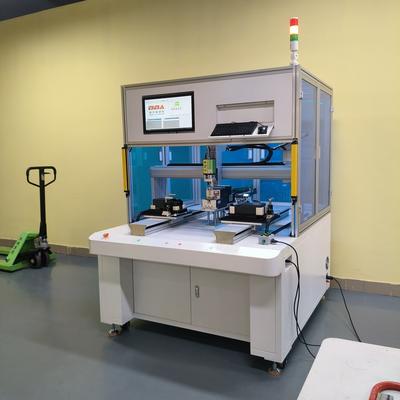
产品名称 适用行业 螺丝锁附机器人 工业控制面板装配 在当今快节奏的制造环境中,效率与适应性不可或缺。台式螺丝锁附机器人已成为自动化复杂装配任务(尤其是在小型生产线或针对精密组件)的强大工具。尽管现成的设备提供便利,但充分发挥其潜力通常需要定制化服务。将这种紧凑型自动化解决方案量身定制以契合*您的*产品,可确保达到最佳性能、可靠性,并与您独特的生产流程无缝集成。 为何需要定制您的台式螺丝机器人? 通用机械手臂或许能处理基本的螺丝锁附,但在应对复杂产品几何形状、特殊紧固件或独特装配序列时就会捉襟见肘。定制化能直接解决这些挑战: 精准适配与运动: 确保机器人的工作范围、接近角度和末端执行器路径完美匹配您特定零件的形状与螺丝位置,避免碰撞和笨拙动作。 物料传输兼容性: 与经过精心调校的送料机构(振动盘、卷带供料器等)无缝集成,确保适用于您特定螺丝的尺寸、头部类型和螺纹规格。 增强的质量保证: 集成过程验证功能,如专为您关键公差与质量检查量身定制的扭矩监控扩展、螺丝存在检测或视觉引导定位。 优化的循环时间: 专为您的组件开发的专用治具和优化的运动路径,相比通用方案虽具适应性但速度慢的弊端,能大幅缩短循环时间。每一次动作都精准服务于任务。 简化操作: 开发专业化、直观的用户界面,仅关注与您产品装配相关的参数,最大限度地减少操作员培训和出错可能。 关键定制领域 定制化一台台式螺丝机器人涉及以下几个核心方面: 臂端工具(EOAT): 这是关键所在。专用夹爪或磁性夹头可轻松固定您的特定螺丝。精密设计的工具保持架确保驱动批头与紧固件在整个锁附周期内始终保持完美、无晃动的对准。遮蔽元件能防止碎屑影响作业。 运动路径与编程: 工程师会规划避开障碍物并最大限度减少非有效运动的优化轨迹。定制编程可满足复杂序列需求:在插入*特定*螺丝前点涂螺纹胶、执行分段拧紧工艺,或在装配过程中交替使用不同类型的螺丝。 螺丝输送与呈现: 通过为紧固件尺寸、头部类型(十字、梅花、内六角、定制)及可能包括长度精确设计的定制送料器,稳定可靠地输送螺丝。这可能涉及定制料槽轨道、分离器或呈现角度。 治具设计: 专用治具精确定位您的产品。真空吸盘牢固固定柔性组件。独特的夹紧机构确保锁附过程中的位置固定。治具保证可重复达到毫米级的定位精度。 控制系统集成: 创建自定义人机界面(HMI)以实现轻松操作。开发定制的PLC逻辑或软件扩展,用于满足特定的触发、错误处理流程以及针对您工艺和质量需求的特定数据记录。 传感与检测: 添加专用传感器——用于垫圈装配检测的压力传感器、用于在锁前验证部件是否存在的接触传感器,或者定制视觉系统用于验证最终螺丝头位置或标记应用。定制的错误检查可防止下游问题。 定制流程:协作是关键 实现完美匹配需要您的团队与自动化解决方案供应商之间结构化的合作: 需求定义: 精确记录您的产品规格(CAD模型至关重要)、螺丝细节(尺寸、类型、扭矩规格)、目标循环时间、质量检查要求、可用工作空间及集成需求。 可行性与概念设计: 供应商评估需求,提出可行解决方案,并为EOAT、治具策略和集成等关键要素制定初步概念。 设计与工程: 展开详细工程工作:协同评审创建治具蓝图、定制工装设计、送料器定制规格和软件架构。 原型制作与测试: 关键定制组件进行原型制作。使用您的实际组件或代用件执行并验证机器人路径、序列和逻辑的初始软件编程。 集成与调试: 组装定制系统。使用真实零件微调运动路径、优化循环时间并实施错误恢复程序。严格测试验证性能。 培训与部署: 针对您的定制系统提供全面的操作与维护培训,完成交接。 释放最大自动化潜力 选择定制您的台式螺丝锁附机器人超越了简单的自动化;这是对精度、速度和可靠性的一次投资,使其完全契合您产品的独特需求。它消除了通用解决方案带来的妥协限制,提升了质量保证能力,并带来切实的生产力提升。通过仔细考量定制选项并参与协作开发过程,您可以将一个标准的自动化模块转变为高度高效、不可或缺的专业装配流程基石。
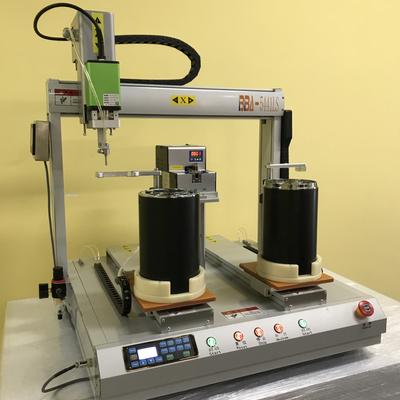
Guide to Connecting PLC Systems and Production Lines: Integration Strategies, Efficiency Improvements, and Implementation Essentials In today's industrial landscape, Programmable Logic Controllers (PLCs) serve as the fundamental building blocks of automation. Yet their true potential is unlocked only when effectively connected within broader production systems. Seamless integration between PLCs and production lines transforms isolated hardware into intelligent, data-driven ecosystems that drive operational excellence. Integration Pathways for Modern Manufacturing Connecting PLC systems requires a multi-layered approach starting from physical interfaces. Industrial Ethernet protocols like PROFINET, EtherNet/IP, and Modbus TCP form the backbone of modern connectivity, enabling real-time data exchange between controllers, sensors, and actuators. For legacy equipment, serial communication bridges provide vital lifelines, converting RS-232/485 signals to IP-based networks. Wireless solutions further eliminate cabling constraints, with industrial-grade Wi-Fi and Bluetooth extending connectivity to mobile assets and remote devices. Operational Synchronization Advantages Properly interconnected PLC systems deliver transformative benefits. Production machinery gains ability to collaboratively adjust processes in real-time – material handling systems synchronize with assembly robots based on sensor feedback while quality control stations trigger automatic recalibration. This coordination slashes changeover times by 40-60% in typical implementations. Downtime plummets as predictive maintenance algorithms analyze PLC diagnostics to schedule interventions hours or days before failures occur. The immediate availability of machine data also enables dynamic resource allocation, where underutilized assets automatically absorb tasks from bottleneck stations. Implementation Essentials Successful connectivity demands deliberate planning. Protocol standardization is critical: establishing a unified communication framework avoids the "islands of automation" dilemma. Security must be designed into the architecture – segmented networks, encrypted VPN tunnels, and role-based access controls prevent unauthorized intrusions. Scalability deserves equal attention; solutions should accommodate future expansions through modular hardware interfaces and software-defined networking. Finally, comprehensive documentation of connection schematics, IP allocations, and data mapping ensures maintainability throughout the system lifecycle. Data-Driven Transformation Beyond immediate operational gains, PLC connectivity feeds the digital transformation pipeline. Manufacturing Execution Systems (MES) consume real-time production metrics to optimize scheduling and quality control. Energy management platforms analyze power consumption patterns across connected machines to identify conservation opportunities. Most significantly, aggregated PLC data forms the foundation for artificial intelligence applications – from predictive quality analytics that reduce scrap rates to self-optimizing systems that automatically fine-tune parameters based on environmental conditions and material variations. As Industry 4.0 advances, the strategic importance of PLC connectivity will only intensify. Future innovations will likely include enhanced edge computing capabilities within controllers, autonomous machine-to-machine negotiation protocols, and blockchain-secured data transactions. Companies that master these integration fundamentals today position themselves to harness tomorrow's breakthroughs – transforming production lines into responsive, intelligent, and continuously improving assets. Product Name Applicable industries Automatic Screw Feeder LED Lighting Industry
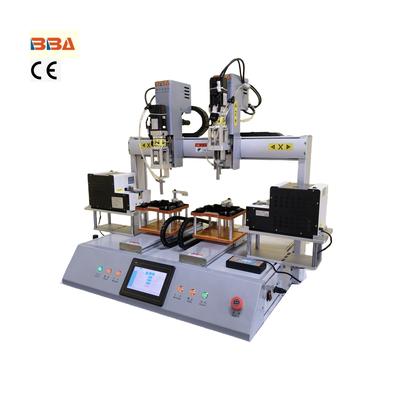
Troubleshooting Common Issues in Tightening Equipment Tightening equipment is critical to precision manufacturing operations, from automotive assembly lines to aerospace production. Unexpected performance issues can cause costly downtime, quality deviations, and safety risks. Understanding common malfunctions is key to optimal operational efficiency. This guide explores prevalent tightening equipment challenges and actionable resolutions. 1. Inconsistent Torque Output Issue: Applied torque varies despite identical parameter settings, resulting in under/over-tightened fasteners. Troubleshooting: Inspect pneumatic lines for leaks or pressure drops (if air-powered). Check power stability for electric tools using a voltmeter. Verify reactive surfaces (anti-slip pads/testing environments) for slippage causes. Test joint friction variables—lubricant consistency or fastener tolerances may alter outcomes. 2. Calibration Drift Issue: Equipment inaccuracy increases before formal recalibration due dates, leading to faulty assemblies. Troubleshooting: Confirm calibration schedule alignment with usage intensity. Examine environmental influences (temperature/humidity changes) near sensors. Test transducer integrity using diagnostic software for unusual signals. Clean load-bearing parts routinely to avoid physical interference. 3. Sensor Communication Failures Issue: Tools appear unresponsive, with "lost signal" alerts interrupting cycle completion. Troubleshooting: Assess cable integrity/connectors—pin damage often causes intermittent failures. Update firmware/software drivers for compatibility with monitoring systems. Use shielded cables far from electromagnetic sources. Enable diagnostics logs to pinpoint transmission breakdown timing. 4. Mechanical Wear & Irregular Noises Issue: Unusual vibrations, grinding, or overheating, indicating component fatigue. Troubleshooting: Replace worn gearboxes or clutches according to manufacturer lifetime estimates. Replenish lubricants for gears/bearings per specification. Inspect socket blocks for cracks or thread deformities. Ensure assembly accessories (e.g., extensions/adapters) conform to tool specifications. Preventive Maintenance Proactive care enhances reliability: Daily checks: Clean sensors, verify air/power supply stability. Scheduled audits: Test torque/angle accuracy during shifts using reference instruments. Training: Educate operators on error-coded warnings and pre-shift validation routines. Timely troubleshooting minimizes workflow disruption and safeguards assembly integrity. Document incident patterns for predictive insights—our latest innovations provide automated diagnostic APIs and cloud analytics for real-time anomaly detection. Product Name Applicable industries Auto Screwdriver Machine Smart Wearables Production