8618566785362 8618566785362 8618566785362 phoenix08@bbamachine.com
- All
- Product Name
- Product Keyword
- Product Model
- Product Summary
- Product Description
- Multi Field Search

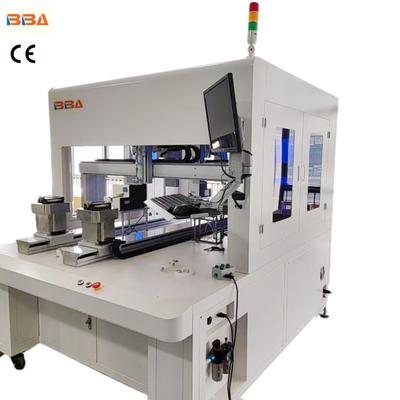
The industrial sector has witnessed significant advancements in automation, and one of the key innovations revolutionizing assembly lines is the automatic screw locking machine. Understanding how these machines work is essential for manufacturers looking to improve efficiency, precision, and productivity in their production processes. What Is an Automatic Screw Locking Machine? An automatic screw locking machine is a specialized device designed to automate the process of screwing and tightening screws into components or products. These machines eliminate the need for manual labor, reducing errors and improving consistency in fastening operations. They are widely used in industries such as electronics, automotive, and consumer goods manufacturing. Key Components of an Automatic Screw Locking Machine To understand how these machines function, it helps to break down their core components: Screw Feeder: This mechanism supplies screws to the locking head in an organized manner, ensuring a continuous workflow. Locking Head: The primary unit responsible for picking, positioning, and driving screws into the workpiece. Torque Controller: Regulates the torque applied to each screw to prevent over-tightening or under-tightening. Vision System (Optional): Some advanced models include cameras or sensors to verify screw placement and alignment for precision. How Does an Automatic Screw Locking Machine Work? The operation of an automatic screw locking machine follows a systematic workflow: Screw Feeding: Screws are loaded into a hopper or vibratory feeder, which orients and delivers them one by one to the locking head. Screw Pickup: A pneumatic or electric locking head picks up the screw using a magnetic or vacuum mechanism. Positioning: The machine aligns the screw with the workpiece, either manually adjusted or guided by a vision system. Driving: The screw is driven into the workpiece with controlled torque to ensure secure fastening without damaging the material. Verification (Optional): If equipped with sensors, the machine checks the screw’s depth and tightness to confirm a successful operation. Advantages of Using Automatic Screw Locking Machines The adoption of automatic screw locking machines offers several benefits: Increased Productivity: Automation allows for faster assembly compared to manual screwdriving. Enhanced Precision: Torque control ensures consistent screw tightening, reducing defects. Labor Savings: Reduces dependency on manual workers, lowering operational costs. Improved Safety: Minimizes risks associated with repetitive manual tasks. Applications of Automatic Screw Locking Machines These machines are versatile and find use in various industries, including: Electronics (PCBs, smartphones, and appliances) Automotive (interior components and engine parts) Consumer goods (toys, furniture, and packaging) By understanding the working principle of automatic screw locking machines, manufacturers can make informed decisions about integrating these systems into their assembly lines. The result is a more efficient, accurate, and cost-effective production process. Product Name Applicable industries Screw Fastening Unit Electric Bicycle Assembly
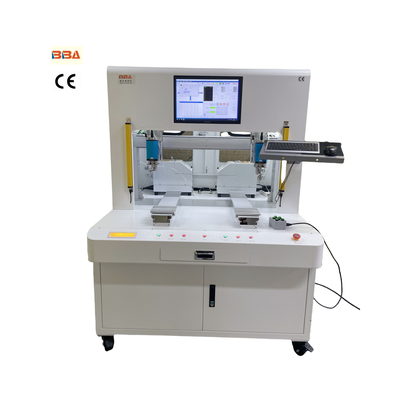
In today's fast-paced manufacturing landscape, efficiency and precision are non-negotiable. Robotic screw machines have emerged as game-changers, addressing long-standing challenges in industrial automation. These advanced systems leverage cutting-edge technology to enhance productivity, reduce errors, and streamline assembly processes. Below, we explore the key challenges robotic screw machines solve and how they are revolutionizing modern production lines. 1. Precision and Consistency in Fastening Manual screwdriving is prone to human error, leading to inconsistent torque application, cross-threading, or incomplete fastening. Robotic screw machines eliminate these issues by ensuring precise torque control and repeatability. Equipped with advanced sensors, these machines detect misaligned screws, apply the correct torque, and verify each fastening operation, guaranteeing flawless results every time. 2. Increased Production Speed Human operators can only work so fast, especially in high-volume production environments. Robotic screw machines operate at consistent speeds without fatigue, dramatically reducing cycle times. Their ability to handle multiple screws simultaneously further accelerates assembly, enabling manufacturers to meet tight deadlines without compromising quality. 3. Handling Complex or Delicate Components Delicate or miniaturized components require extreme care during assembly. Traditional methods risk damage due to excessive force or misalignment. Robotic screwdrivers excel in such applications, offering gentle yet precise handling. Their programmable force control ensures fragile parts remain intact while achieving secure fastening. 4. Reducing Labor Costs and Ergonomic Risks Repetitive screwdriving tasks strain workers, leading to musculoskeletal disorders and increased absenteeism. Automating these processes with robotic screw machines not only cuts labor costs but also eliminates ergonomic hazards. Employees can focus on higher-value tasks, improving overall workplace safety and morale. 5. Seamless Integration with Smart Factories Modern robotic screw machines are designed for Industry 4.0 compatibility. They integrate effortlessly with IoT-enabled systems, providing real-time data on performance, maintenance needs, and production metrics. This connectivity enables predictive maintenance, minimizing downtime and optimizing operational efficiency. 6. Flexibility Across Diverse Applications From automotive to electronics, robotic screw machines adapt to various industries and product designs. Quick reprogramming and tool-changing capabilities allow seamless transitions between different screw types, sizes, and assembly patterns, making them indispensable for mixed-production environments. As industries push toward greater automation, robotic screw machines stand out as vital tools for overcoming traditional assembly hurdles. By delivering unmatched precision, speed, and adaptability, they empower manufacturers to stay competitive in an increasingly demanding market. Investing in this technology is not just about solving current challenges—it's about future-proofing production capabilities for years to come. Product Name Applicable industries Dual Head Screwdriver Smartphone Manufacturing
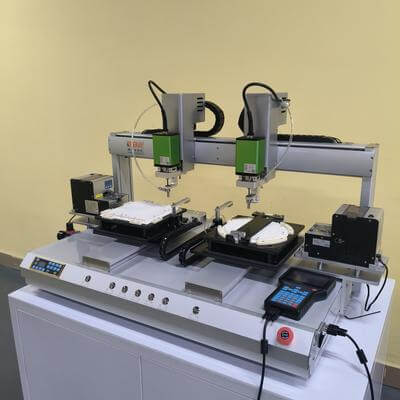
Product Name Applicable industries Desktop Screwdriver Robot Smartphone Manufacturing The integration of vision systems in tightening equipment represents a significant advancement in industrial automation, enhancing precision, efficiency, and quality control in manufacturing processes. As industries increasingly demand higher accuracy and repeatability, vision systems have become indispensable tools for ensuring that fastening operations meet stringent standards. This blog explores the benefits, applications, and implementation strategies of vision systems in tightening equipment. The Role of Vision Systems in Tightening Processes Vision systems provide real-time visual feedback during tightening operations, enabling automated equipment to detect and correct deviations before they result in defects. By capturing high-resolution images of fasteners, threads, and surrounding components, these systems verify proper alignment, torque application, and final assembly integrity. This ensures that each fastener is correctly placed and tightened to the required specifications, reducing the risk of product failures or recalls. Key Benefits of Vision Integration 1. Enhanced Accuracy: Vision systems eliminate human error by automating inspection tasks, ensuring consistent and repeatable results. 2. Improved Efficiency: By detecting issues in real time, production lines can avoid costly stoppages and rework, maximizing throughput. 3. Data Traceability: Vision systems store images and measurements for each assembly, providing a digital record for quality assurance and compliance. 4. Flexible Adaptation: Advanced vision algorithms can be trained to recognize various fastener types, making the system adaptable to different product lines. Applications in Industrial Automation Vision-integrated tightening equipment is widely used in industries such as automotive, electronics, and aerospace, where precision fastening is critical. In automotive manufacturing, for example, vision systems ensure that bolts are properly torqued in engine assemblies, while in electronics, they verify screw placement on circuit boards. The ability to inspect and validate each step of the tightening process reduces defects and enhances overall product reliability. Implementation Considerations To successfully integrate vision systems into tightening equipment, manufacturers must consider factors such as lighting conditions, camera resolution, and software compatibility. High-quality optics and precision lighting ensure clear image capture, while advanced algorithms enable rapid processing and decision-making. Additionally, seamless integration with existing PLCs and control systems is essential for maintaining workflow efficiency. As automation continues to evolve, the adoption of vision systems in tightening equipment will only grow, driving higher standards of quality and performance across industries. By leveraging these advanced technologies, manufacturers can achieve greater consistency, reduce waste, and deliver superior products to their customers.
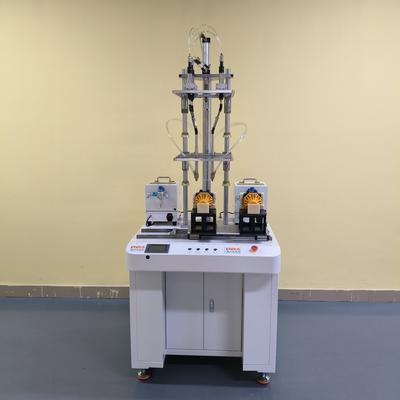
In the world of industrial manufacturing, efficiency and precision are paramount. One critical process that impacts both is screw locking, which ensures fasteners remain secure under varying conditions. As industries evolve, the debate between manual and automatic screw locking systems continues. This article explores the key differences, advantages, and drawbacks of each method to help you make an informed decision for your production line. Manual Screw Locking Systems Manual screw locking relies on human operators to tighten screws using handheld tools like torque wrenches or electric screwdrivers. This traditional approach is straightforward and requires minimal upfront investment, making it accessible for small-scale operations or low-volume production. Operators can adapt to varying screw sizes and materials without significant tooling changes, providing flexibility in certain scenarios. However, manual systems have notable limitations. Consistency is heavily dependent on operator skill and attention, which can lead to variations in torque application. Over-tightening or under-tightening may result in product defects, reduced durability, or even safety hazards. Additionally, manual processes are time-consuming and labor-intensive, which can become a bottleneck in high-volume manufacturing environments. Automatic Screw Locking Systems Automatic screw locking systems use robotic arms, conveyor belts, or specialized machinery to drive and torque screws with minimal human intervention. These systems are programmable, allowing precise control over torque, speed, and positioning for each screw. Automation ensures uniformity across products, reducing the risk of errors and improving overall quality. High-speed operation also significantly boosts productivity, making it ideal for large-scale manufacturing. Despite these benefits, automatic systems require higher initial capital and technical expertise for setup and maintenance. They may also lack the adaptability of manual methods when frequent product changes or custom configurations are involved. However, advancements in modular designs and smart sensors are gradually addressing these challenges, enabling greater flexibility in automated solutions. Key Considerations for Choosing a System When selecting between manual and automatic screw locking, consider factors like production volume, budget, and precision requirements. For prototype development or bespoke manufacturing, manual systems offer cost-effective adaptability. In contrast, high-volume industries—such as automotive or electronics—benefit from the speed and repeatability of automation. Hybrid solutions are also emerging, combining manual oversight with automated precision for specialized applications. Ultimately, the right choice depends on balancing operational needs with long-term scalability goals. Both manual and automatic screw locking systems have distinct roles in modern manufacturing. By understanding their strengths and limitations, businesses can optimize their processes for quality, efficiency, and growth. Product Name Applicable industries Automatic Screw Feeder Smart Wearables Production
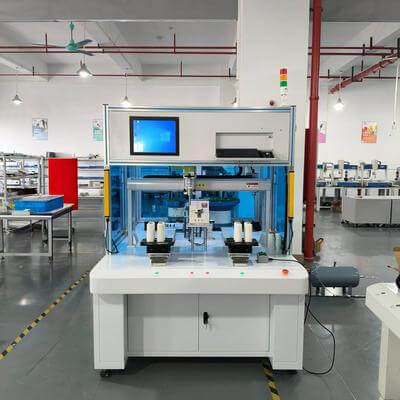
Servo-controlled screw solutions are revolutionizing the field of industrial equipment, delivering unprecedented precision, efficiency, and reliability. With industries increasingly requiring higher performance and tighter tolerances, servo-driven screw systems have become essential in automation processes. These cutting-edge solutions utilize advanced technology to achieve superior control over motion, torque, and positioning, making them perfect for applications from assembly lines to robotic systems. The foundation of servo-controlled screw solutions lies in their precise motion control capabilities. Unlike traditional mechanical systems, servo systems employ feedback mechanisms to continuously adjust and optimize performance, ensuring each movement is executed with pinpoint accuracy. This minimizes errors and enhances product quality. Whether tightening components in electronics manufacturing or handling delicate materials in pharmaceutical production, servo screws deliver the consistency required for high-volume, high-precision operations. Another major advantage of servo-controlled screw solutions is their adaptability. Modern industrial equipment often needs to handle diverse tasks, and servo systems can be easily programmed to adjust torque, speed, and stroke length on the fly. This flexibility reduces downtime and enables manufacturers to switch between different production requirements without manual intervention. The inclusion of smart sensors further enhances these systems, allowing real-time monitoring and predictive maintenance to prevent unexpected failures. Energy efficiency is another key benefit of servo-driven screw technology. By optimizing power usage based on load requirements, these systems consume less energy compared to traditional pneumatic or hydraulic alternatives. This not only cuts operational costs but also supports sustainability initiatives, making servo solutions an appealing option for environmentally conscious manufacturers. In addition to performance and efficiency, servo-controlled screw solutions are built for durability. Designed to endure harsh industrial environments, they feature rugged materials and advanced sealing technologies that guard against dust, moisture, and extreme temperatures. This ensures a long service life and minimal maintenance, even in demanding applications like automotive assembly or heavy machinery. The future of industrial automation is undeniably linked to advancements in servo technology. As industries evolve, the demand for smarter, faster, and more reliable screw solutions will continue to rise. By investing in servo-controlled systems, manufacturers can stay competitive, streamline operations, and reach new heights of productivity. Whether you're upgrading existing equipment or designing new production lines, servo screw solutions provide the precision and performance needed to thrive in today's dynamic industrial landscape. Product Name Applicable industries Auto Screwdriver Machine Smart Wearables Production
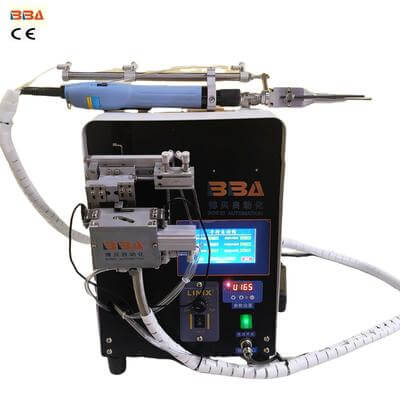
In the fast-paced world of industrial manufacturing, efficiency and precision are paramount. One of the key tools that can significantly enhance productivity is an automatic screw assembly machine. However, with various models and configurations available, selecting the right one for your specific needs can be challenging. This guide will help you navigate the critical factors to consider when choosing the perfect automatic screw assembly machine for your production line. 1. Assess Your Production Requirements Before selecting a machine, evaluate your production needs. Consider factors such as: The volume of screws to be assembled per hour or day. The size and type of screws (e.g., M2, M3, or custom sizes). The materials of the screws and the workpieces they will be driven into. Any special requirements, such as torque control or automated feeding. 2. Machine Types and Their Applications Automatic screw assembly machines come in different configurations, each suited for specific tasks: Benchtop Machines: Ideal for small-scale production or laboratories with limited space. In-line Systems: Designed for high-volume assembly lines, offering continuous operation. Robotic Screwdrivers: Used for complex assemblies requiring multi-axis movement and precision. 3. Speed and Accuracy The speed of the machine should match your production targets, but accuracy is equally important. Look for features like: Adjustable torque settings to prevent over-tightening or stripping screws. Vision systems or sensors to verify proper screw placement. Error-detection mechanisms to minimize rejects and downtime. 4. Integration with Existing Systems Ensure the machine can seamlessly integrate with your current production setup. Check compatibility with: Conveyor systems or robotic arms. Factory automation software (e.g., PLC or SCADA systems). Any additional equipment in the workflow. 5. Maintenance and Support A reliable machine should require minimal maintenance, but support is crucial when issues arise. Consider: Availability of spare parts and technical assistance. User-friendly interfaces for troubleshooting. Warranty and after-sales service options. 6. Budget and ROI While cost is a significant factor, focus on the long-term return on investment (ROI). A slightly higher initial cost may pay off through: Increased production speed and efficiency. Reduced labor costs and human error. Lower downtime and maintenance expenses. Choosing the right automatic screw assembly machine involves careful consideration of your production needs, machine capabilities, and long-term benefits. By evaluating these factors, you can invest in a solution that enhances productivity and reliability while minimizing operational costs. Product Name Applicable industries Smart Screw Driving Machine Electric Bicycle Assembly
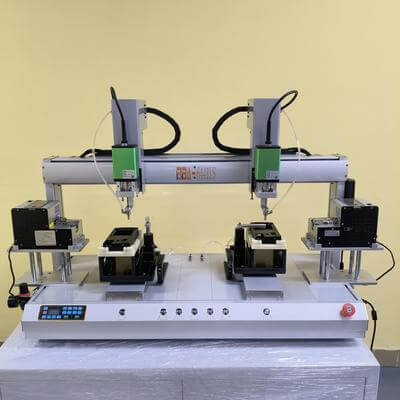
The rapid industrialization of Asia has positioned the region as a global manufacturing powerhouse. Among the many technological advancements driving this growth, auto screw assembly systems stand out as a game-changer for manufacturers. By integrating automated screwdriving solutions, Asian manufacturers are achieving unprecedented levels of efficiency, precision, and cost savings. Enhanced Production Efficiency Traditional manual screw assembly is time-consuming and prone to inconsistencies. Auto screw assembly eliminates these challenges by delivering repeatable, high-speed performance. Asian factories utilizing automated systems report significant reductions in assembly time—some by as much as 70%. This acceleration enables manufacturers to meet tight deadlines while maintaining throughput even during labor shortages. Unmatched Precision and Quality Control Human error in screw torque application can lead to product defects and recalls. Automated systems provide precise torque control down to ±2% accuracy, ensuring every screw meets exact specifications. For Asian electronics manufacturers producing circuit boards or consumer devices, this precision directly translates to improved product reliability and reduced warranty claims. Labor Cost Optimization While Asia has traditionally benefited from lower labor costs, rising wages across the region are reshaping manufacturing economics. A single auto screw assembly station can replace 3-5 workers while operating 24/7. This automation allows factories to redirect human workers to higher-value tasks while maintaining competitiveness in global markets. Scalability for Diverse Applications Modern systems adapt to various screw types (M1.0-M8) and materials (steel, aluminum, plastic). This versatility benefits Asian manufacturers serving multiple industries—from automotive components to medical devices. Quick-change tooling enables rapid production line conversions, supporting the region's trend toward high-mix, low-volume manufacturing. Data-Driven Process Improvement Industry 4.0-ready screw assembly systems generate real-time production data, including torque curves and defect rates. Asian manufacturers leverage this data to: Identify and eliminate production bottlenecks Predict maintenance needs through vibration analysis Improve traceability with serialized assembly records As Asian manufacturers continue advancing up the value chain, auto screw assembly technology provides the foundation for smarter, more competitive operations. By reducing dependence on manual labor while increasing quality standards, these systems are helping reshape the region's manufacturing landscape for the Industry 4.0 era. Product Name Applicable industries Smart Screw Driving Machine Consumer Electronics Assembly
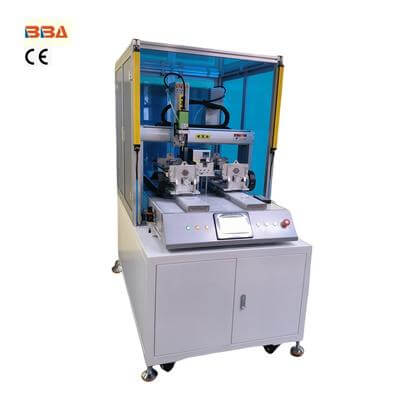
Product Name Applicable industries Screw Fastening Unit Home Appliance Production Machine learning is transforming the industrial automation landscape, and torque adjustment is no exception. As industries strive for higher efficiency, accuracy, and predictive maintenance capabilities, machine learning (ML) has emerged as a game-changer in optimizing torque control systems. In this article, we explore how ML enhances torque adjustment processes, delivering smarter automation solutions for modern manufacturing. The Role of Torque in Industrial Automation Torque control is critical in assembly lines, robotics, and machinery where precision fastening and motion control are paramount. Traditional torque adjustment methods rely on predefined parameters, which may not account for real-time variables such as material variations, tool wear, or environmental conditions. This can lead to inconsistencies, over-tightening, or under-tightening, impacting product quality and operational efficiency. How Machine Learning Improves Torque Adjustment Machine learning algorithms analyze vast amounts of sensor data to dynamically adjust torque settings. By training models on historical and real-time data, ML systems learn optimal torque values for different scenarios. Key benefits include: Adaptive Control: ML models adjust torque in real-time based on material properties, tool conditions, and environmental factors. Predictive Maintenance: Detects anomalies in torque patterns, predicting potential equipment failures before they occur. Quality Assurance: Ensures consistent torque application, reducing defects in assembled products. Energy Efficiency: Optimizes torque usage, minimizing energy waste without compromising performance. Case Study: ML-Driven Torque Optimization A recent implementation in an automotive assembly line demonstrated the power of ML in torque adjustment. By integrating sensors and ML algorithms, the system achieved a 25% reduction in torque-related defects while improving production speed. The adaptive model continuously refined its predictions, accounting for variations in bolt materials and tool wear over time. Implementing ML in Torque Systems: Key Considerations For companies looking to integrate machine learning into torque adjustment systems, consider these steps: Data Collection: Install high-precision torque sensors to gather accurate operational data. Model Training: Develop ML models using supervised or reinforcement learning techniques. Edge Deployment: Implement lightweight ML models at the edge for real-time processing. Continuous Learning: Enable systems to update models based on new operational data. The Future of Smart Torque Adjustment As machine learning advances, torque adjustment systems will become increasingly autonomous. Future developments may include: Federated Learning: Collaborative model improvement across multiple production sites while maintaining data privacy. Explainable AI: Providing operators with interpretable ML decisions for torque adjustments. Digital Twins: Virtual torque system models for simulation and optimization before physical implementation. The integration of machine learning in torque adjustment represents a significant leap forward for industrial automation. By harnessing the power of data-driven insights, manufacturers can achieve unprecedented levels of precision, efficiency, and predictive capability in their operations.