8618566785362 8618566785362 8618566785362 phoenix08@bbamachine.com
- All
- Product Name
- Product Keyword
- Product Model
- Product Summary
- Product Description
- Multi Field Search


Key Features of Modern Screw Fastening Systems Screw fastening systems have evolved significantly to meet the demands of modern industrial automation. Today’s systems integrate advanced technologies to enhance precision, efficiency, and reliability in assembly processes. Below are some of the key features that define modern screw fastening solutions. 1. High Precision and Repeatability Modern screw fastening systems are designed to deliver exceptional precision, ensuring consistent torque and angle control for each fastener. Advanced sensors and servo-driven mechanisms enable real-time monitoring and adjustments, minimizing errors and reducing the risk of over-tightening or under-tightening. This level of repeatability is critical in industries where product quality and safety are paramount. 2. Smart Connectivity and Data Logging Integration with Industry 4.0 technologies allows screw fastening systems to collect and transmit data in real time. Operators can monitor performance metrics, track torque values, and generate detailed reports for quality assurance. Connectivity with factory networks ensures seamless communication with other automation systems, facilitating predictive maintenance and process optimization. 3. Versatility Across Applications Modern systems are adaptable to a wide range of screw types, sizes, and materials, from micro-fasteners in electronics to heavy-duty bolts in automotive assembly. Quick-change tooling and programmable settings enable rapid reconfiguration for different production requirements, improving flexibility and reducing downtime. 4. Ergonomic and Automated Solutions Automated screwdriving systems reduce manual labor and enhance workplace ergonomics. Collaborative robots (cobots) and stationary automation units can handle repetitive tasks with high accuracy, minimizing operator fatigue and injuries. These solutions are particularly beneficial in high-volume production environments. 5. Energy Efficiency and Sustainability Energy-efficient motors and optimized drive systems reduce power consumption while maintaining high performance. Some modern screw fastening systems also support eco-friendly practices by minimizing material waste and extending tool lifespan through intelligent usage tracking. 6. Enhanced Safety Features Safety is a priority in modern designs, with features such as automatic shutoff in case of jamming, overload protection, and emergency stop functions. These mechanisms protect both the equipment and the operators, ensuring compliance with industry safety standards. In conclusion, modern screw fastening systems offer a combination of precision, intelligence, and adaptability to meet the evolving needs of industrial automation. By leveraging advanced technologies, these systems enhance productivity, quality, and safety in diverse manufacturing applications. Product Name Applicable industries Desktop Screwdriver Robot Consumer Electronics Assembly
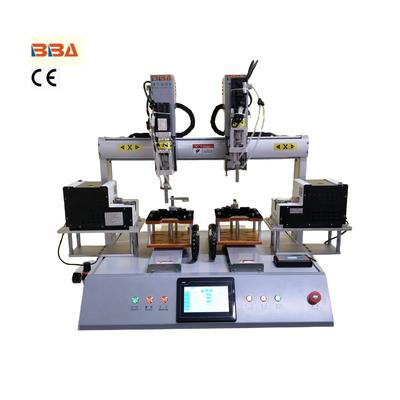
Product Name Applicable industries Screw Locking Robot Electric Bicycle Assembly In the fast-evolving world of industrial automation, precision and efficiency are paramount. One of the key challenges in assembly and manufacturing processes is the seamless integration of screw feeding systems with robotic screwdrivers. This article explores the technical considerations and benefits of integrating a screw feeder with a desktop screwdriver robot to optimize productivity in small-scale or high-precision applications. The Role of Screw Feeding Systems in Automation Screw feeders are designed to deliver fasteners accurately and consistently to the point of assembly. When paired with a desktop screwdriver robot, they eliminate manual screw handling, reducing errors and increasing throughput. A well-integrated system ensures that screws are presented in the correct orientation and position, allowing the robot to pick and drive them with minimal downtime. Key Integration Considerations 1. Compatibility: The screw feeder must align with the robot’s pick-up mechanism, ensuring smooth transfer of screws. Factors like screw size, head type, and feeder output speed should match the robot’s capabilities. 2. Precision Alignment: The robot’s end effector should precisely align with the feeder’s output chute or rail. Misalignment can lead to dropped screws or incomplete pickups, disrupting the workflow. 3. Synchronization: Communication between the feeder and robot is critical. Sensors or programmable logic controllers (PLCs) can ensure the feeder delivers screws only when the robot is ready, avoiding jams or delays. Benefits of Integration 1. Increased Efficiency: Automated screw feeding reduces idle time between cycles, allowing the robot to operate at optimal speed. 2. Improved Accuracy: Robots eliminate human error in screw placement and torque application, ensuring consistent quality in assembly. 3. Scalability: Desktop screwdriver robots with integrated feeders are ideal for small-batch or high-mix production, adapting easily to different screw types and sizes. Integrating a screw feeder with a desktop screwdriver robot is a cost-effective solution for manufacturers seeking to enhance precision and productivity. By addressing compatibility, alignment, and synchronization, businesses can achieve seamless automation tailored to their assembly needs. As technology advances, these systems will continue to play a pivotal role in modern manufacturing.
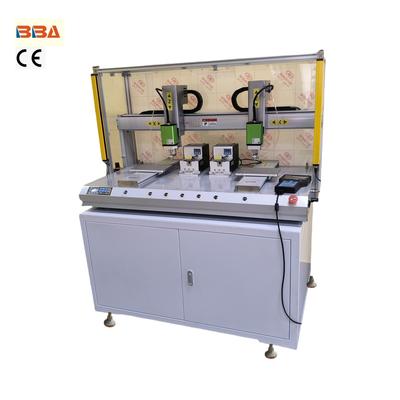
Product Name Applicable industries Inline Screw Locking System Smartphone Manufacturing In today's fast-paced manufacturing industry, efficiency and precision are paramount. Modern screw assembly equipment has evolved significantly, incorporating smart features that enhance productivity, reduce errors, and streamline operations. This article explores the cutting-edge technologies that are transforming screw assembly processes in industrial automation. Intelligent Torque Control One of the standout features in contemporary screw assembly systems is intelligent torque control. Advanced sensors and algorithms ensure that each screw is tightened with the exact required torque, eliminating under- or over-tightening. This precision not only improves product quality but also reduces material fatigue and maintenance costs. Real-time feedback allows operators to monitor and adjust parameters instantly, ensuring consistent performance across production lines. Automated Error Detection Modern screw assembly equipment is equipped with sophisticated error detection systems. Vision systems and force sensors identify misplaced or missing screws, cross-threading, or other defects in real time. When an anomaly is detected, the system can halt the process and alert the operator, minimizing waste and preventing defective products from moving down the line. This level of automation significantly reduces downtime and enhances overall production efficiency. Integration with Industry 4.0 As part of the Industry 4.0 revolution, smart screw assembly machines are designed to seamlessly integrate with broader production ecosystems. They can communicate with other machinery, central control systems, and enterprise resource planning (ERP) software. This connectivity facilitates data-driven decision-making, predictive maintenance, and remote monitoring. By leveraging the Internet of Things (IoT), manufacturers gain actionable insights into equipment performance and production trends. User-Friendly Interfaces Ease of use is another critical advancement in modern screw assembly technology. Touchscreen interfaces and intuitive software allow operators to quickly set up and adjust assembly parameters without specialized training. Customizable dashboards display key metrics such as cycle times, error rates, and production volumes, enabling teams to optimize workflows effortlessly. Energy Efficiency and Sustainability Sustainability is a growing priority in manufacturing, and modern screw assembly equipment reflects this trend. Energy-efficient motors and power management systems reduce electricity consumption without compromising performance. Additionally, precision screwdriving minimizes material waste by ensuring fewer errors and reworks. These eco-friendly features help companies meet regulatory requirements and reduce their environmental footprint. The integration of smart features in screw assembly equipment is revolutionizing industrial automation. From intelligent torque control to IoT connectivity, these advancements enhance productivity, quality, and sustainability. As technology continues to evolve, manufacturers can expect even greater efficiencies and innovations in their assembly processes.
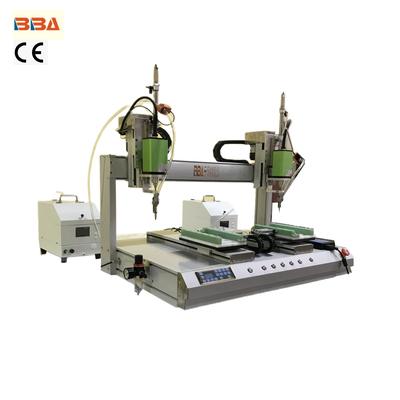
Teaching Robots to Perform Screw Tightening Tasks In the rapidly evolving field of industrial automation, robots are increasingly being tasked with precision-oriented jobs that were once reserved for human workers. One such task is screw tightening, a seemingly simple yet critical operation in manufacturing and assembly lines. Teaching robots to perform this task efficiently requires a combination of advanced hardware, intelligent software, and careful programming. The Importance of Precision in Screw Tightening Screw tightening may appear straightforward, but it demands a high level of precision. Over-tightening can damage materials or strip threads, while under-tightening may lead to loose connections and potential failures. Robots excel in such repetitive tasks because they can apply consistent torque and angle adjustments, minimizing human error. This ensures product reliability and reduces waste in production lines. Key Components for Robotic Screw Tightening To achieve accurate screw tightening, robots rely on several key components: Torque Sensors: These sensors measure the rotational force applied during tightening, ensuring consistency and preventing damage. Vision Systems: Cameras and AI-driven software help robots identify screw locations and verify correct placement. Adaptive Grippers: Specialized end-effectors adjust grip strength to handle different screw sizes and materials. Motion Control: Precision motors and controllers enable smooth and accurate movements for optimal tightening. Programming and Learning Techniques Modern robots are often equipped with machine learning capabilities, allowing them to improve their performance over time. By analyzing data from successful tightening operations, robots can refine their torque settings, speed, and alignment techniques. Some systems even use collaborative robotics (cobots), where humans demonstrate the task, and the robot replicates and optimizes the process. Applications Across Industries Robotic screw tightening is widely used in industries such as automotive, electronics, and aerospace, where precision assembly is crucial. In automotive manufacturing, for instance, robots tighten screws on engine components, dashboards, and body panels with unmatched consistency. Electronics manufacturers leverage robotic systems to assemble delicate devices where even minor errors can cause malfunctions. Future Developments As robotics technology advances, we can expect even more sophisticated screw tightening solutions. Innovations like real-time adaptive torque control, improved AI-based error detection, and integration with IoT for predictive maintenance will further enhance efficiency. These developments will enable manufacturers to achieve higher productivity while maintaining stringent quality standards. In conclusion, teaching robots to perform screw tightening tasks is a transformative step in industrial automation. By combining precision hardware, intelligent programming, and continuous learning, robotic systems are setting new benchmarks in assembly line efficiency and reliability. Product Name Applicable industries Desktop Screwdriver Robot Electric Bicycle Assembly
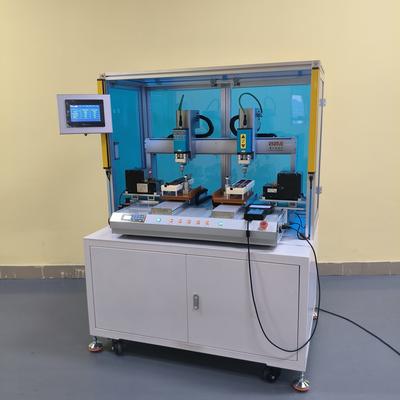
In the rapidly evolving world of industrial automation, precision and efficiency are paramount. One of the key advancements driving this transformation is the use of servo motor screw systems in automotive assembly. These systems are revolutionizing the way vehicles are manufactured, offering unparalleled accuracy, speed, and reliability. In this article, we explore the benefits, applications, and future potential of servo motor screw systems in the automotive industry. The Role of Servo Motor Screw Systems in Automotive Assembly Servo motor screw systems are designed to deliver precise torque control and angular positioning, making them ideal for automotive assembly lines. Unlike traditional pneumatic or hydraulic systems, servo-driven screwdrivers provide consistent performance, reducing the risk of over-tightening or under-tightening fasteners. This level of precision is critical in automotive manufacturing, where even minor deviations can lead to assembly flaws or compromised safety. Key Advantages of Servo Motor Screw Systems 1. High Precision: Servo motors offer exact control over torque and rotation, ensuring each fastener meets strict quality standards. 2. Energy Efficiency: These systems consume less power compared to pneumatic alternatives, reducing operational costs. 3. Greater Flexibility: Programmable servo systems can adapt to various assembly tasks, minimizing downtime during production changes. 4. Improved Data Tracking: Many servo screw systems integrate with factory networks, providing real-time monitoring and traceability for quality assurance. Applications in Automotive Manufacturing From engine assembly to interior component installation, servo motor screw systems are widely used in automotive production. For example, they are indispensable in securing critical components like airbags, braking systems, and electrical modules. Their ability to operate in tight spaces and handle delicate materials makes them a preferred choice for modern assembly lines. Additionally, these systems are increasingly employed in electric vehicle (EV) manufacturing, where precision is even more crucial due to the sensitive nature of battery and motor assemblies. The Future of Servo-Driven Automation As the automotive industry embraces Industry 4.0, servo motor screw systems are expected to play an even greater role. Innovations such as AI-powered predictive maintenance and advanced feedback loops will further enhance their performance. The integration of IoT-enabled devices will allow for smarter, more connected assembly lines, where servo systems can self-adopt to optimize production efficiency. With these advancements, manufacturers can achieve higher throughput, lower defect rates, and seamless scalability. In conclusion, servo motor screw systems are a cornerstone of modern automotive assembly, delivering precision, efficiency, and adaptability. As technology continues to advance, these systems will remain integral to the future of industrial automation, helping manufacturers meet the growing demands of the automotive sector. Product Name Applicable industries Automatic Screw Feeder LED Lighting Industry
Product Name Applicable industries Automatic Screw Feeder Medical Device Manufacturing Machine Learning in Screw Fastening Operations In the fast-evolving world of industrial automation, precision and efficiency are paramount. One area where these qualities are particularly critical is screw fastening operations. Traditional methods rely heavily on human operators or basic mechanical systems, which can lead to inconsistencies, errors, and inefficiencies. However, with the advent of machine learning (ML), screw fastening processes are undergoing a transformative shift, enabling smarter, more reliable, and highly optimized operations. The Challenges in Traditional Screw Fastening Manual screw fastening, while straightforward, is prone to human error. Over-tightening, under-tightening, and cross-threading are common issues that can compromise product quality and lead to costly rework. Even automated systems without advanced intelligence may struggle with variations in material properties, environmental conditions, or part tolerances. These challenges highlight the need for a more adaptive and intelligent approach. How Machine Learning Enhances Screw Fastening Machine learning brings a new level of sophistication to screw fastening by leveraging data-driven insights and real-time adjustments. Here’s how ML is making a difference: Predictive Torque Control: ML algorithms analyze historical torque data to predict the optimal tightening force for each screw, reducing the risk of over- or under-tightening. Fault Detection and Prevention: By monitoring vibration patterns, torque curves, and other parameters, ML models can detect anomalies and prevent potential failures before they occur. Adaptive Learning: Systems equipped with ML can adapt to variations in materials, part sizes, or environmental conditions, ensuring consistent performance across different scenarios. Quality Assurance: Real-time analysis of fastening data allows for immediate quality checks, flagging defective assemblies and reducing post-production inspection efforts. Benefits of ML-Powered Screw Fastening Integrating machine learning into screw fastening operations offers numerous advantages: Higher Accuracy: Reduced variability in fastening results ensures uniformity and reliability in production. Increased Efficiency: Automated adjustments minimize downtime and rework, streamlining the manufacturing process. Cost Savings: Fewer defects and less manual intervention translate to lower operational costs. Scalability: ML solutions can be easily scaled across multiple production lines or adapted for different product types. The Future of Screw Fastening with ML As machine learning technology continues to advance, its applications in screw fastening will expand even further. Future innovations may include self-calibrating systems, integration with IoT for predictive maintenance, and enhanced collaboration between robots and human operators. By embracing ML, manufacturers can unlock new levels of precision, efficiency, and competitiveness in their operations. In conclusion, machine learning is revolutionizing screw fastening operations by addressing long-standing challenges and introducing unprecedented levels of intelligence. For industrial automation companies, adopting ML-driven solutions is no longer just an option—it’s a strategic imperative to stay ahead in a demanding market.
In the competitive world of industrial automation, showcasing the efficiency and precision of screw fastening products is crucial for attracting potential clients. Video demos provide an engaging way to highlight the features, benefits, and real-world applications of these products. This blog explores the importance of creating high-quality video demonstrations for screw fastening solutions and offers practical tips to ensure your videos effectively communicate value. Why Video Demos Matter for Screw Fastening Products Video demonstrations serve as a powerful tool to bridge the gap between technical specifications and practical performance. For screw fastening products, a well-crafted video can illustrate speed, accuracy, and ease of use in a way that static images or written descriptions cannot. By visually demonstrating how the product operates in various scenarios, you help customers visualize its integration into their workflows, increasing confidence in their purchasing decisions. Key Elements of an Effective Screw Fastening Demo Video 1. Clear Close-Ups: Show the product in action with high-resolution close-ups of the screw fastening mechanism. Detail the precision of the torque control, thread alignment, and repeatability to emphasize reliability. 2. Real-World Applications: Film the product being used in typical industrial settings, such as assembly lines or robotic applications. Highlight how it improves efficiency or reduces errors compared to manual processes. 3. Comparative Demonstrations: If applicable, contrast your product’s performance with traditional methods to underscore its advantages, such as faster cycle times or consistent quality. Technical Tips for High-Quality Production To ensure your video demos are professional and impactful: Use stable camera setups or tripods to avoid shaky footage. Edit the video to include concise text overlays explaining key features without overwhelming the viewer. Optimize lighting to eliminate shadows and reflections that could obscure details. Maximizing Engagement and Reach Share your screw fastening demo videos across multiple platforms, including your website, YouTube, and LinkedIn. Consider creating shorter teaser clips for social media to drive traffic to the full demo. Include clear calls-to-action, such as links to product pages or contact forms, to convert viewer interest into leads. By investing in high-quality video content, you can effectively showcase the innovation and practicality of your screw fastening products, helping your company stand out in the industrial automation market. Product Name Applicable industries Smart Screw Driving Machine Security Equipment Manufacturing
body { font-family: Arial, sans-serif; line-height: 1.6; color: #333; max-width: 800px; margin: 0 auto; padding: 15px; } h1 { color: #2c3e50; font-size: 24px; margin-bottom: 20px; } h2 { color: #3498db; font-size: 20px; margin-top: 25px; margin-bottom: 15px; } p { margin-bottom: 15px; text-align: justify; } ul { margin-bottom: 15px; padding-left: 20px; } li { margin-bottom: 8px; } Benefits of Using Automatic Screw Assembly Machines In today's fast-paced manufacturing environment, efficiency and precision are crucial for maintaining a competitive edge. Automatic screw assembly machines have emerged as a game-changing solution for industries looking to optimize their production processes. These advanced systems offer numerous advantages over traditional manual screwdriving methods, revolutionizing the way components are assembled. Enhanced Productivity and Output Automatic screw assembly machines significantly increase production speed compared to manual operations. These systems can complete hundreds or even thousands of screw placements per hour with consistent accuracy, eliminating the variability of human operators. The continuous operation capability allows manufacturers to achieve higher output volumes while maintaining uniform quality across all products. Improved Precision and Consistency The precision engineering of automatic screw machines ensures every fastener is applied with the exact required torque and depth. Advanced models feature programmable torque control that prevents both under-tightening (which can lead to product failure) and over-tightening (which might damage components). This level of consistency is virtually impossible to maintain with manual screwdriving over extended production runs. Reduced Labor Costs and Operator Fatigue By automating the screw assembly process, companies can achieve substantial labor savings. These machines require minimal operator intervention, allowing staff to be redeployed to more value-added tasks. Additionally, eliminating repetitive manual screwdriving reduces worker fatigue and decreases the risk of repetitive strain injuries, leading to a healthier and more productive workforce. Advanced Quality Control Features Modern automatic screw assembly systems incorporate sophisticated quality monitoring capabilities. Many models include sensors that detect: Proper screw presence and alignment before driving Correct screw seating and torque values Cross-threading or stripped screw incidents Missing screws or incomplete assemblies These features dramatically reduce defect rates and help maintain strict quality standards. Flexibility for Diverse Applications Contemporary automatic screw machines are designed with adaptability in mind. They can accommodate various screw types, sizes, and materials while handling different product configurations. Quick changeover capabilities allow manufacturers to switch between product lines with minimal downtime, making these systems ideal for both high-volume production and smaller batch runs. Improved Workplace Safety Automated screw assembly reduces several workplace hazards associated with manual operations. By minimizing direct contact with fastening tools and moving parts, these systems decrease the likelihood of hand injuries. Additionally, they eliminate ergonomic risks from repetitive motions and reduce exposure to flying debris that might occur during manual screwdriving. Implementing automatic screw assembly technology represents a strategic investment that delivers measurable returns through increased productivity, improved quality, and operational cost savings. As manufacturing demands continue to evolve, these intelligent systems provide the reliability and efficiency needed to stay competitive in today's industrial landscape. Product Name Applicable industries Auto Screwdriver Machine Smart Wearables Production