8618566785362 8618566785362 8618566785362 phoenix08@bbamachine.com
- All
- Product Name
- Product Keyword
- Product Model
- Product Summary
- Product Description
- Multi Field Search
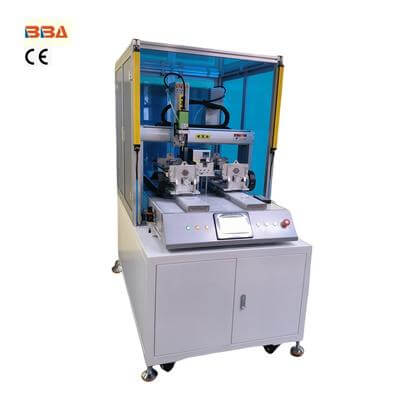
Product Name Applicable industries Inline Screw Locking System Laptop and Tablet Assembly When it comes to industrial automation, robotic screwdrivers are essential tools for assembly lines, offering precision, speed, and consistency. However, not all screwdrivers are created equal—choosing between lightweight and heavy-duty models depends on the specific requirements of your production process. In this article, we’ll explore the key differences between robotic screwdrivers designed for lightweight versus heavy-duty products and how to select the right one for your application. Lightweight Robotic Screwdrivers: Precision for Delicate Applications Lightweight robotic screwdrivers are engineered for applications where precision and finesse are critical. These tools are ideal for assembling small components, electronics, medical devices, and consumer products where over-tightening or misalignment could damage delicate parts. Key features include: Lower Torque Output: Designed to apply controlled torque to avoid stripping screws or damaging materials. Compact Design: Fits easily into tight spaces and automated cells with limited clearance. High-Speed Operation: Optimized for fastening small screws quickly without sacrificing accuracy. Advanced Sensors: Equipped with force feedback and precision alignment systems to ensure consistent performance. Lightweight screwdrivers are often used in industries like electronics manufacturing, where components such as circuit boards or smartphone assemblies require meticulous handling. Heavy-Duty Robotic Screwdrivers: Power for Demanding Applications For industries dealing with larger components, metal fabrication, automotive assembly, or industrial machinery, heavy-duty robotic screwdrivers are the go-to solution. These tools are built to handle high torque, repeated use, and challenging materials. Key characteristics include: High Torque Capacity: Capable of driving large screws and bolts into tough materials like steel or reinforced plastics. Durable Construction: Reinforced housings and industrial-grade components to withstand harsh environments. Enhanced Stability: Designed to minimize vibration and ensure secure fastening even under heavy loads. Extended Runtime: Built for continuous operation in high-volume production lines. Heavy-duty models excel in scenarios requiring long-term reliability, such as automotive chassis assembly or industrial equipment manufacturing, where structural integrity is non-negotiable. Choosing the Right Robotic Screwdriver for Your Needs Selecting the appropriate robotic screwdriver involves evaluating several factors: Application Requirements: Consider the size and material of screws, as well as the fragility of components. Production Volume: High-speed lightweight models suit high-throughput electronics lines, while heavy-duty variants handle large-scale industrial tasks. Integration Compatibility: Ensure the tool fits seamlessly with your existing robotic arms or automation systems. Future Scalability: Choose a model that can adapt to evolving production needs without frequent upgrades. By understanding the distinct advantages of lightweight and heavy-duty robotic screwdrivers, manufacturers can optimize their assembly processes for efficiency and reliability. Whether your focus is on delicate micro-assemblies or robust industrial builds, selecting the right tool ensures consistent performance, reduced downtime, and higher-quality end products.
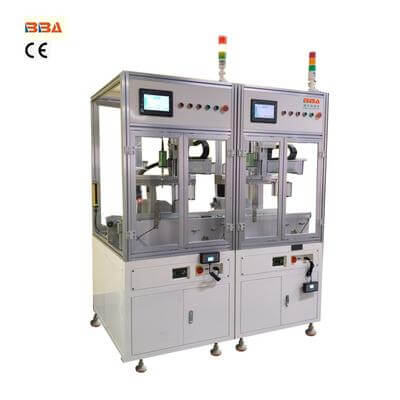
The industrial automation landscape is rapidly evolving, and one of the most significant trends in manufacturing today is the increasing adoption of multi-axis robots. These advanced robotic systems offer unparalleled precision, flexibility, and efficiency, making them a game-changer for modern factories. But what's driving this shift? Let’s explore the key reasons why more factories are switching to multi-axis robots. 1. Enhanced Flexibility and Versatility Multi-axis robots are designed to perform a wide range of tasks with minimal reconfiguration. Unlike traditional single-axis robots, which are limited to linear movements, multi-axis robots can move in multiple directions, allowing them to handle complex operations such as welding, assembly, painting, and material handling. This versatility reduces the need for multiple specialized machines, saving both space and costs. 2. Increased Precision and Quality Precision is critical in manufacturing, especially in industries like automotive, aerospace, and electronics. Multi-axis robots excel in delivering consistent, high-quality results by ensuring accurate positioning and repeatability. Their advanced control systems minimize errors and defects, leading to higher product quality and reduced waste. 3. Improved Efficiency and Productivity With the ability to perform multiple tasks simultaneously or in rapid succession, multi-axis robots significantly boost production speeds. They eliminate downtime associated with tool changes or repositioning, enabling continuous operation. This increased efficiency translates to higher output and faster ROI for manufacturers. 4. Reduced Labor Costs and Safety Risks Labor shortages and rising wages are pressing challenges for many industries. Multi-axis robots offer a cost-effective solution by automating repetitive, labor-intensive tasks. Additionally, they enhance workplace safety by taking over hazardous operations, reducing the risk of injuries and associated costs. 5. Seamless Integration with Smart Factories As Industry 4.0 transforms manufacturing, multi-axis robots are becoming integral to smart factory ecosystems. Equipped with IoT sensors and data analytics capabilities, these robots enable real-time monitoring, predictive maintenance, and adaptive manufacturing—key components of a connected, automated production environment. The advantages of multi-axis robots are clear: they empower factories to achieve greater flexibility, precision, and efficiency while reducing costs and risks. As technology continues to advance, their adoption will only accelerate, reshaping the future of manufacturing. Is your facility ready to make the switch? Product Name Applicable industries Inline Screw Locking System Telecommunication Equipment Assembly
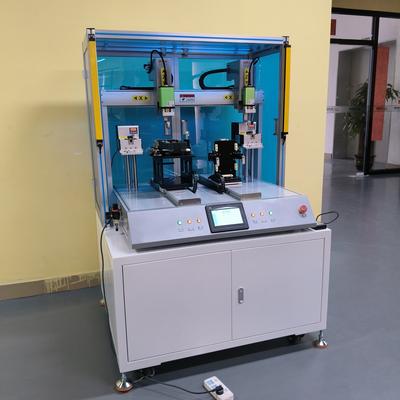
Product Name Applicable industries Automatic Screw Feeder Laptop and Tablet Assembly When it comes to securing threaded fasteners in industrial applications, screw locking machines are an essential tool. Two popular options in the market are desktop and inline screw locking machines. Each type has its own advantages and is suited for different production environments. This article will help you understand the differences between them and guide you in making the right choice for your operations. Desktop Screw Locking Machines Desktop screw locking machines are compact, easy to set up, and ideal for low- to medium-volume production. These machines are typically placed on workbenches and are manually operated, making them perfect for smaller assembly lines or precision tasks. Their portability allows for flexible placement within a facility, and they are often used in industries where space optimization is crucial. One of the key benefits of desktop screw locking machines is their affordability. They are generally more cost-effective than inline systems, making them a great choice for businesses with budget constraints. Additionally, their simple operation reduces the need for extensive training, allowing workers to quickly adapt and maintain productivity. However, desktop machines may not be the best fit for high-speed production lines. Since they require manual loading and positioning, they can slow down the workflow in large-scale manufacturing settings. Their limited capacity for automation may also be a drawback for companies looking to streamline their processes. Inline Screw Locking Machines Inline screw locking machines, on the other hand, are designed for high-speed, automated production lines. These machines are integrated into conveyor systems, allowing for continuous operation with minimal human intervention. They are especially beneficial for industries that handle large volumes of fastening tasks, such as automotive or electronics manufacturing. The primary advantage of inline machines is their efficiency. They can process a high number of parts in a short time, significantly boosting productivity. Automated feeding systems ensure consistent screw placement, reducing errors and improving quality control. Furthermore, inline models often come with advanced features like torque monitoring and data logging, which enhance process reliability. Despite their advantages, inline screw locking machines require a higher initial investment and more extensive setup. The integration with existing production lines may also involve additional engineering work. Maintenance can be more complex, and operators may need specialized training to handle these systems effectively. Choosing the Right Machine for Your Needs The decision between a desktop and inline screw locking machine depends on your production volume, budget, and operational goals. For small-scale or flexible manufacturing, a desktop machine may be the better option due to its affordability and ease of use. If you run a high-volume production line with a focus on automation and speed, an inline machine will likely provide the efficiency and precision you need. Before making a purchase, assess your workflow requirements, available space, and long-term production goals. Consulting with industry experts can also help you determine the best solution for your specific application. Ultimately, investing in the right screw locking machine will improve your assembly processes and contribute to higher-quality output.
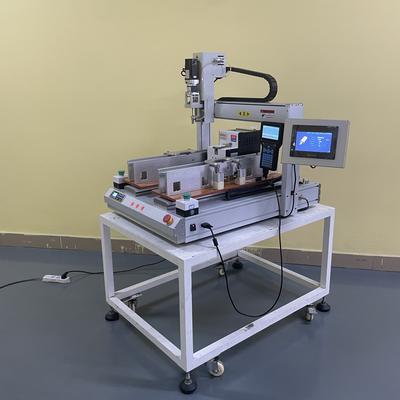
In the world of industrial automation, precision and reliability are paramount. One of the key components in assembly lines is the screw locking machine, a device designed to fasten screws with consistency and accuracy. However, not all screw locking machines are created equal. The presence or absence of torque control can significantly impact the efficiency, quality, and safety of the assembly process. This article explores the differences between screw locking machines with and without torque control, highlighting their advantages and ideal use cases. Screw Locking Machine with Torque Control A screw locking machine equipped with torque control is engineered to apply a precise amount of rotational force (torque) to fasten screws. This feature ensures that each screw is tightened to a specific torque value, preventing both under-tightening and over-tightening. Here are some key benefits: Consistency: Torque-controlled machines deliver uniform tightening across all screws, reducing variability in the assembly process. Quality Assurance: By adhering to predefined torque settings, these machines minimize the risk of product defects caused by improper fastening. Damage Prevention: Over-tightening can strip threads or damage components, while under-tightening may lead to loose screws. Torque control mitigates these risks. Compliance: Many industries have strict torque specifications for safety and performance. Torque-controlled machines ensure compliance with these standards. These machines are ideal for industries where precision is critical, such as automotive, aerospace, and electronics manufacturing. Screw Locking Machine without Torque Control In contrast, screw locking machines without torque control rely on the operator’s judgment or mechanical stops to determine the tightness of screws. While these machines are often more affordable and simpler to operate, they come with certain limitations: Inconsistency: Without precise torque regulation, the tightness of screws can vary, leading to potential quality issues. Higher Risk of Errors: Human error or mechanical wear can result in over-tightening or under-tightening, increasing the likelihood of product failures. Limited Applications: These machines are best suited for low-precision tasks where exact torque values are not critical, such as temporary fastening or non-structural assemblies. Despite their drawbacks, screw locking machines without torque control can still be a cost-effective solution for less demanding applications. Choosing the Right Machine for Your Needs The decision between a screw locking machine with or without torque control depends on several factors, including the nature of your assembly process, industry requirements, and budget. Here are some considerations: Precision Requirements: If your application demands exact torque values, a torque-controlled machine is indispensable. Production Volume: High-volume production lines benefit from the reliability of torque control to maintain consistent quality. Cost: Machines without torque control are more economical but may incur higher long-term costs due to rework or defects. Ultimately, investing in a torque-controlled screw locking machine can enhance productivity, reduce waste, and improve product reliability, making it a wise choice for many industrial applications. Product Name Applicable industries Screw Locking Robot LED Lighting Industry
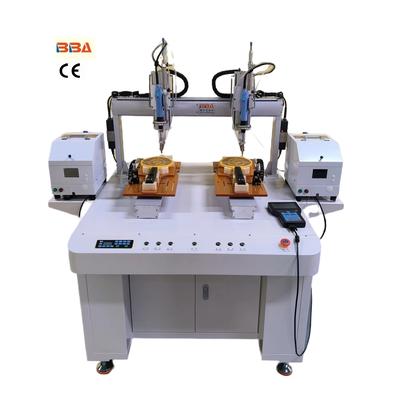
Product Name Applicable industries Smart Screw Driving Machine Security Equipment Manufacturing Machine Learning in Torque Adjustment: Revolutionizing Industrial Automation The integration of machine learning into torque adjustment systems is transforming the landscape of industrial automation. By leveraging advanced algorithms and data-driven insights, manufacturers can achieve unprecedented precision, efficiency, and reliability in torque control processes. This article explores the key benefits and applications of machine learning in torque adjustment, highlighting its potential to optimize performance across various industries. Enhanced Precision and Consistency Traditional torque adjustment methods often rely on fixed parameters, which may not account for variations in material properties, environmental conditions, or equipment wear. Machine learning algorithms, however, continuously analyze real-time data to dynamically adjust torque settings, ensuring consistent results even in complex or unpredictable scenarios. This capability minimizes errors, reduces rework, and enhances product quality. Predictive Maintenance One of the most significant advantages of machine learning in torque adjustment is its ability to predict and prevent equipment failures. By monitoring patterns in torque data, algorithms can identify anomalies that indicate potential issues, such as misalignments or component degradation. Early detection allows for proactive maintenance, reducing downtime and extending the lifespan of machinery. Adaptive Learning for Diverse Applications Machine learning models can be trained to adapt torque settings for a wide range of materials and assembly processes. For example, in automotive manufacturing, algorithms can distinguish between different bolt types or thread conditions, automatically adjusting torque to meet specific requirements. This adaptability reduces the need for manual recalibration and streamlines production workflows. Energy Efficiency and Cost Savings Optimized torque adjustment directly contributes to energy efficiency by minimizing excessive force and reducing mechanical stress on equipment. Machine learning further enhances this by identifying the most energy-effective torque profiles for each task. Over time, these improvements lead to substantial cost savings and a smaller environmental footprint. Future Prospects As machine learning technology continues to evolve, its applications in torque adjustment will expand, enabling even greater automation and intelligence in industrial processes. Innovations such as edge computing and IoT integration will further enhance real-time decision-making, paving the way for smarter, more resilient manufacturing systems. In conclusion, machine learning is redefining torque adjustment in industrial automation, offering unparalleled precision, predictive capabilities, and adaptability. By embracing these advancements, manufacturers can unlock new levels of productivity and competitiveness in an increasingly demanding market.
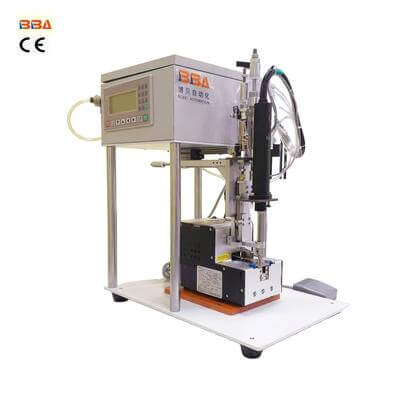
Product Name Applicable industries Smart Screw Driving Machine Security Equipment Manufacturing The industrial automation sector is rapidly evolving, and screw fastening machines have become an essential component in manufacturing processes. Importing these machines can significantly enhance efficiency, precision, and productivity in assembly lines. However, before making a purchase, it’s crucial to understand the key considerations to ensure you select the right equipment for your needs. Here’s what you need to know about importing screw fastening machines. Understanding Screw Fastening Machines Screw fastening machines are automated devices designed to drive screws into products or components with high accuracy and speed. They are widely used in industries such as automotive, electronics, aerospace, and consumer goods manufacturing. These machines eliminate manual labor, reduce errors, and improve consistency in assembly operations. There are several types of screw fastening machines, including pneumatic, electric, and servo-driven models. Each type offers distinct advantages depending on the application. For instance, pneumatic machines are cost-effective and suitable for high-speed operations, while servo-driven machines provide greater precision and torque control. Key Factors to Consider When Importing 1. Application Requirements: Determine the specific needs of your production line. Consider factors such as screw size, torque requirements, and the speed of operation. This will help you choose a machine that matches your workflow. 2. Quality and Reliability: Ensure the supplier adheres to international quality standards. Look for machines with durable construction, robust components, and advanced features like error-proofing and data tracking. 3. Customization Options: Some production lines require tailored solutions. Opt for suppliers who offer customization to adapt the machine to your unique processes, such as flexible feeding systems or multi-axis configurations. 4. After-Sales Support: Importing machinery involves potential risks like maintenance and spare parts availability. Choose a supplier that provides comprehensive after-sales services, including technical support and training. 5. Regulatory Compliance: Verify that the machine meets the safety and regulatory standards of your country. This includes certifications like CE, UL, or ISO, depending on your region. Benefits of Importing Screw Fastening Machines Investing in imported screw fastening machines offers numerous advantages: Enhanced Productivity: Automation reduces cycle times and increases output. Consistency and Accuracy: Machines deliver uniform torque and precise screw placement, minimizing defects. Cost Savings: Lower labor costs and reduced rework contribute to long-term financial benefits. Scalability: Advanced machines can be integrated into larger automated systems for future expansion. Conclusion Importing screw fastening machines is a strategic decision that can transform your manufacturing operations. By carefully evaluating your requirements, supplier credibility, and compliance standards, you can ensure a smooth acquisition process and maximize the return on your investment. Whether you’re upgrading an existing line or setting up a new facility, these machines are a cornerstone of modern industrial automation.
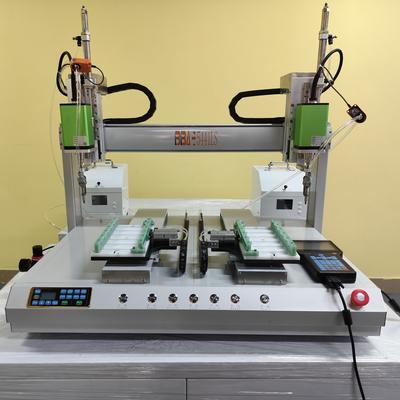
In the fast-paced world of automotive manufacturing, precision, efficiency, and reliability are non-negotiable. One of the key technologies driving these qualities is the integration of servo motor screw systems in automotive assembly lines. These advanced systems offer unparalleled control, speed, and accuracy, making them indispensable in modern production environments. Servo motor screw systems are designed to automate the fastening process, ensuring consistent torque and angle specifications for every screw. This eliminates human error and reduces the risk of under or over-tightening, which can compromise the structural integrity of automotive components. With real-time feedback and adaptive control, these systems adjust to variations in material or environmental conditions, maintaining optimal performance throughout the production cycle. The benefits of using servo motor screw systems extend beyond precision. They significantly enhance production speed, allowing manufacturers to meet tight deadlines without sacrificing quality. Traditional pneumatic or manual screwdrivers cannot match the speed and repeatability of servo-driven systems, which can perform thousands of fastening operations per hour with minimal downtime. This efficiency translates to higher throughput and lower operational costs over time. Another advantage is the system's flexibility. Automotive assembly lines often handle a variety of components, each requiring different screw types and tightening parameters. Servo motor screw systems can be easily programmed to accommodate these variations, making them ideal for mixed-model production. Quick changeover capabilities further reduce setup times, enabling manufacturers to switch between tasks seamlessly. Data collection and analytics are also integral to servo motor screw systems. Each fastening operation is recorded, providing valuable insights into production trends and potential issues. This data can be used to optimize processes, predict maintenance needs, and ensure compliance with industry standards. By leveraging this information, manufacturers can continuously improve their assembly lines and maintain a competitive edge. Safety is another critical consideration. Servo motor screw systems are designed with built-in safety features to protect both operators and equipment. Overload protection, emergency stop functions, and ergonomic designs minimize the risk of accidents, creating a safer working environment. This not only enhances employee well-being but also reduces liability and downtime associated with workplace injuries. The environmental impact of manufacturing processes is increasingly under scrutiny, and servo motor screw systems contribute to sustainability efforts. Their energy-efficient operation reduces power consumption compared to traditional systems, lowering the carbon footprint of automotive assembly. Additionally, the precision of servo-driven systems minimizes material waste by ensuring correct fastening every time, reducing the need for rework or scrap. In conclusion, servo motor screw systems are transforming automotive assembly by delivering unmatched precision, speed, and flexibility. Their ability to integrate with modern data analytics and sustainability initiatives makes them a smart investment for manufacturers aiming to stay ahead in a competitive industry. As automotive technology continues to evolve, these systems will play an even greater role in shaping the future of production. Product Name Applicable industries Automatic Screw Feeder Telecommunication Equipment Assembly
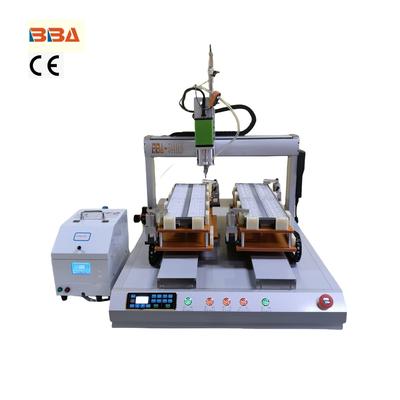
When it comes to industrial automation, screw tightening automation plays a crucial role in improving efficiency, precision, and productivity in manufacturing processes. Whether you're an engineer, a plant manager, or a business owner looking to optimize your production line, understanding the best SEO keywords for screw tightening automation can help you reach the right audience. In this blog post, we’ll explore the top keywords related to this technology and how they can enhance your online visibility. Why SEO Keywords Matter for Screw Tightening Automation Search engine optimization (SEO) is essential for businesses that want to rank higher on search engines like Google. By targeting the right keywords, you can attract potential customers who are actively searching for solutions in screw tightening automation. Well-researched keywords help drive organic traffic to your website, increasing lead generation and conversions. Top SEO Keywords for Screw Tightening Automation Here are some of the most effective keywords and phrases to optimize your content for screw tightening automation: Automated screw tightening systems – A broad term that attracts users looking for end-to-end automation solutions. Robotic screwdriving solutions – Targets businesses interested in robotic applications for fastening. Precision screw tightening machines – Ideal for industries requiring high accuracy in assembly. Industrial screw fastening automation – Caters to large-scale manufacturing needs. Smart screw tightening technology – Appeals to businesses seeking IoT and AI-integrated solutions. Automated torque control systems – Focuses on applications requiring controlled torque for quality assurance. High-speed screwdriving automation – Attracts industries looking to enhance production speeds. Electric screw tightening machines – A specific keyword for electric-powered solutions. Custom automated screwdrivers – Targets buyers interested in tailored automation systems. Cost-effective screw tightening solutions – Attracts budget-conscious decision-makers. How to Use These Keywords Effectively To maximize the impact of these keywords, follow these best practices: Incorporate keywords naturally – Avoid stuffing your content with repetitive phrases. Instead, integrate them smoothly into headers, product descriptions, and blog posts. Optimize meta titles and descriptions – Use high-value keywords in your page titles and meta descriptions to improve click-through rates. Create high-quality content – Publish informative articles and guides that answer common questions about screw tightening automation. Target long-tail keywords – Phrases like "best automated screwdrivers for small assembly lines" can attract niche audiences with high purchase intent. Use related keywords for semantic SEO – Include variations like "automated screw fastening" or "robotic bolting systems" to improve relevance. Conclusion Investing in the right SEO keywords for screw tightening automation is a smart way to boost your online presence and attract potential customers. By focusing on relevant search terms and optimizing your content accordingly, you can drive more traffic, generate leads, and establish your brand as an industry leader. Start integrating these keywords into your digital marketing strategy today and watch your visibility grow! Product Name Applicable industries Desktop Screwdriver Robot LED Lighting Industry