8618566785362 8618566785362 8618566785362 phoenix08@bbamachine.com
- All
- Product Name
- Product Keyword
- Product Model
- Product Summary
- Product Description
- Multi Field Search

Views: 0 Author: BBA AUTOMATION Publish Time: 2025-06-28 Origin: BBA AUTOMATION


| Product Name | Applicable industries |
| Smart Screw Driving Machine | Medical Device Manufacturing |
In manufacturing, screw fastening is a fundamental process impacting product quality, safety, and production efficiency. While manual methods have been standard for decades, automatic screw locking systems are transforming assembly lines. This comparison explores both approaches to help you optimize your operations.
Manual screw locking relies on human operators using handheld tools like electric screwdrivers or pneumatic wrenches. Workers visually align screws and tighten them based on tactile feedback, gauging torque by feel or using basic clutch mechanisms. This method is simple to deploy: operators can adapt to different screw sizes or angles with minimal retraining, making it suitable for low-volume prototypes, customized products, or repair stations. Maintenance is straightforward, requiring only basic tool calibration.
However, manual systems face inherent limitations. Fatigue gradually compromises precision, leading to undertightened joints that loosen prematurely or overtightened ones that damage materials. Consistency suffers across shifts, increasing defect rates. Production speed remains constrained by human limitations, scaling poorly for high-volume demands. Critical quality data, such as exact torque applied per screw, is rarely captured for traceability.
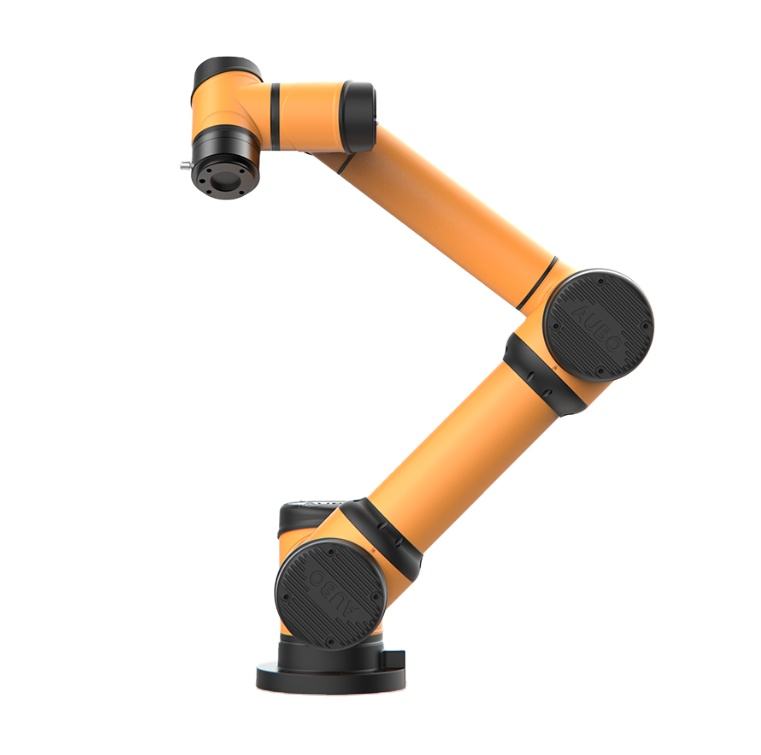
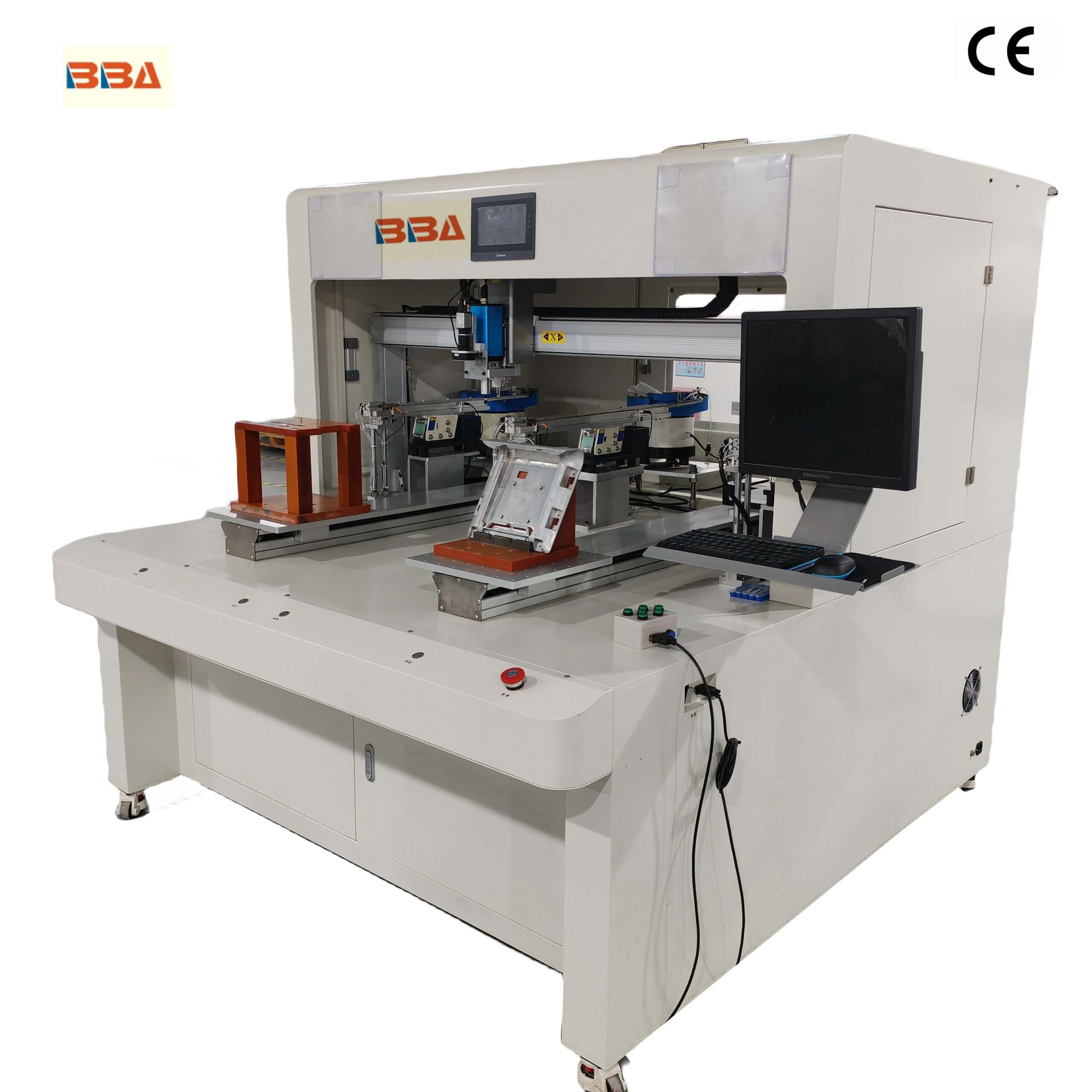
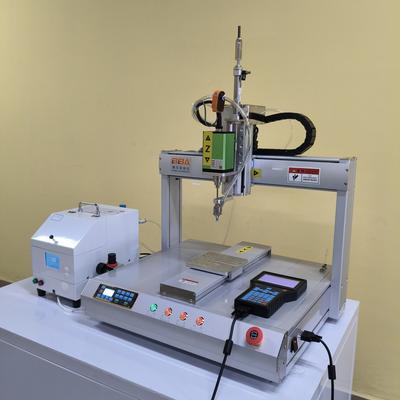
Automatic screw locking systems integrate robotics, precision feeders, and advanced controllers. Robots equipped with servo-driven screwdrivers precisely position and fasten screws using programmed torque and angle parameters. Screw feeders—vibratory bowls or tape reels—supply components directly to the tool, eliminating manual handling. The system validates every step: sensors confirm screw presence, alignment, seating depth, and achieved torque, logging results digitally.
This automation delivers exceptional consistency, eliminating human error for near-zero defect rates. Line speeds surge, with some systems installing screws in under 1.5 seconds per unit. Real-time data collection enables full traceability—essential for industries like aerospace or medical device manufacturing needing auditable quality records. While the initial investment is higher than manual tooling, long-term operational costs decrease through reduced errors, downtime, and quality-related recalls.
Choosing between manual and automated systems depends on specific priorities:
While manual systems remain viable for niche applications, Industry 4.0 demands increasingly favor automation. Modern automatic screw lockers now include AI-driven adaptive torque control, predictive maintenance alerts, and IoT connectivity for real-time optimization. These innovations transform screw locking from a routine task into a data-rich strategic asset.
Both manual and automatic screw locking have distinct roles, but the trajectory toward intelligent automation is undeniable. For businesses targeting peak efficiency, reduced waste, and uncompromised quality, automatic systems represent the next evolution in assembly line excellence—turning a simple fastening process into a competitive advantage.