8618566785362 8618566785362 8618566785362 phoenix08@bbamachine.com
- All
- Product Name
- Product Keyword
- Product Model
- Product Summary
- Product Description
- Multi Field Search

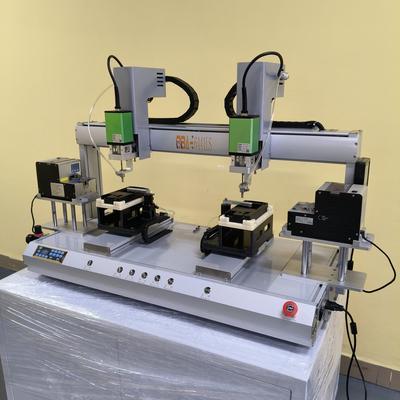
Product Name Applicable industries Screw Fastening Unit Consumer Electronics Assembly Multi-axis robotic screw driving is revolutionizing the industrial automation landscape, offering unprecedented precision, efficiency, and flexibility in assembly processes. This advanced technology is rapidly becoming a cornerstone for manufacturers seeking to optimize production lines while reducing labor costs and human error. At its core, multi-axis robotic screw driving systems integrate sophisticated robotics with precision screwdriving mechanisms. These systems typically feature articulated robotic arms with multiple degrees of freedom, allowing them to approach workpieces from virtually any angle. This versatility is particularly valuable in complex assembly applications where traditional fixed automation would struggle. The technology combines several critical components working in harmony: Multi-axis robotic manipulator with precise motion control High-torque electric or pneumatic screwdriver end-effector Advanced vision systems for part recognition and alignment Torque monitoring and feedback systems Flexible part feeding mechanisms One of the most significant advantages of multi-axis robotic screw driving is its ability to handle diverse product variants without requiring extensive retooling. The robotic system can be quickly reprogrammed to accommodate different screw patterns, fastener types, and product geometries. This makes it ideal for high-mix, low-volume production environments where flexibility is paramount. Precision is another hallmark of these systems. Modern robotic screwdrivers incorporate sophisticated torque control algorithms that ensure consistent fastener tightness while preventing damage to delicate components. The systems can precisely record torque values for each fastener, creating valuable quality control data that can be integrated into manufacturing execution systems. From an ergonomics perspective, robotic screw driving removes workers from repetitive tasks that can lead to musculoskeletal disorders. The robots can consistently perform screw insertion operations in awkward positions or confined spaces that would be challenging for human operators. Implementation considerations for multi-axis robotic screw driving systems include: Proper workspace layout to maximize robot reach and efficiency Integration with existing production line systems Selection of appropriate screw feeding methods (tape, bowl, or bulk feeding) Development of robust error recovery procedures Operator training for system monitoring and maintenance As industries continue to demand higher productivity and quality standards, multi-axis robotic screw driving technology is poised to become even more sophisticated. Emerging trends include the integration of artificial intelligence for predictive maintenance and process optimization, as well as collaborative robot implementations that work safely alongside human operators. Forward-thinking manufacturers are adopting these systems not just for their immediate benefits in quality and efficiency, but also for their ability to future-proof production facilities. The flexibility of multi-axis robotic screw driving makes it a sustainable investment that can adapt to evolving product designs and manufacturing requirements. When properly implemented, multi-axis robotic screw driving systems can dramatically improve production metrics while reducing costs associated with rework, warranty claims, and worker injuries. As automation technology continues to advance, these systems will play an increasingly vital role in competitive manufacturing operations worldwide.
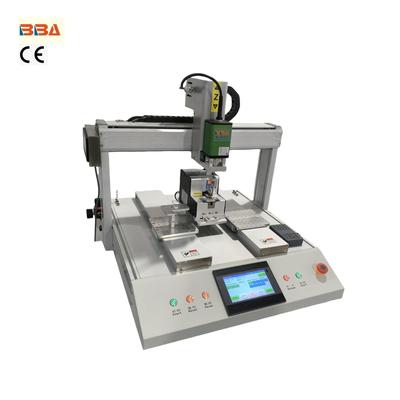
Product Name Applicable industries Smart Screw Driving Machine Automotive Electronics Assembly The smartwatch industry is rapidly evolving, demanding higher precision, efficiency, and flexibility in manufacturing processes. One of the most transformative innovations in smartwatch assembly is the use of desktop screwdriver robots. These compact yet powerful automation tools are redefining production lines by enhancing accuracy, reducing labor costs, and accelerating throughput. Unlike traditional screwdriving methods, desktop screwdriver robots are designed to fit seamlessly into small-scale assembly environments, making them ideal for smartwatch production. Their compact footprint allows them to be integrated into existing workstations without requiring extensive reconfiguration. Equipped with advanced torque control and vision systems, these robots ensure consistent screw placement and tightening, minimizing the risk of damage to delicate components such as sensors, circuit boards, and casings. One of the key advantages of desktop screwdriver robots is their adaptability. Smartwatches often undergo design changes, requiring assembly lines to accommodate new screw sizes, positions, or materials. These robots can be quickly reprogrammed to handle variations, eliminating the need for manual adjustments or tool replacements. Some models also feature self-learning capabilities, allowing them to recognize and adapt to minor deviations in component placement, further improving efficiency. Another significant benefit is the reduction in human error. Manual screwdriving is prone to inconsistencies, especially in high-volume production environments where fatigue can lead to over-tightening, under-tightening, or misalignment. Desktop screwdriver robots eliminate these issues by executing each operation with precise torque and angle control. This level of consistency enhances product quality and reduces the likelihood of post-assembly defects or failures. Moreover, the integration of desktop screwdriver robots supports lean manufacturing principles. By automating repetitive tasks, manufacturers can reallocate human workers to higher-value activities such as quality inspection or process optimization. This not only boosts productivity but also improves workplace safety by minimizing repetitive strain injuries associated with manual screwdriving. As smartwatch designs become more complex, the demand for reliable and flexible assembly solutions will continue to grow. Desktop screwdriver robots represent a cost-effective answer to these challenges, offering scalability for both small-batch customizations and large-scale production runs. With their ability to enhance precision, speed, and versatility, these robots are set to become a cornerstone of next-generation smartwatch manufacturing.
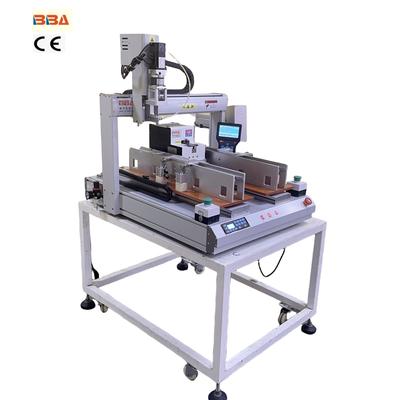
Precision Torque Control in Automated Screw Tightening In the realm of industrial automation, achieving consistent and reliable screw tightening is critical for product quality and assembly efficiency. Precision torque control plays a pivotal role in ensuring that fasteners are tightened to exact specifications without under-torquing (leading to loose connections) or over-torquing (which may cause component damage). This article explores the importance of torque control in automated screw tightening and the technologies that enable it. The Significance of Torque Accuracy In automated assembly lines, torque accuracy directly impacts product durability and safety. For instance, in automotive or electronics manufacturing, improperly tightened screws can lead to malfunctions, assembly failures, or even safety hazards. Precision torque control minimizes variability, ensuring that every fastener is tightened to the manufacturer’s exact requirements. How Automated Torque Control Works Modern automated screw tightening systems integrate servo-driven mechanisms with real-time feedback loops to monitor and adjust torque dynamically. These systems utilize high-resolution encoders and load cells to measure the rotational force applied, ensuring precise control. By continuously comparing actual torque against the target value, the system can halt tightening immediately once the desired torque is achieved. Key Benefits of Precision Torque Control Consistency: Automated torque control eliminates human error, producing uniform results across every assembly cycle. Quality Assurance: Ensuring fastener integrity reduces defects and improves product reliability. Process Optimization: Advanced torque controllers can log data for traceability and process refinement. Cost Savings: Reducing rework rates and scrap material lowers overall production costs. Applications in Industry Industries such as automotive, aerospace, consumer electronics, and medical device manufacturing rely heavily on precision torque control. For example: In automotive assembly, precise fastener tightening ensures structural integrity and reduces recalls. Medical device manufacturers use torque control to secure sensitive components without compromising sterility. Emerging Trends The future of automated screw tightening lies in smarter, AI-driven torque adjustment algorithms that predict and compensate for material variations. Additionally, IoT-enabled torque tools facilitate seamless integration with Industry 4.0 platforms, enhancing predictive maintenance and remote monitoring. Precision torque control remains a cornerstone of industrial automation, blending advanced mechanics with digital intelligence to deliver flawless assembly results. As manufacturing demands grow increasingly stringent, optimizing torque accuracy will continue to be a priority for innovation. Product Name Applicable industries Servo Screwdriver Robot Industrial Control Panel Assembly
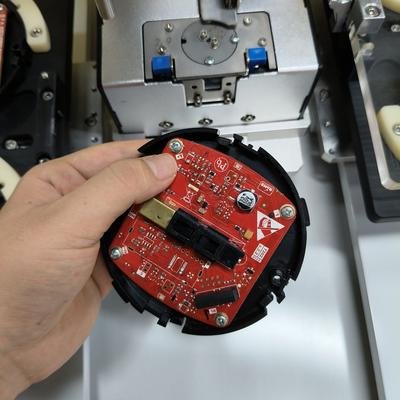
Product Name Applicable industries CNC Screw Fastener PCB and Circuit Board Assembly In today's fast-paced manufacturing landscape, efficiency and precision are paramount. One of the most transformative advancements in industrial automation is the adoption of automatic screw assembly robots. These innovative systems are revolutionizing production lines by streamlining assembly processes, reducing errors, and significantly boosting productivity. Automatic screw assembly robots are designed to handle the repetitive and labor-intensive task of screwing components together with unmatched accuracy. Unlike manual assembly, which is prone to human error and fatigue, these robots ensure consistent torque and positioning, eliminating the risk of over-tightening or cross-threading. This level of precision not only enhances product quality but also minimizes material waste and rework. One of the standout benefits of these robots is their ability to operate continuously without breaks. With minimal downtime, production cycles become faster and more reliable. Factories can achieve higher output rates while maintaining uniform quality across all products. Additionally, these robots can be easily integrated into existing production lines, making them a cost-effective solution for businesses looking to modernize their operations. Another advantage is the flexibility of automatic screw assembly robots. They can be programmed to handle a wide range of screw sizes and types, accommodating diverse product designs. Advanced models even feature vision systems that detect misaligned screws or missing components, further enhancing reliability. This adaptability makes them ideal for industries with varying production demands, such as electronics, automotive, and consumer goods. Safety is another critical factor driving the adoption of these robots. By automating the screwing process, manufacturers reduce the risk of workplace injuries associated with repetitive motion or handling small, sharp components. Employees can be reassigned to more strategic tasks, fostering a safer and more efficient work environment. Beyond operational benefits, automatic screw assembly robots also contribute to long-term cost savings. While the initial investment may seem substantial, the reduction in labor costs, improved production speed, and decreased error rates result in a rapid return on investment. Over time, businesses can reinvest these savings into further automation or innovation, staying ahead in a competitive market. In conclusion, automatic screw assembly robots represent a game-changing technology for modern manufacturing. Their precision, efficiency, and versatility make them indispensable for companies striving to optimize their production processes. By embracing this automation, businesses can achieve higher quality standards, reduce costs, and maintain a competitive edge in an increasingly demanding industry.
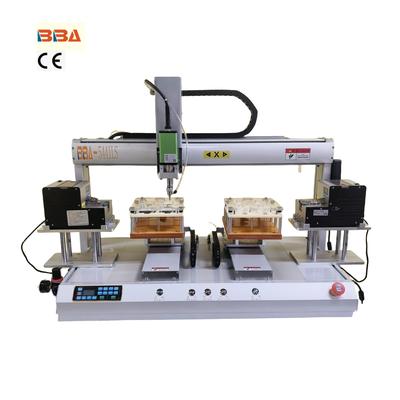
Screw assembly machines are versatile tools that play a pivotal role in modern industrial automation. Their ability to handle precision fastening across various industries makes them indispensable for manufacturers seeking efficiency, consistency, and scalability. Below, we explore the cross-industry use cases of screw assembly machines and how they drive productivity in diverse sectors. Electronics Manufacturing In the electronics industry, screw assembly machines ensure the precise fastening of delicate components in devices such as smartphones, laptops, and circuit boards. High-speed automation minimizes human error, reduces assembly time, and enhances product reliability. These machines are also adaptable to various screw types, making them ideal for manufacturers dealing with miniaturized or high-mix production lines. Automotive Production Automotive manufacturers rely on screw assembly machines for tasks ranging from engine assembly to interior panel installations. These machines deliver consistent torque control, preventing under- or over-tightening, which is critical for vehicle safety. They integrate seamlessly with robotic arms and conveyor systems, supporting high-volume production without compromising quality. Medical Device Assembly In the medical field, precision is non-negotiable. Screw assembly machines are used to construct surgical instruments, diagnostic equipment, and implantable devices. Their sterile and contamination-free operation ensures compliance with stringent industry regulations. By automating screw placement, manufacturers maintain tight tolerances and reduce the risk of defects in critical healthcare products. Aerospace and Defense Aerospace applications demand robust and reliable fastening solutions to withstand extreme conditions. Screw assembly machines in this sector handle everything from aircraft fuselage assembly to satellite component installations. Advanced sensors and feedback systems verify every screw’s integrity, ensuring compliance with rigorous safety standards. Consumer Goods and Appliances From home appliances to furniture, screw assembly machines streamline the production of everyday consumer goods. They accommodate various materials, including metal, plastic, and composite fixtures, ensuring durability and aesthetic appeal. Automation speeds up turnaround times while maintaining uniformity across large-scale production runs. Final Thoughts Screw assembly machines are a cornerstone of industrial automation, delivering precision, speed, and reliability across multiple sectors. As technology advances, their adaptability will continue to unlock new possibilities in manufacturing, making them a valuable investment for businesses aiming to stay competitive in a rapidly evolving industrial landscape. Product Name Applicable industries Desktop Screwdriver Robot LED Lighting Industry
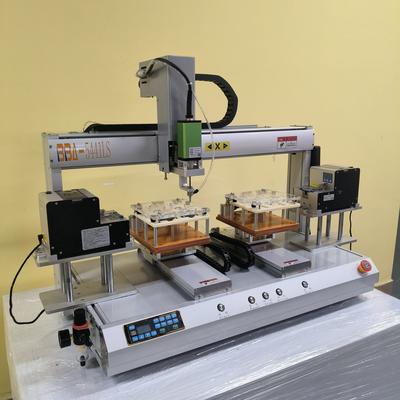
Product Name Applicable industries Screw Locking Robot Laptop and Tablet Assembly In the fast-paced world of industrial automation, precision and efficiency are paramount. One critical aspect that ensures the seamless operation of multi-axis screw machines is cross-thread detection. A single misaligned thread can lead to production delays, increased waste, and even equipment damage. This article explores the importance of cross-thread detection in multi-axis screw machines and how advanced technologies are revolutionizing this process. The Challenge of Cross-Threading in Screw Machines Cross-threading occurs when the threads of a screw and its corresponding nut or hole are misaligned during assembly. This misalignment can cause significant problems, including stripped threads, weakened connections, and premature failure of components. In multi-axis screw machines, where multiple screws are driven simultaneously, the risk of cross-threading is amplified. Detecting and preventing cross-threading is essential to maintaining high-quality production standards and minimizing downtime. Advanced Detection Techniques Modern multi-axis screw machines leverage cutting-edge technologies to detect cross-threading in real-time. Some of the most effective methods include: Torque Monitoring: By analyzing the torque required to drive a screw, the system can identify unexpected resistance, which may indicate cross-threading. Vision Systems: High-resolution cameras and image processing software can visually inspect threads for alignment before and during the fastening process. Force Feedback Sensors: These sensors measure the axial and radial forces applied during screw insertion, detecting anomalies that suggest misalignment. Machine Learning Algorithms: AI-driven systems can learn from historical data to predict and prevent cross-threading based on patterns and trends. Benefits of Reliable Cross-Thread Detection Implementing robust cross-thread detection systems offers numerous advantages: Reduced Scrap and Rework: Early detection prevents defective assemblies from progressing further in the production line, saving materials and labor. Enhanced Product Quality: Consistently aligned threads ensure stronger, more reliable connections in the final product. Lower Maintenance Costs: Avoiding cross-threading minimizes wear and tear on equipment, extending its lifespan. Improved Efficiency: Automated detection reduces the need for manual inspections, speeding up the production process. The Future of Cross-Thread Detection As industries continue to embrace Industry 4.0, cross-thread detection systems are becoming smarter and more integrated. The integration of IoT-enabled devices and cloud-based analytics allows for real-time monitoring and predictive maintenance. Future advancements may include even more sophisticated AI models capable of adapting to new materials and threading configurations with minimal human intervention. In conclusion, cross-thread detection in multi-axis screw machines is a critical component of modern industrial automation. By adopting advanced detection technologies, manufacturers can achieve higher precision, reduce costs, and maintain a competitive edge in an increasingly demanding market.
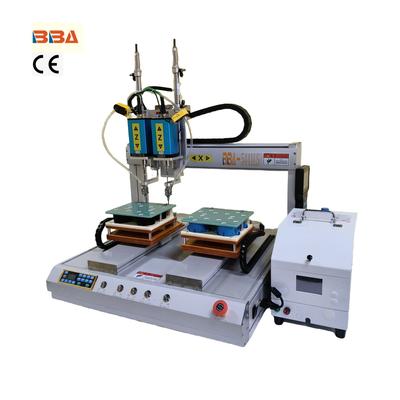
Product Name Applicable industries Auto Screwdriver Machine Medical Device Manufacturing The Evolution of Screw Assembly Machines in Modern Manufacturing Screw assembly machines have become a cornerstone of modern manufacturing, revolutionizing the way industries handle fastening processes. Over the years, these machines have evolved significantly, adapting to the increasing demands for precision, speed, and automation. This article explores the key advancements in screw assembly technology and their impact on manufacturing efficiency. The early iterations of screw assembly machines were simple mechanical devices, often requiring manual intervention for loading screws and positioning parts. While they improved productivity compared to entirely manual processes, their limitations in speed and accuracy became apparent as manufacturing requirements grew more complex. The introduction of pneumatic systems marked a significant leap forward. These machines utilized compressed air to drive screws, offering greater consistency in torque application and faster cycle times. However, they still relied heavily on operators for part presentation and quality control. The real transformation began with the integration of electronic controls and servo motors. Modern screw assembly machines now feature precise torque control, often with real-time monitoring and data logging capabilities. This advancement has dramatically improved product quality while reducing the risk of under- or over-tightening screws. Automation has taken screw assembly to new heights. Contemporary systems often include vision systems for component recognition, robotic arms for part handling, and sophisticated software for process optimization. These intelligent machines can adapt to variations in part positioning and automatically compensate for any inconsistencies. Another notable development is the miniaturization of screw assembly equipment. As products become smaller and more compact, manufacturers require machines capable of handling tiny screws with diameters under 1mm. This has led to the creation of ultra-precision assembly systems with specialized feeding mechanisms and microscopic vision systems. The latest generation of screw assembly machines incorporates Industry 4.0 technologies, enabling seamless integration with smart factory systems. IoT connectivity allows for remote monitoring, predictive maintenance, and data analytics to optimize performance and minimize downtime. Looking ahead, the evolution of screw assembly machines continues with advancements in artificial intelligence and machine learning. These technologies promise to further enhance process flexibility, with systems that can learn and adapt to new assembly challenges without extensive reprogramming. As manufacturing becomes increasingly automated and precise, screw assembly machines will remain vital components of production lines across various industries. Their ongoing evolution reflects the broader trends in industrial automation, where flexibility, efficiency, and data-driven decision-making are paramount.
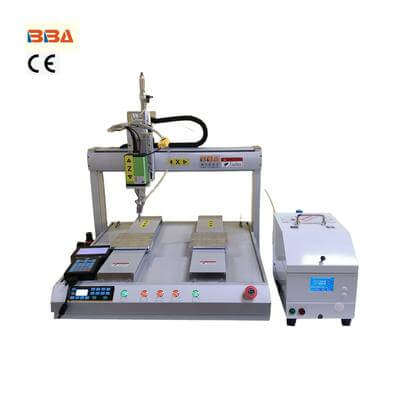
The industrial automation landscape is undergoing a transformative shift with the advent of Industry 4.0, and screw locking robots are emerging as a pivotal technology in this revolution. These advanced robotic systems are redefining precision, efficiency, and flexibility in assembly processes, making them indispensable in modern manufacturing. Precision and Consistency in Assembly Screw locking robots are designed to deliver unparalleled precision in fastening applications. Unlike manual operations, which are prone to human error, these robots ensure consistent torque and alignment, reducing defects and improving product quality. With integrated sensors and real-time feedback mechanisms, they can detect anomalies and adjust parameters on the fly, ensuring every screw is fastened to perfection. Enhanced Productivity and Cost Efficiency Automated screw locking systems significantly reduce cycle times, allowing manufacturers to meet increasing production demands without compromising quality. By eliminating manual labor for repetitive tasks, companies can lower operational costs and reallocate human resources to more complex and value-added activities. Furthermore, the reduced risk of errors translates to fewer recalls and warranty claims, saving businesses substantial resources in the long run. Integration with Smart Factories Industry 4.0 is characterized by interconnected systems and data-driven decision-making, and screw locking robots are at the forefront of this integration. Equipped with IoT-enabled sensors, these robots can communicate with other machines and central control systems, providing real-time insights into production metrics. Predictive maintenance algorithms analyze performance data to anticipate wear and tear, minimizing downtime and extending equipment lifespan. Flexibility for Diverse Applications Modern screw locking robots are highly adaptable, capable of handling a wide range of screw types, sizes, and materials. Their programmable nature allows for quick reconfiguration, making them ideal for high-mix, low-volume production environments. Whether in automotive, electronics, or aerospace industries, these robots can be tailored to meet specific assembly requirements with minimal setup time. Future Prospects As Industry 4.0 continues to evolve, screw locking robots are expected to incorporate even more advanced features, such as AI-driven adaptive learning and collaborative capabilities. These innovations will further enhance their ability to work alongside human operators, ensuring safer and more efficient workflows. The future of screw locking robots promises not only greater automation but also smarter, more responsive manufacturing ecosystems. In conclusion, screw locking robots are set to play a critical role in the Industry 4.0 era, offering precision, efficiency, and adaptability that meet the demands of modern manufacturing. Companies that embrace this technology will gain a competitive edge, leveraging automation to drive innovation and growth in an increasingly digitalized industrial world. Product Name Applicable industries Dual Head Screwdriver LED Lighting Industry