8618566785362 8618566785362 8618566785362 phoenix08@bbamachine.com
- All
- Product Name
- Product Keyword
- Product Model
- Product Summary
- Product Description
- Multi Field Search

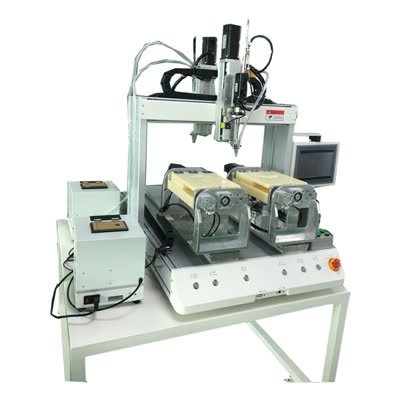
Industry 4.0 and Smart Tightening Solutions: Revolutionizing Manufacturing Efficiency The Fourth Industrial Revolution, or Industry 4.0, has redefined the manufacturing landscape by integrating cutting-edge technologies such as IoT, AI, and automation into industrial processes. At the heart of this transformation are Smart Tightening Solutions, which play a pivotal role in ensuring precision, consistency, and traceability in assembly lines. As industries strive for higher efficiency and reduced downtime, these intelligent systems are becoming indispensable. The Role of Smart Tightening in Industry 4.0 Traditional tightening processes often rely on manual oversight, leaving room for human error and inconsistent torque application. Smart Tightening Solutions, however, leverage data-driven automation to eliminate these challenges. Equipped with sensors and connectivity features, these systems monitor torque and angle in real-time, logging every operation for quality assurance. The integration of IoT enables remote monitoring, predictive maintenance, and instant alerts for deviations—ensuring seamless production workflows. Key Benefits: Enhanced Precision: Automated torque control minimizes errors, ensuring every fastener meets exact specifications. Data Traceability: Digital records of each tightening operation provide accountability and simplify compliance audits. Predictive Maintenance: AI algorithms analyze usage patterns to preemptively identify equipment wear, reducing unplanned downtime. Scalability: Cloud-based solutions allow centralized management of multiple assembly lines across global facilities. Smart Tightening for Diverse Applications From automotive assembly to aerospace manufacturing, Smart Tightening Solutions cater to a wide range of industries. In automotive production, for instance, these systems ensure critical components like engine blocks and safety systems are assembled with flawless accuracy. Meanwhile, in electronics manufacturing, they prevent over-tightening that could damage delicate circuit boards. The adaptability of these solutions makes them a cornerstone of modern smart factories. The Future of Intelligent Assembly As Industry 4.0 continues to evolve, Smart Tightening Solutions will become even more sophisticated. Advancements in machine learning will enable self-optimizing systems that adjust torque parameters autonomously based on material properties or environmental conditions. Furthermore, the rise of 5G will enhance real-time data exchange, facilitating ultra-responsive production ecosystems. For forward-thinking manufacturers, adopting these solutions is no longer optional—it's a competitive necessity. By embracing Smart Tightening Technologies, companies can achieve unprecedented levels of efficiency, quality, and innovation in the era of digital industrialization. Product Name Applicable industries Auto Screwdriver Machine Smart Wearables Production
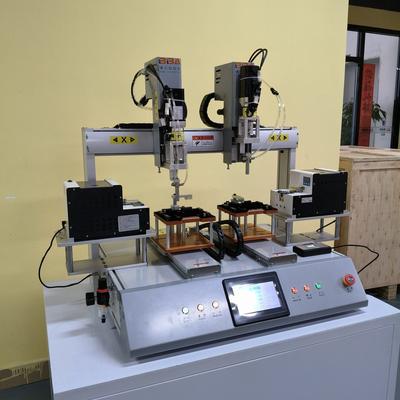
In today's fast-paced industrial landscape, efficiency and precision are paramount for manufacturers looking to stay competitive. One of the most transformative advancements in automation technology is the robotic screw machine, a solution designed to address numerous challenges in production lines. From reducing human error to enhancing throughput, these machines are revolutionizing assembly processes across industries. Let’s explore the key challenges robotic screw machines help solve and how they can benefit your operations. 1. Eliminating Human Error in Assembly Manual screw driving is prone to inconsistencies—overtightening, undertightening, or misaligned screws can lead to product defects and recalls. Robotic screw machines ensure every fastener is applied with exact torque and positioning, eliminating variability. This level of precision minimizes rework, improves product quality, and reduces waste, translating to significant cost savings over time. 2. Enhancing Production Speed and Scalability Traditional screw-driving methods can’t match the speed of automated systems. Robotic screw machines operate continuously without fatigue, achieving cycle times far beyond human capabilities. Whether you’re scaling up production or handling high-volume orders, these machines maintain consistent output, helping you meet deadlines and customer demands effortlessly. 3. Reducing Labor Costs and Workplace Strain Repetitive screw-driving tasks can lead to worker fatigue and repetitive strain injuries. By automating these processes, companies can reassign employees to higher-value tasks while cutting down on labor expenses. Robotic screw machines also reduce dependency on skilled labor for repetitive jobs, allowing businesses to optimize their workforce strategically. 4. Handling Complex or Delicate Components Some assemblies involve tiny, fragile, or oddly shaped parts that are difficult to fasten manually. Robotic screw machines equipped with advanced vision systems and adaptive grippers can navigate these challenges effortlessly. They adjust torque dynamically and detect misalignments in real time, ensuring delicate components are assembled without damage. 5. Ensuring Traceability and Compliance Industries like automotive, aerospace, and medical devices require strict documentation of assembly processes. Robotic screw machines log every fastener’s torque, angle, and placement, creating an auditable trail for quality control and regulatory compliance. This data-driven approach minimizes liability risks and enhances accountability in manufacturing. Conclusion Robotic screw machines are more than just time-savers—they’re strategic tools that address critical pain points in modern manufacturing. By integrating these systems into your production line, you can achieve unparalleled accuracy, efficiency, and cost-effectiveness. As automation continues to evolve, adopting such technologies will be key to maintaining a competitive edge in the industrial sector. Product Name Applicable industries Dual Head Screwdriver Laptop and Tablet Assembly
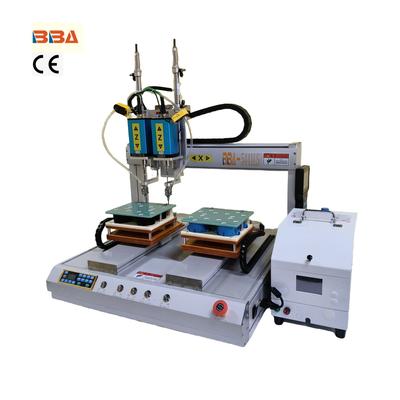
Product Name Applicable industries Dual Head Screwdriver Drone and UAV Manufacturing Industrial automation has revolutionized manufacturing processes, and screw assembly is no exception. For companies looking to enhance efficiency, precision, and reliability in production lines, investing in advanced screw assembly solutions can be a game-changer. Here’s a breakdown of key phrases and concepts to target when marketing your industrial automation products for screw assembly applications. 1. Precision Screw Driving Systems Modern manufacturing demands unparalleled precision, and automated screw driving systems deliver consistent torque control and accurate placement. Highlight terms like "high-torque accuracy," "repeatable fastening," and "error-proof assembly" to appeal to industries such as automotive, electronics, and aerospace, where precision is non-negotiable. 2. Flexible Automation Solutions Customizable screw assembly systems cater to diverse production needs. Emphasize "modular designs," "quick changeovers," and "multi-product compatibility" to attract manufacturers handling varying screw sizes, materials, or product configurations. This flexibility reduces downtime and boosts productivity. 3. Integrated Quality Control Defective fastenings can lead to costly recalls. Promote features like "real-time torque monitoring," "automatic defect detection," and "data logging" to assure customers of consistent quality. Integrating these capabilities into your screw assembly solutions helps build trust with quality-conscious buyers. 4. Collaborative Robotics for Screw Assembly Collaborative robots (cobots) are transforming screw assembly by working alongside human operators. Keywords like "safe human-robot interaction," "programmable screw dispensing," and "adaptive force control" resonate with industries seeking safer and more efficient automation. 5. Industry 4.0 and Smart Assembly Connect your screw assembly systems to the future with terms like "IoT-enabled fastening," "predictive maintenance," and "cloud-based analytics." Smart factories leverage these technologies to minimize downtime, optimize performance, and gather actionable insights for continuous improvement. 6. Energy-Efficient Automation Sustainability is a growing priority. Promote energy-saving features such as "low-power actuators," "regenerative braking," and "idle mode optimization" to appeal to eco-conscious manufacturers aiming to reduce operational costs and carbon footprints. 7. Compact and Space-Saving Designs Manufacturers often face space constraints. Highlight "lightweight screw feeders," "minimal footprint systems," and "desktop automation" for businesses with limited floor space, ensuring your solutions fit seamlessly into existing workflows. By strategically incorporating these key phrases into your marketing content, you can effectively communicate the value of your screw assembly automation products. Whether targeting precision, flexibility, or smart manufacturing integration, showcasing these benefits will help position your company as a leader in industrial automation innovation.
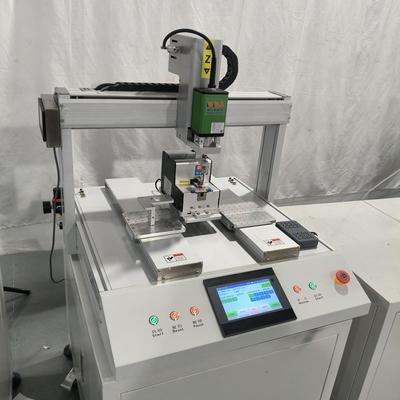
Product Name Applicable industries Servo Screwdriver Robot Home Appliance Production In the fast-paced world of industrial automation, precision and reliability are paramount. One critical aspect of manufacturing and assembly processes is the tightening of bolts, screws, and fasteners. Ensuring these components are secured with the correct torque and angle is essential for product quality, safety, and longevity. This is where Real-Time Monitoring of Tightening Parameters comes into play, offering unparalleled control and insight into the tightening process. Real-time monitoring systems are designed to provide instantaneous feedback on tightening operations, allowing operators to detect and address issues before they escalate. These systems measure key parameters such as torque, angle, rotation speed, and even temperature, ensuring that every fastener is tightened according to exact specifications. By leveraging advanced sensors and data analytics, manufacturers can achieve consistent results and reduce the risk of defects or failures. One of the most significant advantages of real-time monitoring is its ability to prevent costly errors. Over-tightening can lead to stripped threads or broken fasteners, while under-tightening may result in loose connections and potential safety hazards. With real-time data, operators can immediately identify deviations from the target parameters and take corrective action. This not only improves product quality but also minimizes downtime and rework. Another benefit of real-time monitoring is its role in predictive maintenance. By continuously tracking tightening performance, the system can detect patterns or anomalies that indicate wear and tear on tools or equipment. This allows maintenance teams to schedule repairs or replacements before a breakdown occurs, reducing unplanned downtime and extending the lifespan of critical assets. The integration of real-time monitoring with Industry 4.0 technologies further enhances its capabilities. For example, data collected from tightening operations can be stored in the cloud and analyzed using machine learning algorithms. This enables manufacturers to identify trends, optimize processes, and even predict potential issues before they arise. The result is a smarter, more efficient production environment where quality and productivity go hand in hand. In conclusion, Real-Time Monitoring of Tightening Parameters is a game-changer for industrial automation. It empowers manufacturers to achieve higher precision, reduce errors, and improve overall efficiency. As technology continues to evolve, the adoption of these systems will become increasingly critical for staying competitive in the modern manufacturing landscape.
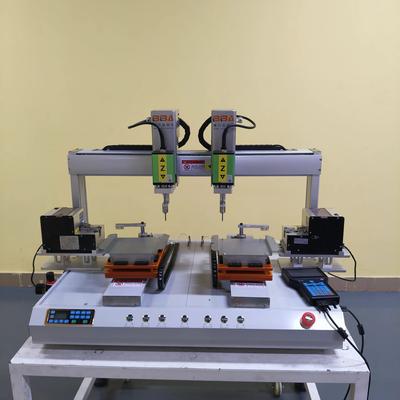
Product Name Applicable industries CNC Screw Fastener Consumer Electronics Assembly The automotive industry is constantly evolving, with manufacturers seeking ways to enhance efficiency, precision, and productivity. One of the key advancements in this sector is the adoption of robotic screw drivers, which are revolutionizing assembly lines by automating repetitive tasks and ensuring consistent quality. In this article, we explore how robotic screw drivers are transforming the automotive industry and the benefits they bring to modern manufacturing processes. The Role of Robotic Screw Drivers in Automotive Assembly In automotive manufacturing, the assembly of components often involves the precise fastening of screws, bolts, and other fasteners. Traditionally, this task was performed manually, which could lead to inconsistencies, fatigue-related errors, and slower production rates. Robotic screw drivers eliminate these challenges by delivering unmatched accuracy and speed. Equipped with advanced sensors and programmable controls, these robots can handle screws of varying sizes and specifications, adapting seamlessly to different assembly requirements. Advantages of Robotic Screw Driving Systems 1. Enhanced Precision: Robotic screw drivers ensure each screw is fastened with the exact required torque, reducing the risk of over-tightening or under-tightening, which can compromise product integrity. 2. Increased Efficiency: Automation allows for continuous operation without breaks, significantly speeding up production cycles and reducing downtime. 3. Improved Worker Safety: By taking over repetitive and physically demanding tasks, robotic screw drivers minimize the risk of workplace injuries, such as repetitive strain or musculoskeletal disorders. 4. Consistent Quality: Automated systems maintain uniform standards across all products, ensuring every vehicle component meets stringent quality control measures. 5. Scalability: These systems can be easily reprogrammed for new models or design changes, making them ideal for high-mix, low-volume production environments. Integration with Smart Manufacturing Modern automotive plants are increasingly adopting Industry 4.0 technologies, and robotic screw drivers are a natural fit for this transformation. When integrated with IoT-enabled systems, these robots can provide real-time data on performance metrics, such as torque accuracy and cycle times. This data can then be analyzed to optimize workflows, predict maintenance needs, and further enhance efficiency. The result is a smarter, more responsive manufacturing ecosystem that aligns with the demands of next-generation automotive production. Future Outlook As the automotive industry continues to embrace automation, the use of robotic screw drivers is expected to grow exponentially. Future advancements may include AI-driven adaptive learning, where robots can self-optimize screw fastening techniques based on material variations or environmental factors. Additionally, collaborative robots (cobots) equipped with screw driving capabilities could work alongside human operators, further bridging the gap between manual and automated processes. In conclusion, robotic screw drivers are a game-changer for the automotive industry, delivering precision, efficiency, and scalability that traditional methods cannot match. By integrating these advanced systems into their operations, manufacturers can stay ahead in a competitive market while ensuring the highest standards of quality and productivity.
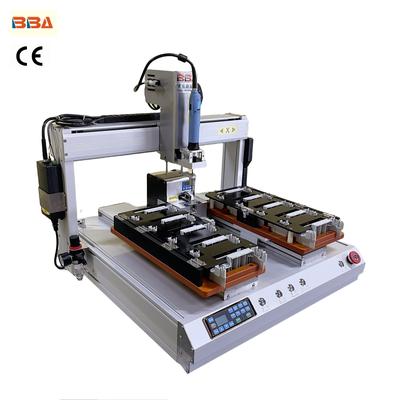
Working with Fragile Components Using Desktop Robots In the ever-evolving landscape of industrial automation, handling fragile components has always been a challenge. Delicate parts, whether in electronics, medical devices, or precision engineering, require utmost care during assembly, testing, and packaging. Traditional manual processes often fall short in maintaining consistency and precision, leading to higher defect rates. Fortunately, advancements in desktop robotics have opened new possibilities for handling fragile components with unparalleled accuracy and efficiency. Desktop robots, designed for small-scale automation, are increasingly being adopted for tasks involving fragile materials. These compact yet highly capable systems integrate seamlessly into workstations, offering a perfect balance between flexibility and precision. Their ability to perform repetitive tasks with micron-level accuracy makes them ideal for applications where human intervention could introduce variability or risk of damage. Key Advantages of Desktop Robots for Fragile Components Precision Handling: Equipped with advanced sensors and force-feedback mechanisms, desktop robots can detect minute variations in component placement and adjust their grip accordingly. This ensures that even the most delicate parts are handled without causing stress or deformation. Consistent Performance: Unlike human operators who may experience fatigue or inconsistency, desktop robots maintain the same level of precision throughout extended operation periods. This reliability is crucial for maintaining high quality standards in production lines. Customizable End Effectors: The ability to equip these robots with specialized grippers, vacuum tools, or soft robotics attachments allows for tailored solutions for different fragile components. From handling glass substrates to delicate microchips, the right end effector ensures damage-free operation. Space Efficiency: Designed for benchtop applications, these robots fit perfectly into compact workspaces without requiring significant infrastructure changes. Their small footprint makes them ideal for laboratories, cleanrooms, and small-batch production areas. Applications in Various Industries The versatility of desktop robots makes them suitable for numerous industries dealing with fragile components: Electronics Manufacturing: Precise placement of microcomponents on circuit boards and handling of semiconductor wafers with sub-millimeter accuracy. Medical Device Assembly: Manipulation of delicate surgical instruments and sensitive diagnostic equipment components that require sterile handling conditions. Optics and Photonics: Installation of lenses, mirrors, and other optical elements that demand careful alignment and dust-free environments. Laboratory Automation: Repetitive but precise tasks in research settings, such as sample handling and microplate manipulation. Implementing Desktop Robotics Solutions Successful integration of desktop robots for fragile component handling requires careful consideration of several factors: 1. Task Analysis: Thoroughly evaluate the specific handling requirements of your components, including size, weight, fragility level, and environmental conditions. 2. Tooling Selection: Choose appropriate end effectors that match the component characteristics, considering factors like contact surface, gripping force, and material compatibility. 3. Programming and Calibration: Implement precise motion control algorithms and fine-tune force parameters to ensure gentle handling while maintaining operational efficiency. 4. Quality Verification: Establish robust inspection protocols to verify that the automated handling maintains the integrity of fragile components throughout the process. As technology continues to advance, desktop robots are becoming even more sophisticated in their ability to handle delicate materials. With improved sensing capabilities, adaptive control systems, and more versatile tooling options, these compact automation solutions are redefining what's possible in fragile component handling across multiple industries. The integration of desktop robotics into production processes involving fragile components not only enhances quality and consistency but also improves workplace safety by reducing human exposure to delicate and potentially hazardous materials. As manufacturers continue to seek ways to improve efficiency while maintaining exceptional quality standards, desktop robots will undoubtedly play an increasingly vital role in industrial automation strategies. Product Name Applicable industries Inline Screw Locking System Smart Wearables Production

Product Name Applicable industries Screw Locking Robot Smartphone Manufacturing In the rapidly evolving world of industrial automation, screw tightening technology stands as a cornerstone of efficiency and precision. As industries increasingly embrace smart manufacturing, the future of screw tightening automation promises to revolutionize assembly lines, reduce human error, and enhance productivity. This article explores the cutting-edge advancements and trends shaping the next generation of automated screw tightening systems. One of the most significant trends in screw tightening automation is the integration of artificial intelligence (AI) and machine learning (ML). These technologies enable systems to adapt to varying conditions in real-time, ensuring optimal torque and accuracy for each screw. AI-powered systems can analyze historical data to predict maintenance needs, reducing downtime and prolonging equipment life. ML algorithms also allow for self-adjustment, compensating for material variations or environmental factors without human intervention. Another transformative development is the rise of collaborative robotic screwdrivers. These compact, flexible tools can work alongside human operators, combining the precision of automation with the adaptability of human oversight. With advanced sensors and safety features, cobots are making screw tightening automation accessible to smaller production runs and customized assembly processes where traditional automation was previously impractical. Internet of Things (IoT) connectivity is equally reshaping the landscape. Smart screwdrivers equipped with IoT capabilities can transmit real-time performance data to centralized systems, enabling remote monitoring and quality control across multiple production sites. This connectivity facilitates predictive maintenance, instant error detection, and seamless integration with other smart factory systems for comprehensive process optimization. The future also holds promise for ultrasonic screw tightening technology. By utilizing high-frequency vibrations, these systems can achieve precise torque control while minimizing stress on materials. This innovation is particularly valuable for delicate assemblies or applications requiring extremely tight tolerances, opening new possibilities in industries like aerospace and medical device manufacturing. Energy efficiency is becoming another critical focus area. Next-generation screw tightening systems are being designed to minimize power consumption without compromising performance. Advanced motor technologies and optimized control algorithms contribute to greener operations while maintaining the speed and precision required for modern production environments. As these technologies converge, the screw tightening systems of tomorrow will be smarter, more connected, and more adaptable than ever before. They will play a pivotal role in the factories of the future, where flexibility, precision, and data-driven decision-making define competitive advantage. The ongoing evolution of screw tightening automation demonstrates how even fundamental industrial processes can be transformed through innovation, contributing to the broader transition toward intelligent, efficient manufacturing ecosystems.
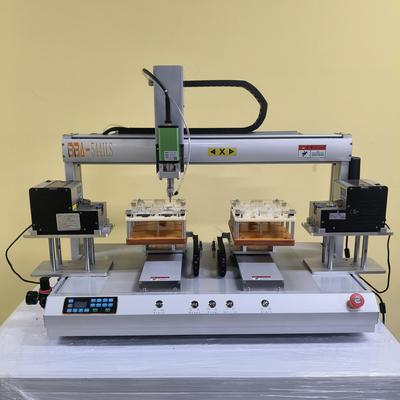
In the fast-evolving landscape of industrial automation, desktop screwdriver robots have emerged as a game-changer for precision assembly tasks. These compact yet powerful tools are designed to streamline screwdriving processes, ensuring consistency, speed, and reliability. If you're looking to invest in a reliable desktop screwdriver robot, this guide will help you navigate the key considerations and identify the best sources for your purchase. Desktop screwdriver robots are widely used in industries such as electronics, automotive, medical devices, and consumer goods manufacturing. Their ability to automate repetitive screwdriving tasks reduces human error, improves productivity, and enhances overall product quality. When searching for a reliable desktop screwdriver robot, it's crucial to evaluate factors like torque accuracy, compatibility with different screw types, ease of programming, and durability. One of the most important aspects to consider is the robot's precision. High-quality desktop screwdriver robots offer adjustable torque settings and real-time feedback to prevent over-tightening or under-tightening of screws. Look for models with advanced sensors and control systems that ensure consistent performance across thousands of cycles. Additionally, consider the robot's integration capabilities with your existing production line, including compatibility with PLCs and other automation systems. Another key factor is the robot's versatility. Reliable desktop screwdriver robots should accommodate various screw sizes and types, from micro screws in electronics to larger fasteners in automotive applications. Some models even feature automatic screw feeding systems, further reducing manual intervention and boosting efficiency. Evaluate the robot's user interface as well—intuitive programming software and touchscreen controls can significantly reduce setup time and operator training requirements. When it comes to purchasing a desktop screwdriver robot, sourcing from reputable suppliers is essential. Look for manufacturers with a proven track record in industrial automation and strong technical support services. Many providers offer customization options to tailor the robot's specifications to your specific assembly needs. Always request product demonstrations or trials to assess performance in real-world conditions before making a final decision. Investing in a reliable desktop screwdriver robot can transform your assembly processes, delivering long-term cost savings and operational efficiency. By carefully evaluating your requirements and choosing a trusted supplier, you can ensure seamless integration and optimal performance for your production line. Product Name Applicable industries CNC Screw Fastener Smartphone Manufacturing