8618566785362 8618566785362 8618566785362 phoenix08@bbamachine.com
- All
- Product Name
- Product Keyword
- Product Model
- Product Summary
- Product Description
- Multi Field Search

Views: 0 Author: BBA AUTOMATION Publish Time: 2025-07-06 Origin: BBA AUTOMATION


| Product Name | Applicable industries |
| Inline Screw Locking System | Laptop and Tablet Assembly |
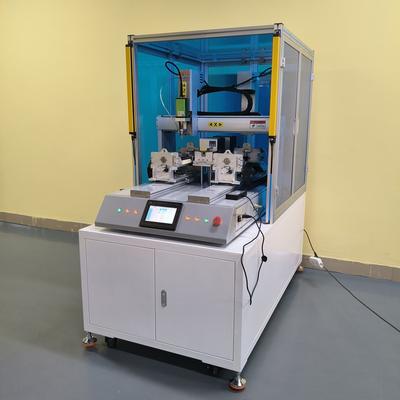
When it comes to industrial automation, robotic screwdrivers are essential tools for assembly lines, offering precision, speed, and consistency. However, not all screwdrivers are created equal—choosing between lightweight and heavy-duty models depends on the specific requirements of your production process. In this article, we’ll explore the key differences between robotic screwdrivers designed for lightweight versus heavy-duty products and how to select the right one for your application.
Lightweight robotic screwdrivers are engineered for applications where precision and finesse are critical. These tools are ideal for assembling small components, electronics, medical devices, and consumer products where over-tightening or misalignment could damage delicate parts. Key features include:
Lightweight screwdrivers are often used in industries like electronics manufacturing, where components such as circuit boards or smartphone assemblies require meticulous handling.
For industries dealing with larger components, metal fabrication, automotive assembly, or industrial machinery, heavy-duty robotic screwdrivers are the go-to solution. These tools are built to handle high torque, repeated use, and challenging materials. Key characteristics include:
Heavy-duty models excel in scenarios requiring long-term reliability, such as automotive chassis assembly or industrial equipment manufacturing, where structural integrity is non-negotiable.
Selecting the appropriate robotic screwdriver involves evaluating several factors:
By understanding the distinct advantages of lightweight and heavy-duty robotic screwdrivers, manufacturers can optimize their assembly processes for efficiency and reliability. Whether your focus is on delicate micro-assemblies or robust industrial builds, selecting the right tool ensures consistent performance, reduced downtime, and higher-quality end products.