8618566785362 8618566785362 8618566785362 phoenix08@bbamachine.com
- All
- Product Name
- Product Keyword
- Product Model
- Product Summary
- Product Description
- Multi Field Search

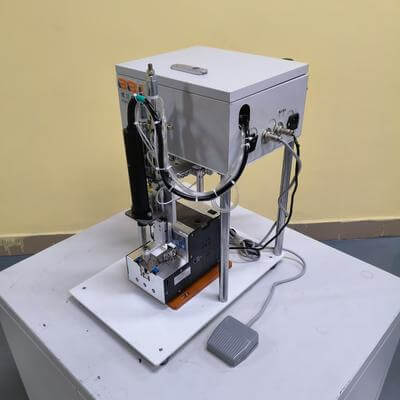
Product Name Applicable industries Automatic Screw Feeder Home Appliance Production If you're looking to deepen your knowledge of screw locking automation, YouTube is an invaluable resource. With expert tutorials, real-world demonstrations, and the latest industry trends, these top YouTube channels will help professionals and enthusiasts alike stay ahead in industrial automation. 1. Automation Experts This channel offers in-depth technical guides on screw locking automation, including precision tightening techniques, torque control, and error-proofing strategies. The content covers both basic principles and advanced applications, making it a great starting point for beginners and experienced engineers. 2. Industrial Automation Hub Focused on practical implementation, this channel showcases real-world screw locking automation solutions. From robotic screwdriving systems to automated inspection processes, the channel provides step-by-step breakdowns of how these technologies improve efficiency in manufacturing. 3. Engineering Insights For those interested in the engineering behind screw fastening automation, this channel dives into the mechanics, sensors, and control systems that ensure reliable and repeatable screw locking. The videos often feature slow-motion analysis of the fastening process. 4. Future of Manufacturing This forward-looking channel explores how emerging technologies like AI and machine learning are revolutionizing screw locking automation. Videos highlight smart torque adjustment systems and predictive maintenance applications for automated screwdriving equipment. 5. DIY Automation Perfect for makers and small manufacturers, this channel demonstrates how to build cost-effective screw locking automation solutions using off-the-shelf components. The tutorials range from simple pneumatic screw feeders to Arduino-controlled systems. These YouTube channels collectively provide comprehensive coverage of screw locking automation technology. Whether you're troubleshooting an existing system, planning a new installation, or simply staying informed about industry advancements, these video resources offer valuable insights that can enhance your automation projects. Regularly following these channels will ensure you're aware of the latest techniques and innovations in automated screw fastening technology.
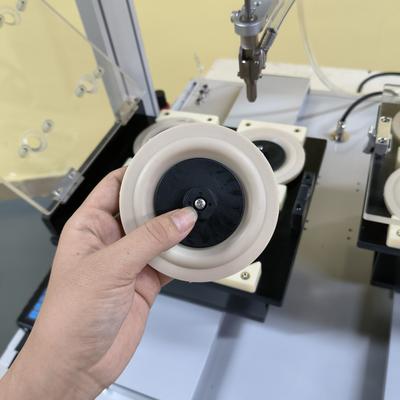
In the fast-paced world of industrial automation, ensuring operational safety and efficiency is paramount. One of the most critical features in modern automation systems is Error Detection and Auto-Stop Functionality. This technology plays a vital role in minimizing downtime, preventing equipment damage, and enhancing overall productivity. In this article, we explore the significance of this functionality and how it contributes to smarter, safer industrial operations. Error detection systems are designed to identify anomalies in machinery or processes in real-time. By leveraging advanced sensors, machine learning algorithms, and predictive analytics, these systems can detect irregularities such as overheating, misalignment, or unusual vibrations. Once an error is detected, the auto-stop mechanism is triggered, halting operations to prevent further damage or safety hazards. This proactive approach not only safeguards equipment but also reduces the risk of workplace accidents. The auto-stop functionality is particularly valuable in high-speed manufacturing environments where even a minor malfunction can lead to significant losses. For example, in conveyor-based production lines, an undetected jam or misalignment could result in defective products or costly repairs. With error detection and auto-stop capabilities, such issues are addressed instantly, allowing for quick troubleshooting and minimal disruption. Moreover, integrating this functionality into industrial automation systems enhances compliance with safety standards. Many regulatory bodies require fail-safe mechanisms to protect both workers and machinery. By automating error detection and shutdown processes, companies can ensure adherence to these regulations while fostering a safer work environment. Another advantage of error detection and auto-stop systems is their contribution to predictive maintenance. By continuously monitoring equipment performance, these systems collect valuable data that can be used to predict potential failures before they occur. This reduces unplanned downtime and extends the lifespan of machinery, leading to long-term cost savings. In conclusion, Error Detection and Auto-Stop Functionality is a cornerstone of modern industrial automation. Its ability to identify issues in real-time, prevent accidents, and improve operational efficiency makes it indispensable for businesses seeking to optimize their processes. As technology continues to advance, we can expect even more sophisticated error detection solutions to emerge, further revolutionizing industrial automation. Product Name Applicable industries Screw Locking Robot Industrial Control Panel Assembly

In the fast-evolving world of industrial automation, proper operator training is critical for maximizing efficiency, ensuring safety, and maintaining high-quality production standards. Screw locking equipment, a key component in assembly lines, requires skilled operators to minimize errors and downtime. This article explores the importance of operator training for screw locking equipment and provides insights into best practices for achieving optimal performance. The Role of Screw Locking Equipment in Automation Screw locking machines are widely used in industries such as automotive, electronics, and aerospace to secure fasteners with precision and consistency. These machines enhance production speed while reducing human error, but their effectiveness heavily depends on operator expertise. A well-trained operator ensures proper machine setup, torque calibration, and troubleshooting, directly impacting product quality and operational efficiency. Key Aspects of Effective Operator Training 1. Machine Familiarization: Operators must understand the equipment's components, functionalities, and safety mechanisms. Training should cover the correct handling of fasteners, adjustment of torque settings, and recognition of abnormal machine behavior. 2. Torque Control Mastery: Improper torque application can lead to under- or over-tightening, affecting product integrity. Hands-on training with real-world scenarios ensures operators develop the necessary skills for precision adjustments. 3. Error Detection and Troubleshooting: Operators should learn to identify common issues such as thread stripping, cross-threading, or sensor malfunctions. Quick response to errors minimizes production delays and reduces material waste. 4. Safety Protocols: Given the high-speed nature of screw locking machines, operators must adhere to strict safety guidelines to prevent injuries. Training should emphasize lockout/tagout procedures, emergency stops, and proper personal protective equipment (PPE) usage. Benefits of Comprehensive Training Programs Investing in structured training programs leads to fewer machine breakdowns, higher product yield, and reduced maintenance costs. Well-trained operators also contribute to a safer workplace and improved compliance with industry regulations. Additionally, continuous learning opportunities keep operators updated on the latest technological advancements, ensuring long-term productivity gains. Conclusion Operator training for screw locking equipment is not just an operational necessity but a strategic advantage. By equipping workers with in-depth knowledge and practical skills, companies can achieve higher efficiency, superior product quality, and a competitive edge in the automation industry. Regular refresher courses and performance evaluations further reinforce these benefits, creating a culture of continuous improvement and operational excellence. Product Name Applicable industries Screw Locking Robot Smart Wearables Production
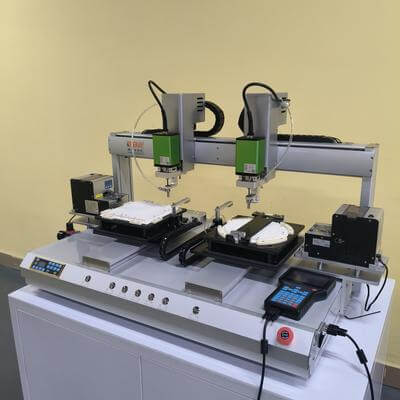
In the fast-evolving world of industrial automation, efficiency and precision are paramount. One of the standout innovations in this field is the tabletop automatic screw fastening robot. These compact yet powerful machines are transforming small-scale assembly lines, offering unmatched speed, accuracy, and consistency in screwdriving tasks. This article explores the features, benefits, and applications of these robots, highlighting why they are becoming indispensable in modern manufacturing. Tabletop automatic screw fastening robots are designed for precision and ease of use. Unlike traditional manual screwdriving, which is time-consuming and prone to human error, these robots automate the process, ensuring every screw is tightened to the exact required torque. Equipped with advanced sensors, they can detect misalignments, missing screws, or cross-threading issues, reducing defects and improving product quality. Their compact size makes them ideal for workstations with limited space, seamlessly integrating into existing production lines without extensive modifications. The benefits of these robots extend beyond precision. By automating repetitive tasks, they significantly reduce labor costs and minimize operator fatigue. Workers can focus on higher-value activities while the robot handles monotonous screwdriving operations. Additionally, these robots are programmable, allowing for quick adjustments to accommodate different screw sizes, lengths, and torque requirements. This flexibility makes them suitable for a wide range of industries, including electronics, automotive, medical devices, and consumer goods. Another key advantage is their scalability. Whether used as a standalone unit or as part of a larger automated system, tabletop screw fastening robots can be easily scaled to meet production demands. They are also compatible with various feeding systems, such as vibratory bowls or tape-and-reel feeders, ensuring smooth and continuous operation. With user-friendly interfaces, even operators with minimal technical expertise can set up and operate these robots efficiently. In conclusion, tabletop automatic screw fastening robots represent a significant leap forward in industrial automation. By combining precision, efficiency, and adaptability, they address the challenges of modern manufacturing while delivering consistent, high-quality results. As industries continue to embrace automation, these robots will undoubtedly play a pivotal role in shaping the future of assembly processes. Investing in this technology not only enhances productivity but also ensures a competitive edge in an increasingly demanding market. Product Name Applicable industries Auto Screwdriver Machine Automotive Electronics Assembly
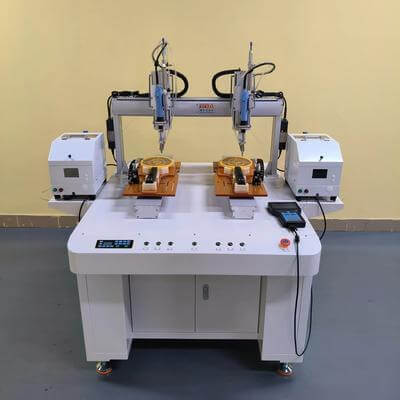
Product Name Applicable industries Inline Screw Locking System Home Appliance Production In the evolving landscape of industrial automation, touchscreen controls have become a cornerstone for enhancing the efficiency and usability of screw fastening robots. These advanced interfaces simplify complex operations, streamline workflows, and improve precision, making them indispensable in modern manufacturing environments. Touchscreen controls offer an intuitive way to interact with screw fastening robots, reducing the learning curve for operators. Traditional control panels with buttons and knobs often require extensive training, but touchscreens provide a more user-friendly experience. With clear visuals, drag-and-drop functionality, and customizable layouts, operators can quickly adjust settings, monitor performance, and troubleshoot issues with minimal effort. One of the standout benefits of touchscreen controls is their ability to display real-time data. Operators can view torque values, tightening sequences, and error alerts at a glance, ensuring consistent quality in fastening applications. This immediate feedback loop reduces the risk of defects and helps maintain high production standards. Additionally, touchscreens can store historical data, enabling manufacturers to analyze performance trends and optimize processes over time. Another advantage is the flexibility touchscreens bring to screw fastening robots. Unlike fixed control panels, touchscreen interfaces can be easily reprogrammed to accommodate new product designs or fastening requirements. This adaptability is crucial in industries where production lines frequently change to meet shifting consumer demands. Manufacturers can update software to introduce new features or modify workflows without the need for hardware adjustments. Durability is also a key consideration in industrial settings, and modern touchscreens are built to withstand harsh environments. High-quality materials and robust designs ensure resistance to dust, moisture, and vibrations, making them reliable even in demanding conditions. Anti-glare coatings and bright displays further enhance visibility, allowing operators to work efficiently under varying lighting conditions. Integration with other automation systems is another area where touchscreen controls excel. Screw fastening robots equipped with these interfaces can seamlessly connect to factory networks, enabling centralized monitoring and control. This connectivity supports Industry 4.0 initiatives by facilitating data exchange between machines, improving coordination, and enabling predictive maintenance strategies. In conclusion, touchscreen controls are transforming the way screw fastening robots operate in industrial environments. By offering intuitive interfaces, real-time data visualization, flexibility, durability, and seamless integration, they empower manufacturers to achieve higher productivity and precision. As automation continues to advance, touchscreen technology will play an increasingly vital role in shaping the future of screw fastening applications.
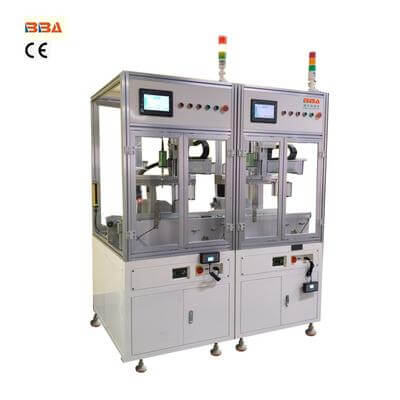
Product Name Applicable industries Desktop Screwdriver Robot Telecommunication Equipment Assembly Email campaigns remain one of the most effective digital marketing strategies for promoting industrial automation products. With the right approach, you can engage potential clients, showcase your equipment’s capabilities, and drive conversions. Here are some creative email campaign ideas tailored for promoting industrial automation equipment. 1. Product Showcase Series Launch a multi-part email series highlighting different aspects of your automation equipment. Each email can focus on a specific product feature, such as efficiency, precision, or scalability. Include high-quality images, videos, or 3D models to visually demonstrate the equipment in action. Use clear call-to-action (CTA) buttons like "Request a Demo" or "Download Specifications" to encourage engagement. 2. Case Study Highlights Share real-world success stories of clients who have benefited from your automation solutions. Structure the email with a compelling headline, a brief overview of the client’s challenge, how your equipment resolved it, and the measurable results achieved. This builds credibility and helps prospects visualize the impact of your products in their own operations. 3. Limited-Time Offers or Discounts Create urgency by offering exclusive discounts, bundle deals, or free consultations for a limited period. Highlight the benefits of acting quickly, such as cost savings or priority installation. Pair the offer with a prominent CTA button like "Claim Your Discount Now" to drive immediate action. 4. Educational Content Position your brand as an industry leader by sharing valuable insights. For example, send an email with a whitepaper, eBook, or guide on trends in industrial automation, best practices for equipment maintenance, or tips for optimizing production lines. Include a CTA such as "Download the Full Guide" to capture leads. 5. Webinar or Live Demo Invitations Invite prospects to a live webinar or virtual demo of your equipment. Outline the agenda, such as a walkthrough of key features, Q&A sessions, or expert insights. Use a clear registration CTA and remind registrants as the event date approaches to maximize attendance. 6. Seasonal or Industry-Specific Campaigns Tailor your emails to align with industry events, trade shows, or seasonal demands. For example, send a pre-trade show email highlighting the equipment you’ll be showcasing or a year-end promotion for businesses planning their next fiscal budget. 7. Customer Testimonials Feature short video or written testimonials from satisfied customers. Include their name, company, and role to add authenticity. A simple CTA like "See How We Can Help You" can direct readers to a contact form or product page. By implementing these email campaign ideas, you can effectively promote your industrial automation equipment while nurturing leads and building long-term customer relationships. Always track metrics such as open rates, click-through rates, and conversions to refine your strategy over time.
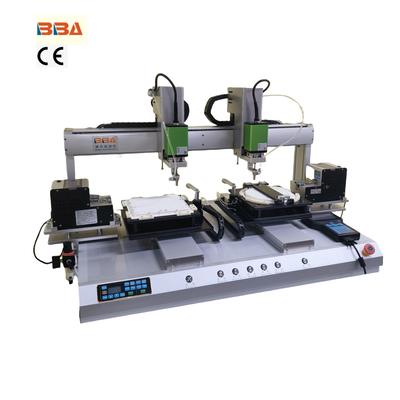
In industrial automation, screw feeders play a crucial role in streamlining assembly processes. Choosing the right automatic screw feeder can significantly enhance efficiency, reduce downtime, and improve overall productivity. This article compares leading brands in the industry to help you make an informed decision. Key Features to Consider Automatic screw feeders come with various features to meet different industrial needs. Some essential features include: Precision and Accuracy: High-quality feeders ensure screws are delivered with minimal errors. Speed and Efficiency: Faster feeding rates optimize production lines. Versatility: Compatibility with various screw sizes and types is critical for diverse applications. Durability: Robust construction ensures longevity in demanding environments. User-Friendly Interface: Intuitive controls simplify operation and reduce training time. Performance Comparison Performance is critical when selecting an automatic screw feeder. Leading brands offer models with advanced technologies like vibration control, automated sorting, and vision systems for enhanced precision. Some models feature real-time monitoring and diagnostics to enable proactive maintenance and reduce downtime. Reliability and Support Reliability is a hallmark of top-tier automatic screw feeders. Reputable manufacturers provide comprehensive warranties and responsive customer support to address technical issues promptly. Many brands also offer customization to tailor equipment to specific production needs. Cost vs. Value While initial cost matters, long-term value should be the focus. Investing in a high-quality automatic screw feeder can yield significant savings by minimizing errors, reducing labor costs, and maximizing uptime. Brands offering scalable solutions ensure your investment grows with your business. Conclusion Selecting the right automatic screw feeder requires evaluating features, performance, reliability, and cost-effectiveness. By focusing on these aspects, you can find a solution that meets operational demands and boosts productivity. Compare specifications and choose a brand that aligns with your long-term automation goals. Product Name Applicable industries Servo Screwdriver Robot Automotive Electronics Assembly
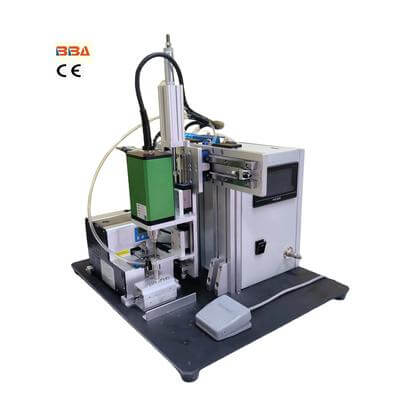
Product Name Applicable industries Inline Screw Locking System LED Lighting Industry The Rise of Robotics in Assembly Line Manufacturing In recent years, robotics has transformed assembly line manufacturing, bringing unprecedented efficiency, precision, and scalability to industrial production. The integration of advanced robotics into manufacturing processes is no longer a futuristic concept—it is a reality driving the next industrial revolution. One of the most significant advantages of robotic automation is its ability to perform repetitive tasks with unmatched consistency. Unlike human workers, robots do not suffer from fatigue, ensuring high-quality output around the clock. This reliability minimizes errors and reduces waste, leading to cost savings and improved productivity. Additionally, robots equipped with AI and machine learning can adapt to changing production demands, making them indispensable in dynamic manufacturing environments. Collaborative robots, or cobots, are another milestone in assembly line automation. Designed to work alongside human employees, cobots enhance safety by taking over hazardous tasks such as heavy lifting or precision welding. Their flexibility allows manufacturers to deploy them across multiple stages of production without extensive reconfiguration, optimizing workflow efficiency. The rise of robotics has also enabled smart factories, where interconnected systems communicate in real time to monitor and adjust production processes. Sensors and IoT-enabled devices collect data, allowing manufacturers to predict maintenance needs and prevent costly downtime. This data-driven approach not only boosts operational efficiency but also supports sustainable manufacturing practices by reducing energy consumption. Despite these advancements, challenges remain. The initial investment in robotics can be substantial, and integrating new systems with legacy equipment requires careful planning. However, the long-term benefits—such as higher output, reduced labor costs, and improved product quality—far outweigh these hurdles. As technology continues to evolve, robotics will play an increasingly vital role in assembly line manufacturing. Companies that embrace this shift will gain a competitive edge, delivering faster, smarter, and more cost-effective production solutions. The future of manufacturing is here, and robotics is leading the way.