8618566785362 8618566785362 8618566785362 phoenix08@bbamachine.com
- All
- Product Name
- Product Keyword
- Product Model
- Product Summary
- Product Description
- Multi Field Search

Views: 0 Author: BBA AUTOMATION Publish Time: 2025-07-15 Origin: BBA AUTOMATION


| Product Name | Applicable industries |
| Inline Screw Locking System | LED Lighting Industry |
The Rise of Robotics in Assembly Line Manufacturing
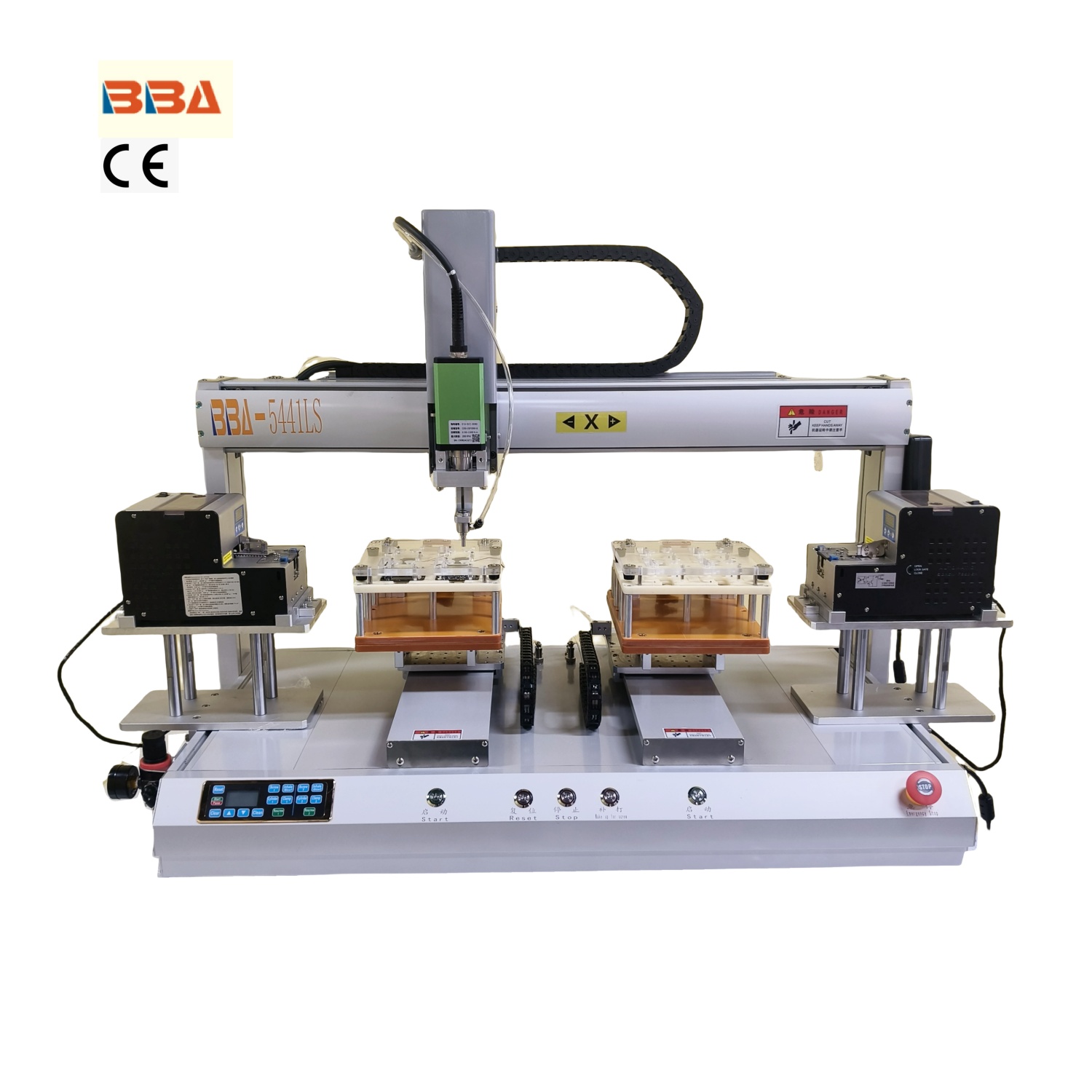
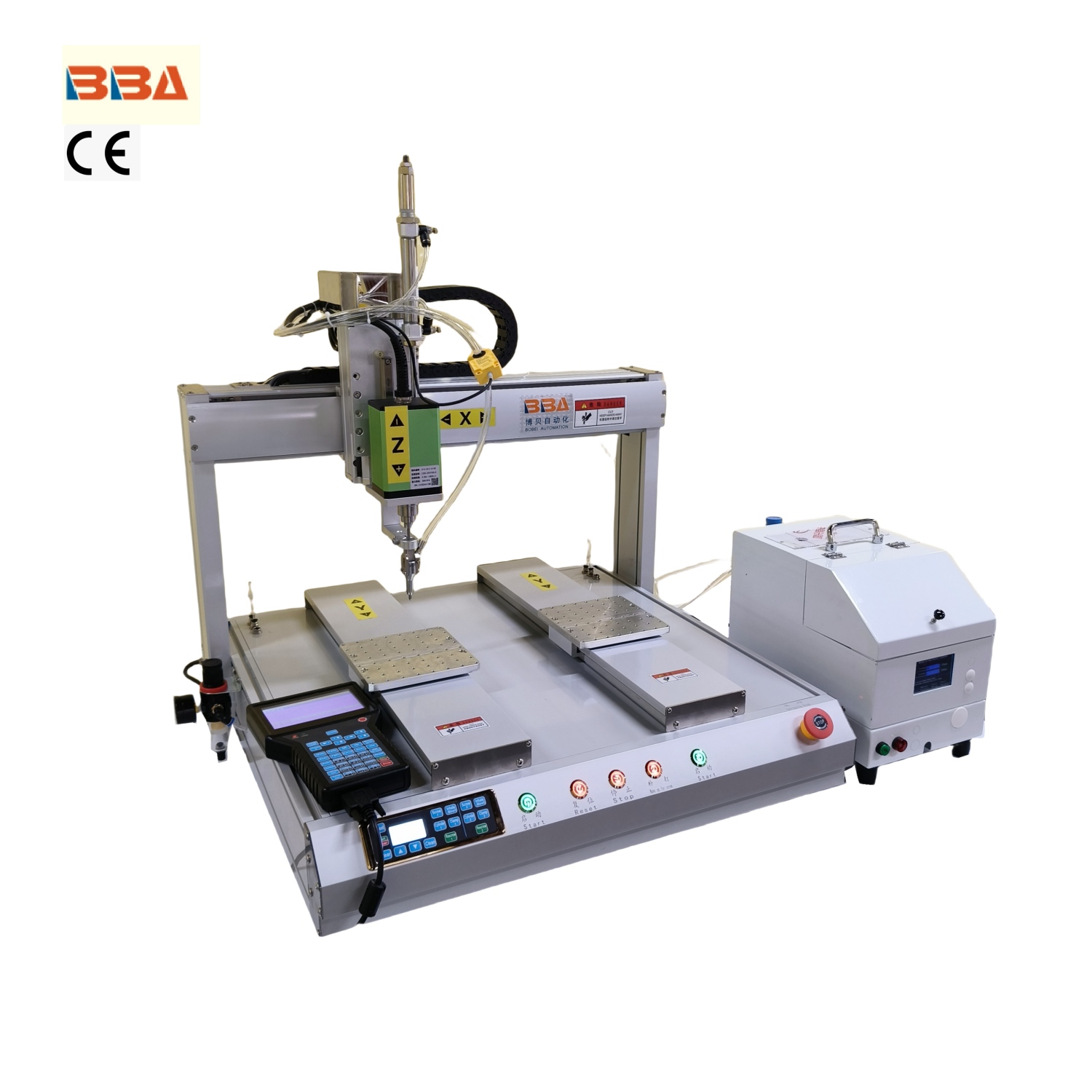
In recent years, robotics has transformed assembly line manufacturing, bringing unprecedented efficiency, precision, and scalability to industrial production. The integration of advanced robotics into manufacturing processes is no longer a futuristic concept—it is a reality driving the next industrial revolution.
One of the most significant advantages of robotic automation is its ability to perform repetitive tasks with unmatched consistency. Unlike human workers, robots do not suffer from fatigue, ensuring high-quality output around the clock. This reliability minimizes errors and reduces waste, leading to cost savings and improved productivity. Additionally, robots equipped with AI and machine learning can adapt to changing production demands, making them indispensable in dynamic manufacturing environments.
Collaborative robots, or cobots, are another milestone in assembly line automation. Designed to work alongside human employees, cobots enhance safety by taking over hazardous tasks such as heavy lifting or precision welding. Their flexibility allows manufacturers to deploy them across multiple stages of production without extensive reconfiguration, optimizing workflow efficiency.
The rise of robotics has also enabled smart factories, where interconnected systems communicate in real time to monitor and adjust production processes. Sensors and IoT-enabled devices collect data, allowing manufacturers to predict maintenance needs and prevent costly downtime. This data-driven approach not only boosts operational efficiency but also supports sustainable manufacturing practices by reducing energy consumption.
Despite these advancements, challenges remain. The initial investment in robotics can be substantial, and integrating new systems with legacy equipment requires careful planning. However, the long-term benefits—such as higher output, reduced labor costs, and improved product quality—far outweigh these hurdles.
As technology continues to evolve, robotics will play an increasingly vital role in assembly line manufacturing. Companies that embrace this shift will gain a competitive edge, delivering faster, smarter, and more cost-effective production solutions. The future of manufacturing is here, and robotics is leading the way.