8618566785362 8618566785362 8618566785362 phoenix08@bbamachine.com
- All
- Product Name
- Product Keyword
- Product Model
- Product Summary
- Product Description
- Multi Field Search
Views: 0 Author: BBA AUTOMATION Publish Time: 2025-07-17 Origin: BBA AUTOMATION


In the fast-evolving world of industrial automation, proper operator training is critical for maximizing efficiency, ensuring safety, and maintaining high-quality production standards. Screw locking equipment, a key component in assembly lines, requires skilled operators to minimize errors and downtime. This article explores the importance of operator training for screw locking equipment and provides insights into best practices for achieving optimal performance.
The Role of Screw Locking Equipment in Automation
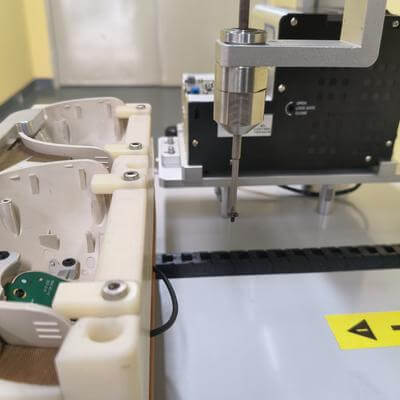
Screw locking machines are widely used in industries such as automotive, electronics, and aerospace to secure fasteners with precision and consistency. These machines enhance production speed while reducing human error, but their effectiveness heavily depends on operator expertise. A well-trained operator ensures proper machine setup, torque calibration, and troubleshooting, directly impacting product quality and operational efficiency.
Key Aspects of Effective Operator Training
1. Machine Familiarization: Operators must understand the equipment's components, functionalities, and safety mechanisms. Training should cover the correct handling of fasteners, adjustment of torque settings, and recognition of abnormal machine behavior.
2. Torque Control Mastery: Improper torque application can lead to under- or over-tightening, affecting product integrity. Hands-on training with real-world scenarios ensures operators develop the necessary skills for precision adjustments.
3. Error Detection and Troubleshooting: Operators should learn to identify common issues such as thread stripping, cross-threading, or sensor malfunctions. Quick response to errors minimizes production delays and reduces material waste.
4. Safety Protocols: Given the high-speed nature of screw locking machines, operators must adhere to strict safety guidelines to prevent injuries. Training should emphasize lockout/tagout procedures, emergency stops, and proper personal protective equipment (PPE) usage.
Benefits of Comprehensive Training Programs
Investing in structured training programs leads to fewer machine breakdowns, higher product yield, and reduced maintenance costs. Well-trained operators also contribute to a safer workplace and improved compliance with industry regulations. Additionally, continuous learning opportunities keep operators updated on the latest technological advancements, ensuring long-term productivity gains.
Conclusion
Operator training for screw locking equipment is not just an operational necessity but a strategic advantage. By equipping workers with in-depth knowledge and practical skills, companies can achieve higher efficiency, superior product quality, and a competitive edge in the automation industry. Regular refresher courses and performance evaluations further reinforce these benefits, creating a culture of continuous improvement and operational excellence.
| Product Name | Applicable industries |
| Screw Locking Robot | Smart Wearables Production |