8618566785362 8618566785362 8618566785362 phoenix08@bbamachine.com
- All
- Product Name
- Product Keyword
- Product Model
- Product Summary
- Product Description
- Multi Field Search
Views: 0 Author: BBA AUTOMATION Publish Time: 2025-09-26 Origin: BBA AUTOMATION


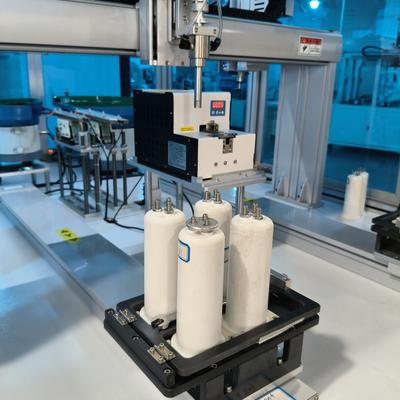
In the world of industrial automation, precision and reliability are paramount. One of the critical components in assembly automation is the screw locking machine, which ensures that screws are tightened to exact specifications consistently. However, a frequently overlooked aspect that significantly impacts the performance and efficiency of these machines is screw size compatibility. Understanding and ensuring compatibility is essential for optimizing operations, reducing downtime, and maintaining product quality.
Screw locking machines are designed to handle a variety of screw sizes, but not all machines are universally compatible with every screw type or dimension. The compatibility depends on several factors, including the screw’s diameter, length, head type, and thread pitch. Using screws that are outside the machine’s specified range can lead to numerous issues, such as jamming, misdriving, cross-threading, or even damage to the machine itself. This not only halts production but also increases maintenance costs and compromises the integrity of the assembly.
To avoid these problems, it is crucial to select a screw locking machine that matches the specific requirements of your application. Modern screw locking machines often come with adjustable settings to accommodate a range of screw sizes. For instance, the feeding system, driver head, and torque settings can typically be calibrated to suit different screws. However, there are limits to this adaptability. Manufacturers provide compatibility charts that outline the minimum and maximum screw dimensions their machines can handle. Consulting these charts before purchasing or operating the machine is a vital step in ensuring seamless integration into your production line.
Another important consideration is the material and design of the screws. Screws made from softer materials may require different handling than those made from harder metals. Similarly, screws with unique head designs (such as Phillips, Torx, or hex) need compatible driver bits. Using an incorrect bit can strip the screw head, leading to defects and machine stoppages. Therefore, it is advisable to use high-quality screws that meet industry standards and are within the machine’s compatible range.
Regular maintenance and calibration of screw locking machines also play a significant role in maintaining compatibility. Over time, wear and tear can affect the machine’s components, such as feeders and drivers, reducing their ability to handle screws accurately. Scheduled inspections and adjustments ensure that the machine continues to operate within its specified parameters. Additionally, training operators to recognize compatibility issues and perform basic troubleshooting can prevent minor problems from escalating into major disruptions.
In summary, screw size compatibility is a fundamental factor in the effective operation of screw locking machines. By carefully selecting compatible screws, adhering to manufacturer guidelines, and maintaining equipment properly, companies can enhance productivity, reduce waste, and achieve higher quality outcomes. Investing time and resources in understanding compatibility not only protects your machinery but also strengthens your overall automation strategy, ensuring long-term success in industrial operations.
| Product Name | Applicable industries |
| Inline Screw Locking System | Telecommunication Equipment Assembly |