8618566785362 8618566785362 8618566785362 phoenix08@bbamachine.com
- All
- Product Name
- Product Keyword
- Product Model
- Product Summary
- Product Description
- Multi Field Search

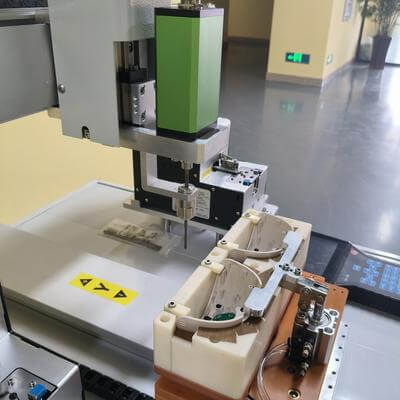
In the world of industrial automation, reliability is everything. One of the most common yet overlooked issues affecting machinery performance is loose screws. Vibration, thermal cycling, and dynamic loads can cause fasteners to loosen over time, leading to equipment failure, unplanned downtime, and safety hazards. Traditional methods like manual thread locking or mechanical locking devices are time-consuming and inconsistent. This is where screw locking automation offers a transformative solution. Screw locking automation integrates advanced robotic systems with precision dispensing technology to apply thread-locking adhesives accurately and efficiently. These automated systems are designed to identify fasteners, apply the exact amount of locking compound, and tighten screws to the required torque—all without human intervention. The process begins with a vision system or sensor that locates each screw. A robotic arm then positions the dispenser over the fastener and deposits a controlled dose of liquid threadlocker, such as anaerobic adhesive, into the threads. Finally, the screw is driven to specification, ensuring consistent and reliable locking. The benefits of automation are substantial. First, it eliminates human error. Manual application can lead to overuse or underuse of adhesive, contaminating nearby components or failing to secure the screw properly. Automated systems apply the same amount of compound every time, ensuring uniformity. Second, it enhances productivity. Robots work at high speeds and can process hundreds of screws per hour, reducing assembly time and labor costs. Third, it improves quality control. Integrated sensors can verify whether the adhesive has been applied and whether the screw is tightened correctly, logging data for traceability and compliance. Implementing screw locking automation requires careful planning. The system must be tailored to the specific fasteners, adhesives, and production environment. For example, low-strength threadlockers might be used for screws requiring future adjustment, while high-strength formulas are suited for permanent fixtures. The automation equipment must also be compatible with existing assembly lines, often through modular designs that allow easy integration. Training maintenance staff to operate and service the system is crucial for long-term success. Beyond manufacturing, industries such as automotive, aerospace, and electronics benefit greatly from this technology. In automotive assembly, where thousands of screws are used in each unit, automation ensures engine components, brakes, and interior fittings remain secure under extreme conditions. In aerospace, where safety is paramount, automated screw locking prevents failures caused by vibration during flight. Electronics manufacturers use it to secure delicate components without risking damage from manual handling. As industrial automation evolves, screw locking systems become smarter. Machine learning algorithms can optimize adhesive dispensing based on historical data, while IoT connectivity allows real-time monitoring and predictive maintenance. These advancements not only fix loose screws but also prevent them from ever becoming a problem. For companies aiming to boost reliability and efficiency, screw locking automation is no longer an option—it is a necessity. Product Name Applicable industries Smart Screw Driving Machine Telecommunication Equipment Assembly

body { font-family: Arial, sans-serif; line-height: 1.6; color: #333; margin: 20px; } h1 { color: #2c3e50; font-size: 28px; margin-bottom: 20px; } h2 { color: #34495e; font-size: 22px; margin-top: 25px; margin-bottom: 15px; } p { margin-bottom: 15px; text-align: justify; } ul { margin-bottom: 15px; padding-left: 20px; } li { margin-bottom: 8px; } strong { color: #16a085; } Customer Feedback on Our Robotic Screw Drivers In the fast-evolving world of industrial automation, listening to our customers is at the core of our innovation process. Over the past year, we have gathered extensive feedback from users of our advanced robotic screw drivers across various industries, including electronics manufacturing, automotive assembly, and consumer goods production. This direct input has been invaluable in helping us refine our products and better understand the real-world challenges faced on the production floor. Key Highlights from User Experiences Many customers have emphasized the significant improvement in assembly line efficiency after integrating our robotic screw drivers. One recurring theme is the reduction in operation time. Users report that the precision and speed of our drivers have cut down assembly cycles by up to 30% in some cases, allowing for higher throughput without compromising on quality. The consistency of torque application has also been praised, eliminating human error and ensuring every screw is fastened to exact specifications. Another frequently mentioned benefit is ease of integration. Our clients appreciate that the systems are designed to work seamlessly with existing production setups. The user-friendly interface and programmable settings allow operators to quickly adapt and manage operations with minimal training. This has been particularly beneficial for companies looking to automate without major disruptions or steep learning curves. Areas for Enhancement While the feedback has been overwhelmingly positive, some users provided constructive suggestions for improvement. A common request has been for even greater flexibility in handling diverse screw types and sizes. In response, our engineering team is already developing next-generation models with enhanced adaptability and smarter recognition capabilities to accommodate an even wider range of fasteners. Additionally, several customers mentioned the desire for more detailed analytics and reporting features. They want deeper insights into performance metrics, such as error rates and maintenance alerts, to further optimize their processes. We are taking this input seriously and are incorporating advanced data analytics into our future software updates to provide more comprehensive operational intelligence. Impact on Product Development This continuous stream of feedback is directly shaping our roadmap. For instance, based on user reports, we have made strides in enhancing the durability of components that undergo high-frequency use. We have also improved noise reduction features after learning that some operators found earlier models too disruptive in quieter assembly environments. Moreover, the positive remarks about our customer support and service have reinforced our commitment to providing exceptional after-sales service. However, we are also addressing notes about faster response times for technical queries by expanding our support team and implementing more efficient ticketing systems. Looking Ahead The voice of our customers is instrumental in driving innovation. We are grateful for the honest and detailed feedback we receive regularly. It not only helps us improve current products but also inspires new features and solutions that anticipate future industry needs. We remain dedicated to evolving our robotic screw drivers to set new benchmarks in reliability, efficiency, and user satisfaction. We encourage all our users to keep sharing their experiences with us. Together, we can continue to push the boundaries of what automation can achieve. Product Name Applicable industries Servo Screwdriver Robot Electric Bicycle Assembly
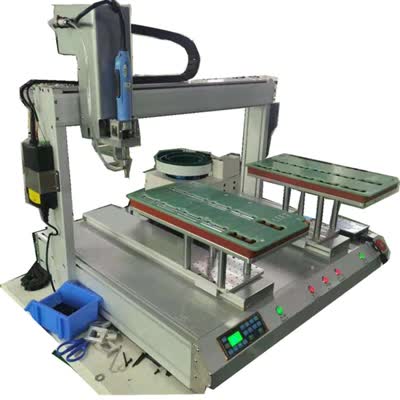
body { font-family: Arial, sans-serif; line-height: 1.6; margin: 20px; color: #333; } h1 { color: #0056b3; font-size: 28px; margin-bottom: 20px; } h2 { color: #004a99; font-size: 22px; margin-top: 25px; margin-bottom: 15px; } p { margin-bottom: 15px; text-align: justify; } ul { margin-bottom: 15px; } li { margin-bottom: 8px; } strong { color: #004a99; } Mobile Phone Production with Precision Fastening The manufacturing of mobile phones is a complex process that demands extreme precision, especially in assembly stages where even microscopic errors can lead to significant performance issues. One critical aspect of this process is precision fastening—the technique of securely joining components with exact torque and alignment specifications. This technology ensures that every screw, bolt, and fastener is placed accurately, maintaining the structural integrity and functionality of the device. The Role of Precision Fastening in Mobile Phone Assembly In mobile phone production, precision fastening systems are used to assemble various components, including chassis, circuit boards, cameras, and displays. These systems employ advanced automated tools that apply consistent torque and detect cross-threading or misalignment in real-time. For instance, during the installation of a smartphone's main logic board, screws must be tightened to exact specifications to avoid damaging delicate circuits or creating connection failures. Automated fastening solutions achieve this with repeatable accuracy, reducing the risk of defects and improving product reliability. Benefits of Automated Precision Fastening Implementing automated precision fastening in mobile phone manufacturing offers several key advantages: Enhanced Product Quality: Consistent torque application prevents over-tightening or under-tightening, which can cause component stress or loosening over time. This results in higher durability and customer satisfaction. Increased Production Speed: Automated systems operate at high speeds, significantly reducing cycle times compared to manual fastening. This efficiency is crucial for meeting the high-volume demands of the mobile phone industry. Reduced Error Rates: With built-in sensors and feedback mechanisms, these systems instantly identify and correct errors, minimizing rework and scrap rates. This leads to lower production costs and waste. Scalability and Flexibility: Modern precision fastening solutions can be integrated into existing assembly lines and adapted for different phone models, making them ideal for manufacturers producing multiple product variants. Innovations in Fastening Technology Recent advancements in precision fastening include the integration of IoT and data analytics capabilities. Smart fastening tools now collect real-time data on torque, angle, and sequence, allowing manufacturers to monitor assembly quality and predict maintenance needs. This data-driven approach enables continuous improvement in production processes and helps maintain consistency across global manufacturing facilities. Additionally, vision-assisted systems use cameras and sensors to guide fastening tools, ensuring perfect alignment even with miniaturized components common in modern smartphones. Future Trends As mobile phones become more compact and complex, the demand for precision fastening will continue to grow. Future developments may include even smaller and more agile fastening robots capable of working in confined spaces, as well as AI-powered systems that self-optimize based on historical data. Sustainability will also play a role, with efforts to reduce energy consumption and material waste in fastening processes. These innovations will further solidify precision fastening as a cornerstone of high-quality mobile phone manufacturing. In conclusion, precision fastening is indispensable in the production of reliable and high-performance mobile phones. By leveraging automated solutions, manufacturers can achieve greater accuracy, efficiency, and scalability, ultimately delivering better products to consumers worldwide. Product Name Applicable industries Dual Head Screwdriver Electric Bicycle Assembly
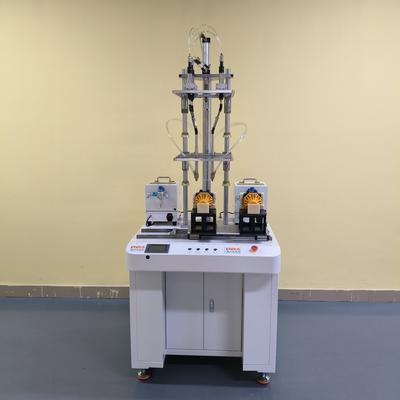
Product Name Applicable industries Automatic Screw Feeder Automotive Electronics Assembly body { font-family: Arial, sans-serif; line-height: 1.6; margin: 20px; color: #333; } h1 { color: #2c3e50; font-size: 28px; margin-bottom: 15px; } h2 { color: #34495e; font-size: 22px; margin-top: 25px; margin-bottom: 10px; } p { margin-bottom: 15px; text-align: justify; } ul { margin-bottom: 15px; margin-left: 20px; } li { margin-bottom: 8px; } strong { color: #16a085; } Servo Motor Life Cycle and Preventive Maintenance Servo motors are the workhorses of modern industrial automation, providing the precise control and high torque necessary for a vast range of applications, from robotics to CNC machining. Understanding their life cycle and implementing a robust preventive maintenance program is crucial for maximizing productivity, minimizing unplanned downtime, and protecting your capital investment. A well-maintained servo motor can operate reliably for thousands of hours, but its lifespan is ultimately determined by operating conditions and the care it receives. Understanding the Servo Motor Life Cycle The life cycle of a servo motor is typically defined by the health of its two most critical components: the bearings and the windings. Under ideal conditions, a servo motor can operate for 15,000 to 30,000 hours or more. The primary failure point is often the bearings, which degrade over time due to mechanical wear, lubrication breakdown, and contamination. The insulating materials on the motor windings are another key factor. They can deteriorate due to excessive heat, voltage spikes, and environmental contaminants like moisture and dust, leading to insulation failure and short circuits. Several external factors significantly influence this life cycle. Operating temperature is paramount; for every 10°C rise above the motor's rated temperature, the insulation life can be halved. Vibration, whether from the motor itself or the driven load, accelerates bearing wear and can loosen electrical connections. Environmental contaminants such as oil, coolant, metal chips, and dust can compromise lubrication and insulation. Finally, proper alignment and balancing are essential, as misalignment places undue stress on bearings and the motor shaft, leading to premature failure. Key Preventive Maintenance Strategies A proactive approach to maintenance is far more cost-effective than reactive repairs. A comprehensive preventive maintenance plan should include the following key strategies: Regular Inspection and Cleaning: Schedule periodic visual inspections for signs of wear, damage, or contamination. Keep the motor housing and cooling fins clean and free of debris to ensure optimal heat dissipation. Check all electrical connections for tightness to prevent arcing and voltage drops. Bearing Maintenance: For motors with grease fittings, follow the manufacturer's guidelines for regreasing intervals and the correct type of grease to use. Over-greasing can be as harmful as under-greasing. Monitor bearings for unusual noise or excessive vibration, which are early indicators of wear. Vibration Analysis: Implement a routine vibration monitoring program. Trend analysis can detect imbalances, misalignment, or bearing defects at an early stage, allowing for planned corrective action before catastrophic failure occurs. Thermal Monitoring: Use thermal imaging cameras or temperature sensors to monitor operating temperatures. Unexpected hot spots can indicate problems with cooling, overloading, or electrical issues within the windings or connections. Electrical Testing: Periodically perform electrical tests, such as insulation resistance (megger) tests, to assess the health of the motor windings. This test can detect insulation degradation caused by moisture, contamination, or aging before it leads to a complete failure. Benefits of a Proactive Approach Investing in a structured preventive maintenance program delivers substantial returns. It dramatically reduces the risk of unexpected production halts, ensuring higher overall equipment effectiveness (OEE). Catching issues early allows for repairs to be planned and scheduled during non-production times, avoiding expensive emergency service calls and replacement costs. Furthermore, well-maintained motors operate more efficiently, consuming less energy and providing more consistent performance, which directly improves product quality and throughput. By understanding the factors that influence servo motor longevity and committing to a disciplined regimen of inspection, testing, and care, you can significantly extend the operational life of these critical assets, ensuring they continue to drive your automation with precision and reliability for years to come.

body { font-family: Arial, sans-serif; line-height: 1.6; color: #333; max-width: 800px; margin: 0 auto; padding: 20px; } h1 { color: #1a5276; font-size: 28px; margin-bottom: 20px; } p { margin-bottom: 15px; text-align: justify; } .highlight { background-color: #f9f9f9; padding: 15px; border-left: 4px solid #1a5276; margin: 20px 0; } Robotics and Fastening Automation in the Future The landscape of industrial automation is evolving at an unprecedented pace, and at the heart of this transformation are robotics and fastening automation technologies. These innovations are not only redefining manufacturing processes but also setting new standards for efficiency, precision, and scalability. As we look toward the future, it is clear that the integration of advanced robotics with intelligent fastening systems will play a pivotal role in shaping the next generation of industrial automation. Robotics has already made significant strides in various industries, from automotive to electronics, by performing repetitive tasks with unmatched accuracy and speed. However, the future lies in the synergy between robotics and fastening automation. Fastening, though seemingly simple, is a critical step in assembly lines. Traditional methods often involve manual labor, which can be time-consuming and prone to errors. With the advent of automated fastening solutions, manufacturers can now achieve consistent quality, reduce operational costs, and enhance overall productivity. One of the most exciting developments is the emergence of collaborative robots, or cobots, designed to work alongside human operators. These cobots are equipped with sophisticated sensors and vision systems that allow them to handle complex fastening tasks with minimal human intervention. For instance, they can adapt to variations in part sizes or orientations, ensuring that every fastener is applied correctly. This level of flexibility is crucial for modern manufacturing, where customisation and quick changeovers are increasingly in demand. Moreover, the integration of Internet of Things (IoT) technologies with fastening automation is set to revolutionise the industry. Smart fastening tools can now collect and analyse data in real-time, providing valuable insights into the assembly process. This data-driven approach enables predictive maintenance, reduces downtime, and ensures that every product meets stringent quality standards. For example, if a fastener is under-torqued or over-torqued, the system can immediately flag the issue and make necessary adjustments, preventing potential defects down the line. Another key trend is the use of artificial intelligence (AI) and machine learning in robotics. AI algorithms can optimise fastening sequences, predict potential failures, and even learn from past operations to improve future performance. This not only enhances efficiency but also allows systems to become more autonomous over time. Imagine a robotic cell that can self-calibrate, self-diagnose, and continuously refine its processes without human input—this is the direction in which the industry is heading. As we move forward, sustainability will also be a major driver for innovation. Energy-efficient robots and fastening systems that minimise waste and reduce environmental impact will become increasingly important. For instance, electric fastening tools consume less power compared to their pneumatic counterparts, while advanced control systems ensure that materials are used optimally. This focus on sustainability aligns with global efforts to create greener manufacturing practices. In conclusion, the future of robotics and fastening automation is bright and full of potential. By leveraging technologies such as cobots, IoT, AI, and sustainable design, manufacturers can build smarter, more responsive, and more efficient production environments. These advancements will not only streamline operations but also open doors to new possibilities, from mass customisation to fully autonomous factories. As industry leaders, we are committed to driving this evolution and helping our customers stay ahead in a competitive market. Product Name Applicable industries Inline Screw Locking System Medical Device Manufacturing
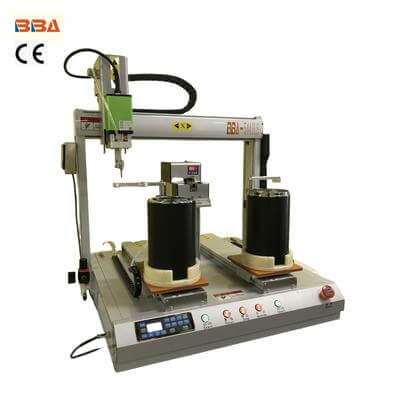
Product Name Applicable industries Servo Screwdriver Robot Telecommunication Equipment Assembly body { font-family: Arial, sans-serif; line-height: 1.6; margin: 20px; color: #333; } h1 { color: #2c3e50; font-size: 28px; margin-bottom: 20px; } h2 { color: #34495e; font-size: 22px; margin-top: 25px; margin-bottom: 15px; } p { margin-bottom: 15px; text-align: justify; } strong { color: #16a085; } ul { margin-top: 10px; margin-bottom: 15px; padding-left: 20px; } li { margin-bottom: 8px; } Operator Training for Servo-Based Screw Machines In today's rapidly evolving industrial landscape, the adoption of advanced automation technologies like servo-based screw machines has become a cornerstone for enhancing productivity, precision, and efficiency. These sophisticated systems represent a significant leap forward from traditional pneumatic or mechanical fastening equipment, offering unparalleled control over the tightening process. However, the full potential of these high-performance machines can only be realized through comprehensive and effective operator training. Without a properly trained workforce, even the most advanced technology risks being underutilized or, worse, becoming a source of costly errors and downtime. The Critical Role of the Operator Modern servo-based screw machines are engineered for exceptional accuracy, often featuring programmable torque, angle, and speed settings. They provide real-time data feedback and traceability, which is crucial for quality control in industries such as automotive, electronics, and aerospace. While these machines automate the physical process, the human operator remains an indispensable part of the production cell. The operator is responsible for setup, changeover, routine monitoring, and first-line troubleshooting. Their ability to understand the machine's interface, interpret data outputs, and respond appropriately to alerts is fundamental to maintaining a smooth and uninterrupted workflow. Key Components of an Effective Training Program Developing a robust training curriculum for operators is not merely about teaching them which buttons to press. It involves building a deep conceptual understanding of the technology and fostering problem-solving skills. Fundamental Principles: Training should begin with the core principles of servo technology. Operators need to grasp concepts like torque control, angle monitoring, and the importance of a properly calibrated system. Understanding the "why" behind the process helps in recognizing out-of-specification results. Hands-On Machine Operation: Theoretical knowledge must be solidified with extensive hands-on practice. This includes performing machine setup for different products, loading fastening programs, conducting tool calibration, and executing changeovers efficiently. Simulating production runs allows operators to gain confidence in a controlled environment. Data Interpretation and Analysis: One of the biggest advantages of servo-based systems is data generation. Operators must be trained to read and interpret process windows, torque-angle graphs, and statistical output. They should be able to identify trends that indicate potential issues, such as cross-threading, stripped screws, or tool wear, before they lead to a major defect or stoppage. Basic Troubleshooting and Maintenance: Equipping operators with foundational troubleshooting skills empowers them to address common issues without always relying on a maintenance technician. This includes clearing jams, replacing driver bits, identifying error codes, and performing basic preventive maintenance tasks like cleaning and lubrication. Safety Protocols: Safety is paramount. Training must emphasize lockout-tagout (LOTO) procedures, safe machine guarding practices, and the specific hazards associated with automated fastening systems to ensure a secure working environment. Building a Culture of Continuous Improvement Operator training should not be a one-time event. As software is updated and new features are introduced, refresher courses and advanced training modules are essential. Encouraging operators to provide feedback on the process can also lead to valuable insights and improvements. When operators are viewed as knowledgeable partners in the production process, rather than just button-pushers, they become a powerful asset for driving quality and efficiency. Investing in their skillset fosters a culture of continuous improvement and operational excellence, ensuring that your investment in servo-based automation delivers maximum return and sustains a competitive advantage in the market.
Product Name Applicable industries Servo Screwdriver Robot Toy and Game Console Production body { font-family: Arial, sans-serif; line-height: 1.6; margin: 20px; color: #333; } h1 { color: #2c3e50; font-size: 28px; margin-bottom: 10px; } h2 { color: #34495e; font-size: 22px; margin-top: 20px; margin-bottom: 10px; } p { margin-bottom: 15px; text-align: justify; } ul { margin-bottom: 15px; padding-left: 20px; } li { margin-bottom: 8px; } .highlight { background-color: #f8f9fa; padding: 15px; border-radius: 5px; margin: 15px 0; } Servo-Based Screw Driving in Home Appliance Manufacturing The manufacturing of home appliances demands unparalleled precision, repeatability, and efficiency. As products become more complex and consumer expectations for quality rise, traditional assembly methods are increasingly falling short. In this high-stakes environment, servo-based screw driving technology has emerged as a transformative solution, redefining assembly lines with its intelligent and data-driven capabilities. The Technology Behind Servo-Driven Automation Unlike pneumatic or standard electric drivers, servo-based systems utilize sophisticated servo motors for precise control over every aspect of the fastening process. This provides complete command over rotational speed, torque, and angle. The system can be programmed to follow exact, multi-stage tightening patterns—such as a specific RPM for seating a screw followed by a precise angle rotation for final tightening. This eliminates the guesswork and variability inherent in older methods, ensuring every screw is driven to its exact specification, every single time. Key Advantages for Appliance Production The implementation of servo-driven screwdriving brings a multitude of benefits directly to the appliance manufacturing floor: Unmatched Quality Control: The system monitors and records torque and angle data for every screw, creating a verifiable audit trail for each product unit. This allows for 100% quality inspection and immediate error detection, preventing defective units from proceeding down the line and significantly reducing warranty claims. Enhanced Flexibility and Scalability: One servo system can be programmed with numerous recipes for different screw types and sizes across various appliance models. This eliminates the need for costly changeovers and tooling adjustments, making production lines highly adaptable to meet changing market demands. Increased Operational Efficiency: By drastically reducing defective assemblies and line stoppages for adjustments, overall equipment effectiveness (OEE) sees a substantial boost. The automation of the process also minimizes physical strain on workers, allowing them to focus on more complex value-added tasks. Reduced Physical Damage: Precise torque control is crucial for avoiding damage to delicate plastic housings, brittle components, and threaded inserts—a common and costly issue in appliance assembly. Servo systems apply exactly the force needed, nothing more, preserving product integrity. The ability to collect and analyze data from every fastening operation transforms the assembly line from a mere production unit into a source of critical business intelligence, driving continuous improvement and strategic decision-making. Applications Across the Appliance Industry This technology is versatile enough to handle the diverse needs of the sector. Common applications include the assembly of sensitive electronic control boards within ovens and washing machines, where consistent torque is non-negotiable. It is also ideal for securing the outer panels and back plates of refrigerators and dishwashers, ensuring a perfect fit and finish that enhances product aesthetics. Furthermore, it is indispensable for attaching internal components like motors and compressors, where a failure could lead to catastrophic product failure. The Future of Smart Manufacturing Servo-based screw driving is a cornerstone of Industry 4.0. Its inherent connectivity allows it to integrate seamlessly with factory-wide Manufacturing Execution Systems (MES). This enables real-time monitoring of production metrics, predictive maintenance alerts, and seamless traceability from a single screw back to raw materials. As we move towards fully connected smart factories, this level of data integration and process control will become the standard, not the exception. For home appliance manufacturers looking to gain a competitive edge, investing in servo-based screw driving technology is a strategic imperative. It is more than just an improvement in tooling; it is a comprehensive upgrade that enhances quality, boosts efficiency, and paves the way for the intelligent, data-driven factory of the future.
body { font-family: Arial, sans-serif; line-height: 1.6; color: #333; } h2 { color: #0056b3; } strong { color: #0056b3; } Price Ranges and What Affects Cost Understanding the cost structure of industrial automation products is crucial for businesses planning to integrate or upgrade their systems. The price range for these products can vary significantly, from a few hundred dollars for a basic sensor to hundreds of thousands for a fully integrated automated line. Several key factors influence these costs, and being aware of them can help in making informed purchasing decisions. One of the primary factors affecting the price is the complexity and capability of the product. A simple, standalone device like a photoelectric sensor will have a relatively low cost, while a sophisticated programmable logic controller (PLC) or a robotic arm with advanced vision systems and precision mechanics will command a much higher price. The level of functionality, processing power, and the number of I/O points directly correlate with the cost. Another significant cost driver is the degree of customization required. Off-the-shelf, standard products are typically the most cost-effective option. However, many industrial applications require tailored solutions to meet specific operational needs. Custom engineering, specialized software programming, and unique mechanical designs add considerable development time and resources, which increases the overall product cost. The technology and components used internally also play a major role. Products built with high-grade, industrial-rated components designed for harsh environments (extreme temperatures, humidity, vibration) are more expensive than those using commercial-grade parts. Furthermore, incorporating cutting-edge technologies, such as AI-driven predictive maintenance, IoT connectivity for Industry 4.0, or advanced safety protocols, adds to the research, development, and manufacturing expenses. Brand reputation and support are intangible yet vital factors. Established brands often price their products higher due to their proven track record of reliability, extensive quality control processes, and global support networks. This investment in brand equity ensures customers receive not just a product but also peace of mind, comprehensive warranties, and accessible technical support, which can reduce downtime costs in the long run. Finally, the scale of deployment impacts the unit cost. Purchasing a single device is far more expensive per unit than procuring in volume. For large-scale automation projects, manufacturers often offer substantial discounts. Additionally, long-term lifecycle costs, including maintenance, energy consumption, and ease of integration with existing systems, should be considered alongside the initial purchase price to understand the total cost of ownership. In conclusion, the price of industrial automation products is not arbitrary but is shaped by a combination of technical specifications, customization, component quality, brand value, and purchase volume. By carefully evaluating these factors against their specific operational requirements and long-term goals, businesses can strategically invest in automation solutions that offer the best value and return on investment. Product Name Applicable industries Dual Head Screwdriver Medical Device Manufacturing