8618566785362 8618566785362 8618566785362 phoenix08@bbamachine.com
- All
- Product Name
- Product Keyword
- Product Model
- Product Summary
- Product Description
- Multi Field Search

Views: 0 Author: BBA AUTOMATION Publish Time: 2025-07-10 Origin: BBA AUTOMATION


| Product Name | Applicable industries |
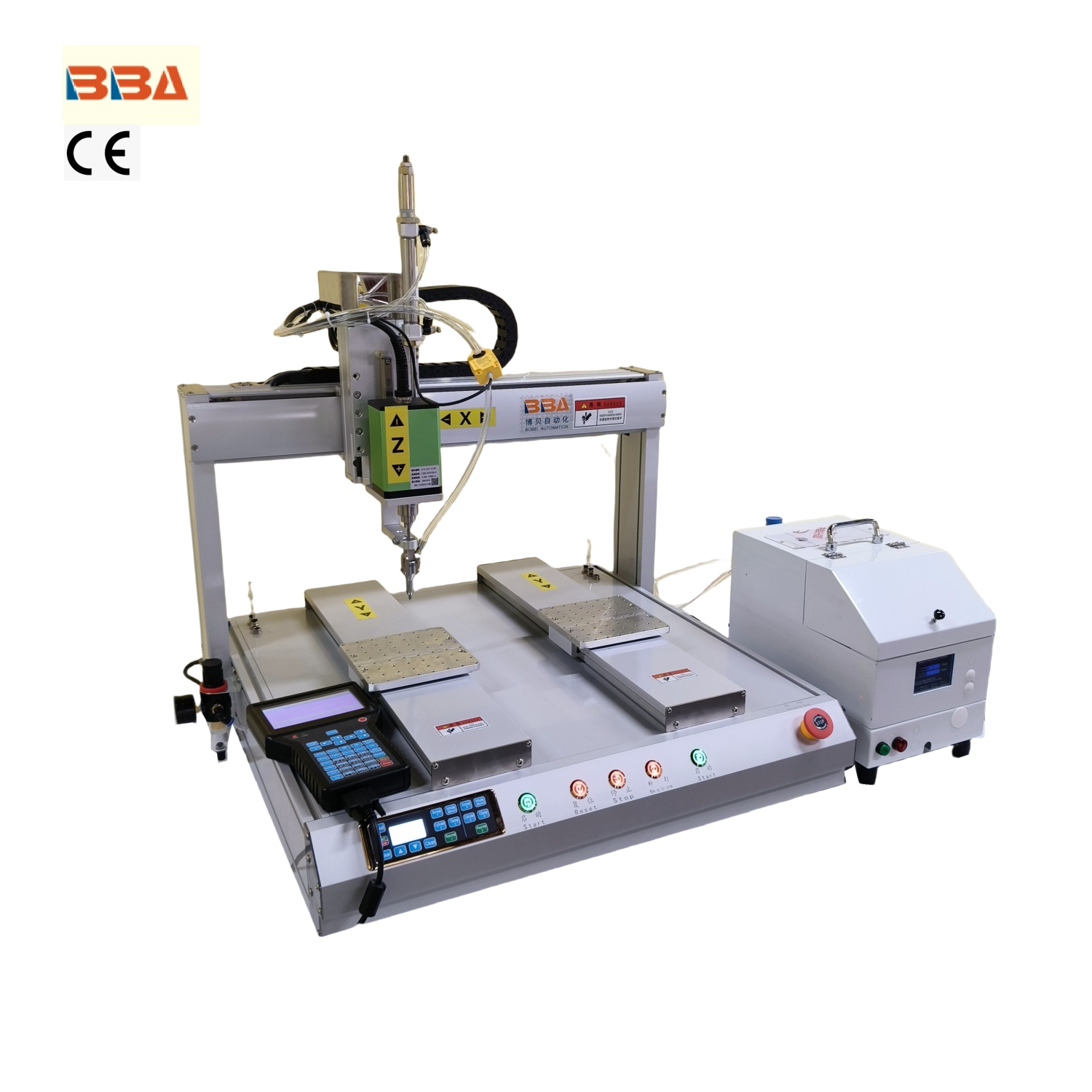
| Servo Screwdriver Robot | Home Appliance Production |
In the fast-paced world of industrial automation, precision and reliability are paramount. One critical aspect of manufacturing and assembly processes is the tightening of bolts, screws, and fasteners. Ensuring these components are secured with the correct torque and angle is essential for product quality, safety, and longevity. This is where Real-Time Monitoring of Tightening Parameters comes into play, offering unparalleled control and insight into the tightening process.
Real-time monitoring systems are designed to provide instantaneous feedback on tightening operations, allowing operators to detect and address issues before they escalate. These systems measure key parameters such as torque, angle, rotation speed, and even temperature, ensuring that every fastener is tightened according to exact specifications. By leveraging advanced sensors and data analytics, manufacturers can achieve consistent results and reduce the risk of defects or failures.
One of the most significant advantages of real-time monitoring is its ability to prevent costly errors. Over-tightening can lead to stripped threads or broken fasteners, while under-tightening may result in loose connections and potential safety hazards. With real-time data, operators can immediately identify deviations from the target parameters and take corrective action. This not only improves product quality but also minimizes downtime and rework.
Another benefit of real-time monitoring is its role in predictive maintenance. By continuously tracking tightening performance, the system can detect patterns or anomalies that indicate wear and tear on tools or equipment. This allows maintenance teams to schedule repairs or replacements before a breakdown occurs, reducing unplanned downtime and extending the lifespan of critical assets.
The integration of real-time monitoring with Industry 4.0 technologies further enhances its capabilities. For example, data collected from tightening operations can be stored in the cloud and analyzed using machine learning algorithms. This enables manufacturers to identify trends, optimize processes, and even predict potential issues before they arise. The result is a smarter, more efficient production environment where quality and productivity go hand in hand.
In conclusion, Real-Time Monitoring of Tightening Parameters is a game-changer for industrial automation. It empowers manufacturers to achieve higher precision, reduce errors, and improve overall efficiency. As technology continues to evolve, the adoption of these systems will become increasingly critical for staying competitive in the modern manufacturing landscape.