8618566785362 8618566785362 8618566785362 phoenix08@bbamachine.com
- All
- Product Name
- Product Keyword
- Product Model
- Product Summary
- Product Description
- Multi Field Search

Views: 0 Author: BBA AUTOMATION Publish Time: 2025-07-12 Origin: BBA AUTOMATION


| Product Name | Applicable industries |
| Screw Fastening Unit | Consumer Electronics Assembly |
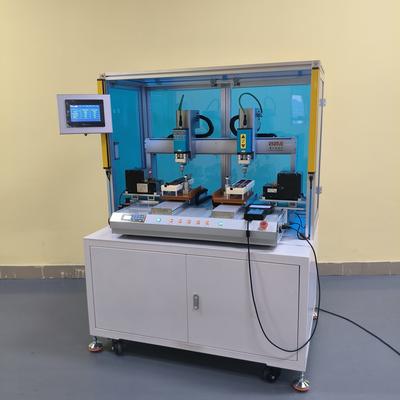
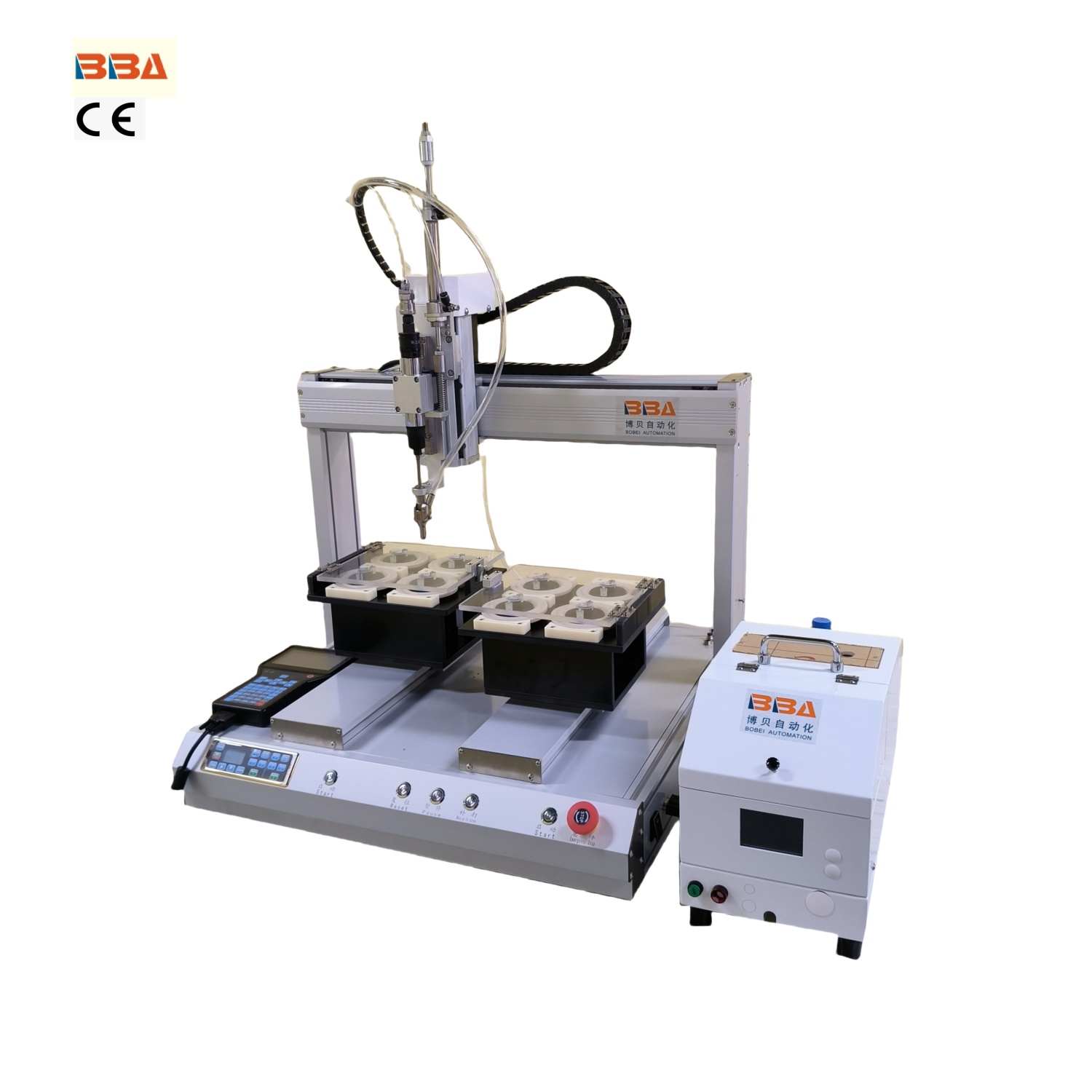
Multi-axis robotic screw driving is revolutionizing the industrial automation landscape, offering unprecedented precision, efficiency, and flexibility in assembly processes. This advanced technology is rapidly becoming a cornerstone for manufacturers seeking to optimize production lines while reducing labor costs and human error.
At its core, multi-axis robotic screw driving systems integrate sophisticated robotics with precision screwdriving mechanisms. These systems typically feature articulated robotic arms with multiple degrees of freedom, allowing them to approach workpieces from virtually any angle. This versatility is particularly valuable in complex assembly applications where traditional fixed automation would struggle.
The technology combines several critical components working in harmony:
One of the most significant advantages of multi-axis robotic screw driving is its ability to handle diverse product variants without requiring extensive retooling. The robotic system can be quickly reprogrammed to accommodate different screw patterns, fastener types, and product geometries. This makes it ideal for high-mix, low-volume production environments where flexibility is paramount.
Precision is another hallmark of these systems. Modern robotic screwdrivers incorporate sophisticated torque control algorithms that ensure consistent fastener tightness while preventing damage to delicate components. The systems can precisely record torque values for each fastener, creating valuable quality control data that can be integrated into manufacturing execution systems.
From an ergonomics perspective, robotic screw driving removes workers from repetitive tasks that can lead to musculoskeletal disorders. The robots can consistently perform screw insertion operations in awkward positions or confined spaces that would be challenging for human operators.
Implementation considerations for multi-axis robotic screw driving systems include:
As industries continue to demand higher productivity and quality standards, multi-axis robotic screw driving technology is poised to become even more sophisticated. Emerging trends include the integration of artificial intelligence for predictive maintenance and process optimization, as well as collaborative robot implementations that work safely alongside human operators.
Forward-thinking manufacturers are adopting these systems not just for their immediate benefits in quality and efficiency, but also for their ability to future-proof production facilities. The flexibility of multi-axis robotic screw driving makes it a sustainable investment that can adapt to evolving product designs and manufacturing requirements.
When properly implemented, multi-axis robotic screw driving systems can dramatically improve production metrics while reducing costs associated with rework, warranty claims, and worker injuries. As automation technology continues to advance, these systems will play an increasingly vital role in competitive manufacturing operations worldwide.