8618566785362 8618566785362 8618566785362 phoenix08@bbamachine.com
- All
- Product Name
- Product Keyword
- Product Model
- Product Summary
- Product Description
- Multi Field Search

Views: 0 Author: BBA AUTOMATION Publish Time: 2025-09-21 Origin: BBA AUTOMATION


| Product Name | Applicable industries |
| Smart Screw Driving Machine | Automotive Electronics Assembly |
In the realm of industrial automation, the implementation of an automated screw fastening line represents a significant step toward enhancing production efficiency, ensuring consistent product quality, and reducing operational costs. A properly configured auto screw line minimizes human error, alleviates ergonomic strain on workers, and accelerates assembly cycles. However, achieving these benefits requires meticulous planning and execution. This article outlines the fundamental best practices for setting up a robust and reliable automated screwdriving system.
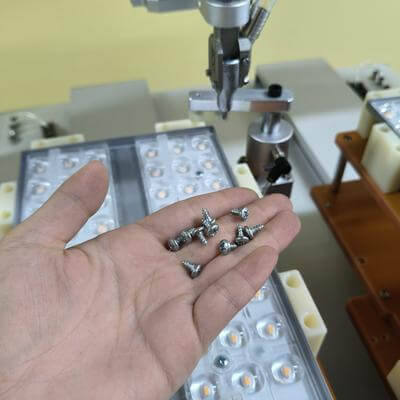
Before selecting any equipment, a thorough analysis of the existing assembly process is paramount. Identify the specific fastening tasks, including the types of screws used (length, diameter, head style), required torque values, and accessibility of the fastening points. Consider the production volume and cycle time targets. Mapping out the entire process helps in determining the optimal level of automation—whether a single-station cell, a multi-spindle system, or a fully integrated robotic line is most suitable. This foundational step prevents costly oversights and ensures the automation solution aligns perfectly with production goals.
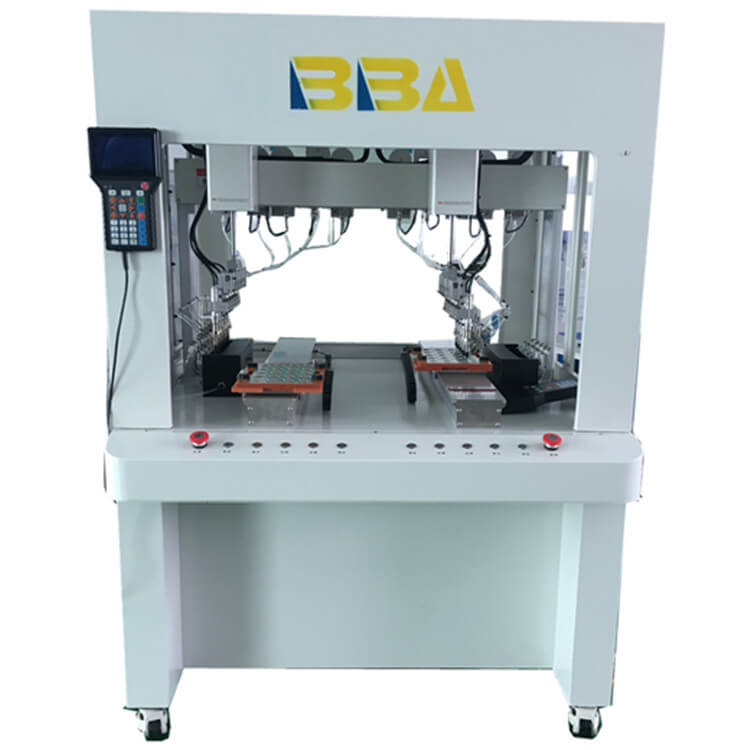
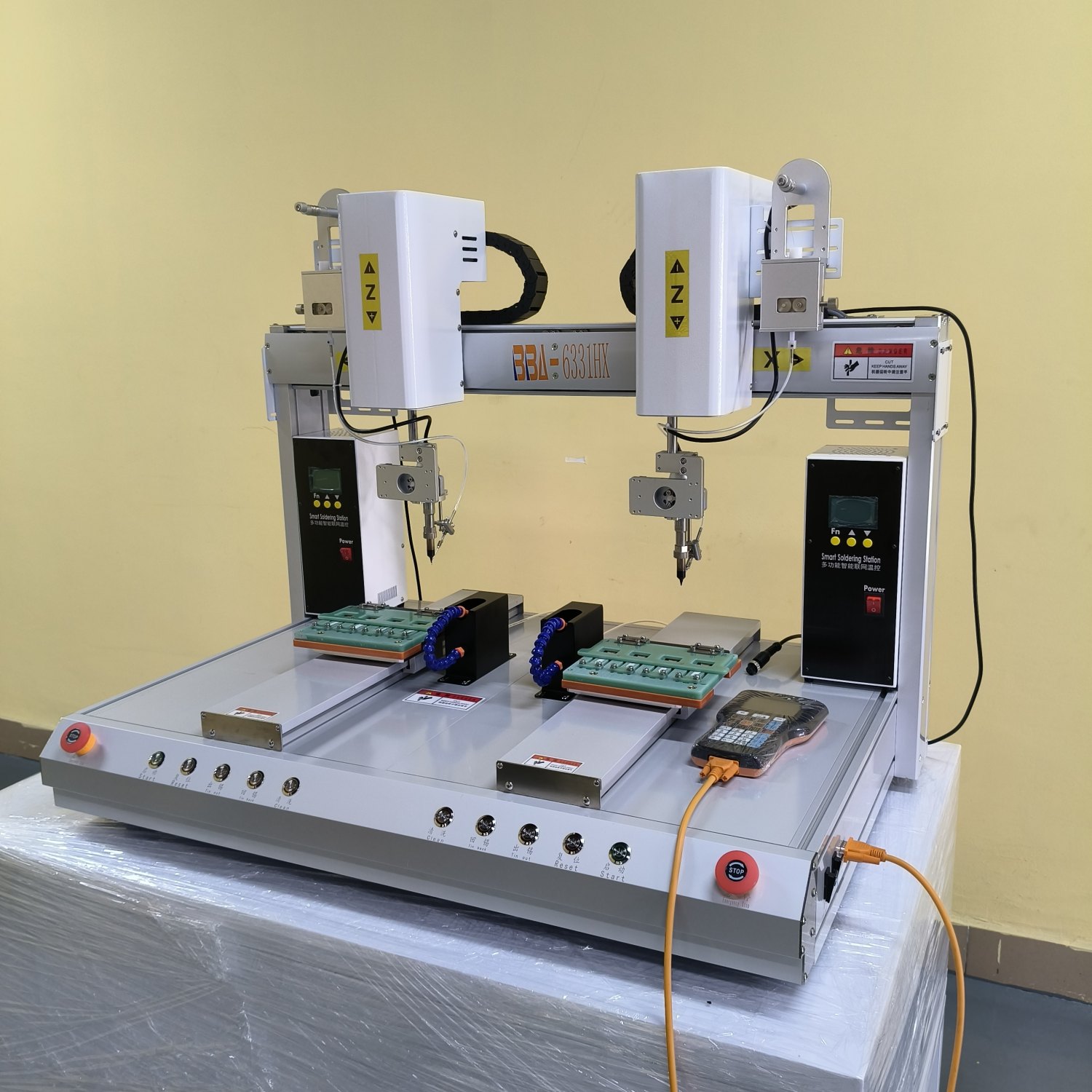
Choosing appropriate hardware is critical. The core components typically include automatic screw feeders, electric or pneumatic screwdrivers, and often, a robotic arm or a Cartesian system for positioning. Key selection criteria are:
The automation system is only as good as the part it works on. The workpiece must be presented to the screwdriving unit in a highly repeatable and stable position. Invest in precision fixtures and jigs that securely hold the component, preventing any movement during the fastening process. For conveyor-based lines, ensure precise positioning via mechanical stops or vision-guided systems. Unstable parts can lead to misdriven screws, cross-threading, or damage to the product and equipment.
Integration involves synchronizing the screw feeder, driver, and positioning system into a cohesive unit. Pay close attention to the alignment between the driver bit and the screw presented by the feeder. Even a slight misalignment can cause pickup failures. Calibrate the torque settings for each screw type according to engineering specifications and perform extensive testing to establish optimal driver speed and depth. Implementing sensors for verification—such as presence sensors to confirm screw pickup and torque monitors to validate tightness—is a non-negotiable practice for achieving zero-defect production.
An automated screw line is a long-term investment that requires proactive care to maintain peak performance. Establish a regular maintenance schedule that includes cleaning the feeder bowl and tracks, inspecting driver bits for wear, and checking torque calibration. Furthermore, comprehensively train maintenance technicians and line operators on how to operate the system, perform basic troubleshooting, and identify early signs of potential issues like feeder jams or declining torque accuracy. Empowered personnel are crucial for minimizing downtime and ensuring continuous operation.
Implementing an automated screw fastening line is a powerful strategy for modern manufacturing. By adhering to these best practices—from rigorous initial planning and equipment selection to stable fixturing, precise calibration, and diligent maintenance—companies can build a system that delivers unparalleled reliability, quality, and productivity. A well-designed auto screw line not only streamlines assembly but also becomes a cornerstone of a more efficient and competitive manufacturing operation.