8618566785362 8618566785362 8618566785362 phoenix08@bbamachine.com
- All
- Product Name
- Product Keyword
- Product Model
- Product Summary
- Product Description
- Multi Field Search

Views: 0 Author: BBA AUTOMATION Publish Time: 2025-07-13 Origin: BBA AUTOMATION


In the rapidly evolving field of industrial automation, robots are increasingly being tasked with precision-oriented jobs that were once reserved for human workers. One such task is screw tightening, a seemingly simple yet critical operation in manufacturing and assembly lines. Teaching robots to perform this task efficiently requires a combination of advanced hardware, intelligent software, and careful programming.
Screw tightening may appear straightforward, but it demands a high level of precision. Over-tightening can damage materials or strip threads, while under-tightening may lead to loose connections and potential failures. Robots excel in such repetitive tasks because they can apply consistent torque and angle adjustments, minimizing human error. This ensures product reliability and reduces waste in production lines.
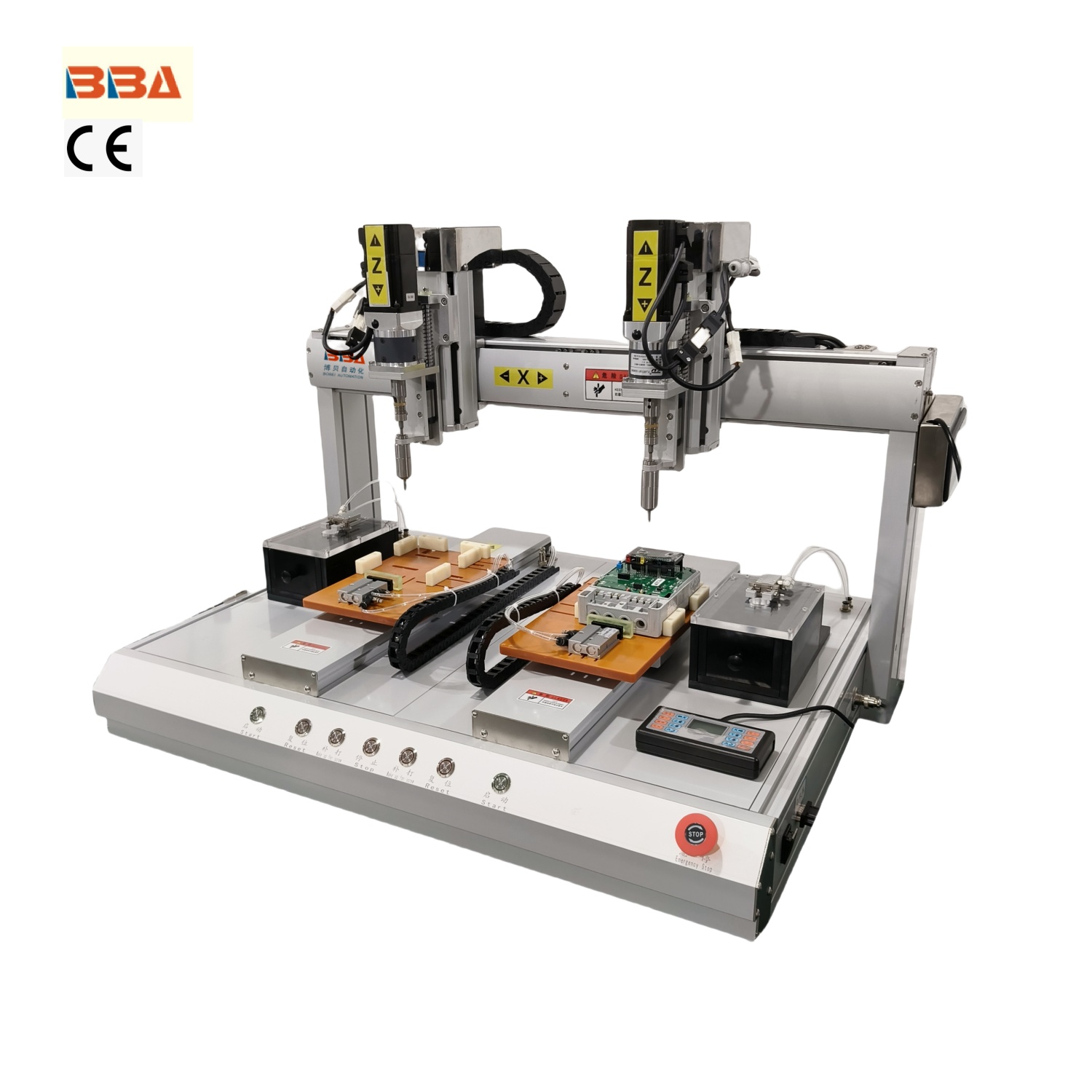
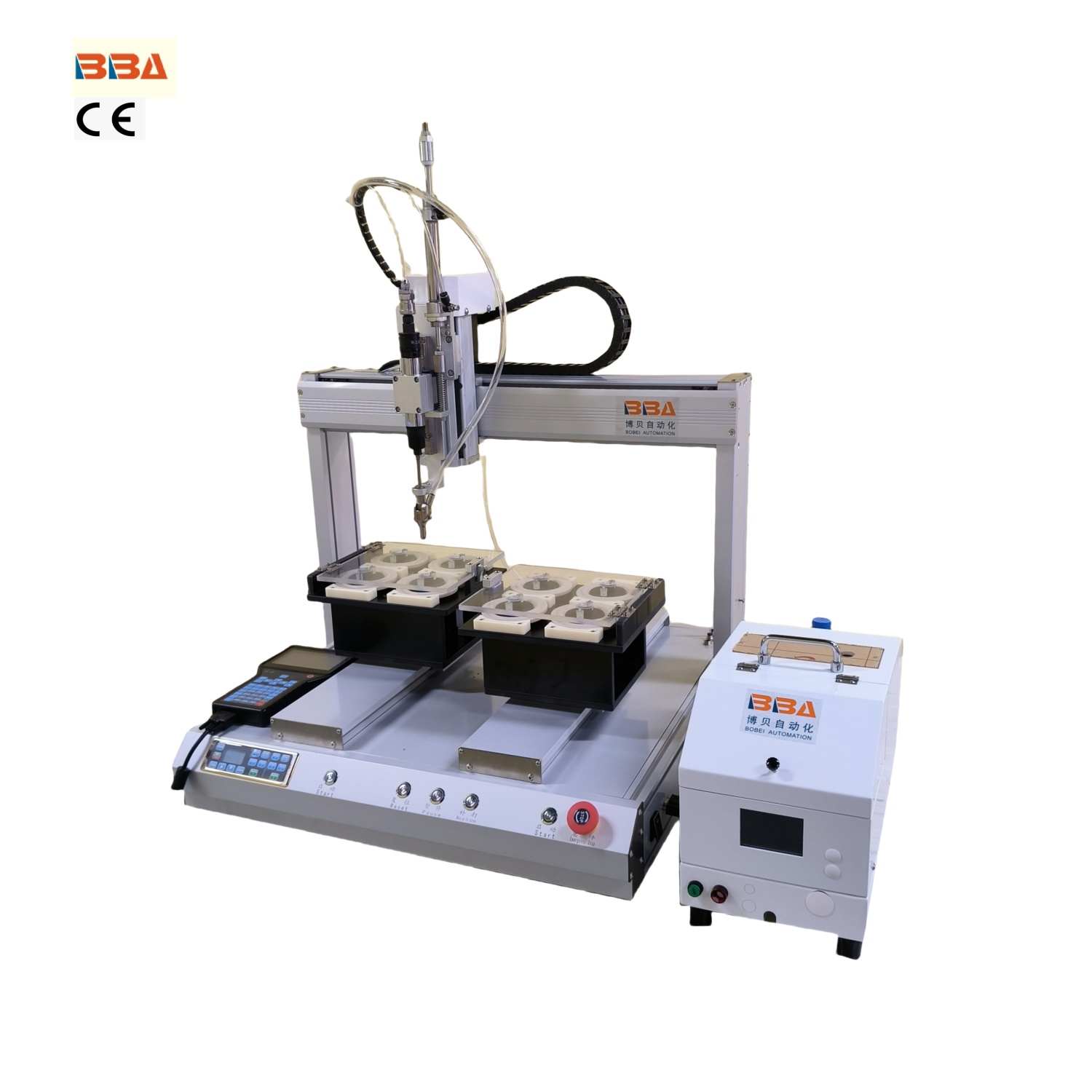
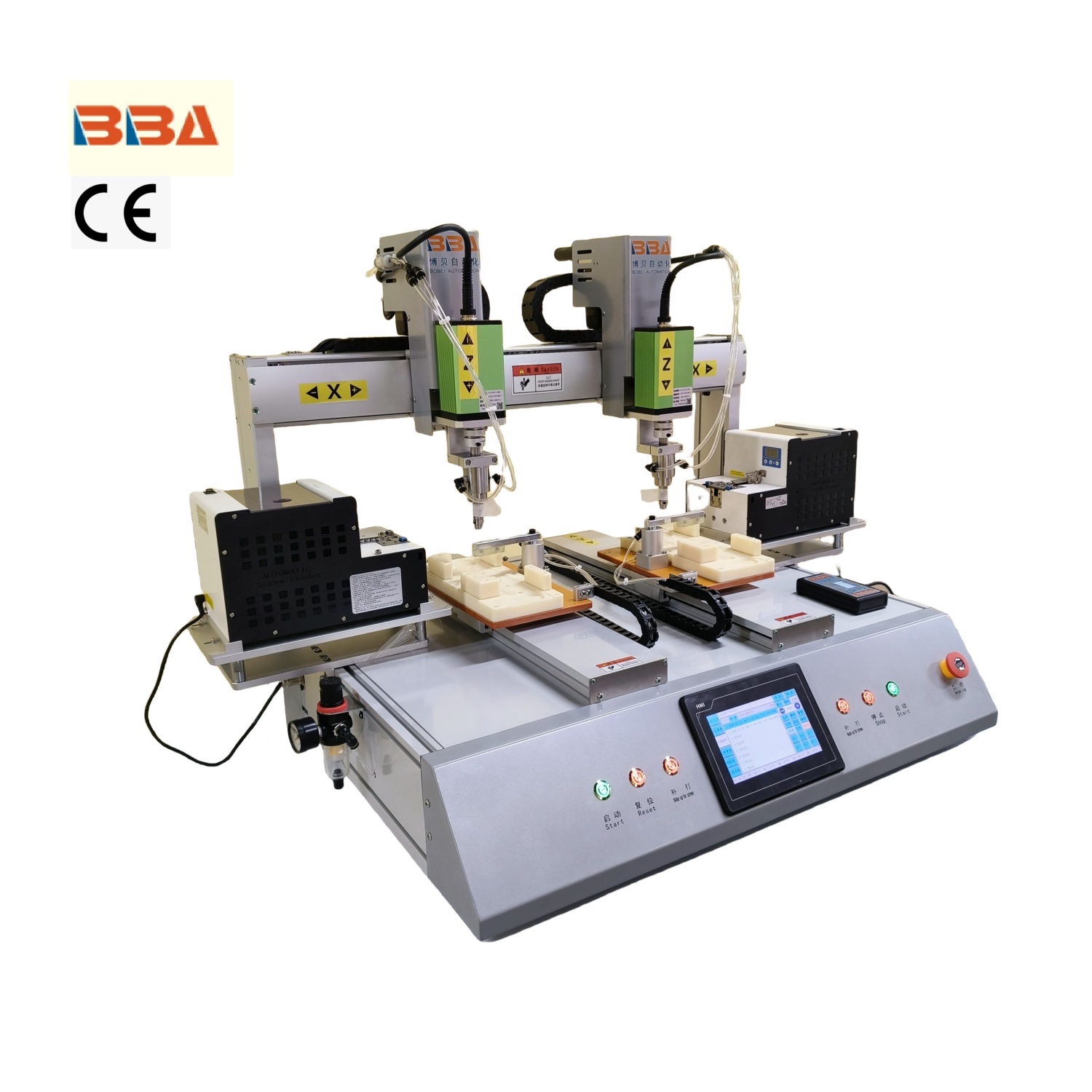
To achieve accurate screw tightening, robots rely on several key components:
Modern robots are often equipped with machine learning capabilities, allowing them to improve their performance over time. By analyzing data from successful tightening operations, robots can refine their torque settings, speed, and alignment techniques. Some systems even use collaborative robotics (cobots), where humans demonstrate the task, and the robot replicates and optimizes the process.
Robotic screw tightening is widely used in industries such as automotive, electronics, and aerospace, where precision assembly is crucial. In automotive manufacturing, for instance, robots tighten screws on engine components, dashboards, and body panels with unmatched consistency. Electronics manufacturers leverage robotic systems to assemble delicate devices where even minor errors can cause malfunctions.
As robotics technology advances, we can expect even more sophisticated screw tightening solutions. Innovations like real-time adaptive torque control, improved AI-based error detection, and integration with IoT for predictive maintenance will further enhance efficiency. These developments will enable manufacturers to achieve higher productivity while maintaining stringent quality standards.
In conclusion, teaching robots to perform screw tightening tasks is a transformative step in industrial automation. By combining precision hardware, intelligent programming, and continuous learning, robotic systems are setting new benchmarks in assembly line efficiency and reliability.
| Product Name | Applicable industries |
| Desktop Screwdriver Robot | Electric Bicycle Assembly |