8618566785362 8618566785362 8618566785362 phoenix08@bbamachine.com
- All
- Product Name
- Product Keyword
- Product Model
- Product Summary
- Product Description
- Multi Field Search
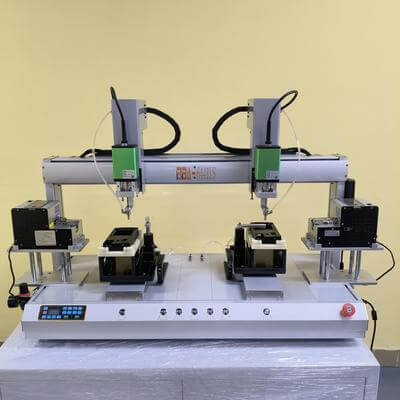
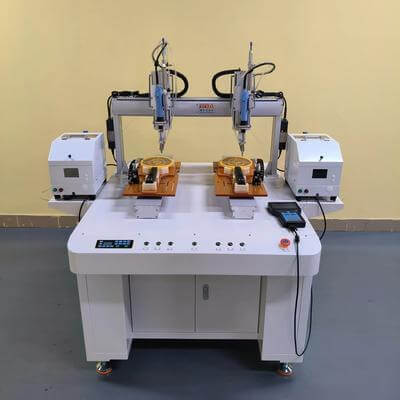
body { font-family: Arial, sans-serif; line-height: 1.6; margin: 20px; } h1 { color: #2c3e50; font-size: 28px; margin-bottom: 20px; } h2 { color: #34495e; font-size: 24px; margin-top: 30px; margin-bottom: 15px; } p { margin-bottom: 15px; color: #333; } ul, ol { margin-bottom: 15px; padding-left: 20px; } li { margin-bottom: 8px; } strong { color: #16a085; } Best SEO Titles for Screw Fastening Machines In the competitive landscape of industrial automation, having a strong online presence is crucial for reaching potential customers and driving business growth. For companies specializing in screw fastening machines, optimizing content with effective SEO titles can significantly improve search engine visibility and attract the right audience. A well-crafted title not only captures attention but also aligns with search intent, making it easier for prospects to find your products. This article explores some of the best SEO title strategies tailored for screw fastening machine providers, helping you enhance your content marketing efforts and generate more qualified leads. Why SEO Titles Matter for Industrial Automation Products Search Engine Optimization (SEO) titles play a pivotal role in determining click-through rates (CTR) and overall search rankings. For industrial automation products like screw fastening machines, where the target audience includes engineers, procurement managers, and manufacturing professionals, precise and keyword-rich titles are essential. These titles should reflect the technical specifications, applications, and benefits of the machines while incorporating high-volume search terms. By optimizing titles, you can position your content ahead of competitors and connect with users actively seeking automation solutions. Key Elements of an Effective SEO Title An ideal SEO title for screw fastening machines should be concise, descriptive, and engaging. It must include primary keywords such as "screw fastening machine," "automated screwdriving," or "industrial fastening systems," along with modifiers that highlight unique selling points like "high-speed," "precision," or "robotic." Including numbers (e.g., "Top 5 Benefits") or power words (e.g., "Ultimate Guide") can further enhance appeal. Additionally, titles should be tailored to match specific user intents, whether informational, commercial, or transactional, to maximize relevance and performance. Top SEO Title Examples for Screw Fastening Machines Here are some proven SEO title templates that can drive traffic and engagement for your screw fastening machine content: High-Speed Automated Screw Fastening Machines for Efficient Production Lines – This title targets users looking for speed and efficiency in manufacturing. Precision Screwdriving Solutions: Enhancing Quality in Assembly Processes – Focuses on accuracy and quality, appealing to quality-conscious buyers. Robotic Screw Fastening Systems: Boosting Productivity and Reducing Costs – Emphasizes cost savings and automation benefits. How to Choose the Right Screw Fastening Machine for Your Application – A guide-style title that attracts users in the research phase. Top 10 Features to Look for in an Industrial Screw Fastening Machine – Incorporates numbers to list key features, encouraging clicks. Automated Fastening Technology: Trends and Innovations in 2024 – Leverages current year and trends for relevance. Optimizing Titles for Different Content Types Depending on the content format—blog posts, product pages, case studies, or whitepapers—your SEO titles should vary to suit the context. For product pages, include model numbers or specific technical terms (e.g., "XYZ Model Automatic Screw Feeder"). For informational content, use question-based titles like "What is a Screw Fastening Machine and How Does It Work?" Case studies can highlight results with titles such as "How Company X Increased Output by 30% with Automated Fastening." Always ensure titles are unique and accurately represent the content to avoid high bounce rates. Common Mistakes to Avoid While crafting SEO titles, avoid keyword stuffing, which can make titles seem spammy and hurt readability. Steer clear of vague phrases like "Best Machines" without context, as they may not align with user intent. Also, ensure titles are mobile-friendly and within the recommended character limit (typically 50-60 characters) to prevent truncation in search results. Finally, regularly analyze performance using tools like Google Search Console to refine your strategy based on actual data. Conclusion Effective SEO titles are a cornerstone of successful digital marketing for screw fastening machines. By integrating relevant keywords, addressing user needs, and highlighting key benefits, you can improve search rankings and attract more targeted traffic. Continuously test and update your titles based on performance metrics to stay ahead in the dynamic industrial automation market. With these strategies, your content will not only rank higher but also resonate with professionals seeking reliable fastening solutions. Product Name Applicable industries Screw Fastening Unit LED Lighting Industry
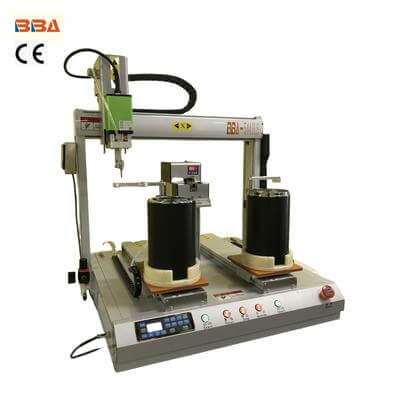
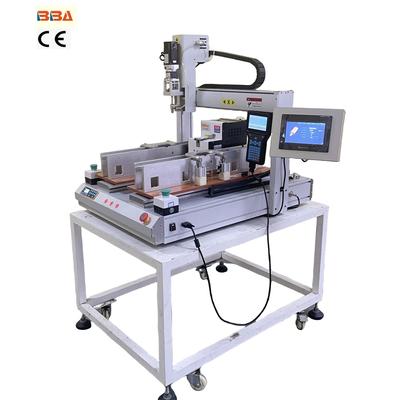
Product Name Applicable industries Desktop Screwdriver Robot Telecommunication Equipment Assembly p { margin-bottom: 16px; line-height: 1.6; } strong { font-weight: 600; color: #2c3e50; } In the competitive landscape of modern manufacturing, the pursuit of efficiency and precision is relentless. For many companies, the decision to upgrade production lines with advanced servo assembly machines is a significant capital investment. Therefore, understanding and calculating the Return on Investment (ROI) is a critical step in the justification process. This investment transcends mere equipment acquisition; it is a strategic move towards building a more agile, reliable, and cost-effective operation. The calculation of ROI for servo assembly machines extends far beyond a simple comparison of purchase price versus output. A comprehensive analysis must consider both tangible, quantifiable benefits and significant intangible advantages that contribute to long-term value. Quantifiable Gains: The Core of ROI Calculation The most immediate and measurable returns come from dramatic increases in operational efficiency. Servo-driven systems offer unparalleled speed and precision, significantly reducing cycle times compared to traditional pneumatic or mechanical systems. This directly translates to a higher output of assembled units per hour, maximizing the utilization of existing floor space and labor. Furthermore, the exceptional accuracy of servo robots drastically reduces errors and product defects. This leads to substantial savings by minimizing material waste, costly rework, and potential scrap. The consistency of quality also enhances customer satisfaction and reduces the risk of returns. Operational cost reduction is another major contributor to ROI. Servo systems are inherently more energy-efficient. Unlike pneumatic systems that constantly compress air, servo motors consume power primarily during movement and hold positions with minimal energy, leading to a marked decrease in electricity costs. Additionally, these machines require less maintenance. With fewer mechanical components subject to wear and tear and no need for compressed air filters and lubricators, maintenance downtime and associated labor and parts expenses are significantly lowered. Intangible Benefits: Strengthening Long-Term Competitiveness While harder to quantify on a balance sheet, the strategic advantages of servo automation are undeniable. The flexibility and programmability of servo machines are paramount. The same machine can be quickly reconfigured to handle multiple product variants or entirely new products through software changes, drastically reducing changeover times and protecting your investment against future market shifts. This agility is invaluable. Moreover, integrating advanced servo assembly systems elevates overall production quality and consistency to a level unattainable through manual labor. This enhances brand reputation and allows a company to compete in higher-value market segments. From a human resources perspective, automating repetitive and ergonomically challenging tasks with servo robots improves workplace safety and allows skilled workers to be redeployed to more value-added roles, such as machine supervision, quality control, and process improvement. Building a Convincing Business Case To accurately calculate ROI, companies must gather specific data: current production rates, defect rates, labor costs per shift, energy consumption, and maintenance expenses. Comparing these baseline figures against the projected performance metrics of the new servo assembly machine will reveal the annual savings. The ROI percentage is then calculated as (Annual Savings – Annual Operating Cost) / Total Investment Cost * 100. A positive ROI, typically achieved within a surprisingly short payback period of one to three years, clearly demonstrates the financial viability of the project. In conclusion, investing in servo assembly machines is an investment in the future resilience and profitability of a manufacturing operation. The ROI is compelling, driven by powerful combinations of increased throughput, reduced waste, lower operational costs, and enhanced flexibility. By taking a holistic view of both tangible and intangible benefits, manufacturers can make a data-driven decision that secures a significant competitive advantage for years to come.
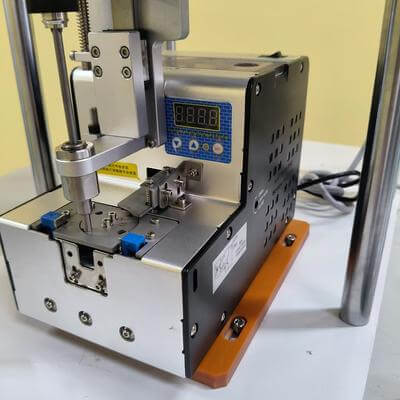
body { font-family: Arial, sans-serif; line-height: 1.6; margin: 20px; } h1 { color: #2c3e50; font-size: 28px; margin-bottom: 20px; } p { margin-bottom: 16px; color: #333; } strong { color: #16a085; } How Contract Manufacturers Use Screw Assembly Robots In today’s competitive manufacturing landscape, contract manufacturers are increasingly turning to automation to enhance precision, efficiency, and scalability. Among the most impactful technologies adopted in this shift are screw assembly robots. These automated systems are revolutionizing how assembly tasks are performed, offering significant advantages in speed, accuracy, and consistency. Screw assembly robots are designed to handle the repetitive task of driving screws with unparalleled reliability. Unlike manual assembly, which is prone to errors such as cross-threading, over-torquing, or missing screws, robots perform this operation with exacting precision every time. This is particularly critical in industries like electronics, automotive, and medical devices, where product quality and safety are non-negotiable. One of the primary benefits these robots provide is increased throughput. Automated screwdriving systems can operate continuously without fatigue, dramatically reducing cycle times and enabling production lines to achieve higher output levels. This allows contract manufacturers to meet tight deadlines and manage large order volumes without compromising on quality. Moreover, screw assembly robots contribute to cost reduction over time. While the initial investment may be significant, the long-term savings in labor costs, reduced rework, and minimized material waste offer a strong return on investment. These systems also free up human workers to focus on more complex, value-added tasks, thereby optimizing overall productivity. Flexibility is another key advantage. Modern screw assembly robots can be programmed to handle multiple product variants quickly, making them ideal for high-mix production environments. With easy-to-change software settings and adaptable end-of-arm tooling, manufacturers can switch between different screw types, sizes, and torque requirements with minimal downtime. Integration with existing production systems is seamless. Advanced vision systems and sensors ensure that robots can identify and align screws accurately, even in challenging orientations. Many systems also feature real-time monitoring and data collection, enabling manufacturers to track performance, identify bottlenecks, and maintain comprehensive quality records for compliance purposes. As the demand for smarter manufacturing grows, screw assembly robots are becoming an essential tool for contract manufacturers aiming to stay ahead. They not only improve operational efficiency but also enhance product reliability and customer satisfaction. By adopting this technology, manufacturers can build a reputation for excellence and secure a stronger position in a rapidly evolving market. In conclusion, the use of screw assembly robots is no longer a luxury but a necessity for contract manufacturers seeking to improve quality, increase output, and reduce costs. This technology represents a fundamental step toward the future of industrial automation, where precision and efficiency drive success. Product Name Applicable industries CNC Screw Fastener Automotive Electronics Assembly
body { font-family: Arial, sans-serif; line-height: 1.6; margin: 20px; color: #333; } h1 { color: #2c3e50; font-size: 28px; margin-bottom: 20px; } h2 { color: #34495e; font-size: 22px; margin-top: 25px; margin-bottom: 15px; } p { margin-bottom: 15px; text-align: justify; } ul { margin-bottom: 15px; padding-left: 20px; } li { margin-bottom: 8px; } .highlight { background-color: #f8f9fa; padding: 15px; border-left: 4px solid #3498db; margin: 20px 0; } การควบคุมเซอร์โวมอเตอร์ในหุ่นยนต์ร่วมงาน การเกิดขึ้นของหุ่นยนต์ร่วมงานหรือคอบอตส์แสดงถึงการเปลี่ยนแปลงที่สำคัญในระบบอัตโนมัติทางอุตสาหกรรม ซึ่งแตกต่างจากหุ่นยนต์แบบดั้งเดิมที่ทำงานในพื้นที่ปิด隔离 คอบอตส์ได้รับการออกแบบมาเพื่อทำงานร่วมกับผู้ปฏิบัติงานมนุษย์ เพิ่มประสิทธิภาพการผลิตและความยืดหยุ่น ที่แกนกลางของการโต้ตอบระหว่างมนุษย์กับหุ่นยนต์ที่ราบรื่นนี้คือองค์ประกอบทางเทคโนโลยีที่สำคัญ: เซอร์โวมอเตอร์ การควบคุมที่แม่นยำของมอเตอร์เหล่านี้คือสิ่งที่ทำให้คอบอตส์สามารถทำงานที่ละเอียดอ่อนได้ด้วยความแม่นยำ และที่สำคัญที่สุดคือความปลอดภัย บทบาทสำคัญของความแม่นยำและการควบคุมแรงบิด เซอร์โวมอเตอร์ในหุ่นยนต์ร่วมงานต้องเผชิญกับความท้าทายเฉพาะตัว พวกมันต้องให้พลังงานเพียงพอเพื่อทำงานอุตสาหกรรม เช่น การยก การประกอบ หรือการเชื่อม แต่ก็ต้องมีความสามารถในการเคลื่อนไหวที่ละเอียดอ่อนและมี nuances สูงเช่นกัน สิ่งนี้ทำได้ผ่านอัลกอริธึมการควบคุมแรงบิดขั้นสูง อัลกอริธึมเหล่านี้ทำให้มอเตอร์สามารถปรับค่าแรงบิดที่ส่งออกได้แบบเรียลไทม์อย่างต่อเนื่องตาม feedback จากเซ็นเซอร์ ตัวอย่างเช่น หากแขนของคอบอตส์พบกับการ抵抗ที่ไม่คาดคิด—เช่น มือมนุษย์—ระบบควบคุมเซอร์โวสามารถตรวจจับสิ่งนี้ได้ทันทีและหยุดหรือลดแรงลงเพื่อป้องกันการบาดเจ็บ การควบคุมแรงบิดที่มีความแม่นยำสูงนี้เป็นสิ่งที่ขาดไม่ได้สำหรับการทำงานร่วมกันอย่างปลอดภัย และเป็นคุณลักษณะที่กำหนดการออกแบบคอบอตส์สมัยใหม่ การเพิ่มความปลอดภัยผ่านการเคลื่อนไหวที่ตอบสนอง ความปลอดภัยเป็นข้อกังวลสูงสุดในพื้นที่ทำงานร่วมกันใดๆ ระบบควบคุมเซอร์โวในคอบอตส์เป็นส่วนสำคัญของฟังก์ชั่น安全ในตัว เช่น การจำกัด功率และแรง ด้วยการใช้ตัวเข้ารหัสความละเอียดสูง ระบบจะรักษาการรับรู้ที่คงที่และแม่นยำเกี่ยวกับตำแหน่ง ความเร็ว และแรงบิดของหุ่นยนต์ ข้อมูลนี้ถูกประมวลผลที่ความเร็วสูงอย่าง难以置信 ทำให้มอเตอร์สามารถตอบสนองภายในมิลลิวินาทีเมื่อเกณฑ์安全ที่ตั้ง程式ไว้ถูก breached การควบคุมการเคลื่อนไหวที่ตอบสนองนี้确保了ว่าคอบอตส์สามารถทำงานได้อย่างปลอดภัยโดยไม่จำเป็นต้องมี physical safeguarding จำนวนมาก ลดขนาดเซลล์และต้นทุน ในขณะที่ส่งเสริม workflow ที่บูรณาการมากขึ้น การปรับปรุงประสิทธิภาพและลดเวลารอบ นอกเหนือจากความปลอดภัยแล้ว การควบคุมเซอร์โวที่ซับซ้อนยังส่งผลกระทบโดยตรงต่อประสิทธิภาพการทำงาน โปรไฟล์การเคลื่อนไหวที่ราบรื่นและแม่นยำช่วยลดการสั่นสะเทือนและ jerk ซึ่งนำไปสู่การสึกหรอบนชิ้นส่วนทางกลน้อยลงและผลลัพธ์ที่มีคุณภาพสูงขึ้น โดยเฉพาะในงานต่างๆ เช่น การจ่ายสารที่แม่นยำหรือการวางชิ้นส่วนที่ intricate ยิ่งไปกว่านั้น อัลกอริธึม控制ที่ได้รับการปรับ优化确保了ว่าการเคลื่อนไหวไม่เพียงแต่ปลอดภัย แต่ยังถูกดำเนินการในวิธีที่ประหยัดเวลาที่สุดด้วย การคำนวณเส้นทางที่มีประสิทธิภาพ最高และการปรับอัตราการเร่งและ减速แบบไดนามิก ทำให้คอบอตส์สามารถบรรลุเวลารอบที่เร็วขึ้นโดยไม่ต้องเสียสละความปลอดภัยหรือความแม่นยำ ส่งผลให้เพิ่ม整体设备 effectiveness (OEE) ในที่สุด วิวัฒนาการของเทคโนโลยีการควบคุมเซอร์โวมอเตอร์เป็นตัวเปิดใช้งาน關鍵ของการปฏิวัติคอบอตส์ มันคือการเล่นร่วมกันระหว่างมอเตอร์ประสิทธิภาพสูง อัลกอริธึมขั้นสูง และ feedback แบบเรียลไทม์ที่เปลี่ยนหุ่นยนต์อุตสาหกรรมอันทรงพลังให้เป็นคู่หูที่ไวต่อความรู้สึก มี awareness และสามารถทำงานร่วมกันได้ เมื่อเทคโนโลยีนี้ก้าวหน้าต่อไป เราสามารถคาดหวังให้คอบอตส์รับงานที่ซับซ้อนและละเอียดอ่อนยิ่งขึ้น ก่อให้เกิดเส้นแบ่งระหว่างความสามารถของมนุษย์และเครื่องจักรบนพื้นโรงงานที่模糊มากขึ้น ชื่อผลิตภัณฑ์ อุตสาหกรรมที่適用 เครื่องขันสกรูอัตโนมัติ การประกอบ PCB และแผงวงจร

Product Name Applicable industries Dual Head Screwdriver Security Equipment Manufacturing .body-content { font-family: Arial, sans-serif; line-height: 1.6; color: #333; margin: 20px; } .body-content h1 { color: #0056b3; font-size: 28px; margin-bottom: 20px; } .body-content h2 { color: #004494; font-size: 22px; margin-top: 25px; margin-bottom: 15px; } .body-content p { margin-bottom: 15px; text-align: justify; } .body-content ul { margin-bottom: 15px; padding-left: 20px; } .body-content li { margin-bottom: 8px; } .body-content .highlight { background-color: #f0f8ff; padding: 15px; border-left: 4px solid #0056b3; margin: 20px 0; font-style: italic; } Setting Bit Paths and Screw Points on Desktop Robots The evolution of manufacturing and small-scale assembly has been profoundly impacted by the adoption of desktop robots. These compact, yet powerful, systems bring industrial-grade precision and automation to benchtop applications. A critical aspect of harnessing their full potential lies in the precise configuration of their motion paths, specifically for tasks like dispensing adhesives, soldering, or, most commonly, screw driving. This process of defining bit paths and screw points is fundamental to achieving high-quality, consistent, and reliable automated operations. The Critical Role of Precise Programming At the heart of any successful desktop robot operation is meticulous programming. Unlike manual processes, an automated robot relies entirely on the digital instructions it receives. For screwdriving applications, this involves teaching the robot two key elements: the precise XYZ coordinates of each screw point and the optimal path the driving bit should follow to reach them. Inaccuracy in either element can lead to a cascade of issues, including damaged screws, stripped threads, misaligned components, or even collision between the robot tool and the fixture or product itself. Such errors result in downtime, wasted materials, and compromised product integrity. Modern desktop robotic systems are typically equipped with intuitive software interfaces that empower engineers and technicians to program these points and paths with high accuracy. The process often involves using a teach pendant or direct software control to manually guide the robot's end-effector to each desired screw location. Once positioned, the point is saved within the robot's controller, creating a digital map of the assembly task. The order of operations and the path traveled between these points are equally important for efficiency and safety. Best Practices for Path and Point Configuration Adhering to established best practices can significantly enhance the performance and lifespan of your desktop robotic cell. Utilize Waypoints: Avoid programming a direct, linear path between screw points, especially when obstructions are present. Instead, program safe, elevated waypoints that the bit can move through above the workpiece. This creates a efficient and collision-free motion path. Implement Consistent Approach and Retract Vectors: For each screw point, define a straight and consistent approach vector. The robot should drive the screw perpendicular to the workpiece surface. Similarly, program a clean retract vector to pull the bit directly away from the point after the screw is seated, preventing lateral movement that could damage the driven screw or the surrounding material. Leverage Force-Sensing Capabilities: Many advanced desktop robots feature built-in force sensing. This technology allows the robot to detect when a screw has been fully seated based on torque feedback, triggering it to stop driving and retract. Configuring these force thresholds correctly is vital for preventing over-torquing and ensuring every screw is driven to the same precise specification. Validate and Simulate: Before running a full production cycle, always use the software's simulation feature to visually verify the programmed paths and points. This virtual dry-run helps identify any potential collisions or illogical movements without risking physical hardware. A well-defined bit path is more than just a route; it is a carefully choreographed sequence that ensures precision, protects your capital equipment, and guarantees the repeatability that is the hallmark of automation. Driving Efficiency in Modern Manufacturing The correct setting of bit paths and screw points transcends mere programming—it is a fundamental engineering practice that directly impacts productivity. A perfectly programmed desktop robot can work tirelessly with unwavering consistency, significantly increasing throughput and freeing skilled technicians to focus on more complex value-added tasks. It eliminates the variability inherent in manual assembly, ensuring every product is built to the same exacting standards. Furthermore, the digital nature of these programs allows for quick changeover between different products, making small-batch, high-mix manufacturing not only feasible but highly efficient. As desktop robots become increasingly sophisticated, the tools for programming them continue to become more powerful and user-friendly. By mastering the principles of path and point setting, manufacturers can unlock the full potential of their automation investments, achieving new levels of quality, efficiency, and reliability in their production processes.
body { font-family: Arial, sans-serif; line-height: 1.6; margin: 20px; color: #333; } h1 { color: #0056b3; font-size: 28px; margin-bottom: 15px; } h2 { color: #004085; font-size: 22px; margin-top: 25px; margin-bottom: 10px; } p { margin-bottom: 15px; text-align: justify; } ul { margin: 15px 0; padding-left: 20px; } li { margin-bottom: 8px; } .highlight { background-color: #f8f9fa; padding: 15px; border-left: 4px solid #0056b3; margin: 20px 0; } .keyword { font-weight: bold; color: #0056b3; } คู่มือการปรับเทียบสำหรับหุ่นยนต์สกรูหลายแกน หุ่นยนต์สกรูหลายแกนเป็นส่วนสำคัญของการ自動化อุตสาหกรรมสมัยใหม่ โดยให้ความแม่นยำและประสิทธิภาพที่เหนือกว่าในงานต่างๆ เช่น การประกอบ การจัดการวัสดุ และการ machining แบบแม่นยำ อย่างไรก็ตาม ประสิทธิภาพของหุ่นยนต์เหล่านี้ขึ้นอยู่กับกระบวนการที่สำคัญอย่างหนึ่งเป็นอย่างมาก นั่นคือ การปรับเทียบ การปรับเทียบที่เหมาะสมช่วยให้เครื่องจักรที่ซับซ้อนเหล่านี้ทำงานภายใน公差ที่กำหนดไว้ รักษาความแม่นยำ ความสามารถในการทำซ้ำ และความน่าเชื่อถือของระบบโดยรวม คู่มือนี้ให้ข้อมูลเชิงลึกที่จำเป็นเกี่ยวกับกระบวนการปรับเทียบสำหรับหุ่นยนต์สกรูหลายแกน โดยเน้นขั้นตอนสำคัญและแนวทางปฏิบัติที่ดีที่สุด ทำความเข้าใจความสำคัญของการปรับเทียบ การปรับเทียบคือกระบวนการกำหนดค่าพารามิเตอร์ภายในของหุ่นยนต์เพื่อให้การเคลื่อนที่จริงสอดคล้องกับโมเดลทางทฤษฎีของมัน เมื่อเวลาผ่านไป ปัจจัยต่างๆ เช่น การสึกหรอทางกล การขยายตัวจากความร้อน หรือแม้แต่การกระทบกระเทือนเล็กน้อย สามารถทำให้เกิดการเบี่ยงเบนในตำแหน่งของหุ่นยนต์ได้ สำหรับระบบหลายแกน ซึ่งข้อผิดพลาดเล็กน้อยใน joint หนึ่งสามารถถูกขยายใหญ่ที่ end-effector ได้ การปรับเทียบเป็นประจำเป็นสิ่งที่ไม่สามารถละเลยได้ มันส่งผลกระทบโดยตรงต่อคุณภาพของผลิตภัณฑ์ ลดอัตราของเสีย และลดระยะเวลาหยุดทำงานที่ไม่planned โดยไม่มีการปรับเทียบ ข้อได้เปรียบของการ自動化ความเร็วสูงจะสูญเสียไปอย่างรวดเร็ว ประเด็นสำคัญ: การปรับเทียบเป็นประจำไม่ใช่ทางเลือกแต่เป็นความจำเป็นสำหรับการรักษาความแม่นยำและอายุการใช้งานของระบบหุ่นยนต์สกรูหลายแกนของคุณ มันปกป้องการลงทุนของคุณและรับประกันคุณภาพผลลัพธ์ที่สม่ำเสมอ ขั้นตอนสำคัญในกระบวนการปรับเทียบ กระบวนการปรับเทียบสำหรับหุ่นยนต์สกรูหลายแกนโดยทั่วไปเกี่ยวข้องกับหลายขั้นตอนที่เป็นระบบ แม้ว่าขั้นตอนเฉพาะอาจแตกต่างกันไปตามการออกแบบหุ่นยนต์และผู้ผลิต กรอบงานต่อไปนี้สามารถนำไปใช้ได้ทั่วไป การเตรียมการและการตรวจสอบความปลอดภัย: ก่อนเริ่มต้น 确保หุ่นยนต์อยู่ในสถานะที่ปลอดภัย—ปิด电源และisolateจากแหล่งพลังงานใดๆ ตรวจสอบหุ่นยนต์เพื่อหาความเสียหายหรือการสึกหรอที่มองเห็นได้ โดยเฉพาะบนสกรู แกนนำ และjoints การตรวจสอบ Backlash และ Mechanical Play: ตรวจสอบชิ้นส่วนทางกลทั้งหมดเพื่อหาการเคลื่อนที่ที่ไม่ต้องการหรือ backlash สิ่งนี้สำคัญมากสำหรับระบบที่ขับเคลื่อนด้วยสกรู เนื่องจาก backlash สามารถนำไปสู่ข้อผิดพลาดเชิงตำแหน่งที่สำคัญ การ Homing ตำแหน่งอ้างอิง: สั่งให้หุ่นยนต์เคลื่อนที่ไปยังตำแหน่งอ้างอิงหรือ "home" position ที่รู้จัก สิ่งนี้ establishes baseline สำหรับการวัดและการปรับทั้งหมดที่ตามมา การวัดข้อผิดพลาดทางเรขาคณิต: โดยใช้เครื่องมือวัด精度เช่น laser trackers หรือ coordinate measuring machines (CMMs) วัดตำแหน่งจริงของหุ่นยนต์เทียบกับตำแหน่งที่สั่งที่ various points ใน working envelope ของมัน สิ่งนี้ช่วยระบุการเบี่ยงเบนใน kinematic model ของมัน การ补偿พารามิเตอร์: ป้อนข้อมูลข้อผิดพลาดที่วัดได้เข้าไปใน controller ของหุ่นยนต์ ตัวควบคุมขั้นสูงใช้ข้อมูลนี้เพื่ออัปเดต kinematic models ของพวกเขา โดย effectively compensate for inaccuracies ที่พบ การตรวจสอบความถูกต้องและการทดสอบความสามารถในการทำซ้ำ: หลังจาก compensation ให้รันชุดการทดสอบเพื่อ validate accuracy สั่งให้หุ่นยนต์เคลื่อนที่ไปยังจุดเป้าหมายหลายจุดและวัดตำแหน่งที่ทำได้ repeatedly เพื่อ confirm repeatability แนวทางปฏิบัติที่ดีที่สุดสำหรับการรักษาการปรับเทียบ การปรับเทียบไม่ใช่เหตุการณ์ครั้งเดียว เพื่อให้มั่นใจในความแม่นยำอย่างต่อเนื่อง ให้ใช้ตารางการบำรุงรักษาเชิงรุก 首先,建立一个 ช่วงเวลาการปรับเทียบเป็นประจำ ตามความเข้มข้นของการใช้งานหุ่นยนต์และความสำคัญของ application งานความเร็วสูง ความแม่นยำสูงอาจ require การปรับเทียบทุกไตรมาส ในขณะที่บทบาทที่สำคัญน้อยกว่าอาจได้รับการบริการ annually 第二,การควบคุมสิ่งแวดล้อมมีความสำคัญ การเปลี่ยนแปลงของอุณหภูมิและความชื้นสามารถส่งผลต่อชิ้นส่วนทางกล การoperateและปรับเทียบหุ่นยนต์ในสภาพแวดล้อมที่ควบคุมได้จะminimizeอิทธิพลภายนอกเหล่านี้ 最后,การจัดเก็บเอกสารอย่างครอบคลุมเป็นสิ่งจำเป็น จัดเก็บบันทึกรายละเอียดของทุกขั้นตอนการปรับเทียบ รวมถึงวันที่ ข้อผิดพลาดที่วัดค่า compensation values และผลการทดสอบหลังการปรับเทียบ ประวัตินี้มีค่า invaluable สำหรับการ troubleshooting และติดตามประสิทธิภาพของระบบเมื่อเวลาผ่านไป สรุป การ mastering การปรับเทียบหุ่นยนต์สกรูหลายแกนเป็นพื้นฐานสำหรับการปลดล็อกศักยภาพเต็มที่ของพวกเขาในการ自動化อุตสาหกรรม routine การปรับเทียบที่รอบคอบและเป็นประจำช่วยเพิ่มความแม่นยำ 确保ความสามารถในการทำซ้ำ และขยายอายุการทำงานของอุปกรณ์ โดยทำตามกระบวนการที่มีโครงสร้างและปฏิบัติตามแนวทางปฏิบัติที่ดีที่สุด ผู้ปฏิบัติการสามารถรักษาประสิทธิภาพสูงสุด เพิ่มผลผลิตสูงสุด และ achieve return on investment ที่รวดเร็ว ยอมรับการปรับเทียบไม่ใช่เป็นงานทางเทคนิค แต่เป็นกลยุทธ์核心สำหรับความเป็นเลิศในการ自动化的 ชื่อผลิตภัณฑ์ อุตสาหกรรมที่適用 เครื่องไขควงอัตโนมัติ การประกอบ PCB และแผงวงจร
ชื่อผลิตภัณฑ์ อุตสาหกรรมที่ใช้งาน เครื่องป้อนสกรูอัตโนมัติ อุตสาหกรรมไฟ LED body { font-family: Arial, sans-serif; line-height: 1.6; color: #333; margin: 20px; } h1 { color: #2C5E9E; font-size: 28px; margin-bottom: 20px; } h2 { color: #2C5E9E; font-size: 22px; margin-top: 25px; margin-bottom: 15px; } p { margin-bottom: 15px; text-align: justify; } ul { margin-bottom: 15px; padding-left: 20px; } li { margin-bottom: 8px; } .highlight { background-color: #f5f5f5; padding: 15px; border-left: 4px solid #2C5E9E; margin: 20px 0; font-style: italic; } ประโยชน์ด้านความยั่งยืนของระบบป้อนสกรูอัตโนมัติ ในสภาพแวดล้อมทางอุตสาหกรรมที่มีการแข่งขันสูงในปัจจุบัน การบรรลุความเป็นเลิศในการดำเนินงานมีความเชื่อมโยง intrinsically กับการนำแนวทางปฏิบัติที่ยั่งยืนมาใช้ ผู้ผลิตกำลังมองหาโซลูชันที่ไม่เพียงแต่เพิ่มผลผลิต แต่ยังลดผลกระทบต่อสิ่งแวดล้อมอีกด้วย เทคโนโลยีที่เปลี่ยนแปลงอย่างหนึ่งคือระบบป้อนสกรูอัตโนมัติ ในขณะที่ความแม่นยำและความเร็วเป็นที่รู้จักกันดี แต่การมีส่วนร่วมอย่างลึกซึ้งต่อความยั่งยืนเป็นข้อได้เปรียบที่ทรงพลังแต่มักถูกมองข้าม การนำระบบป้อนสกรูอัตโนมัติมาใช้เป็นขั้นตอนเชิงกลยุทธ์สู่การสร้างการดำเนินงานการผลิตที่เป็นมิตรต่อสิ่งแวดล้อมและมีความรับผิดชอบมากขึ้น การลดของเสียวัสดุและการเพิ่มประสิทธิภาพการบริโภค ประโยชน์ด้านสิ่งแวดล้อมหลักของระบบอัตโนมัติอยู่ที่ความแม่นยำที่ไม่มีใครเทียบได้ การขันสกรูด้วยมือมีแนวโน้มที่จะเกิดข้อผิดพลาด เช่น การเกลียวคด สกรูตก และการประ torque ที่ไม่ถูกต้อง ข้อผิดพลาดเหล่านี้มักนำไปสู่ส่วนประกอบที่เสียหาย ผลิตภัณฑ์ที่ถูกปฏิเสธ และการทำงานซ้ำ แต่ละชิ้นส่วนที่ถูกปฏิเสธแสดงถึงวัตถุดิบที่สิ้นเปลืองและพลังงานที่ใช้ในการผลิต ระบบป้อนสกรูอัตโนมัติขจัดความแปรปรวนนี้โดยการส่งสกรูที่ถูกต้อง ไปยังตำแหน่งที่ถูกต้อง ด้วย torque ที่สมบูรณ์แบบทุกครั้ง การลดข้อผิดพลาดนี้อย่างมากส่งผลโดยตรงต่อการลดของเสียวัสดุอย่างมีนัยสำคัญ การอนุรักษ์ทรัพยากรที่มีค่า และลดปริมาณของเสียที่ส่งไปยัง landfill การขับเคลื่อนประสิทธิภาพพลังงานและการลดการปล่อยก๊าซคาร์บอน ความยั่งยืนยังเกี่ยวกับการอนุรักษ์พลังงาน ระบบป้อนสกรูอัตโนมัติสมัยใหม่ได้รับการออกแบบมาเพื่อประสิทธิภาพ มักจะถูกรวมเข้ากับเซลล์การประกอบที่มีการปรับ streamline ลดความจำเป็นสำหรับสายพานลำเลียงขนาดใหญ่ที่ใช้พลังงานมากหรือสถานีทำงานด้วยมือ นอกจากนี้ ความสม่ำเสมอของระบบอัตโนมัตินำไปสู่เวลารอบการทำงานที่สั้นลงและปริมาณผลผลิตที่สูงขึ้น ซึ่งช่วยให้สามารถบรรลุผลผลิตเดียวกันในเวลาที่น้อยลง อาจลดชั่วโมงการทำงานของสายการผลิตทั้งหมดและส่งผลให้การบริโภคพลังงานโดยรวมลดลง การประหยัดพลังงานนี้สัมพันธ์โดยตรงกับการลดการปล่อยก๊าซเรือนกระจก โดยเฉพาะในภูมิภาคที่การผลิตไฟฟ้ามีความเข้มข้นของคาร์บอนสูง การเพิ่มความปลอดภัยในที่ทำงานและ ergonomics ความยั่งยืนครอบคลุมถึงความรับผิดชอบต่อสังคม รวมถึงความเป็นอยู่ที่ดีของพนักงาน การขันสกรูด้วยมือแบบซ้ำๆ เป็นสาเหตุที่รู้จักของโรคระบบกล้ามเนื้อและกระดูก (MSDs) เช่น โรค carpal tunnel syndrome และ tendonitis การบาดเจ็บเหล่านี้ไม่เพียงแต่ก่อให้เกิดความทุกข์ทรมานของมนุษย์ แต่ยังนำไปสู่การขาดงาน ค่าใช้จ่ายทางการแพทย์ และผลผลิตที่ลดลง การทำให้งานที่น่าเบื่อและใช้กำลังกายนี้เป็นแบบอัตโนมัติ จะนำพนักงานออกจากอันตรายที่อาจเกิดขึ้น สร้างสภาพแวดล้อมการทำงานที่ปลอดภัยและเอื้อต่อสรีระศาสตร์มากขึ้น การลงทุนในสุขภาพของพนักงานนี้ส่งเสริมให้มีกำลังงานที่ยั่งยืนและมีความยืดหยุ่นมากขึ้น ซึ่งเป็นหลักการพื้นฐานของกลยุทธ์ความยั่งยืนแบบองค์รวม การส่งเสริมการจัดการทรัพยากรระยะยาว ความทนทานและความน่าเชื่อถือของระบบป้อนสกรูอัตโนมัติมีส่วนต่อวัฒนธรรมการจัดการทรัพยากรระยะยาว สร้างจากวัสดุที่แข็งแรงและออกแบบมาสำหรับการทำงานอย่างต่อเนื่อง ระบบเหล่านี้มีอายุการใช้งานที่ยาวนาน ลดความถี่ในการเปลี่ยนและผลกระทบต่อสิ่งแวดล้อมที่เกี่ยวข้องกับการผลิตอุปกรณ์ใหม่ ความแม่นยำยังรับประกันว่าผลิตภัณฑ์ได้รับการประกอบอย่างถูกต้องในครั้งแรก เพิ่มคุณภาพและความทนทานของสินค้าสำเร็จรูป ซึ่งหมายความว่าผู้ใช้ปลายทางจะได้ใช้ผลิตภัณฑ์ที่ใช้งานได้นานขึ้น ชะลอการเข้าสู่กระแสของเสีย และส่งเสริมเศรษฐกิจแบบ circular มากขึ้น การบูรณาการระบบป้อนสกรูอัตโนมัติเป็นมากกว่าการอัพเกรดเทคโนโลยีการประกอบ มันคือความมุ่งมั่นที่ชัดเจนต่อการผลิตที่ยั่งยืน โดยการลดของเสียอย่างมีนัยสำคัญ การอนุรักษ์พลังงาน การปกป้องคนงาน และส่งเสริมความทนทานของผลิตภัณฑ์ ระบบเหล่านี้ให้รากฐานที่มั่นคงสำหรับบริษัทต่างๆ ในการบรรลุเป้าหมายด้านสิ่งแวดล้อม ในขณะเดียวกันก็ปรับปรุงผลกำไร สรุปแล้ว ทางเดินสู่การผลิตที่เป็นมิตรต่อสิ่งแวดล้อมมากขึ้นสร้างขึ้นจากการตัดสินใจที่ชาญฉลาดและเป็นกลยุทธ์的一系列 การเลือกทำให้กระบวนการพื้นฐานเช่นการป้อนสกรูเป็นแบบอัตโนมัติ ให้ประโยชน์ด้านความยั่งยืนที่ทันทีและวัดผลได้ มันแสดงถึงการบรรจบกันที่ทรงพลังของประสิทธิภาพทางเศรษฐกิจและการดูแลสิ่งแวดล้อม พิสูจน์ว่าทางเดินที่มีประสิทธิภาพที่สุดไปข้างหน้านั้นก็คือทางที่ยั่งยืนที่สุดเช่นกัน
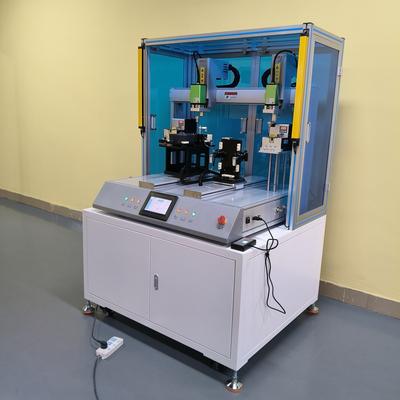
ชื่อผลิตภัณฑ์ อุตสาหกรรมที่ใช้งาน เครื่องขันสกรูอัตโนมัติ การประกอบอิเล็กทรอนิกส์ยานยนต์ body { font-family: Arial, sans-serif; line-height: 1.6; color: #333; margin: 20px; } h1 { color: #0056b3; font-size: 28px; margin-bottom: 15px; } p { margin-bottom: 15px; text-align: justify; } strong { color: #0056b3; } ทำไมโรงงานมากขึ้นจึงเปลี่ยนมาใช้เครื่องขันสกรูอัตโนมัติ ในสภาพแวดล้อมการผลิตที่แข่งขันในปัจจุบัน ประสิทธิภาพ ความแม่นยำ และความสม่ำเสมอไม่ใช่เพียงเป้าหมาย แต่เป็นความจำเป็นสำหรับการอยู่รอดและการเติบโต นี่คือเหตุผลที่โรงงานจำนวนมากและเพิ่มขึ้นเรื่อยๆ Across various industries are making the strategic shift from manual screw fastening processes to fully automatic screw locking machines. การเปลี่ยนแปลงนี้กำลังปรับเปลี่ยนพื้นผิวการผลิตอย่างพื้นฐาน นำไปสู่การเพิ่มประสิทธิภาพการผลิตและคุณภาพผลิตภัณฑ์อย่างโดดเด่น แรงผลักดันหลัก behind this shift is the relentless pursuit of เพิ่มประสิทธิภาพการดำเนินงาน. การขันสกรูด้วยมือโดยธรรมชาติแล้วใช้เวลานานและใช้แรงงานมาก It is prone to human fatigue, leading to bottlenecks on the assembly line. However, เครื่องขันสกรูอัตโนมัติทำงานด้วยความเร็วและความแม่นยำที่ไม่หยุดยั้ง They can deliver thousands of perfectly driven screws per hour without breaks, dramatically increasing throughput and reducing cycle times. ซึ่งช่วยให้โรงงานสามารถตอบสนองความต้องการการผลิตที่สูงขึ้นและระยะเวลาการเข้าสู่ตลาดที่สั้นลงได้อย่างง่ายดาย นอกจากความเร็วแล้ว ปัญหาของ การควบคุมคุณภาพอย่างไม่ประนีประนอม เป็นเรื่องสำคัญที่สุด. ผู้ปฏิบัติงานมนุษย์ แม้จะพยายามอย่างดีที่สุดแล้ว ก็สามารถทำผิดพลาดได้ These can include cross-threading, stripping screws, applying incorrect torque, or even missing screws entirely. Such errors lead to product defects, costly rework, and potential field failures that damage brand reputation. เครื่องอัตโนมัติขจัดความแปรปรวนนี้ Each screw is driven with programmed, precise torque and depth, ensuring perfect consistency every single time. ซึ่งช่วยลดอัตราความบกพร่องลงอย่างมากและเพิ่มความน่าเชื่อถือโดยรวมของผลิตภัณฑ์สุดท้าย Another critical factor fueling adoption is the การลดต้นทุนการดำเนินงานอย่างมีนัยสำคัญ. ในขณะที่การลงทุนเริ่มแรกในอุปกรณ์อัตโนมัติมีจำนวนมาก ผลตอบแทนจากการลงทุนในระยะยาวน่าสนใจ โรงงานสามารถประหยัดต้นทุนได้อย่างมากโดยลดการพึ่งพาแรงงานมนุษย์สำหรับงานซ้ำซ้อน ดังนั้นจึงลดต้นทุนแรงงานในระยะยาวและ重新分配 workers ไปยังบทบาทที่เพิ่มมูลค่า更多 เช่น การ supervise เครื่องจักร การตรวจสอบคุณภาพ และการปรับปรุงกระบวนการ Furthermore, the reduction in errors and material waste directly translates to lower costs per unit produced. การแก้ไขความท้าทายของ การขาดแคลนแรงงานและการจัดการกำลังคน ก็เป็นข้อพิจารณาที่สำคัญเช่นกัน In many regions, finding and retaining skilled labor for monotonous assembly tasks is becoming increasingly difficult. เครื่องป้อนสกรูอัตโนมัติให้解决方案ที่เชื่อถือได้, ensuring production continues uninterrupted regardless of workforce availability. They also improve ergonomics and worker safety by removing employees from repetitive strain injuries associated with manual screwdriving. ความหลากหลายของเครื่องขันสกรูอัตโนมัติสมัยใหม่ทำให้เหมาะสำหรับการใช้งานที่หลากหลาย ตั้งแต่ electronics ที่บอบบางและเครื่องใช้ในครัวเรือน ไปจนถึงการประกอบยานยนต์ที่ทนทาน Advanced models can be integrated into existing production lines and programmed for multiple product types, offering the flexibility needed for high-mix manufacturing environments. This adaptability ensures that manufacturers can future-proof their operations. สรุปแล้ว การเปลี่ยนไปใช้เครื่องขันสกรูอัตโนมัติเป็นการตัดสินใจเชิงกลยุทธ์ที่ขับเคลื่อนโดยประโยชน์ที่จับต้องได้ของการเพิ่มผลิตภาพ คุณภาพที่เหนือกว่า การลดต้นทุน และการปรับปรุง resilience การดำเนินงาน As technology continues to advance, these systems are becoming more intelligent, connected, and accessible. สำหรับโรงงานที่มีวิสัยทัศน์ที่มุ่งมั่นที่จะอยู่หน้าเส้น curve การทำให้กระบวนการขันสกรูเป็นอัตโนมัติ不再是ทางเลือก แต่เป็นขั้นตอนสำคัญ towards building a smarter, more efficient, and competitive manufacturing operation.