8618566785362 8618566785362 8618566785362 phoenix08@bbamachine.com
- All
- Product Name
- Product Keyword
- Product Model
- Product Summary
- Product Description
- Multi Field Search

body { font-family: Arial, sans-serif; line-height: 1.6; color: #333; margin: 20px; } h1 { color: #2c3e50; font-size: 28px; margin-bottom: 20px; } h2 { color: #34495e; font-size: 22px; margin-top: 25px; margin-bottom: 15px; } p { margin-bottom: 15px; text-align: justify; } ul { margin-bottom: 15px; padding-left: 20px; } li { margin-bottom: 8px; } strong { color: #16a085; } Maintenance Schedule for Maximum Uptime In the world of industrial automation, unplanned downtime is one of the most significant threats to productivity and profitability. A single hour of halted production can result in substantial financial losses and disrupt entire supply chains. The key to mitigating this risk lies not in reactive fixes but in a proactive, strategic approach: a meticulously planned maintenance schedule designed for maximum uptime. The Critical Role of Proactive Maintenance Reactive maintenance, or fixing equipment only after it fails, is a costly and inefficient strategy. It leads to unpredictable breakdowns, emergency repairs, and prolonged periods of inactivity. In contrast, a proactive maintenance schedule shifts the paradigm from failure response to failure prevention. This strategy involves regularly scheduled inspections, servicing, and parts replacement based on either time intervals or actual equipment usage data. The primary goal is to identify and address potential issues before they escalate into major failures, thereby ensuring continuous operation and protecting your valuable assets. Key Elements of an Effective Maintenance Schedule Creating a maintenance schedule that genuinely maximizes uptime requires more than just random checks. It should be a comprehensive, living document tailored to your specific operation. Asset Criticality Analysis: Not all equipment is created equal. Begin by categorizing your machinery based on its impact on production. Critical assets whose failure would stop entire lines should be prioritized with the most rigorous maintenance routines. Leverage Predictive Technologies: Move beyond traditional time-based schedules by integrating condition-monitoring tools. Vibration analysis, thermal imaging, and ultrasonic testing can provide real-time data on equipment health, allowing you to perform maintenance precisely when it is needed—not too early, and never too late. Detailed Task Lists and Procedures: Each scheduled maintenance event should have a clear checklist of tasks, from visual inspections and lubrication to calibration and component replacement. Standardizing these procedures ensures consistency and completeness, leaving no room for error. Parts and Inventory Management: A schedule is useless if the required parts are not available. Plan maintenance around a well-managed inventory of critical spares to avoid waiting periods that extend downtime. Documentation and Continuous Improvement: Every maintenance action should be recorded. This historical data is invaluable for tracking asset performance, identifying recurring problems, and refining future schedules to be even more effective. Implementation and Best Practices Implementing a new maintenance strategy is a cultural shift that requires buy-in from all levels of the organization. Start by piloting the schedule on a few critical production lines to demonstrate its value. Utilize modern Computerized Maintenance Management Systems (CMMS) to automate work orders, track history, and manage resources efficiently. Most importantly, train your technicians thoroughly. They must understand the 'why' behind the schedule and be equipped with the skills to perform advanced diagnostics and procedures. Finally, review and adjust the schedule regularly. Production demands change, technology evolves, and your maintenance plan must be dynamic enough to adapt. The Result: Sustained Productivity and Long-Term Value Investing the time and resources into developing a disciplined maintenance schedule pays immense dividends. The most immediate benefit is a dramatic reduction in unplanned downtime, leading to higher overall equipment effectiveness (OEE), increased output, and more reliable delivery times. Furthermore, well-maintained equipment operates more efficiently, consuming less energy and reducing operational costs. It also extends the useful lifespan of your capital investments, delaying costly replacements. Ultimately, a robust maintenance schedule is not an expense; it is a strategic cornerstone for building a resilient, competitive, and profitable manufacturing operation. Product Name Applicable industries Automatic Screw Feeder LED Lighting Industry
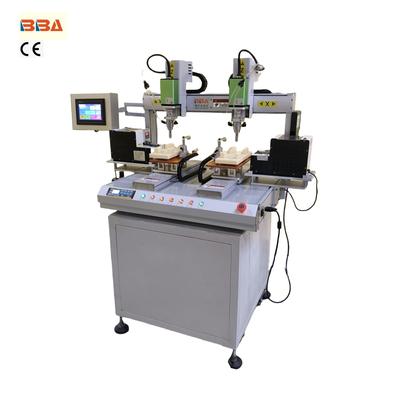
body { font-family: Arial, sans-serif; line-height: 1.6; margin: 20px; color: #333; } h1 { color: #0056b3; font-size: 28px; margin-bottom: 20px; } h2 { color: #003366; font-size: 22px; margin-top: 25px; margin-bottom: 15px; } p { margin-bottom: 15px; text-align: justify; } ul { margin-top: 10px; margin-bottom: 15px; padding-left: 20px; } li { margin-bottom: 8px; } .highlight { background-color: #f0f8ff; padding: 15px; border-radius: 5px; margin: 20px 0; } .keyword { font-weight: bold; color: #0056b3; } บริการเพิ่มมูลค่าด้วยระบบหลายแกน ในภูมิทัศน์ที่พัฒนาอย่างรวดเร็วของระบบอัตโนมัติในอุตสาหกรรม ระบบควบคุมการเคลื่อนไหวหลายแกนถือเป็นเสาหลักของการผลิตสมัยใหม่ ระบบอันทันสมัยเหล่านี้ซึ่งประสานการเคลื่อนไหว across several axes simultaneously กำลังปฏิวัติวิธีการทำงานที่ซับซ้อนด้วยความแม่นยำและประสิทธิภาพที่เหนือกว่า อย่างไรก็ตาม พลังที่แท้จริงของระบบเหล่านี้ไม่ได้ถูกปลดล็อกเพียงโดยฮาร์ดแวร์本身 แต่是通过一套全面的增值服务ที่รับรองประสิทธิภาพที่เหมาะสม ความทนทาน และการคืนทุนที่รวดเร็ว เหนือกว่าฮาร์ดแวร์: บทบาทสำคัญของการบูรณาการ การติดตั้งระบบหลายแกนเป็นมากกว่าการดำเนินการ plug-and-play อย่างง่าย ความซับซ้อน involved in synchronizing motors, drives, and controllers ต้องการผู้เชี่ยวชาญ system integration บริการบูรณาการระดับมืออาชีพรับรองว่าองค์ประกอบทั้งหมดทำงานร่วมกันอย่างสมบูรณ์แบบ ซึ่งปรับแต่ง specifically to your unique application—ไม่ว่าจะเป็นการประกอบหุ่นยนต์ที่ซับซ้อน การบรรจุหีบห่อความเร็วสูง หรือการกลึงกัดละเอียด บริการพื้นฐานนี้ลดความเสี่ยง ลดเวลาเริ่มต้น และรับรองว่าระบบทำงานได้ตามขีดความสามารถที่ระบุตั้งแต่第一天 การเขียนโปรแกรมที่กำหนดเองและวิศวกรรมแอปพลิเคชัน ทุกกระบวนการผลิตมีข้อกำหนดเฉพาะของตัวเอง โซลูชันซอฟต์แวร์สำเร็จรูปมักไม่สามารถ应对ความท้าทายเฉพาะได้ นี่คือจุดที่ custom programming และวิศวกรรมแอปพลิเคชันกลายเป็นสิ่งที่มีค่าอย่างยิ่ง ผู้เชี่ยวชาญสามารถพัฒนารูทีนซอฟต์แวร์ที่ปรับแต่งเองซึ่งเพิ่มประสิทธิภาพการวางแผนเส้นทาง ลดเวลารอบวงจร และ implement โปรไฟล์การเคลื่อนไหวที่ซับซ้อน ระดับการปรับแต่งที่ลึกนี้เพิ่มความยืดหยุ่น ช่วยให้สามารถดำเนินงานเฉพาะทางที่ให้ข้อได้เปรียบในการแข่งขันอย่างมีนัยสำคัญ บริการเพิ่มมูลค่าหลัก包括: การออกแบบระบบครบวงจรและการจำลอง: การสร้างแบบจำลองเสมือนของทั้งระบบเพื่อทำนายประสิทธิภาพ ระบุปัญหาที่อาจเกิดขึ้น และ验证แนวคิดก่อนการดำเนินการจริง การฝึกอบรมขั้นสูงและการถ่ายทอดความรู้: การเสริมพลังให้บุคลากรของคุณด้วยทักษะที่จำเป็นในการ operate, บำรุงรักษา, และแก้ไขปัญหา系统ได้อย่างมีประสิทธิภาพ ซึ่งช่วยเพิ่มเวลาทำงานและผลผลิต การบำรุงรักษาเชิงรุกและการวินิจฉัยระยะไกล: การใช้เทคโนโลยีที่เชื่อมต่อเพื่อ monitor สุขภาพของระบบ ทำนายความต้องการบำรุงรักษา และมักจะแก้ไขปัญหาได้จากระยะไกล ซึ่งป้องกัน downtime ที่ไม่ได้วางแผนและมีค่าใช้จ่ายสูง การสนับสนุนทางเทคนิคและการจัดการวงจรชีวิต: การให้ความช่วยเหลืออย่างต่อเนื่อง ตั้งแต่การแก้ปัญหาไปจนถึงการอัปเกรด รับรองว่าระบบของคุณพัฒนาตามความต้องการการผลิตและความก้าวหน้าทางเทคโนโลยี ขับเคลื่อนความเป็นเลิศด้านปฏิบัติการและการเตรียมพร้อมสำหรับอนาคต การลงทุนในระบบหลายแกนมีความสำคัญ และการปกป้องการลงทุนนั้นเป็นเรื่องสำคัญ บริการเพิ่มมูลค่าเป็นกุญแจสู่ future-proofing สินทรัพย์ระบบอัตโนมัติของคุณ ผ่านการสนับสนุนและการอัปเดตอย่างต่อเนื่อง ระบบของคุณสามารถปรับตัวให้เข้ากับผลิตภัณฑ์ กระบวนการ และเทคโนโลยีใหม่ๆ แนวทางนี้เปลี่ยนค่าใช้จ่าย capital เป็นหุ้นส่วนเชิงกลยุทธ์ระยะยาวที่มุ่งเน้นการขับเคลื่อน operational excellence อย่างต่อเนื่อง เพิ่มประสิทธิภาพ整体设备 effectiveness (OEE) และรักษาผลกำไรที่มั่นคง สรุปแล้ว ในขณะที่ระบบหลายแกน提供วิธีการทางกลไกเพื่อให้บรรลุระบบอัตโนมัติขั้นสูง แต่却是ชั้นของบริการเพิ่มมูลค่าที่ส่งมอบศักยภาพตามที่สัญญาไว้จริงๆ บริการเหล่านี้รับรองการบูรณาการที่ราบรื่น การดำเนินงานที่กำหนดเอง และประสิทธิภาพที่ยั่งยืน turning sophisticated technology into a reliable and powerful driver of your manufacturing success. ชื่อผลิตภัณฑ์ อุตสาหกรรมที่適用 หุ่นยนต์ขันสกรู การประกอบอุปกรณ์โทรคมนาคม
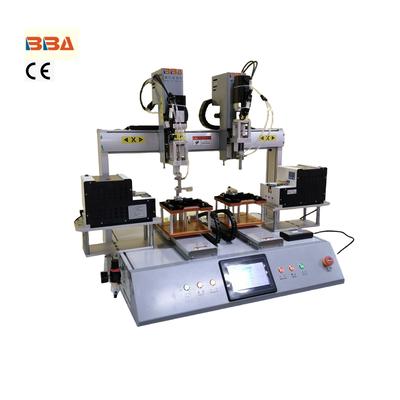
Product NameApplicable industriesSmart Screw Driving MachineToy and Game Console ProductionCombining Dispensing and Robotic Screw DrivingIn the rapidly evolving landscape of industrial automation, integrating multiple processes into a single, streamlined operation has become a key strategy for enhancing efficiency, precision, and productivity. One of the most impactful integrations is the combination of dispensing and robotic screw driving technologies. This synergy not only optimizes manufacturing workflows but also opens new possibilities for innovation and quality assurance.Dispensing systems are widely used in industries such as electronics, automotive, and consumer goods for applying adhesives, sealants, lubricants, and other materials with high accuracy. Meanwhile, robotic screw driving automates the fastening process, ensuring consistent torque and reducing the risk of human error. By merging these two functions into a cohesive unit, manufacturers can achieve a seamless assembly process that minimizes handling, reduces cycle times, and improves overall product reliability.Benefits of IntegrationThe integration of dispensing and robotic screw driving offers several compelling advantages. First, it eliminates the need for separate workstations, saving valuable floor space and reducing material transfer between stages. This consolidation leads to a more compact production line and lower operational costs.Second, combining these processes enhances precision and repeatability. For instance, in applications where adhesives are used alongside mechanical fasteners, the robotic system can first dispense the exact amount of adhesive required and then immediately drive the screw into place. This ensures optimal bonding and fastening without delays or misalignments that might occur if the processes were separated.Third, this integration supports better quality control. With sensors and vision systems often embedded in modern automation equipment, the combined system can verify the presence and correct application of adhesives, as well as monitor screw driving parameters such as torque and depth. Any deviations can be detected in real-time, allowing for immediate corrections and reducing the likelihood of defects.Applications Across IndustriesThe versatility of combined dispensing and screw driving makes it suitable for a wide range of applications. In the electronics industry, for example, it is used to assemble devices where components must be both glued and screwed for added security and vibration resistance. Automotive manufacturers employ this technology for installing interior panels, sensors, and electrical modules that require sealing and fastening. Similarly, in aerospace and medical device production, where precision and reliability are critical, integrated systems ensure compliance with stringent standards.Moreover, the flexibility of robotic automation allows for easy adaptation to different product designs and volumes. Whether for high-volume mass production or customized, low-volume batches, the system can be programmed to handle varying dispensing patterns and screw types with minimal changeover time.Future OutlookAs industries continue to embrace smart manufacturing and Industry 4.0 principles, the integration of dispensing and robotic screw driving is expected to become even more sophisticated. Advances in artificial intelligence and machine learning will enable predictive maintenance, self-optimization, and greater autonomy. Additionally, the rise of collaborative robots (cobots) will make these integrated systems more accessible to small and medium-sized enterprises, further democratizing advanced automation.In conclusion, the combination of dispensing and robotic screw driving represents a significant step forward in industrial automation. By unifying these processes, manufacturers can achieve higher efficiency, improved product quality, and greater flexibility. As technology continues to evolve, this integration will undoubtedly play a pivotal role in shaping the future of manufacturing.
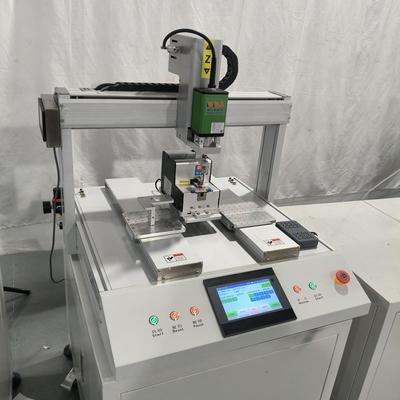
ชื่อผลิตภัณฑ์ อุตสาหกรรมที่ใช้งาน หุ่นยนต์ไขควงตั้งโต๊ะ อุตสาหกรรมไฟ LED ภูมิทัศน์อุตสาหกรรมทั่วโลกกำลังเปลี่ยนแปลงอย่างลึกซึ้ง เนื่องจากการนำเทคโนโลยีระบบอัตโนมัติมาใช้เพิ่มมากขึ้น ในบรรดาเหล่านี้ ระบบยึดเกาะอัตโนมัติได้กลายเป็นองค์ประกอบสำคัญที่ปฏิวัติกระบวนการประกอบในหลากหลายภาคส่วน ความต้องการระบบเหล่านี้กำลังเติบโตอย่างมีนัยสำคัญ เนื่องมาจากความต้องการประสิทธิภาพที่สูงขึ้น คุณภาพที่ดีขึ้น และต้นทุนการดำเนินงานที่ลดลง ระบบยึดเกาะอัตโนมัติครอบคลุมโซลูชั่นที่หลากหลาย รวมถึงการไขสกรูด้วยหุ่นยนต์ การขันนัต และการขันย้ำอย่างแม่นยำ ระบบเหล่านี้ถูกออกแบบมาเพื่อจัดการงานซ้ำ ๆ ด้วยความแม่นยำและความสม่ำเสมอที่ไม่มีใครเทียบได้ ขจัดข้อผิดพลาดของมนุษย์และเพิ่มผลผลิตโดยรวม ในอุตสาหกรรมต่างๆ เช่น ยานยนต์ อิเล็กทรอนิกส์ การบินและอวกาศ และสินค้าอุปโภคบริโภค การบูรณาการเทคโนโลยีการยึดเกาะอัตโนมัติได้กลายเป็นสิ่งจำเป็นสำหรับการรักษาความได้เปรียบในการแข่งขัน หนึ่งในแรงผลักดันหลักเบื้องหลังความต้องการที่เพิ่มขึ้นคือการแสวงหาความแม่นยำอย่างไม่หยุดยั้ง กระบวนการยึดเกาะด้วยมือมีความแปรปรวนโดยธรรมชาติ ซึ่งมักนำไปสู่ความไม่สม่ำเสมอในการประยุกต์ใช้แรงบิด ซึ่งสามารถทำให้คุณภาพและความปลอดภัยของผลิตภัณฑ์ลดลง อย่างไรก็ตาม ระบบอัตโนมัติรับประกันว่าชิ้นส่วนยึดเกาะทุกชิ้นจะถูกนำไปใช้ด้วยข้อกำหนดที่แน่นอน ลดความเสี่ยงของข้อบกพร่องและการเรียกคืนสินค้า ระดับความน่าเชื่อถือนี้สำคัญอย่างยิ่งในภาคส่วนที่ความปลอดภัยและประสิทธิภาพเป็นเรื่องสำคัญ ปัจจัยสำคัญอีกประการที่ส่งผลต่อความต้องการที่เพิ่มขึ้นคือความต้องการในการปรับขนาดได้ เมื่อตลาดพัฒนาและปริมาณการผลิตผันผวน ผู้ผลิตต้องการโซลูชั่นที่ยืดหยุ่นซึ่งสามารถปรับเปลี่ยนตามข้อกำหนดที่เปลี่ยนแปลงไป ระบบยึดเกาะอัตโนมัติเสนอความหลากหลายเพื่อจัดการกับการออกแบบผลิตภัณฑ์ที่แตกต่างกันและอัตราการผลิตโดยไม่ต้องปรับเปลี่ยนระบบใหม่อย่างมีนัยสำคัญ ความสามารถในการปรับตัวนี้ช่วยให้บริษัทต่างๆ สามารถตอบสนองต่อความต้องการของตลาดได้อย่างรวดเร็วในขณะที่เพิ่มประสิทธิภาพการใช้ทรัพยากร การขาดแคลนแรงงานและต้นทุนแรงงานที่เพิ่มขึ้นยังส่งผลให้อุตสาหกรรมต่างๆ ลงทุนในระบบอัตโนมัติมากขึ้น ด้วยการปรับใช้ระบบยึดเกาะอัตโนมัติ ผู้ผลิตสามารถลดการพึ่งพาแรงงานมือได้ ลดผลกระทบจากความท้าทายด้านกำลังงาน และจัดสรรทรัพยากรมนุษย์ใหม่ไปยังงานที่เพิ่มมูลค่ามากขึ้น การเปลี่ยนแปลงนี้ไม่เพียงแต่ปรับปรุงประสิทธิภาพการดำเนินงาน แต่ยังเพิ่มความพึงพอใจของพนักงานโดยลดงานซ้ำซากและงานที่ใช้กำลังกาย ความก้าวหน้าทางเทคโนโลยีกำลังเร่งการนำระบบยึดเกาะอัตโนมัติมาใช้นวัตกรรมต่างๆ เช่น หุ่นยนต์นำทางด้วยวิสัยทัศน์ การควบคุมแรงบิดอัจฉริยะ และการตรวจสอบที่รองรับ IoT ได้ยกระดับความสามารถของระบบเหล่านี้ การรวบรวมและวิเคราะห์ข้อมูลแบบเรียลไทม์ช่วยให้สามารถบำรุงรักษาเชิงพยากรณ์ ลดเวลาหยุดทำงาน และให้ข้อมูลเชิงลึกที่มีค่าสำหรับการเพิ่มประสิทธิภาพกระบวนการ คุณสมบัติอัจฉริยะเหล่านี้กำลังเปลี่ยนการยึดเกาะจากงานธรรมดาให้กลายเป็นหน้าที่เชิงกลยุทธ์ภายในระบบนิเวศการผลิต การผลักดันทั่วโลกเพื่อความยั่งยืนยังส่งผลต่อความต้องการโซลูชั่นการยึดเกาะอัตโนมัติด้วย โดยการเพิ่มประสิทธิภาพการใช้วัสดุและลดของเสียผ่านการประยุกต์ใช้ที่แม่นยำ ระบบเหล่านี้มีส่วนช่วยในแนวทางการผลิตที่เป็นมิตรกับสิ่งแวดล้อมมากขึ้น นอกจากนี้ ประสิทธิภาพพลังงานของอุปกรณ์อัตโนมัติสมัยใหม่ยังสอดคล้องกับเป้าหมายความยั่งยืนขององค์กร ทำให้เป็นการลงทุนที่น่าสนใจสำหรับองค์กรที่มีความคิดก้าวหน้า สรุปแล้ว ความต้องการทั่วโลกสำหรับระบบยึดเกาะอัตโนมัติพร้อมสำหรับการเติบโตอย่างต่อเนื่อง เนื่องจากอุตสาหกรรมต่างๆ ตระหนักถึงประโยชน์หลายด้านของระบบเหล่านี้ ตั้งแต่การเพิ่มความแม่นยำและความสามารถในการปรับขนาด ไปจนถึงการแก้ไขความท้าทายด้านแรงงานและการสนับสนุนโครงการความยั่งยืน ระบบเหล่านี้เป็นส่วนสำคัญต่ออนาคตของการผลิต เมื่อเทคโนโลยียังคงพัฒนาต่อไป การยึดเกาะอัตโนมัติจะไม่มีข้อสงสัยเลยที่จะมีบทบาทสำคัญยิ่งขึ้นในการกำหนดกระบวนการทางอุตสาหกรรมที่มีประสิทธิภาพ เชื่อถือได้ และนวัตกรรมทั่วโลก
body { font-family: Arial, sans-serif; line-height: 1.6; color: #333; margin: 20px; } h1 { color: #0056b3; font-size: 28px; margin-bottom: 15px; } h2 { color: #004a93; font-size: 22px; margin-top: 25px; margin-bottom: 10px; } p { margin-bottom: 15px; } ul, ol { margin-bottom: 15px; margin-left: 20px; } li { margin-bottom: 5px; } strong { color: #0056b3; } การวิเคราะห์ต้นทุนและผลประโยชน์ของการปิดล็อคสกรูอัตโนมัติ ในสภาพแวดล้อมการแข่งขันของการผลิตสมัยใหม่ ประสิทธิภาพ ความน่าเชื่อถือ และการควบคุมต้นทุนมีความสำคัญยิ่ง กระบวนการสำคัญที่มักถูกมองข้ามคือการปิดล็อคสกรู—การใช้วัสดุติดแน่นแบบเกลียวเพื่อป้องกันการคลายตัวจากการสั่นสะเทือนและความเครียด ในขณะที่เดิมเป็นการดำเนินการด้วยมือ การทำให้กระบวนการนี้เป็นอัตโนมัติแสดงถึงโอกาสสำคัญสำหรับการปรับปรุงการดำเนินงาน บทความนี้ให้การวิเคราะห์ต้นทุนและผลประโยชน์อย่างครอบคลุมของการนำระบบปิดล็อคสกรูอัตโนมัติมาใช้ โดยเน้นย้ำถึงข้อได้เปรียบที่จับต้องได้และจับต้องไม่ได้สำหรับการดำเนินงานการผลิต การทำความเข้าใจการลงทุนเริ่มต้น การตัดสินใจทำให้กระบวนการใดๆ เป็นอัตโนมัติเริ่มต้นด้วยความเข้าใจที่ชัดเจนเกี่ยวกับค่าใช้จ่ายทุนเริ่มต้น สำหรับการปิดล็อคสกรูอัตโนมัติ รวมถึงค่าใช้จ่ายของระบบการจ่ายอัตโนมัติ ซึ่งอาจมีตั้งแต่หน่วยบนโต๊ะทำงานสำหรับการใช้งานปริมาณต่ำไปจนถึงเซลล์หุ่นยนต์ที่รวมเข้าด้วยกันอย่างเต็มที่สำหรับสายการผลิตความเร็วสูง ค่าใช้จ่ายเพิ่มเติมมักเกี่ยวข้องกับการบูรณาการระบบเข้ากับเวิร์กโฟลว์การประกอบที่มีอยู่ การปรับเปลี่ยนสถานที่ที่มีศักยภาพ และโปรแกรมการฝึกอบรมผู้ปฏิบัติงาน ในขณะที่การลงทุนล่วงหน้านี้สามารถมีจำนวนมาก แต่สิ่งสำคัญคือต้องมองผ่านเลนส์ของการคืนทุนระยะยาวและต้นทุนรวมของการเป็นเจ้าของ การวัดผลประโยชน์ที่จับต้องได้และการประหยัดต้นทุน ข้อได้เปรียบทางการเงินของการทำให้เป็นอัตโนมัติโดยทั่วไปจะเกิดขึ้นผ่านการประหยัดต้นทุนโดยตรงและเพิ่มผลผลิต พื้นที่สำคัญที่มีผลกระทบรวมถึง: การลดต้นทุนแรงงาน: การปิดล็อคสกรูด้วยมือเป็นงานซ้ำซ้อน ใช้เวลานาน และต้องการความสนใจอย่างต่อเนื่องจากผู้ปฏิบัติงาน การทำให้เป็นอัตโนมัติลดชั่วโมงแรงงานที่ทุ่มเทให้กับงานนี้อย่างมีนัยสำคัญ ทำให้สามารถปรับใช้บุคลากรไปยังการดำเนินงานที่มีมูลค่าสูงขึ้นและซับซ้อนมากขึ้น จึงช่วยเพิ่มประสิทธิภาพต้นทุนแรงงาน เพิ่มปริมาณงานและผลผลิต: ระบบอัตโนมัติทำงานที่ความเร็วสูงอย่างสม่ำเสมอโดยไม่เหนื่อยล้า เพิ่มปริมาณงานของสายการประกอบของคุณโดยตรง นอกจากนี้ยังลดข้อผิดพลาดของมนุษย์อย่างมาก เช่น การพลาดสกรูหรือการใช้วัสดุติดแน่นไม่ถูกต้อง การปรับปรุงนี้ในผลผลิตผ่านครั้งแรกลดการทำงานใหม่ที่มีค่าใช้จ่ายสูง ของเสีย และความล้มเหลวในสนามที่มีศักยภาพ การประหยัดวัสดุ: เครื่องจ่ายอัตโนมัติที่แม่นยำใช้วัสดุติดแน่นแบบเกลียวในปริมาณที่สม่ำเสมอและวัดได้ทุกครั้ง ซึ่งขจัดของเสียและความแปรปรวนที่เกี่ยวข้องกับการใช้ด้วยมือ นำไปสู่การประหยัดต้นทุนวัสดุสิ้นเปลืองโดยตรงเมื่อเวลาผ่านไป ปรับปรุงคุณภาพและความน่าเชื่อถือ: การใช้ที่สม่ำเสมอ確保สกรูทุกตัวได้รับการยึดตาม specification ที่แน่นอนเดียวกัน เพิ่มคุณภาพโดยรวมและความน่าเชื่อถือระยะยาวของผลิตภัณฑ์สุดท้าย ซึ่งลดการเรียกร้องการรับประกันและปกป้องชื่อเสียงของแบรนด์ การประเมินข้อได้เปรียบเชิงกลยุทธ์ที่จับต้องไม่ได้ นอกเหนือจากการประหยัดที่วัดได้ง่าย การทำให้เป็นอัตโนมัติให้ประโยชน์เชิงกลยุทธ์ที่เสริมสร้างตำแหน่งตลาดของบริษัท: ความปลอดภัยในที่ทำงานและสรีรศาสตร์: การทำให้งานมือที่ซ้ำซ้อนเป็นอัตโนมัติลดความเสี่ยงของการบาดเจ็บจากความเครียดซ้ำๆ ในหมู่ผู้ปฏิบัติงาน สร้างสภาพแวดล้อมการทำงานที่ปลอดภัยและอาจลดต้นทุนประกันที่เกี่ยวข้อง การขยายขนาดและความยืดหยุ่นของการผลิต: ระบบอัตโนมัติสามารถตั้งโปรแกรมสำหรับผลิตภัณฑ์และขนาดล็อตที่แตกต่างกัน ให้ความยืดหยุ่นในการปรับตัวอย่างรวดเร็วต่อความต้องการของตลาดที่เปลี่ยนแปลงและกำหนดการผลิตโดยไม่มีความล่าช้าในการปรับเครื่องมือใหม่หรือการฝึกอบรมใหม่ที่มีนัยสำคัญ ข้อมูลและการติดตาม: ระบบอัตโนมัติสมัยใหม่ให้ข้อมูลที่มีค่ากเกี่ยวกับกระบวนการผลิต รวมถึงจำนวนผล output อัตราข้อผิดพลาด และการใช้วัสดุ ข้อมูลนี้จำเป็นสำหรับการเพิ่มประสิทธิภาพกระบวนการ การติดตาม และความคิดริเริ่มการปรับปรุงอย่างต่อเนื่อง การดำเนินการวิเคราะห์ของคุณเอง การวิเคราะห์ต้นทุนและผลประโยชน์อย่างละเอียดสำหรับการดำเนินงานเฉพาะของคุณควรเกี่ยวข้องกับการคำนวณต้นทุนรวมของการเป็นเจ้าของ (TCO) ของระบบอัตโนมัติเทียบกับการประหยัดที่คาดการณ์ ปัจจัยในการลงทุนเริ่มต้น ต้นทุนการบำรุงรักษาต่อเนื่อง และการประหยัดที่คาดการณ์จากแรงงาน วัสดุ การปรับปรุงคุณภาพ และการลดเวลาหยุดทำงาน ระยะเวลาคืนทุน—เวลาที่ใช้ในการประหยัดให้เท่ากับการลงทุนเริ่มต้น—เป็นเมตริกสำคัญ สำหรับหลายบริษัท โครงการทำให้เป็นอัตโนมัติสำหรับกระบวนการเช่นการปิดล็อคสกรูแสดง ROI ที่น่าสนใจ โดยระยะเวลาคืนทุนมักจะบรรลุได้ภายในไม่กี่ปี ตามด้วยการประหยัดรายปีต่อเนื่อง สรุป ในขณะที่เส้นทางสู่การทำให้เป็นอัตโนมัติต้องการการวางแผนและการลงทุนอย่างรอบคอบ ประโยชน์ทางการเงินและการดำเนินงานของการทำให้กระบวนการปิดล็อคสกรูเป็นอัตโนมัตินั้นชัดเจน จากการประหยัดต้นทุนโดยตรงและการปรับปรุงคุณภาพไปจนถึงการปรับปรุงความปลอดภัยและการขยายขนาด ข้อได้เปรียบมีส่วนสำคัญในการสร้างการดำเนินงานการผลิตที่มีประสิทธิภาพ น่าเชื่อถือ และมีการแข่งขันมากขึ้น การวิเคราะห์โดยละเอียดเฉพาะสำหรับบริษัทเป็นวิธีที่มีประสิทธิภาพที่สุดในการตรวจสอบประโยชน์เหล่านี้และสร้าง business case ที่แข็งแกร่งสำหรับการทำให้เป็นอัตโนมัติ ชื่อผลิตภัณฑ์ อุตสาหกรรมที่適用 หุ่นยนต์ปิดล็อคสกรู การประกอบรถจักรยานไฟฟ้า
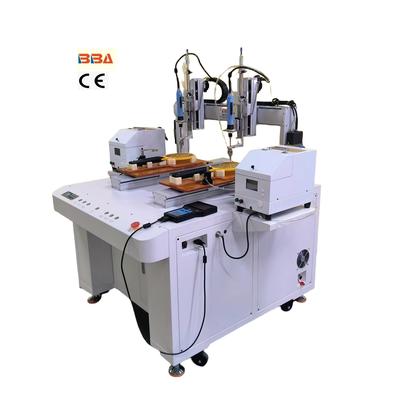
In the fast-paced world of manufacturing, efficiency and precision are paramount. One tool that has revolutionized assembly lines across industries is the automatic screw feeder. These systems are designed to streamline the screwdriving process, offering a multitude of benefits that directly impact productivity, quality, and operational costs. For any company involved in assembly or production, integrating automatic screw feeders is a significant step toward modernizing and optimizing their workflow. First and foremost, automatic screw feeders dramatically increase production speed. Manual screwdriving is a time-consuming and repetitive task prone to human fatigue. Operators must pick up each screw, position it, and drive it in—a process that slows down the entire line. Automatic feeders eliminate these steps by presenting screws correctly oriented and ready to be driven at the push of a button or trigger. This continuous feeding allows operators to focus on placement and activation, cutting cycle times and enabling a much higher output. In high-volume manufacturing environments, this boost in speed is a game-changer, allowing businesses to meet demanding deadlines and scale production effortlessly. Beyond speed, these systems greatly enhance consistency and product quality. Human operators can make mistakes—cross-threading, over-torquing, or under-torquing screws are common issues that lead to product defects, rework, and potential failures. Automatic screw feeders are often integrated with precision electric or pneumatic screwdrivers that apply a pre-set torque consistently for every single screw. This ensures every joint is perfectly fastened according to specifications, drastically reducing the defect rate. The result is a more reliable final product, improved customer satisfaction, and a stronger brand reputation for quality. Another critical advantage is the notable improvement in worker safety and ergonomics. Repetitive strain injuries (RSIs) in the wrists, hands, and shoulders are a significant concern for workers performing manual screwdriving tasks thousands of times a day. Automatic feeders reduce the repetitive motions of picking and positioning screws, minimizing physical strain and the risk of RSIs. This leads to a healthier, more comfortable workforce, lower absenteeism, and reduced costs associated with workplace injuries. Furthermore, it boosts operator morale, as employees can engage in more value-added and less monotonous work. From a cost perspective, the investment in automatic screw feeding technology quickly pays for itself. While there is an initial capital outlay, the returns are substantial. The combination of higher throughput, reduced labor costs per unit, fewer defects requiring rework or scrap, and lower costs from injury-related downtime contributes to a very attractive return on investment (ROI). Additionally, these systems help reduce material waste by ensuring screws are not dropped or lost during handling, contributing to a leaner and more cost-effective operation. Finally, automatic screw feeders offer remarkable flexibility. Modern systems can be configured to handle a wide variety of screw sizes and types, from tiny M1 screws to larger fasteners. They can be mounted on benches, integrated into automated assembly robots, or even used in portable units for larger products. This adaptability makes them suitable for a diverse range of applications, from electronics and automotive assembly to consumer appliances and medical device manufacturing. In conclusion, the benefits of using automatic screw feeders in manufacturing are clear and compelling. They are not merely a convenience but a strategic tool for any business seeking a competitive edge. By delivering unmatched speed, unwavering consistency, enhanced workplace safety, and a strong financial return, automatic screw feeders have become an indispensable component of the modern, efficient, and high-quality manufacturing floor. Product Name Applicable industries Auto Screwdriver Machine Smart Wearables Production
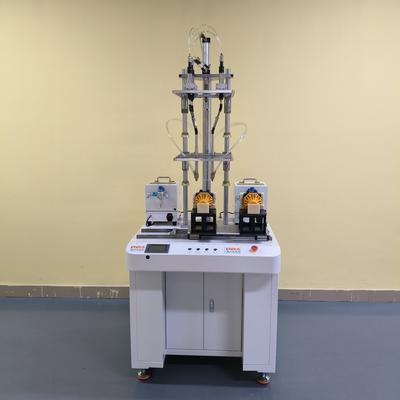
Product Name Applicable industries Servo Screwdriver Robot Electric Bicycle Assembly body { font-family: Arial, sans-serif; line-height: 1.6; margin: 20px; } h2 { color: #2c3e50; } h3 { color: #3498db; margin-top: 20px; } p { margin-bottom: 15px; } ul { margin-bottom: 15px; padding-left: 20px; } li { margin-bottom: 8px; } strong { color: #e74c3c; } How to Train Staff on Screw Tightening Machines Effective training is crucial for maximizing productivity, ensuring product quality, and maintaining a safe working environment when using industrial screw tightening machines. A well-trained operator can significantly reduce error rates, minimize machine downtime, and prevent costly rework. This guide outlines a comprehensive approach to training your staff on these essential pieces of equipment. 1. Foundational Knowledge: The Theory Behind the Tool Before an operator ever touches a machine, they must understand the fundamental principles. Begin with classroom-style sessions covering: The Importance of Precision: Explain how correct torque and angle directly impact product integrity, safety, and performance. Machine Components: Break down the key parts of the screw tightening machine, including the controller, motor, spindle, and tooling. Key Terminology: Ensure everyone is fluent in terms like torque (Nm, lbf-in), angle, yield, and rundown. Clarify the difference between hard joints and soft joints. Error Codes & Diagnostics: Introduce common error messages and their meanings. This empowers operators to understand what the machine is communicating. 2. Hands-On Practical Training Theoretical knowledge must be cemented with practical, supervised experience. This phase should be conducted in a controlled training environment. Machine Setup & Changeover: Train staff on how to safely install and change bits, adjust fixtures, and select the correct program for a specific task. Running a Cycle: Demonstrate the entire process, from placing the component and positioning the tool to initiating the tightening cycle. Emphasize ergonomic handling to prevent strain. Verification and Quality Control: Show operators how to verify a successful tightening cycle using the machine's data output. Introduce them to using manual torque testers for periodic audits. Basic Troubleshooting: Guide them through resolving common issues like cross-threading, missed screws, or error alarms. Teach them the "stop, assess, report" procedure for more complex faults. 3. Emphasizing Safety Above All Else Safety training is non-negotiable. Every operator must be aware of the potential hazards. Personal Protective Equipment (PPE): Mandate and provide safety glasses, hearing protection, and gloves where appropriate. Pinch Points and Ergonomics: Clearly identify all machine pinch points. Train on proper posture and handling techniques to avoid repetitive strain injuries. Emergency Procedures: Ensure everyone knows the location and operation of emergency stop buttons and understands lockout/tagout (LOTO) procedures for maintenance. 4. Leveraging Technology for Enhanced Learning Modern screw tightening machines are data-rich. Use this to your advantage. Data Monitoring: Train supervisors and operators on how to interpret process data and histograms. This turns abstract concepts into visible results, showing the spread of torque values and identifying out-of-spec results. Simulation Mode: Utilize the machine’s simulation or training mode to allow practice without consuming actual components or affecting production statistics. 5. Documentation and Continuous Improvement Training should not be a one-time event. Create a culture of continuous learning. Create Accessible SOPs: Develop clear, visual Standard Operating Procedures (SOPs) that are readily available at the workstation. Certification Program: Implement a formal certification process where operators must demonstrate competency in both theory and practice to be qualified to use the machine independently. Refresher Courses: Schedule periodic refresher training to address bad habits, introduce new features, and reinforce safety protocols. Investing in a structured, multi-stage training program for screw tightening machines is an investment in your company's efficiency, quality, and most importantly, the safety of your workforce. By building a foundation of knowledge, providing ample hands-on practice, and fostering a culture of continuous improvement, you will empower your operators to become proficient and valuable contributors to your production process.
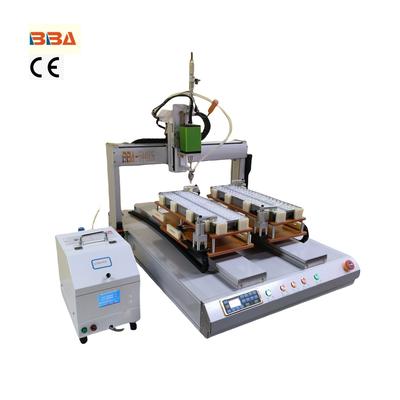
ชื่อผลิตภัณฑ์ อุตสาหกรรมที่ใช้งาน เครื่องยึดสกรูซีเอ็นซี การประกอบแผงวงจรและแผงวงจรพิมพ์ body { font-family: Arial, sans-serif; line-height: 1.6; color: #333; margin: 20px; } h1 { color: #0056b3; font-size: 28px; margin-bottom: 20px; } h2 { color: #003366; font-size: 22px; margin-top: 25px; margin-bottom: 15px; } p { margin-bottom: 15px; text-align: justify; } ul { margin-bottom: 15px; padding-left: 20px; } li { margin-bottom: 8px; } .highlight { background-color: #f5f5f5; padding: 15px; border-radius: 5px; margin: 20px 0; } ระบบการป้อนอัจฉริยะสำหรับการยึดต่อเนื่อง ในโลกของระบบอัตโนมัติทางอุตสาหกรรม ประสิทธิภาพและความแม่นยำเป็นสิ่งสำคัญยิ่ง การมาถึงของระบบการป้อนอัจฉริยะได้ปฏิวัติวิธีการจัดการกระบวนการยึดต่อเนื่องในสายการผลิตและสายการประกอบ ระบบขั้นสูงเหล่านี้ได้รับการออกแบบเพื่อปรับปรุงการทำงาน ลดเวลาหยุดทำงาน และเพิ่มผลผลิตโดยรวม ด้วยการจัดหาสิ่งยึด เช่น สกรู สลักเกลียว และหมุดย้ำ ให้กับเครื่องมืออัตโนมัติอย่างราบรื่นและเชื่อถือได้ เทคโนโลยีหลักของระบบการป้อนอัจฉริยะ ระบบการป้อนอัจฉริยะผสมผสานเทคโนโลยีที่ซับซ้อนเพื่อส่งมอบสิ่งยึดด้วยความแม่นยำและความเร็วที่ไม่มีใครเทียบได้ หัวใจของระบบเหล่านี้คือชามสั่นหรือเครื่องป้อนแรงเหวี่ยงที่มีความแม่นยำสูง ซึ่งจะจัดแนวและป้อนชิ้นส่วนได้อย่างถูกต้อง ร่วมกับเซ็นเซอร์ขั้นสูงและระบบวิสัยทัศน์ ทำให้สามารถตรวจจับและปฏิเสธชิ้นส่วนที่มีข้อบกพร่องหรือจัดแนวผิดได้ในเวลาจริง ป้องกันการอุดตัน และรับรองว่ามีเพียงสิ่งยึดที่สมบูรณ์แบบเท่านั้นที่จะถึงจุดใช้งาน ระบบสมัยใหม่ติดตั้งความสามารถในการเชื่อมต่อ IoT และการวิเคราะห์ข้อมูล ซึ่งช่วยให้สามารถตรวจสอบประสิทธิภาพการป้อนอย่างต่อเนื่อง แจ้งเตือนการบำรุงรักษาเชิงพยากรณ์ และแก้ไขปัญหาจากระยะไกล โดยการวิเคราะห์ข้อมูลเกี่ยวกับอัตราการป้อน การเกิดการอุดตัน และคุณภาพของชิ้นส่วน ระบบเหล่านี้สามารถปรับปรุงให้เหมาะสมด้วยตัวเอง ลดการหยุดทำงานที่ไม่planned และต้นทุนการบำรุงรักษาอย่างมีนัยสำคัญ ประโยชน์หลักของการนำระบบการป้อนอัจฉริยะมาใช้ รวมถึงการลดการแทรกแซงด้วยมืออย่างมาก การลดของเสียจากสิ่งยึด และการปรับปรุงประสิทธิผลโดยรวมของอุปกรณ์ (OEE) ของสายการผลิตอย่างมาก เพิ่มความยืดหยุ่นและความสามารถในการปรับขนาด ความต้องการการผลิตในปัจจุบันต้องการระบบที่ไม่เพียงแต่มีประสิทธิภาพ แต่ยังต้องปรับตัวได้สูงอีกด้วย ระบบการป้อนอัจฉริยะได้รับการออกแบบโดยคำนึงถึงความเป็นโมดูลาร์ ซึ่งช่วยให้สามารถเปลี่ยนระหว่างประเภทและขนาดของสิ่งยึดที่แตกต่างกันได้อย่างรวดเร็ว ความยืดหยุ่นนี้มีความสำคัญอย่างยิ่งสำหรับสายการผลิตที่จัดการกับชุดงานที่มีความหลากหลายสูงและปริมาณต่ำ ทำให้ผู้ผลิตสามารถตอบสนองต่อความต้องการของตลาดที่เปลี่ยนแปลงได้อย่างรวดเร็ว โดยไม่ต้องเสียค่าใช้จ่ายสูงในการติดตั้งเครื่องมือใหม่หรือหยุดทำงานเป็นเวลานาน ความสามารถในการปรับขนาดเป็นอีกข้อได้เปรียบที่สำคัญ ไม่ว่าจะเป็นการรวมเข้ากับสถานีทำงานเดียวหรือเซลล์การประกอบหลายสถานีที่ซับซ้อน ระบบเหล่านี้สามารถขยายหรือกำหนดค่าใหม่ได้อย่างง่ายดาย ซึ่งรับรองได้ว่าเมื่อปริมาณการผลิตเพิ่มขึ้นหรือมีการเปิดตัวสายผลิตภัณฑ์ใหม่ เทคโนโลยีการป้อนก็สามารถเติบโตได้ตามไปด้วย ปกป้องการลงทุนเริ่มแรกและทำให้การดำเนินงานทันสมัยในอนาคต ขับเคลื่อนคุณภาพและความสม่ำเสมอ คุณภาพที่สม่ำเสมอในการยึดเป็นสิ่งที่ขาดไม่ได้สำหรับความสมบูรณ์และความปลอดภัยของผลิตภัณฑ์ ระบบการป้อนอัจฉริยะมีบทบาทสำคัญในการบรรลุเป้าหมายนี้ โดยรับรองว่าสิ่งยึดที่ถูกต้องจะถูกส่งมอบในเวลาที่เหมาะสมและในแนวที่ถูกต้อง ซึ่งขจัดข้อผิดพลาดและความแปรปรวนของมนุษย์ นำไปสู่การลดข้อบกพร่องที่เกี่ยวข้องกับสกรูที่พลาด บิดเกลียวผิด หรือบิดแรงดันไม่เหมาะสมอย่างมาก การรวมระบบเหล่านี้กับเครื่องมือวัดแรงบิดไฟฟ้าอัจฉริยะยิ่งเพิ่มการควบคุมคุณภาพ ระบบการป้อนสามารถสื่อสารกับเครื่องมือได้โดยตรง ให้ข้อมูลเกี่ยวกับสิ่งยึดที่กำลังส่งมอบและยืนยันรายละเอียดของมัน กระบวนการลูปปิดนี้รับรองว่าทุกการเชื่อมต่อเสร็จสิ้นตามข้อกำหนดทางวิศวกรรมที่แน่นอน โดยบันทึกข้อมูลทั้งหมดเพื่อการติดตามและปฏิบัติตามข้อกำหนดอย่างเต็มที่ สรุปแล้ว ระบบการป้อนอัจฉริยะสำหรับการยึดต่อเนื่องไม่ใช่สิ่งฟุ่มเฟือยอีกต่อไป แต่เป็นความจำเป็นสำหรับระบบอัตโนมัติทางอุตสาหกรรมสมัยใหม่ เป็นตัวแทนของก้าวกระโดดที่สำคัญในการสร้างสภาพแวดล้อมการผลิตที่ชาญฉลาด เชื่อมต่อมากขึ้น และมีประสิทธิภาพมากขึ้น ด้วยการลงทุนในเทคโนโลยีอัจฉริยะนี้ บริษัทต่างๆ สามารถได้รับข้อได้เปรียบทางการแข่งขันที่ formidable ผ่านผลผลิตที่เหนือกว่า คุณภาพที่ไม่มีใครเทียบได้ และความคล่องตัวในการดำเนินงานที่น่าทึ่ง