8618566785362 8618566785362 8618566785362 phoenix08@bbamachine.com
- All
- Product Name
- Product Keyword
- Product Model
- Product Summary
- Product Description
- Multi Field Search

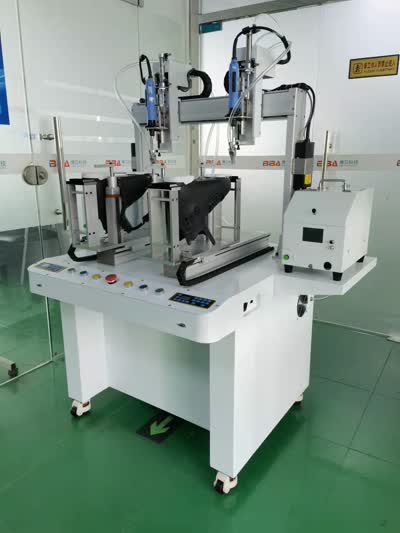
.body-style { font-family: Arial, sans-serif; line-height: 1.6; color: #333; margin: 20px; } .h2-style { color: #0056b3; font-size: 24px; margin-top: 20px; margin-bottom: 10px; } .p-style { margin-bottom: 15px; } .strong-style { color: #0056b3; font-weight: bold; } Key Phrases to Target for Screw Assembly Marketing In the competitive landscape of industrial automation, effectively communicating the value of your screw assembly solutions is paramount. The right marketing language not only captures attention but also resonates deeply with the specific needs and pain points of your target audience. To craft compelling messages that drive engagement and conversion, it is essential to focus on key phrases that highlight efficiency, precision, reliability, and innovation. Enhancing Production Efficiency and Throughput One of the primary concerns for manufacturing professionals is maximizing output without compromising quality. Phrases such as "high-speed automated screw driving" and "maximize production line throughput" directly address this need. These terms emphasize the ability of your systems to accelerate assembly processes, reduce cycle times, and handle high-volume demands seamlessly. By highlighting these capabilities, you appeal to operations managers seeking to optimize their manufacturing floors and achieve significant productivity gains. Ensuring Uncompromising Quality and Reliability Quality control is a non-negotiable aspect of screw assembly. Marketing messages should incorporate phrases like "error-proof fastening solutions" and "zero-defect assembly processes". These phrases assure potential clients of the precision and consistency of your equipment. They speak to engineers and quality assurance managers who prioritize reducing rework, minimizing product failures, and maintaining stringent quality standards. Emphasizing reliability builds trust and positions your products as critical components for mission-critical applications. Adapting to Flexible Manufacturing Needs Modern manufacturing requires agility. Terms such as "quick-changeover capabilities" and "flexible automation for mixed production" are highly effective. They demonstrate that your screw assembly systems can adapt rapidly to different product designs, batch sizes, and assembly requirements. This flexibility is crucial for industries like automotive and electronics, where production lines must frequently switch between variants. Targeting this phrase appeals to planners and engineers looking for scalable and versatile automation solutions. Integration and Ease of Use The ease of integrating new equipment into existing lines is a major purchasing factor. Highlighting "seamless integration with existing machinery" and "user-friendly programming interface" addresses common concerns about implementation complexity and training time. These phrases are particularly attractive to plant managers and maintenance teams who seek to minimize downtime and ensure a smooth transition to automated processes. Stressing intuitive operation reduces perceived barriers to adoption. Driving Cost Reduction and ROI Ultimately, investment in automation is driven by financial return. Powerful marketing phrases include "significant reduction in direct labor costs" and "rapid return on investment (ROI)". These speak directly to the bottom-line concerns of financial decision-makers and executives. By quantifying the potential savings and outlining the clear economic benefits, your marketing materials can effectively justify the investment and demonstrate the long-term value of your screw assembly systems. By strategically incorporating these targeted key phrases into your website content, brochures, and sales presentations, you can more effectively connect with your audience's core objectives. This focused approach ensures your marketing message is both seen and understood, driving growth and establishing your brand as a leader in industrial automation solutions. Product Name Applicable industries Desktop Screwdriver Robot Industrial Control Panel Assembly

Product Name Applicable industries Auto Screwdriver Machine Electric Bicycle Assembly body { font-family: Arial, sans-serif; line-height: 1.6; margin: 20px; } h1 { color: #2c3e50; font-size: 28px; margin-bottom: 10px; } p { margin-bottom: 15px; color: #333; } strong { color: #16a085; } Achieving Consistent Torque with Automation In the world of industrial manufacturing, precision is not just a goal—it is a necessity. Among the many parameters that define quality and reliability, torque consistency stands out as a critical factor. Whether assembling delicate electronics or heavy machinery, the application of accurate and repeatable torque ensures product integrity, safety, and performance. Manual torque application, however, is prone to human error, fatigue, and variability. This is where automation steps in, transforming torque control into a seamless, precise, and highly efficient process. Automated torque systems leverage advanced technologies to deliver unmatched consistency. These systems integrate sensors, controllers, and actuators to monitor and adjust torque in real-time, ensuring every fastener meets exact specifications. The benefits are multifaceted: reduced defect rates, enhanced worker safety, and improved production throughput. For industries such as automotive, aerospace, and consumer electronics, where torque tolerances are exceptionally tight, automation is no longer a luxury but a fundamental requirement. One of the key components in achieving consistent torque is the use of servo-driven tools. These tools provide closed-loop feedback, continuously measuring the applied torque and making instantaneous corrections. This level of control eliminates under-torquing, which can lead to loose connections and potential failures, and over-torquing, which may cause damage to components or threads. The data collected during the process can also be logged for quality assurance and traceability, supporting compliance with industry standards and regulations. Moreover, automated torque systems are designed to integrate seamlessly into existing production lines. They can be programmed for multiple tasks, adapting to different products and torque requirements without manual reconfiguration. This flexibility allows manufacturers to respond quickly to changing demands while maintaining high levels of accuracy. Robotics play a significant role here, with automated arms equipped with torque sensors capable of performing complex assemblies with precision that far exceeds human capability. Another advantage is the reduction in physical strain on workers. Repetitive manual torque application can lead to musculoskeletal disorders and fatigue, increasing the risk of errors and injuries. By automating these tasks, companies not only improve product quality but also promote a safer and more ergonomic work environment. Employees can be upskilled to oversee and manage automated systems, focusing on more value-added activities rather than repetitive manual labor. Looking ahead, the future of torque automation is set to become even more intelligent. With the integration of Internet of Things (IoT) technologies, torque systems can be connected to centralized monitoring platforms. This enables predictive maintenance, where data analytics identify potential issues before they cause downtime, and continuous optimization of torque processes based on real-time performance metrics. The result is a smarter, more responsive manufacturing ecosystem. In conclusion, achieving consistent torque with automation is a transformative approach that elevates manufacturing standards. It ensures that every product is built with precision, reliability, and efficiency. As industries continue to evolve towards greater automation, embracing advanced torque control solutions will be key to maintaining competitiveness and meeting the ever-increasing demands for quality and safety.
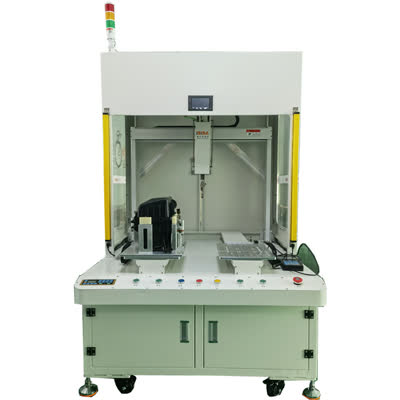
Product Name Applicable industries Automatic Screw Feeder Smart Wearables Production body { font-family: Arial, sans-serif; line-height: 1.6; color: #333; } h1 { color: #0056b3; font-size: 28px; margin-bottom: 20px; } h2 { color: #004a99; font-size: 22px; margin-top: 25px; margin-bottom: 15px; } p { margin-bottom: 15px; } ul { margin-bottom: 15px; padding-left: 20px; } li { margin-bottom: 8px; } strong { color: #004a99; } Questions to Ask Before Buying a Screw Locking Machine Investing in industrial automation equipment is a significant decision that can greatly impact your production efficiency, product quality, and bottom line. A screw locking machine, also known as a screwdriving system, is a crucial piece of equipment for countless assembly lines. Choosing the right one requires careful consideration. To ensure you make a well-informed purchase that aligns with your specific needs, here are the essential questions you should ask. What Are My Application Requirements? Before you even look at different models, you must have a deep understanding of your own application. Start by asking: Screw Specifications: What is the size, type, pitch, and material of the screws you will be using? The machine must be compatible with your fasteners. Torque and Angle Requirements: What are the precise torque and angle specifications for a perfect lock? This is critical for product quality and consistency. Part Design: What is the geometry of the part being assembled? Are there accessibility issues or unique angles the machine must accommodate? Production Volume and Speed: What is your required output in units per hour or per shift? This will determine whether you need a simple benchtop unit or a high-speed automated system. What Level of Automation Do I Need? Screw locking machines range from semi-automatic to fully automated cells. You need to decide the right level for your process. Manual Presentation: Will an operator present the part and trigger the machine? Automatic Feeding: Do you need an integrated system that automatically feeds screws to the driver, significantly increasing speed and reducing operator fatigue? Robotic Integration: Should the screwdriver be mounted on a robot for complex, multi-point assembly tasks? Matching the automation level to your volume and labor availability is key to maximizing your return on investment. How Will the Machine Integrate Into My Existing Line? The new equipment must work seamlessly with your current setup. Important integration questions include: Physical Footprint: How much floor or bench space is available for the machine? Connectivity and Data: Does the machine offer PLC connectivity (e.g., via Ethernet/IP, Profinet, Modbus) for seamless integration into your factory's control system? Can it provide data output for traceability and process monitoring? Power Requirements: What are the electrical and air pressure requirements? Ensure your facility can meet them. What About Ease of Use and Changeover? In modern manufacturing, flexibility is vital. If you produce multiple products, you must ask: How quickly can the machine be reprogrammed for a different screw or torque setting? Look for intuitive user interfaces with recipe storage. How difficult is it to change the feeder bowl or driver bit? Quick-change features can drastically reduce downtime during product changeovers. What Kind of Support and Service Can I Expect? The relationship with your supplier doesn't end at the sale. Probe into their after-sales support: Installation and Training: Do they offer on-site installation and comprehensive training for your operators and maintenance staff? Technical Support: What is the availability of their technical support team? Is there local expertise? Spare Parts and Warranty: What is the lead time for critical spare parts? What does the warranty cover and for how long? Asking these detailed questions will provide clarity and guide you toward the ideal screw locking solution. A thorough evaluation process ensures the machine you select not only performs the task but also enhances your overall manufacturing strategy, providing reliability, quality, and efficiency for years to come.
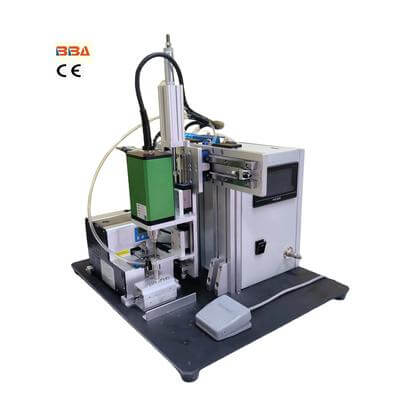
Product Name Applicable industries Inline Screw Locking System Automotive Electronics Assembly body { font-family: Arial, sans-serif; line-height: 1.6; margin: 20px; } h1 { color: #2c3e50; font-size: 28px; margin-bottom: 20px; } h2 { color: #34495e; font-size: 22px; margin-top: 25px; margin-bottom: 15px; } p { margin-bottom: 15px; color: #333; } ul { margin-bottom: 15px; padding-left: 20px; } li { margin-bottom: 8px; } strong { color: #16a085; } Desktop Robots for Precision Screw Tightening In the realm of industrial automation, precision and reliability are paramount. One of the critical processes in manufacturing and assembly is screw tightening, a task that, while seemingly simple, requires consistent accuracy to ensure product quality and safety. Manual screw tightening is prone to human error, leading to inconsistencies, stripped threads, and potential product failures. This is where desktop robots designed for precision screw tightening come into play, revolutionizing assembly lines with their unmatched accuracy and efficiency. The Need for Automation in Screw Tightening Traditional manual screw tightening processes often face challenges such as operator fatigue, variability in torque application, and difficulty in maintaining high throughput over extended periods. These issues can result in compromised product integrity and increased rework rates. Automated screw tightening solutions address these pain points by delivering consistent, high-quality results every time, reducing the risk of errors and enhancing overall production efficiency. Key Features of Desktop Screw Tightening Robots Modern desktop robots for screw tightening are equipped with advanced features that make them indispensable in precision-driven industries. These compact yet powerful systems are designed to integrate seamlessly into existing production setups, offering flexibility and scalability. High Precision Torque Control: These robots utilize sophisticated torque sensors and control algorithms to apply exact torque levels, ensuring each screw is tightened to specification without over-tightening or under-tightening. Adaptive Flexibility: With programmable settings and easy-to-configure software, these robots can handle a variety of screw sizes, types, and materials, making them suitable for diverse applications from electronics to automotive components. User-Friendly Interface: Intuitive software allows operators to set parameters, monitor performance, and troubleshoot issues with minimal training, reducing downtime and enhancing productivity. Compact Design: Their small footprint makes them ideal for benchtop applications where space is limited, without compromising on power or capability. Data Logging and Traceability: Integrated sensors record torque and angle data for each tightening operation, providing valuable insights for quality control and process optimization. Benefits of Implementing Desktop Robots Integrating desktop robots for screw tightening into manufacturing processes offers numerous advantages. Firstly, they significantly improve product consistency by eliminating human error, leading to higher quality outputs and reduced defect rates. Secondly, these robots enhance operational efficiency by working at high speeds without fatigue, increasing throughput and reducing cycle times. Additionally, they contribute to a safer work environment by minimizing repetitive strain injuries associated with manual tightening tasks. Lastly, the data collected by these systems enables continuous process improvement, helping manufacturers meet stringent quality standards and comply with industry regulations. Applications Across Industries Desktop screw tightening robots are versatile tools used in various sectors. In electronics manufacturing, they ensure delicate components are assembled with precise torque to prevent damage. In the automotive industry, they are employed for critical assemblies where reliability is non-negotiable. Medical device manufacturers rely on them to meet strict hygiene and precision requirements. Their adaptability makes them valuable in any setting where accuracy and repeatability are essential. Future Trends and Innovations The future of desktop robots for screw tightening looks promising, with ongoing advancements in artificial intelligence and machine learning. These technologies will enable even smarter systems capable of self-calibration, predictive maintenance, and adaptive learning to optimize performance over time. As industries continue to embrace Industry 4.0, these robots will play a crucial role in creating interconnected, intelligent factories that prioritize efficiency, quality, and sustainability. In conclusion, desktop robots for precision screw tightening represent a significant leap forward in industrial automation. By combining accuracy, flexibility, and ease of use, they empower manufacturers to achieve new levels of productivity and quality. As technology evolves, these systems will continue to set the standard for excellence in assembly processes worldwide.
Product Name Applicable industries Desktop Screwdriver Robot Drone and UAV Manufacturing body {font-family: Arial, sans-serif; line-height: 1.6; margin: 20px; color: #333;} h2 {color: #1a5c9e; font-size: 22px; margin-bottom: 15px;} h3 {color: #2c6bae; font-size: 18px; margin-top: 20px; margin-bottom: 10px;} p {margin-bottom: 15px; text-align: justify;} ul {margin-bottom: 15px; margin-left: 20px;} li {margin-bottom: 8px;} strong {color: #555;} Troubleshooting Common Technical Issues in Screw Locking Machines Screw locking machines are fundamental to assembly lines across numerous industries, ensuring product integrity and reliability through precise and consistent fastening. However, like any sophisticated piece of industrial automation equipment, they can occasionally encounter operational issues that disrupt production flow. Understanding how to diagnose and resolve these common problems is key to minimizing downtime and maintaining high efficiency. This article outlines several typical technical challenges and provides practical troubleshooting steps. 1. Inconsistent Torque Output One of the most frequent issues operators face is inconsistent or inaccurate torque delivery. This can result in under-tightened screws, which compromise product safety, or over-tightened screws, which can damage threads or the fastener itself. Potential Causes and Solutions: Tool Calibration: The most common cause is a tool that has fallen out of calibration due to regular wear and tear. Regularly scheduled calibration according to the manufacturer's guidelines is essential to maintain accuracy. Air Supply (for pneumatic models): Fluctuations in air pressure can lead to inconsistent torque. Ensure the air compressor is providing a stable, clean, and dry supply of air at the recommended pressure level. Check for leaks in the airline. Mechanical Wear: Worn-out components like clutches in pulse tools or DC motors in electric screwdrivers can cause performance drift. A preventative maintenance schedule should include inspection and replacement of these wear-prone parts. 2. Screw Slippage or Cross-Threading This occurs when the driver bit fails to engage the screw head properly, causing damage to the screw head (cam-out) or misalignment that leads to cross-threading. Potential Causes and Solutions: Worn or Incorrect Driver Bit: Bits wear down over time and lose their grip. Inspect bits regularly and replace them at the first sign of wear. Always use bits that match the screw type and size perfectly. Feed System Misalignment: If the screw presenting system (e.g., hopper, bowl feeder, nose piece) is not perfectly aligned with the driver, the screw will not be presented straight. Verify and adjust the alignment of the feeding mechanism to ensure the screw is vertical and centered. Operator or Robot Path Error: For handheld or robotic applications, the approach angle is critical. The tool must approach the workpiece perpendicularly to avoid cross-threading. Re-programming the robot path or retraining operators on the correct approach can resolve this. 3. Machine Stoppages or Jamming Unexpected stoppages halt production and are often caused by issues in the screw feeding system. Potential Causes and Solutions: Screw Contamination: Dirty, rusty, or non-standard screws can jam the feeder bowl or the nose piece. Always use clean, high-quality fasteners that meet specification. Implement a cleaning schedule for the hopper and bowl feeder. Feed System Blockage: Debris or a damaged screw can obstruct the feed track or hose. Regularly clear the feed path and inspect for any obstructions or wear. Sensor Fault: Faulty photoelectric or proximity sensors may fail to detect the presence of a screw, causing the machine to stop unnecessarily. Check sensor alignment, cleanliness, and functionality. 4. Error Codes and Electronic Faults Modern electric screwdrivers often display error codes on their controllers or HMIs, which can point to specific internal problems. Potential Causes and Solutions: Overload or Overheating: Continuous operation at high torque can cause the motor to overheat and trigger a fault. Allow the tool to cool down and ensure it is used within its rated duty cycle. Check for mechanical binding that might be causing excessive load. Controller Communication Loss: Loose wiring or connector issues can cause communication errors between the tool, controller, and PLC. Power down the system and check all electrical connections for security. Software Glitch: Occasionally, a power surge or bug can cause the controller software to lock up. A simple power cycle (turning the machine off and on again) often clears temporary glitches. Implementing a robust preventative maintenance program is the most effective strategy to prevent these issues from occurring in the first place. Regular inspection, cleaning, calibration, and replacement of consumable parts like driver bits will significantly enhance the reliability and lifespan of your screw locking equipment, ensuring smooth and uninterrupted production.
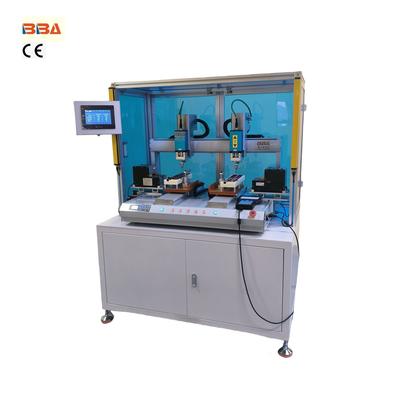
ชื่อผลิตภัณฑ์ อุตสาหกรรมที่ใช้งาน เครื่องขันสกรูอัตโนมัติ การประกอบชิ้นส่วนอิเล็กทรอนิกส์ยานยนต์ แนวทางปฏิบัติที่ดีที่สุดสำหรับการตั้งค่าไลน์ขันสกรูอัตโนมัติ body { font-family: Arial, sans-serif; line-height: 1.6; margin: 20px; } h1 { color: #2c3e50; font-size: 28px; margin-bottom: 20px; } h2 { color: #34495e; font-size: 22px; margin-top: 25px; margin-bottom: 15px; } p { margin-bottom: 15px; text-align: justify; } ul { margin-bottom: 15px; padding-left: 20px; } li { margin-bottom: 8px; } strong { color: #16a085; } แนวทางปฏิบัติที่ดีที่สุดสำหรับการตั้งค่าไลน์ขันสกรูอัตโนมัติ ในยุคของระบบอัตโนมัติในอุตสาหกรรม การนำไลน์ขันสกรูอัตโนมัติมาใช้เป็นขั้นตอนสำคัญเพื่อเพิ่มประสิทธิภาพการผลิต รักษาคุณภาพผลิตภัณฑ์ให้สม่ำเสมอ และลดต้นทุนการดำเนินงาน ระบบขันสกรูอัตโนมัติที่ตั้งค่าอย่างเหมาะสมจะช่วยลดข้อผิดพลาดจากมนุษย์ ลดความเครียดทางเออร์กอนมิกส์ของผู้ปฏิบัติงาน และเร่งวงจรการประกอบ อย่างไรก็ตาม การบรรลุประโยชน์เหล่านี้ต้องอาศัยการวางแผนและการดำเนินการอย่างรอบคอบ บทความนี้สรุปแนวทางปฏิบัติพื้นฐานสำหรับการตั้งระบบขันสกรูอัตโนมัติที่แข็งแกร่งและเชื่อถือได้ 1. การวิเคราะห์และวางแผนกระบวนการอย่างครอบคลุม ก่อนเลือกอุปกรณ์ใดๆ การวิเคราะห์กระบวนการประกอบที่มีอยู่อย่างละเอียดถี่ถ้วนเป็นสิ่งสำคัญที่สุด ระบุงานขันสกรูเฉพาะ รวมถึงประเภทของสกรูที่ใช้ (ความยาว เส้นผ่านศูนย์กลาง รูปแบบหัว) ค่าแรงบิดที่ต้องการ และการเข้าถึงจุดขัน พิจารณาปริมาณการผลิตและเป้าหมายเวลารอบ การทำแผนที่กระบวนการทั้งหมดช่วยในการกำหนดระดับระบบอัตโนมัติที่เหมาะสมที่สุด—ไม่ว่าจะเป็นเซลล์สถานีเดียว ระบบหลายสปินเดิล หรือไลน์หุ่นยนต์แบบบูรณาการเต็มรูปแบบที่เหมาะสมที่สุด ขั้นตอนพื้นฐานนี้ป้องกันการมองข้ามที่อาจมีค่าใช้จ่ายสูง และรับประาว่าคำตอบระบบอัตโนมัติสอดคล้องกับเป้าหมายการผลิตอย่างสมบูรณ์แบบ 2. การเลือกอุปกรณ์ที่เหมาะสม การเลือกฮาร์ดแวร์ที่เหมาะสมเป็นสิ่งสำคัญ อุปกรณ์หลักโดยทั่วไปรวมถึงเครื่องป้อนสกรูอัตโนมัติ ไขควงไฟฟ้าหรือนิวแมติก และมักจะเป็นแขนหุ่นยนต์หรือระบบคาร์ทีเซียนสำหรับการกำหนดตำแหน่ง เกณฑ์การเลือกหลักได้แก่: เครื่องป้อนสกรู: เลือกรุ่นเครื่องป้อนที่จัดการกับประเภทสกรูเฉพาะของคุณได้อย่างน่าเชื่อถือโดยไม่ติดขัด เครื่องป้อนแบบ Bowl เป็นที่นิยม แต่ระบบใหม่ที่ป้อนด้วยเทปแบบยืดหยุ่นสามารถยอดเยี่ยมสำหรับสกรูขนาดเล็กหรือบอบบาง ไขควง: เลือกไขควงที่สามารถให้การควบคุมแรงบิดที่แม่นยำและทำซ้ำได้ ไขควงไฟฟ้าเป็นที่ต้องการเนื่องจากความแม่นยำและความสามารถในการบันทึกข้อมูล ซึ่งจำเป็นสำหรับการติดตามย้อนกลับในงานที่สำคัญต่อคุณภาพ ระบบกำหนดตำแหน่ง: การเลือกระหว่างระบบอัตโนมัติแบบตายตัวและหุ่นยนต์ที่โปรแกรมได้ขึ้นอยู่กับความหลากหลายของชิ้นส่วน สำหรับการผลิตแบบ High-mix หุ่นยนต์ 6 แกนให้ความยืดหยุ่นที่เหนือกว่าเพื่อเข้าถึงหลายจุด 3. การรับประกันการนำเสนอชิ้นส่วนและความมั่นคงของFixture ระบบอัตโนมัติจะดีได้เท่ากับชิ้นงานที่มันทำงาน ชิ้นงานต้องถูกนำเสนอต่อหน่วยขันสกรูในตำแหน่งที่ทำซ้ำได้สูงและมั่นคง ลงทุนในฟิกซ์เจอร์และก้ามปูที่แม่นยำซึ่งยึดชิ้นส่วนอย่างปลอดภัย ป้องกันการเคลื่อนไหวใดๆ ในระหว่างกระบวนการขัน ชิ้นส่วนที่ไม่มั่นคงอาจนำไปสู่การขันสกรูผิดตำแหน่ง การเกลียวคด หรือความเสียหายต่อผลิตภัณฑ์และอุปกรณ์ สำหรับไลน์Based Conveyor 确保通过机械挡块或视觉引导系统实现精确定位 4. การบูรณาการระบบและการปรับเทียบอย่างละเอียด การบูรณาการเกี่ยวข้องกับการซิงโครไนซ์เครื่องป้อนสกรู ไขควง และระบบกำหนดตำแหน่งให้เป็นหน่วยที่เชื่อมโยงกัน ใส่ใจอย่างใกล้ชิดกับการจัดแนวระหว่างBitไขควงและสกรูที่เครื่องป้อนนำเสนอ แม้การจัดแนวผิดพลาดเล็กน้อยก็สามารถทำให้การหยิบสกรูล้มเหลวได้ ปรับเทียบการตั้งค่าแรงบิดสำหรับสกรูแต่ละประเภทตามข้อกำหนดทางวิศวกรรม และทำการทดสอบอย่างกว้างขวางเพื่อ建立ความเร็วและความลึกของไขควงที่เหมาะสมที่สุด การimplementเซ็นเซอร์สำหรับการยืนยัน—เช่น เซ็นเซอร์ presence เพื่อยืนยันการหยิบสกรู และมอนิเตอร์แรงบิดเพื่อตรวจสอบความแน่น—เป็นแนวปฏิบัติที่ขาดไม่ได้สำหรับการachievingการผลิต Zero-defect 5. การบำรุงรักษาที่แข็งแกร่งและการฝึกอบรมผู้ปฏิบัติงาน ไลน์ขันสกรูอัตโนมัติเป็นการลงทุนระยะยาวที่ต้องการการดูแลเชิงรุกเพื่อรักษาประสิทธิภาพสูงสุด สร้างตารางการบำรุงรักษาปกติที่รวมถึงการทำความสะอาด Bowl และ Track ของเครื่องป้อน ตรวจสอบBitไขควงเพื่อหาการสึกหรอ และตรวจสอบการปรับเทียบแรงบิด นอกจากนี้ ฝึกอบรมช่างบำรุงรักษาและผู้ปฏิบัติงานไลน์อย่างครอบคลุมเกี่ยวกับวิธีการoperateระบบ ดำเนินการแก้ไขปัญหาเบื้องต้น และระบุสัญญาณเริ่มต้นของปัญหาที่อาจเกิดขึ้นเช่น เครื่องป้อนติดขัดหรือความแม่นยำของแรงบิดลดลง บุคลากรที่มีอำนาจมีความสำคัญสำหรับการลด Downtime และรับประกันการดำเนินงานอย่างต่อเนื่อง สรุป การimplementไลน์ขันสกรูอัตโนมัติเป็นกลยุทธ์ที่ทรงพลังสำหรับการผลิตสมัยใหม่ โดยการปฏิบัติตามแนวทางปฏิบัติที่ดีที่สุดเหล่านี้—ตั้งแต่การวางแผนเริ่มต้นและการเลือกอุปกรณ์อย่างเข้มงวด ไปจนถึงFixturingที่มั่นคง การปรับเทียบที่แม่นยำ และการบำรุงรักษาที่ขยันขันแข็ง—บริษัทต่างๆ สามารถสร้างระบบที่ให้ความน่าเชื่อถือ คุณภาพ และประสิทธิภาพการผลิตที่เหนือกว่า ไลน์ขันสกรูอัตโนมัติที่ออกแบบมาดีไม่เพียงstreamlineการประกอบ แต่ยังกลายเป็นหลักสำคัญของการดำเนินการผลิตที่มีประสิทธิภาพและแข่งขันได้มากขึ้น
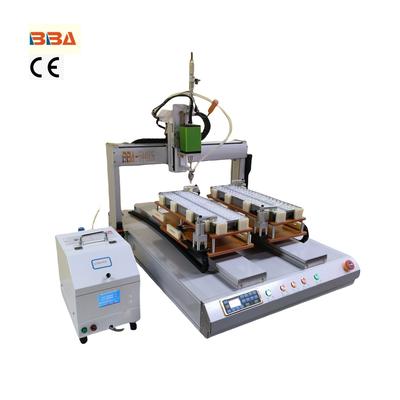
ในโลกของระบบอัตโนมัติทางอุตสาหกรรม กลไกการป้อนสกรูเป็นส่วนประกอบที่สำคัญแต่มักถูกมองข้ามในระบบการประกอบ กลไกเหล่านี้มีหน้าที่ในการส่งสกรูอย่างแม่นยำและมีประสิทธิภาพ เพื่อให้สายการผลิตทำงานอย่างราบรื่นและมีเวลาหยุดทำงานน้อยที่สุด นวัตกรรมล่าสุดในสาขานี้ได้เพิ่มความน่าเชื่อถือ ความเร็ว และความยืดหยุ่นของระบบการป้อนสกรูอย่างมีนัยสำคัญ ทำให้สามารถปรับตัวตามความต้องการที่เปลี่ยนแปลงไปของการผลิตสมัยใหม่ได้ดีขึ้น หนึ่งในความก้าวหน้าที่สำคัญที่สุดคือการพัฒนาระบบการป้อนสกรูแบบอัจฉริยะที่ใช้ระบบ visión แบบมีวิสัยทัศน์ ระบบดั้งเดิมมักใช้วิธีการทางกลหรือนิวแมติกเพื่อจัดแนวและป้อนสกรู ซึ่งอาจทำให้เกิดการอุดตันหรือการป้อนผิดพลาดได้ โดยเฉพาะกับสกรูขนาดเล็กหรือไม่มาตรฐาน ระบบสมัยใหม่มีการรวมกล้องความละเอียดสูงและอัลกอริธึมการเรียนรู้ของเครื่องเพื่อระบุและตรวจสอบการจัดแนวของสกรูแต่ละตัวก่อนที่จะส่งไปยังหุ่นยนต์หรือเครื่องมือประกอบ การตรวจสอบด้วยภาพนี้ลดอัตราความผิดพลาดลงอย่างมากและยังสามารถจัดการกับสกรูประเภทและขนาดต่างๆ ได้มากขึ้นโดยไม่ต้องเปลี่ยนชิ้นส่วนทางกลที่มีค่าใช้จ่ายสูง ระบบสามารถปรับตัวกับสกรูใหม่ได้ทันทีโดยเพียงอัปเดตพารามิเตอร์ซอฟต์แวร์ ซึ่งให้ความยืดหยุ่นที่ไม่มีใครเทียบได้สำหรับสภาพแวดล้อมการผลิตที่หลากหลาย นอกจากนี้ ความก้าวหน้าในเทคโนโลยีการขับเคลื่อนและการสั่นสะเทือนยังนำไปสู่กระบวนการป้อนที่มีประสิทธิภาพและนุ่มนวลมากขึ้น ตู้ป้อนแบบ Bowl Feeder รุ่นใหม่ใช้รูปแบบการสั่นสะเทือนที่ได้รับการปรับoptimize และวัสดุพื้นผิวที่ลดการสัมผัสระหว่างชิ้นส่วนและลดความเสี่ยงของการทำลายพื้นผิวหรือเกลียวสกรูที่บอบบาง ซึ่งมีความสำคัญอย่างยิ่งในอุตสาหกรรมเช่นอิเล็กทรอนิกส์หรือการผลิตอุปกรณ์ทางการแพทย์ ที่แม้แต่รอยขีดข่วนเล็กน้อยก็สามารถนำไปสู่ความล้มเหลวของผลิตภัณฑ์ได้ นอกจากนี้ การรวมเซอร์โวมอเตอร์แบบขับเคลื่อนโดยตรงแทนที่ระบบขับเคลื่อนแบบแม่เหล็กไฟฟ้าแบบดั้งเดิมช่วยให้สามารถควบคุมการเคลื่อนที่ในการป้อนได้ละเอียดยิ่งขึ้น ส่งผลให้การทำงานเงียบขึ้น การใช้พลังงานลดลง และความสามารถในการป้อนสกรูอย่างแม่นยำด้วยความเร็วสูง ซึ่งสอดคล้องกับความเร็วของสายการประกอบในปัจจุบัน การเชื่อมต่อและการวิเคราะห์ข้อมูลเป็นอีกแนวหน้าของนวัตกรรม กลไกการป้อนสกรูที่ทันสมัยในปัจจุบันได้ติดตั้งเซ็นเซอร์ IoT ที่ตรวจสอบเมตริกประสิทธิภาพหลัก เช่น อัตราการป้อน ความถี่ของการอุดตัน และแรงบิดของมอเตอร์แบบเรียลไทม์ ข้อมูลนี้จะถูกส่งไปยังระบบตรวจสอบกลางที่สามารถวิเคราะห์เพื่อคาดการณ์ความต้องการในการบำรุงรักษาก่อนที่ความล้มเหลวจะเกิดขึ้น ตัวอย่างเช่น การเพิ่มขึ้นของความต้านทานของมอเตอร์อย่างช้าๆ สามารถส่งสัญญาณว่าต้องการทำความสะอาด Bowl หรือมีการสึกหรอของชิ้นส่วน ซึ่งช่วยให้สามารถดำเนินการเชิงรุกในช่วงเวลาหยุดทำงานที่กำหนดไว้ การเปลี่ยนจากการบำรุงรักษาแบบ Reactive ไปเป็นแบบ Predictive นี้ไม่เพียงแต่ป้องกันการหยุดสายการผลิตที่เสียค่าใช้จ่ายสูง แต่ยังขยายอายุการทำงานของอุปกรณ์ให้ยาวนานขึ้น ซึ่งให้ผลตอบแทนจากการลงทุนที่สำคัญ สุดท้าย การผลักดันเพื่อความยืดหยุ่นที่มากขึ้นได้นำไปสู่การออกแบบการป้อนสกรูแบบโมดูลาร์และแบบ Lean แทนที่จะใช้ระบบป้อนขนาดใหญ่แบบรวมศูนย์ ผู้ผลิตกำลังนำหน่วยแบบกระจายอำนาจที่มีขนาดกะทัดรัดมาใช้ ซึ่งสามารถวางได้โดยตรงที่จุดใช้งานบนสายการประกอบ โมดูลเหล่านี้ง่ายต่อการรวมและสามารถเปลี่ยนหรือปรับเปลี่ยนใหม่สำหรับผลิตภัณฑ์ต่างๆ ได้อย่างรวดเร็ว แนวทางแบบโมดูลาร์นี้สนับสนุนแนวโน้ม towards การผลิตแบบ Lean และการปรับแต่งแบบ Mass ทำให้โรงงานสามารถเปลี่ยนระหว่างผลิตภัณฑ์ต่างๆ ได้อย่างรวดเร็วโดยไม่ต้องหยุดการผลิตเพื่อเปลี่ยนเครื่องมือใหม่ทั้งหมด สรุปแล้ว นวัตกรรมในกลไกการป้อนสกรูกำลังเปลี่ยนแปลงระบบอัตโนมัติในการประกอบอย่างถึงรากฐาน ผ่านการรวมระบบ visión ของเครื่อง ระบบขับเคลื่อนขั้นสูง การเชื่อมต่อ IoT และการออกแบบแบบโมดูลาร์ ระบบเหล่านี้กำลัง變得ฉลาดขึ้น มีประสิทธิภาพมากขึ้น และปรับตัวได้ดีขึ้น การปรับปรุงเหล่านี้มีความสำคัญสำหรับผู้ผลิตที่ต้องการเพิ่มผลผลิต เพิ่มคุณภาพผลิตภัณฑ์ และรักษาขีดความสามารถในการแข่งขันในสภาพแวดล้อมทางอุตสาหกรรมที่เปลี่ยนแปลงได้ ชื่อผลิตภัณฑ์ อุตสาหกรรมที่適用 CNC Screw Fastener สายการประกอบเครื่องมือไฟฟ้า
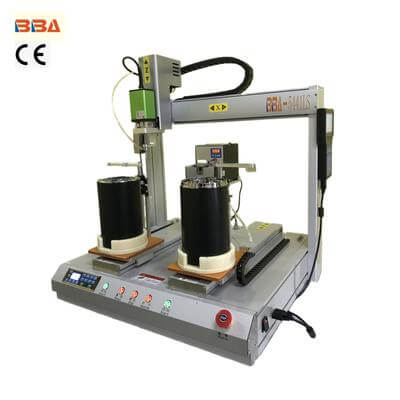
ชื่อผลิตภัณฑ์ อุตสาหกรรมที่ใช้ หุ่นยนต์ไขควงเซอร์โว อุตสาหกรรมอิเล็กทรอนิกส์และยานยนต์ ส่วนประกอบของเครื่องประกอบสกรูอัตโนมัติเต็มรูปแบบ เครื่องประกอบสกรูอัตโนมัติเต็มรูปแบบเป็นสิ่งสำคัญในอุตสาหกรรมการผลิตสมัยใหม่ โดยให้ความแม่นยำ ความเร็ว และความน่าเชื่อถือ เครื่องเหล่านี้ปรับปรุงกระบวนการประกอบโดยการขับสกรูเข้าสู่ผลิตภัณฑ์โดยอัตโนมัติโดยไม่ต้องมีการแทรกแซงของมนุษย์ การทำความเข้าใจส่วนประกอบหลักของระบบเหล่านี้สามารถช่วยให้ธุรกิจเพิ่มประสิทธิภาพสายการผลิตและปรับปรุงประสิทธิภาพ 1. ตัวป้อนสกรู: ตัวป้อนสกรูมีหน้าที่จ่ายสกรูไปยังเครื่องมือขับสกรู โดยใช้การสั่นสะเทือนหรือการเคลื่อนที่แบบหมุนเพื่อจัดแนวและขนส่งสกรูจากแหล่งรวมไปยังกลไกการขับสกรู ซึ่งช่วยให้การไหลของสกรูต่อเนื่องและสม่ำเสมอ ลดเวลาหยุดทำงาน 2. เครื่องมือขับสกรู: ส่วนประกอบนี้เป็นหัวใจของเครื่อง ประกอบด้วยตัวขับเคลื่อนแบบมอเตอร์ที่หยิบสกรูจากตัวป้อนและขันเข้าไปในผลิตภัณฑ์ เครื่องมือสามารถปรับค่าแรงบิดและความลึกได้ เพื่อให้มั่นใจว่าสกรูแต่ละตัวถูกขับด้วยความแม่นยำ 3. หน่วยควบคุม: ตัวควบคุมทำหน้าที่เป็นสมองของระบบ จัดการการทำงานของตัวป้อนและเครื่องมือขับสกรู ตรวจสอบประสิทธิภาพ และอนุญาตให้ผู้ใช้ตั้งค่าพารามิเตอร์ เช่น จำนวนสกรู แรงบิด และความเร็ว ตัวควบคุมขั้นสูงอาจรวมอินเทอร์เฟซหน้าจอสัมผัสเพื่อการใช้งานที่ง่าย 4. ระบบวิสัยทัศน์: เครื่องสมัยใหม่หลายเครื่องรวมระบบวิสัยทัศน์เพื่อตรวจสอบการวางตำแหน่งสกรู กล้องและเซ็นเซอร์ตรวจจับสกรูที่ผิดตำแหน่งหรือขาดหายไป เพื่อให้มั่นใจในการควบคุมคุณภาพและลดข้อผิดพลาดในกระบวนการประกอบ 5. ระบบสายพานลำเลียง: สำหรับการผลิตแบบอินไลน์ ระบบสายพานลำเลียงจะขนส่งผลิตภัณฑ์ผ่านสถานีประกอบ โดยประสานงานกับเครื่องมือขับสกรูเพื่อให้มั่นใจในตำแหน่งที่ถูกต้องและการจัดการที่มีประสิทธิภาพ 6. คุณลักษณะด้านความปลอดภัย: เครื่องอัตโนมัติเต็มรูปแบบรวมกลไกความปลอดภัย เช่น ปุ่มหยุดฉุกเฉิน เกราะป้องกัน และเซ็นเซอร์ เพื่อป้องกันอุบัติเหตุและปกป้องผู้ปฏิบัติงาน โดยการรวมส่วนประกอบเหล่านี้ เครื่องประกอบสกรูอัตโนมัติเต็มรูปแบบช่วยเพิ่มผลผลิต ลดต้นทุนแรงงาน และรับประกันคุณภาพที่สม่ำเสมอ โดยใช้กันอย่างแพร่หลายในอุตสาหกรรมต่างๆ เช่น อิเล็กทรอนิกส์ ยานยนต์ และการผลิตสินค้าอุปโภคบริโภค การลงทุนในระบบประกอบสกรูอัตโนมัติที่ออกแบบมาอย่างดีสามารถเพิ่มขีดความสามารถในการผลิตของคุณได้อย่างมาก และช่วยให้คุณสามารถแข่งขันในสภาพแวดล้อมอุตสาหกรรมที่เปลี่ยนแปลงอย่างรวดเร็ว