8618566785362 8618566785362 8618566785362 phoenix08@bbamachine.com
- All
- Product Name
- Product Keyword
- Product Model
- Product Summary
- Product Description
- Multi Field Search

body { font-family: Arial, sans-serif; line-height: 1.6; color: #333; margin: 20px; } h1 { color: #2c3e50; font-size: 28px; margin-bottom: 20px; } h2 { color: #34495e; font-size: 22px; margin-top: 25px; margin-bottom: 15px; } p { margin-bottom: 15px; text-align: justify; } ul { margin-bottom: 15px; padding-left: 20px; } li { margin-bottom: 8px; } strong { color: #16a085; } 最大运行时间的维护计划 在工业自动化领域,计划外停机是对生产力和盈利能力最严重的威胁之一。仅仅一小时的停产就可能导致巨大的财务损失并扰乱整个供应链。降低这种风险的关键不在于被动修复,而在于采取积极主动的战略方法:一个为最大运行时间而精心设计的维护计划。 主动维护的关键作用 被动维护,即仅在设备故障后进行修复,是一种成本高昂且效率低下的策略。它会导致不可预测的故障、紧急维修和长时间的生产停滞。相比之下,主动维护计划将范式从故障响应转变为故障预防。该策略涉及根据时间间隔或实际设备使用数据定期进行巡检、保养和部件更换。主要目标是在潜在问题升级为重大故障之前识别并解决它们,从而确保持续运行并保护您的宝贵资产。 有效维护计划的关键要素 创建一个真正能最大化运行时间的维护计划需要的不仅仅是随机检查。它应该是一个全面的、根据您的具体操作量身定制的动态文件。 资产关键性分析:并非所有设备都同等重要。首先根据设备对生产的影响进行分类。故障会导致整条生产线停机的关键资产应优先安排最严格的维护程序。 利用预测性技术:通过集成状态监测工具,超越传统的基于时间的计划。振动分析、热成像和超声波测试可以提供设备健康状况的实时数据,使您能够在恰好需要时进行维护——既不过早,也绝不滞后。 详细的任务清单和程序:每个计划的维护事件都应有一个明确的任务清单,包括从目视检查和润滑到校准和部件更换。标准化这些程序可确保一致性和完整性,避免出错。 零部件和库存管理:如果所需零件无法获得,计划就毫无用处。围绕管理良好的关键备件库存来规划维护,以避免延长停机时间的等待期。 文档记录和持续改进:每一次维护行动都应被记录下来。这些历史数据对于跟踪资产性能、识别反复出现的问题以及改进未来的计划以提高其有效性具有无可估量的价值。 实施与最佳实践 实施新的维护策略是一种文化转变,需要组织各级人员的认同。首先在几条关键生产线上试点该计划以证明其价值。利用现代化的计算机化维护管理系统(CMMS)来自动化工作指令、跟踪历史记录并高效管理资源。最重要的是,对您的技术人员进行全面的培训。他们必须理解计划背后的“原因”,并具备执行高级诊断和程序的技能。最后,定期审查和调整计划。生产需求会变化,技术会发展,您的维护计划必须足够动态以适应这些变化。 结果:持续的生产力和长期价值 投入时间和资源制定一个严谨的维护计划会带来巨大的回报。最直接的好处是计划外停机时间的大幅减少,从而提高整体设备效率(OEE)、增加产出并提供更可靠的交付时间。此外,维护良好的设备运行效率更高,能耗更低,运营成本也随之降低。它还延长了您的资本投资的使用寿命,推迟了昂贵的更换。最终,一个健全的维护计划不是一项开支;它是构建一个具有韧性、竞争力和盈利能力的制造业务的战略基石。 产品名称 适用行业 自动螺丝送料机 LED照明行业
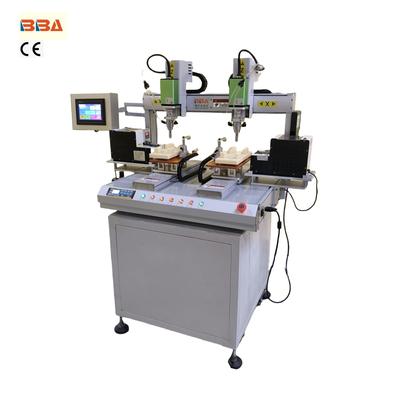
body { font-family: Arial, sans-serif; line-height: 1.6; margin: 20px; color: #333; } h1 { color: #0056b3; font-size: 28px; margin-bottom: 20px; } h2 { color: #003366; font-size: 22px; margin-top: 25px; margin-bottom: 15px; } p { margin-bottom: 15px; text-align: justify; } ul { margin-top: 10px; margin-bottom: 15px; padding-left: 20px; } li { margin-bottom: 8px; } .highlight { background-color: #f0f8ff; padding: 15px; border-radius: 5px; margin: 20px 0; } .keyword { font-weight: bold; color: #0056b3; } 多轴系统的增值服务 在快速发展的工业自动化领域,多轴运动控制系统已成为现代制造业的基石。这些精密系统通过同时协调多个轴的运动,正在以无与伦比的精度和效率彻底改变复杂任务的执行方式。然而,这些系统的真正威力不仅在于硬件本身,更在于通过全面的增值服务套件确保最佳性能、延长使用寿命并实现快速投资回报。 超越硬件:集成服务的关键作用 部署多轴系统远非简单的即插即用操作。同步电机、驱动器和控制器所需的复杂性要求专业的系统集成服务。专业集成服务可确保所有组件完美协同工作,并根据您的独特应用场景进行定制——无论是精密机器人装配、高速包装还是精密加工。这项基础性服务可降低风险、缩短启动时间,并保证系统从第一天起就能按设计规格运行。 定制化编程与应用工程 每个制造流程都有其独特的要求。现成的软件解决方案往往无法满足特定需求。这正是定制编程和应用工程的价值所在。专家可以开发量身定制的软件程序,优化路径规划,缩短周期时间,并实现复杂的运动曲线。这种深度的定制化增强了灵活性,能够执行高度专业化的任务,从而获得显著的竞争优势。 关键增值服务包括: 全面系统设计与仿真:在物理实施前对整个系统进行虚拟建模,以预测性能、识别潜在问题并验证概念。 高级培训与知识转移:赋能您的员工有效操作、维护和排查系统故障,最大限度提高运行时间和生产效率。 预测性维护与远程诊断:利用连接技术监控系统健康状况,预测维护需求,并通常通过远程方式解决问题,防止代价高昂的意外停机。 技术支持与生命周期管理:提供从故障排除到升级的持续支持,确保您的系统能够随着生产需求和技术进步而同步发展。 推动运营卓越与未来保障 对多轴系统的投资是重大的,保护这项投资至关重要。增值服务是未来保障自动化资产的关键。通过持续支持和更新,您的系统能够适应新产品、新工艺和新技术。这种方法将资本支出转变为长期战略合作伙伴关系,专注于推动持续运营卓越、提高整体设备效率(OEE)并维持稳健的盈利能力。 总之,虽然多轴系统提供了实现先进自动化的机械手段,但真正发挥其承诺潜力的正是增值服务层。这些服务确保了无缝集成、定制化操作和持续性能,将复杂技术转化为推动您制造成功的可靠而强大的驱动力。 产品名称 适用行业 螺丝锁付机器人 通信设备装配
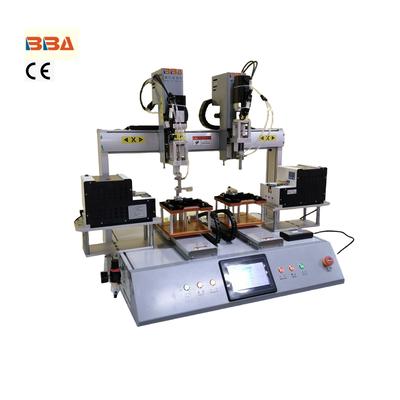
Product NameApplicable industriesSmart Screw Driving MachineToy and Game Console ProductionCombining Dispensing and Robotic Screw DrivingIn the rapidly evolving landscape of industrial automation, integrating multiple processes into a single, streamlined operation has become a key strategy for enhancing efficiency, precision, and productivity. One of the most impactful integrations is the combination of dispensing and robotic screw driving technologies. This synergy not only optimizes manufacturing workflows but also opens new possibilities for innovation and quality assurance.Dispensing systems are widely used in industries such as electronics, automotive, and consumer goods for applying adhesives, sealants, lubricants, and other materials with high accuracy. Meanwhile, robotic screw driving automates the fastening process, ensuring consistent torque and reducing the risk of human error. By merging these two functions into a cohesive unit, manufacturers can achieve a seamless assembly process that minimizes handling, reduces cycle times, and improves overall product reliability.Benefits of IntegrationThe integration of dispensing and robotic screw driving offers several compelling advantages. First, it eliminates the need for separate workstations, saving valuable floor space and reducing material transfer between stages. This consolidation leads to a more compact production line and lower operational costs.Second, combining these processes enhances precision and repeatability. For instance, in applications where adhesives are used alongside mechanical fasteners, the robotic system can first dispense the exact amount of adhesive required and then immediately drive the screw into place. This ensures optimal bonding and fastening without delays or misalignments that might occur if the processes were separated.Third, this integration supports better quality control. With sensors and vision systems often embedded in modern automation equipment, the combined system can verify the presence and correct application of adhesives, as well as monitor screw driving parameters such as torque and depth. Any deviations can be detected in real-time, allowing for immediate corrections and reducing the likelihood of defects.Applications Across IndustriesThe versatility of combined dispensing and screw driving makes it suitable for a wide range of applications. In the electronics industry, for example, it is used to assemble devices where components must be both glued and screwed for added security and vibration resistance. Automotive manufacturers employ this technology for installing interior panels, sensors, and electrical modules that require sealing and fastening. Similarly, in aerospace and medical device production, where precision and reliability are critical, integrated systems ensure compliance with stringent standards.Moreover, the flexibility of robotic automation allows for easy adaptation to different product designs and volumes. Whether for high-volume mass production or customized, low-volume batches, the system can be programmed to handle varying dispensing patterns and screw types with minimal changeover time.Future OutlookAs industries continue to embrace smart manufacturing and Industry 4.0 principles, the integration of dispensing and robotic screw driving is expected to become even more sophisticated. Advances in artificial intelligence and machine learning will enable predictive maintenance, self-optimization, and greater autonomy. Additionally, the rise of collaborative robots (cobots) will make these integrated systems more accessible to small and medium-sized enterprises, further democratizing advanced automation.In conclusion, the combination of dispensing and robotic screw driving represents a significant step forward in industrial automation. By unifying these processes, manufacturers can achieve higher efficiency, improved product quality, and greater flexibility. As technology continues to evolve, this integration will undoubtedly play a pivotal role in shaping the future of manufacturing.
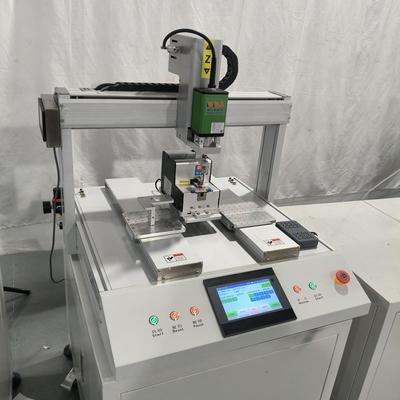
产品名称 适用行业 桌面式螺丝锁付机器人 LED照明行业 全球工业格局正在经历深刻变革,自动化技术的日益普及推动了这一转变。其中,自动化紧固系统已成为关键组成部分,彻底改变了多个领域的装配流程。随着对更高效率、改进质量和降低运营成本的需求增长,这些系统的需求正显著提升。 自动化紧固系统涵盖多种解决方案,包括机器人螺丝锁付、螺母拧紧和精密紧固应用。这些系统旨在以无与伦比的准确性和一致性处理重复性任务,消除人为错误并提高整体生产效率。在汽车、电子、航空航天和消费品等行业,集成自动化紧固技术已成为保持竞争优势的关键。 需求增长的主要驱动力之一是对精度的不懈追求。手动紧固过程本身存在变异性,往往导致扭矩应用不一致,可能影响产品质量和安全性。然而,自动化系统确保每个紧固件都按照精确规格应用,降低了缺陷和召回的风险。这种可靠性在安全和性能至关重要的行业中尤为关键。 另一个推动需求增长的关键因素是扩展性的需求。随着市场演变和生产量波动,制造商需要能够适应变化需求的灵活解决方案。自动化紧固系统提供了处理多样化产品设计和生产率的灵活性,无需重大重新配置。这种适应性使公司能够快速响应市场需求,同时优化资源利用。 劳动力短缺和劳动力成本上升也在推动行业投资自动化。通过部署自动化紧固系统,制造商可以减少对人工的依赖,缓解劳动力挑战的影响,并将人力资源重新分配到更具附加值的任务上。这种转变不仅提高了运营效率,还通过减少重复性和体力要求高的工作来提升员工满意度。 技术进步进一步加速了自动化紧固系统的采用。视觉引导机器人、智能扭矩控制和物联网监控等创新提升了这些系统的能力。实时数据收集和分析实现了预测性维护,最大限度地减少了停机时间,并为流程优化提供了宝贵见解。这些智能功能正在将紧固从一项普通任务转变为制造生态系统中的战略功能。 全球对可持续性的推动也在影响自动化紧固解决方案的需求。通过精确应用优化材料使用和减少浪费,这些系统有助于更环保的制造实践。此外,现代自动化设备的能源效率与企业可持续发展目标一致,使其成为有远见组织的吸引投资。 总之,随着行业认识到其多方面的好处,全球对自动化紧固系统的需求将继续增长。从提高精度和扩展性到应对劳动力挑战和支持可持续发展倡议,这些系统对制造业的未来至关重要。随着技术的不断发展,自动化紧固无疑将在塑造全球高效、可靠和创新的工业流程中发挥更关键的作用。
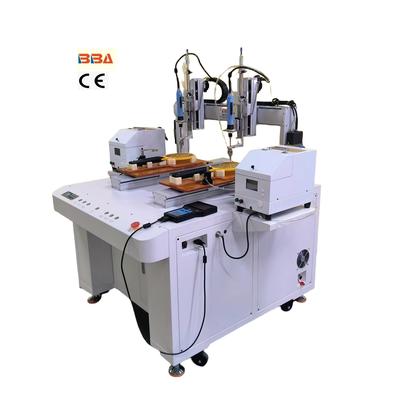
body { font-family: Arial, sans-serif; line-height: 1.6; color: #333; margin: 20px; } h1 { color: #0056b3; font-size: 28px; margin-bottom: 15px; } h2 { color: #004a93; font-size: 22px; margin-top: 25px; margin-bottom: 10px; } p { margin-bottom: 15px; } ul, ol { margin-bottom: 15px; margin-left: 20px; } li { margin-bottom: 5px; } strong { color: #0056b3; } Cost-Benefit Analysis of Screw Locking Automation In the competitive landscape of modern manufacturing, efficiency, reliability, and cost control are paramount. One critical yet often overlooked process is screw locking—the application of thread-locking adhesives to fasteners to prevent loosening under vibration and stress. While traditionally a manual operation, automating this process presents a significant opportunity for operational improvement. This article provides a comprehensive cost-benefit analysis of implementing screw locking automation, highlighting the tangible and intangible advantages for manufacturing operations. Understanding the Initial Investment The decision to automate any process begins with a clear understanding of the initial capital expenditure. For screw locking automation, this includes the cost of the automated dispensing systems, which may range from benchtop units for lower-volume applications to fully integrated robotic cells for high-speed production lines. Additional costs often involve system integration into existing assembly workflows, potential facility modifications, and operator training programs. While this upfront investment can be substantial, it is crucial to view it through the lens of long-term return and total cost of ownership. Quantifying the Tangible Benefits and Cost Savings The financial advantages of automation are typically realized through direct cost savings and increased productivity. Key areas of impact include: Labor Cost Reduction: Manual screw locking is repetitive, time-consuming, and requires consistent operator attention. Automation significantly reduces the labor hours dedicated to this task, allowing personnel to be redeployed to higher-value, more complex operations, thereby optimizing labor costs. Enhanced Throughput and Yield: Automated systems operate at consistently high speeds without fatigue, directly increasing the throughput of your assembly line. Furthermore, they drastically reduce human error, such as missed fasteners or incorrect adhesive application. This improvement in first-pass yield minimizes costly rework, scrap, and potential field failures. Material Savings: Precision automated dispensers apply a consistent, measured amount of thread-locker every time. This eliminates the waste and variability associated with manual application, leading to direct savings on consumable material costs over time. Improved Quality and Reliability: The consistent application ensures every fastener is secured to the exact same specification, enhancing the overall quality and long-term reliability of the final product. This reduces warranty claims and protects brand reputation. Evaluating the Intangible Strategic Advantages Beyond the easily quantifiable savings, automation offers strategic benefits that strengthen a company's market position: Workplace Safety and Ergonomics: Automating a repetitive manual task reduces the risk of repetitive strain injuries among operators, creating a safer work environment and potentially lowering associated insurance costs. Production Scalability and Flexibility: Automated systems can be programmed for different products and batch sizes, providing the flexibility to adapt quickly to changing market demands and production schedules without significant retooling or retraining delays. Data and Traceability: Modern automation systems provide valuable data on the production process, including output counts, error rates, and material usage. This data is essential for process optimization, traceability, and continuous improvement initiatives. Conducting Your Own Analysis A thorough cost-benefit analysis for your specific operation should involve calculating the Total Cost of Ownership (TCO) of the automation system against the projected savings. Factor in the initial investment, ongoing maintenance costs, and the projected savings from labor, material, quality improvements, and reduced downtime. The payback period—the time it takes for the savings to equal the initial investment—is a key metric. For many companies, automation projects for processes like screw locking demonstrate a compelling ROI, with payback periods often achievable within a few years, followed by ongoing annual savings. In conclusion, while the path to automation requires careful planning and investment, the financial and operational benefits of automating the screw locking process are clear. From direct cost savings and quality enhancements to improved safety and scalability, the advantages contribute significantly to building a more efficient, reliable, and competitive manufacturing operation. A detailed, company-specific analysis is the most effective way to validate these benefits and build a strong business case for automation. Product Name Applicable industries Screw Locking Robot Electric Bicycle Assembly
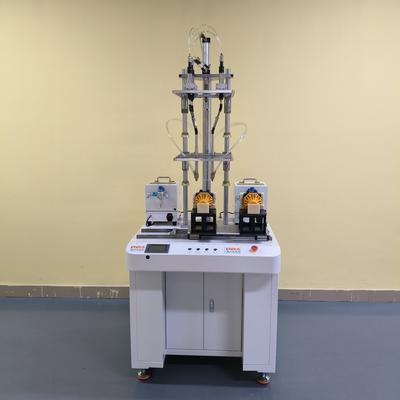
In the fast-paced world of manufacturing, efficiency and precision are paramount. One tool that has revolutionized assembly lines across industries is the automatic screw feeder. These systems are designed to streamline the screwdriving process, offering a multitude of benefits that directly impact productivity, quality, and operational costs. For any company involved in assembly or production, integrating automatic screw feeders is a significant step toward modernizing and optimizing their workflow. First and foremost, automatic screw feeders dramatically increase production speed. Manual screwdriving is a time-consuming and repetitive task prone to human fatigue. Operators must pick up each screw, position it, and drive it in—a process that slows down the entire line. Automatic feeders eliminate these steps by presenting screws correctly oriented and ready to be driven at the push of a button or trigger. This continuous feeding allows operators to focus on placement and activation, cutting cycle times and enabling a much higher output. In high-volume manufacturing environments, this boost in speed is a game-changer, allowing businesses to meet demanding deadlines and scale production effortlessly. Beyond speed, these systems greatly enhance consistency and product quality. Human operators can make mistakes—cross-threading, over-torquing, or under-torquing screws are common issues that lead to product defects, rework, and potential failures. Automatic screw feeders are often integrated with precision electric or pneumatic screwdrivers that apply a pre-set torque consistently for every single screw. This ensures every joint is perfectly fastened according to specifications, drastically reducing the defect rate. The result is a more reliable final product, improved customer satisfaction, and a stronger brand reputation for quality. Another critical advantage is the notable improvement in worker safety and ergonomics. Repetitive strain injuries (RSIs) in the wrists, hands, and shoulders are a significant concern for workers performing manual screwdriving tasks thousands of times a day. Automatic feeders reduce the repetitive motions of picking and positioning screws, minimizing physical strain and the risk of RSIs. This leads to a healthier, more comfortable workforce, lower absenteeism, and reduced costs associated with workplace injuries. Furthermore, it boosts operator morale, as employees can engage in more value-added and less monotonous work. From a cost perspective, the investment in automatic screw feeding technology quickly pays for itself. While there is an initial capital outlay, the returns are substantial. The combination of higher throughput, reduced labor costs per unit, fewer defects requiring rework or scrap, and lower costs from injury-related downtime contributes to a very attractive return on investment (ROI). Additionally, these systems help reduce material waste by ensuring screws are not dropped or lost during handling, contributing to a leaner and more cost-effective operation. Finally, automatic screw feeders offer remarkable flexibility. Modern systems can be configured to handle a wide variety of screw sizes and types, from tiny M1 screws to larger fasteners. They can be mounted on benches, integrated into automated assembly robots, or even used in portable units for larger products. This adaptability makes them suitable for a diverse range of applications, from electronics and automotive assembly to consumer appliances and medical device manufacturing. In conclusion, the benefits of using automatic screw feeders in manufacturing are clear and compelling. They are not merely a convenience but a strategic tool for any business seeking a competitive edge. By delivering unmatched speed, unwavering consistency, enhanced workplace safety, and a strong financial return, automatic screw feeders have become an indispensable component of the modern, efficient, and high-quality manufacturing floor. Product Name Applicable industries Auto Screwdriver Machine Smart Wearables Production
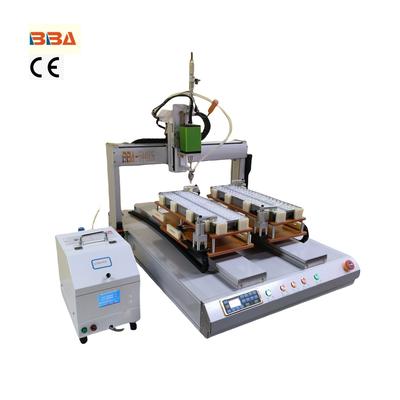
Product Name Applicable industries Servo Screwdriver Robot Electric Bicycle Assembly body { font-family: Arial, sans-serif; line-height: 1.6; margin: 20px; } h2 { color: #2c3e50; } h3 { color: #3498db; margin-top: 20px; } p { margin-bottom: 15px; } ul { margin-bottom: 15px; padding-left: 20px; } li { margin-bottom: 8px; } strong { color: #e74c3c; } How to Train Staff on Screw Tightening Machines Effective training is crucial for maximizing productivity, ensuring product quality, and maintaining a safe working environment when using industrial screw tightening machines. A well-trained operator can significantly reduce error rates, minimize machine downtime, and prevent costly rework. This guide outlines a comprehensive approach to training your staff on these essential pieces of equipment. 1. Foundational Knowledge: The Theory Behind the Tool Before an operator ever touches a machine, they must understand the fundamental principles. Begin with classroom-style sessions covering: The Importance of Precision: Explain how correct torque and angle directly impact product integrity, safety, and performance. Machine Components: Break down the key parts of the screw tightening machine, including the controller, motor, spindle, and tooling. Key Terminology: Ensure everyone is fluent in terms like torque (Nm, lbf-in), angle, yield, and rundown. Clarify the difference between hard joints and soft joints. Error Codes & Diagnostics: Introduce common error messages and their meanings. This empowers operators to understand what the machine is communicating. 2. Hands-On Practical Training Theoretical knowledge must be cemented with practical, supervised experience. This phase should be conducted in a controlled training environment. Machine Setup & Changeover: Train staff on how to safely install and change bits, adjust fixtures, and select the correct program for a specific task. Running a Cycle: Demonstrate the entire process, from placing the component and positioning the tool to initiating the tightening cycle. Emphasize ergonomic handling to prevent strain. Verification and Quality Control: Show operators how to verify a successful tightening cycle using the machine's data output. Introduce them to using manual torque testers for periodic audits. Basic Troubleshooting: Guide them through resolving common issues like cross-threading, missed screws, or error alarms. Teach them the "stop, assess, report" procedure for more complex faults. 3. Emphasizing Safety Above All Else Safety training is non-negotiable. Every operator must be aware of the potential hazards. Personal Protective Equipment (PPE): Mandate and provide safety glasses, hearing protection, and gloves where appropriate. Pinch Points and Ergonomics: Clearly identify all machine pinch points. Train on proper posture and handling techniques to avoid repetitive strain injuries. Emergency Procedures: Ensure everyone knows the location and operation of emergency stop buttons and understands lockout/tagout (LOTO) procedures for maintenance. 4. Leveraging Technology for Enhanced Learning Modern screw tightening machines are data-rich. Use this to your advantage. Data Monitoring: Train supervisors and operators on how to interpret process data and histograms. This turns abstract concepts into visible results, showing the spread of torque values and identifying out-of-spec results. Simulation Mode: Utilize the machine’s simulation or training mode to allow practice without consuming actual components or affecting production statistics. 5. Documentation and Continuous Improvement Training should not be a one-time event. Create a culture of continuous learning. Create Accessible SOPs: Develop clear, visual Standard Operating Procedures (SOPs) that are readily available at the workstation. Certification Program: Implement a formal certification process where operators must demonstrate competency in both theory and practice to be qualified to use the machine independently. Refresher Courses: Schedule periodic refresher training to address bad habits, introduce new features, and reinforce safety protocols. Investing in a structured, multi-stage training program for screw tightening machines is an investment in your company's efficiency, quality, and most importantly, the safety of your workforce. By building a foundation of knowledge, providing ample hands-on practice, and fostering a culture of continuous improvement, you will empower your operators to become proficient and valuable contributors to your production process.
Product Name Applicable industries CNC Screw Fastener PCB and Circuit Board Assembly body { font-family: Arial, sans-serif; line-height: 1.6; color: #333; margin: 20px; } h1 { color: #0056b3; font-size: 28px; margin-bottom: 20px; } h2 { color: #003366; font-size: 22px; margin-top: 25px; margin-bottom: 15px; } p { margin-bottom: 15px; text-align: justify; } ul { margin-bottom: 15px; padding-left: 20px; } li { margin-bottom: 8px; } .highlight { background-color: #f5f5f5; padding: 15px; border-radius: 5px; margin: 20px 0; } Intelligent Feeding Systems for Continuous Fastening In the realm of industrial automation, efficiency and precision are paramount. The advent of Intelligent Feeding Systems has revolutionized the way manufacturing and assembly lines handle continuous fastening processes. These advanced systems are designed to streamline operations, reduce downtime, and enhance overall productivity by ensuring a seamless and reliable supply of fasteners such as screws, bolts, and rivets to automated tools. The Core Technology Behind Intelligent Feeding Intelligent Feeding Systems integrate sophisticated technologies to deliver fasteners with unparalleled accuracy and speed. At the heart of these systems are high-precision vibratory bowls or centrifugal feeders that orient and feed components correctly. Coupled with advanced sensors and vision systems, they can detect and reject defective or misoriented parts in real-time, preventing jams and ensuring only perfect fasteners reach the point of use. Modern systems are equipped with IoT connectivity and data analytics capabilities. This allows for continuous monitoring of feeding performance, predictive maintenance alerts, and remote troubleshooting. By analyzing data on feed rates, jam occurrences, and component quality, these systems can self-optimize, reducing unplanned stoppages and maintenance costs significantly. Key benefits of implementing an Intelligent Feeding System include a dramatic reduction in manual intervention, a decrease in fastener waste, and a substantial improvement in the overall equipment effectiveness (OEE) of the production line. Enhancing Flexibility and Scalability Today's manufacturing demands require systems that are not only efficient but also highly adaptable. Intelligent Feeding Systems are designed with modularity in mind, allowing for quick changeovers between different fastener types and sizes. This flexibility is crucial for production lines that handle high-mix, low-volume batches, enabling manufacturers to respond swiftly to changing market demands without costly retooling or extended downtime. Scalability is another critical advantage. Whether integrated into a single workstation or a complex multi-station assembly cell, these systems can be easily expanded or reconfigured. This ensures that as production volumes grow or new product lines are introduced, the feeding technology can grow accordingly, protecting the initial investment and future-proofing the operation. Driving Quality and Consistency Consistent quality in fastening is non-negotiable for product integrity and safety. Intelligent Feeding Systems play a pivotal role in achieving this by guaranteeing that the right fastener is delivered at the right time and in the correct orientation. This eliminates human error and variability, leading to a dramatic reduction in defects related to missed, cross-threaded, or improperly torqued fasteners. The integration of these systems with smart electric torque tools further enhances quality control. The feeding system can communicate directly with the tool, providing data on the fastener being delivered and confirming its specifications. This closed-loop process ensures every joint is completed to exact engineering specifications, with all data recorded for full traceability and compliance. In conclusion, Intelligent Feeding Systems for continuous fastening are no longer a luxury but a necessity for modern industrial automation. They represent a significant leap forward in creating smarter, more connected, and more efficient manufacturing environments. By investing in this intelligent technology, companies can secure a formidable competitive advantage through superior productivity, unmatched quality, and remarkable operational agility.