8618566785362 8618566785362 8618566785362 phoenix08@bbamachine.com
- All
- Product Name
- Product Keyword
- Product Model
- Product Summary
- Product Description
- Multi Field Search

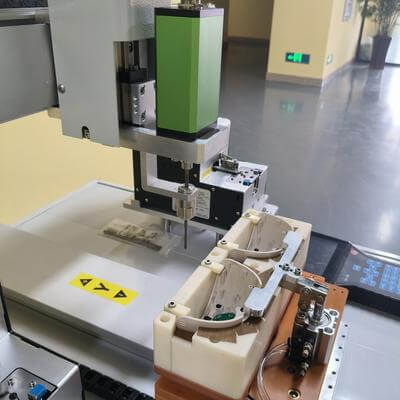
在工业自动化领域,可靠性至关重要。影响机械性能最常见却又最易被忽视的问题之一就是螺丝松动。振动、热循环和动态负载会导致紧固件随时间推移而松动,进而引发设备故障、意外停机和安全隐患。传统方法如手动螺纹锁固或机械锁紧装置不仅耗时且效果不稳定。这正是螺丝锁固自动化提供变革性解决方案的意义所在。 螺丝锁固自动化将先进机器人系统与精密点胶技术相结合,实现螺纹锁固剂的精准高效涂覆。这些自动化系统能够识别紧固件、精确施加锁固化合物并按所需扭矩拧紧螺丝——全程无需人工干预。流程始于视觉系统或传感器定位每个螺丝,随后机械臂将点胶头定位至紧固件上方,向螺纹部注入受控剂量的液体螺纹锁固剂(如厌氧胶),最后将螺丝驱动至规范要求,确保锁固过程的一致性与可靠性。 自动化带来的优势是实质性的。首先,它消除了人为错误。手动涂覆可能导致粘合剂过量或不足,污染周边部件或无法可靠固定螺丝。自动化系统每次都能施加相同剂量的化合物,确保 uniformity。其次,它提升了生产效率。机器人能以高速作业,每小时可处理数百个螺丝,显著减少装配时间和人力成本。第三,它强化了质量控制。集成传感器可验证粘合剂是否已涂覆以及螺丝是否正确拧紧,并记录数据以实现可追溯性与合规性。 实施螺丝锁固自动化需要周密规划。系统必须根据特定紧固件、粘合剂和生产环境进行定制。例如,需后期调整的螺丝可能使用低强度螺纹锁固剂,而永久性固定则适用高强度配方。自动化设备还需通过模块化设计实现与现有装配线的兼容性。对维护人员进行系统操作与保养培训是实现长期成功的关键。 beyond制造业,汽车、航空航天和电子等行业也极大受益于该技术。在汽车装配中,每辆车使用数千个螺丝,自动化确保发动机部件、制动器和内饰件在极端条件下保持稳固。在航空航天领域,安全至高无上,自动化螺丝锁固能防止飞行中因振动导致的故障。电子制造商则借此固定精密元件,避免人工操作带来的损伤风险。 随着工业自动化的发展,螺丝锁固系统正变得更智能。机器学习算法可根据历史数据优化粘合剂涂覆,而物联网连接支持实时监控与预测性维护。这些进步不仅能解决螺丝松动问题,更能防患于未然。对于追求可靠性与效率提升的企业而言,螺丝锁固自动化已不再是可选项,而是必然选择。 产品名称 适用行业 智能螺丝驱动设备 通信设备装配

body { font-family: Arial, sans-serif; line-height: 1.6; color: #333; margin: 20px; } h1 { color: #2c3e50; font-size: 28px; margin-bottom: 20px; } h2 { color: #34495e; font-size: 22px; margin-top: 25px; margin-bottom: 15px; } p { margin-bottom: 15px; text-align: justify; } ul { margin-bottom: 15px; padding-left: 20px; } li { margin-bottom: 8px; } strong { color: #16a085; } 客户对我们机器人螺丝刀的反馈 在快速发展的工业自动化领域,倾听客户的声音是我们创新过程的核心。过去一年中,我们收集了来自电子制造、汽车装配和消费品生产等各个行业使用我们先进机器人螺丝刀的用户的大量反馈。这些直接输入对于我们改进产品和更好地理解生产现场面临的实际挑战非常宝贵。 用户体验的关键亮点 许多客户强调,在集成我们的机器人螺丝刀后,装配线效率显著提高。一个反复出现的主题是操作时间的减少。用户报告称,我们的螺丝刀的精确度和速度在某些情况下将装配周期缩短了高达30%,从而在不影响质量的情况下实现了更高的吞吐量。扭矩应用的一致性也受到赞扬,消除了人为错误,确保每个螺丝都按照精确规格紧固。 另一个经常提到的好处是易于集成。我们的客户赞赏这些系统设计用于与现有生产设置无缝协作。用户友好的界面和可编程设置使操作员能够快速适应和管理操作,只需最少的培训。这对于希望在不造成重大中断或陡峭学习曲线的情况下实现自动化的公司尤其有益。 需要改进的领域 虽然反馈绝大多数是积极的,但一些用户提供了建设性的改进建议。一个常见的请求是在处理多样化的螺丝类型和尺寸方面具有更大的灵活性。作为回应,我们的工程团队已经在开发具有增强适应性和更智能识别能力的下一代型号,以适应更广泛的紧固件范围。 此外,几位客户提到希望更详细的分析和报告功能。他们希望更深入地了解性能指标,如错误率和维护警报,以进一步优化其流程。我们正在认真对待这一输入,并在未来的软件更新中纳入高级数据分析,以提供更全面的运营智能。 对产品开发的影响 这种持续的反馈流直接塑造了我们的路线图。例如,根据用户报告,我们在增强高频使用组件的耐用性方面取得了进展。在了解到一些操作员认为早期型号在较安静的装配环境中过于嘈杂后,我们还改进了降噪功能。 此外,关于我们客户支持和服务的好评强化了我们提供卓越售后服务的承诺。然而,我们也在通过扩展支持团队和实施更高效的工单系统来解决关于技术查询更快响应时间的意见。 展望未来 客户的声音是推动创新的关键。我们感谢定期收到的诚实和详细的反馈。它不仅帮助我们改进当前产品,还激发了预见未来行业需求的新功能和解决方案。我们仍然致力于发展我们的机器人螺丝刀,以在可靠性、效率和用户满意度方面树立新的基准。 我们鼓励所有用户继续与我们分享他们的经验。共同努力,我们可以继续推动自动化所能实现的边界。 产品名称 适用行业 伺服螺丝刀机器人 电动自行车装配
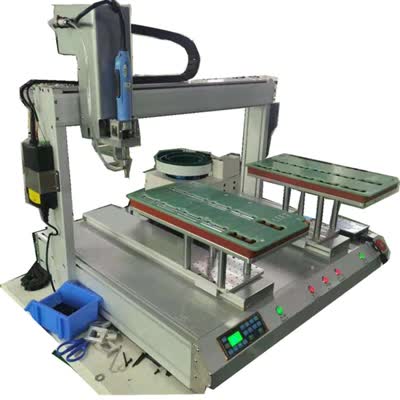
body { font-family: Arial, sans-serif; line-height: 1.6; margin: 20px; color: #333; } h1 { color: #0056b3; font-size: 28px; margin-bottom: 20px; } h2 { color: #004a99; font-size: 22px; margin-top: 25px; margin-bottom: 15px; } p { margin-bottom: 15px; text-align: justify; } ul { margin-bottom: 15px; } li { margin-bottom: 8px; } strong { color: #004a99; } 手机生产中的精密紧固技术 手机制造是一个复杂的过程,需要极高的精度,特别是在组装阶段,即使是微小的误差也可能导致严重的性能问题。该过程中的一个关键方面是精密紧固——即以精确的扭矩和对齐规格安全连接组件的技术。这项技术确保每个螺丝、螺栓和紧固件都被准确放置,保持设备的结构完整性和功能性。 精密紧固在手机组装中的作用 在手机生产中,精密紧固系统用于组装各种组件,包括外壳、电路板、摄像头和显示屏。这些系统采用先进的自动化工具,施加一致的扭矩并实时检测交叉螺纹或错位。例如,在安装智能手机的主逻辑板时,螺丝必须按照精确规格拧紧,以避免损坏精密电路或导致连接故障。自动化紧固解决方案以可重复的精度实现这一点,减少了缺陷风险并提高了产品可靠性。 自动化精密紧固的优势 在手机制造中实施自动化精密紧固具有以下几个关键优势: 提高产品质量: 一致的扭矩应用防止过紧或过松,这可能导致组件应力或随时间松动。从而提高耐用性和客户满意度。 提高生产速度: 自动化系统高速运行,与手动紧固相比显著缩短了周期时间。这种效率对于满足手机行业的高产量需求至关重要。 降低错误率: 通过内置传感器和反馈机制,这些系统即时识别并纠正错误,最大限度地减少返工和废品率。这导致生产成本和浪费降低。 可扩展性和灵活性: 现代精密紧固解决方案可以集成到现有装配线中,并适应不同的手机型号,使其成为生产多种产品变体的制造商的理想选择。 紧固技术的创新 精密紧固的最新进展包括物联网和数据分析功能的集成。智能紧固工具现在收集关于扭矩、角度和序列的实时数据,使制造商能够监控装配质量并预测维护需求。这种数据驱动的方法实现了生产过程的持续改进,并有助于保持全球制造设施的一致性。此外,视觉辅助系统使用摄像头和传感器引导紧固工具,确保即使在现代智能手机常见的微型组件中也能实现完美对齐。 未来趋势 随着手机变得更加紧凑和复杂,对精密紧固的需求将持续增长。未来的发展可能包括更小、更灵活的紧固机器人,能够在狭窄空间工作,以及基于历史数据自我优化的AI驱动系统。可持续性也将发挥作用,努力减少紧固过程中的能源消耗和材料浪费。这些创新将进一步巩固精密紧固作为高质量手机制造基石的 总之,精密紧固对于生产可靠和高性能的手机不可或缺。通过利用自动化解决方案,制造商可以实现更高的精度、效率和可扩展性,最终向全球消费者提供更好的产品。 产品名称 适用行业 双头螺丝刀 电动自行车装配
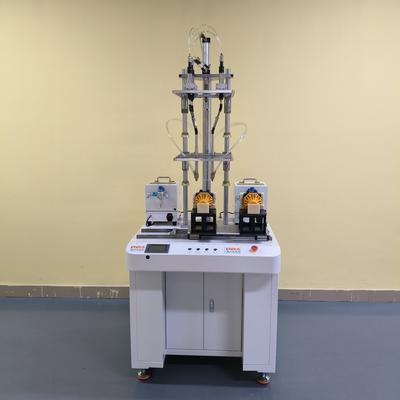
产品名称 适用行业 自动送螺丝机 汽车电子装配 body { font-family: Arial, sans-serif; line-height: 1.6; margin: 20px; color: #333; } h1 { color: #2c3e50; font-size: 28px; margin-bottom: 15px; } h2 { color: #34495e; font-size: 22px; margin-top: 25px; margin-bottom: 10px; } p { margin-bottom: 15px; text-align: justify; } ul { margin-bottom: 15px; margin-left: 20px; } li { margin-bottom: 8px; } strong { color: #16a085; } 伺服电机生命周期与预防性维护 伺服电机是现代工业自动化的核心动力源,为从机器人技术到数控加工的广泛应用提供精确控制和高扭矩。了解其生命周期并实施健全的预防性维护计划对于最大化生产力、最小化意外停机时间以及保护资本投资至关重要。维护良好的伺服电机可以可靠运行数千小时,但其最终寿命取决于运行条件和所受到的维护。 理解伺服电机生命周期 伺服电机的生命周期通常由其两个最关键组件的健康状况决定:轴承和绕组。在理想条件下,伺服电机可以运行15,000至30,000小时或更长时间。主要的故障点通常是轴承,由于机械磨损、润滑失效和污染,轴承会随着时间的推移而退化。电机绕组上的绝缘材料是另一个关键因素。它们会因过热、电压尖峰以及湿气和灰尘等环境污染物而恶化,导致绝缘失效和短路。 有几个外部因素显著影响这个生命周期。运行温度至关重要;电机额定温度每升高10°C,绝缘寿命就可能减半。来自电机本身或驱动负载的振动会加速轴承磨损,并可能松动电气连接。油、冷却剂、金属碎屑和灰尘等环境污染物会损害润滑和绝缘。最后,正确的对中和平衡至关重要,因为不对中会给轴承和电机轴带来过度压力,导致过早失效。 关键预防性维护策略 主动的维护方法比被动维修更具成本效益。一个全面的预防性维护计划应包括以下关键策略: 定期检查和清洁: 安排定期目视检查,查看磨损、损坏或污染的迹象。保持电机外壳和散热片清洁,无碎屑,以确保最佳散热效果。检查所有电气连接的紧固性,以防止电弧和电压下降。 轴承维护: 对于带有注油嘴的电机,请遵循制造商的关于重新润滑间隔和使用正确润滑脂类型的指南。过度润滑和润滑不足同样有害。监控轴承是否有异常噪音或过度振动,这些是磨损的早期指标。 振动分析: 实施定期的振动监测程序。趋势分析可以在早期阶段检测到不平衡、不对中或轴承缺陷,从而在灾难性故障发生之前采取计划好的纠正措施。 热监测: 使用热成像仪或温度传感器监测运行温度。意外的热点可能表明冷却、过载或绕组及连接内部存在电气问题。 电气测试: 定期执行电气测试,例如绝缘电阻(兆欧表)测试,以评估电机绕组的健康状况。此测试可以在导致完全故障之前,检测出由湿气、污染或老化引起的绝缘退化。 主动方法的好处 投资于结构化的预防性维护计划可带来可观的回报。它极大地降低了意外生产中断的风险,确保了更高的整体设备效率(OEE)。及早发现问题可以在非生产时间计划和安排维修,避免昂贵的紧急服务呼叫和更换成本。此外,维护良好的电机运行效率更高,消耗更少的能量并提供更一致的性能,这直接提高了产品质量和吞吐量。 通过了解影响伺服电机寿命的因素并致力于执行检查、测试和护理的严格规程,您可以显著延长这些关键资产的使用寿命,确保它们在未来的岁月里继续以精确和可靠性驱动您的自动化流程。

body { font-family: Arial, sans-serif; line-height: 1.6; color: #333; max-width: 800px; margin: 0 auto; padding: 20px; } h1 { color: #1a5276; font-size: 28px; margin-bottom: 20px; } p { margin-bottom: 15px; text-align: justify; } .highlight { background-color: #f9f9f9; padding: 15px; border-left: 4px solid #1a5276; margin: 20px 0; } 机器人技术与紧固自动化的未来 工业自动化格局正以前所未有的速度演进,而这场变革的核心正是机器人技术和紧固自动化技术。这些创新不仅重新定义了制造流程,更为效率、精度和可扩展性设立了新标准。展望未来,先进机器人技术与智能紧固系统的集成必将成为塑造下一代工业自动化的关键力量。 机器人技术已在汽车制造到电子产品等多个行业取得重大进展,以无与伦比的精确度和速度执行重复性任务。然而未来的关键在于机器人技术与紧固自动化的协同发展。紧固工序看似简单,却是装配线上的关键环节。传统方法通常依赖人工操作,耗时且易出错。随着自动化紧固解决方案的出现,制造商如今能够实现稳定的质量管控,降低运营成本,并提升整体生产效率。 其中最令人兴奋的发展是协作机器人(cobots)的出现,它们被设计为与人类操作员协同工作。这些协作机器人配备精密传感器和视觉系统,能够以最少的人工干预处理复杂紧固任务。例如,它们可自适应零件尺寸或方向的变化,确保每个紧固件都准确安装。这种灵活性对于现代制造业至关重要,因为定制化和快速转产的需求正日益增长。 此外,物联网(IoT)技术与紧固自动化的集成即将彻底改变行业格局。智能紧固工具如今能够实时收集和分析数据,为装配流程提供宝贵洞察。这种数据驱动的方法可实现预测性维护,减少停机时间,并确保每个产品都符合严格的质量标准。例如,若紧固件扭矩不足或过载,系统可立即标记问题并进行必要调整,从而预防潜在缺陷。 另一关键趋势是人工智能(AI)和机器学习在机器人技术中的应用。AI算法可优化紧固序列,预测潜在故障,甚至能从过往操作中学习以提升未来性能。这不仅提高了效率,更使系统随着时间推移变得更加自主。想象一个能够自我校准、自我诊断并持续优化流程而无需人工干预的机器人单元——这正是行业的发展方向。 随着未来发展,可持续性也将成为创新的主要驱动力。节能型机器人和最大限度减少浪费、降低环境影响的紧固系统将日益重要。例如,电动紧固工具比气动工具耗能更少,而先进控制系统可确保材料的最优使用。这种对可持续性的关注与全球创建绿色制造实践的努力高度契合。 总而言之,机器人技术和紧固自动化的未来充满光明与潜力。通过运用协作机器人、物联网、人工智能和可持续设计等技术,制造商能够构建更智能、更敏捷、更高效的生产环境。这些进步不仅将优化运营流程,更将为大规模定制到全自动化工厂等新可能性打开大门。作为行业领导者,我们致力于推动这场变革,帮助客户在竞争激烈的市场中保持领先地位。 产品名称 适用行业 在线螺丝锁紧系统 医疗器械制造
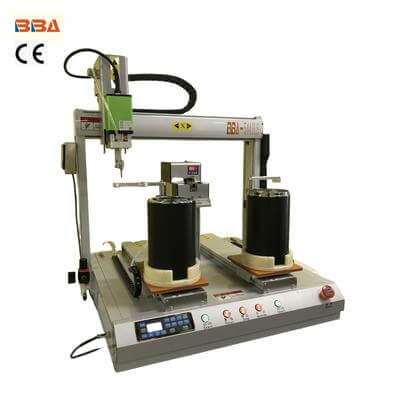
产品名称 适用行业 伺服螺丝刀机器人 通信设备装配 body { font-family: Arial, sans-serif; line-height: 1.6; margin: 20px; color: #333; } h1 { color: #2c3e50; font-size: 28px; margin-bottom: 20px; } h2 { color: #34495e; font-size: 22px; margin-top: 25px; margin-bottom: 15px; } p { margin-bottom: 15px; text-align: justify; } strong { color: #16a085; } ul { margin-top: 10px; margin-bottom: 15px; padding-left: 20px; } li { margin-bottom: 8px; } 伺服螺丝机操作员培训 在当今快速发展的工业领域,采用伺服螺丝机等先进自动化技术已成为提升生产力、精度和效率的基石。这些精密系统相比传统气动或机械紧固设备实现了重大飞跃,可对拧紧过程进行精确控制。然而,只有通过全面有效的操作员培训,这些高性能设备的全部潜力才能得以发挥。若没有训练有素的员工队伍,即使最先进的技术也可能面临利用率不足的风险,甚至成为导致 costly 错误和停机的根源。 操作员的关键作用 现代伺服螺丝机具有卓越的精度,通常配备可编程的扭矩、角度和速度设置。它们提供实时数据反馈和可追溯性,这对汽车、电子和航空航天等行业的质量控制至关重要。虽然这些机器实现了物理过程的自动化,但人类操作员仍然是生产单元中不可或缺的部分。操作员负责设置、切换产品、例行监控和一线故障排除。他们理解机器界面、解读数据输出并适当响应警报的能力,对于维持顺畅不间断的工作流程至关重要。 有效培训计划的关键组成部分 制定健全的操作员培训课程不仅仅关乎按钮操作教学,更需要构建对技术的深层概念理解并培养解决问题的能力。 基本原理:培训应从伺服技术核心原理开始。操作员需要掌握扭矩控制、角度监控以及系统校准重要性等概念。理解流程背后的"为什么"有助于识别规格外的结果。 机器实操培训:理论知识必须通过大量实际操作来巩固。包括执行不同产品的机器设置、加载紧固程序、进行工具校准以及高效执行产品切换。模拟生产运行使操作员能够在受控环境中建立信心。 数据解读与分析:伺服系统的最大优势之一是数据生成。操作员必须接受培训以读取和理解过程窗口、扭矩-角度曲线和统计输出。他们应能识别表明潜在问题的趋势,如交叉螺纹、螺钉滑丝或工具磨损,从而在导致重大缺陷或停机前及时干预。 基础故障排除与维护:为操作员配备基础故障排除技能,使其能够在不依赖维修技术员的情况下处理常见问题。包括清除卡塞、更换批头、识别错误代码以及执行基本的预防性维护任务(如清洁和润滑)。 安全规程:安全至关重要。培训必须强调上锁挂牌(LOTO)程序、安全的机器防护实践以及与自动化紧固系统相关的特定危险,以确保安全的工作环境。 构建持续改进的文化 操作员培训不应是一次性活动。随着软件更新和新功能的引入, refresher 课程和高级培训模块至关重要。鼓励操作员提供流程反馈也能带来宝贵的见解和改进。当操作员被视为生产过程中知识渊博的合作伙伴,而不仅仅是按钮操作员时,他们就成为了推动质量和效率的强大资产。对其技能的投资 fosters 了一种持续改进和卓越运营的文化,确保您在伺服自动化方面的投资获得最大回报,并在市场中保持竞争优势。
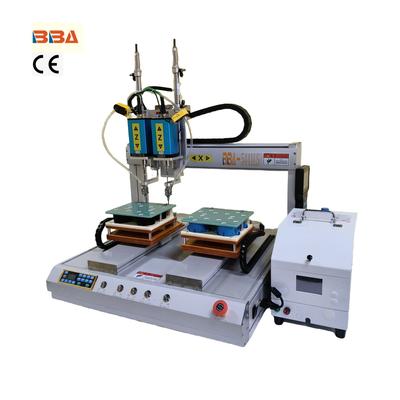
Product Name Applicable industries Servo Screwdriver Robot Toy and Game Console Production body { font-family: Arial, sans-serif; line-height: 1.6; margin: 20px; color: #333; } h1 { color: #2c3e50; font-size: 28px; margin-bottom: 10px; } h2 { color: #34495e; font-size: 22px; margin-top: 20px; margin-bottom: 10px; } p { margin-bottom: 15px; text-align: justify; } ul { margin-bottom: 15px; padding-left: 20px; } li { margin-bottom: 8px; } .highlight { background-color: #f8f9fa; padding: 15px; border-radius: 5px; margin: 15px 0; } Servo-Based Screw Driving in Home Appliance Manufacturing The manufacturing of home appliances demands unparalleled precision, repeatability, and efficiency. As products become more complex and consumer expectations for quality rise, traditional assembly methods are increasingly falling short. In this high-stakes environment, servo-based screw driving technology has emerged as a transformative solution, redefining assembly lines with its intelligent and data-driven capabilities. The Technology Behind Servo-Driven Automation Unlike pneumatic or standard electric drivers, servo-based systems utilize sophisticated servo motors for precise control over every aspect of the fastening process. This provides complete command over rotational speed, torque, and angle. The system can be programmed to follow exact, multi-stage tightening patterns—such as a specific RPM for seating a screw followed by a precise angle rotation for final tightening. This eliminates the guesswork and variability inherent in older methods, ensuring every screw is driven to its exact specification, every single time. Key Advantages for Appliance Production The implementation of servo-driven screwdriving brings a multitude of benefits directly to the appliance manufacturing floor: Unmatched Quality Control: The system monitors and records torque and angle data for every screw, creating a verifiable audit trail for each product unit. This allows for 100% quality inspection and immediate error detection, preventing defective units from proceeding down the line and significantly reducing warranty claims. Enhanced Flexibility and Scalability: One servo system can be programmed with numerous recipes for different screw types and sizes across various appliance models. This eliminates the need for costly changeovers and tooling adjustments, making production lines highly adaptable to meet changing market demands. Increased Operational Efficiency: By drastically reducing defective assemblies and line stoppages for adjustments, overall equipment effectiveness (OEE) sees a substantial boost. The automation of the process also minimizes physical strain on workers, allowing them to focus on more complex value-added tasks. Reduced Physical Damage: Precise torque control is crucial for avoiding damage to delicate plastic housings, brittle components, and threaded inserts—a common and costly issue in appliance assembly. Servo systems apply exactly the force needed, nothing more, preserving product integrity. The ability to collect and analyze data from every fastening operation transforms the assembly line from a mere production unit into a source of critical business intelligence, driving continuous improvement and strategic decision-making. Applications Across the Appliance Industry This technology is versatile enough to handle the diverse needs of the sector. Common applications include the assembly of sensitive electronic control boards within ovens and washing machines, where consistent torque is non-negotiable. It is also ideal for securing the outer panels and back plates of refrigerators and dishwashers, ensuring a perfect fit and finish that enhances product aesthetics. Furthermore, it is indispensable for attaching internal components like motors and compressors, where a failure could lead to catastrophic product failure. The Future of Smart Manufacturing Servo-based screw driving is a cornerstone of Industry 4.0. Its inherent connectivity allows it to integrate seamlessly with factory-wide Manufacturing Execution Systems (MES). This enables real-time monitoring of production metrics, predictive maintenance alerts, and seamless traceability from a single screw back to raw materials. As we move towards fully connected smart factories, this level of data integration and process control will become the standard, not the exception. For home appliance manufacturers looking to gain a competitive edge, investing in servo-based screw driving technology is a strategic imperative. It is more than just an improvement in tooling; it is a comprehensive upgrade that enhances quality, boosts efficiency, and paves the way for the intelligent, data-driven factory of the future.
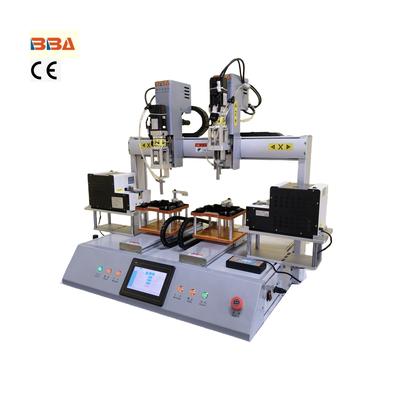
body { font-family: Arial, sans-serif; line-height: 1.6; color: #333; } h2 { color: #0056b3; } strong { color: #0056b3; } Price Ranges and What Affects Cost Understanding the cost structure of industrial automation products is crucial for businesses planning to integrate or upgrade their systems. The price range for these products can vary significantly, from a few hundred dollars for a basic sensor to hundreds of thousands for a fully integrated automated line. Several key factors influence these costs, and being aware of them can help in making informed purchasing decisions. One of the primary factors affecting the price is the complexity and capability of the product. A simple, standalone device like a photoelectric sensor will have a relatively low cost, while a sophisticated programmable logic controller (PLC) or a robotic arm with advanced vision systems and precision mechanics will command a much higher price. The level of functionality, processing power, and the number of I/O points directly correlate with the cost. Another significant cost driver is the degree of customization required. Off-the-shelf, standard products are typically the most cost-effective option. However, many industrial applications require tailored solutions to meet specific operational needs. Custom engineering, specialized software programming, and unique mechanical designs add considerable development time and resources, which increases the overall product cost. The technology and components used internally also play a major role. Products built with high-grade, industrial-rated components designed for harsh environments (extreme temperatures, humidity, vibration) are more expensive than those using commercial-grade parts. Furthermore, incorporating cutting-edge technologies, such as AI-driven predictive maintenance, IoT connectivity for Industry 4.0, or advanced safety protocols, adds to the research, development, and manufacturing expenses. Brand reputation and support are intangible yet vital factors. Established brands often price their products higher due to their proven track record of reliability, extensive quality control processes, and global support networks. This investment in brand equity ensures customers receive not just a product but also peace of mind, comprehensive warranties, and accessible technical support, which can reduce downtime costs in the long run. Finally, the scale of deployment impacts the unit cost. Purchasing a single device is far more expensive per unit than procuring in volume. For large-scale automation projects, manufacturers often offer substantial discounts. Additionally, long-term lifecycle costs, including maintenance, energy consumption, and ease of integration with existing systems, should be considered alongside the initial purchase price to understand the total cost of ownership. In conclusion, the price of industrial automation products is not arbitrary but is shaped by a combination of technical specifications, customization, component quality, brand value, and purchase volume. By carefully evaluating these factors against their specific operational requirements and long-term goals, businesses can strategically invest in automation solutions that offer the best value and return on investment. Product Name Applicable industries Dual Head Screwdriver Medical Device Manufacturing