8618566785362 8618566785362 8618566785362 phoenix08@bbamachine.com
- All
- Product Name
- Product Keyword
- Product Model
- Product Summary
- Product Description
- Multi Field Search

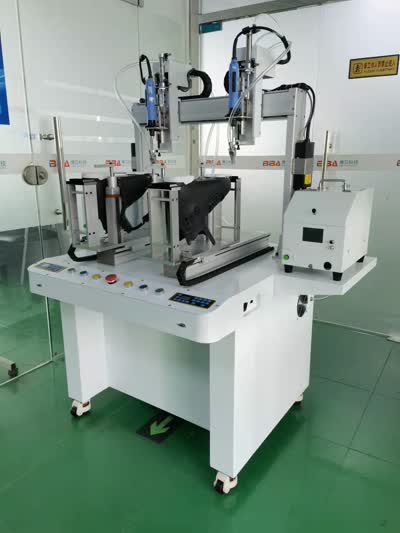
.body-style { font-family: Arial, sans-serif; line-height: 1.6; color: #333; margin: 20px; } .h2-style { color: #0056b3; font-size: 24px; margin-top: 20px; margin-bottom: 10px; } .p-style { margin-bottom: 15px; } .strong-style { color: #0056b3; font-weight: bold; } Key Phrases to Target for Screw Assembly Marketing In the competitive landscape of industrial automation, effectively communicating the value of your screw assembly solutions is paramount. The right marketing language not only captures attention but also resonates deeply with the specific needs and pain points of your target audience. To craft compelling messages that drive engagement and conversion, it is essential to focus on key phrases that highlight efficiency, precision, reliability, and innovation. Enhancing Production Efficiency and Throughput One of the primary concerns for manufacturing professionals is maximizing output without compromising quality. Phrases such as "high-speed automated screw driving" and "maximize production line throughput" directly address this need. These terms emphasize the ability of your systems to accelerate assembly processes, reduce cycle times, and handle high-volume demands seamlessly. By highlighting these capabilities, you appeal to operations managers seeking to optimize their manufacturing floors and achieve significant productivity gains. Ensuring Uncompromising Quality and Reliability Quality control is a non-negotiable aspect of screw assembly. Marketing messages should incorporate phrases like "error-proof fastening solutions" and "zero-defect assembly processes". These phrases assure potential clients of the precision and consistency of your equipment. They speak to engineers and quality assurance managers who prioritize reducing rework, minimizing product failures, and maintaining stringent quality standards. Emphasizing reliability builds trust and positions your products as critical components for mission-critical applications. Adapting to Flexible Manufacturing Needs Modern manufacturing requires agility. Terms such as "quick-changeover capabilities" and "flexible automation for mixed production" are highly effective. They demonstrate that your screw assembly systems can adapt rapidly to different product designs, batch sizes, and assembly requirements. This flexibility is crucial for industries like automotive and electronics, where production lines must frequently switch between variants. Targeting this phrase appeals to planners and engineers looking for scalable and versatile automation solutions. Integration and Ease of Use The ease of integrating new equipment into existing lines is a major purchasing factor. Highlighting "seamless integration with existing machinery" and "user-friendly programming interface" addresses common concerns about implementation complexity and training time. These phrases are particularly attractive to plant managers and maintenance teams who seek to minimize downtime and ensure a smooth transition to automated processes. Stressing intuitive operation reduces perceived barriers to adoption. Driving Cost Reduction and ROI Ultimately, investment in automation is driven by financial return. Powerful marketing phrases include "significant reduction in direct labor costs" and "rapid return on investment (ROI)". These speak directly to the bottom-line concerns of financial decision-makers and executives. By quantifying the potential savings and outlining the clear economic benefits, your marketing materials can effectively justify the investment and demonstrate the long-term value of your screw assembly systems. By strategically incorporating these targeted key phrases into your website content, brochures, and sales presentations, you can more effectively connect with your audience's core objectives. This focused approach ensures your marketing message is both seen and understood, driving growth and establishing your brand as a leader in industrial automation solutions. Product Name Applicable industries Desktop Screwdriver Robot Industrial Control Panel Assembly

Product Name Applicable industries Auto Screwdriver Machine Electric Bicycle Assembly body { font-family: Arial, sans-serif; line-height: 1.6; margin: 20px; } h1 { color: #2c3e50; font-size: 28px; margin-bottom: 10px; } p { margin-bottom: 15px; color: #333; } strong { color: #16a085; } Achieving Consistent Torque with Automation In the world of industrial manufacturing, precision is not just a goal—it is a necessity. Among the many parameters that define quality and reliability, torque consistency stands out as a critical factor. Whether assembling delicate electronics or heavy machinery, the application of accurate and repeatable torque ensures product integrity, safety, and performance. Manual torque application, however, is prone to human error, fatigue, and variability. This is where automation steps in, transforming torque control into a seamless, precise, and highly efficient process. Automated torque systems leverage advanced technologies to deliver unmatched consistency. These systems integrate sensors, controllers, and actuators to monitor and adjust torque in real-time, ensuring every fastener meets exact specifications. The benefits are multifaceted: reduced defect rates, enhanced worker safety, and improved production throughput. For industries such as automotive, aerospace, and consumer electronics, where torque tolerances are exceptionally tight, automation is no longer a luxury but a fundamental requirement. One of the key components in achieving consistent torque is the use of servo-driven tools. These tools provide closed-loop feedback, continuously measuring the applied torque and making instantaneous corrections. This level of control eliminates under-torquing, which can lead to loose connections and potential failures, and over-torquing, which may cause damage to components or threads. The data collected during the process can also be logged for quality assurance and traceability, supporting compliance with industry standards and regulations. Moreover, automated torque systems are designed to integrate seamlessly into existing production lines. They can be programmed for multiple tasks, adapting to different products and torque requirements without manual reconfiguration. This flexibility allows manufacturers to respond quickly to changing demands while maintaining high levels of accuracy. Robotics play a significant role here, with automated arms equipped with torque sensors capable of performing complex assemblies with precision that far exceeds human capability. Another advantage is the reduction in physical strain on workers. Repetitive manual torque application can lead to musculoskeletal disorders and fatigue, increasing the risk of errors and injuries. By automating these tasks, companies not only improve product quality but also promote a safer and more ergonomic work environment. Employees can be upskilled to oversee and manage automated systems, focusing on more value-added activities rather than repetitive manual labor. Looking ahead, the future of torque automation is set to become even more intelligent. With the integration of Internet of Things (IoT) technologies, torque systems can be connected to centralized monitoring platforms. This enables predictive maintenance, where data analytics identify potential issues before they cause downtime, and continuous optimization of torque processes based on real-time performance metrics. The result is a smarter, more responsive manufacturing ecosystem. In conclusion, achieving consistent torque with automation is a transformative approach that elevates manufacturing standards. It ensures that every product is built with precision, reliability, and efficiency. As industries continue to evolve towards greater automation, embracing advanced torque control solutions will be key to maintaining competitiveness and meeting the ever-increasing demands for quality and safety.
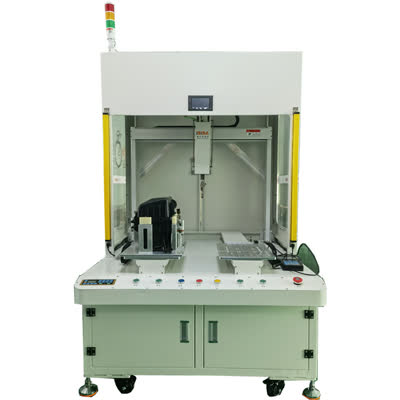
产品名称 适用行业 自动螺丝送料机 智能穿戴设备生产 body { font-family: Arial, sans-serif; line-height: 1.6; color: #333; } h1 { color: #0056b3; font-size: 28px; margin-bottom: 20px; } h2 { color: #004a99; font-size: 22px; margin-top: 25px; margin-bottom: 15px; } p { margin-bottom: 15px; } ul { margin-bottom: 15px; padding-left: 20px; } li { margin-bottom: 8px; } strong { color: #004a99; } 购买螺丝锁紧机前需要问的问题 投资工业自动化设备是一个重大决策,会极大影响您的生产效率、产品质量和盈利能力。螺丝锁紧机(又称螺丝驱动系统)是无数装配线上的关键设备。选择合适的设备需要仔细考量。为确保您做出符合特定需求的明智购买决定,以下是您应该询问的关键问题。 我的应用需求是什么? 在查看不同型号之前,您必须深入了解自己的应用。首先询问: 螺丝规格: 您将使用的螺丝的尺寸、类型、螺距和材料是什么?机器必须与您的紧固件兼容。 扭矩和角度要求: 完美锁紧所需的精确扭矩和角度规格是什么?这对产品质量和一致性至关重要。 零件设计: 被组装零件的几何形状如何?是否存在机器必须适应的可达性问题或特殊角度? 生产量和速度: 您每小时或每班所需的产量是多少?这将决定您是需要简单的台式单元还是高速自动化系统。 我需要什么级别的自动化? 螺丝锁紧机的范围从半自动到全自动化单元。您需要为您的流程决定合适的级别。 手动送料: 是否需要操作员放置零件并触发机器? 自动送料: 您是否需要集成系统自动将螺丝送料至驱动器,从而显著提高速度并减少操作员疲劳? 机器人集成: 螺丝刀是否应安装在机器人上以执行复杂、多点的装配任务? 将自动化水平与您的产量和劳动力可用性相匹配是最大化投资回报的关键。 机器将如何集成到我现有的生产线中? 新设备必须与您当前的设置无缝协作。重要的集成问题包括: 物理占地面积: 可用于机器的地面或工作台空间有多少? 连接性和数据: 机器是否提供PLC连接(例如,通过EtherNet/IP、Profinet、Modbus)以便无缝集成到您工厂的控制系统中?它能否提供数据输出用于可追溯性和过程监控? 电源要求: 电气和气压要求是什么?确保您的设施能够满足它们。 易用性和转换性如何? 在现代制造业中,灵活性至关重要。如果您生产多种产品,您必须询问: 机器重新编程以适应不同螺丝或扭矩设置的速度有多快? 寻找具有配方存储功能的直观用户界面。 更换送料碗或驱动器钻头有多困难? 快速更换功能可以大大减少产品转换期间的停机时间。 我可以期待什么样的支持和服务? 与供应商的关系不会在销售结束时终止。深入了解他们的售后服务: 安装和培训: 他们是否提供现场安装以及对您的操作和维护人员的全面培训? 技术支持: 他们的技术支持团队的可用性如何?是否有本地专业知识? 备件和保修: 关键备件的交货时间是多久?保修范围是什么,保修期多长? 询问这些详细问题将提供清晰度并指导您选择理想的螺丝锁紧解决方案。彻底的评估过程确保您选择的机器不仅能完成任务,还能增强您的整体制造战略,在未来多年内提供可靠性、质量和效率。
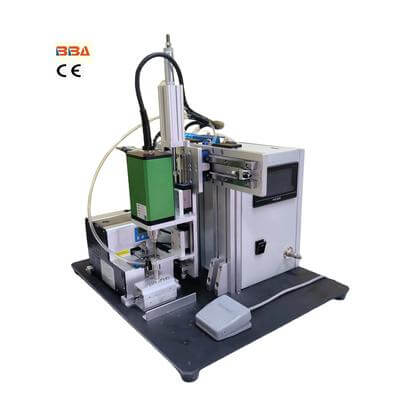
Product Name Applicable industries Inline Screw Locking System Automotive Electronics Assembly body { font-family: Arial, sans-serif; line-height: 1.6; margin: 20px; } h1 { color: #2c3e50; font-size: 28px; margin-bottom: 20px; } h2 { color: #34495e; font-size: 22px; margin-top: 25px; margin-bottom: 15px; } p { margin-bottom: 15px; color: #333; } ul { margin-bottom: 15px; padding-left: 20px; } li { margin-bottom: 8px; } strong { color: #16a085; } Desktop Robots for Precision Screw Tightening In the realm of industrial automation, precision and reliability are paramount. One of the critical processes in manufacturing and assembly is screw tightening, a task that, while seemingly simple, requires consistent accuracy to ensure product quality and safety. Manual screw tightening is prone to human error, leading to inconsistencies, stripped threads, and potential product failures. This is where desktop robots designed for precision screw tightening come into play, revolutionizing assembly lines with their unmatched accuracy and efficiency. The Need for Automation in Screw Tightening Traditional manual screw tightening processes often face challenges such as operator fatigue, variability in torque application, and difficulty in maintaining high throughput over extended periods. These issues can result in compromised product integrity and increased rework rates. Automated screw tightening solutions address these pain points by delivering consistent, high-quality results every time, reducing the risk of errors and enhancing overall production efficiency. Key Features of Desktop Screw Tightening Robots Modern desktop robots for screw tightening are equipped with advanced features that make them indispensable in precision-driven industries. These compact yet powerful systems are designed to integrate seamlessly into existing production setups, offering flexibility and scalability. High Precision Torque Control: These robots utilize sophisticated torque sensors and control algorithms to apply exact torque levels, ensuring each screw is tightened to specification without over-tightening or under-tightening. Adaptive Flexibility: With programmable settings and easy-to-configure software, these robots can handle a variety of screw sizes, types, and materials, making them suitable for diverse applications from electronics to automotive components. User-Friendly Interface: Intuitive software allows operators to set parameters, monitor performance, and troubleshoot issues with minimal training, reducing downtime and enhancing productivity. Compact Design: Their small footprint makes them ideal for benchtop applications where space is limited, without compromising on power or capability. Data Logging and Traceability: Integrated sensors record torque and angle data for each tightening operation, providing valuable insights for quality control and process optimization. Benefits of Implementing Desktop Robots Integrating desktop robots for screw tightening into manufacturing processes offers numerous advantages. Firstly, they significantly improve product consistency by eliminating human error, leading to higher quality outputs and reduced defect rates. Secondly, these robots enhance operational efficiency by working at high speeds without fatigue, increasing throughput and reducing cycle times. Additionally, they contribute to a safer work environment by minimizing repetitive strain injuries associated with manual tightening tasks. Lastly, the data collected by these systems enables continuous process improvement, helping manufacturers meet stringent quality standards and comply with industry regulations. Applications Across Industries Desktop screw tightening robots are versatile tools used in various sectors. In electronics manufacturing, they ensure delicate components are assembled with precise torque to prevent damage. In the automotive industry, they are employed for critical assemblies where reliability is non-negotiable. Medical device manufacturers rely on them to meet strict hygiene and precision requirements. Their adaptability makes them valuable in any setting where accuracy and repeatability are essential. Future Trends and Innovations The future of desktop robots for screw tightening looks promising, with ongoing advancements in artificial intelligence and machine learning. These technologies will enable even smarter systems capable of self-calibration, predictive maintenance, and adaptive learning to optimize performance over time. As industries continue to embrace Industry 4.0, these robots will play a crucial role in creating interconnected, intelligent factories that prioritize efficiency, quality, and sustainability. In conclusion, desktop robots for precision screw tightening represent a significant leap forward in industrial automation. By combining accuracy, flexibility, and ease of use, they empower manufacturers to achieve new levels of productivity and quality. As technology evolves, these systems will continue to set the standard for excellence in assembly processes worldwide.
产品名称 适用行业 桌面式螺丝锁付机器人 无人机与飞行器制造 body {font-family: Arial, sans-serif; line-height: 1.6; margin: 20px; color: #333;} h2 {color: #1a5c9e; font-size: 22px; margin-bottom: 15px;} h3 {color: #2c6bae; font-size: 18px; margin-top: 20px; margin-bottom: 10px;} p {margin-bottom: 15px; text-align: justify;} ul {margin-bottom: 15px; margin-left: 20px;} li {margin-bottom: 8px;} strong {color: #555;} 螺丝锁付机常见技术问题排查指南 螺丝锁付机作为众多行业装配线的核心设备,通过精确稳定的紧固操作确保产品的完整性与可靠性。然而,如同任何复杂的工业自动化设备,它们偶尔也会出现影响生产流程的操作问题。掌握诊断和解决这些常见问题的方法对于减少停机时间、保持高效生产至关重要。本文概述了几种典型技术挑战并提供实用排查步骤。 1. 扭矩输出不稳定 操作人员最常遇到的问题之一是扭矩输出不稳定或不准。这可能导致螺丝拧紧不足影响产品安全,或过度拧紧损坏螺纹或紧固件本身。 潜在原因与解决方案: 工具校准: 最常见原因是工具因日常磨损导致校准失效。按照制造商指南定期进行校准对保持精度至关重要。 气源供应(气动型号): 气压波动会导致扭矩不稳定。确保空压机提供稳定、洁净、干燥且符合推荐压力值的气源。检查气管是否泄漏。 机械磨损: 脉冲工具中的离合器或电动螺丝刀中的直流电机等磨损部件可能导致性能偏差。预防性维护计划应包含对这些易损部件的检查与更换。 2. 螺丝打滑或滑牙 当批头未能正确啮合螺丝头部时会发生此问题,导致螺丝头部损坏(cam-out)或错位引发滑牙。 潜在原因与解决方案: 批头磨损或型号不符: 批头随时间磨损会导致抓力下降。定期检查批头并在出现磨损迹象时立即更换。务必使用与螺丝类型和尺寸完全匹配的批头。 送料系统错位: 如果螺丝供给系统(如料仓、振动盘、送料管)与锁付头未精确对齐,螺丝将无法以垂直姿态送达。检查并调整送料机构对齐状态,确保螺丝垂直对中。 操作员或机器人路径错误: 对于手持式或机器人应用,进给角度至关重要。工具必须垂直工件表面进给以避免滑牙。重新编程机器人路径或培训操作员掌握正确进给方法可解决此问题。 3. 设备停机或卡料 意外停机中断生产,通常由螺丝送料系统问题引起。 潜在原因与解决方案: 螺丝污染: 脏污、生锈或非标螺丝可能卡住振动盘或送料管。务必使用符合规格的洁净优质紧固件。定期清洁料仓和振动盘。 送料系统堵塞: 碎屑或损坏的螺丝可能阻塞输送轨道或软管。定期清理送料路径并检查是否存在堵塞或磨损。 传感器故障: 光电或接近传感器故障可能无法检测螺丝存在,导致设备误停机。检查传感器对齐、清洁度及功能状态。 4. 错误代码与电子故障 现代电动螺丝刀通常在控制器或人机界面上显示错误代码,指向特定内部问题。 潜在原因与解决方案: 过载或过热: 高扭矩连续作业可能导致电机过热并触发故障。让工具冷却并确保在额定负载周期内使用。检查是否存在导致过载的机械卡阻。 控制器通信中断: 线路松动或连接器问题可能导致工具、控制器与PLC之间通信错误。关闭系统电源并检查所有电气连接是否牢固。 软件故障: 偶发电涌或程序错误可能导致控制器软件锁死。简单重启设备(关闭再开启电源)通常可清除临时故障。 实施健全的预防性维护计划是防止这些问题发生的最有效策略。定期检查、清洁、校准以及更换批头等消耗件,将显著提升螺丝锁付设备的可靠性与使用寿命,确保生产平稳不间断进行。
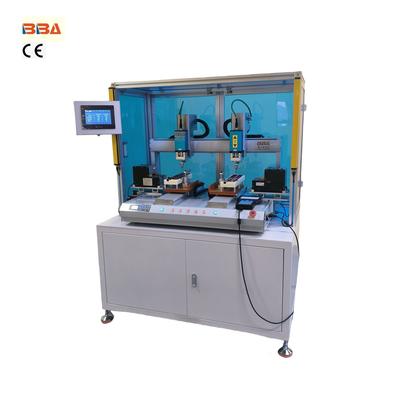
产品名称 适用行业 智能拧螺丝机 汽车电子装配 自动螺丝线设置的最佳实践 body { font-family: Arial, sans-serif; line-height: 1.6; margin: 20px; } h1 { color: #2c3e50; font-size: 28px; margin-bottom: 20px; } h2 { color: #34495e; font-size: 22px; margin-top: 25px; margin-bottom: 15px; } p { margin-bottom: 15px; text-align: justify; } ul { margin-bottom: 15px; padding-left: 20px; } li { margin-bottom: 8px; } strong { color: #16a085; } 自动螺丝线设置的最佳实践 在工业自动化领域,实施自动化螺丝紧固生产线是提升生产效率、确保产品质量一致性和降低运营成本的重要一步。正确配置的自动螺丝线可最大限度减少人为错误,减轻工人的工效学负担,并加速装配周期。然而,要实现这些益处需要细致的规划和执行。本文概述了建立稳健可靠自动化螺丝拧紧系统的基本最佳实践。 1. 全面的流程分析与规划 在选择任何设备之前,对现有装配流程进行彻底分析至关重要。识别具体的紧固任务,包括使用的螺丝类型(长度、直径、头部样式)、所需的扭矩值以及紧固点的可达性。考虑生产量和周期时间目标。绘制整个流程有助于确定最佳自动化水平——无论是单工位单元、多轴系统还是完全集成的机器人生产线最为合适。这一基础步骤可防止代价高昂的疏忽,并确保自动化解决方案与生产目标完美契合。 2. 选择合适的设备 选择合适的硬件至关重要。核心组件通常包括自动送螺丝机、电动或气动螺丝刀,以及用于定位的机械臂或笛卡尔系统。关键选择标准包括: 送螺丝机:选择能够可靠处理特定螺丝类型且不卡料的送料器型号。振动盘送料器很常见,但新型的柔性带式送料系统对于精密或小型螺丝可能是更好的选择。 螺丝刀:选择能够提供精确、可重复扭矩控制的螺丝刀。电动螺丝刀因其精确性和数据记录功能而更受青睐,这些功能在质量关键型应用中对于可追溯性至关重要。 定位系统:专用固定自动化与可编程机器人之间的选择取决于零件多样性。对于多品种生产,6轴机器人提供了无与伦比的灵活性,可触及多个点位。 3. 确保零件呈现与夹具稳定性 自动化系统的性能取决于其加工的零件。工件必须以高度可重复且稳定的位置呈现在螺丝拧紧单元前。投资于精密夹具和治具,牢固固定组件,防止在紧固过程中发生任何移动。对于基于传送带的生产线,通过机械挡块或视觉引导系统确保精确定位。不稳定的零件可能导致螺丝误打、滑丝或损坏产品和设备。 4. 细致的系统集成与校准 集成涉及将送螺丝机、螺丝刀和定位系统同步为一个协调的整体。密切关注螺丝刀批头与送螺丝机呈现的螺丝之间的对齐。即使轻微的对齐不当也可能导致取料失败。根据工程规范校准每种螺丝类型的扭矩设置,并进行广泛测试以确定最佳的螺丝刀速度和深度。实施验证传感器——例如用于确认螺丝取料的存在传感器和用于验证紧固度的扭矩监视器——是实现零缺陷生产不可或缺的实践。 5. 健全的维护与操作员培训 自动螺丝线是一项长期投资,需要主动维护以保持最佳性能。建立定期维护计划,包括清洁送料器振动盘和轨道、检查螺丝刀批头磨损情况以及校验扭矩校准。此外,全面培训维护技术人员和生产线操作员如何操作系统、执行基本故障排除以及识别潜在问题的早期迹象,如送料器卡料或扭矩精度下降。赋能的人员对于最大限度地减少停机时间和确保连续运行至关重要。 结论 实施自动化螺丝紧固生产线是现代制造业的一项强大策略。通过遵循这些最佳实践——从严格的初步规划和设备选择到稳定的夹具固定、精确的校准和 diligent 维护——公司可以建立一个提供无与伦比的可靠性、质量和生产率的系统。一个设计良好的自动螺丝线不仅简化了装配,而且成为更高效、更具竞争力的制造运营的基石。
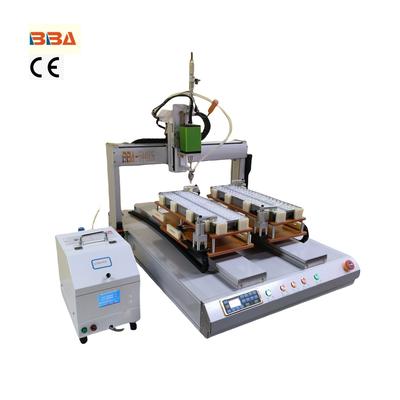
在工业自动化领域,螺丝送料机制是装配系统中至关重要却常被忽视的组成部分。这些机制负责精确高效地输送紧固件,确保生产线平稳运行并将停机时间降至最低。该领域的最新创新显著提升了螺丝送料系统的可靠性、速度和灵活性,使其更能适应现代制造业不断变化的需求。 最显著的进步之一是智能视觉引导螺丝送料系统的开发。传统系统通常依赖机械或气动方式对螺丝进行定向和输送,这种方式容易发生卡料或送料错误,尤其是在处理较小或非标准紧固件时。现代系统采用高分辨率摄像头和机器学习算法,在每颗螺丝被送至机器人或装配工具之前对其进行视觉识别和方向验证。这种视觉检测大幅降低了错误率,并能处理更多种类和尺寸的螺丝,无需昂贵的机械更换。系统只需更新软件参数即可即时适配新型紧固件,为多品种生产环境提供了无与伦比的灵活性。 此外,驱动和振动技术的进步带来了更高效温和的送料流程。新型振动盘送料器采用优化的振动模式和表面材料,最大限度减少零件间接触,降低精密螺丝表面处理或螺纹受损的风险。这在电子或医疗器械制造等行业尤为重要——即使是微小划痕也可能导致产品故障。同时,采用直驱伺服电机替代传统电磁驱动装置,实现了对送料动作的更精细控制。这使得操作噪音更低、能耗更少,并能以极高速度精确计量螺丝输送,匹配当今高速装配线的生产节奏。 连接性和数据分析代表了另一个创新前沿。最先进的螺丝送料机制现已配备物联网传感器,可实时监测送料速率、卡料频率和电机扭矩等关键性能指标。这些数据被传输至中央监控系统进行分析,从而在故障发生前预测维护需求。例如,电机阻力的逐渐增大可能预示着需要清洁料盘或更换磨损部件,使得工作人员能在计划停机期间进行主动干预。这种从被动维护到预测性维护的转变,不仅避免了昂贵的生产线停工,还延长了设备的使用寿命,带来显著的投资回报。 最后,对更高灵活性的追求催生了模块化精益螺丝送料设计。制造商正在采用紧凑的分布式单元替代大型集中式送料系统,这些单元可直接安装在装配线的使用点。这些模块更易于集成,并能快速更换或重新配置以适应不同产品。这种模块化方法顺应了精益制造和大规模定制的趋势,使工厂能够在不同产品之间快速切换,而无需为大量换型工作停止生产。 总而言之,螺丝送料机制的创新正在从根本上改变装配自动化。通过融合机器视觉、先进驱动系统、物联网连接和模块化设计,这些系统正变得更智能、更高效、更适应性强。这些改进对于寻求提升生产力、提高产品质量并在动态工业格局中保持竞争优势的制造商至关重要。 产品名称 适用行业 数控螺丝紧固器 电动工具装配线
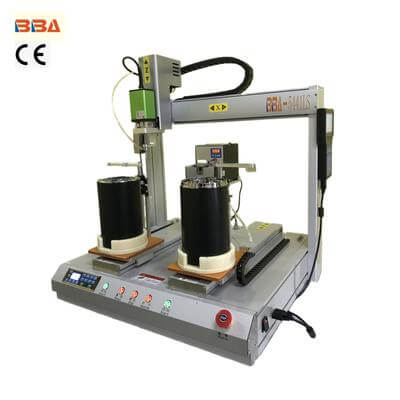
产品名称 适用行业 伺服螺丝刀机器人 汽车电子装配 全自动螺丝装配机器的组成部分 全自动螺丝装配机器在现代制造业中至关重要,提供精确性、速度和可靠性。这些机器通过自动将螺丝拧入产品而无需人工干预,简化了装配过程。了解这些系统的关键组成部分可以帮助企业优化其生产线并提高效率。 1. 螺丝送料器:螺丝送料器负责向驱动工具供应螺丝。它使用振动或旋转运动来定向和运输螺丝,从批量供应到驱动机制。这确保了螺丝的连续和一致流动,最大限度地减少停机时间。 2. 螺丝驱动工具:这个组件是机器的核心。它由一个电动驱动器组成,从送料器拾取螺丝并将其紧固到产品中。该工具可调节扭矩和深度,确保每个螺丝都被精确驱动。 3. 控制器单元:控制器充当系统的大脑。它管理送料器和驱动工具的操作,监控性能,并允许用户设置参数,如螺丝数量、扭矩和速度。高级控制器可能包括触摸屏界面以便于操作。 4. 视觉系统:许多现代机器采用视觉系统来验证螺丝放置。摄像头和传感器检测错位或缺失的螺丝,确保质量控制并减少装配过程中的错误。 5. 输送系统:对于在线生产,输送系统将产品运输通过装配站。它与螺丝驱动工具同步,确保准确定位和高效处理。 6. 安全特性:全自动机器包括安全机制,如紧急停止按钮、防护罩和传感器,以防止事故并保护操作员。 通过集成这些组件,全自动螺丝装配机器提高了生产力,降低了劳动力成本,并确保了始终如一的质量。它们广泛应用于电子、汽车和消费品制造等行业。 投资于设计良好的自动螺丝装配系统可以显著提升您的生产能力,并帮助您在快节奏的工业环境中保持竞争力。