8618566785362 8618566785362 8618566785362 phoenix08@bbamachine.com
- All
- Product Name
- Product Keyword
- Product Model
- Product Summary
- Product Description
- Multi Field Search

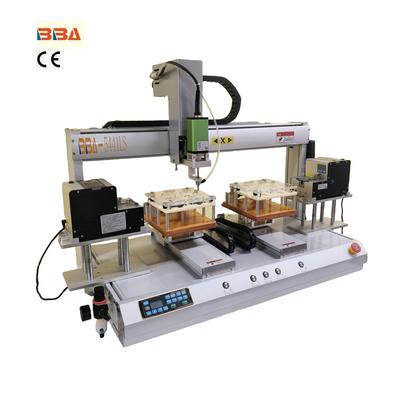
body {font-family: Arial, sans-serif; line-height: 1.6; color: #333; margin: 20px;} h1 {color: #0056b3; font-size: 28px; border-bottom: 2px solid #eee; padding-bottom: 10px;} h2 {color: #0077cc; font-size: 22px; margin-top: 25px;} p {margin-bottom: 15px;} strong {color: #0056b3;} ul {margin-bottom: 15px; padding-left: 20px;} li {margin-bottom: 8px;} 伺服拧紧系统的能源效率 在当今竞争激烈的制造业环境中,实现峰值运营效率不再仅仅关乎速度和精度。能源消耗是一个关键且经常被忽视的方面。传统的气动和液压拧紧系统长期以来的行业标准,但它们以能源效率低下而闻名。先进的伺服拧紧技术的出现代表了一种范式转变,为制造商提供了一个强大的工具,可以显著减少能源足迹,同时增强过程控制和生产力。 效率低下的隐藏成本:气动和液压系统 传统的气动工具需要持续的压缩空气供应才能运行。产生这种压缩空气是一个极其耗能的过程。研究表明,压缩空气系统可消耗工厂总电力的高达30%。其中很大一部分能量通过分配网络中的泄漏、压力下降以及即使工具空闲时持续运行压缩机以维持系统压力的固有低效率而以热量的形式浪费掉。同样,液压系统由于热量产生、流体泄漏和泵的持续运行而遭受能量损失。 伺服技术如何实现显著的节能 伺服拧紧系统基于根本不同的原理运行。它们利用高精度的电动伺服电机来提供扭矩,完全消除了对压缩空气或液压油的需求。这一核心差异转化为直接且显著的节能: 按需功耗:伺服工具仅在实际的拧紧循环期间消耗能量。电机消耗能量以拧紧紧固件,然后停止,在空闲时几乎不消耗能量。这与需要持续能量输入以维持气压的气动系统形成鲜明对比。 再生制动:许多先进的伺服控制器配备了再生驱动技术。当电机减速时,它充当发电机,将动能转换回电能并将其反馈回电源。这进一步降低了净能耗。 消除压缩空气损失:通过取消压缩空气需求,伺服技术完全避免了与空气压缩、分配和泄漏相关的大量能量损失。这通常是实现最大节约的领域。 精确控制并减少浪费:伺服系统的卓越精度最大限度地降低了因扭矩不足或过扭矩而导致的零件拒收和返工的风险。这减少了在生产和处理有缺陷组件方面浪费的能量,有助于提高整体工厂效率。 超越节能:整体优势 过渡到伺服拧紧解决方案的好处远远超出了减少电费账单的范围。该技术为制造过程提供了全面的升级: 卓越的数据和可追溯性:每个拧紧操作都被监控和记录,为质量保证和过程优化提供完整的可追溯性。 增强的灵活性:可以针对不同产品即时更改程序,从而实现无需机械调整的高混合生产。 更安静、更清洁的操作:移除气动系统消除了排气噪音和油雾污染的风险,创造了更好、更安全的工作场所。 减少维护:由于无需维护压缩机、管道、过滤器或润滑器,运营成本和停机时间显著降低。 结论:面向可持续未来的明智投资 投资节能的伺服拧紧不仅仅是一次运营升级;这是一项具有明确投资回报的战略决策。能源成本的降低,加上更低的维护需求、更高的质量输出和更高的生产率,确保了快速的投资回收期。随着全球各行业面临改善可持续性和降低运营成本的压力日益增大,采用伺服技术是朝着构建更高效、更盈利和环境责任更强的制造运营迈出的明确一步。工业拧紧的未来是电动化、精确化和高效化的。 产品名称 适用行业 双头螺丝刀 工业控制面板装配
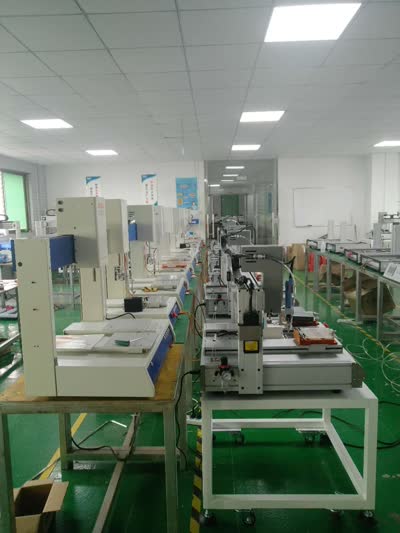
产品名称 适用行业 CNC螺丝紧固件 通信设备装配 body { font-family: Arial, sans-serif; line-height: 1.6; margin: 20px; color: #333; } h1 { color: #0056b3; font-size: 28px; margin-bottom: 15px; } h2 { color: #004085; font-size: 22px; margin-top: 20px; margin-bottom: 10px; } p { margin-bottom: 15px; text-align: justify; } ul { margin-bottom: 15px; padding-left: 20px; } li { margin-bottom: 8px; } .highlight { background-color: #f8f9fa; padding: 15px; border-left: 4px solid #0056b3; margin: 15px 0; } 针对多样化生产需求优化螺丝锁付机器人 在现代制造业中,效率与精度至关重要。螺丝锁付机器人已成为装配线上的关键工具,提供无与伦比的一致性和速度。然而,并非所有生产环境都相同。不同的行业和应用需要定制化的自动化方案。针对特定需求优化这些机器人可确保最大生产率、减少错误并增强整体操作灵活性。 理解生产需求 在部署之前,必须彻底分析生产需求。需要考虑螺丝尺寸、扭矩规格、材料兼容性和周期时间等因素。例如,电子制造可能涉及需要最小扭矩的小型精密螺丝,而汽车装配可能需要更大紧固件的高扭矩。环境条件(如温度和湿度)也会影响性能。通过理解这些变量,工程师可以配置机器人以满足精确规格,确保可靠高效的操作。 适应多样化应用 螺丝锁付机器人用途广泛,可适应各种应用。在高产量生产中,速度至关重要。机器人可通过多轴头或并行处理功能进行优化,以同时处理多个螺丝。对于小批量、多品种生产,灵活性是关键。快速更换工具和可编程设置使机器人能够以最短停机时间在不同螺丝类型和任务之间切换。此外,与视觉系统和传感器的集成支持实时调整,即使面对复杂或不规则部件也能确保精度。 先进软件在优化中起着至关重要的作用。现代控制系统允许精确的扭矩和角度监控、数据记录和错误检测。这不仅提高了质量控制,还促进了预测性维护,减少了意外停机时间。 增强灵活性与可扩展性 随着生产需求的发展,可扩展性变得重要。模块化机器人设计支持轻松升级或重新配置以适应新任务。例如,添加臂端工具或更新软件可在不更换整个系统的情况下扩展功能。这种适应性在消费电子或医疗设备等产品设计快速变化的行业中尤其有价值。通过投资可扩展解决方案,制造商可以使其运营面向未来,并快速响应市场需求。 改进集成与连接性 与现有生产系统的无缝集成是另一个关键方面。螺丝锁付机器人必须与传送带、送料器和检测系统等其他机械通信。使用IO-Link或EtherNet/IP等标准化通信协议可确保兼容性并简化设置。此外,工业4.0技术支持数据交换以进行集中监控和分析。这种连接性优化了工作流管理,提供性能指标洞察并识别改进领域。 结论 针对多样化生产需求优化螺丝锁付机器人并非一刀切的过程。它需要精心规划、定制和持续改进。通过关注特定需求、适应多样化应用、增强灵活性和改进集成,制造商可以释放自动化的全部潜力。这些努力带来更高质量的产品、更低的成本和全球市场上更高的竞争力。随着技术进步,螺丝锁付机器人的能力将继续扩展,为创新和效率提供更大机遇。
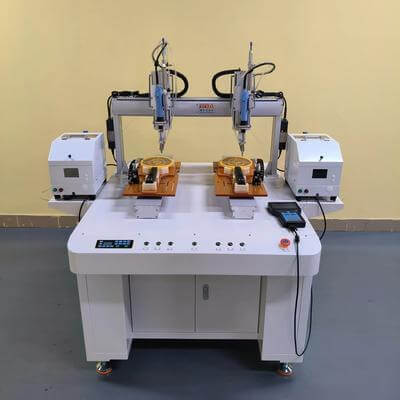
产品名称 适用行业 伺服螺丝刀机器人 消费电子装配 在快速发展的工业自动化领域,灵活性和适应性是保持竞争优势的关键。实现这种多功能性的最关键组件之一是用于机器人系统和自动化机械的柔性臂设计。这些机械臂经过精心设计,可在从装配线到复杂物料处理过程的各个行业中执行广泛的任务。柔性臂设计的重要性不容低估,因为它们直接影响效率、精度以及为多样化应用定制自动化解决方案的能力。 柔性臂的设计注重模块化和可扩展性。这意味着它们可以轻松调整或重新配置,以满足不断变化的生产需求,而无需进行完整的系统 overhaul。例如,在产品线频繁变化的制造环境中,柔性臂允许快速重新编程和工具调整。这减少了停机时间并提高了整体生产率。使用先进材料,如轻质复合材料和高强度合金,确保这些臂既耐用又能够以最小的磨损进行高速操作。 现代柔性臂设计的另一个显著优势是它们与智能技术的集成。许多这些系统现在具有嵌入式传感器和物联网连接功能,能够实现实时监控和数据分析。这使得操作员能够跟踪性能指标、预测维护需求并动态优化工作流程。例如,在物流和仓储中,配备视觉系统的柔性臂可以以惊人的准确性识别、分类和处理各种形状和大小的物品。这种适应性水平在电子商务和分销中心至关重要,因为订单量和产品类型波动迅速。 柔性臂的应用范围广泛且不断扩大。在汽车行业,它们用于焊接、喷漆和装配等任务,其中精度和可重复性至关重要。在制药行业,柔性臂协助包装、贴标甚至实验室自动化,确保符合严格的卫生和准确性标准。食品和饮料行业也受益于这些设计,特别是在需要轻柔处理或卫生条件的过程中。定制运动范围、负载能力和末端执行器附件的能力使柔性臂在这些多样化领域中不可或缺。 展望未来,柔性臂设计的未来有望拥抱更高水平的创新。人工智能和机器学习的进步预计将增强这些系统的自主性,使它们能够从环境中学习并进行实时调整。协作机器人(cobots)与人类操作员并肩工作,将进一步利用柔性臂技术创造更安全、更高效的工作场所。随着各行业继续寻求既强大又适应性强的自动化解决方案,精密柔性臂的开发将继续处于工业创新的前沿。 总之,柔性臂设计是现代工业自动化的基石,提供了满足多样化应用需求所需的多功能性。通过将稳健的工程与智能技术相结合,这些系统使企业能够实现更高水平的效率、定制化和可扩展性。随着技术的不断发展,柔性臂无疑将在塑造自动化工业过程的未来中扮演越来越重要的角色。

body { font-family: Arial, sans-serif; line-height: 1.6; color: #333; margin: 20px; } h1 { color: #2c3e50; font-size: 28px; margin-bottom: 20px; } h2 { color: #3498db; font-size: 22px; margin-top: 25px; margin-bottom: 15px; } p { margin-bottom: 15px; text-align: justify; } ul { margin-bottom: 15px; padding-left: 20px; } li { margin-bottom: 8px; } .highlight { background-color: #f9f9f9; padding: 15px; border-left: 4px solid #3498db; margin: 20px 0; } Top Benefits of Using an Automatic Screw Locking Machine in Manufacturing In the fast-paced world of industrial manufacturing, efficiency, precision, and reliability are paramount. The adoption of advanced automation technology has become a cornerstone for companies striving to maintain a competitive edge. Among these technologies, the automatic screw locking machine stands out as a pivotal tool that revolutionizes the assembly process. This powerful equipment streamlines the fastening of screws with remarkable accuracy and speed, transforming production lines and delivering substantial advantages. Here are the top benefits of integrating an automatic screw locking machine into your manufacturing operations. 1. Unmatched Precision and Consistency Manual screw driving is inherently prone to human error. Variations in torque, angle, and even the occasional missed screw can lead to product defects, malfunctions, and inconsistent quality. Automatic screw locking machines eliminate this variability entirely. Programmed with exact torque and depth specifications, these machines ensure every single screw is fastened with identical precision. This unwavering consistency is critical for producing high-quality, reliable products, especially in industries like electronics, automotive, and aerospace where a single loose screw can have catastrophic consequences. 2. Dramatic Increase in Production Speed Time is a valuable resource in manufacturing. Automating the screw-fastening process significantly accelerates production cycles. These machines can operate at incredibly high speeds, far surpassing what is humanly possible. They can place and drive multiple screws in the time it takes a worker to handle just one. This boost in throughput allows manufacturers to meet demanding production schedules, fulfill larger orders, and respond more agilely to market fluctuations, all without compromising on quality. 3. Significant Reduction in Labor Costs By automating a repetitive and physically demanding task, companies can achieve considerable savings on labor expenses. Automatic screw locking machines can operate continuously with minimal supervision, freeing highly skilled employees to focus on more complex, value-added tasks such as quality control, machine maintenance, and process optimization. This not only reduces the number of operators required on the assembly line but also helps mitigate the challenges associated with workforce shortages and high employee turnover in manual roles. 4. Enhanced Worker Safety and Ergonomics Repetitive strain injuries (RSIs) are a common concern in manual assembly work. The constant motion of screwing can lead to musculoskeletal disorders in the hands, wrists, and arms of operators. By deploying automatic machines, manufacturers can create a safer work environment. These systems handle the physical labor, thereby reducing the risk of RSIs and related worker compensation claims. This investment in employee well-being also boosts morale and contributes to a more positive and productive workplace culture. 5. Comprehensive Data Tracking and Traceability Modern automatic screw locking machines are often equipped with sophisticated software and sensors. This technology provides valuable data for Industry 4.0 initiatives. Manufacturers can monitor and record torque values for every screw in real-time. This data creates a complete history for each assembled product, enabling full traceability. If a quality issue arises, it is possible to pinpoint exactly which screw and which unit might be affected, facilitating targeted recalls and precise root cause analysis. This level of data intelligence is indispensable for continuous improvement and upholding stringent quality standards. In conclusion, the automatic screw locking machine is far more than a simple convenience; it is a strategic asset for any modern manufacturing facility. Its ability to deliver superior precision, accelerate production, lower operational costs, improve workplace safety, and provide actionable data makes it an indispensable component of an efficient and future-proof production line. Investing in this technology is a definitive step toward achieving manufacturing excellence. Product Name Applicable industries Auto Screwdriver Machine Toy and Game Console Production
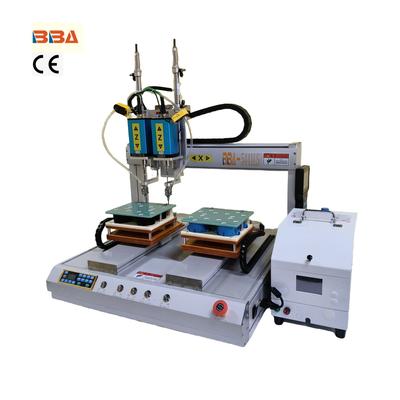
产品名称 适用行业 自动螺丝供料器 家电生产 body {font-family: Arial, sans-serif; line-height: 1.6; margin: 20px; color: #333;} h1 {color: #2c3e50; font-size: 28px; border-bottom: 2px solid #3498db; padding-bottom: 10px;} h2 {color: #2980b9; font-size: 22px; margin-top: 25px;} p {margin-bottom: 15px; text-align: justify;} ul {margin-bottom: 15px; padding-left: 20px;} li {margin-bottom: 8px;} strong {color: #16a085;} .conclusion {background-color: #f9f9f9; padding: 15px; border-left: 4px solid #3498db; margin-top: 20px;} 伺服螺丝系统备件管理 在工业自动化这个高风险的领域,保持峰值运营效率不仅是目标——更是必然要求。许多精密装配和制造过程的核心在于伺服螺丝系统,这是一项需要精心维护的复杂技术。其中最关键却常被低估的环节便是稳健且主动的备件管理策略。有效的管理远不止在储物间存放一箱备件;它是确保最低停机时间、最大化投资回报并保证长期系统可靠性的全面方案。 原厂与兼容备件的关键作用 伺服螺丝系统的性能完整性极大程度上取决于其组件的质量与兼容性。使用原厂备件是不可妥协的。这些部件按照精确规格制造,确保完美匹配、最佳性能并与现有系统无缝集成。非原厂或假冒部件看似是节省成本的捷径,实则带来巨大风险。它们可能导致过早磨损、灾难性故障、扭矩控制失准,甚至使系统保修失效。一个强大的管理计划应优先从可靠渠道采购正品部件以保障运营安全。 主动式备件套件的关键组件 建立关键备件的战略库存是防范意外停机的一道防线。虽然每个系统各异,但伺服螺丝系统有几个普遍必需的组件: 伺服电机和驱动器: 系统的核心。备用电机或驱动器模块可大幅缩短重大故障后的恢复时间。 螺丝刀头和套筒: 由于持续的摩擦和应力,这些部件会定期磨损。保持库存可防止生产中断。 联轴器和皮带: 传递运动和动力的关键。它们的故障会立即使整个流程停滞。 控制器和传感器: 编码器和扭矩传感器等电子元件对精度至关重要。备件确保持续的数据反馈和控制。 机械磨损部件: 包括滚珠丝杠、导轨和轴承,这些会随时间退化,应在计划维护中更换。 有效备件管理策略 高效管理这些部件需要结构化策略: 需求预测: 分析历史维护数据和设备使用情况,预测所需部件及时间。这既可避免库存过剩,也能防止库存不足。 organized存储与标签: 实施整洁、 organized的存储系统并清晰标签。这在紧急维修时节省宝贵时间,并防止部件丢失或损坏。 状态监控: 集成物联网传感器和数据分析,实时监控组件健康。这支持预测性维护,在部件可能故障前更换,而非按固定计划或故障后处理。 文档记录与追踪: 维护所有备件的数字日志,包括采购日期、安装日期和使用寿命。这为未来规划创建宝贵的知识库。 财务与运营影响 执行良好的备件管理计划直接影响盈亏。持有战略库存的成本与生产停机的惊人损失相比微不足道。在自动化生产线中,每分钟的停顿都可能造成重大收入损失。此外,使用现成部件的计划维护远比紧急维修高效,后者通常涉及加急运费和加班人工成本。它还通过确保系统始终使用符合原始性能标准的组件,延长了整个伺服螺丝系统的使用寿命。 总之,将备件管理视为战略投资而非运营费用,是世界级制造业务的标志。对于伺服螺丝系统这一精度和生产力的关键,主动且 organized的备件管理方法不可或缺。通过优先使用原厂组件、维护关键部件的战略库存并采用现代管理策略,企业可以实现无与伦比的正常运行时间、效率和运营韧性。将备件管理作为维护理念的基石,保护您的投资并保障生产线。
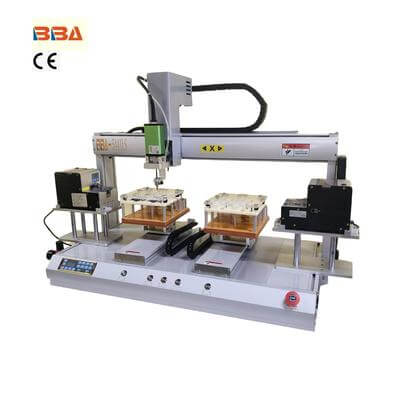
body { font-family: Arial, sans-serif; line-height: 1.6; color: #333; margin: 20px; } h1 { color: #2E7D32; font-size: 28px; margin-bottom: 20px; } p { margin-bottom: 16px; text-align: justify; } strong { color: #2E7D32; } The Green Benefits of Using Automatic Screw Locking Technology In today’s rapidly evolving industrial landscape, sustainability is no longer an optional consideration—it’s a necessity. Companies across the globe are actively seeking ways to reduce their environmental footprint while maintaining high levels of productivity and efficiency. One significant innovation driving this green transformation is automatic screw locking technology. This advanced automation solution not only enhances manufacturing precision and speed but also delivers substantial environmental benefits that contribute to a more sustainable future. One of the most immediate green advantages of automatic screw locking systems is the reduction in material waste. Traditional manual screw fastening processes are prone to human error, often resulting in over-tightening, under-tightening, or cross-threading. These mistakes can lead to damaged components, rejected products, and increased scrap material. In contrast, automated systems apply precise torque consistently every time, drastically minimizing errors and material waste. This precision ensures that every product is assembled correctly the first time, reducing the need for rework and the associated waste of raw materials. Furthermore, these automated systems contribute significantly to energy efficiency. Modern automatic screw locking machines are designed with optimized energy consumption in mind. They operate at high speeds with minimal idle time, completing tasks in a fraction of the time required by manual labor. This efficiency translates to lower energy usage per unit produced. Additionally, many advanced models are equipped with energy-saving features such as sleep modes and efficient electric drivers, which further reduce their overall power consumption compared to older, less efficient machinery or prolonged manual operation requiring more extensive factory lighting and climate control. Another critical environmental benefit is the reduction in the carbon footprint of manufacturing operations. By streamlining the assembly process and minimizing errors, automatic screw locking technology enhances overall production efficiency. This means fewer machines may be required to achieve the same output, and factories can operate more compactly. The decrease in rejected products also means less energy is wasted on manufacturing defective items that would ultimately be discarded. Over time, this cumulative efficiency reduces the greenhouse gas emissions associated with production, transportation of waste, and the manufacturing of replacement parts. Beyond direct operational benefits, the adoption of automation technology supports longer product lifecycles. Products assembled with consistent and reliable screw fastening are generally of higher quality and durability. They are less likely to fail prematurely due to assembly defects, which means consumers will replace them less frequently. This reduction in product turnover leads to less resource consumption and waste generation over the long term, supporting a circular economy model where products are designed to last. Moreover, automatic screw locking systems often contribute to a safer working environment. While safety is a human benefit, it indirectly supports sustainability goals. Reduced accident rates mean fewer disruptions and a more stable, efficient production process. This stability avoids the resource waste associated with production halts, retraining, and potential remediation activities. In conclusion, the integration of automatic screw locking technology is a powerful step toward greener manufacturing. Its ability to enhance precision, reduce waste, lower energy consumption, and decrease carbon emissions makes it an invaluable tool for companies committed to sustainability. As industries continue to prioritize environmental responsibility, embracing such innovative automation solutions will be crucial for building a more efficient, sustainable, and profitable future. Investing in this technology is not just an investment in operational excellence—it’s an investment in the planet. Product Name Applicable industries Screw Locking Robot Toy and Game Console Production
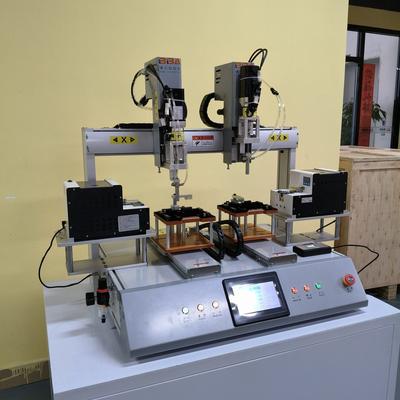
在快速发展的工业自动化领域,为装配和生产流程选择合适的工具至关重要。螺丝拧紧应用中两种常见解决方案是机器人螺丝刀和半自动螺丝刀。每种方案都具有独特的优势和局限性,适用于不同的操作环境和需求。 机器人螺丝刀代表了自动化技术的顶峰。这些系统完全集成、可编程,且能够在最少人工干预下运行。配备先进的视觉系统、精密传感器和自适应控制算法,机器人螺丝刀能够以高速性和重复精度处理复杂任务。它们非常适用于高产量生产线,其中一致性、生产效率和准确性至关重要。通过减少人工参与,这些系统还能最大程度降低错误和工伤风险。但初始投资巨大,且需要专业技术进行设置、编程和维护。 另一方面,半自动螺丝刀提供了更灵活且经济高效的解决方案。这些工具旨在增强而非完全取代人工操作员。半自动螺丝刀通常采用气动或电动驱动,并包含自动送料系统和扭矩控制等功能。操作员定位工具并触发拧紧过程,在确保对准和监督的同时,减少体力消耗并提高效率。半自动型号非常适用于中等产量生产、原型制作或需要频繁更换的应用场景。它们前期成本较低,且无需大量培训或基础设施变更即可轻松实施。 在选择机器人螺丝刀与半自动螺丝刀时,制造商必须考虑产量、复杂性、预算和长期运营目标等因素。机器人系统在结构化高速环境中表现出色,而半自动工具则在动态环境中提供多功能性和易用性。这两种技术在现代工业自动化中都扮演着重要角色,帮助企业提高生产力、提升质量并保持竞争优势。 理解装配流程的具体需求是做出明智选择的关键。通过评估技术要求和经济因素,企业可以选择最符合其运营策略并推动可持续增长的螺丝拧紧解决方案。 产品名称 适用行业 螺丝锁付机器人 电动工具装配线
产品名称 适用行业 双头螺丝刀 LED照明行业 body { font-family: Arial, sans-serif; line-height: 1.6; margin: 20px; } h2 { color: #2c3e50; } p { margin-bottom: 16px; } strong { color: #e67e22; } 使用自动化螺丝系统进行家电装配 在快速发展的工业制造领域,家电装配要求精度、速度和始终如一的稳定性。其中最关键的过程之一是螺丝紧固——这项任务如果手动操作,容易出错、不一致且效率低下。自动化螺丝系统应运而生:这项先进技术解决方案正在彻底改变家电的制造方式。这些系统不仅提升了生产质量,还显著提高了运营效率,使其成为现代制造设施中不可或缺的一部分。 自动化螺丝系统旨在处理各种家电的复杂紧固需求,从冰箱、洗衣机到微波炉和空调。这些系统利用配备精密驱动器、送料器和控制器的先进机械机制,以精确的扭矩和深度放置并拧紧螺丝。这消除了常见问题,如交叉螺纹、滑丝或拧紧不足,这些问题可能影响产品完整性,导致昂贵的召回或维修。 将这些系统集成到装配线中带来了诸多优势。首先,它们大幅提高了生产速度。与人工操作不同,自动化系统可以连续运行而不会疲劳,保持一致的周期时间和产量。这对于高产量生产环境尤为重要,满足需求至关重要。其次,它们增强了质量控制。每次螺丝紧固都会被记录和监控,确保每个产品符合严格的质量标准。如果螺丝漏装或紧固不当,系统可以立即检测并纠正问题,将缺陷率降至接近零。 另一个显著优势是降低了运营成本。虽然自动化技术的初始投资可能较大,但长期节省是可观的。自动化螺丝系统通过确保每个螺丝正确使用来最小化材料浪费,并通过减少人工监督来降低劳动力成本。此外,这些系统通过接管可能导致人工操作者肌肉骨骼损伤的重复性任务,改善了工作场所安全性,营造了更安全、更符合人体工程学的工作环境。 灵活性也是现代自动化螺丝系统的一个关键特点。它们可以编程处理多种螺丝类型和尺寸,使其能够适应各种产品线而无需大量重新工具。这在家电行业尤其有价值,因为产品设计经常变化以融入新功能和技术。凭借快速转换能力,制造商可以在不同家电之间迅速切换,在竞争激烈的市场中保持敏捷性。 展望未来,自动化在家电装配中的作用只会扩大。随着物联网(IoT)和人工智能(AI)等技术的不断进步,自动化螺丝系统将变得更智能、更互联。它们将能够预测维护需求、实时优化自身性能,并与其他自动化流程无缝集成,实现端到端的制造解决方案。 总之,自动化螺丝系统代表了工业自动化领域的一项关键创新,尤其适用于家电装配。通过提供无与伦比的精度、效率和可靠性,它们使制造商能够更快、更经济地生产更高质量的产品。随着行业向越来越智能的制造方向发展,采用这些先进系统对于任何旨在引领全球市场的公司都至关重要。