8618566785362 8618566785362 8618566785362 phoenix08@bbamachine.com
- All
- Product Name
- Product Keyword
- Product Model
- Product Summary
- Product Description
- Multi Field Search

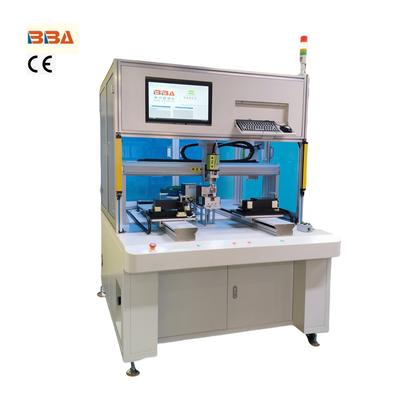
机器人螺丝驱动系统的关键组件 机器人螺丝驱动系统是现代制造和装配流程的核心组成部分,提供精确性、可重复性和高效性。了解这些系统的关键组件有助于深入认识其功能特性,以及使其成为工业自动化不可或缺部分的技术进步。 1. 机械臂 机械臂是系统中的主要操作部件,提供所需的运动范围以精确定位螺丝刀工具。通常配备多轴设计,机械臂允许在三维空间内灵活移动,能够触及各种角度和狭窄空间。其结构确保刚性并在操作过程中减少振动,这对保持精确性至关重要。 2. 螺丝刀工具 螺丝刀工具(通常是电动或气动驱动器)安装在机械臂末端。该工具设计用于处理特定类型和尺寸的螺丝,并可配备传感器以监控扭矩和转速。这确保每个螺丝都能达到正确的紧固度,而不会损坏材料或螺丝本身。 3. 螺丝送料器 螺丝送料器是向驱动工具自动供应螺丝的关键组件。它由振动碗或带式系统组成,可定向并逐个输送螺丝。这种自动化消除了手动操作的需要,显著提高了装配过程的速度和一致性。 4. 视觉系统 许多先进的机器人螺丝驱动系统采用视觉系统来提高精度。摄像头和图像处理软件帮助机器人识别螺丝孔的确切位置,即使工件稍有错位。这使得能够进行实时调整,并确保每次都能正确驱动螺丝。 5. 控制系统 控制系统是操作的大脑,协调机械臂、螺丝送料器和驱动工具的运动。它处理来自传感器和视觉系统的输入,以高精度执行任务。现代控制系统通常可编程,便于适应不同产品和装配要求。 6. 扭矩传感器 扭矩传感器对质量控制至关重要。它们测量螺丝驱动过程中施加的扭矩,确保每个螺丝符合指定的紧固标准。如果螺丝过紧或过松,传感器可以触发警报或停止过程,防止缺陷并保持产品质量。 7. 末端执行器 末端执行器是机器人与螺丝和工件直接交互的部分。它包括驱动头,并可能具有从送料器拾取螺丝并准确放置的机制。末端执行器的设计对于最小化错误和最大化效率至关重要。 总之,机器人螺丝驱动系统是一个精密组装的组件集合,协同工作以实现高速、精确的螺丝紧固。从机械臂和螺丝送料器到视觉和控制系统,每个元素在确保可靠性和效率方面都发挥着至关重要的作用。这些系统正日益成为精度和生产力至关重要的行业标准。 产品名称 适用行业 自动螺丝送料器 电动工具装配线
工业自动化系统已成为现代制造和生产环境的支柱。这些系统集成了硬件和软件技术来控制机械和流程,取代人工干预并提升运营效率。工业自动化的应用遍及多个行业,包括汽车、食品饮料、制药和物流领域,显著提高了生产力、质量和安全性。 工业自动化的主要应用之一是制造过程。自动化系统,如机械臂和计算机数控(CNC)机床,广泛用于装配、焊接、喷涂和加工等任务。这些系统以高精度和一致性运行,减少错误和浪费,同时提高产量。例如,在汽车行业,自动化生产线可以以最少的人工干预组装车辆,确保每个部件准确高效地安装。 另一个关键领域是过程控制,涉及管理连续操作,如化学加工、石油精炼和水处理。自动化系统监控温度、压力和流速等变量,实时调整参数以维持最佳条件。这不仅提高了产品质量,还通过预防事故和设备故障增强了安全性。先进的过程控制算法可以预测潜在问题并启动纠正措施,最大限度地减少停机时间并提高效率。 物料处理和物流也因自动化而发生了变革。自动导引车(AGV)和自主移动机器人(AMR)用于在仓库和生产设施内运输物料。这些系统可以在复杂环境中导航,避开障碍物并优化路线以减少运输时间。在分销中心,自动化分拣和包装系统加速订单履行,使企业能够快速准确地满足日益增长的消费者需求。 质量保证是自动化发挥重要作用的另一个领域。视觉系统和传感器检查产品缺陷,确保只有符合严格质量标准的产品进入市场。这些系统可以检测人眼看不见的缺陷,如微裂纹或颜色不一致,从而维护品牌声誉并减少退货。在制药行业,自动化检测系统验证片剂和胶囊的完整性,确保患者安全。 能源管理是工业自动化的新兴应用。智能系统监控整个设施的能耗,识别可以提高效率的领域。通过根据占用和使用模式自动化照明、供暖和冷却系统,企业可以显著减少碳足迹和运营成本。此外,与太阳能电池板和风力涡轮机等可再生能源的集成,实现了可持续且具有成本效益的电力管理。 工业自动化系统的采用也有助于劳动力发展。虽然自动化处理重复性和危险任务,但员工可以专注于更高价值的活动,如系统设计、维护和优化。这种转变需要技能提升,从而培养出更知识渊博和投入的员工。此外,自动化在机器人编程、数据分析和系统集成等领域创造了新的就业机会。 总之,工业自动化系统正在彻底改变行业的运营方式。从制造和过程控制到物流和质量保证,这些应用提高了效率、安全性和可持续性。随着技术的不断进步,自动化的范围将扩大,为企业和社会带来更大的利益。拥抱这些创新对于在快速发展的工业格局中保持竞争力至关重要。 产品名称 适用行业 螺丝紧固单元 汽车电子装配

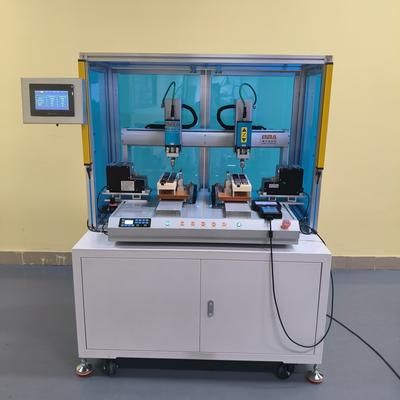
body { font-family: Arial, sans-serif; line-height: 1.6; color: #333; } h2 { color: #2c3e50; font-size: 28px; margin-bottom: 20px; } h3 { color: #3498db; font-size: 22px; margin-bottom: 15px; } p { margin-bottom: 15px; } ul { margin-bottom: 15px; padding-left: 20px; } li { margin-bottom: 8px; } strong { color: #e74c3c; } 伺服螺丝机器人的远程控制与诊断 工业自动化领域正在经历一场深刻的变革,其驱动力是对效率、精度和运营智能的不懈追求。处于这一演进最前沿的是先进的伺服螺丝机器人,这些精密系统专为高速、高精度的装配、点胶和紧固任务而设计。然而,这些现代主力设备的真正潜力是通过其先进的远程控制与诊断能力得以释放的,这一技术飞跃正在重新定义生产车间的管理方式。 释放操作灵活性 远程控制功能将操作员和生产经理从传统物理控制面板的束缚中解放出来。通过安全的网络连接,这些工业机器人几乎可以从任何地方进行监控、调整和指挥。这使得能够从一个单一地点集中管理遍布不同车间甚至全球工厂的多台机器。工程师可以微调另一个国家生产线的拧紧参数,或启动新的批次点胶程序,而无需亲临现场。这种无与伦比的灵活性显著缩短了响应生产需求的时间,实现了快速转换,并赋能了更加敏捷的制造环境。 主动健康监测与预测性诊断 除了简单的控制,现代伺服螺丝机还配备了一套复杂的传感器,持续收集大量的运行数据。远程诊断系统利用这些数据,深入洞察每个单元的健康状况和性能。电机扭矩、速度、温度和振动等关键参数被实时跟踪。先进的算法分析这些信息,以建立性能基线并识别可能预示潜在问题(如轴承磨损、皮带松动或校准漂移)的细微异常。 从被动维护转向预测性维护或许是最大的好处。系统无需等待机器发生故障导致代价高昂的意外停机,而是可以在潜在问题变得严重之前的数周就向维护团队发出警报。例如,通知可能指示某个轴电机显示出早期磨损迹象,从而使技术人员能够在计划维护窗口期间安排更换,从而避免灾难性的生产线中断。 增强的故障排除与数据驱动决策 当问题确实发生时,远程诊断工具极大地简化了故障排除过程。专家可以从远程技术中心安全地访问机器人的控制器,查看错误日志、历史性能数据和实时传感器读数。这种虚拟存在通常使得无需派遣技术人员即可诊断甚至解决问题成为可能,从而大幅缩短平均修复时间(MTTR)并降低相关服务成本。此外,长期收集的大量数据为优化流程、提高产品质量以及就未来升级和产能规划做出明智决策提供了宝贵的见解。 安全连接的基础 实施如此强大的远程功能需要对安全性和可靠性做出坚定承诺。强大的加密协议、安全的用户身份验证和分段的网络架构对于保护这些工业资产免受网络威胁至关重要。连接还必须高度可靠,以确保连续运行和数据完整性,这通常需要使用工业级通信协议。 远程控制与诊断的集成不再是一种奢侈,而是现代智能制造运营的关键组成部分。它代表了一项战略投资,通过最大化正常运行时间、降低运营成本、提高产品质量以及构建更具弹性和适应性的生产基础设施来获得回报。随着工业4.0的持续成熟,这些能力将成为标准,将物理自动化资产无缝连接到智能工厂的数字线程中。 产品名称 适用行业 智能螺丝拧紧机 LED照明行业
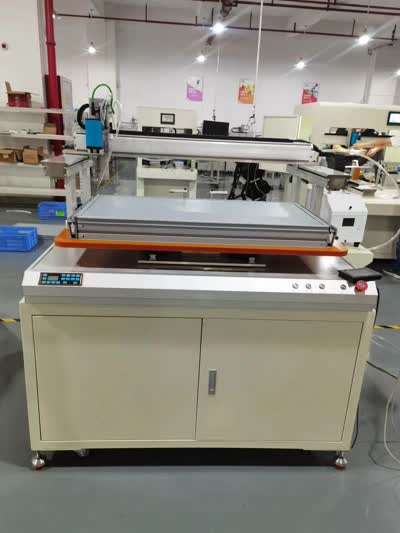
body { font-family: Arial, sans-serif; line-height: 1.6; color: #333; margin: 20px; } h1 { color: #0056b3; font-size: 28px; margin-bottom: 20px; } h2 { color: #003366; font-size: 22px; margin-top: 25px; margin-bottom: 15px; } p { margin-bottom: 15px; text-align: justify; } strong { color: #0056b3; } ul { margin-bottom: 15px; padding-left: 20px; } li { margin-bottom: 8px; } 伺服驱动装配在智能制造中的发展 工业生产的格局正在经历深刻变革,这一变革由对更高效率、灵活性和精度的不懈追求所驱动。在此演进的核心是伺服驱动装配系统的快速增长,这项关键技术正实现智能制造的愿景。这些先进的运动控制解决方案正在取代传统的机械和气动装置,为工厂车间提供前所未有的控制水平和智能化。 智能自动化的引擎 伺服技术为智能装配单元提供了基础构建模块。与固定行程机构不同,伺服驱动的执行器和电机具有高度可编程自由度。这使得能够精确控制每个运动过程中的位置、速度和扭矩。在智能制造背景下,这种可编程性直接转化为敏捷性。生产线只需上传新的运动配置文件,就能在不同产品变体或全新产品之间快速切换,而几乎无需进行物理更换。这种灵活性对于满足大规模定制和更短产品生命周期的需求至关重要。 采用的关键驱动因素 几个令人信服的因素正在加速伺服驱动装配系统在各行业的采用。 无与伦比的精度和质量: 能够以微米级精度执行复杂的多轴运动,确保持续更高的产品质量。这在电子、医疗器械和航空航天等行业至关重要,这些行业中的微小误差可能导致重大故障。 增强的数据和连接性: 现代伺服系统是丰富的数据源。它们持续生成有关性能、能耗和维护需求的信息。这些数据集成到更广泛的工业物联网(IIoT)框架中,能够实现预测性维护、实时流程优化以及每个装配单元的追溯性。 能源效率和可持续性: 伺服电机主要在执行工作时消耗电力,这与经常持续泄漏压缩空气的气动系统不同。这种按需用电方式显著降低了能源成本并支持企业可持续发展目标。 降低复杂性和停机时间: 通过消除复杂的机械联动装置、凸轮和气动系统,伺服驱动系统简化了机器设计。这种简化带来了更可靠的操作,并大幅减少了与机械调整和维护相关的停机时间。 与智能工厂生态系统的集成 伺服驱动装配的真正威力通过其无缝集成到互联的智能工厂中得以实现。这些系统直接与更高层的制造执行系统(MES)和全厂控制网络进行通信。这种连接性允许: 从网络任何位置远程监控和诊断装配站。 自适应控制,即可以根据视觉系统或其他检测传感器的反馈自动调整流程。 数字孪生同步,即装配流程的虚拟模型通过真实世界的性能数据持续更新,用于仿真和优化。 这创造了一个闭环、响应式的生产环境,其中的装配流程不仅实现了自动化,而且是真正智能化和自我优化的。 未来由伺服驱动 伺服驱动装配的发展轨迹是持续扩张和创新。随着技术进步,我们可以预期将采用更多集成的机电一体化系统,其中电机、驱动器和控制器组合成一个紧凑的单元,进一步简化安装和布线。此外,人工智能和机器学习的进步将利用伺服系统生成的海量数据集,自主改进工艺参数,在故障发生前进行预测,并释放新的生产力水平。 总之,伺服驱动装配的增长与智能制造的进步密不可分。它提供了精确、灵活且数据丰富的运动控制,这对于构建未来敏捷、高效和智能的工厂是必需的。对于希望实现生产能力现代化的公司而言,投资伺服技术不仅仅是一次升级——而是在日益动态的全球市场中保持竞争力的战略必需。 产品名称 适用行业 桌面螺丝刀机器人 智能手机制造
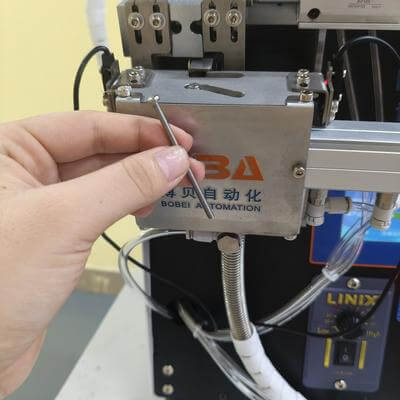
产品名称 适用行业 自动送螺丝机 汽车电子装配 body { font-family: Arial, sans-serif; line-height: 1.6; color: #333; margin: 20px; } h1 { color: #0056b3; font-size: 28px; margin-bottom: 20px; } h2 { color: #003366; font-size: 22px; margin-top: 25px; margin-bottom: 15px; } p { margin-bottom: 15px; text-align: justify; } ul { margin-bottom: 15px; padding-left: 20px; } li { margin-bottom: 8px; } .highlight { background-color: #f5f5f5; padding: 15px; border-radius: 5px; margin: 20px 0; } 多型号生产线的柔性紧固解决方案 在当今竞争激烈的制造环境中,快速适应不断变化的产品需求已不再是奢侈品,而是必需品。多型号生产线——在同一装配系统上生产不同产品变体——正逐渐成为汽车、电子和消费品等行业的标准。然而,这种灵活性带来了重大挑战,尤其是在紧固环节。传统的固定式自动拧螺丝或螺母拧紧工位往往难以实现快速换型,导致停机、错误和整体设备效率(OEE)降低。 刚性紧固系统的挑战 传统的紧固自动化解决方案通常专为大批量、少品种生产而设计。它们擅长重复性任务,但缺乏现代制造所需的敏捷性。当生产线需要在不同型号之间切换时——每个型号都有独特的紧固点、扭矩要求或螺丝类型——操作员通常需要进行手动调整、更换工具甚至整个工位的重新配置。这个过程耗时、易出错,并直接影响生产效率。在多型号环境中,这些低效问题会成倍增加,形成制约生产量和增加运营成本的瓶颈。 采用自适应紧固技术 为了克服这些障碍,具有前瞻性思维的制造商正在转向柔性紧固系统。这些先进的解决方案旨在处理多样性,同时不牺牲速度、精度或可靠性。真正的柔性紧固系统包含几项关键技术: 机器人集成:利用配备智能拧螺丝工具的协作机器人(cobot)或工业机器人,这些系统可以快速重新编程以访问多个产品型号的不同紧固位置。视觉系统和力传感功能确保精确的螺丝放置和正确的扭矩应用。 可编程工具:先进的自动螺丝刀和螺母拧紧机具有可编程的扭矩和角度设置。通过配方管理软件,操作员可以选择产品型号,系统会自动调整该特定变体的所有紧固参数,从而消除手动更换工具并减少错误风险。 模块化和移动设计:一些系统设计为模块化单元,可以轻松重新定位或扩展。配备紧固工具的自移动机器人(AMR)也在兴起,提供了无与伦比的灵活性,可根据需要在装配工位之间移动。 核心优势:不间断的生产流 实施柔性紧固解决方案的主要优势是能够在产品型号之间实现无缝切换。换型时间可以从几分钟减少到几秒钟。这种敏捷性使制造商能够快速响应定制订单、季节性需求波动甚至意外的设计变更。此外,这些系统通常包括全面的数据跟踪,记录每次紧固操作以实现完全可追溯性和质量保证——这是受监管行业的关键要求。 构建更智能的工厂 集成柔性紧固是构建更智能、响应更迅速的工厂的关键一步。它完美契合工业4.0的原则,即互联系统实时通信和适应。通过消除装配过程中的一个主要刚性来源,公司可以实现更高水平的自动化,支持大规模定制。其结果是大 幅提升OEE、降低劳动力成本,并在市场上获得更强的竞争地位。 随着产品生命周期缩短和消费者偏好多样化,对多型号生产的需求只会加剧。投资柔性紧固技术不仅仅是一次升级;更是为制造运营未来-proof的战略举措。通过赋予生产线处理任何挑战的敏捷性,企业可以确保未来数年的效率、质量和增长。
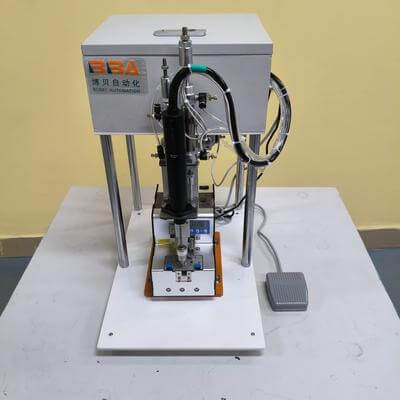
body { font-family: Arial, sans-serif; line-height: 1.6; margin: 20px; } h1 { color: #2c3e50; font-size: 28px; margin-bottom: 20px; } h2 { color: #34495e; font-size: 22px; margin-top: 25px; margin-bottom: 15px; } p { margin-bottom: 15px; text-align: justify; } ul { margin-bottom: 15px; margin-left: 20px; } li { margin-bottom: 8px; } strong { color: #16a085; } Benefits of Integrating Screw Locking Robots into Production Lines The manufacturing landscape is continuously evolving, driven by the relentless pursuit of greater efficiency, precision, and reliability. In this environment, the automation of repetitive yet critical tasks becomes paramount. One such task, screw fastening, has seen a revolutionary upgrade with the introduction of dedicated screw locking robots. Integrating these automated systems into production lines offers a multitude of advantages that directly impact the bottom line and product quality. Unmatched Consistency and Superior Quality Assurance Manual screw driving is inherently susceptible to human error. Variations in torque, angle, and sequence can lead to a host of problems, including loose connections, cross-threading, and damaged components. These inconsistencies compromise product integrity and lead to costly field failures and returns. Screw locking robots eliminate this variability. Programmed to execute each fastening operation with exacting precision, they apply the correct torque every single time. This ensures that every product leaving the line is assembled to the same high standard, drastically reducing the defect rate and enhancing overall product quality and reliability. Significant Boost in Production Efficiency and Output Automation is synonymous with speed and endurance. A screw locking robot operates at a constant, high pace without requiring breaks, shift changes, or vacations. It can work tirelessly 24/7, dramatically increasing the throughput of the assembly line. Furthermore, these robots can often complete the fastening process much faster than a human operator, especially for products requiring multiple screws. This reduction in cycle time directly translates to higher production volumes and the ability to meet demanding deadlines with ease. Reduction in Operational Costs and Labor Reallocation While the initial investment is a consideration, the long-term return on investment for screw locking robots is compelling. They reduce direct labor costs associated with manual fastening and minimize expenses related to human error, such as rework, scrap, and warranty claims. Perhaps more importantly, they free up valuable human resources from monotonous and physically taxing tasks. This allows companies to reallocate their skilled workforce to more value-added positions, such as quality control, machine oversight, and process improvement, fostering a more engaged and productive work environment. Enhanced Workplace Safety and Ergonomics Repetitive strain injuries (RSIs) are a common concern in manual assembly lines. The constant repetition of twisting and driving motions can lead to musculoskeletal disorders in workers, resulting in pain, absenteeism, and increased insurance costs. By delegating the screw driving task to a robot, manufacturers effectively remove their employees from this repetitive injury risk. This not only creates a safer workplace but also demonstrates a commitment to employee well-being. Additionally, it reduces the company's exposure to potential workers' compensation claims. Comprehensive Data Tracking for Process Optimization Modern screw locking robots are equipped with sophisticated sensors and software that provide a wealth of data. Every tightening operation can be monitored and recorded, creating a complete digital history for each product. Managers can access real-time data on torque values, cycle times, and error rates. This data is invaluable for process optimization and traceability. It allows for proactive maintenance scheduling, helps identify potential bottlenecks, and provides undeniable proof of quality compliance for auditors and customers. This level of traceability is becoming increasingly important in industries with strict regulatory requirements. In conclusion, the integration of screw locking robots is a strategic move for any manufacturer looking to gain a competitive edge. The benefits are clear: flawless product quality, heightened efficiency, lowered operational costs, a safer workplace, and data-driven process control. As technology continues to advance, these automated solutions will undoubtedly become an indispensable component of the smart factories of the future. Product Name Applicable industries CNC Screw Fastener Toy and Game Console Production
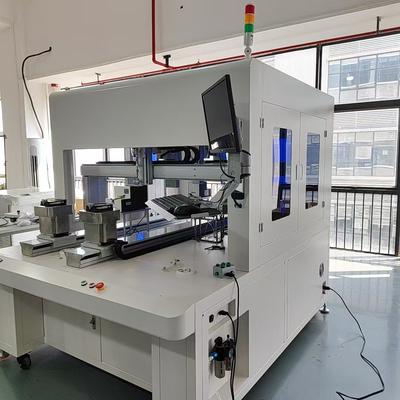
body { font-family: Arial, sans-serif; line-height: 1.6; color: #333; margin: 20px; } h1 { color: #0056b3; font-size: 28px; margin-bottom: 15px; } h2 { color: #004494; font-size: 22px; margin-top: 25px; margin-bottom: 10px; } p { margin-bottom: 15px; text-align: justify; } strong { color: #0056b3; } ul { margin-bottom: 15px; } li { margin-bottom: 8px; } 理解螺丝锁固自动化技术 在现代制造业的精密世界中,每个螺纹连接的完整性都至关重要。一颗松动的螺丝可能导致产品故障、安全隐患和重大财务损失。这正是螺丝锁固自动化技术成为关键解决方案的领域,它超越了简单的紧固,确保装配过程的绝对可靠性和一致性。这项技术代表了精密机械、先进控制系统和智能反馈的复杂融合,旨在每次都实现完美结果。 核心原理:超越扭矩 传统的自动化拧螺丝主要侧重于达到特定的扭矩值。然而,对于需要防振安全连接的应用,仅靠扭矩是不够的。螺丝锁固自动化引入了第二个关键功能:施加锁固元件。这个过程涉及一个精确的序列,首先将紧固件拧到指定扭矩,然后以受控方式激活锁固机制。该机制通常是粘合剂(如尼龙或化学剂)、变形螺纹或机械组件(如垫圈)。自动化系统必须以极高的精度管理驱动和锁固阶段,以避免损坏紧固件或工件,同时确保锁固完全正确啮合。 自动化系统的关键组件 自动化螺丝锁固系统是由多个集成组件组成的工程奇迹: 高精度驱动单元:这是系统的核心,通常是伺服电动驱动器。它提供对转速、扭矩和角度的无与伦比的控制,允许平稳准确的驱动过程,以及锁固动作所需的精确应用。 精密控制器:操作的大脑。它编程了每种螺丝类型和连接的精确参数。它实时监控过程,分析扭矩-角度相关性等数据,以检测任何异常,如交叉螺纹或缺失锁固。 专用送料和呈现系统:该系统必须轻柔可靠地处理可能带有预涂锁固剂的螺丝。振动盘、离心送料器和步进送料器设计用于定向和呈现这些敏感紧固件,而不损害锁固元件的完整性。 应用特定工具:与螺丝接口的批头或喷嘴经过设计,防止涂抹预涂粘合剂,并提供牢固的抓握,这对于管理驱动过程中打破锁固螺纹密封通常所需的更高反向扭矩至关重要。 过程监控和数据可追溯性的关键作用 现代螺丝锁固自动化与基本自动化的真正区别在于其过程内验证和数据记录能力。系统不仅执行任务,而且确认其成功。通过在整个周期中监控扭矩/角度曲线,控制器可以检测到锁固特性啮合的独特特征。任何与预设可接受曲线的偏差——表明可能存在缺失锁固、螺纹损坏或不正确就位等问题——都会立即触发拒绝标志。这种实时质量控制防止有缺陷的产品流入下一环节。此外,每个紧固连接的数据(最终扭矩、角度、时间和结果)都可以记录并追溯到特定产品序列号,为质量保证和持续改进计划提供宝贵数据。 对先进制造业的好处 采用自动化螺丝锁固技术为生产线带来深远好处。它消除了手动应用固有的可变性,保证每个连接都按照完全相同的标准固定。这极大地提高了产品质量和可靠性,同时减少了保修索赔。此外,与手动方法相比,它显著提高了生产速度和效率,同时提供数字纸质记录以实现完全合规和可追溯性。也许最重要的是,它通过将人员从可能导致肌肉骨骼损伤的重复性任务中移除,并避免接触化学锁固剂,从而增强了工人安全。 随着产品变得越来越复杂,可靠性标准不断提高,对智能装配解决方案(如螺丝锁固自动化)的需求只会增长。它不再仅仅是关于紧固;它是关于确保永久安全,将信任构建到每个产品中,并推动制造业走向未来的卓越。 产品名称 适用行业 伺服螺丝刀机器人 电动自行车装配
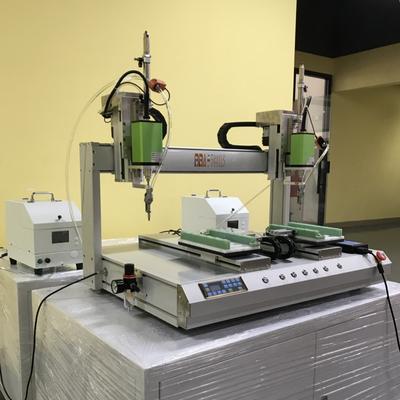
Product Name Applicable industries Screw Fastening Unit Toy and Game Console Production In modern manufacturing, efficiency and precision are more critical than ever. As industries strive to optimize production lines and reduce human error, the integration of robotic screw machines with pick-and-place robots has emerged as a powerful solution. This synergy not only enhances productivity but also improves consistency and flexibility in assembly processes. Robotic screw machines are designed to automate the fastening process, ensuring that screws are driven with exact torque and depth repeatedly. These systems eliminate variability and reduce the risk of product damage or failure due to improper screw placement. When combined with pick-and-place robots, which handle the precise positioning and movement of components, the entire assembly workflow becomes seamless and highly efficient. One of the key benefits of this integration is the reduction in cycle times. Pick-and-place robots can swiftly transport parts to the screw machine, which then performs the fastening operation without delay. This continuous flow minimizes idle time and maximizes throughput, making it ideal for high-volume production environments. Additionally, the collaboration between these robotic systems allows for greater adaptability. Manufacturers can easily reprogram the robots to accommodate different product designs or assembly requirements, providing the flexibility needed in today’s dynamic market. Another significant advantage is the improvement in quality control. Robotic screw machines often include sensors and vision systems to verify each screw’s placement and tightness, ensuring that every product meets strict quality standards. Pick-and-place robots contribute by accurately aligning components, reducing the chance of misalignment or defects. Together, they create a robust quality assurance process that minimizes errors and enhances product reliability. Furthermore, this integration supports a safer working environment. By automating repetitive and potentially hazardous tasks, such as manual screw driving or heavy lifting, companies can reduce workplace injuries and create more ergonomic operations. Employees can then focus on more value-added activities, such as monitoring the production process and performing quality checks. Implementing such a system does require careful planning and synchronization. The robotic screw machine and pick-and-place robot must communicate effectively to coordinate their actions. This often involves using advanced software and control systems to manage timing, positioning, and data exchange. However, with the right integration strategy, manufacturers can achieve a highly cohesive and efficient assembly line. In conclusion, the integration of robotic screw machines with pick-and-place robots represents a significant advancement in industrial automation. It offers numerous benefits, including increased productivity, improved quality, greater flexibility, and enhanced safety. As technology continues to evolve, this combination will likely become even more sophisticated, driving further innovations in manufacturing processes. Companies that adopt these integrated solutions today will be well-positioned to compete in the future landscape of industrial production.