8618566785362 8618566785362 8618566785362 phoenix08@bbamachine.com
- All
- Product Name
- Product Keyword
- Product Model
- Product Summary
- Product Description
- Multi Field Search
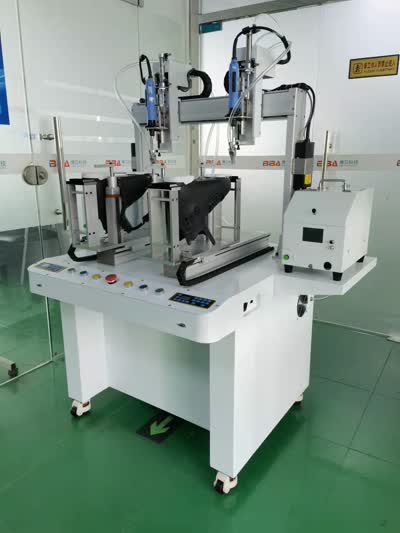
.body-style { font-family: Arial, sans-serif; line-height: 1.6; color: #333; margin: 20px; } .h2-style { color: #0056b3; font-size: 24px; margin-top: 20px; margin-bottom: 10px; } .p-style { margin-bottom: 15px; } .strong-style { color: #0056b3; font-weight: bold; } Sleutelzinnen om te richten op schroefassemblagemarketing In het competitieve landschap van industriële automatisering is het van cruciaal belang om de waarde van uw schroefassemblageoplossingen effectief te communiceren. De juiste marketingtaal trekt niet alleen de aandacht, maar resoneert ook diep met de specifieke behoeften en pijnpunten van uw doelgroep. Om boeiende berichten te creëren die betrokkenheid en conversie stimuleren, is het essentieel om te focussen op sleutelzinnen die efficiëntie, precisie, betrouwbaarheid en innovatie benadrukken. Verbetering van productie-efficiëntie en doorvoer Een van de belangrijkste zorgen voor productieprofessionals is het maximaliseren van de output zonder in te leveren op kwaliteit. Zinnen zoals "hogesnelheid geautomatiseerd schroefdraaien" en "maximaliseer de doorvoer van de productielijn" adresseren deze behoefte direct. Deze termen benadrukken het vermogen van uw systemen om assemblageprocessen te versnellen, cyclustijden te verkorten en hoge volumes naadloos te verwerken. Door deze capaciteiten te benadrukken, spreekt u operationele managers aan die hun productievloer willen optimaliseren en aanzienlijke productiviteitswinsten willen behalen. Zorgen voor onovertroffen kwaliteit en betrouwbaarheid Kwaliteitscontrole is een niet-onderhandelbaar aspect van schroefassemblage. Marketingberichten moeten zinnen bevatten zoals "foutbestendige bevestigingsoplossingen" en "nul-defect assemblageprocessen". Deze zinnen verzekeren potentiële klanten van de precisie en consistentie van uw apparatuur. Ze spreken ingenieurs en kwaliteitsborgingsmanagers aan die prioriteit geven aan het verminderen van herwerk, minimaliseren van productiefouten en handhaven van strenge kwaliteitsnormen. Het benadrukken van betrouwbaarheid bouwt vertrouwen op en positioneert uw producten als kritieke componenten voor mission-critical toepassingen. Aanpassen aan flexibele productiebehoeften Moderne productie vereist wendbaarheid. Termen zoals "snelle omstelmogelijkheden" en "flexibele automatisering voor gemengde productie" zijn zeer effectief. Ze demonstreren dat uw schroefassemblagesystemen zich snel kunnen aanpassen aan verschillende productontwerpen, batchgroottes en assemblagevereisten. Deze flexibiliteit is cruciaal voor industrieën zoals automotive en elektronica, waar productielijnen frequent moeten wisselen tussen varianten. Het richten op deze zin spreekt planners en ingenieurs aan die op zoek zijn naar schaalbare en veelzijdige automatiseringoplossingen. Integratie en gebruiksgemak Het gemak van integratie van nieuwe apparatuur in bestaande lijnen is een belangrijke aankoopfactor. Het benadrukken van "naadloze integratie met bestaande machines" en "gebruikersvriendelijke programmeerinterface" adresseert veelvoorkomende zorgen over implementatiecomplexiteit en trainingstijd. Deze zinnen zijn vooral aantrekkelijk voor fabrieksmanagers en onderhoudsteams die downtime willen minimaliseren en een soepele overgang naar geautomatiseerde processen willen waarborgen. Het benadrukken van intuïtieve bediening vermindert waargenomen barrières voor adoptie. Drijven van kostenreductie en ROI Uiteindelijk wordt investering in automatisering gedreven door financieel rendement. Krachtige marketingzinnen omvatten "aanzienlijke reductie in directe arbeidskosten" en "snel rendement op investering (ROI)". Deze spreken direct tot de zorgen over de bottom-line van financiële besluitvormers en executives. Door de potentiële besparingen te kwantificeren en de duidelijke economische voordelen uiteen te zetten, kunnen uw marketingmaterialen de investering effectief rechtvaardigen en de langetermijnwaarde van uw schroefassemblagesystemen aantonen. Door deze gerichte sleutelzinnen strategisch op te nemen in uw website-inhoud, brochures en verkooppresentaties, kunt u effectiever verbinding maken met de kernobjectieven van uw publiek. Deze gefocuste aanpak zorgt ervoor dat uw marketingbericht zowel gezien als begrepen wordt, wat groei stimuleert en uw merk positioneert als leider in industriële automatiseringoplossingen. Productnaam Toepasbare industrieën Desktop Schroefdraaier Robot Industriële Bedieningspaneel Assemblage

Product Name Applicable industries Auto Screwdriver Machine Electric Bicycle Assembly body { font-family: Arial, sans-serif; line-height: 1.6; margin: 20px; } h1 { color: #2c3e50; font-size: 28px; margin-bottom: 10px; } p { margin-bottom: 15px; color: #333; } strong { color: #16a085; } Achieving Consistent Torque with Automation In the world of industrial manufacturing, precision is not just a goal—it is a necessity. Among the many parameters that define quality and reliability, torque consistency stands out as a critical factor. Whether assembling delicate electronics or heavy machinery, the application of accurate and repeatable torque ensures product integrity, safety, and performance. Manual torque application, however, is prone to human error, fatigue, and variability. This is where automation steps in, transforming torque control into a seamless, precise, and highly efficient process. Automated torque systems leverage advanced technologies to deliver unmatched consistency. These systems integrate sensors, controllers, and actuators to monitor and adjust torque in real-time, ensuring every fastener meets exact specifications. The benefits are multifaceted: reduced defect rates, enhanced worker safety, and improved production throughput. For industries such as automotive, aerospace, and consumer electronics, where torque tolerances are exceptionally tight, automation is no longer a luxury but a fundamental requirement. One of the key components in achieving consistent torque is the use of servo-driven tools. These tools provide closed-loop feedback, continuously measuring the applied torque and making instantaneous corrections. This level of control eliminates under-torquing, which can lead to loose connections and potential failures, and over-torquing, which may cause damage to components or threads. The data collected during the process can also be logged for quality assurance and traceability, supporting compliance with industry standards and regulations. Moreover, automated torque systems are designed to integrate seamlessly into existing production lines. They can be programmed for multiple tasks, adapting to different products and torque requirements without manual reconfiguration. This flexibility allows manufacturers to respond quickly to changing demands while maintaining high levels of accuracy. Robotics play a significant role here, with automated arms equipped with torque sensors capable of performing complex assemblies with precision that far exceeds human capability. Another advantage is the reduction in physical strain on workers. Repetitive manual torque application can lead to musculoskeletal disorders and fatigue, increasing the risk of errors and injuries. By automating these tasks, companies not only improve product quality but also promote a safer and more ergonomic work environment. Employees can be upskilled to oversee and manage automated systems, focusing on more value-added activities rather than repetitive manual labor. Looking ahead, the future of torque automation is set to become even more intelligent. With the integration of Internet of Things (IoT) technologies, torque systems can be connected to centralized monitoring platforms. This enables predictive maintenance, where data analytics identify potential issues before they cause downtime, and continuous optimization of torque processes based on real-time performance metrics. The result is a smarter, more responsive manufacturing ecosystem. In conclusion, achieving consistent torque with automation is a transformative approach that elevates manufacturing standards. It ensures that every product is built with precision, reliability, and efficiency. As industries continue to evolve towards greater automation, embracing advanced torque control solutions will be key to maintaining competitiveness and meeting the ever-increasing demands for quality and safety.
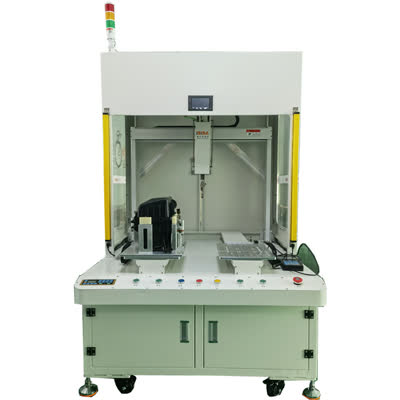
Product Name Applicable industries Automatic Screw Feeder Smart Wearables Production body { font-family: Arial, sans-serif; line-height: 1.6; color: #333; } h1 { color: #0056b3; font-size: 28px; margin-bottom: 20px; } h2 { color: #004a99; font-size: 22px; margin-top: 25px; margin-bottom: 15px; } p { margin-bottom: 15px; } ul { margin-bottom: 15px; padding-left: 20px; } li { margin-bottom: 8px; } strong { color: #004a99; } Questions to Ask Before Buying a Screw Locking Machine Investing in industrial automation equipment is a significant decision that can greatly impact your production efficiency, product quality, and bottom line. A screw locking machine, also known as a screwdriving system, is a crucial piece of equipment for countless assembly lines. Choosing the right one requires careful consideration. To ensure you make a well-informed purchase that aligns with your specific needs, here are the essential questions you should ask. What Are My Application Requirements? Before you even look at different models, you must have a deep understanding of your own application. Start by asking: Screw Specifications: What is the size, type, pitch, and material of the screws you will be using? The machine must be compatible with your fasteners. Torque and Angle Requirements: What are the precise torque and angle specifications for a perfect lock? This is critical for product quality and consistency. Part Design: What is the geometry of the part being assembled? Are there accessibility issues or unique angles the machine must accommodate? Production Volume and Speed: What is your required output in units per hour or per shift? This will determine whether you need a simple benchtop unit or a high-speed automated system. What Level of Automation Do I Need? Screw locking machines range from semi-automatic to fully automated cells. You need to decide the right level for your process. Manual Presentation: Will an operator present the part and trigger the machine? Automatic Feeding: Do you need an integrated system that automatically feeds screws to the driver, significantly increasing speed and reducing operator fatigue? Robotic Integration: Should the screwdriver be mounted on a robot for complex, multi-point assembly tasks? Matching the automation level to your volume and labor availability is key to maximizing your return on investment. How Will the Machine Integrate Into My Existing Line? The new equipment must work seamlessly with your current setup. Important integration questions include: Physical Footprint: How much floor or bench space is available for the machine? Connectivity and Data: Does the machine offer PLC connectivity (e.g., via Ethernet/IP, Profinet, Modbus) for seamless integration into your factory's control system? Can it provide data output for traceability and process monitoring? Power Requirements: What are the electrical and air pressure requirements? Ensure your facility can meet them. What About Ease of Use and Changeover? In modern manufacturing, flexibility is vital. If you produce multiple products, you must ask: How quickly can the machine be reprogrammed for a different screw or torque setting? Look for intuitive user interfaces with recipe storage. How difficult is it to change the feeder bowl or driver bit? Quick-change features can drastically reduce downtime during product changeovers. What Kind of Support and Service Can I Expect? The relationship with your supplier doesn't end at the sale. Probe into their after-sales support: Installation and Training: Do they offer on-site installation and comprehensive training for your operators and maintenance staff? Technical Support: What is the availability of their technical support team? Is there local expertise? Spare Parts and Warranty: What is the lead time for critical spare parts? What does the warranty cover and for how long? Asking these detailed questions will provide clarity and guide you toward the ideal screw locking solution. A thorough evaluation process ensures the machine you select not only performs the task but also enhances your overall manufacturing strategy, providing reliability, quality, and efficiency for years to come.
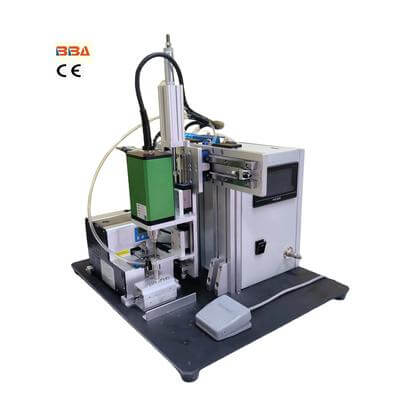
Product Name Applicable industries Inline Screw Locking System Automotive Electronics Assembly body { font-family: Arial, sans-serif; line-height: 1.6; margin: 20px; } h1 { color: #2c3e50; font-size: 28px; margin-bottom: 20px; } h2 { color: #34495e; font-size: 22px; margin-top: 25px; margin-bottom: 15px; } p { margin-bottom: 15px; color: #333; } ul { margin-bottom: 15px; padding-left: 20px; } li { margin-bottom: 8px; } strong { color: #16a085; } Desktop Robots for Precision Screw Tightening In the realm of industrial automation, precision and reliability are paramount. One of the critical processes in manufacturing and assembly is screw tightening, a task that, while seemingly simple, requires consistent accuracy to ensure product quality and safety. Manual screw tightening is prone to human error, leading to inconsistencies, stripped threads, and potential product failures. This is where desktop robots designed for precision screw tightening come into play, revolutionizing assembly lines with their unmatched accuracy and efficiency. The Need for Automation in Screw Tightening Traditional manual screw tightening processes often face challenges such as operator fatigue, variability in torque application, and difficulty in maintaining high throughput over extended periods. These issues can result in compromised product integrity and increased rework rates. Automated screw tightening solutions address these pain points by delivering consistent, high-quality results every time, reducing the risk of errors and enhancing overall production efficiency. Key Features of Desktop Screw Tightening Robots Modern desktop robots for screw tightening are equipped with advanced features that make them indispensable in precision-driven industries. These compact yet powerful systems are designed to integrate seamlessly into existing production setups, offering flexibility and scalability. High Precision Torque Control: These robots utilize sophisticated torque sensors and control algorithms to apply exact torque levels, ensuring each screw is tightened to specification without over-tightening or under-tightening. Adaptive Flexibility: With programmable settings and easy-to-configure software, these robots can handle a variety of screw sizes, types, and materials, making them suitable for diverse applications from electronics to automotive components. User-Friendly Interface: Intuitive software allows operators to set parameters, monitor performance, and troubleshoot issues with minimal training, reducing downtime and enhancing productivity. Compact Design: Their small footprint makes them ideal for benchtop applications where space is limited, without compromising on power or capability. Data Logging and Traceability: Integrated sensors record torque and angle data for each tightening operation, providing valuable insights for quality control and process optimization. Benefits of Implementing Desktop Robots Integrating desktop robots for screw tightening into manufacturing processes offers numerous advantages. Firstly, they significantly improve product consistency by eliminating human error, leading to higher quality outputs and reduced defect rates. Secondly, these robots enhance operational efficiency by working at high speeds without fatigue, increasing throughput and reducing cycle times. Additionally, they contribute to a safer work environment by minimizing repetitive strain injuries associated with manual tightening tasks. Lastly, the data collected by these systems enables continuous process improvement, helping manufacturers meet stringent quality standards and comply with industry regulations. Applications Across Industries Desktop screw tightening robots are versatile tools used in various sectors. In electronics manufacturing, they ensure delicate components are assembled with precise torque to prevent damage. In the automotive industry, they are employed for critical assemblies where reliability is non-negotiable. Medical device manufacturers rely on them to meet strict hygiene and precision requirements. Their adaptability makes them valuable in any setting where accuracy and repeatability are essential. Future Trends and Innovations The future of desktop robots for screw tightening looks promising, with ongoing advancements in artificial intelligence and machine learning. These technologies will enable even smarter systems capable of self-calibration, predictive maintenance, and adaptive learning to optimize performance over time. As industries continue to embrace Industry 4.0, these robots will play a crucial role in creating interconnected, intelligent factories that prioritize efficiency, quality, and sustainability. In conclusion, desktop robots for precision screw tightening represent a significant leap forward in industrial automation. By combining accuracy, flexibility, and ease of use, they empower manufacturers to achieve new levels of productivity and quality. As technology evolves, these systems will continue to set the standard for excellence in assembly processes worldwide.
Product Name Applicable industries Desktop Screwdriver Robot Drone and UAV Manufacturing body {font-family: Arial, sans-serif; line-height: 1.6; margin: 20px; color: #333;} h2 {color: #1a5c9e; font-size: 22px; margin-bottom: 15px;} h3 {color: #2c6bae; font-size: 18px; margin-top: 20px; margin-bottom: 10px;} p {margin-bottom: 15px; text-align: justify;} ul {margin-bottom: 15px; margin-left: 20px;} li {margin-bottom: 8px;} strong {color: #555;} Troubleshooting Common Technical Issues in Screw Locking Machines Screw locking machines are fundamental to assembly lines across numerous industries, ensuring product integrity and reliability through precise and consistent fastening. However, like any sophisticated piece of industrial automation equipment, they can occasionally encounter operational issues that disrupt production flow. Understanding how to diagnose and resolve these common problems is key to minimizing downtime and maintaining high efficiency. This article outlines several typical technical challenges and provides practical troubleshooting steps. 1. Inconsistent Torque Output One of the most frequent issues operators face is inconsistent or inaccurate torque delivery. This can result in under-tightened screws, which compromise product safety, or over-tightened screws, which can damage threads or the fastener itself. Potential Causes and Solutions: Tool Calibration: The most common cause is a tool that has fallen out of calibration due to regular wear and tear. Regularly scheduled calibration according to the manufacturer's guidelines is essential to maintain accuracy. Air Supply (for pneumatic models): Fluctuations in air pressure can lead to inconsistent torque. Ensure the air compressor is providing a stable, clean, and dry supply of air at the recommended pressure level. Check for leaks in the airline. Mechanical Wear: Worn-out components like clutches in pulse tools or DC motors in electric screwdrivers can cause performance drift. A preventative maintenance schedule should include inspection and replacement of these wear-prone parts. 2. Screw Slippage or Cross-Threading This occurs when the driver bit fails to engage the screw head properly, causing damage to the screw head (cam-out) or misalignment that leads to cross-threading. Potential Causes and Solutions: Worn or Incorrect Driver Bit: Bits wear down over time and lose their grip. Inspect bits regularly and replace them at the first sign of wear. Always use bits that match the screw type and size perfectly. Feed System Misalignment: If the screw presenting system (e.g., hopper, bowl feeder, nose piece) is not perfectly aligned with the driver, the screw will not be presented straight. Verify and adjust the alignment of the feeding mechanism to ensure the screw is vertical and centered. Operator or Robot Path Error: For handheld or robotic applications, the approach angle is critical. The tool must approach the workpiece perpendicularly to avoid cross-threading. Re-programming the robot path or retraining operators on the correct approach can resolve this. 3. Machine Stoppages or Jamming Unexpected stoppages halt production and are often caused by issues in the screw feeding system. Potential Causes and Solutions: Screw Contamination: Dirty, rusty, or non-standard screws can jam the feeder bowl or the nose piece. Always use clean, high-quality fasteners that meet specification. Implement a cleaning schedule for the hopper and bowl feeder. Feed System Blockage: Debris or a damaged screw can obstruct the feed track or hose. Regularly clear the feed path and inspect for any obstructions or wear. Sensor Fault: Faulty photoelectric or proximity sensors may fail to detect the presence of a screw, causing the machine to stop unnecessarily. Check sensor alignment, cleanliness, and functionality. 4. Error Codes and Electronic Faults Modern electric screwdrivers often display error codes on their controllers or HMIs, which can point to specific internal problems. Potential Causes and Solutions: Overload or Overheating: Continuous operation at high torque can cause the motor to overheat and trigger a fault. Allow the tool to cool down and ensure it is used within its rated duty cycle. Check for mechanical binding that might be causing excessive load. Controller Communication Loss: Loose wiring or connector issues can cause communication errors between the tool, controller, and PLC. Power down the system and check all electrical connections for security. Software Glitch: Occasionally, a power surge or bug can cause the controller software to lock up. A simple power cycle (turning the machine off and on again) often clears temporary glitches. Implementing a robust preventative maintenance program is the most effective strategy to prevent these issues from occurring in the first place. Regular inspection, cleaning, calibration, and replacement of consumable parts like driver bits will significantly enhance the reliability and lifespan of your screw locking equipment, ensuring smooth and uninterrupted production.
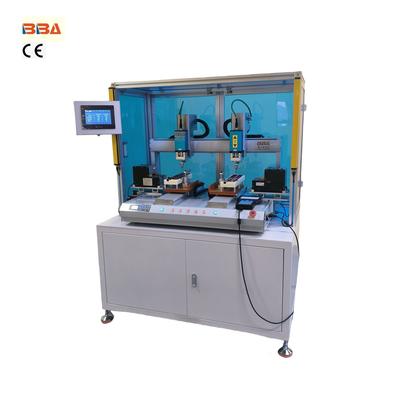
Productnaam Toepasselijke industrieën Slimme Schroefdraaimachine Automotive Elektronica Montage Beste Praktijken voor het Opzetten van een Automatische Schroeflijn body { font-family: Arial, sans-serif; line-height: 1.6; margin: 20px; } h1 { color: #2c3e50; font-size: 28px; margin-bottom: 20px; } h2 { color: #34495e; font-size: 22px; margin-top: 25px; margin-bottom: 15px; } p { margin-bottom: 15px; text-align: justify; } ul { margin-bottom: 15px; padding-left: 20px; } li { margin-bottom: 8px; } strong { color: #16a085; } Beste Praktijken voor het Opzetten van een Automatische Schroeflijn In de wereld van industriële automatisering is de implementatie van een geautomatiseerde schroefbevestigingslijn een significante stap naar het verbeteren van de productie-efficiëntie, het waarborgen van consistente productkwaliteit en het verminderen van operationele kosten. Een goed geconfigureerde automatische schroeflijn minimaliseert menselijke fouten, vermindert ergonomische belasting voor werknemers en versnelt assemblagecycli. Het bereiken van deze voordelen vereist echter zorgvuldige planning en uitvoering. Dit artikel beschrijft de fundamentele beste praktijken voor het opzetten van een robuust en betrouwbaar geautomatiseerd schroefsysteem. 1. Uitgebreide Procesanalyse en Planning Voordat u apparatuur selecteert, is een grondige analyse van het bestaande assemblageproces van essentieel belang. Identificeer de specifieke bevestigingstaken, inclusief de soorten schroeven die worden gebruikt (lengte, diameter, kopstijl), vereiste koppelwaarden en toegankelijkheid van de bevestigingspunten. Houd rekening met het productievolume en de cyclus tijddoelen. Het in kaart brengen van het volledige proces helpt bij het bepalen van het optimale niveau van automatisering—of een enkelstationcel, een multi-spindelsysteem of een volledig geïntegreerde robotlijn het meest geschikt is. Deze fundamentele stap voorkomt kostbare oversights en zorgt ervoor dat de automatiseringsoplossing perfect aansluit bij de productiedoelen. 2. Selectie van de Juiste Apparatuur Het kiezen van geschikte hardware is cruciaal. De kerncomponenten omvatten meestal automatische schroefaanvoerders, elektrische of pneumatische schroevendraaiers, en vaak een robotarm of een Cartesisch systeem voor positionering. Belangrijke selectiecriteria zijn: Schroefaanvoerder: Kies voor een aanvoerdermodel die uw specifieke schroeftype betrouwbaar verwerkt zonder vast te lopen. Bowl feeders zijn gebruikelijk, maar nieuwere flexibele tape-gevoede systemen kunnen uitstekend zijn voor delicate of kleine schroeven. Schroevendraaier: Selecteer een driver die in staat is tot precieze, herhaalbare koppelregeling. Elektrische schroevendraaiers hebben de voorkeur vanwege hun nauwkeurigheid en data-logging mogelijkheden, die essentieel zijn voor traceerbaarheid in kwaliteitskritieke toepassingen. Positioneringssysteem: De keuze tussen toegewijde vaste automatisering en een programmeerbare robot hangt af van onderdeelvariëteit. Voor high-mix productie biedt een 6-as robot ongeëvenaarde flexibiliteit om meerdere punten te bereiken. 3. Zorgen voor Onderdeelpresentatie en Bevestigingsstabiliteit Het automatiseringssysteem is slechts zo goed als het onderdeel waar het aan werkt. Het werkstuk moet op een zeer herhaalbare en stabiele positie aan de schroefeenheid worden gepresenteerd. Investeer in precisie-inrichtingen en mallen die het component veilig vasthouden, waardoor beweging tijdens het bevestigingsproces wordt voorkomen. Voor transportbandgebaseerde lijnen, zorg voor precieze positionering via mechanische stops of vision-gestuurde systemen. Onstabiele onderdelen kunnen leiden tot verkeerd ingedraaide schroeven, kruisdraad of schade aan het product en apparatuur. 4. Nauwgezette Systeemintegratie en Kalibratie Integratie omvat het synchroniseren van de schroefaanvoerder, driver en positioneringssysteem tot een samenhangende eenheid. Besteed nauwkeurige aandacht aan de uitlijning tussen de driverbit en de schroef die door de aanvoerder wordt gepresenteerd. Zelfs een lichte misuitlijning kan opnamefouten veroorzaken. Kalibreer de koppelinstellingen voor elk schroeftype volgens technische specificaties en voer uitgebreide tests uit om optimale driversnelheid en -diepte vast te stellen. Het implementeren van sensoren voor verificatie—zoals aanwezigheidssensoren om schroefopname te bevestigen en koppelmonitors om strakheid te valideren—is een niet-onderhandelbare praktijk voor het bereiken van zero-defect productie. 5. Robuust Onderhoud en Operatortraining Een geautomatiseerde schroeflijn is een langetermijninvestering die proactieve zorg vereist om piekprestaties te behouden. Stel een regelmatig onderhoudsschema op dat het reinigen van de feeder kom en banen omvat, inspectie van driverbits op slijtage en controle van koppelkalibratie. Train daarnaast onderhoudstechnici en lijnoperators grondig in het bedienen van het systeem, het uitvoeren van basisprobleemoplossing en het identificeren van vroege tekenen van potentiële problemen zoals feederblokkades of afnemende koppelnauwkeurigheid. Begaafd personeel is cruciaal voor het minimaliseren van downtime en het waarborgen van continue werking. Conclusie Het implementeren van een geautomatiseerde schroefbevestigingslijn is een krachtige strategie voor moderne productie. Door zich aan deze beste praktijken te houden—van rigoureuze initiële planning en apparatuurselectie tot stabiele bevestiging, precieze kalibratie en zorgvuldig onderhoud—kunnen bedrijven een systeem bouwen dat ongeëvenaarde betrouwbaarheid, kwaliteit en productiviteit levert. Een goed ontworpen automatische schroeflijn stroomlijnt niet alleen de assemblage, maar wordt ook een hoeksteen van een efficiëntere en concurrerendere productieoperatie.
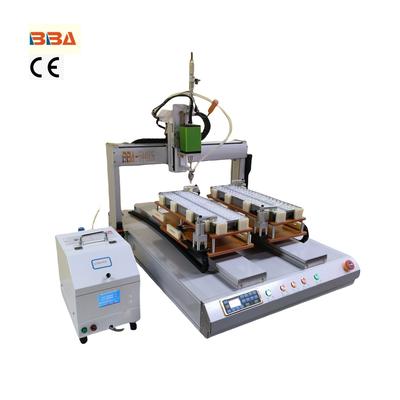
In de wereld van industriële automatisering vormen schroefvoermechanismen een cruciaal maar vaak over het hoofd gezien onderdeel van assemblegesystemen. Deze mechanismen zijn verantwoordelijk voor de precieze en efficiënte aanvoer van bevestigingsmaterialen, waardoor productielijnen soepel werken en met minimale stilstandtijden. Recente innovaties op dit gebied hebben de betrouwbaarheid, snelheid en flexibiliteit van schroefvoersystemen aanzienlijk verbeterd, waardoor ze beter zijn aangepast aan de evoluerende eisen van moderne productie. Een van de meest opmerkelijke vooruitgangen is de ontwikkeling van intelligente, visiegestuurde schroefvoersystemen. Traditionele systemen vertrouwen vaak op mechanische of pneumatische methoden om schroeven te oriënteren en aan te voeren, wat gevoelig kan zijn voor blokkades of verkeerde aanvoer, vooral bij kleinere of niet-standaard bevestigingsmaterialen. Moderne systemen bevatten hoogresolutiecamera's en machine learning-algoritmen om visueel de oriëntatie van elke schroef te identificeren en te verifiëren voordat deze aan de robot of het assemblagetool wordt gepresenteerd. Deze visuele inspectie vermindert de foutpercentages aanzienlijk en maakt de verwerking van een breder scala aan schroeftypen en -maten mogelijk zonder dure mechanische omschakelingen. Het systeem kan zich onmiddellijk aanpassen aan nieuwe bevestigingsmaterialen door simpelweg de softwareparameters bij te werken, wat een ongeëvenaarde flexibiliteit biedt voor productieomgevingen met een hoge mix. Bovendien hebben vooruitgangen in aandrijf- en triltechnologie geleid tot efficiëntere en zachtere voedingsprocessen. Nieuwere vibratiebakken gebruiken geoptimaliseerde trilpatronen en oppervlaktematerialen die contact tussen onderdelen minimaliseren en het risico op beschadiging van delicate schroefafwerkingen of draden verminderen. Dit is vooral cruciaal in industrieën zoals elektronica of medische hulpmiddelen, waar zelfs een kleine kras tot productfalen kan leiden. Daarnaast maakt de integratie van direct-aangedreven servomotoren in plaats van traditionele elektromagnetische aandrijvingen een fijnere controle over de voedingsbeweging mogelijk. Dit resulteert in een stillere werking, lager energieverbruik en de mogelijkheid om schroeven met zeer hoge snelheden precies te doseren, wat past bij het tempo van hedendaagse snelle assemblagelijnen. Connectiviteit en data-analyse vormen een ander innovatiefront. State-of-the-art schroefvoermechanismen zijn nu uitgerust met IoT-sensoren die belangrijke prestatie-indicatoren monitoren, zoals voedingssnelheid, blokkadefrequentie en motorkoppel, in real-time. Deze data wordt doorgestuurd naar een centraal monitorsysteem waar het kan worden geanalyseerd om onderhoudsbehoeften te voorspellen voordat een storing optreedt. Een geleidelijke toename van de motorweerstand kan bijvoorbeeld signaleren dat reiniging van de bak of slijtage van componenten nodig is, waardoor proactieve interventie tijdens geplande stilstand mogelijk is. Deze verschuiving van reactief naar voorspellend onderhoud voorkomt niet alleen kostbare lijnstops, maar verlengt ook de operationele levensduur van de apparatuur, wat een aanzienlijk rendement op investering oplevert. Ten slotte heeft de zoektocht naar grotere flexibiliteit geleid tot modulaire en lean schroefvoerontwerpen. In plaats van grote, gecentraliseerde voersystemen, nemen fabrikanten compacte, gedecentraliseerde units aan die direct op het gebruikspunt op de assemblagelijn kunnen worden geplaatst. Deze modules zijn eenvoudiger te integreren en kunnen snel worden verwisseld of herconfigureerd voor verschillende producten. Deze modulaire aanpak ondersteunt de trend naar lean manufacturing en massamaatwerk, waardoor fabrieken snel kunnen schakelen tussen verschillende producten zonder de productie te stoppen voor uitgebreide hertooling. Concluderend transformeren innovaties in schroefvoermechanismen de assemblage-automatisering fundamenteel. Door de integratie van machinevision, geavanceerde aandrijfsystemen, IoT-connectiviteit en modulair ontwerp worden deze systemen slimmer, efficiënter en flexibeler. Deze verbeteringen zijn essentieel voor fabrikanten die de productiviteit willen verhogen, de productkwaliteit willen verbeteren en een concurrentievoordeel willen behouden in een dynamisch industrielandschap. Productnaam Toepasselijke industrieën CNC Schroefbevestiger Productielijnen voor elektrisch gereedschap
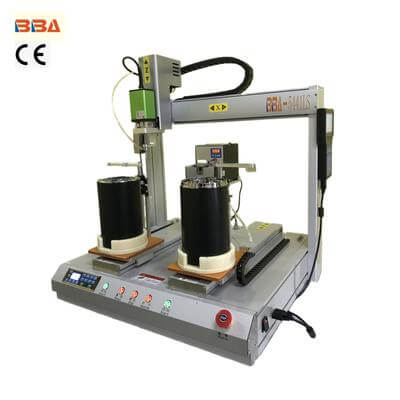
Productnaam Toepasselijke industrieën Servo Schroefdraaier Robot Auto-elektronica Montage Onderdelen van een Volledig Automatische Schroefassemblage Machine Volledig automatische schroefassemblage machines zijn essentieel in moderne productie, omdat ze precisie, snelheid en betrouwbaarheid bieden. Deze machines stroomlijnen het assemblageproces door automatisch schroeven in producten te draaien zonder menselijke tussenkomst. Het begrijpen van de belangrijkste onderdelen van deze systemen kan bedrijven helpen hun productielijnen te optimaliseren en de efficiëntie te verbeteren. 1. Schroefvoeder: De schroefvoeder is verantwoordelijk voor het aanvoeren van schroeven naar het draaigereedschap. Het gebruikt trillingen of roterende beweging om schroeven te oriënteren en te transporteren van een bulklevering naar het draaimechanisme. Dit zorgt voor een continue en consistente stroom van schroeven, waardoor downtime wordt geminimaliseerd. 2. Schroefdraaigereedschap: Dit onderdeel is het hart van de machine. Het bestaat uit een gemotoriseerde driver die schroeven oppikt uit de voeder en ze in het product vastdraait. Het gereedschap is instelbaar voor koppel en diepte, zodat elke schroef met precisie wordt gedraaid. 3. Besturingseenheid: De besturing fungeert als het brein van het systeem. Het beheert de werking van de voeder en het draaigereedschap, controleert de prestaties en stelt gebruikers in staat parameters zoals schroefaantal, koppel en snelheid in te stellen. Geavanceerde besturingen kunnen aanraakscherminterfaces bevatten voor eenvoudige bediening. 4. Visiesysteem: Veel moderne machines bevatten visiesystemen om de plaatsing van schroeven te verifiëren. Camera's en sensoren detecteren verkeerd geplaatste of ontbrekende schroeven, waardoor kwaliteitscontrole wordt gewaarborgd en fouten in het assemblageproces worden verminderd. 5. Transportsysteem: Voor inline productie transporteert een transportsysteem producten door het assemblagestation. Het synchroniseert met het schroefdraaigereedschap om nauwkeurige positionering en efficiënte handling te garanderen. 6. Veiligheidsvoorzieningen: Volledig automatische machines bevatten veiligheidsmechanismen zoals noodstopknoppen, beschermkappen en sensoren om ongevallen te voorkomen en operators te beschermen. Door deze onderdelen te integreren, verbeteren volledig automatische schroefassemblage machines de productiviteit, verlagen ze de arbeidskosten en zorgen ze voor consistente kwaliteit. Ze worden veel gebruikt in industrieën zoals elektronica, automotive en consumentengoederenproductie. Investeren in een goed ontworpen automatisch schroefassemblage systeem kan uw productiecapaciteiten aanzienlijk verbeteren en u helpen concurrerend te blijven in het snelle industriële landschap.