8618566785362 8618566785362 8618566785362 phoenix08@bbamachine.com
- All
- Product Name
- Product Keyword
- Product Model
- Product Summary
- Product Description
- Multi Field Search
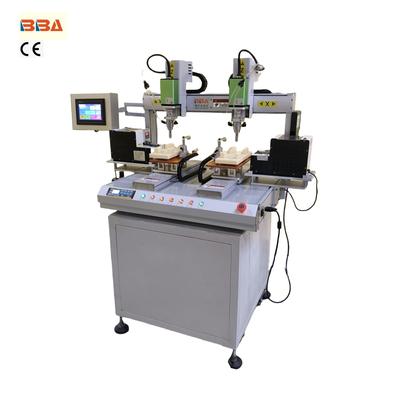
body { font-family: Arial, sans-serif; line-height: 1.6; color: #333; margin: 20px; } h1 { color: #2c3e50; font-size: 28px; margin-bottom: 20px; } h2 { color: #34495e; font-size: 22px; margin-top: 25px; margin-bottom: 15px; } p { margin-bottom: 15px; text-align: justify; } ul { margin-bottom: 15px; padding-left: 20px; } li { margin-bottom: 8px; } strong { color: #16a085; } Maintenance Schedule for Maximum Uptime In the world of industrial automation, unplanned downtime is one of the most significant threats to productivity and profitability. A single hour of halted production can result in substantial financial losses and disrupt entire supply chains. The key to mitigating this risk lies not in reactive fixes but in a proactive, strategic approach: a meticulously planned maintenance schedule designed for maximum uptime. The Critical Role of Proactive Maintenance Reactive maintenance, or fixing equipment only after it fails, is a costly and inefficient strategy. It leads to unpredictable breakdowns, emergency repairs, and prolonged periods of inactivity. In contrast, a proactive maintenance schedule shifts the paradigm from failure response to failure prevention. This strategy involves regularly scheduled inspections, servicing, and parts replacement based on either time intervals or actual equipment usage data. The primary goal is to identify and address potential issues before they escalate into major failures, thereby ensuring continuous operation and protecting your valuable assets. Key Elements of an Effective Maintenance Schedule Creating a maintenance schedule that genuinely maximizes uptime requires more than just random checks. It should be a comprehensive, living document tailored to your specific operation. Asset Criticality Analysis: Not all equipment is created equal. Begin by categorizing your machinery based on its impact on production. Critical assets whose failure would stop entire lines should be prioritized with the most rigorous maintenance routines. Leverage Predictive Technologies: Move beyond traditional time-based schedules by integrating condition-monitoring tools. Vibration analysis, thermal imaging, and ultrasonic testing can provide real-time data on equipment health, allowing you to perform maintenance precisely when it is needed—not too early, and never too late. Detailed Task Lists and Procedures: Each scheduled maintenance event should have a clear checklist of tasks, from visual inspections and lubrication to calibration and component replacement. Standardizing these procedures ensures consistency and completeness, leaving no room for error. Parts and Inventory Management: A schedule is useless if the required parts are not available. Plan maintenance around a well-managed inventory of critical spares to avoid waiting periods that extend downtime. Documentation and Continuous Improvement: Every maintenance action should be recorded. This historical data is invaluable for tracking asset performance, identifying recurring problems, and refining future schedules to be even more effective. Implementation and Best Practices Implementing a new maintenance strategy is a cultural shift that requires buy-in from all levels of the organization. Start by piloting the schedule on a few critical production lines to demonstrate its value. Utilize modern Computerized Maintenance Management Systems (CMMS) to automate work orders, track history, and manage resources efficiently. Most importantly, train your technicians thoroughly. They must understand the 'why' behind the schedule and be equipped with the skills to perform advanced diagnostics and procedures. Finally, review and adjust the schedule regularly. Production demands change, technology evolves, and your maintenance plan must be dynamic enough to adapt. The Result: Sustained Productivity and Long-Term Value Investing the time and resources into developing a disciplined maintenance schedule pays immense dividends. The most immediate benefit is a dramatic reduction in unplanned downtime, leading to higher overall equipment effectiveness (OEE), increased output, and more reliable delivery times. Furthermore, well-maintained equipment operates more efficiently, consuming less energy and reducing operational costs. It also extends the useful lifespan of your capital investments, delaying costly replacements. Ultimately, a robust maintenance schedule is not an expense; it is a strategic cornerstone for building a resilient, competitive, and profitable manufacturing operation. Product Name Applicable industries Automatic Screw Feeder LED Lighting Industry
body { font-family: Arial, sans-serif; line-height: 1.6; margin: 20px; color: #333; } h1 { color: #0056b3; font-size: 28px; margin-bottom: 20px; } h2 { color: #003366; font-size: 22px; margin-top: 25px; margin-bottom: 15px; } p { margin-bottom: 15px; text-align: justify; } ul { margin-top: 10px; margin-bottom: 15px; padding-left: 20px; } li { margin-bottom: 8px; } .highlight { background-color: #f0f8ff; padding: 15px; border-radius: 5px; margin: 20px 0; } .keyword { font-weight: bold; color: #0056b3; } Meerwaardediensten bij Multi-assystemen In het snel evoluerende landschap van industriële automatisering vormen multi-ass bewegingsregelsystemen een hoeksteen van moderne productie. Deze geavanceerde systemen, die beweging over meerdere assen simultaan coördineren, revolutioneren hoe complexe taken worden uitgevoerd met ongeëvenaarde precisie en efficiëntie. De ware kracht van deze systemen wordt echter niet alleen door de hardware zelf ontsloten, maar door een uitgebreide reeks meerwaardediensten die optimale prestaties, lange levensduur en een snel rendement op investering garanderen. Voorbij de Hardware: De Cruciale Rol van Integratie Het implementeren van een multi-assysteem is veel meer dan een eenvoudige plug-and-play operatie. De complexiteit van het synchroniseren van motoren, aandrijvingen en controllers vereist expert systeemintegratie. Professionele integratiediensten zorgen ervoor dat alle componenten in perfecte harmonie werken, specifiek afgestemd op uw unieke toepassing - of het nu gaat om intricate robotassemblage, hoogverpakkingssnelheid of precisiebewerking. Deze fundamentele service vermindert risico's, verkort de opstarttijd en garandeert dat het systeem vanaf dag één presteert volgens de gespecificeerde capaciteiten. Gepersonaliseerde Programmering en Toepassingsengineering Elk productieproces heeft zijn eigen specifieke vereisten. Standaard softwareoplossingen schieten vaak tekort om specifieke uitdagingen aan te pakken. Dit is waar aangepaste programmering en toepassingsengineering onschatbaar worden. Specialisten kunnen op maat gemaakte software routines ontwikkelen die padplanning optimaliseren, cyclustijden minimaliseren en complexe bewegingsprofielen implementeren. Dit diepe niveau van maatwerk verbetert de flexibiliteit, waardoor de uitvoering van zeer gespecialiseerde taken mogelijk wordt die een significant competitief voordeel bieden. Belangrijke Meerwaardediensten Inclusief: Uitgebreid Systeemontwerp & Simulatie: Virtuele modellering van het gehele systeem om prestaties te voorspellen, potentiële problemen te identificeren en concepten te valideren vóór fysieke implementatie. Geavanceerde Training & Kennisoverdracht: Uw personeel empoweren met de vaardigheden die nodig zijn om het systeem effectief te bedienen, te onderhouden en problemen op te lossen, waardoor uptime en productiviteit worden gemaximaliseerd. Proactief Onderhoud & Remote Diagnostiek: Gebruikmakend van verbonden technologie om de systeemgezondheid te monitoren, onderhoudsbehoeften te voorspellen en vaak problemen op afstand op te lossen, waardoor kostbare ongeplande stilstand wordt voorkomen. Technische Ondersteuning & Levenscyclusbeheer: Doorlopende ondersteuning bieden, van probleemoplossing tot upgrades, om ervoor te zorgen dat uw systeem meeevolueert met uw productiebehoeften en technologische vooruitgang. Operationele Excellentie en Future-Proofing De investering in een multi-assysteem is significant, en het beschermen van die investering is van paramount belang. Meerwaardediensten zijn de sleutel tot het future-proofen van uw automatiseringactiva. Door continue ondersteuning en updates kan uw systeem zich aanpassen aan nieuwe producten, processen en technologieën. Deze benadering transformeert een kapitaaluitgave in een langetermijnstrategisch partnerschap gericht op het stimuleren van continue operationele excellentie, het verbeteren van de algehele apparatuureffectiviteit (OEE) en het handhaven van een robuuste bottom line. Concluderend, terwijl multi-assystemen de mechanische middelen bieden om geavanceerde automatisering te bereiken, is het de laag van meerwaardediensten die hun beloofde potentieel daadwerkelijk levert. Deze diensten garanderen naadloze integratie, gepersonaliseerde werking en volgehouden prestaties, en veranderen geavanceerde technologie in een betrouwbare en krachtige aanjager van uw productiesucces. Productnaam Toepasselijke industrieën Screw Locking Robot Assemblage van Telecommunicatieapparatuur
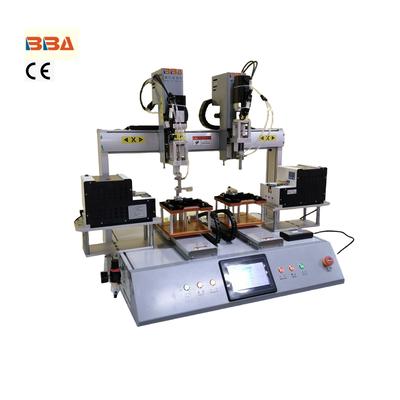
ProductnaamToepasselijke industrieënSlimme SchroefdraaimachineSpeelgoed- en GameconsoleproductieDispensen en Robotisch Schroeven CombinerenIn het snel evoluerende landschap van industriële automatisering is het integreren van meerdere processen in één gestroomlijnde operatie een belangrijke strategie geworden om efficiëntie, precisie en productiviteit te verbeteren. Een van de meest impactvolle integraties is de combinatie van dispense- en robotische schroeftechnologieën. Deze synergie optimaliseert niet alleen productieprocessen, maar opent ook nieuwe mogelijkheden voor innovatie en kwaliteitsborging.Dispensesystemen worden veel gebruikt in industrieën zoals elektronica, automotive en consumentengoederen voor het nauwkeurig aanbrengen van lijmen, kitten, smeermiddelen en andere materialen. Robotisch schroeven automatiseert het bevestigingsproces, zorgt voor consistent koppel en vermindert het risico op menselijke fouten. Door deze twee functies te combineren in een samenhangende eenheid, kunnen fabrikanten een naadloos assemblageproces bereiken dat handling minimaliseert, cyclustijden verkort en de algehele productbetrouwbaarheid verbetert.Voordelen van IntegratieDe integratie van dispensen en robotisch schroeven biedt verschillende overtuigende voordelen. Ten eerste elimineert het de behoefte aan aparte werkstations, bespaart waardevolle vloerruimte en vermindert materiaaloverdracht tussen fasen. Deze consolidatie leidt tot een compactere productielijn en lagere operationele kosten.Ten tweede verbetert de combinatie van deze processen de precisie en herhaalbaarheid. Bij toepassingen waar lijmen worden gebruikt naast mechanische bevestigingen, kan het robotsysteem eerst de exact benodigde hoeveelheid lijm aanbrengen en vervolgens onmiddellijk de schroef plaatsen. Dit zorgt voor optimale hechting en bevestiging zonder vertragingen of misaligneringen die kunnen optreden bij gescheiden processen.Ten derde ondersteunt deze integratie een betere kwaliteitscontrole. Met sensoren en vision-systemen die vaak zijn ingebed in moderne automatiseringsapparatuur, kan het gecombineerde systeem de aanwezigheid en correcte toepassing van lijmen verifiëren, evenals schroefparameters zoals koppel en diepte monitoren. Afwijkingen kunnen real-time worden gedetecteerd, waardoor directe correcties mogelijk zijn en de kans op defecten afneemt.Toepassingen in Verschillende IndustrieënDe veelzijdigheid van gecombineerd dispensen en schroeven maakt het geschikt voor een breed scala aan toepassingen. In de elektronica-industrie wordt het bijvoorbeeld gebruikt voor het assembleren van apparaten waar componenten zowel gelijmd als geschroefd moeten worden voor extra veiligheid en trillingsbestendigheid. Automotivefabrikanten gebruiken deze technologie voor het installeren van interieurpanelen, sensoren en elektrische modules die afdichting en bevestiging vereisen. Evenzo zorgen geïntegreerde systemen in de lucht- en ruimtevaart en medische apparatuurproductie, waar precisie en betrouwbaarheid cruciaal zijn, voor naleving van strenge normen.Bovendien zorgt de flexibiliteit van robotautomatisering voor eenvoudige aanpassing aan verschillende productontwerpen en volumes. Of het nu gaat om grootschalige massaproductie of aangepaste, kleine batches, het systeem kan worden geprogrammeerd om verschillende dispensepatronen en schroeftypes te hanteren met minimale omschakeltijd.ToekomstperspectiefNaarmate industrieën slimme manufacturing en Industry 4.0-principes blijven omarmen, wordt verwacht dat de integratie van dispensen en robotisch schroeven nog geavanceerder wordt. Vooruitgang in kunstmatige intelligentie en machine learning zal predictief onderhoud, zelfoptimalisatie en grotere autonomie mogelijk maken. Daarnaast zal de opkomst van collaboratieve robots (cobots) deze geïntegreerde systemen toegankelijker maken voor kleine en middelgrote bedrijven, waardoor geavanceerde automatisering verder wordt gedemocratiseerd.Concluderend vertegenwoordigt de combinatie van dispensen en robotisch schroeven een significante vooruitgang in industriële automatisering. Door deze processen te verenigen, kunnen fabrikanten hogere efficiëntie, verbeterde productkwaliteit en grotere flexibiliteit bereiken. Naarmate de technologie blijft evolueren, zal deze integratie zonder twijfel een cruciale rol spelen in de toekomst van manufacturing.
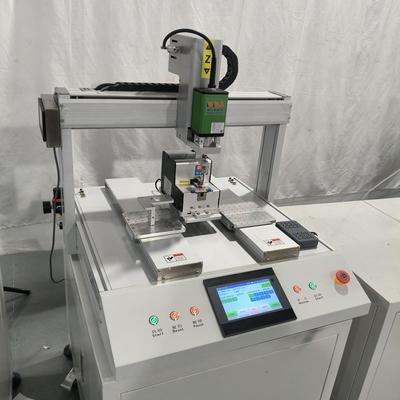
Product Name Applicable industries Desktop Screwdriver Robot LED Lighting Industry The global industrial landscape is undergoing a profound transformation, driven by the increasing adoption of automation technologies. Among these, automated fastening systems have emerged as a critical component, revolutionizing assembly processes across various sectors. The demand for these systems is experiencing significant growth, fueled by the need for higher efficiency, improved quality, and reduced operational costs. Automated fastening systems encompass a wide range of solutions, including robotic screwdriving, nut running, and precision tightening applications. These systems are designed to handle repetitive tasks with unparalleled accuracy and consistency, eliminating human error and enhancing overall productivity. In industries such as automotive, electronics, aerospace, and consumer goods, the integration of automated fastening technology has become essential for maintaining competitive advantage. One of the primary drivers behind the growing demand is the relentless pursuit of precision. Manual fastening processes are inherently variable, often leading to inconsistencies in torque application, which can compromise product quality and safety. Automated systems, however, ensure that every fastener is applied with exact specifications, reducing the risk of defects and recalls. This level of reliability is particularly crucial in sectors where safety and performance are paramount. Another key factor contributing to the rise in demand is the need for scalability. As markets evolve and production volumes fluctuate, manufacturers require flexible solutions that can adapt to changing requirements. Automated fastening systems offer the versatility to handle diverse product designs and production rates without significant reconfiguration. This adaptability allows companies to respond swiftly to market demands while optimizing resource utilization. Labor shortages and rising labor costs are also prompting industries to invest in automation. By deploying automated fastening systems, manufacturers can reduce their reliance on manual labor, mitigate the impact of workforce challenges, and reallocate human resources to more value-added tasks. This shift not only improves operational efficiency but also enhances employee satisfaction by reducing repetitive and physically demanding work. Technological advancements are further accelerating the adoption of automated fastening systems. Innovations such as vision-guided robotics, intelligent torque control, and IoT-enabled monitoring have elevated the capabilities of these systems. Real-time data collection and analysis enable predictive maintenance, minimize downtime, and provide valuable insights for process optimization. These smart features are transforming fastening from a mundane task into a strategic function within the manufacturing ecosystem. The global push for sustainability is also influencing the demand for automated fastening solutions. By optimizing material usage and reducing waste through precise application, these systems contribute to more environmentally friendly manufacturing practices. Additionally, the energy efficiency of modern automated equipment aligns with corporate sustainability goals, making them an attractive investment for forward-thinking organizations. In conclusion, the global demand for automated fastening systems is poised for continued growth as industries recognize their multifaceted benefits. From enhancing precision and scalability to addressing labor challenges and supporting sustainability initiatives, these systems are integral to the future of manufacturing. As technology continues to evolve, automated fastening will undoubtedly play an even more pivotal role in shaping efficient, reliable, and innovative industrial processes worldwide.
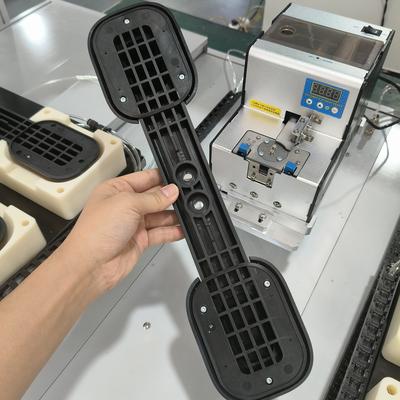
body { font-family: Arial, sans-serif; line-height: 1.6; color: #333; margin: 20px; } h1 { color: #0056b3; font-size: 28px; margin-bottom: 15px; } h2 { color: #004a93; font-size: 22px; margin-top: 25px; margin-bottom: 10px; } p { margin-bottom: 15px; } ul, ol { margin-bottom: 15px; margin-left: 20px; } li { margin-bottom: 5px; } strong { color: #0056b3; } Cost-Benefit Analysis of Screw Locking Automation In the competitive landscape of modern manufacturing, efficiency, reliability, and cost control are paramount. One critical yet often overlooked process is screw locking—the application of thread-locking adhesives to fasteners to prevent loosening under vibration and stress. While traditionally a manual operation, automating this process presents a significant opportunity for operational improvement. This article provides a comprehensive cost-benefit analysis of implementing screw locking automation, highlighting the tangible and intangible advantages for manufacturing operations. Understanding the Initial Investment The decision to automate any process begins with a clear understanding of the initial capital expenditure. For screw locking automation, this includes the cost of the automated dispensing systems, which may range from benchtop units for lower-volume applications to fully integrated robotic cells for high-speed production lines. Additional costs often involve system integration into existing assembly workflows, potential facility modifications, and operator training programs. While this upfront investment can be substantial, it is crucial to view it through the lens of long-term return and total cost of ownership. Quantifying the Tangible Benefits and Cost Savings The financial advantages of automation are typically realized through direct cost savings and increased productivity. Key areas of impact include: Labor Cost Reduction: Manual screw locking is repetitive, time-consuming, and requires consistent operator attention. Automation significantly reduces the labor hours dedicated to this task, allowing personnel to be redeployed to higher-value, more complex operations, thereby optimizing labor costs. Enhanced Throughput and Yield: Automated systems operate at consistently high speeds without fatigue, directly increasing the throughput of your assembly line. Furthermore, they drastically reduce human error, such as missed fasteners or incorrect adhesive application. This improvement in first-pass yield minimizes costly rework, scrap, and potential field failures. Material Savings: Precision automated dispensers apply a consistent, measured amount of thread-locker every time. This eliminates the waste and variability associated with manual application, leading to direct savings on consumable material costs over time. Improved Quality and Reliability: The consistent application ensures every fastener is secured to the exact same specification, enhancing the overall quality and long-term reliability of the final product. This reduces warranty claims and protects brand reputation. Evaluating the Intangible Strategic Advantages Beyond the easily quantifiable savings, automation offers strategic benefits that strengthen a company's market position: Workplace Safety and Ergonomics: Automating a repetitive manual task reduces the risk of repetitive strain injuries among operators, creating a safer work environment and potentially lowering associated insurance costs. Production Scalability and Flexibility: Automated systems can be programmed for different products and batch sizes, providing the flexibility to adapt quickly to changing market demands and production schedules without significant retooling or retraining delays. Data and Traceability: Modern automation systems provide valuable data on the production process, including output counts, error rates, and material usage. This data is essential for process optimization, traceability, and continuous improvement initiatives. Conducting Your Own Analysis A thorough cost-benefit analysis for your specific operation should involve calculating the Total Cost of Ownership (TCO) of the automation system against the projected savings. Factor in the initial investment, ongoing maintenance costs, and the projected savings from labor, material, quality improvements, and reduced downtime. The payback period—the time it takes for the savings to equal the initial investment—is a key metric. For many companies, automation projects for processes like screw locking demonstrate a compelling ROI, with payback periods often achievable within a few years, followed by ongoing annual savings. In conclusion, while the path to automation requires careful planning and investment, the financial and operational benefits of automating the screw locking process are clear. From direct cost savings and quality enhancements to improved safety and scalability, the advantages contribute significantly to building a more efficient, reliable, and competitive manufacturing operation. A detailed, company-specific analysis is the most effective way to validate these benefits and build a strong business case for automation. Product Name Applicable industries Screw Locking Robot Electric Bicycle Assembly
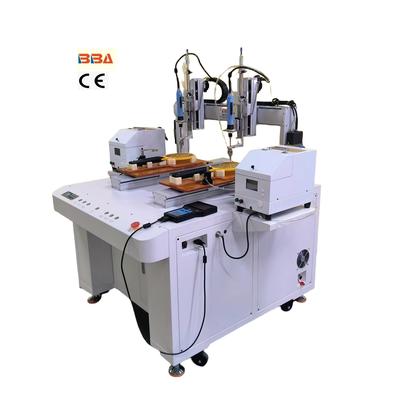
In the fast-paced world of manufacturing, efficiency and precision are paramount. One tool that has revolutionized assembly lines across industries is the automatic screw feeder. These systems are designed to streamline the screwdriving process, offering a multitude of benefits that directly impact productivity, quality, and operational costs. For any company involved in assembly or production, integrating automatic screw feeders is a significant step toward modernizing and optimizing their workflow. First and foremost, automatic screw feeders dramatically increase production speed. Manual screwdriving is a time-consuming and repetitive task prone to human fatigue. Operators must pick up each screw, position it, and drive it in—a process that slows down the entire line. Automatic feeders eliminate these steps by presenting screws correctly oriented and ready to be driven at the push of a button or trigger. This continuous feeding allows operators to focus on placement and activation, cutting cycle times and enabling a much higher output. In high-volume manufacturing environments, this boost in speed is a game-changer, allowing businesses to meet demanding deadlines and scale production effortlessly. Beyond speed, these systems greatly enhance consistency and product quality. Human operators can make mistakes—cross-threading, over-torquing, or under-torquing screws are common issues that lead to product defects, rework, and potential failures. Automatic screw feeders are often integrated with precision electric or pneumatic screwdrivers that apply a pre-set torque consistently for every single screw. This ensures every joint is perfectly fastened according to specifications, drastically reducing the defect rate. The result is a more reliable final product, improved customer satisfaction, and a stronger brand reputation for quality. Another critical advantage is the notable improvement in worker safety and ergonomics. Repetitive strain injuries (RSIs) in the wrists, hands, and shoulders are a significant concern for workers performing manual screwdriving tasks thousands of times a day. Automatic feeders reduce the repetitive motions of picking and positioning screws, minimizing physical strain and the risk of RSIs. This leads to a healthier, more comfortable workforce, lower absenteeism, and reduced costs associated with workplace injuries. Furthermore, it boosts operator morale, as employees can engage in more value-added and less monotonous work. From a cost perspective, the investment in automatic screw feeding technology quickly pays for itself. While there is an initial capital outlay, the returns are substantial. The combination of higher throughput, reduced labor costs per unit, fewer defects requiring rework or scrap, and lower costs from injury-related downtime contributes to a very attractive return on investment (ROI). Additionally, these systems help reduce material waste by ensuring screws are not dropped or lost during handling, contributing to a leaner and more cost-effective operation. Finally, automatic screw feeders offer remarkable flexibility. Modern systems can be configured to handle a wide variety of screw sizes and types, from tiny M1 screws to larger fasteners. They can be mounted on benches, integrated into automated assembly robots, or even used in portable units for larger products. This adaptability makes them suitable for a diverse range of applications, from electronics and automotive assembly to consumer appliances and medical device manufacturing. In conclusion, the benefits of using automatic screw feeders in manufacturing are clear and compelling. They are not merely a convenience but a strategic tool for any business seeking a competitive edge. By delivering unmatched speed, unwavering consistency, enhanced workplace safety, and a strong financial return, automatic screw feeders have become an indispensable component of the modern, efficient, and high-quality manufacturing floor. Product Name Applicable industries Auto Screwdriver Machine Smart Wearables Production
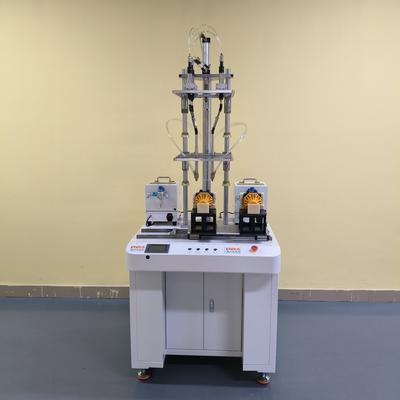
Product Name Applicable industries Servo Screwdriver Robot Electric Bicycle Assembly body { font-family: Arial, sans-serif; line-height: 1.6; margin: 20px; } h2 { color: #2c3e50; } h3 { color: #3498db; margin-top: 20px; } p { margin-bottom: 15px; } ul { margin-bottom: 15px; padding-left: 20px; } li { margin-bottom: 8px; } strong { color: #e74c3c; } How to Train Staff on Screw Tightening Machines Effective training is crucial for maximizing productivity, ensuring product quality, and maintaining a safe working environment when using industrial screw tightening machines. A well-trained operator can significantly reduce error rates, minimize machine downtime, and prevent costly rework. This guide outlines a comprehensive approach to training your staff on these essential pieces of equipment. 1. Foundational Knowledge: The Theory Behind the Tool Before an operator ever touches a machine, they must understand the fundamental principles. Begin with classroom-style sessions covering: The Importance of Precision: Explain how correct torque and angle directly impact product integrity, safety, and performance. Machine Components: Break down the key parts of the screw tightening machine, including the controller, motor, spindle, and tooling. Key Terminology: Ensure everyone is fluent in terms like torque (Nm, lbf-in), angle, yield, and rundown. Clarify the difference between hard joints and soft joints. Error Codes & Diagnostics: Introduce common error messages and their meanings. This empowers operators to understand what the machine is communicating. 2. Hands-On Practical Training Theoretical knowledge must be cemented with practical, supervised experience. This phase should be conducted in a controlled training environment. Machine Setup & Changeover: Train staff on how to safely install and change bits, adjust fixtures, and select the correct program for a specific task. Running a Cycle: Demonstrate the entire process, from placing the component and positioning the tool to initiating the tightening cycle. Emphasize ergonomic handling to prevent strain. Verification and Quality Control: Show operators how to verify a successful tightening cycle using the machine's data output. Introduce them to using manual torque testers for periodic audits. Basic Troubleshooting: Guide them through resolving common issues like cross-threading, missed screws, or error alarms. Teach them the "stop, assess, report" procedure for more complex faults. 3. Emphasizing Safety Above All Else Safety training is non-negotiable. Every operator must be aware of the potential hazards. Personal Protective Equipment (PPE): Mandate and provide safety glasses, hearing protection, and gloves where appropriate. Pinch Points and Ergonomics: Clearly identify all machine pinch points. Train on proper posture and handling techniques to avoid repetitive strain injuries. Emergency Procedures: Ensure everyone knows the location and operation of emergency stop buttons and understands lockout/tagout (LOTO) procedures for maintenance. 4. Leveraging Technology for Enhanced Learning Modern screw tightening machines are data-rich. Use this to your advantage. Data Monitoring: Train supervisors and operators on how to interpret process data and histograms. This turns abstract concepts into visible results, showing the spread of torque values and identifying out-of-spec results. Simulation Mode: Utilize the machine’s simulation or training mode to allow practice without consuming actual components or affecting production statistics. 5. Documentation and Continuous Improvement Training should not be a one-time event. Create a culture of continuous learning. Create Accessible SOPs: Develop clear, visual Standard Operating Procedures (SOPs) that are readily available at the workstation. Certification Program: Implement a formal certification process where operators must demonstrate competency in both theory and practice to be qualified to use the machine independently. Refresher Courses: Schedule periodic refresher training to address bad habits, introduce new features, and reinforce safety protocols. Investing in a structured, multi-stage training program for screw tightening machines is an investment in your company's efficiency, quality, and most importantly, the safety of your workforce. By building a foundation of knowledge, providing ample hands-on practice, and fostering a culture of continuous improvement, you will empower your operators to become proficient and valuable contributors to your production process.
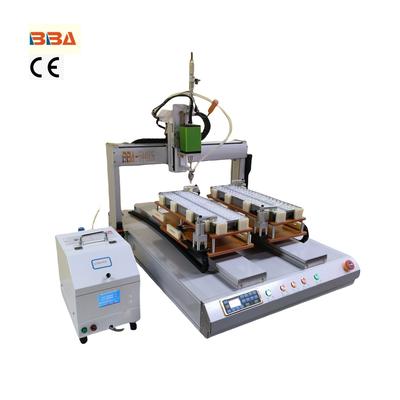
Productnaam Toepasselijke industrieën CNC-schroefbevestiging PCB- en printplaatmontage body { font-family: Arial, sans-serif; line-height: 1.6; color: #333; margin: 20px; } h1 { color: #0056b3; font-size: 28px; margin-bottom: 20px; } h2 { color: #003366; font-size: 22px; margin-top: 25px; margin-bottom: 15px; } p { margin-bottom: 15px; text-align: justify; } ul { margin-bottom: 15px; padding-left: 20px; } li { margin-bottom: 8px; } .highlight { background-color: #f5f5f5; padding: 15px; border-radius: 5px; margin: 20px 0; } Intelligente Voedsystemen voor Continue Bevestiging In het domein van industriële automatisering zijn efficiëntie en precisie van het grootste belang. De komst van Intelligente Voedsystemen heeft een revolutie teweeggebracht in de manier waarop productie- en assemblagelijnen continue bevestigingsprocessen hanteren. Deze geavanceerde systemen zijn ontworpen om operaties te stroomlijnen, downtime te verminderen en de algehele productiviteit te verbeteren door een naadloze en betrouwbare toevoer van bevestigingsmiddelen zoals schroeven, bouten en klinknagels naar geautomatiseerde gereedschappen te garanderen. De Kerntechnologie Achter Intelligente Voeding Intelligente Voedsystemen integreren geavanceerde technologieën om bevestigingsmiddelen met ongeëvenaarde nauwkeurigheid en snelheid te leveren. De kern van deze systemen bestaat uit hoogprecisie trilkommen of centrifugale voeders die componenten correct oriënteren en voeden. In combinatie met geavanceerde sensoren en vision systemen kunnen ze defecte of verkeerd georiënteerde onderdelen in realtime detecteren en afkeuren, waardoor storingen worden voorkomen en alleen perfecte bevestigingsmiddelen het gebruikspunt bereiken. Moderne systemen zijn uitgerust met IoT-connectiviteit en data-analyse mogelijkheden. Dit maakt continue monitoring van de voedingsprestaties, voorspellende onderhoudswaarschuwingen en remote probleemoplossing mogelijk. Door gegevens te analyseren over voedingssnelheden, storingsgevallen en componentkwaliteit kunnen deze systemen zichzelf optimaliseren, wat leidt tot een significante vermindering van ongeplande stilstand en onderhoudskosten. Belangrijke voordelen van de implementatie van een Intelligent Voedsysteem zijn een drastische vermindering van handmatige interventie, een afname van afval van bevestigingsmiddelen en een aanzienlijke verbetering van de overall equipment effectiveness (OEE) van de productielijn. Verbetering van Flexibiliteit en Schaalbaarheid De huidige productie-eisen vereisen systemen die niet alleen efficiënt zijn, maar ook zeer aanpasbaar. Intelligente Voedsystemen zijn ontworpen met modulariteit in gedachten, waardoor snelle omschakelingen tussen verschillende soorten en maten bevestigingsmiddelen mogelijk zijn. Deze flexibiliteit is cruciaal voor productielijnen die hoogwaardige, kleine batches verwerken, waardoor fabrikanten snel kunnen reageren op veranderende markteisen zonder kostbare hertooling of langdurige downtime. Schaalbaarheid is een ander kritisch voordeel. Of ze nu geïntegreerd zijn in een enkel werkstation of een complexe multi-station assemblagecel, deze systemen kunnen eenvoudig worden uitgebreid of herconfigureerd. Dit zorgt ervoor dat, naarmate de productievolumes groeien of nieuwe productlijnen worden geïntroduceerd, de voedtechnologie mee kan groeien, waardoor de initiële investering wordt beschermd en de operatie future-proof wordt. Bevordering van Kwaliteit en Consistentie Consistente kwaliteit in bevestiging is niet-onderhandelbaar voor productintegriteit en veiligheid. Intelligente Voedsystemen spelen een cruciale rol bij het bereiken hiervan door te garanderen dat het juiste bevestigingsmiddel op het juiste moment en in de correcte oriëntatie wordt geleverd. Dit elimineert menselijke fouten en variabiliteit, wat leidt tot een dramatische vermindering van defecten gerelateerd aan gemiste, kruisdraadige of onjuist aangedraaide bevestigingsmiddelen. De integratie van deze systemen met slimme elektrische momentsleutels verbetert de kwaliteitscontrole verder. Het voedsysteem kan rechtstreeks communiceren met het gereedschap, gegevens verstrekken over het geleverde bevestigingsmiddel en de specificaties ervan bevestigen. Dit geslot-loopproces zorgt ervoor dat elke verbinding wordt voltooid volgens exacte technische specificaties, waarbij alle gegevens worden geregistreerd voor volledige traceerbaarheid en compliance. Concluderend zijn Intelligente Voedsystemen voor continue bevestiging niet langer een luxe maar een noodzaak voor moderne industriële automatisering. Ze vertegenwoordigen een significante sprong voorwaarts in het creëren van slimmere, meer verbonden en efficiëntere productieomgevingen. Door te investeren in deze intelligente technologie kunnen bedrijven een formidabel concurrentievoordeel veiligstellen door superieure productiviteit, ongeëvenaarde kwaliteit en opmerkelijke operationele wendbaarheid.