8618566785362 8618566785362 8618566785362 phoenix08@bbamachine.com
- All
- Product Name
- Product Keyword
- Product Model
- Product Summary
- Product Description
- Multi Field Search
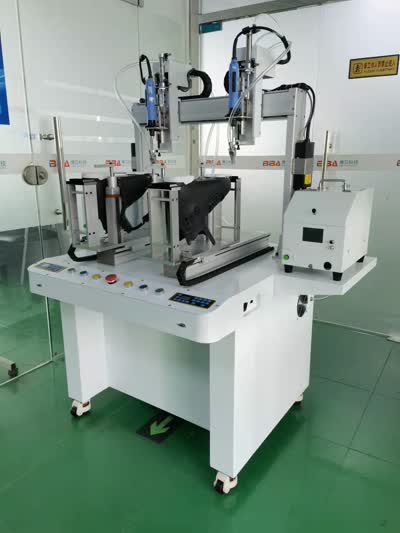
.body-style { font-family: Arial, sans-serif; line-height: 1.6; color: #333; margin: 20px; } .h2-style { color: #0056b3; font-size: 24px; margin-top: 20px; margin-bottom: 10px; } .p-style { margin-bottom: 15px; } .strong-style { color: #0056b3; font-weight: bold; } Key Phrases to Target for Screw Assembly Marketing In the competitive landscape of industrial automation, effectively communicating the value of your screw assembly solutions is paramount. The right marketing language not only captures attention but also resonates deeply with the specific needs and pain points of your target audience. To craft compelling messages that drive engagement and conversion, it is essential to focus on key phrases that highlight efficiency, precision, reliability, and innovation. Enhancing Production Efficiency and Throughput One of the primary concerns for manufacturing professionals is maximizing output without compromising quality. Phrases such as "high-speed automated screw driving" and "maximize production line throughput" directly address this need. These terms emphasize the ability of your systems to accelerate assembly processes, reduce cycle times, and handle high-volume demands seamlessly. By highlighting these capabilities, you appeal to operations managers seeking to optimize their manufacturing floors and achieve significant productivity gains. Ensuring Uncompromising Quality and Reliability Quality control is a non-negotiable aspect of screw assembly. Marketing messages should incorporate phrases like "error-proof fastening solutions" and "zero-defect assembly processes". These phrases assure potential clients of the precision and consistency of your equipment. They speak to engineers and quality assurance managers who prioritize reducing rework, minimizing product failures, and maintaining stringent quality standards. Emphasizing reliability builds trust and positions your products as critical components for mission-critical applications. Adapting to Flexible Manufacturing Needs Modern manufacturing requires agility. Terms such as "quick-changeover capabilities" and "flexible automation for mixed production" are highly effective. They demonstrate that your screw assembly systems can adapt rapidly to different product designs, batch sizes, and assembly requirements. This flexibility is crucial for industries like automotive and electronics, where production lines must frequently switch between variants. Targeting this phrase appeals to planners and engineers looking for scalable and versatile automation solutions. Integration and Ease of Use The ease of integrating new equipment into existing lines is a major purchasing factor. Highlighting "seamless integration with existing machinery" and "user-friendly programming interface" addresses common concerns about implementation complexity and training time. These phrases are particularly attractive to plant managers and maintenance teams who seek to minimize downtime and ensure a smooth transition to automated processes. Stressing intuitive operation reduces perceived barriers to adoption. Driving Cost Reduction and ROI Ultimately, investment in automation is driven by financial return. Powerful marketing phrases include "significant reduction in direct labor costs" and "rapid return on investment (ROI)". These speak directly to the bottom-line concerns of financial decision-makers and executives. By quantifying the potential savings and outlining the clear economic benefits, your marketing materials can effectively justify the investment and demonstrate the long-term value of your screw assembly systems. By strategically incorporating these targeted key phrases into your website content, brochures, and sales presentations, you can more effectively connect with your audience's core objectives. This focused approach ensures your marketing message is both seen and understood, driving growth and establishing your brand as a leader in industrial automation solutions. Product Name Applicable industries Desktop Screwdriver Robot Industrial Control Panel Assembly

Product Name Applicable industries Auto Screwdriver Machine Electric Bicycle Assembly body { font-family: Arial, sans-serif; line-height: 1.6; margin: 20px; } h1 { color: #2c3e50; font-size: 28px; margin-bottom: 10px; } p { margin-bottom: 15px; color: #333; } strong { color: #16a085; } Achieving Consistent Torque with Automation In the world of industrial manufacturing, precision is not just a goal—it is a necessity. Among the many parameters that define quality and reliability, torque consistency stands out as a critical factor. Whether assembling delicate electronics or heavy machinery, the application of accurate and repeatable torque ensures product integrity, safety, and performance. Manual torque application, however, is prone to human error, fatigue, and variability. This is where automation steps in, transforming torque control into a seamless, precise, and highly efficient process. Automated torque systems leverage advanced technologies to deliver unmatched consistency. These systems integrate sensors, controllers, and actuators to monitor and adjust torque in real-time, ensuring every fastener meets exact specifications. The benefits are multifaceted: reduced defect rates, enhanced worker safety, and improved production throughput. For industries such as automotive, aerospace, and consumer electronics, where torque tolerances are exceptionally tight, automation is no longer a luxury but a fundamental requirement. One of the key components in achieving consistent torque is the use of servo-driven tools. These tools provide closed-loop feedback, continuously measuring the applied torque and making instantaneous corrections. This level of control eliminates under-torquing, which can lead to loose connections and potential failures, and over-torquing, which may cause damage to components or threads. The data collected during the process can also be logged for quality assurance and traceability, supporting compliance with industry standards and regulations. Moreover, automated torque systems are designed to integrate seamlessly into existing production lines. They can be programmed for multiple tasks, adapting to different products and torque requirements without manual reconfiguration. This flexibility allows manufacturers to respond quickly to changing demands while maintaining high levels of accuracy. Robotics play a significant role here, with automated arms equipped with torque sensors capable of performing complex assemblies with precision that far exceeds human capability. Another advantage is the reduction in physical strain on workers. Repetitive manual torque application can lead to musculoskeletal disorders and fatigue, increasing the risk of errors and injuries. By automating these tasks, companies not only improve product quality but also promote a safer and more ergonomic work environment. Employees can be upskilled to oversee and manage automated systems, focusing on more value-added activities rather than repetitive manual labor. Looking ahead, the future of torque automation is set to become even more intelligent. With the integration of Internet of Things (IoT) technologies, torque systems can be connected to centralized monitoring platforms. This enables predictive maintenance, where data analytics identify potential issues before they cause downtime, and continuous optimization of torque processes based on real-time performance metrics. The result is a smarter, more responsive manufacturing ecosystem. In conclusion, achieving consistent torque with automation is a transformative approach that elevates manufacturing standards. It ensures that every product is built with precision, reliability, and efficiency. As industries continue to evolve towards greater automation, embracing advanced torque control solutions will be key to maintaining competitiveness and meeting the ever-increasing demands for quality and safety.
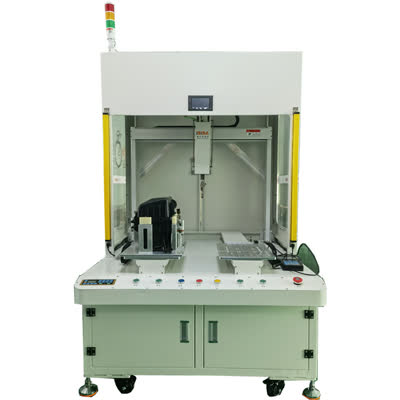
Product Name Applicable industries Automatic Screw Feeder Smart Wearables Production body { font-family: Arial, sans-serif; line-height: 1.6; color: #333; } h1 { color: #0056b3; font-size: 28px; margin-bottom: 20px; } h2 { color: #004a99; font-size: 22px; margin-top: 25px; margin-bottom: 15px; } p { margin-bottom: 15px; } ul { margin-bottom: 15px; padding-left: 20px; } li { margin-bottom: 8px; } strong { color: #004a99; } Questions to Ask Before Buying a Screw Locking Machine Investing in industrial automation equipment is a significant decision that can greatly impact your production efficiency, product quality, and bottom line. A screw locking machine, also known as a screwdriving system, is a crucial piece of equipment for countless assembly lines. Choosing the right one requires careful consideration. To ensure you make a well-informed purchase that aligns with your specific needs, here are the essential questions you should ask. What Are My Application Requirements? Before you even look at different models, you must have a deep understanding of your own application. Start by asking: Screw Specifications: What is the size, type, pitch, and material of the screws you will be using? The machine must be compatible with your fasteners. Torque and Angle Requirements: What are the precise torque and angle specifications for a perfect lock? This is critical for product quality and consistency. Part Design: What is the geometry of the part being assembled? Are there accessibility issues or unique angles the machine must accommodate? Production Volume and Speed: What is your required output in units per hour or per shift? This will determine whether you need a simple benchtop unit or a high-speed automated system. What Level of Automation Do I Need? Screw locking machines range from semi-automatic to fully automated cells. You need to decide the right level for your process. Manual Presentation: Will an operator present the part and trigger the machine? Automatic Feeding: Do you need an integrated system that automatically feeds screws to the driver, significantly increasing speed and reducing operator fatigue? Robotic Integration: Should the screwdriver be mounted on a robot for complex, multi-point assembly tasks? Matching the automation level to your volume and labor availability is key to maximizing your return on investment. How Will the Machine Integrate Into My Existing Line? The new equipment must work seamlessly with your current setup. Important integration questions include: Physical Footprint: How much floor or bench space is available for the machine? Connectivity and Data: Does the machine offer PLC connectivity (e.g., via Ethernet/IP, Profinet, Modbus) for seamless integration into your factory's control system? Can it provide data output for traceability and process monitoring? Power Requirements: What are the electrical and air pressure requirements? Ensure your facility can meet them. What About Ease of Use and Changeover? In modern manufacturing, flexibility is vital. If you produce multiple products, you must ask: How quickly can the machine be reprogrammed for a different screw or torque setting? Look for intuitive user interfaces with recipe storage. How difficult is it to change the feeder bowl or driver bit? Quick-change features can drastically reduce downtime during product changeovers. What Kind of Support and Service Can I Expect? The relationship with your supplier doesn't end at the sale. Probe into their after-sales support: Installation and Training: Do they offer on-site installation and comprehensive training for your operators and maintenance staff? Technical Support: What is the availability of their technical support team? Is there local expertise? Spare Parts and Warranty: What is the lead time for critical spare parts? What does the warranty cover and for how long? Asking these detailed questions will provide clarity and guide you toward the ideal screw locking solution. A thorough evaluation process ensures the machine you select not only performs the task but also enhances your overall manufacturing strategy, providing reliability, quality, and efficiency for years to come.
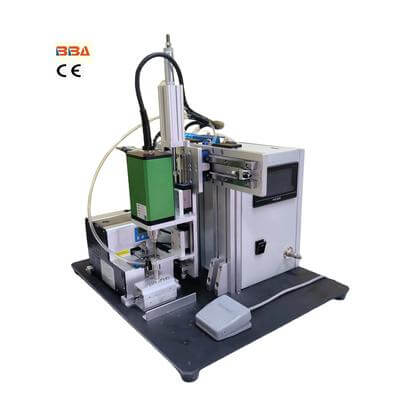
Product Name Applicable industries Inline Screw Locking System Automotive Electronics Assembly body { font-family: Arial, sans-serif; line-height: 1.6; margin: 20px; } h1 { color: #2c3e50; font-size: 28px; margin-bottom: 20px; } h2 { color: #34495e; font-size: 22px; margin-top: 25px; margin-bottom: 15px; } p { margin-bottom: 15px; color: #333; } ul { margin-bottom: 15px; padding-left: 20px; } li { margin-bottom: 8px; } strong { color: #16a085; } Desktop Robots for Precision Screw Tightening In the realm of industrial automation, precision and reliability are paramount. One of the critical processes in manufacturing and assembly is screw tightening, a task that, while seemingly simple, requires consistent accuracy to ensure product quality and safety. Manual screw tightening is prone to human error, leading to inconsistencies, stripped threads, and potential product failures. This is where desktop robots designed for precision screw tightening come into play, revolutionizing assembly lines with their unmatched accuracy and efficiency. The Need for Automation in Screw Tightening Traditional manual screw tightening processes often face challenges such as operator fatigue, variability in torque application, and difficulty in maintaining high throughput over extended periods. These issues can result in compromised product integrity and increased rework rates. Automated screw tightening solutions address these pain points by delivering consistent, high-quality results every time, reducing the risk of errors and enhancing overall production efficiency. Key Features of Desktop Screw Tightening Robots Modern desktop robots for screw tightening are equipped with advanced features that make them indispensable in precision-driven industries. These compact yet powerful systems are designed to integrate seamlessly into existing production setups, offering flexibility and scalability. High Precision Torque Control: These robots utilize sophisticated torque sensors and control algorithms to apply exact torque levels, ensuring each screw is tightened to specification without over-tightening or under-tightening. Adaptive Flexibility: With programmable settings and easy-to-configure software, these robots can handle a variety of screw sizes, types, and materials, making them suitable for diverse applications from electronics to automotive components. User-Friendly Interface: Intuitive software allows operators to set parameters, monitor performance, and troubleshoot issues with minimal training, reducing downtime and enhancing productivity. Compact Design: Their small footprint makes them ideal for benchtop applications where space is limited, without compromising on power or capability. Data Logging and Traceability: Integrated sensors record torque and angle data for each tightening operation, providing valuable insights for quality control and process optimization. Benefits of Implementing Desktop Robots Integrating desktop robots for screw tightening into manufacturing processes offers numerous advantages. Firstly, they significantly improve product consistency by eliminating human error, leading to higher quality outputs and reduced defect rates. Secondly, these robots enhance operational efficiency by working at high speeds without fatigue, increasing throughput and reducing cycle times. Additionally, they contribute to a safer work environment by minimizing repetitive strain injuries associated with manual tightening tasks. Lastly, the data collected by these systems enables continuous process improvement, helping manufacturers meet stringent quality standards and comply with industry regulations. Applications Across Industries Desktop screw tightening robots are versatile tools used in various sectors. In electronics manufacturing, they ensure delicate components are assembled with precise torque to prevent damage. In the automotive industry, they are employed for critical assemblies where reliability is non-negotiable. Medical device manufacturers rely on them to meet strict hygiene and precision requirements. Their adaptability makes them valuable in any setting where accuracy and repeatability are essential. Future Trends and Innovations The future of desktop robots for screw tightening looks promising, with ongoing advancements in artificial intelligence and machine learning. These technologies will enable even smarter systems capable of self-calibration, predictive maintenance, and adaptive learning to optimize performance over time. As industries continue to embrace Industry 4.0, these robots will play a crucial role in creating interconnected, intelligent factories that prioritize efficiency, quality, and sustainability. In conclusion, desktop robots for precision screw tightening represent a significant leap forward in industrial automation. By combining accuracy, flexibility, and ease of use, they empower manufacturers to achieve new levels of productivity and quality. As technology evolves, these systems will continue to set the standard for excellence in assembly processes worldwide.
Product Name Applicable industries Desktop Screwdriver Robot Drone and UAV Manufacturing body {font-family: Arial, sans-serif; line-height: 1.6; margin: 20px; color: #333;} h2 {color: #1a5c9e; font-size: 22px; margin-bottom: 15px;} h3 {color: #2c6bae; font-size: 18px; margin-top: 20px; margin-bottom: 10px;} p {margin-bottom: 15px; text-align: justify;} ul {margin-bottom: 15px; margin-left: 20px;} li {margin-bottom: 8px;} strong {color: #555;} Troubleshooting Common Technical Issues in Screw Locking Machines Screw locking machines are fundamental to assembly lines across numerous industries, ensuring product integrity and reliability through precise and consistent fastening. However, like any sophisticated piece of industrial automation equipment, they can occasionally encounter operational issues that disrupt production flow. Understanding how to diagnose and resolve these common problems is key to minimizing downtime and maintaining high efficiency. This article outlines several typical technical challenges and provides practical troubleshooting steps. 1. Inconsistent Torque Output One of the most frequent issues operators face is inconsistent or inaccurate torque delivery. This can result in under-tightened screws, which compromise product safety, or over-tightened screws, which can damage threads or the fastener itself. Potential Causes and Solutions: Tool Calibration: The most common cause is a tool that has fallen out of calibration due to regular wear and tear. Regularly scheduled calibration according to the manufacturer's guidelines is essential to maintain accuracy. Air Supply (for pneumatic models): Fluctuations in air pressure can lead to inconsistent torque. Ensure the air compressor is providing a stable, clean, and dry supply of air at the recommended pressure level. Check for leaks in the airline. Mechanical Wear: Worn-out components like clutches in pulse tools or DC motors in electric screwdrivers can cause performance drift. A preventative maintenance schedule should include inspection and replacement of these wear-prone parts. 2. Screw Slippage or Cross-Threading This occurs when the driver bit fails to engage the screw head properly, causing damage to the screw head (cam-out) or misalignment that leads to cross-threading. Potential Causes and Solutions: Worn or Incorrect Driver Bit: Bits wear down over time and lose their grip. Inspect bits regularly and replace them at the first sign of wear. Always use bits that match the screw type and size perfectly. Feed System Misalignment: If the screw presenting system (e.g., hopper, bowl feeder, nose piece) is not perfectly aligned with the driver, the screw will not be presented straight. Verify and adjust the alignment of the feeding mechanism to ensure the screw is vertical and centered. Operator or Robot Path Error: For handheld or robotic applications, the approach angle is critical. The tool must approach the workpiece perpendicularly to avoid cross-threading. Re-programming the robot path or retraining operators on the correct approach can resolve this. 3. Machine Stoppages or Jamming Unexpected stoppages halt production and are often caused by issues in the screw feeding system. Potential Causes and Solutions: Screw Contamination: Dirty, rusty, or non-standard screws can jam the feeder bowl or the nose piece. Always use clean, high-quality fasteners that meet specification. Implement a cleaning schedule for the hopper and bowl feeder. Feed System Blockage: Debris or a damaged screw can obstruct the feed track or hose. Regularly clear the feed path and inspect for any obstructions or wear. Sensor Fault: Faulty photoelectric or proximity sensors may fail to detect the presence of a screw, causing the machine to stop unnecessarily. Check sensor alignment, cleanliness, and functionality. 4. Error Codes and Electronic Faults Modern electric screwdrivers often display error codes on their controllers or HMIs, which can point to specific internal problems. Potential Causes and Solutions: Overload or Overheating: Continuous operation at high torque can cause the motor to overheat and trigger a fault. Allow the tool to cool down and ensure it is used within its rated duty cycle. Check for mechanical binding that might be causing excessive load. Controller Communication Loss: Loose wiring or connector issues can cause communication errors between the tool, controller, and PLC. Power down the system and check all electrical connections for security. Software Glitch: Occasionally, a power surge or bug can cause the controller software to lock up. A simple power cycle (turning the machine off and on again) often clears temporary glitches. Implementing a robust preventative maintenance program is the most effective strategy to prevent these issues from occurring in the first place. Regular inspection, cleaning, calibration, and replacement of consumable parts like driver bits will significantly enhance the reliability and lifespan of your screw locking equipment, ensuring smooth and uninterrupted production.
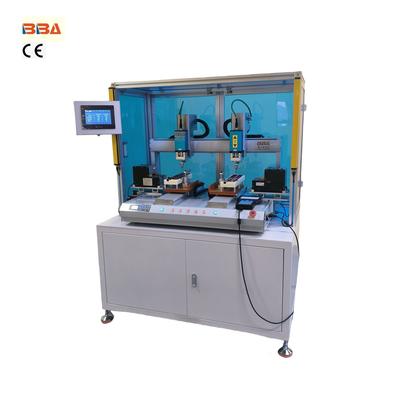
Produktnavn Tilgjengelige bransjer Smart skruemaskin Montering av bil-elektronikk Beste praksis for oppsett av en automatisk skruline body { font-family: Arial, sans-serif; line-height: 1.6; margin: 20px; } h1 { color: #2c3e50; font-size: 28px; margin-bottom: 20px; } h2 { color: #34495e; font-size: 22px; margin-top: 25px; margin-bottom: 15px; } p { margin-bottom: 15px; text-align: justify; } ul { margin-bottom: 15px; padding-left: 20px; } li { margin-bottom: 8px; } strong { color: #16a085; } Beste praksis for oppsett av en automatisk skruline Innen industriell automatisering representerer implementeringen av en automatisk skrufestelinje et betydelig skritt mot å øke produksjonseffektiviteten, sikre konsekvent produktkvalitet og redusere driftskostnader. Et riktig konfigurert automatisk skruline minimerer menneskelige feil, reduserer ergonomisk belastning på arbeidere og akselererer monteringssykluser. For å oppnå disse fordelene kreves imidlertid omhyggelig planlegging og utførelse. Denne artikkelen skisserer de grunnleggende beste praksisene for å sette opp et robust og pålitelig automatisert skruesystem. 1. Omfattende prosessanalyse og planlegging Før du velger utstyr, er en grundig analyse av den eksisterende monteringsprosessen avgjørende. Identifiser de spesifikke festeoppgavene, inkludert typene skruer som brukes (lengde, diameter, hodestil), nødvendige momentverdier og tilgjengelighet til festepunktene. Vurder produksjonsvolumet og syklustidsmålene. Kartlegging av hele prosessen hjelper til med å bestemme det optimale automasjonsnivået – om en enkeltstasjonscelle, et flerspindelsystem eller en fullt integrert robotlinje er mest egnet. Dette grunnleggende trinnet forhindrer kostbare oversikt og sikrer at automasjonsløsningen passer perfekt med produksjonsmålene. 2. Velge riktig utstyr Å velge passende maskinvare er kritisk. Kjernekomponentene inkluderer typisk automatiske skruemagasin, elektriske eller pneumatiske skruedrivere, og ofte en robotarm eller et kartesisk system for posisjonering. Viktige valgkriterier er: Skruemagasin: Velg en magasinmodell som pålitelig håndterer din spesifikke skruetype uten å sette seg fast. Bølgemagasiner er vanlige, men nyere fleksible båndmatede systemer kan være utmerkede for skjøre eller små skruer. Skruedriver: Velg en driver som er i stand til å levere presis, repeterbar momentkontroll. Elektriske skruedrivere foretrekkes for sin nøyaktighet og dataloggingsfunksjoner, som er essensielle for sporbarhet i kvalitetskritiske applikasjoner. Posisjoneringssystem: Valget mellom dedikert fast automatisering og en programmerbar robot avhenger av delvariasjon. For produksjon med høy blanding tilbyr en 6-aksers robot uovertruffen fleksibilitet for å få tilgang til flere punkter. 3. Sikre delpresentasjon og festestabilitet Automasjonssystemet er bare så godt som delen det jobber på. Arbeidsstykket må presenteres for skruedriverenheten i en svært repeterbar og stabil posisjon. Invester i presisjonsfester og jigger som holder komponenten sikkert og forhindrer bevegelse under festeprosessen. For transportbåndbaserte linjer, sikrer presis posisjonering via mekaniske stopper eller visionsstyrte systemer. Ustabile deler kan føre til feilplasserte skruer, kryssgjenging eller skade på produktet og utstyret. 4. Møysommelig systemintegrasjon og kalibrering Integrasjon innebærer å synkronisere skruemagasinet, driveren og posisjoneringssystemet til en sammensatt enhet. Vær nøye med justeringen mellom driverbitten og skruen presentert av magasinet. Selv en liten feiljustering kan forårsake oppsamlingsfeil. Kalibrer momentinnstillingene for hver skruetype i henhold til ingeniørspesifikasjoner og utfør omfattende testing for å etablere optimal drivers hastighet og dybde. Implementering av sensorer for verifisering – som tilstedeværelsessensorer for å bekrefte skrueoppsamling og momentovervåkere for å validere stramhet – er en ikke-forhandlingsbar praksis for å oppnå nullfeilproduksjon. 5. Robust vedlikehold og operatøropplæring En automatisk skruline er en langsiktig investering som krever proaktiv vedlikehold for å opprettholde toppytelse. Etabler en regelmessig vedlikeholdsplan som inkluderer rengjøring av magasinbollen og sporene, inspeksjon av driverbiter for slitasje, og sjekking av momentkalibrering. Videre, omfattende opplæring av vedlikeholdsteknikere og linjeoperatører om hvordan de skal operere systemet, utføre grunnleggende feilsøking og identifisere tidlige tegn på potensielle problemer som magasinblokkeringer eller synkende momentnøyaktighet. Styrket personell er avgjørende for å minimere nedetid og sikre kontinuerlig drift. Konklusjon Implementering av en automatisk skrufestelinje er en kraftfull strategi for moderne produksjon. Ved å følge disse beste praksisene – fra streng initial planlegging og utstyrssvalg til stabil festing, presis kalibrering og flittig vedlikehold – kan bedrifter bygge et system som leverer uovertruffen pålitelighet, kvalitet og produktivitet. En veldesignet automatisk skruline strømliner ikke bare montering, men blir også et hjørnestein i en mer effektiv og konkurransedyktig produksjonsoperasjon.
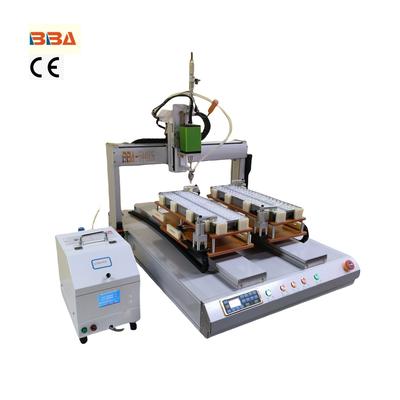
I verden av industriell automatisering utgjør skruetilførselsmekanismer en kritisk, men ofte oversett, komponent i monteringssystemer. Disse mekanismene er ansvarlige for presis og effektiv levering av festemidler, og sikrer at produksjonslinjer opererer jevnt og med minimal nedetid. Nylige innovasjoner på dette feltet har betydelig forbedret påliteligheten, hastigheten og fleksibiliteten til skruetilførselsystemer, og gjort dem mer tilpasningsdyktige til de stadig skiftende kravene i moderne produksjon. Et av de mest bemerkelsesverdige fremskrittene er utviklingen av intelligente, visuelt styrtes skruetilførselsystemer. Tradisjonelle systemer er ofte avhengige av mekaniske eller pneumatiske metoder for å orientere og tilføre skruer, noe som kan være utsatt for jamringer eller feiltilførsel, spesielt med mindre eller ikke-standard festemidler. Moderne systemer inkorporerer høyoppløselige kameraer og maskinlæringsalgoritmer for visuelt å identifisere og verifisere orienteringen av hver skrue før den presenteres for roboten eller monteringsverktøyet. Denne visuelle inspeksjonen reduserer drastisk feilratene og muliggjør håndtering av et bredere spekter av skruetyper og størrelser uten behov for kostbare mekaniske omstillinger. Systemet kan umiddelbart tilpasse seg nye festemidler ved å oppdatere sine softwareparametere, noe som gir en uovertruffen fleksibilitet for produksjonsmiljøer med høy blanding. Videre har fremskritt innen drift- og vibrasjonsteknologi ført til mer effektive og forsiktige tilførselsprosesser. Nyere skålmatere bruker optimerte vibrasjonsmønstre og overflatematerialer som minimerer kontakt mellom deler og reduserer risikoen for skade på delicate skruelakker eller gjenger. Dette er spesielt viktig i bransjer som elektronikk eller medisinsk utstyrproduksjon, hvor selv en mindre ripe kan føre til produktfeil. I tillegg tillater integreringen av direktedrevne servomotorer i stedet for tradisjonelle elektromagnetiske drivverk en finere kontroll over tilførselsbevegelsen. Dette resulterer i en roligere operasjon, redusert energiforbruk og muligheten til presist å dosere skruer med svært høye hastigheter, som matcher tempoet på dagens raske monteringslinjer. Kobling og dataanalyse representerer en annen gren for innovasjon. Moderne skruetilførselsmekanismer er nå utstyrt med IoT-sensorer som overvåker viktige ytelsesmål som tilførselsrate, jamringsfrekvens og motormoment i sanntid. Disse dataene strømmes til et sentralt overvåkingssystem hvor de kan analyseres for å forutsi vedlikeholdsbehov før en feil oppstår. For eksempel kan en gradvis økning i motorresistans signalisere behov for skålrengjøring eller komponentslitasje, noe som muliggjør proaktiv intervensjon under planlagt nedetid. Dette skillet fra reaktivt til prediktivt vedlikehold forhindrer ikke bare kostbare linjestans, men forlenger også den operative levetiden til utstyret, og gir en betydelig avkastning på investeringen. Til slutt har presset for større fleksibilitet ført til modulære og lean skruetilførselsdesign. I stedet for store, sentraliserte tilførselsystemer, adopterer produsenter kompakte, desentraliserte enheter som kan plasseres direkte på bruksstedet på monteringslinjen. Disse modulene er enklere å integrere og kan raskt byttes eller omkonfigureres for forskjellige produkter. Denne modulære tilnærmingen støtter trenden mot lean produksjon og massetilpasning, og tillater fabrikker å raskt skifte mellom forskjellige produkter uten å stanse produksjonen for omfattende verktøybytte. Avslutningsvis transformerer innovasjoner innen skruetilførselsmekanismer monteringsautomatisering fundamentalt. Gjennom integrering av maskinsyn, avanserte drivesystemer, IoT-kobling og modulært design, blir disse systemene smartere, mer effektive og mer tilpasningsdyktige. Disse forbedringene er essensielle for produsenter som søker å øke produktiviteten, forbedre produktkvaliteten og opprettholde et konkurransefortrinn i et dynamisk industrilandskap. Produktnavn Tilgjengelige bransjer CNC Skruestreker Monteringslinjer for verktøy
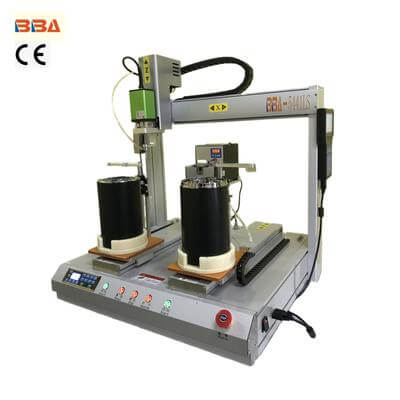
Produktnavn Tilgjengelige bransjer Servo skrutrekkerrobot Automobil elektronikkmontering Komponenter i en fullautomatisk skruemontasjemaskin Fullautomatiske skruemontasjemaskiner er essensielle i moderne produksjon, og tilbyr presisjon, hastighet og pålitelighet. Disse maskinene strømlinjeformer monteringsprosessen ved automatisk å skru skruer inn i produkter uten menneskelig innblanding. Å forstå nøkkelkomponentene i disse systemene kan hjelpe bedrifter med å optimalisere produksjonslinjene sine og forbedre effektiviteten. 1. Skruematingssystem: Skruematingssystemet er ansvarlig for å tilføre skruer til verktøyet. Det bruker vibrasjoner eller roterende bevegelse for å orientere og transportere skruer fra et bulklager til drivmekanismen. Dette sikrer en kontinuerlig og konsistent tilførsel av skruer, og minimerer nedetid. 2. Skruetrekkverktøy: Denne komponenten er hjertet av maskinen. Den består av en motorisert driver som plukker opp skruer fra matingssystemet og fester dem i produktet. Verktøyet er justerbart for dreiemoment og dybde, noe som sikrer at hver skru blir dreid inn med presisjon. 3. Kontrollerenhet: Kontrolleren fungerer som hjernen til systemet. Den styrer driften av matingssystemet og trekkverktøyet, overvåker ytelsen og lar brukere sette parametere som skrutelling, dreiemoment og hastighet. Avanserte kontrollere kan inkludere berøringsskjermgrensesnitt for enkel bruk. 4. Visuelt system: Mange moderne maskiner inkluderer visuelle systemer for å verifisere skruplassering. Kameraer og sensorer oppdager feilplasserte eller manglende skruer, noe som sikrer kvalitetskontroll og reduserer feil i monteringsprosessen. 5. Transportbåndsystem: For inlineproduksjon transporterer et transportbåndsystem produkter gjennom monteringsstasjonen. Det synkroniseres med skruetrekkverktøyet for å sikre nøyaktig posisjonering og effektiv håndtering. 6. Sikkerhetsfunksjoner: Fullautomatiske maskiner inkluderer sikkerhetsmekanismer som nødstoppknapper, beskyttelsesgitter og sensorer for å forhindre ulykker og beskytte operatører. Ved å integrere disse komponentene forbedrer fullautomatiske skruemontasjemaskiner produktiviteten, reduserer arbeidskostnader og sikrer konsistent kvalitet. De er mye brukt i bransjer som elektronikk, bilindustri og forbruksvarerproduksjon. Investering i et veldesignet automatisk skruemontasjesystem kan betydelig øke produksjonskapasiteten din og hjelpe deg med å forbli konkurransedyktig i det raske industrielle landskapet.