8618566785362 8618566785362 8618566785362 phoenix08@bbamachine.com
- All
- Product Name
- Product Keyword
- Product Model
- Product Summary
- Product Description
- Multi Field Search
body { font-family: Arial, sans-serif; line-height: 1.6; color: #333; margin: 20px; } h1 { color: #2c3e50; font-size: 28px; margin-bottom: 20px; } h2 { color: #34495e; font-size: 22px; margin-top: 25px; margin-bottom: 15px; } p { margin-bottom: 15px; text-align: justify; } ul { margin-bottom: 15px; padding-left: 20px; } li { margin-bottom: 8px; } strong { color: #16a085; } Vedlikeholdsplan for Maksimal Oppetid I verden av industriell automatisering er uplanlagt nedetid en av de største truslene mot produktivitet og lønnsomhet. En enkelt time med stoppet produksjon kan føre til betydelige økonomiske tap og forstyrre hele forsyningskjeder. Nøkkelen til å redusere denne risikoen ligger ikke i reaktive reparasjoner, men i en proaktiv, strategisk tilnærming: en nøye planlagt vedlikeholdsplan designet for maksimal oppetid. Den kritiske rollen til proaktivt vedlikehold Reaktivt vedlikehold, eller å reparere utstyr først etter at det har feilet, er en kostbar og ineffektiv strategi. Det fører til uforutsigbare nedetider, nødreparasjoner og lange perioder med inaktivitet. Derimot skifter en proaktiv vedlikeholdsplan paradigmet fra feilrespons til feilforebygging. Denne strategien innebærer regelmessig planlagte inspeksjoner, service og delerbytting basert enten på tidsintervaller eller faktisk utstysbruksdata. Hovedmålet er å identifisere og adressere potensielle problemer før de eskalerer til større feil, og derved sikre kontinuerlig drift og beskytte dine verdifulle eiendeler. Nøkkelelementer i en effektiv vedlikeholdsplan Å lage en vedlikeholdsplan som virkelig maksimerer oppetid krever mer enn tilfeldige sjekker. Den bør være et omfattende, levende dokument skreddersydd til din spesifikke operasjon. Analyse av asset-kritikalitet: Ikke alt utstyr er likt. Start med å kategorisere maskinene dine basert på deres innvirkning på produksjonen. Kritiske eiendeler hvis feil vil stoppe hele linjer bør prioriteres med de mest strenge vedlikeholdsrutinene. Utnytt prediktive teknologier: Beveg deg utover tradisjonelle tidsbaserte planer ved å integrere tilstandsovervåkingsverktøy. Vibrasjonsanalyse, termisk avbildning og ultralydtesting kan gi sanntidsdata om utstyrets helse, slik at du kan utføre vedlikehold nøyaktig når det trengs – ikke for tidlig, og aldri for sent. Detaljerte oppgavelister og prosedyrer: Hver planlagt vedlikeholdshendelse bør ha en klar sjekkliste over oppgaver, fra visuelle inspeksjoner og smøring til kalibrering og komponentutskifting. Standardisering av disse prosedyrene sikrer konsistens og fullstendighet, og etterlater ingen rom for feil. Deler- og lagerstyring: En plan er ubrukelig hvis de nødvendige delene ikke er tilgjengelige. Planlegg vedlikehold rundt et godt administrert lager av kritiske reservedeler for å unngå ventetider som forlenger nedetiden. Dokumentasjon og kontinuerlig forbedring: Enhre vedlikeholdsaksjon bør dokumenteres. Disse historiske dataene er uvurderlige for å spore asset-ytelse, identifisere tilbakevendende problemer og forbedre fremtidige planer for å bli enda mer effektive. Implementering og beste praksis Implementering av en ny vedlikeholdsstrategi er en kulturell endring som krever buy-in fra alle nivåer i organisasjonen. Start med å teste planen på noen få kritiske produksjonslinjer for å demonstrere dens verdi. Bruk moderne Computerized Maintenance Management Systems (CMMS) for å automatisere arbeidsordrer, spore historikk og administrere ressurser effektivt. Viktigst av alt, tren teknikerne dine grundig. De må forstå 'hvorfor' bak planen og være utstyrt med ferdighetene til å utføre avanserte diagnostikk og prosedyrer. Til slutt, vurder og juster planen regelmessig. Produksjonskrav endrer seg, teknologien utvikler seg, og din vedlikeholdsplan må være dynamisk nok til å tilpasse seg. Resultatet: Vedvarende produktivitet og langsiktig verdi Å investere tid og ressurser i å utvikle en disiplinert vedlikeholdsplan gir enorm avkastning. Den umiddelbare fordelen er en dramatisk reduksjon i uplanlagt nedetid, noe som fører til høyere overall equipment effectiveness (OEE), økt produksjon og mer pålitelige leveringstider. Videre opererer velvedlikeholdt utstyr mer effektivt, forbruker mindre energi og reduserer operative kostnader. Det forlenger også levetiden til dine kapitalinvesteringer og utsetter kostbare erstatninger. Ultimate er en robust vedlikeholdsplan ikke en utgift; det er et strategisk hjørnestein for å bygge en robust, konkurransedyktig og lønnsom produksjonsoperasjon. Produktnavn Tilnærmede bransjer Automatisk skruematare LED-belysningsindustrien
body { font-family: Arial, sans-serif; line-height: 1.6; margin: 20px; color: #333; } h1 { color: #0056b3; font-size: 28px; margin-bottom: 20px; } h2 { color: #003366; font-size: 22px; margin-top: 25px; margin-bottom: 15px; } p { margin-bottom: 15px; text-align: justify; } ul { margin-top: 10px; margin-bottom: 15px; padding-left: 20px; } li { margin-bottom: 8px; } .highlight { background-color: #f0f8ff; padding: 15px; border-radius: 5px; margin: 20px 0; } .keyword { font-weight: bold; color: #0056b3; } Merverditjenester med fleraksessystemer I det raskt skiftende landskapet innen industriell automatisering står flerakses bevegelseskontrollsystemer som et hjørnestein i moderne produksjon. Disse sofistikerte systemene, som koordinerer bevegelse på flere akser samtidig, revolusjonerer hvordan komplekse oppgaver utføres med enestående presisjon og effektivitet. Den sanne styrken til disse systemene blir imidlertid ikke bare låst opp av maskinvaren i seg selv, men gjennom et omfattende spekter av merverditjenester som sikrer optimal ytelse, levetid og en rask avkastning på investeringen. Utover maskinvaren: Den kritiske rollen til integrasjon Å implementere et flerakses system er langt mer enn en enkel plugg-og-spill-operasjon. Kompleksiteten involvert i å synkronisere motorer, drivverk og kontrollere krever ekspert systemintegrasjon. Profesjonelle integrasjonstjenester sikrer at alle komponenter arbeider i perfekt harmoni, skreddersydd spesielt for din unike applikasjon—enten det er intrikat robotmontering, høyhastighetsemballering eller presisjonsbearbeiding.Denne grunnleggende tjenesten reduserer risiko, reduserer oppstartstid og garanterer at systemet presterer etter sine spesifiserte kapabiliteter fra dag én. Tilpasset programmering og applikasjonsutvikling Hver produksjonsprosess har sine egne distinkte krav. Standard programvares løsninger faller ofte kort for å adressere spesifikke utfordringer. Det er her tilpasset programmering og applikasjonsutvikling blir uunnværlig. Spesialister kan utvikle skreddersydde programvarerutiner som optimaliserer baneplanlegging, minimerer syklustider og implementerer komplekse bevegelsesprofiler. Dette dype nivået av tilpasning øker fleksibiliteten og muliggjør utførelse av høyt spesialiserte oppgaver som gir en betydelig konkurransefortrinn. Viktige merverditjenester inkluderer: Omfattende systemdesign & simulering: Virtuell modellering av hele systemet for å forutsi ytelse, identifisere potensielle problemer og validere konsepter før fysisk implementering. Avansert opplæring & kunnskapsoverføring: Styrker arbeidsstyrken din med ferdighetene som trengs for å operere, vedlikeholde og feilsøke systemet effektivt, og maksimerer oppetid og produktivitet. Proaktivt vedlikehold & ekstern diagnostisering: Utnytter tilkoblet teknologi for å overvåke systemhelse, forutsi vedlikeholdsbehov og ofte løse problemer eksternt, noe som forebygger kostbare uplanlagte nedetider. Teknisk støtte & livssyklusadministrasjon: Gir løpende assistanse, fra feilsøking til oppgraderinger, og sikrer at systemet ditt utvikler seg sammen med dine produksjonsbehov og teknologiske fremskritt. Fremoperativ eksellens og fremtidssikring Investeringen i et flerakses system er betydelig, og å beskytte den investeringen er avgjørende. Merverditjenester er nøkkelen til å fremtidssikre dine automasjonsmidler. Gjennom kontinuerlig støtte og oppdateringer kan systemet ditt tilpasse seg nye produkter, prosesser og teknologier. Denne tilnærmingen transformerer en kapitalutgift til et langsiktig strategisk partnerskap fokusert på å drive kontinuerlig operasjonell eksellens, forbedre overall equipment effectiveness (OEE), og opprettholde en robust bunnlinje. Avslutningsvis, mens flerakses systemer gir de mekaniske midlene for å oppnå avansert automatisering, er det laget av merverditjenester som virkelig leverer deres lovede potensiale. Disse tjenestene sikrer sømløs integrasjon, tilpasset drift og vedvarende ytelse, og gjør sofistikert teknologi til en pålitelig og kraftig drivkraft for din produksjonssuksess. Produktnavn Anvendelige bransjer Skruelåserobot Montering av telekommunikasjonsutstyr
ProduktnavnTilgjengelige bransjerSmart skruemaskinProduksjon av leker og spillkonsollerKombinasjon av påføring og robotisert skrudrivingI det raskt skiftende landskapet av industriell automatisering har integrering av flere prosesser til en enkelt, strømlinjeformet operasjon blitt en nøkkelstrategi for å øke effektiviteten, presisjonen og produktiviteten. En av de mest innflytelsesrike integreringene er kombinasjonen av påføringsteknologi og robotisert skrudriving. Denne synergien optimerer ikke bare produksjonsarbeidsflyter, men åpner også nye muligheter for innovasjon og kvalitetssikring.Påføringssystemer er mye brukt i bransjer som elektronikk, bilindustri og forbruksvarer for å påføre lim, forseglinger, smøremidler og andre materialer med høy nøyaktighet. Samtidig automatiserer robotisert skrudriving festeprosessen, sikrer konsekvent dreiemoment og reduserer risikoen for menneskelige feil. Ved å slå sammen disse to funksjonene til en samlet enhet, kan produsenter oppnå en sømløs monteringsprosess som minimerer håndtering, reduserer syklustider og forbedrer den generelle produktpåliteligheten.Fordeler med integreringIntegreringen av påføring og robotisert skrudriving tilbyr flere overbevisende fordeler. For det første eliminerer det behovet for separate arbeidsstasjoner, sparer verdifull gulvplass og reduserer materialoverføring mellom trinn. Denne konsolideringen fører til en mer kompakt produksjonslinje og lavere driftskostnader.For det andre forbedrer kombinasjonen av disse prosessene presisjon og repeterbarhet. For eksempel, i applikasjoner hvor lim brukes sammen med mekaniske festemidler, kan robotsystemet først påføre den eksakte mengden lim som kreves og deretter umiddelbart skru skruen på plass. Dette sikrer optimal festing og liming uten forsinkelser eller feiljusteringer som kan oppstå hvis prosessene var adskilt.For det tredje støtter denne integreringen bedre kvalitetskontroll. Med sensorer og visionsystemer som ofte er innebygd i moderne automatiseringutstyr, kan det kombinerte systemet verifisere tilstedeværelsen og riktig påføring av lim, samt overvåke skrudrivingsparametere som dreiemoment og dybde. Eventuelle avvik kan oppdages i sanntid, noe som muliggjør umiddelbare korreksjoner og reduserer sannsynligheten for defekter.Anvendelser på tvers av bransjerFleksibiliteten til kombinerte påførings- og skrudrivingssystemer gjør dem egnet for et bredt spekter av applikasjoner. I elektronikkbransjen brukes det for eksempel til å montere enheter hvor komponenter må både limes og skrus for ekstra sikkerhet og vibrasjonsmotstand. Bilprodusenter bruker denne teknologien for å installere interiørpaneler, sensorer og elektriske moduler som krever forsegling og festing. Tilsvarende, i fly- og medisinsk utstyrproduksjon, hvor presisjon og pålitelighet er kritisk, sikrer integrerte systemer overholdelse av strenge standarder.Videre tillater fleksibiliteten til robotautomatisering enkel tilpasning til forskjellige produktdesign og volumer. Enten for masseproduksjon med høyt volum eller tilpassede, lavvolumsbatcher, kan systemet programmeres for å håndtere varierende påføringsmønstre og skruetyper med minimal omstillingstid.FremtidsperspektivEttersom bransjer fortsetter å omfavne smart produksjon og Industrie 4.0-prinsipper, forventes integreringen av påføring og robotisert skrudriving å bli enda mer sofistikert. Fremskritt innen kunstig intelligens og maskinlæring vil muliggjøre prediktiv vedlikehold, selvoptimalisering og større autonomi. I tillegg vil økningen av collaborative robots (cobots) gjøre disse integrerte systemene mer tilgjengelige for små og mellomstore bedrifter, og dermed videre demokratisere avansert automatisering.Avslutningsvis representerer kombinasjonen av påføring og robotisert skrudriving et betydelig skritt fremover i industriell automatisering. Ved å forene disse prosessene kan produsenter oppnå høyere effektivitet, bedre produktkvalitet og større fleksibilitet. Ettersom teknologien fortsetter å utvikle seg, vil denne integreringen utvilsomt spille en pivotal rolle i å forme fremtidens produksjon.
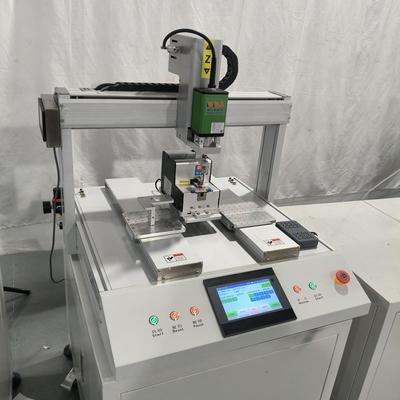
Product Name Applicable industries Desktop Screwdriver Robot LED Lighting Industry The global industrial landscape is undergoing a profound transformation, driven by the increasing adoption of automation technologies. Among these, automated fastening systems have emerged as a critical component, revolutionizing assembly processes across various sectors. The demand for these systems is experiencing significant growth, fueled by the need for higher efficiency, improved quality, and reduced operational costs. Automated fastening systems encompass a wide range of solutions, including robotic screwdriving, nut running, and precision tightening applications. These systems are designed to handle repetitive tasks with unparalleled accuracy and consistency, eliminating human error and enhancing overall productivity. In industries such as automotive, electronics, aerospace, and consumer goods, the integration of automated fastening technology has become essential for maintaining competitive advantage. One of the primary drivers behind the growing demand is the relentless pursuit of precision. Manual fastening processes are inherently variable, often leading to inconsistencies in torque application, which can compromise product quality and safety. Automated systems, however, ensure that every fastener is applied with exact specifications, reducing the risk of defects and recalls. This level of reliability is particularly crucial in sectors where safety and performance are paramount. Another key factor contributing to the rise in demand is the need for scalability. As markets evolve and production volumes fluctuate, manufacturers require flexible solutions that can adapt to changing requirements. Automated fastening systems offer the versatility to handle diverse product designs and production rates without significant reconfiguration. This adaptability allows companies to respond swiftly to market demands while optimizing resource utilization. Labor shortages and rising labor costs are also prompting industries to invest in automation. By deploying automated fastening systems, manufacturers can reduce their reliance on manual labor, mitigate the impact of workforce challenges, and reallocate human resources to more value-added tasks. This shift not only improves operational efficiency but also enhances employee satisfaction by reducing repetitive and physically demanding work. Technological advancements are further accelerating the adoption of automated fastening systems. Innovations such as vision-guided robotics, intelligent torque control, and IoT-enabled monitoring have elevated the capabilities of these systems. Real-time data collection and analysis enable predictive maintenance, minimize downtime, and provide valuable insights for process optimization. These smart features are transforming fastening from a mundane task into a strategic function within the manufacturing ecosystem. The global push for sustainability is also influencing the demand for automated fastening solutions. By optimizing material usage and reducing waste through precise application, these systems contribute to more environmentally friendly manufacturing practices. Additionally, the energy efficiency of modern automated equipment aligns with corporate sustainability goals, making them an attractive investment for forward-thinking organizations. In conclusion, the global demand for automated fastening systems is poised for continued growth as industries recognize their multifaceted benefits. From enhancing precision and scalability to addressing labor challenges and supporting sustainability initiatives, these systems are integral to the future of manufacturing. As technology continues to evolve, automated fastening will undoubtedly play an even more pivotal role in shaping efficient, reliable, and innovative industrial processes worldwide.
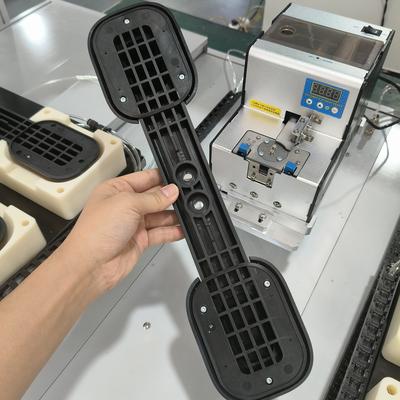
body { font-family: Arial, sans-serif; line-height: 1.6; color: #333; margin: 20px; } h1 { color: #0056b3; font-size: 28px; margin-bottom: 15px; } h2 { color: #004a93; font-size: 22px; margin-top: 25px; margin-bottom: 10px; } p { margin-bottom: 15px; } ul, ol { margin-bottom: 15px; margin-left: 20px; } li { margin-bottom: 5px; } strong { color: #0056b3; } Cost-Benefit Analysis of Screw Locking Automation In the competitive landscape of modern manufacturing, efficiency, reliability, and cost control are paramount. One critical yet often overlooked process is screw locking—the application of thread-locking adhesives to fasteners to prevent loosening under vibration and stress. While traditionally a manual operation, automating this process presents a significant opportunity for operational improvement. This article provides a comprehensive cost-benefit analysis of implementing screw locking automation, highlighting the tangible and intangible advantages for manufacturing operations. Understanding the Initial Investment The decision to automate any process begins with a clear understanding of the initial capital expenditure. For screw locking automation, this includes the cost of the automated dispensing systems, which may range from benchtop units for lower-volume applications to fully integrated robotic cells for high-speed production lines. Additional costs often involve system integration into existing assembly workflows, potential facility modifications, and operator training programs. While this upfront investment can be substantial, it is crucial to view it through the lens of long-term return and total cost of ownership. Quantifying the Tangible Benefits and Cost Savings The financial advantages of automation are typically realized through direct cost savings and increased productivity. Key areas of impact include: Labor Cost Reduction: Manual screw locking is repetitive, time-consuming, and requires consistent operator attention. Automation significantly reduces the labor hours dedicated to this task, allowing personnel to be redeployed to higher-value, more complex operations, thereby optimizing labor costs. Enhanced Throughput and Yield: Automated systems operate at consistently high speeds without fatigue, directly increasing the throughput of your assembly line. Furthermore, they drastically reduce human error, such as missed fasteners or incorrect adhesive application. This improvement in first-pass yield minimizes costly rework, scrap, and potential field failures. Material Savings: Precision automated dispensers apply a consistent, measured amount of thread-locker every time. This eliminates the waste and variability associated with manual application, leading to direct savings on consumable material costs over time. Improved Quality and Reliability: The consistent application ensures every fastener is secured to the exact same specification, enhancing the overall quality and long-term reliability of the final product. This reduces warranty claims and protects brand reputation. Evaluating the Intangible Strategic Advantages Beyond the easily quantifiable savings, automation offers strategic benefits that strengthen a company's market position: Workplace Safety and Ergonomics: Automating a repetitive manual task reduces the risk of repetitive strain injuries among operators, creating a safer work environment and potentially lowering associated insurance costs. Production Scalability and Flexibility: Automated systems can be programmed for different products and batch sizes, providing the flexibility to adapt quickly to changing market demands and production schedules without significant retooling or retraining delays. Data and Traceability: Modern automation systems provide valuable data on the production process, including output counts, error rates, and material usage. This data is essential for process optimization, traceability, and continuous improvement initiatives. Conducting Your Own Analysis A thorough cost-benefit analysis for your specific operation should involve calculating the Total Cost of Ownership (TCO) of the automation system against the projected savings. Factor in the initial investment, ongoing maintenance costs, and the projected savings from labor, material, quality improvements, and reduced downtime. The payback period—the time it takes for the savings to equal the initial investment—is a key metric. For many companies, automation projects for processes like screw locking demonstrate a compelling ROI, with payback periods often achievable within a few years, followed by ongoing annual savings. In conclusion, while the path to automation requires careful planning and investment, the financial and operational benefits of automating the screw locking process are clear. From direct cost savings and quality enhancements to improved safety and scalability, the advantages contribute significantly to building a more efficient, reliable, and competitive manufacturing operation. A detailed, company-specific analysis is the most effective way to validate these benefits and build a strong business case for automation. Product Name Applicable industries Screw Locking Robot Electric Bicycle Assembly
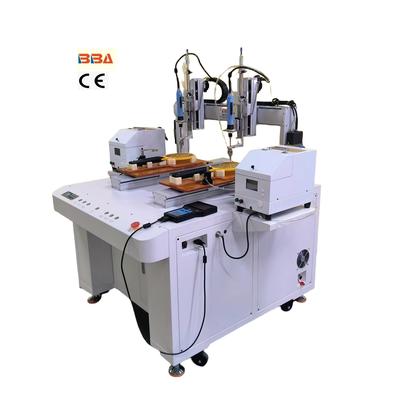
In the fast-paced world of manufacturing, efficiency and precision are paramount. One tool that has revolutionized assembly lines across industries is the automatic screw feeder. These systems are designed to streamline the screwdriving process, offering a multitude of benefits that directly impact productivity, quality, and operational costs. For any company involved in assembly or production, integrating automatic screw feeders is a significant step toward modernizing and optimizing their workflow. First and foremost, automatic screw feeders dramatically increase production speed. Manual screwdriving is a time-consuming and repetitive task prone to human fatigue. Operators must pick up each screw, position it, and drive it in—a process that slows down the entire line. Automatic feeders eliminate these steps by presenting screws correctly oriented and ready to be driven at the push of a button or trigger. This continuous feeding allows operators to focus on placement and activation, cutting cycle times and enabling a much higher output. In high-volume manufacturing environments, this boost in speed is a game-changer, allowing businesses to meet demanding deadlines and scale production effortlessly. Beyond speed, these systems greatly enhance consistency and product quality. Human operators can make mistakes—cross-threading, over-torquing, or under-torquing screws are common issues that lead to product defects, rework, and potential failures. Automatic screw feeders are often integrated with precision electric or pneumatic screwdrivers that apply a pre-set torque consistently for every single screw. This ensures every joint is perfectly fastened according to specifications, drastically reducing the defect rate. The result is a more reliable final product, improved customer satisfaction, and a stronger brand reputation for quality. Another critical advantage is the notable improvement in worker safety and ergonomics. Repetitive strain injuries (RSIs) in the wrists, hands, and shoulders are a significant concern for workers performing manual screwdriving tasks thousands of times a day. Automatic feeders reduce the repetitive motions of picking and positioning screws, minimizing physical strain and the risk of RSIs. This leads to a healthier, more comfortable workforce, lower absenteeism, and reduced costs associated with workplace injuries. Furthermore, it boosts operator morale, as employees can engage in more value-added and less monotonous work. From a cost perspective, the investment in automatic screw feeding technology quickly pays for itself. While there is an initial capital outlay, the returns are substantial. The combination of higher throughput, reduced labor costs per unit, fewer defects requiring rework or scrap, and lower costs from injury-related downtime contributes to a very attractive return on investment (ROI). Additionally, these systems help reduce material waste by ensuring screws are not dropped or lost during handling, contributing to a leaner and more cost-effective operation. Finally, automatic screw feeders offer remarkable flexibility. Modern systems can be configured to handle a wide variety of screw sizes and types, from tiny M1 screws to larger fasteners. They can be mounted on benches, integrated into automated assembly robots, or even used in portable units for larger products. This adaptability makes them suitable for a diverse range of applications, from electronics and automotive assembly to consumer appliances and medical device manufacturing. In conclusion, the benefits of using automatic screw feeders in manufacturing are clear and compelling. They are not merely a convenience but a strategic tool for any business seeking a competitive edge. By delivering unmatched speed, unwavering consistency, enhanced workplace safety, and a strong financial return, automatic screw feeders have become an indispensable component of the modern, efficient, and high-quality manufacturing floor. Product Name Applicable industries Auto Screwdriver Machine Smart Wearables Production
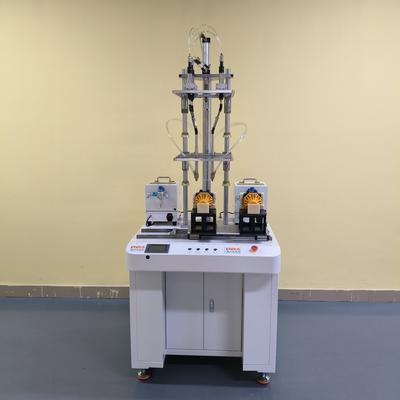
Product Name Applicable industries Servo Screwdriver Robot Electric Bicycle Assembly body { font-family: Arial, sans-serif; line-height: 1.6; margin: 20px; } h2 { color: #2c3e50; } h3 { color: #3498db; margin-top: 20px; } p { margin-bottom: 15px; } ul { margin-bottom: 15px; padding-left: 20px; } li { margin-bottom: 8px; } strong { color: #e74c3c; } How to Train Staff on Screw Tightening Machines Effective training is crucial for maximizing productivity, ensuring product quality, and maintaining a safe working environment when using industrial screw tightening machines. A well-trained operator can significantly reduce error rates, minimize machine downtime, and prevent costly rework. This guide outlines a comprehensive approach to training your staff on these essential pieces of equipment. 1. Foundational Knowledge: The Theory Behind the Tool Before an operator ever touches a machine, they must understand the fundamental principles. Begin with classroom-style sessions covering: The Importance of Precision: Explain how correct torque and angle directly impact product integrity, safety, and performance. Machine Components: Break down the key parts of the screw tightening machine, including the controller, motor, spindle, and tooling. Key Terminology: Ensure everyone is fluent in terms like torque (Nm, lbf-in), angle, yield, and rundown. Clarify the difference between hard joints and soft joints. Error Codes & Diagnostics: Introduce common error messages and their meanings. This empowers operators to understand what the machine is communicating. 2. Hands-On Practical Training Theoretical knowledge must be cemented with practical, supervised experience. This phase should be conducted in a controlled training environment. Machine Setup & Changeover: Train staff on how to safely install and change bits, adjust fixtures, and select the correct program for a specific task. Running a Cycle: Demonstrate the entire process, from placing the component and positioning the tool to initiating the tightening cycle. Emphasize ergonomic handling to prevent strain. Verification and Quality Control: Show operators how to verify a successful tightening cycle using the machine's data output. Introduce them to using manual torque testers for periodic audits. Basic Troubleshooting: Guide them through resolving common issues like cross-threading, missed screws, or error alarms. Teach them the "stop, assess, report" procedure for more complex faults. 3. Emphasizing Safety Above All Else Safety training is non-negotiable. Every operator must be aware of the potential hazards. Personal Protective Equipment (PPE): Mandate and provide safety glasses, hearing protection, and gloves where appropriate. Pinch Points and Ergonomics: Clearly identify all machine pinch points. Train on proper posture and handling techniques to avoid repetitive strain injuries. Emergency Procedures: Ensure everyone knows the location and operation of emergency stop buttons and understands lockout/tagout (LOTO) procedures for maintenance. 4. Leveraging Technology for Enhanced Learning Modern screw tightening machines are data-rich. Use this to your advantage. Data Monitoring: Train supervisors and operators on how to interpret process data and histograms. This turns abstract concepts into visible results, showing the spread of torque values and identifying out-of-spec results. Simulation Mode: Utilize the machine’s simulation or training mode to allow practice without consuming actual components or affecting production statistics. 5. Documentation and Continuous Improvement Training should not be a one-time event. Create a culture of continuous learning. Create Accessible SOPs: Develop clear, visual Standard Operating Procedures (SOPs) that are readily available at the workstation. Certification Program: Implement a formal certification process where operators must demonstrate competency in both theory and practice to be qualified to use the machine independently. Refresher Courses: Schedule periodic refresher training to address bad habits, introduce new features, and reinforce safety protocols. Investing in a structured, multi-stage training program for screw tightening machines is an investment in your company's efficiency, quality, and most importantly, the safety of your workforce. By building a foundation of knowledge, providing ample hands-on practice, and fostering a culture of continuous improvement, you will empower your operators to become proficient and valuable contributors to your production process.
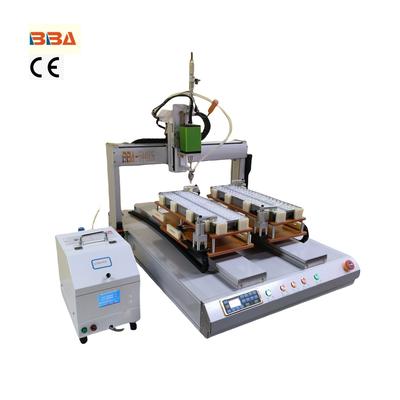
Product Name Applicable industries CNC Screw Fastener PCB and Circuit Board Assembly body { font-family: Arial, sans-serif; line-height: 1.6; color: #333; margin: 20px; } h1 { color: #0056b3; font-size: 28px; margin-bottom: 20px; } h2 { color: #003366; font-size: 22px; margin-top: 25px; margin-bottom: 15px; } p { margin-bottom: 15px; text-align: justify; } ul { margin-bottom: 15px; padding-left: 20px; } li { margin-bottom: 8px; } .highlight { background-color: #f5f5f5; padding: 15px; border-radius: 5px; margin: 20px 0; } Intelligent Feeding Systems for Continuous Fastening In the realm of industrial automation, efficiency and precision are paramount. The advent of Intelligent Feeding Systems has revolutionized the way manufacturing and assembly lines handle continuous fastening processes. These advanced systems are designed to streamline operations, reduce downtime, and enhance overall productivity by ensuring a seamless and reliable supply of fasteners such as screws, bolts, and rivets to automated tools. The Core Technology Behind Intelligent Feeding Intelligent Feeding Systems integrate sophisticated technologies to deliver fasteners with unparalleled accuracy and speed. At the heart of these systems are high-precision vibratory bowls or centrifugal feeders that orient and feed components correctly. Coupled with advanced sensors and vision systems, they can detect and reject defective or misoriented parts in real-time, preventing jams and ensuring only perfect fasteners reach the point of use. Modern systems are equipped with IoT connectivity and data analytics capabilities. This allows for continuous monitoring of feeding performance, predictive maintenance alerts, and remote troubleshooting. By analyzing data on feed rates, jam occurrences, and component quality, these systems can self-optimize, reducing unplanned stoppages and maintenance costs significantly. Key benefits of implementing an Intelligent Feeding System include a dramatic reduction in manual intervention, a decrease in fastener waste, and a substantial improvement in the overall equipment effectiveness (OEE) of the production line. Enhancing Flexibility and Scalability Today's manufacturing demands require systems that are not only efficient but also highly adaptable. Intelligent Feeding Systems are designed with modularity in mind, allowing for quick changeovers between different fastener types and sizes. This flexibility is crucial for production lines that handle high-mix, low-volume batches, enabling manufacturers to respond swiftly to changing market demands without costly retooling or extended downtime. Scalability is another critical advantage. Whether integrated into a single workstation or a complex multi-station assembly cell, these systems can be easily expanded or reconfigured. This ensures that as production volumes grow or new product lines are introduced, the feeding technology can grow accordingly, protecting the initial investment and future-proofing the operation. Driving Quality and Consistency Consistent quality in fastening is non-negotiable for product integrity and safety. Intelligent Feeding Systems play a pivotal role in achieving this by guaranteeing that the right fastener is delivered at the right time and in the correct orientation. This eliminates human error and variability, leading to a dramatic reduction in defects related to missed, cross-threaded, or improperly torqued fasteners. The integration of these systems with smart electric torque tools further enhances quality control. The feeding system can communicate directly with the tool, providing data on the fastener being delivered and confirming its specifications. This closed-loop process ensures every joint is completed to exact engineering specifications, with all data recorded for full traceability and compliance. In conclusion, Intelligent Feeding Systems for continuous fastening are no longer a luxury but a necessity for modern industrial automation. They represent a significant leap forward in creating smarter, more connected, and more efficient manufacturing environments. By investing in this intelligent technology, companies can secure a formidable competitive advantage through superior productivity, unmatched quality, and remarkable operational agility.