8618566785362 8618566785362 8618566785362 phoenix08@bbamachine.com
- All
- Product Name
- Product Keyword
- Product Model
- Product Summary
- Product Description
- Multi Field Search

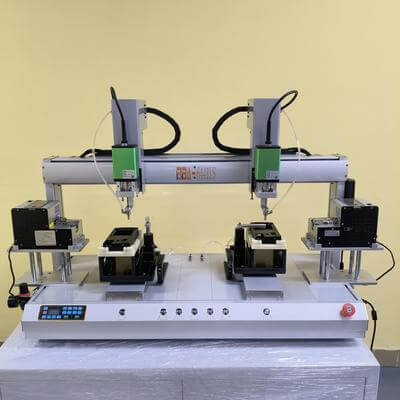
body { font-family: Arial, sans-serif; line-height: 1.6; margin: 20px; } h1 { color: #2c3e50; font-size: 28px; margin-bottom: 20px; } h2 { color: #34495e; font-size: 24px; margin-top: 30px; margin-bottom: 15px; } p { margin-bottom: 15px; color: #333; } ul, ol { margin-bottom: 15px; padding-left: 20px; } li { margin-bottom: 8px; } strong { color: #16a085; } Best SEO Titles for Screw Fastening Machines In the competitive landscape of industrial automation, having a strong online presence is crucial for reaching potential customers and driving business growth. For companies specializing in screw fastening machines, optimizing content with effective SEO titles can significantly improve search engine visibility and attract the right audience. A well-crafted title not only captures attention but also aligns with search intent, making it easier for prospects to find your products. This article explores some of the best SEO title strategies tailored for screw fastening machine providers, helping you enhance your content marketing efforts and generate more qualified leads. Why SEO Titles Matter for Industrial Automation Products Search Engine Optimization (SEO) titles play a pivotal role in determining click-through rates (CTR) and overall search rankings. For industrial automation products like screw fastening machines, where the target audience includes engineers, procurement managers, and manufacturing professionals, precise and keyword-rich titles are essential. These titles should reflect the technical specifications, applications, and benefits of the machines while incorporating high-volume search terms. By optimizing titles, you can position your content ahead of competitors and connect with users actively seeking automation solutions. Key Elements of an Effective SEO Title An ideal SEO title for screw fastening machines should be concise, descriptive, and engaging. It must include primary keywords such as "screw fastening machine," "automated screwdriving," or "industrial fastening systems," along with modifiers that highlight unique selling points like "high-speed," "precision," or "robotic." Including numbers (e.g., "Top 5 Benefits") or power words (e.g., "Ultimate Guide") can further enhance appeal. Additionally, titles should be tailored to match specific user intents, whether informational, commercial, or transactional, to maximize relevance and performance. Top SEO Title Examples for Screw Fastening Machines Here are some proven SEO title templates that can drive traffic and engagement for your screw fastening machine content: High-Speed Automated Screw Fastening Machines for Efficient Production Lines – This title targets users looking for speed and efficiency in manufacturing. Precision Screwdriving Solutions: Enhancing Quality in Assembly Processes – Focuses on accuracy and quality, appealing to quality-conscious buyers. Robotic Screw Fastening Systems: Boosting Productivity and Reducing Costs – Emphasizes cost savings and automation benefits. How to Choose the Right Screw Fastening Machine for Your Application – A guide-style title that attracts users in the research phase. Top 10 Features to Look for in an Industrial Screw Fastening Machine – Incorporates numbers to list key features, encouraging clicks. Automated Fastening Technology: Trends and Innovations in 2024 – Leverages current year and trends for relevance. Optimizing Titles for Different Content Types Depending on the content format—blog posts, product pages, case studies, or whitepapers—your SEO titles should vary to suit the context. For product pages, include model numbers or specific technical terms (e.g., "XYZ Model Automatic Screw Feeder"). For informational content, use question-based titles like "What is a Screw Fastening Machine and How Does It Work?" Case studies can highlight results with titles such as "How Company X Increased Output by 30% with Automated Fastening." Always ensure titles are unique and accurately represent the content to avoid high bounce rates. Common Mistakes to Avoid While crafting SEO titles, avoid keyword stuffing, which can make titles seem spammy and hurt readability. Steer clear of vague phrases like "Best Machines" without context, as they may not align with user intent. Also, ensure titles are mobile-friendly and within the recommended character limit (typically 50-60 characters) to prevent truncation in search results. Finally, regularly analyze performance using tools like Google Search Console to refine your strategy based on actual data. Conclusion Effective SEO titles are a cornerstone of successful digital marketing for screw fastening machines. By integrating relevant keywords, addressing user needs, and highlighting key benefits, you can improve search rankings and attract more targeted traffic. Continuously test and update your titles based on performance metrics to stay ahead in the dynamic industrial automation market. With these strategies, your content will not only rank higher but also resonate with professionals seeking reliable fastening solutions. Product Name Applicable industries Screw Fastening Unit LED Lighting Industry
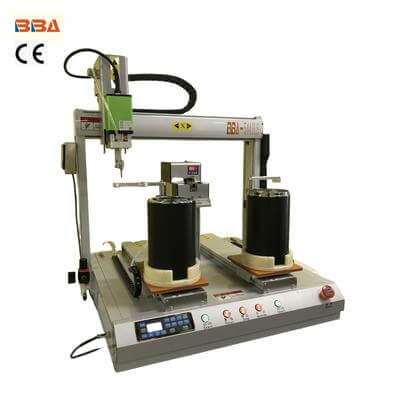
Product Name Applicable industries Desktop Screwdriver Robot Telecommunication Equipment Assembly p { margin-bottom: 16px; line-height: 1.6; } strong { font-weight: 600; color: #2c3e50; } In the competitive landscape of modern manufacturing, the pursuit of efficiency and precision is relentless. For many companies, the decision to upgrade production lines with advanced servo assembly machines is a significant capital investment. Therefore, understanding and calculating the Return on Investment (ROI) is a critical step in the justification process. This investment transcends mere equipment acquisition; it is a strategic move towards building a more agile, reliable, and cost-effective operation. The calculation of ROI for servo assembly machines extends far beyond a simple comparison of purchase price versus output. A comprehensive analysis must consider both tangible, quantifiable benefits and significant intangible advantages that contribute to long-term value. Quantifiable Gains: The Core of ROI Calculation The most immediate and measurable returns come from dramatic increases in operational efficiency. Servo-driven systems offer unparalleled speed and precision, significantly reducing cycle times compared to traditional pneumatic or mechanical systems. This directly translates to a higher output of assembled units per hour, maximizing the utilization of existing floor space and labor. Furthermore, the exceptional accuracy of servo robots drastically reduces errors and product defects. This leads to substantial savings by minimizing material waste, costly rework, and potential scrap. The consistency of quality also enhances customer satisfaction and reduces the risk of returns. Operational cost reduction is another major contributor to ROI. Servo systems are inherently more energy-efficient. Unlike pneumatic systems that constantly compress air, servo motors consume power primarily during movement and hold positions with minimal energy, leading to a marked decrease in electricity costs. Additionally, these machines require less maintenance. With fewer mechanical components subject to wear and tear and no need for compressed air filters and lubricators, maintenance downtime and associated labor and parts expenses are significantly lowered. Intangible Benefits: Strengthening Long-Term Competitiveness While harder to quantify on a balance sheet, the strategic advantages of servo automation are undeniable. The flexibility and programmability of servo machines are paramount. The same machine can be quickly reconfigured to handle multiple product variants or entirely new products through software changes, drastically reducing changeover times and protecting your investment against future market shifts. This agility is invaluable. Moreover, integrating advanced servo assembly systems elevates overall production quality and consistency to a level unattainable through manual labor. This enhances brand reputation and allows a company to compete in higher-value market segments. From a human resources perspective, automating repetitive and ergonomically challenging tasks with servo robots improves workplace safety and allows skilled workers to be redeployed to more value-added roles, such as machine supervision, quality control, and process improvement. Building a Convincing Business Case To accurately calculate ROI, companies must gather specific data: current production rates, defect rates, labor costs per shift, energy consumption, and maintenance expenses. Comparing these baseline figures against the projected performance metrics of the new servo assembly machine will reveal the annual savings. The ROI percentage is then calculated as (Annual Savings – Annual Operating Cost) / Total Investment Cost * 100. A positive ROI, typically achieved within a surprisingly short payback period of one to three years, clearly demonstrates the financial viability of the project. In conclusion, investing in servo assembly machines is an investment in the future resilience and profitability of a manufacturing operation. The ROI is compelling, driven by powerful combinations of increased throughput, reduced waste, lower operational costs, and enhanced flexibility. By taking a holistic view of both tangible and intangible benefits, manufacturers can make a data-driven decision that secures a significant competitive advantage for years to come.
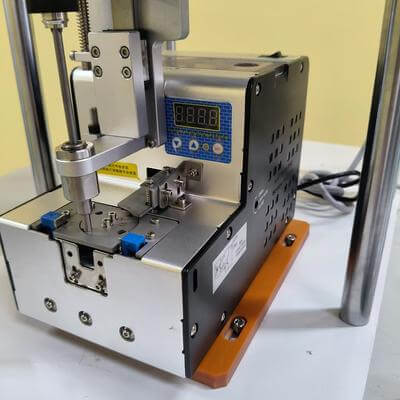
body { font-family: Arial, sans-serif; line-height: 1.6; margin: 20px; } h1 { color: #2c3e50; font-size: 28px; margin-bottom: 20px; } p { margin-bottom: 16px; color: #333; } strong { color: #16a085; } How Contract Manufacturers Use Screw Assembly Robots In today’s competitive manufacturing landscape, contract manufacturers are increasingly turning to automation to enhance precision, efficiency, and scalability. Among the most impactful technologies adopted in this shift are screw assembly robots. These automated systems are revolutionizing how assembly tasks are performed, offering significant advantages in speed, accuracy, and consistency. Screw assembly robots are designed to handle the repetitive task of driving screws with unparalleled reliability. Unlike manual assembly, which is prone to errors such as cross-threading, over-torquing, or missing screws, robots perform this operation with exacting precision every time. This is particularly critical in industries like electronics, automotive, and medical devices, where product quality and safety are non-negotiable. One of the primary benefits these robots provide is increased throughput. Automated screwdriving systems can operate continuously without fatigue, dramatically reducing cycle times and enabling production lines to achieve higher output levels. This allows contract manufacturers to meet tight deadlines and manage large order volumes without compromising on quality. Moreover, screw assembly robots contribute to cost reduction over time. While the initial investment may be significant, the long-term savings in labor costs, reduced rework, and minimized material waste offer a strong return on investment. These systems also free up human workers to focus on more complex, value-added tasks, thereby optimizing overall productivity. Flexibility is another key advantage. Modern screw assembly robots can be programmed to handle multiple product variants quickly, making them ideal for high-mix production environments. With easy-to-change software settings and adaptable end-of-arm tooling, manufacturers can switch between different screw types, sizes, and torque requirements with minimal downtime. Integration with existing production systems is seamless. Advanced vision systems and sensors ensure that robots can identify and align screws accurately, even in challenging orientations. Many systems also feature real-time monitoring and data collection, enabling manufacturers to track performance, identify bottlenecks, and maintain comprehensive quality records for compliance purposes. As the demand for smarter manufacturing grows, screw assembly robots are becoming an essential tool for contract manufacturers aiming to stay ahead. They not only improve operational efficiency but also enhance product reliability and customer satisfaction. By adopting this technology, manufacturers can build a reputation for excellence and secure a stronger position in a rapidly evolving market. In conclusion, the use of screw assembly robots is no longer a luxury but a necessity for contract manufacturers seeking to improve quality, increase output, and reduce costs. This technology represents a fundamental step toward the future of industrial automation, where precision and efficiency drive success. Product Name Applicable industries CNC Screw Fastener Automotive Electronics Assembly
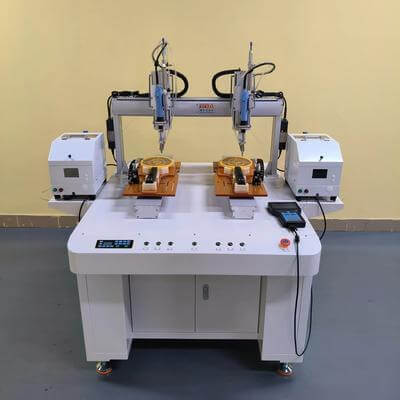
body { font-family: Arial, sans-serif; line-height: 1.6; margin: 20px; color: #333; } h1 { color: #2c3e50; font-size: 28px; margin-bottom: 20px; } h2 { color: #34495e; font-size: 22px; margin-top: 25px; margin-bottom: 15px; } p { margin-bottom: 15px; text-align: justify; } ul { margin-bottom: 15px; padding-left: 20px; } li { margin-bottom: 8px; } .highlight { background-color: #f8f9fa; padding: 15px; border-left: 4px solid #3498db; margin: 20px 0; } التحكم في المحرك المؤازر في الروبوتات التعاونية يمثل صعود الروبوتات التعاونية، أو الكوبوتات، تحولاً كبيرًا في الأتمتة الصناعية. على عكس نظرائها التقليديين الذين يعملون في أقفاص معزولة، تم تصميم الكوبوتات للعمل جنبًا إلى جنب مع المشغلين البشريين، مما يعزز الإنتاجية والمرونة. في صميم هذا التفاعل السلس بين الإنسان والروبوت يكمن مكون تكنولوجي حاسم: المحرك المؤازر. التحكم الدقيق في هذه المحركات هو ما يمكن الكوبوتات من أداء مهام دقيقة بدقة، والأهم من ذلك، بأمان. الدور الحاسم للدقة والتحكم في عزم الدوران تتواجه المحركات المؤازرة في الروبوتات التعاونية تحديًا فريدًا. يجب أن توفر طاقة كافية لأداء المهام الصناعية مثل الرفع والتجميع أو اللحام، ولكن يجب أيضًا أن تكون قادرة على حركات دقيقة ومعقدة للغاية. يتحقق ذلك من خلال خوارزميات متقدمة للتحكم في عزم الدوران. تسمح هذه الخوارزميات للمحرك بضبط عزم الدوران الناتج في الوقت الفعلي بناءً على التغذية الراجعة من أجهزة الاستشعار. على سبيل المثال، إذا واجه ذراع الكوبوت مقاومة غير متوقعة - مثل يد بشرية - يمكن لنظام التحكم المؤازر اكتشاف ذلك على الفور إما بالتوقف أو تقليل القوة لمنع الإصابة. هذا التحكم الدقيق في عزم الدوران غير قابل للتفاوض من أجل التعاون الآمن وهو سمة مميزة في تصميم الكوبوتات الحديثة. تعزيز السلامة من خلال الحركة المستجيبة السلامة هي الشغل الشاغل في أي مساحة عمل مشتركة. أنظمة التحكم المؤازرة في الكوبوتات جزء لا يتجزأ من وظائف السلامة المضمنة مثل الحد من الطاقة والقوة. من خلال استخدام مشفرات عالية الدقة، يحافظ النظام على وعي دقيق ومستمر بموضع الروبوت وسرعته وعزم الدوران. تتم معالجة هذه البيانات بسرعات عالية بشكل لا يصدق، مما يسمح للمحرك بالتفاعل في غضون ملي ثوانٍ عند تجاوز أي عتبة أمان مبرمجة. يضمن تحكم الحركة المستجيب هذا أن الكوبوتات يمكنها العمل بأمان دون الحاجة إلى حواجز وقائية مادية واسعة النطاق، مما يقلل من حجم الخلية والتكلفة مع تعزيز سير عمل متكامل أكثر. تحسين الكفاءة وتقليل أوقات الدورة بالإضافة إلى السلامة، يؤثر التحكم المؤازر المتطور مباشرة على الكفاءة التشغيلية. تقلل ملفات الحركة السلسة والدقيقة من الاهتزاز والارتداد، مما يؤدي إلى تقليل التآكل على المكونات الميكانيكية وتحسين جودة الإخراج، خاصة في مهام مثل التوزيع الدقيق أو وضع الأجزاء المعقدة. علاوة على ذلك، تضمن خوارزميات التحكم المُحسّنة أن الحركات ليست آمنة فحسب، بل يتم تنفيذها أيضًا بأكثر الطرق فعالية من حيث الوقت. من خلال حساب المسار الأكثر كفاءة وضبط معدلات التسارع والتباطؤ ديناميكيًا، يمكن للكوبوتات تحقيق أوقات دورة أسرع دون المساس بالسلامة أو الدقة، مما يعزز في النهاية الفعالية الشاملة للمعدات (OEE). تطور تكنولوجيا التحكم في المحركات المؤازرة هو العامل الرئيسي الذي enables ثورة الكوبوتات. إنها التفاعل المتطور بين المحركات عالية الأداء والخوارزميات المتقدمة والتغذية الراجعة في الوقت الفعلي هو الذي يحول الروبوت الصناعي القوي إلى شريك حساس وواعٍ وتعاوني. مع استمرار تقدم هذه التكنولوجيا، يمكننا توقع أن تتولى الكوبوتات مهامًا أكثر تعقيدًا وحساسية، مما يزيد من طمس الخطوط الفاصلة بين قدرات الإنسان والآلة في أرضية المصنع. اسم المنتج الصناعات المناسبة ماكة برغي أوتوماتيكية تجميع لوحات الدوائر المطبوعة (PCB) والدارات الكهربائية

Product Name Applicable industries Dual Head Screwdriver Security Equipment Manufacturing .body-content { font-family: Arial, sans-serif; line-height: 1.6; color: #333; margin: 20px; } .body-content h1 { color: #0056b3; font-size: 28px; margin-bottom: 20px; } .body-content h2 { color: #004494; font-size: 22px; margin-top: 25px; margin-bottom: 15px; } .body-content p { margin-bottom: 15px; text-align: justify; } .body-content ul { margin-bottom: 15px; padding-left: 20px; } .body-content li { margin-bottom: 8px; } .body-content .highlight { background-color: #f0f8ff; padding: 15px; border-left: 4px solid #0056b3; margin: 20px 0; font-style: italic; } Setting Bit Paths and Screw Points on Desktop Robots The evolution of manufacturing and small-scale assembly has been profoundly impacted by the adoption of desktop robots. These compact, yet powerful, systems bring industrial-grade precision and automation to benchtop applications. A critical aspect of harnessing their full potential lies in the precise configuration of their motion paths, specifically for tasks like dispensing adhesives, soldering, or, most commonly, screw driving. This process of defining bit paths and screw points is fundamental to achieving high-quality, consistent, and reliable automated operations. The Critical Role of Precise Programming At the heart of any successful desktop robot operation is meticulous programming. Unlike manual processes, an automated robot relies entirely on the digital instructions it receives. For screwdriving applications, this involves teaching the robot two key elements: the precise XYZ coordinates of each screw point and the optimal path the driving bit should follow to reach them. Inaccuracy in either element can lead to a cascade of issues, including damaged screws, stripped threads, misaligned components, or even collision between the robot tool and the fixture or product itself. Such errors result in downtime, wasted materials, and compromised product integrity. Modern desktop robotic systems are typically equipped with intuitive software interfaces that empower engineers and technicians to program these points and paths with high accuracy. The process often involves using a teach pendant or direct software control to manually guide the robot's end-effector to each desired screw location. Once positioned, the point is saved within the robot's controller, creating a digital map of the assembly task. The order of operations and the path traveled between these points are equally important for efficiency and safety. Best Practices for Path and Point Configuration Adhering to established best practices can significantly enhance the performance and lifespan of your desktop robotic cell. Utilize Waypoints: Avoid programming a direct, linear path between screw points, especially when obstructions are present. Instead, program safe, elevated waypoints that the bit can move through above the workpiece. This creates a efficient and collision-free motion path. Implement Consistent Approach and Retract Vectors: For each screw point, define a straight and consistent approach vector. The robot should drive the screw perpendicular to the workpiece surface. Similarly, program a clean retract vector to pull the bit directly away from the point after the screw is seated, preventing lateral movement that could damage the driven screw or the surrounding material. Leverage Force-Sensing Capabilities: Many advanced desktop robots feature built-in force sensing. This technology allows the robot to detect when a screw has been fully seated based on torque feedback, triggering it to stop driving and retract. Configuring these force thresholds correctly is vital for preventing over-torquing and ensuring every screw is driven to the same precise specification. Validate and Simulate: Before running a full production cycle, always use the software's simulation feature to visually verify the programmed paths and points. This virtual dry-run helps identify any potential collisions or illogical movements without risking physical hardware. A well-defined bit path is more than just a route; it is a carefully choreographed sequence that ensures precision, protects your capital equipment, and guarantees the repeatability that is the hallmark of automation. Driving Efficiency in Modern Manufacturing The correct setting of bit paths and screw points transcends mere programming—it is a fundamental engineering practice that directly impacts productivity. A perfectly programmed desktop robot can work tirelessly with unwavering consistency, significantly increasing throughput and freeing skilled technicians to focus on more complex value-added tasks. It eliminates the variability inherent in manual assembly, ensuring every product is built to the same exacting standards. Furthermore, the digital nature of these programs allows for quick changeover between different products, making small-batch, high-mix manufacturing not only feasible but highly efficient. As desktop robots become increasingly sophisticated, the tools for programming them continue to become more powerful and user-friendly. By mastering the principles of path and point setting, manufacturers can unlock the full potential of their automation investments, achieving new levels of quality, efficiency, and reliability in their production processes.
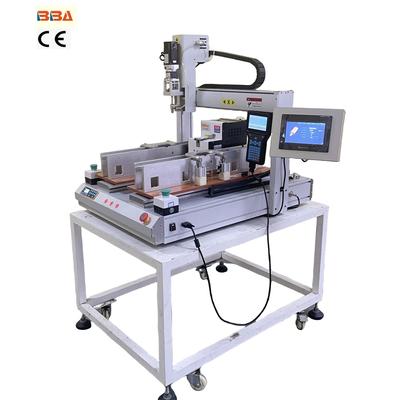
body { font-family: Arial, sans-serif; line-height: 1.6; margin: 20px; color: #333; } h1 { color: #0056b3; font-size: 28px; margin-bottom: 15px; } h2 { color: #004085; font-size: 22px; margin-top: 25px; margin-bottom: 10px; } p { margin-bottom: 15px; text-align: justify; } ul { margin: 15px 0; padding-left: 20px; } li { margin-bottom: 8px; } .highlight { background-color: #f8f9fa; padding: 15px; border-left: 4px solid #0056b3; margin: 20px 0; } .keyword { font-weight: bold; color: #0056b3; } دليل معايرة روبوتات البراغي متعددة المحاور تعد روبوتات البراغي متعددة المحاور جزءًا لا يتجزأ من الأتمتة الصناعية الحديثة، حيث تقدم دقة وكفاءة لا مثيل لهما في مهام مثل التجميع، ومعالجة المواد، والتصنيع الدقيق. ومع ذلك، يعتمد أداؤها بشكل كبير على عملية حرجة واحدة: المعايرة. تضمن المعايرة الصحيحة أن تعمل هذه الآلات المتطورة ضمن التفاوتات المحددة، مع الحفاظ على الدقة، والقابلية للتكرار، وموثوقية النظام الشاملة. يقدم هذا الدليل رؤى أساسية حول عملية المعايرة لروبوتات البراغي متعددة المحاور، مع تسليط الضوء على الخطوات الرئيسية وأفضل الممارسات. فهم أهمية المعايرة المعايرة هي عملية تكوين المعلمات الداخلية للروبوت لمحاذاة حركته الفعلية مع نموذجه النظري. بمرور الوقت، يمكن لعوامل مثل التآكل الميكانيكي، أو التمدد الحراري، أو حتى الصدمات البسيطة أن تسبب انحرافات في وضعية الروبوت. بالنسبة للأنظمة متعددة المحاور، حيث يمكن أن يتضخم حتى الخطأ الصغير في مفصل واحد عند نهاية المؤثر، فإن المعايرة المنتظمة ليست قابلة للتفاوض. إنها تؤثر مباشرة على جودة المنتج، وتقلل من معدلات الخردة، وتقلل من وقت التوقف غير المخطط له. بدونها، تضيع مزايا الأتمتة عالية السرعة بسرعة. النقطة الرئيسية: المعايرة المنتظمة ليست خيارًا بل ضرورة للحفاظ على دقة وطول عمر نظام روبوت البراغي متعدد المحاور الخاص بك. إنها تحمي استثمارك وتضمن جودة إخراج متسقة. الخطوات الرئيسية في عملية المعايرة تتضمن عملية المعايرة لروبوت البراغي متعدد المحاور عادةً عدة خطوات منهجية. بينما يمكن أن تختلف الإجراءات المحددة بناءً على تصميم الروبوت والشركة المصنعة، فإن الإطار التالي قابل للتطبيق عالميًا. التحضير والفحص السلامي: قبل البدء، تأكد من أن الروبوت في حالة آمنة - مغلق الطاقة ومعزول عن أي مصادر طاقة. افحص الروبوت للكشف عن أي تلف أو تآكل مرئي، خاصة على البراغي، والمguides، والمفاصل. فحص الرجع واللعب الميكانيكي: تحقق من جميع المكونات الميكانيكية للحركة غير المرغوب فيها أو الرجع. هذا أمر بالغ الأهمية للأنظمة التي تعمل بالبراغي، حيث يمكن أن ي introduces الرجع أخطاء وضعية كبيرة. توجيه إلى وضعية المرجع: أمر الروبوت بالانتقال إلى وضعية المرجع المعروفة أو "المنزل". هذا ي establishes خط أساس لجميع القياسات والتعديلات اللاحقة. قياس الخطأ الهندسي: باستخدام أدوات القياس الدقيقة مثل أجهزة تتبع الليزر أو أجهزة قياس الإحداثيات (CMMs)، قم بقياس الوضعية الفعلية للروبوت مقابل وضعيته commanded في نقاط مختلفة في نطاق عمله. هذا يساعد في تحديد الانحرافات في نموذجه الحركي. تعويض المعلمة: أدخل بيانات الخطأ المقاسة into وحدة تحكم الروبوت. تستخدم وحدات التحكم المتقدمة هذه البيانات لتحديث نماذجها الحركية، مما يعوض بشكل فعال عن عدم الدقة المكتشفة. التحقق من الصحة واختبار القابلية للتكرار: بعد التعويض، قم بتشغيل سلسلة من الاختبارات للتحقق من الدقة. أمر الروبوت بالانتقال إلى نقاط هدف متعددة وقياس الوضعية المحققة repeatedly لتأكيد القابلية للتكرار. أفضل الممارسات للحفاظ على المعايرة المعايرة ليست حدثًا لمرة واحدة. لضمان الدقة المستمرة، اعتمد جدول صيانة استباقي. أولاً، establish فاصل زمني منتظم للمعايرة بناءً على شدة استخدام الروبوت وأهمية تطبيقه. قد تتطلب المهام عالية السرعة والدقة العالية معايرة ربع سنوية، بينما قد يتم صيانة الأدوار الأقل أهمية سنويًا. ثانيًا، التحكم البيئي vital. يمكن أن تؤثر تقلبات درجة الحرارة والرطوبة على المكونات الميكانيكية. يقلل تشغيل ومعايرة الروبوت في بيئة خاضعة للتحكم من these التأثيرات الخارجية. أخيرًا، التوثيق الشامل essential. احتفظ بسجل مفصل لكل إجراء معايرة، including التواريخ، وأخطاء القياس، وقيم التعويض، ونتائج الاختبار بعد المعايرة. هذا السجل invaluable for استكشاف الأخطاء وإصلاحها وتتبع أداء النظام بمرور الوقت. خاتمة إتقان معايرة روبوتات البراغي متعددة المحاور هو أساسي لفتح إمكاناتها الكاملة في الأتمتة الصناعية. تعزز روتين المعايرة الدقيق والمنتظم الدقة، وتضمن القابلية للتكرار، وت extend العمر التشغيلي للمعدات. من خلال اتباع عملية منظمة والالتزام بأفضل الممارسات، يمكن للمشغلين الحفاظ على الأداء الأمثل، وزيادة الإنتاجية إلى أقصى حد، وتحقيق عائد سريع على الاستثمار. اعتنق المعايرة ليس كمهمة تقنية، ولكن كاستراتيجية أساسية للتميز في الأتمتة. اسم المنتج الصناعات المناسبة آلة برغي أوتوماتيكية تجمع لوحات الدوائر المطبوعة (PCB) واللوحات الإلكترونية
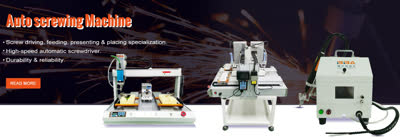
اسم المنتج الصناعات المُنطبقة مغذي البراغي الآلي صناعة إضاءة LED body { font-family: Arial, sans-serif; line-height: 1.6; color: #333; margin: 20px; } h1 { color: #2C5E9E; font-size: 28px; margin-bottom: 20px; } h2 { color: #2C5E9E; font-size: 22px; margin-top: 25px; margin-bottom: 15px; } p { margin-bottom: 15px; text-align: justify; } ul { margin-bottom: 15px; padding-left: 20px; } li { margin-bottom: 8px; } .highlight { background-color: #f5f5f5; padding: 15px; border-left: 4px solid #2C5E9E; margin: 20px 0; font-style: italic; } فوائد الاستدامة لأنظمة التغذية الآلية للبراغي في المشهد الصناعي التنافسي اليوم، يرتبط تحقيق التميز التشغيلي ارتباطًا وثيقًا باعتماد الممارسات المستدامة. يسعى المصنعون بشكل متزايد إلى حلول لا تعزز الإنتاجية فحسب، بل تقلل أيضًا من بصمتهم البيئية. أحد هذه التقنيات التحويلية هو أنظمة التغذية الآلية للبراغي. بينما دقتها وسرعتها معروفة جيدًا، فإن مساهمتها العميقة في الاستدامة هي ميزة قوية لكن غالبًا ما يتم تجاهلها. يعد تنفيذ التغذية الآلية للبراغي خطوة استراتيجية نحو بناء عملية تصنيع أكثر خضرة ومسؤولية. تقليل هدر المواد وتحسين الاستهلاك تكمن الفائدة البيئية الأساسية للأتمتة في دقتها التي لا مثيل لها. يكون ربط البراغي يدويًا عرضة لأخطاء مثل الربط المتقاطع، وسقوط البراغي، وتطبيق عزم الدوران بشكل غير صحيح. غالبًا ما تؤدي هذه الأخطاء إلى تلف المكونات، ورفض المنتج، وإعادة العمل. يمثل كل جزء مرفوض موادًا خامًا مهدرة والطاقة المستهلكة في إنتاجه. تقضي مغذيات البراغي الآلية على هذا التباين عن طريق توصيل البرغي الصحيح، إلى المكان الصحيح، بعزم دوران مثالي، في كل مرة. يؤدي هذا الانخفاض الكبير في الأخطاء مباشرة إلى انخفاض كبير في هدر المواد، مما يحافظ على الموارد القيمة ويقلل من حجم النفايات المرسلة إلى مكبات النفايات. دفع كفاءة الطاقة وخفض انبعاثات الكربون الاستدامة هي أيضًا عن الحفاظ على الطاقة. تم تصميم أنظمة التغذية الآلية الحديثة للبراغي للكفاءة. غالبًا ما يتم دمجها داخل خلية تجميع مبسطة، مما يقلل من الحاجة إلى ناقلات كبيرة كثيفة الاستهلاك للطاقة أو محطات عمل يدوية. علاوة على ذلك، تؤدي ثبات الأنظمة الآلية إلى أوقات دورة أقصر وإنتاجية أعلى. هذا يسمح بتحقيق نفس الناتج في وقت أقل، مما قد يقلل من ساعات التشغيل لخطوط الإنتاج بأكملها وينتج عنه انخفاض في استهلاك الطاقة overall. ترتبط مدخرات الطاقة هذه مباشرة بانخفاض انبعاثات غازات الدفيئة، خاصة في المناطق التي يكون فيها توليد الكهرباء كثيف الكربون. تعزيز سلامة مكان العمل وعلم Ergonomics تشمل الاستدامة المسؤولية الاجتماعية، بما في ذلك رفاهية الموظفين. يُعد ربط البراغي اليدوي المتكرر سببًا معروفًا لاضطرابات العضلات والعظام (MSDs)، مثل متلازمة النفق الرسغي والتهاب الأوتار. لا تسبب هذه الإصابات معاناة بشرية فحسب، بل تؤدي أيضًا إلى التغيب عن العمل، والتكاليف الطبية، وانخفاض الإنتاجية. أتمتة هذه المهمة المملة والمجهدة بدنياً تزيل العمال من الضرر المحتمل، مما يخلق بيئة عمل أكثر أمانًا وملاءمة من الناحية الإرجونومية. يمثل هذا الاستثمار في صحة الموظفين قوى عاملة أكثر استدامة ومرونة، وهو ركيزة أساسية في استراتيجية الاستدامة الشاملة. تعزيز الإدارة طويلة الأجل للموارد تساهم متانة وموثوقية أنظمة التغذية الآلية للبراغي في ثقافة الإدارة طويلة الأجل للموارد. المبنية من مواد قوية ومصممة للتشغيل المستمر، تتمتع هذه الأنظمة بعمر خدمة طويل، مما يقلل من تكرار الاستبدال والأثر البيئي المرتبط بتصنيع معدات جديدة. تضمن دقتها أيضًا تجميع المنتجات بشكل صحيح من المرة الأولى، مما يعزز جودة وسلامة السلع النهائية. هذا يعني أن المستخدمين النهائيين يستمتعون بمنتجات تدوم لفترة أطول، مما يؤخر دخولها إلى تيار النفايات ويعزز اقتصادًا دائريًا أكثر. دمج التغذية الآلية للبراغي هو أكثر من مجرد ترقية في تكنولوجيا التجميع؛ إنه التزام واضح بالتصنيع المستدام. من خلال تقليل النفايات بشكل كبير، والحفاظ على الطاقة، وحماية العمال، وتعزيز متانة المنتج، توفر هذه الأنystems أساسًا متينًا للشركات لتحقيق أهدافها البيئية مع تحسين أدائها المالي في نفس الوقت. في الختام، رحلة التصنيع الأخضر مبنية على سلسلة من القرارات الذكية والاستراتيجية. يقدم اختيار أتمتة العمليات الأساسية مثل التغذية بالبراغي فوائد استدامة فورية وقابلة للقياس. إنه يمثل تقاربًا قويًا بين الأداء الاقتصادي والإشراف البيئي، مما يثبت أن المسار الأكثر كفاءة إلى الأمام هو أيضًا الأكثر استدامة.
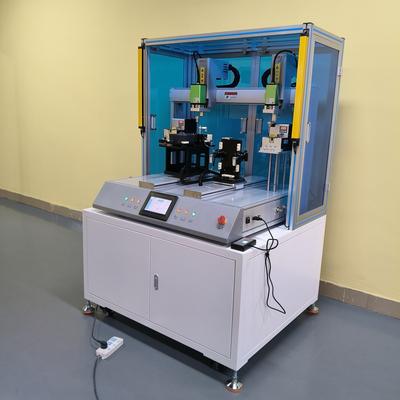
اسم المنتج الصناعات المستهدفة آلة براغي السيارات الآلية تجميع الإلكترونيات للسيارات body { font-family: Arial, sans-serif; line-height: 1.6; color: #333; margin: 20px; } h1 { color: #0056b3; font-size: 28px; margin-bottom: 15px; } p { margin-bottom: 15px; text-align: justify; } strong { color: #0056b3; } لماذا تتحول المزيد من المصانع إلى استخدام آلات تثبيت البراغي الآلية في مشهد التصنيع التنافسي اليوم، لم تعد الكفاءة والدقة والاتساق مجرد أهداف - بل أصبحت ضرورات للبقاء والنمو. هذا هو السبب وراء تحول عدد متزايد من المصانع في مختلف الصناعات بشكل استراتيجي من عمليات تثبيت البراغي اليدوية إلى آلات تثبيت البراغي الآلية بالكامل. هذا التحول يعيد تشكيل أساسي لأرضيات الإنتاج، مما يؤدي إلى مكاسب ملحوظة في الإنتاجية وجودة المنتج. المحرك الأساسي وراء هذا التحول هو السعي المستمر لتحسين الكفاءة التشغيلية. إن تثبيت البراغي يدوياً يستغرق وقتاً طويلاً ويتطلب عمالة مكثفة. وهو عرضة لإرهاق العامل البشري، مما يؤدي إلى اختناقات في خط التجميع. ومع ذلك، تعمل آلات تثبيت البراغي الآلية بسرعة ودقة لا تتزعزع. يمكنها تقديم آلاف البراغي المثبتة بشكل مثالي في الساعة دون توقف، مما يزيد من الإنتاجية بشكل كبير ويقلل أوقات الدورة. هذا يسمح للمصانع بتلبية طلبات الإنتاج الأعلى وأوقات تسويق أقصر بسهولة. بالإضافة إلى السرعة، فإن مسألة ضمان جودة لا هوادة فيها هي أمر بالغ الأهمية. يمكن للعاملين البشريين، رغم بذلهم لأفضل الجهود، ارتكاب أخطاء. يمكن أن تشمل هذه الأخطاء تعريض الخيوط، إتلاف البراغي، تطبيق عزم دوران غير صحيح، أو حتى نسيان براغي تماماً. مثل هذه الأخطاء تؤدي إلى عيوب في المنتج، وإعادة عمل مكلفة، وأعطال محتملة في الميدان تضر بسمعة العلامة التجارية. تلغي الآلات الآلية هذا التباين. يتم تثبيت كل برغي بعزم دوران وعمق مبرمجين بدقة، مما يضمن الاتساق المثالي في كل مرة. هذا يقلل بشكل كبير من معدل العيوب ويعزز موثوقية المنتج النهائي بشكل عام. عامل حاسم آخر يدفع الاعتماد هو التقليل الكبير في التكاليف التشغيلية. بينما الاستثمار الأولي في معدات الأتمتة كبير، فإن العائد على الاستثمار طويل الأجل مقنع. يمكن للمصانع تحقيق وفورات كبيرة من خلال تقليل اعتمادها على العمالة اليدوية للمهام المتكررة، مما يخفض تكاليف العمالة طويلة الأجل ويعيد توجيه العمال البشريين إلى أدوار ذات قيمة مضافة أعلى مثل الإشراف على الآلات، فحص الجودة، وتحسين العمليات. علاوة على ذلك، فإن تقليل الأخطاء وهدر المواد يترجم مباشرة إلى انخفاض التكاليف لكل وحدة منتجة. معالجة تحد نقص العمالة وإدارة القوى العاملة هو أيضاً اعتبار رئيسي. في العديد من المناطق، أصبح العثور على العمالة الماهرة والاحتفاظ بها للمهام التجميعية الرتيبة صعباً بشكل متزايد. توفر مغذيات البراغي الآلية حلاً موثوقاً به، مما يضمن استمرار الإنتاج دون انقطاع بغض النظر عن توفر القوى العاملة. كما أنها تحسن بيئة العمل وسلامة العامل من خلال إبعاد الموظفين عن إصابات الإجهاد المتكررة المرتبطة بتثبيت البراغي يدوياً. تعددية استخدام آلات تثبيت البراغي الآلية الحديثة يجعلها مناسبة لمجموعة واسعة من التطبيقات، من الإلكترونيات الدقيقة والأجهزة الاستهلاكية إلى تجميعات السيارات الثقيلة. يمكن دمج الموديلات المتقدمة في خطوط الإنتاج الحالية وبرمجتها لأنواع متعددة من المنتجات، مما يوفر المرونة اللازمة لبيئات التصنيع عالية المزيج. هذه القدرة على التكيف تضمن أن المصنعين يمكنهم تأمين عملياتهم للمستقبل. في الختام، فإن الانتجاه نحو آلات تثبيت البراغي الآلية هو قرار استراتيجي مدفوع بالفوائد الملموسة لزيادة الإنتاجية، الجودة المتفوقة، تقليل التكاليف، وتحسين المرونة التشغيلية. مع استمرار تقدم التكنولوجيا، أصبحت هذه الأنظمة أكثر ذكاءً واتصالاً وإتاحة. بالنسبة للمصانع ذات التفكير التقدمي التي تهدف إلى البقاء في المقدمة، فإن أتمتة عملية تثبيت البراغي لم تعد خياراً بل خطوة أساسية نحو بناء عملية تصنيع أكثر ذكاءً وكفاءة وقدرة على المنافسة.